
There are stories that stay with you, that weave themselves into the fabric of your memory so completely they feel like your own. Makoto Shinkai’s masterpiece, ‘Your Name.’ (Kimi no Na wa), is one of those stories. It’s a film that captured the world with its breathtaking animation, its soul-stirring score, and its poignant tale of two teenagers, Taki and Mitsuha, bound together by fate, dreams, and the unyielding thread of connection across time and space. The film is a visual poem, and its verses are written not in fantasy landscapes, but in the very real, tangible streets of Tokyo and the serene countryside of Gifu. The heart of the film’s magic lies in this blend of the fantastical and the familiar. For countless fans, the story didn’t end when the credits rolled; it was an invitation. An invitation to step through the screen and walk the same paths as the characters, to feel the same sun on their faces, and to perhaps find a piece of that cinematic connection for themselves. This act of pilgrimage, known in Japan as ‘seichi junrei,’ is a beautiful journey of transforming a beloved fiction into a personal reality. While Mitsuha’s rural town of Itomori is a composite of several locations, Taki’s world is waiting, meticulously rendered and pulsing with life, in the heart of Tokyo. This guide is your map, your invitation to follow Taki’s footsteps, to see the city through his eyes, and to discover the real-world locations that gave ‘Your Name.’ its unforgettable soul. Prepare to see Tokyo not just as a bustling metropolis, but as a canvas for one of the most beloved animated stories of our time. Your pilgrimage begins here.
Immerse yourself in a journey where exploring Tokyo locations reveals the delicate interplay between the film’s enchanting narrative and the vibrant heartbeat of the city.
The Heart of the Connection: Suga Shrine’s Red Staircase
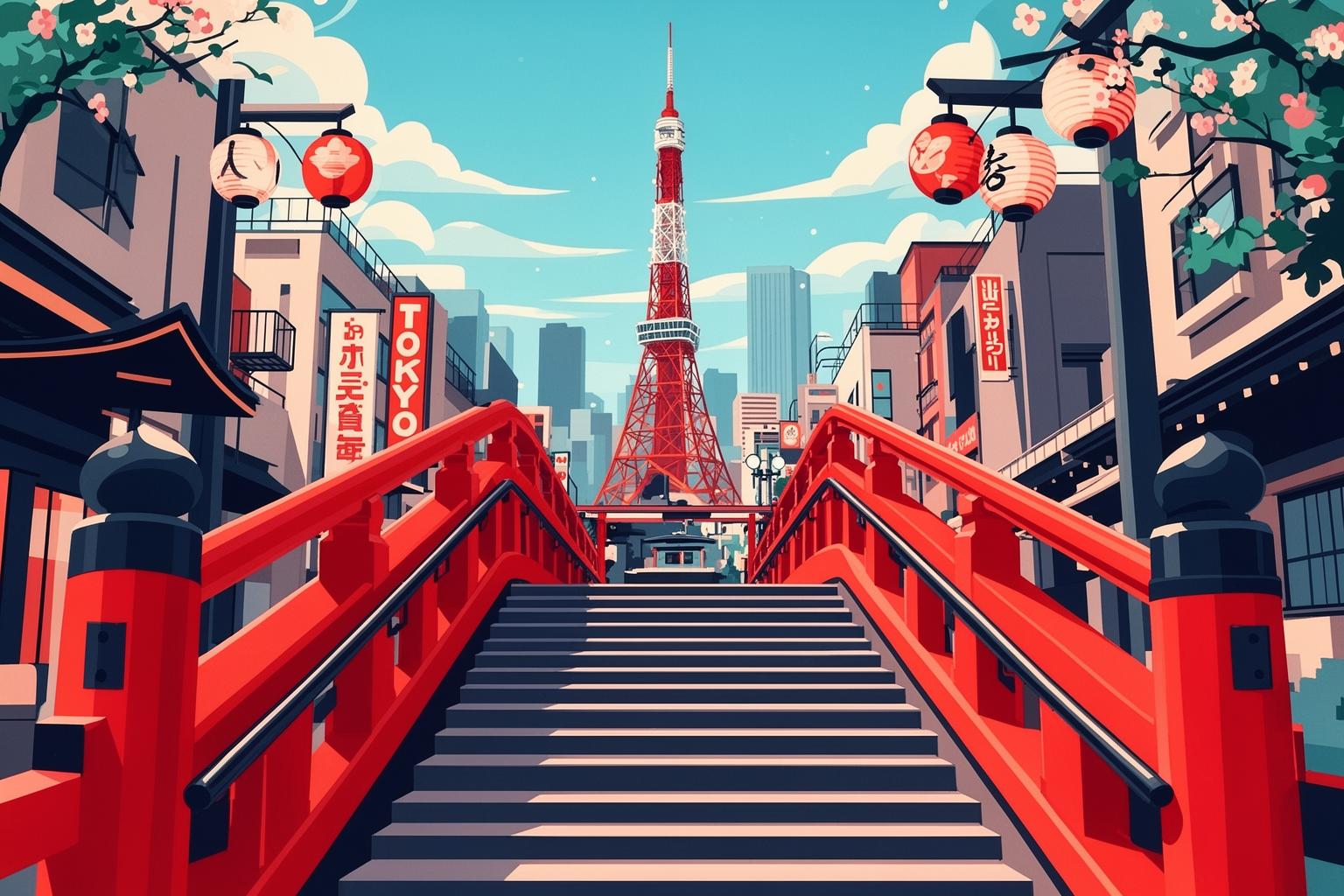
Every great story has a defining moment, a single frame that captures its entire emotional range. For Your Name., that image is unmistakably the red-railed staircase where Taki and Mitsuha finally, desperately, find each other in the film’s final scenes. This is the emotional core of the entire journey, the one spot every fan longs to visit. In reality, these are the steps leading to Suga Shrine, a quiet, local Shinto shrine nestled in a residential area of Yotsuya. The approach to the staircase is a pilgrimage in itself. You leave behind the urban buzz of Yotsuya-sanchome Station and wander through a labyrinth of narrow, tranquil streets. The city’s noise fades into a soft murmur, replaced by the rustling of leaves and the distant ring of a bicycle bell. A palpable anticipation builds as you follow the winding paths, a sense that you’re nearing something sacred—not just spiritually, but narratively. Then, it appears: the gentle curve of the road, the stone retaining wall, and the iconic bright red handrails climbing skyward, framed by Tokyo’s lush greenery. The scene aligns so perfectly with the anime that it can genuinely take your breath away. It feels less like finding a film location and more like stepping into a forgotten memory. The atmosphere here is deeply peaceful. It’s a real neighborhood where life unfolds in quiet contrast to the film’s intense emotions. You’ll see locals walking dogs, children coming home from school, and the steady rhythm of everyday life. Yet, as a pilgrim, the air feels heavy with untold stories. You can almost hear Taki and Mitsuha’s voices echoing faintly, their hearts beating urgently. To truly embrace the magic, timing is key. Visit in the late afternoon during the “golden hour,” when the setting sun filters through the trees, casting long shadows and bathing the scene in a warm, ethereal light that reflects the film’s visual style. This is the ideal time for photography. Position yourself at the bottom looking up, as Taki did, or from the top looking down, to capture Mitsuha’s view. Remember to be a considerate pilgrim. This is a residential zone, not a film set. Keep your voice low, respect residents and traffic, and avoid lingering on the staircase for extended periods. Take your photos, but also take a moment to simply stand, breathe in the air, and let the profound feeling of connection envelop you. It’s a sensation of fulfillment—finding a place that once seemed like a dream and realizing it was real all along.
Shinjuku’s Urban Symphony: Tracing Taki’s World
If the staircase at Suga Shrine represents the emotional core of the film, then Shinjuku embodies the rhythm of its everyday life. This is Taki’s territory, a vast and lively district that forms the backdrop of his existence as a Tokyo high school student. Shinjuku is a city within a city—a striking paradox of towering skyscrapers, neon-lit entertainment centers, tranquil gardens, and an incredibly complex train station serving as the city’s central nervous system. Following Taki’s path here means experiencing the vibrant pulse of Tokyo as he did. It’s a journey through both grandeur and intimacy, from sweeping panoramic views to the cozy nooks where he spent quiet afternoons. Exploring these sites is not just about checking off locations; it’s about understanding the environment that shaped him and sensing the vast world Mitsuha longed to explore. You’ll navigate crowds, gaze at architectural wonders, and discover peaceful moments amid the exhilarating chaos. Here, the urban landscape takes on the role of a character as compelling and present as Taki and Mitsuha.
The View from the Heavens: Tokyo Metropolitan Government Building
Stunning, expansive aerial shots of Tokyo are a hallmark of Makoto Shinkai’s style. He portrays the city not as a cold maze of concrete, but as a sparkling, living organism—a sea of lights stretching endlessly. To capture this view, your first destination in Shinjuku should be the Tokyo Metropolitan Government Building. Designed by the renowned architect Kenzo Tange, this impressive structure, often called ‘Tocho,’ is a postmodern architectural marvel. More importantly for visitors, it provides free access to observation decks on the 45th floor of both the North and South towers. Exiting the elevator, you’re greeted by a breathtaking panorama: the entire Kanto Plain spread out below. On a clear day, you can spot the distant, majestic peak of Mount Fuji, a sight deeply connected to the film’s themes of nature and spirituality. From this viewpoint, you can truly grasp the scale of Taki’s world. The city resembles an intricate circuit board, with threads of light tracing trains and cars as they move. It’s a moment of perspective where the chaotic street energy below transforms into a silent, beautiful spectacle. This is the very view Taki would have seen—a constant reminder of the vast, interconnected world he inhabits. For first-time visitors, the experience is inspiring, helping to orient yourself and appreciate Tokyo’s density. The North Observatory usually stays open later, making it a perfect spot to watch the city shift from day to night, a display of a million lights flickering on—much like the comet blazing across Itomori’s sky. Expect a quick bag check at the entrance and aim to visit on a weekday to avoid large crowds. Standing here, looking out over the boundless cityscape, you feel the same blend of wonder and anonymity that defines life in a megacity—a core element of Taki’s experience.
A Crossroads of Fate: The Shinjuku Station Overpass
Much of Your Name. revolves around fleeting moments and near encounters—paths that nearly intersect. One key visual symbol of this is the intricate network of pedestrian bridges and overpasses around Shinjuku. The most iconic among them is the large, circular pedestrian deck near the West Exit of Shinjuku Station, often known as the Shinjuku Eye. This unique ring-shaped structure features in several montages, representing the constant movement of people and the impersonal nature of the city. Finding this spot within the maze of Shinjuku Station exits is a small adventure in itself. When you ascend the escalator onto the deck, you enter the heart of the city’s circulatory system. Beneath you, traffic pulses in an endless, mesmerizing flow. Around you, crowds move with a purpose that feels both chaotic and synchronized. It’s a sensory feast in the best sense. The film often portrays these scenes with a sense of loneliness, showing Taki as a lone figure against the vast, impersonal backdrop. Standing on the bridge, you can feel that isolation. You are one of millions, a single point of light in a vast constellation. Yet there is also a sense of connection—each passerby has their own story, their own destination, their own tangled threads of fate. It’s an ideal place to reflect on the film’s central theme: how individual destinies intersect in improbable ways within a city of millions. For the best photo, try a wide-angle lens to capture the scale of towering skyscrapers and the curve of the bridge. It’s a dynamic, ever-changing scene that perfectly captures the restless energy of Taki’s Tokyo.
Moments of Respite: Cafe La Bohème Shinjuku Gyoen
Amid the urban sprawl and academic pressures, Taki’s part-time job was a key part of his life, and it’s a place you can experience firsthand. The Italian restaurant where he waited tables with his crush Okudera-senpai is based on the real Cafe La Bohème Shinjuku Gyoen. Situated on the edge of the renowned national garden, this restaurant offers a delightful escape from the city’s rush. Stepping inside, the resemblance is immediately clear. High ceilings, grand chandeliers, large windows overlooking lush greenery, and ornate, almost theatrical decor are all faithfully recreated in the anime. The atmosphere blends European elegance with a relaxed charm. It feels refined yet inviting—exactly the sort of place a high school student might find a slightly glamorous part-time job. Sitting by the window, you can easily picture Taki weaving between tables, balancing trays of pasta and pizza. Visiting Cafe La Bohème is a chance to immerse yourself in the film’s world through taste and ambiance. The menu features classic Italian dishes, and enjoying a meal here feels like stepping into a scene from the movie. It’s a tangible connection, a way to occupy the same space and share a similar moment. Due to its popularity with both locals and fellow fans, reservations are highly recommended, especially for dinner or weekends. Request a table overlooking the park if possible. It’s more than just dining; it’s a moment to slow down, savor the atmosphere, and appreciate the incredible attention to detail that grounds this extraordinary story in a relatable, visitable reality.
Beyond the Screen: The Deeper Layers of Shinjuku Gyoen
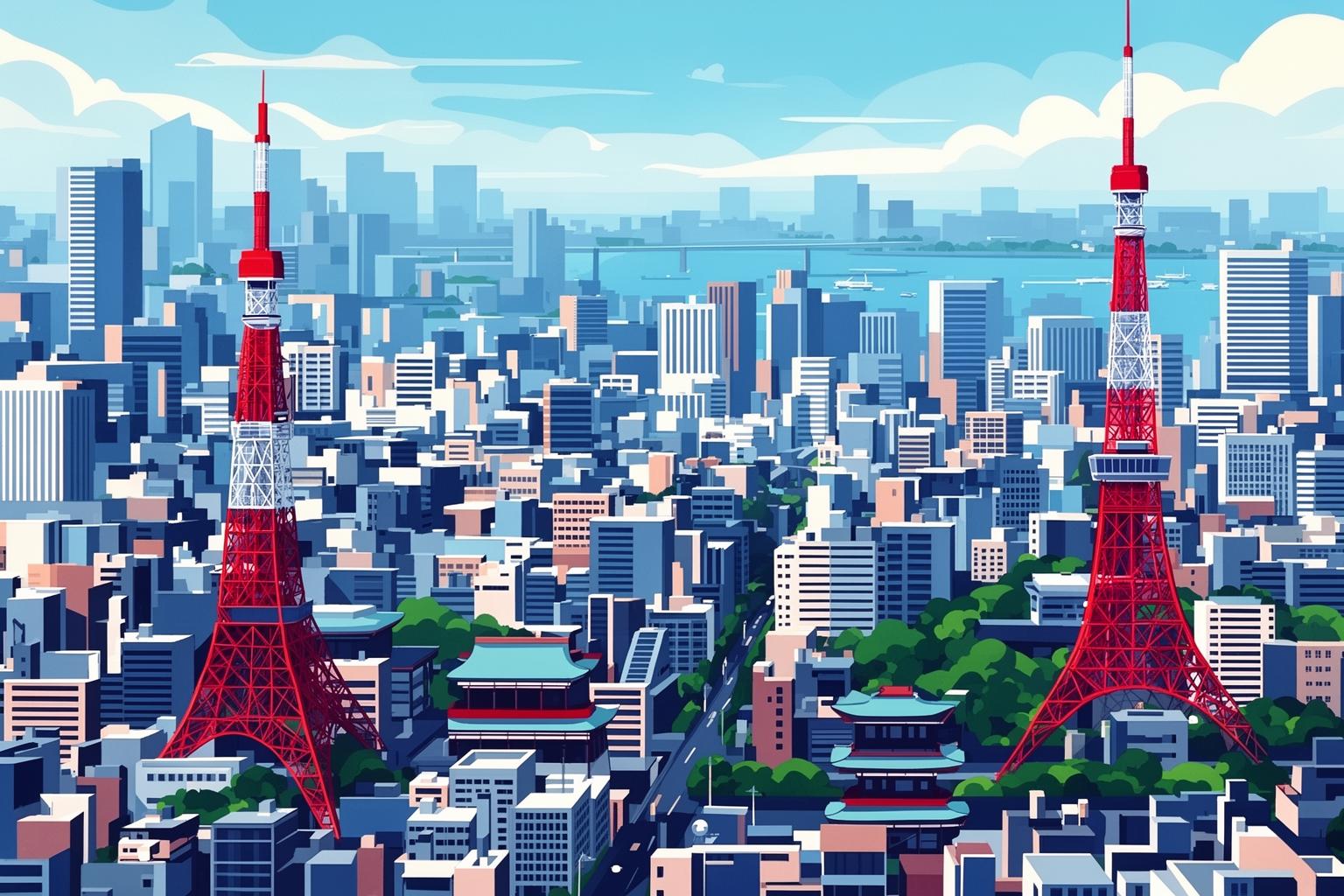
While Cafe La Bohème stands on its edge, the magnificent Shinjuku Gyoen National Garden truly deserves its own dedicated exploration. Though it isn’t prominently featured in a major scene, its spirit and aesthetic resonate strongly with the film’s visual language, especially Mitsuha’s lush, natural world. The park provides a perfect contrast to the concrete and steel of the surrounding Shinjuku district. Entering its gates feels like stepping into another realm. The city noise fades away, replaced by the sound of wind rustling through the trees, birdsong, and the gentle ripple of water in its ponds. Shinjuku Gyoen is a masterpiece of landscape design, gracefully blending three distinct styles. First, there is the traditional Japanese Landscape Garden, with its carefully arranged ponds, bridges, and teahouses, including the stunning Kyu Goryo Tei (Taiwan Pavilion). This section, with its serene water features and artfully pruned pines, evokes the timeless beauty of rural Japan, bridging to Mitsuha’s world. Next, you can stroll through the formal, symmetrical French Garden, featuring rose beds and grand avenues lined with plane trees. Lastly, there is the expansive, open English Landscape Garden, with wide lawns and gently rolling hills, ideal for picnics and relaxing in the shade of cherry trees. The park is a place of peace and reflection. It’s easy to imagine Taki coming here to sketch or simply to escape life’s demands, finding a moment of tranquility that echoes the spiritual calm of Mitsuha’s shrine. This park serves as a living canvas, shifting dramatically with the seasons. In spring, it transforms into one of Tokyo’s most beloved cherry blossom viewing spots—a sea of delicate pink and white. In autumn, the maples ignite in fiery reds and golds. Summer brings lush, vibrant greenery, while winter reveals the stark, elegant silhouettes of the trees, creating a quiet, contemplative beauty. Visiting Shinjuku Gyoen adds a profound layer to your pilgrimage. It links Taki’s urban experience with Mitsuha’s natural world, emphasizing the film’s theme of two distinct worlds merging into one. There is a small entrance fee, but it’s well worth it for the hours of peace found within. Keep in mind that rules here are stricter than in other parks; alcohol is forbidden, and maintaining a tranquil atmosphere is expected. It’s the ideal place to process your journey, sit quietly, reflect on the story, and appreciate the beauty nestled in the heart of one of the world’s busiest cities.
A Pilgrim’s Practical Guide: Navigating Your Journey
Embarking on a ‘seichi junrei’ for ‘Your Name.’ is an exciting journey, but a bit of planning can make the experience smoother and more fulfilling. Tokyo’s vastness might feel overwhelming, yet these spots are surprisingly accessible and can be comfortably explored in a single, well-paced day. The key is to grasp the city’s rhythm and approach your adventure with a balance of preparation and spontaneity. Consider it as crafting your own personal story, moving from one scene to the next at a pace that lets you fully absorb the atmosphere of each location. With the right tools and some know-how, you can navigate Taki’s world like a local, allowing you to focus on the magic of seeing the anime come alive before your eyes. This journey is not just about moving from point A to point B; it’s about making the travel between places part of the experience, observing the city and its people along the way, just as Taki would on his daily commute.
Crafting Your Itinerary
A sensible and efficient way to organize your day is to start in the bustling heart of Shinjuku and finish with the emotional climax at the tranquil Suga Shrine. Begin your morning at the Tokyo Metropolitan Government Building to take in a breathtaking panorama of the city. From there, it’s a short walk to the Shinjuku Eye pedestrian bridge and the lively streets around the station. Afterwards, head to Shinjuku Gyoen National Garden for a peaceful midday stroll, perhaps timing it with lunch at Cafe La Bohème on its outskirts. After soaking in Shinjuku, the trip to Yotsuya is straightforward. You can take the Tokyo Metro Marunouchi Line directly from Shinjuku-gyoemmae Station or Shinjuku Station to Yotsuya-sanchome Station. The ride is brief, about five minutes. This subway transition is part of the experience—a journey from the city’s commercial core to its quieter residential area. Aim to arrive in Yotsuya in the late afternoon to enjoy the golden hour light at Suga Shrine’s staircase. For navigating the subway and train network, a prepaid IC card like Suica or Pasmo is essential. You can simply tap it on the card readers at the gates, saving you the trouble of buying tickets for each trip. It can be loaded with cash at any station, making it easy to move around the city effortlessly.
The Etiquette of Pilgrimage
As you set out on your journey, it is crucial to remember that you are a guest in these places. While they may be iconic to you as a fan, they are also people’s homes, workplaces, and places of worship. The most important place to show this mindfulness is at the Suga Shrine staircase. The surrounding neighborhood is quiet and residential. Avoid loud noises, gathering in large groups that block the street, or trespassing on private property for a better photo angle. Residents are typically accustomed to pilgrims, but their tolerance depends on respectful behavior. When visiting Suga Shrine itself, if you venture beyond the staircase, observe proper etiquette. At the ‘chozuya’ (water pavilion), purify your hands and mouth before approaching the main hall. Offering a simple bow before the ‘torii’ gate upon entering and leaving is also a customary sign of respect. These small acts demonstrate appreciation not only for the location’s significance in the anime but also its cultural and spiritual importance. Likewise, when taking photos, be aware of your surroundings. Avoid including strangers without their consent and don’t set up tripods where they obstruct foot traffic, especially in busy places like Shinjuku. The aim is to leave each location as you found it, ensuring fans in the future can enjoy the same magical experience.
The Resonance of Place: Why We Seek These Locations
What compels us to travel thousands of miles to stand on a particular street corner or climb a specific flight of stairs, simply because it featured in a work of fiction? The practice of ‘seichi junrei’ is much more than mere sightseeing; it is a profound quest for connection. ‘Your Name.’ tells a story that resonates deeply on a human level, delving into universal themes of longing, memory, loss, and the invisible ties that link us to one another. These themes are so powerful they create a world we are reluctant to leave. Visiting the actual locations allows us to hold onto that world, making it tangible. When you stand on the Shinjuku overpass, you are not just seeing a bridge; you are experiencing the vastness of the city that Taki navigated and gaining insight into the incredible odds that he and Mitsuha overcame to find each other in that immensity. Drinking coffee at Cafe La Bohème is not just about being in a restaurant; it is sharing a space filled with Taki’s everyday hopes and worries. And when you finally stand before the Suga Shrine staircase, the boundary between fiction and reality grows impossibly thin. The emotions of the film’s climax feel present, almost electric, in the quiet afternoon air. This pilgrimage deepens the story. The next time you watch ‘Your Name.’, these places will no longer be mere beautifully illustrated settings. They will become memories. You will recall the warmth of the sun on your face at the staircase, the murmur of crowds in Shinjuku, the taste of pasta at the cafe. You will have etched your own story onto the film’s map, creating a personal, layered experience that is uniquely yours. This stands as a tribute to the power of storytelling—proof that a well-told story can imbue ordinary places with extraordinary meaning, turning a simple set of stairs into a symbol of hope and connection for people worldwide.
Your journey through the world of ‘Your Name.’ is more than a tour; it is an experience that bridges the gap between imagination and reality. It offers the chance to walk through a piece of art and discover it to be as real and vibrant as the world you inhabit every day. Standing on those final, iconic steps, you may find yourself looking around, just as Taki and Mitsuha did, searching for something—or someone. In that moment, you will have discovered the true heart of the film: the beautiful, hopeful, and endless search for connection. Let the memory of the music, the colors, and the emotions guide your steps. Tokyo is waiting to share its story with you.