There are places in this world that feel like a dream you’ve visited before. A street corner, a bridge over a gentle river, the quiet grounds of a local temple—they hum with a familiarity that you can’t quite place, a sense of belonging to a memory that isn’t entirely your own. For a generation of anime fans, and for travelers seeking a Japan that pulses with both modern creativity and ancient tradition, that place is Chichibu. Tucked away in a mountain-ringed basin in western Saitama Prefecture, a surprisingly quick and scenic journey from the electric heart of Tokyo, Chichibu is a town of dualities. It is a sacred destination, a canvas upon which one of the most poignant anime series of the 21st century, Anohana: The Flower We Saw That Day, painted its story of friendship, loss, and reunion. It is also the stage for one of Japan’s most spectacular and historic celebrations, the Chichibu Night Festival, a thunderous symphony of light, sound, and spirit that illuminates the cold December sky. As an event planner here in Tokyo, I live for moments where culture comes alive, where stories leap from the screen or from the history books and invite you to become a part of them. Chichibu is a masterclass in this kind of magic. It’s a place where the echoes of fictional childhood friends mingle with the chants of festival-goers, where personal pilgrimage meets profound cultural heritage. This journey is more than just sightseeing; it’s about stepping into a living story, a place where the heart of Japan beats with a rhythm that is both timeless and touchingly new. Prepare to walk the path of the Super Peace Busters and witness the moving mountains of light that define this unforgettable valley.
If the enchanting rhythm of Chichibu stirs your creative spirit, you might also be drawn to explore a captivating anime pilgrimage through Tokyo’s vibrant urban landscapes.
The Heartbeat of Anohana: Walking in the Footsteps of Friends
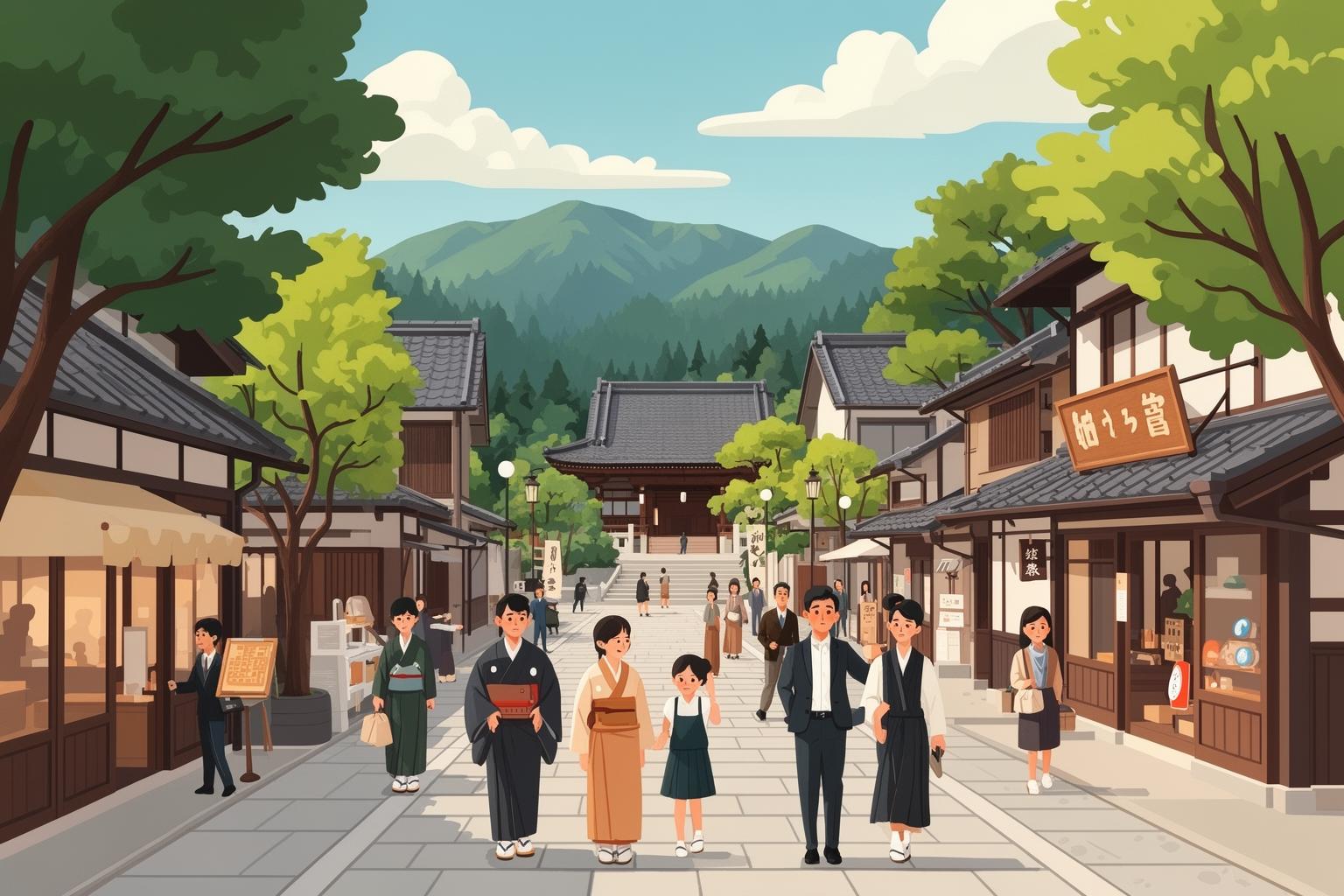
The air in Chichibu carries a unique quality. It’s cleaner, gentler, imbued with the scent of woodsmoke and damp earth from the nearby mountains. For those who have shed tears over the tale of Jintan, Menma, and their friends, this air also feels heavy with nostalgia. The series Anohana: The Flower We Saw That Day is not merely set in Chichibu; its essence is interwoven with the very fabric of the town. The creators meticulously recreated its streets, landmarks, and ambiance, turning a real place into a sacred site for fans. This labor of love has, in turn, been warmly embraced by the town itself, forging a unique and beautiful harmony between fiction and reality. A pilgrimage here isn’t about checking off locations; it’s an emotional journey retracing a story filled with universal themes of growing up and letting go. As you explore the town, you’ll find yourself quietly revering it, seeing the world through the characters’ perspective.
Jorinji Temple: The Super Peace Busters’ Secret Base
Your first step into the world of Anohana should bring you to Jorinji Temple. In the anime, this tranquil Buddhist temple serves as the secret base for the Super Peace Busters, the childhood friends at the heart of the story. In reality, it feels just as it should: a peaceful retreat nestled within a residential neighborhood. Crossing through the main gate, the outside world seems to hush. The grounds are modest, yet immaculate, featuring a beautiful main hall and meticulously cared-for trees. The immediate sense of recognition is striking. You can almost hear faint echoes of laughter and quarrels among friends. What makes Jorinji truly special, however, is the visible affection from the fan community. Near the entrance, racks hold ema, small wooden plaques on which visitors write their wishes. Here, they are adorned not only with prayers for well-being and happiness but with heartfelt messages to the characters, detailed drawings of Menma, and expressions of gratitude for the story. It stands as a living, breathing tribute to the show’s impact. Standing there, reading messages from people around the world, you realize this is more than just a filming location. It is a place of shared emotion, a real-life secret base for a global fan community. Take a moment to sit on the steps, soak in the calm atmosphere, and appreciate this rare blend of faith, fiction, and heartfelt fandom.
The Old Chichibu Bridge: A Landmark of Melancholy and Hope
Few images from Anohana are as iconic as the elegant, truss-style Old Chichibu Bridge (Kyu-Chichibu Bashi). It appears repeatedly in the series—in the opening and ending sequences and during key emotional moments. The bridge becomes a silent character itself, witnessing the friends’ journey and symbolizing the bonds that hold them together, even across years. Walking across it is an essential part of the pilgrimage. The concrete path feels solid beneath your feet, contrasting with the emotional depth it carries in the story. From its center, you enjoy a sweeping view of the Bukogawa River flowing gently below and the majestic Mount Buko standing watch in the distance. The view is beautiful any time of day but is especially poignant in the late afternoon, when the setting sun casts long shadows and bathes the valley in warm, golden light straight from an anime cel. This is an ideal spot for quiet reflection. Nearby, the newer, more modern Chichibu Bridge runs parallel—a visual metaphor for the passage of time and the coexistence of past and present that defines the town. Here, you may find yourself thinking of your own childhood friendships, the people and places that shaped you. The gentle breeze, the river’s sound, the mountain’s steadfast presence—all combine to create a deeply moving experience.
Keyaki Row and the Path to School
The daily lives of the characters unfold along the modest streets they take to school. A particularly memorable stretch is the row of Keyaki (Japanese Zelkova) trees extending from the station area. This path is instantly recognizable from scenes where the characters walk, often lost in thought, wrestling with their shared past. Walking this route yourself, you’ll notice how ordinary it is—and that ordinariness is precisely its charm. It anchors the story’s fantastical elements in tangible reality. You can imagine Jintan’s reluctant journey to school, feeling his internal struggles with every step. The town of Chichibu has placed subtle character standees and posters throughout these key spots—not in an overly commercial way, but more as a gentle nod to those who have come to pay homage. It feels as if the town itself cherishes the series, proud to share its home with the Super Peace Busters. This walk is a reminder that the most powerful stories often unfold in the simplest settings, and that the magic of Chichibu lies in making the everyday feel profoundly meaningful.
A Symphony of Light and Sound: The Chichibu Night Festival
Long before anime enthusiasts discovered Chichibu, the town was renowned for a different type of pilgrimage. Each year, on December 2nd and 3rd, the tranquil valley bursts into a magnificent celebration of tradition and community spirit: the Chichibu Night Festival (Chichibu Yomatsuri). As an event planner, I’ve witnessed many festivals, but this one stands apart. It is regarded as one of Japan’s top three float festivals, alongside Kyoto’s Gion Matsuri and Takayama Matsuri, with a history spanning over 300 years. In 2016, it was inscribed as a UNESCO Intangible Cultural Heritage, underlining its cultural importance. The festival serves as the grand annual event for Chichibu Shrine, radiating an all-encompassing energy. The entire town is transformed. The crisp winter air is filled with the scent of festive street food, the melodies of traditional music, and the lively chatter of hundreds of thousands of visitors who brave the cold for this unforgettable occasion. It’s a profound, immersive event that connects you intimately to the town’s rich heritage.
More Than Just a Festival: A UNESCO Heritage Spectacle
The significance of the festival cannot be overstated. It embodies immense local pride and is a tradition passed down through many generations. Preparations take place throughout the year, involving the whole community. What makes it truly distinctive is its blend of elements. There are the grand, ornate floats, a stunning winter fireworks display lasting nearly two and a half hours, and the sacred kagura music and dance performed at Chichibu Shrine. Held in early December, when nights are long and cold, the timing enhances the drama and splendor of the event. The glowing lanterns of the floats and the brilliant fireworks create a sea of light that pushes back the winter darkness, symbolizing community and celebration. Attending Chichibu Yomatsuri is to witness a town’s soul unveiled, a vibrant and powerful expression of identity that has endured for centuries.
The Kasaboko and Yatai Floats: Moving Mountain Shrines
The highlight of the festival is undoubtedly the six enormous floats: two Kasaboko (large, umbrella-shaped floats) and four Yatai (smaller, stage-like floats). Calling them ‘floats’ hardly does them justice. These are more like mobile architectural masterpieces, weighing between 10 and 20 tons. Each is a feat of craftsmanship, decorated with intricate gilded wood carvings, rich tapestries, and countless paper lanterns that emit a warm, inviting glow. On the Yatai floats, stages host kabuki performances by local children, adding another layer of artistry to the event. The floats move not by engines but through the combined strength of dozens of men in traditional festival attire, whose rhythmic chanting forms a powerful, percussive soundtrack for the procession. However, the true defining sound of the festival is the Chichibu Yatai-bayashi, a vibrant, thunderous style of taiko drumming that resonates throughout the valley. The drummers, performing from within the floats, play with an intensity felt deep in the chest. This driving, hypnotic rhythm fuels the energy of both the pullers and the crowd, becoming the very heartbeat of the festival.
The Climax at Dango-zaka: A Test of Strength and Spirit
The festival reaches its thrilling climax on the evening of December 3rd. The main event is the procession of the six floats to the town plaza. To arrive, they must be pulled up a steep, short incline called Dango-zaka, next to Chichibu City Hall. This moment serves as the festival’s ultimate test of strength and teamwork. With temporary ropes fastened, hundreds join forces, hauling the massive floats up the slope. The air buzzes with tension and excitement. Leaders shout commands, drummers beat their taiko with frantic vigor, and the crowd cheers loudly. As each float crests the hill, triumphant applause erupts, culminating in a spectacular winter fireworks display lighting up the sky overhead. Standing in that crowd, feeling the ground tremble beneath the drums and the pullers’ effort, and witnessing the vivid floats against a backdrop of brilliant fireworks on a freezing night is a breathtaking and unforgettable sensory experience. It is a moment of pure, unfiltered communal triumph.
Beyond the Pilgrimage: Discovering Chichibu’s Deeper Soul
While the Anohana pilgrimage and the Night Festival serve as strong attractions, they represent only two aspects of Chichibu’s diverse identity. This valley has drawn seekers for centuries, offering spiritual significance and natural beauty to those who venture beyond the main sights. To truly grasp Chichibu’s essence, one must explore its quieter areas, ancient traditions, and the breathtaking natural landscapes that have shaped its character. The mountains surrounding the town are more than just a scenic backdrop; they host ancient shrines and a network of pilgrimage routes that have existed for centuries, far predating any anime.
The Chichibu 34 Kannon Sanctuary Pilgrimage
Long before fans arrived searching for Menma, pilgrims had been traversing the Chichibu 34 Kannon Sanctuary Pilgrimage route. This is one of Japan’s most renowned pilgrimage circuits, alongside the Saigoku and Bando routes. Stretching nearly 100 kilometers, it links 34 Buddhist temples devoted to Kannon, the goddess of mercy. While the full circuit takes several days to complete, visiting a handful of these temples still imparts a profound sense of peace and connection to a rich history. Each temple possesses its own distinct charm. Some, such as Jorinji, are situated within town limits, while others lie hidden in the mountains, requiring a hike. This journey offers a unique connection to the land. As you walk the quiet paths between temples, collecting stamps (goshuin) in your temple book, you partake in a tradition of devotion that has persisted for over 800 years. It’s a meditative experience that encourages an appreciation of the Chichibu basin’s natural beauty at a leisurely pace, providing a compelling contrast to the more contemporary anime pilgrimage.
A Taste of the Region: Local Flavors and Crafts
No trip to any part of Japan is complete without sampling its local food, and Chichibu presents some delightfully rustic and hearty dishes. The most renowned local specialty is Waraji Katsudon, a pork cutlet rice bowl uniquely rooted in Chichibu. Unlike the typical egg-and-onion sauce, it features two large, thin pork cutlets (resembling waraji, traditional straw sandals) marinated in a sweet and savory soy-based sauce and served over rice. It’s a simple yet fulfilling and delicious meal. Another must-try snack is Miso Potato—bite-sized pieces of steamed or fried potato, skewered and coated in a sweet miso glaze. Available at street food stalls and local eateries, they’re the perfect comfort food, especially on a chilly day. Beyond cuisine, Chichibu is also famed for its traditional craft, Chichibu Meisen, a silk fabric known for its understated, beautiful patterns. Though production has lessened, you can still encounter this craft at the Chichibu Meisenkan, a museum and workshop where you can learn about its history and even try your hand at weaving.
The Whispers of Mitsumine Shrine: A Sanctuary in the Clouds
For those with extra time and a spirit of adventure, a trip up the mountains to Mitsumine Shrine is highly recommended. One of the three great shrines of Chichibu, it sits over 1,100 meters above sea level, often enveloped in mist, creating an ethereal, mystical ambiance. The journey itself is part of the allure—a winding bus ride up the mountain offering increasingly breathtaking views. Unlike typical komainu (lion-dog) guardians, the shrine is protected by wolf statues (o-inu-sama), regarded as the divine messengers of the mountain gods. The air here is thin and charged with spiritual energy. The shrine complex is exquisite, featuring intricate carvings on its main gate and worship hall, painted in vivid colors that contrast strikingly with the deep green ancient cedar trees surrounding it. Some of these trees are over 800 years old, their massive trunks and twisted branches stretching toward the sky like ancient sentinels. Being in their presence is a humbling experience. Mitsumine Shrine offers a profound blend of nature and spirituality, a perfect opportunity to connect with the wild, untamed spirit of the Chichibu mountains.
Your Chichibu Journey: Practical Tips for the Perfect Trip
Planning a trip to Chichibu is refreshingly straightforward, making it an ideal getaway from the hustle and bustle of Tokyo. With a bit of preparation, you can fully enjoy your time in this captivating valley, whether you’re visiting for a quick day trip to explore anime sites or staying longer to immerse yourself in its culture and natural beauty.
Getting There: From Tokyo’s Bustle to Mountain Serenity
The most convenient and picturesque way to get to Chichibu from Tokyo is via the Seibu Railway line departing from Ikebukuro Station. The Red Arrow Limited Express train, known as the ‘Laview,’ is an excellent choice. This sleek, modern train features large windows that provide stunning views as you leave the urban sprawl behind and enter the mountainous landscape of Saitama. The trip takes about 80 minutes and offers a comfortable, reserved-seat ride that perfectly sets the tone for a relaxed stay in Chichibu. Alternatively, regular express trains are available; they take a bit longer but are more budget-friendly. Upon arriving at Seibu-Chichibu Station, you’ll find yourself right in the heart of the action, with most of the main anime pilgrimage spots and Chichibu Shrine within easy walking distance.
When to Go: A Destination for Every Season
Chichibu shines year-round, with each season showcasing its unique charm. Spring (late March to April) brings cherry blossoms, framing bridges and temples in soft pink hues. From late April to early May, Hitsujiyama Park, perched on a hill overlooking the town, bursts into a vibrant carpet of pink, purple, and white shibazakura (moss phlox)—a truly breathtaking spectacle. Summer is lush and green, perfect for hiking and cooling off by the river. Autumn (October to November) ignites the surrounding mountains with fiery fall colors, providing a stunning backdrop for temple visits. Winter offers its own stark beauty, marked by crisp, clear air and the highlight event: the Chichibu Night Festival on December 2nd and 3rd. If you plan to attend the festival, be sure to book accommodations well in advance—sometimes months or even a year ahead—since the whole area fills up quickly.
Exploring the Town: By Foot and Bike
Chichibu’s town center is compact and very walkable. You can easily design a walking tour of the key Anohana locations, starting from the station and winding through the streets to Jorinji Temple and the Old Chichibu Bridge. For those wanting to cover more ground or visit some of the more distant temples on the Kannon pilgrimage route, renting a bicycle is a great choice. Rental shops are located near Seibu-Chichibu Station. Biking lets you explore at your own pace and uncover hidden alleyways and charming spots that you might otherwise miss. The relatively flat terrain of the town center makes cycling both easy and enjoyable.
Tips for First-Time Visitors
A few simple tips can help make your first visit smoother. Wear comfortable walking shoes as you’ll be on your feet a lot. Carry cash, since smaller shops and food stalls may not accept credit cards. When visiting temples and shrines, be respectful—not only toward the religious significance of the sites but also toward anime fans who come for their own quiet, personal pilgrimage. These places are cherished, so keep noise to a minimum, especially within temple grounds. If you’re attending the Night Festival, dress in warm layers, as December nights in Chichibu are very cold and you’ll be outside for extended periods. Lastly, pick up a pilgrimage map at the tourist information center in the station—they often have special Anohana-themed maps that are both practical and make great souvenirs.
The Lingering Melody of Chichibu
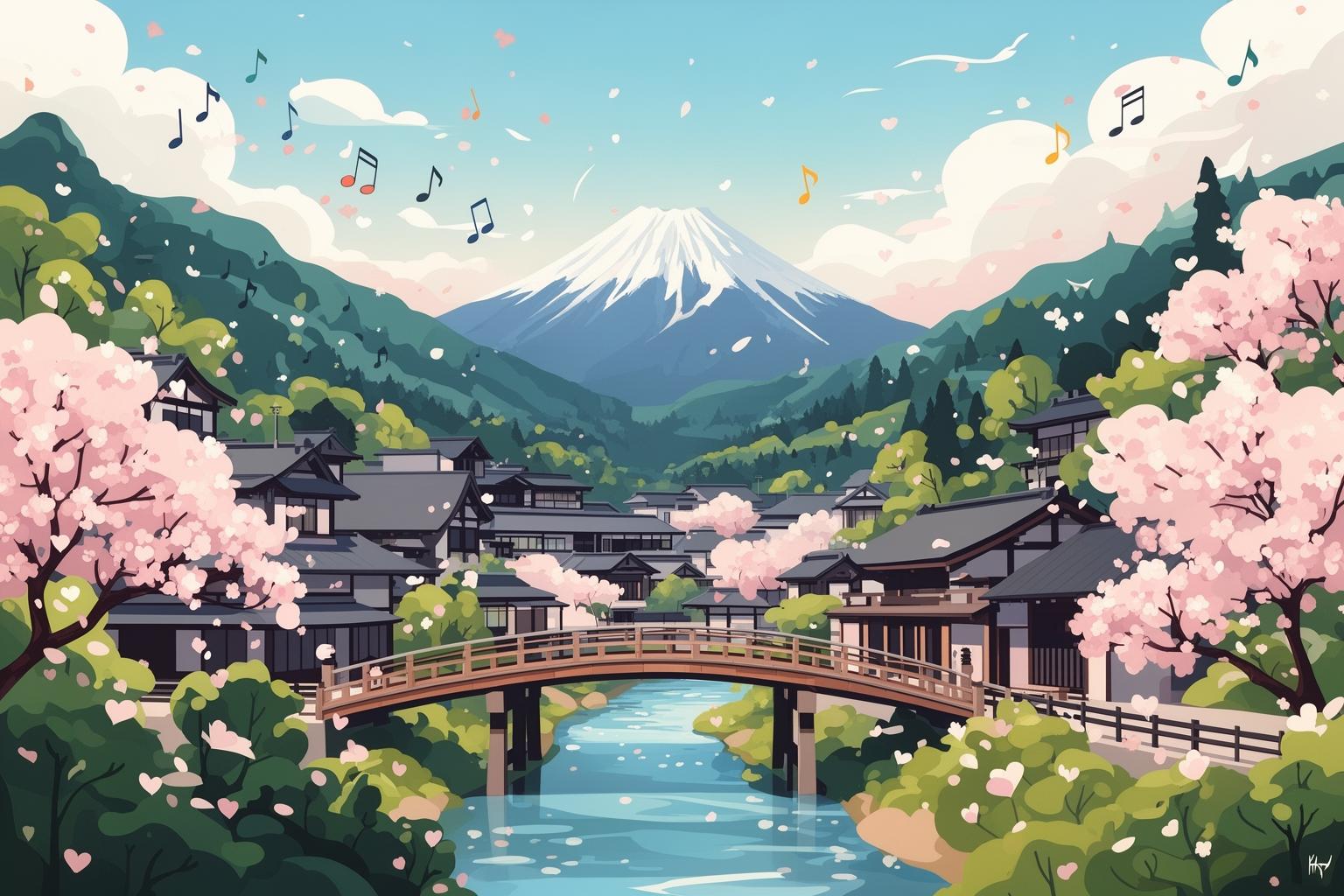
Leaving Chichibu feels like waking from a familiar dream, but this time, you recognize its name. The memories you make here layer themselves over the stories that first drew you in, forging a personal connection that lingers long after you’ve boarded the train back to Tokyo. The town’s melody is a unique blend of contrasting notes: the quiet, bittersweet nostalgia of a fictional summer and the thunderous, joyful roar of a centuries-old festival. It is a place where you can stand on a bridge and feel the weight of a beloved anime’s climax, then, on a cold winter night, sense the earth tremble beneath the footsteps of tradition. Chichibu shows you that a place can hold many stories simultaneously, that the sacred can be found in a hand-drawn ema plaque left by a fan just as it can within the ancient rituals of a shrine. It is a town that doesn’t ask you to choose between past and present, or between the real and the imagined. Instead, it invites you to experience it all—to walk its streets and feel the echoes of every story it holds. It’s a pilgrimage that leads not just to a place, but to a feeling—a sense of connection, shared memory, and the enduring magic where stories and place become one.