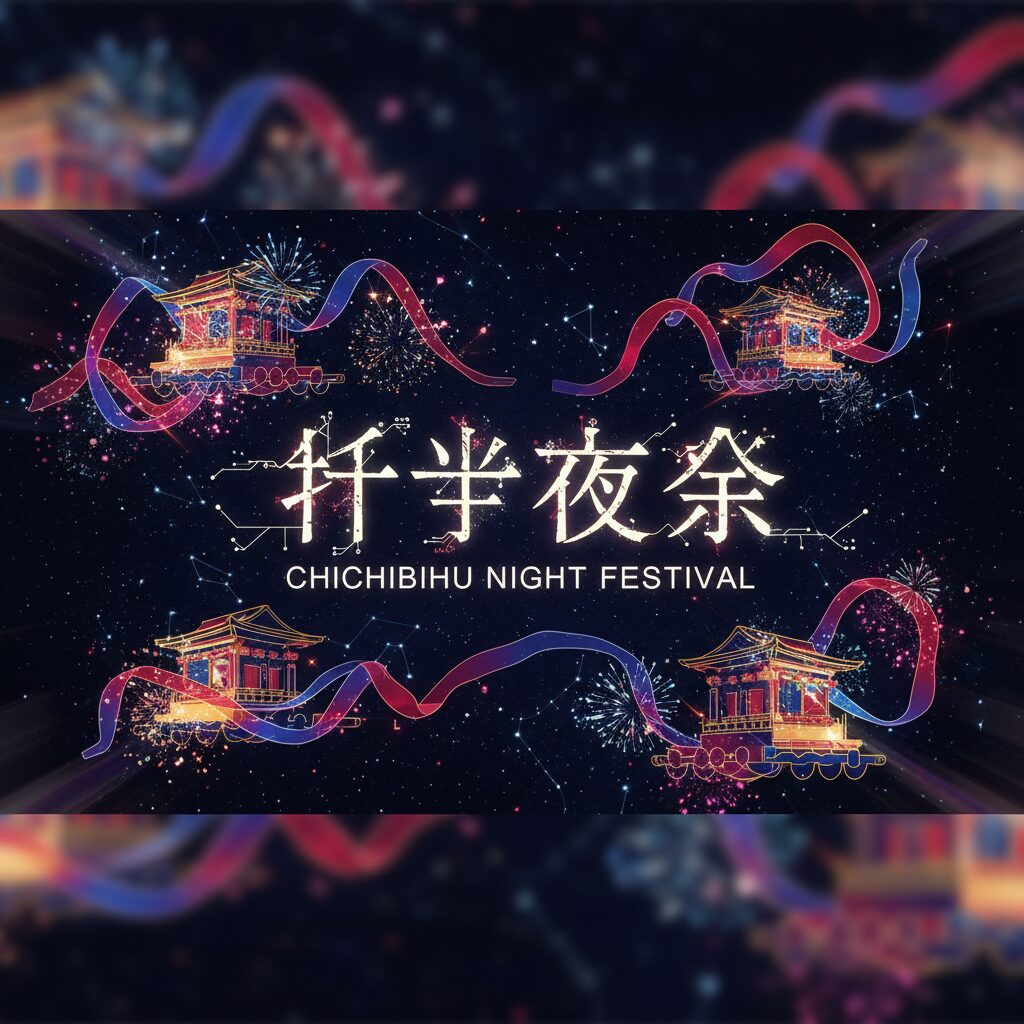
Imagine a world painted in the deep blues of a December night, where the air is so crisp it sings against your skin. Your breath plumes in front of you, a fleeting cloud in the mountain chill. But you’re not cold. Not really. Because you’re caught in a river of humanity, a current of warmth and anticipation flowing through streets lined with glowing paper lanterns. The air thrums with a primal, resonant beat—the deep-throated call of taiko drums that seems to vibrate right through the soles of your shoes. This isn’t just any winter evening in Japan. This is the Chichibu Yomatsuri, the Chichibu Night Festival, a spectacle of such magnificent scale and profound cultural gravity that it has been recognized by UNESCO as an Intangible Cultural Heritage of Humanity. For two electrifying days each year, on December 2nd and 3rd, this quiet mountain city in Saitama Prefecture, just a short journey from the electric heart of Tokyo, transforms into a stage for one of Japan’s top three float festivals. It is a breathtaking display of community spirit, a fireworks-laden crescendo against the winter sky, and a tradition that has burned brightly for over three hundred years. This is a festival that doesn’t just happen in Chichibu; it is the very soul of Chichibu, made visible and audible for the world to witness. It is a sensory masterpiece, an experience that will etch itself into your memory with the force of a drumbeat and the brilliance of a firework.
The dazzling celebration of age-old tradition here resonates with evolving global trends, including a rise in film tourism that invites travelers to explore cultural narratives in unexpected ways.
The Heartbeat of Chichibu: More Than Just a Festival
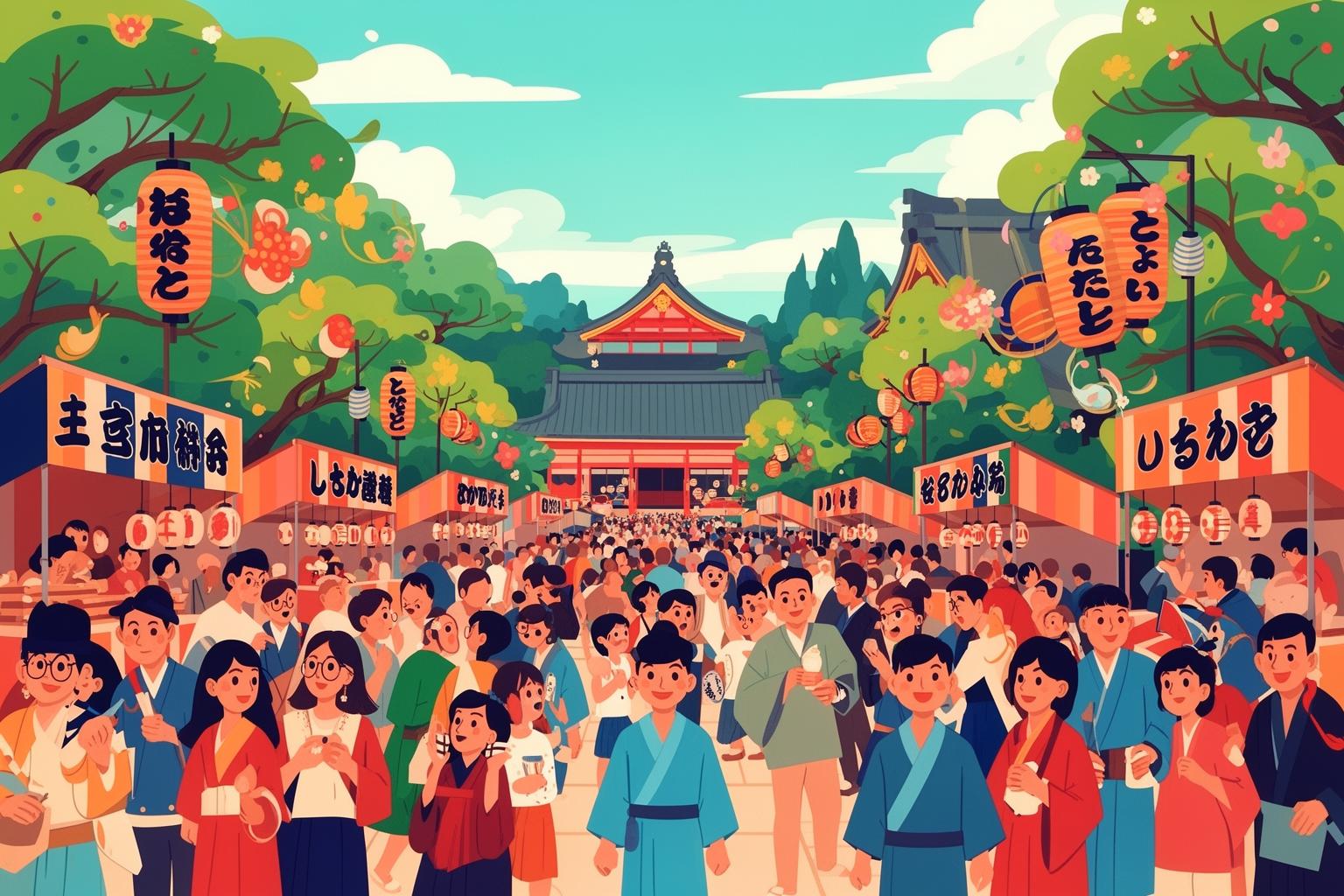
To truly understand the Chichibu Night Festival is to grasp the very essence of the city itself. This is not a spectacle staged for tourists; it represents the culmination of a year’s worth of passion, preparation, and dedication from the local community. At its heart, the festival is the annual grand celebration of Chichibu Shrine, a historic and exquisite shrine with roots extending over two thousand years. Even before the main events commence, wandering the shrine grounds allows you to feel the weight of this history. The air carries the scent of cedar and incense, and the elaborate, vividly colored carvings decorating the main hall narrate tales of ancient myths. These carvings, some credited to the legendary artist Hidari Jingoro—who also contributed to the famous shrines of Nikko—depict both fearsome and benevolent creatures, reflecting the deep spiritual beliefs that form the foundation of the festival’s joyful spirit. The festival is traditionally regarded as a meeting between two deities: the goddess of Chichibu Shrine and the god from nearby Mount Bukō. The grand procession of floats serves as their sacred parade. This narrative lends the entire event a sense of romance and meaning. You sense it in the respectful way participants handle the sacred ropes of the floats and in the focused intensity of the musicians. The atmosphere is a captivating blend of the sacred and the secular. One moment you witness a solemn ritual; the next, you weave through a lively corridor of food stalls, the air filled with the smoky aroma of grilled squid and the sweet fragrance of candied apples. This duality is what brings the festival to life, making it feel so vibrant and human. It is a celebration of gods and people alike, of ancient heritage and the living, breathing present.
The Stars of the Show: The Yatai and Kasaboko Floats
At the heart of this vibrant world of sound and light are the floats, which are nothing less than mobile masterpieces. There are six in total: four magnificent Yatai and two towering Kasaboko. Calling them simply floats hardly does them justice; they are rolling treasure troves, architectural marvels weighing between ten and twenty tons, each a stunning display of Japanese craftsmanship. The Kasaboko represents the older style, characterized by tall central poles from which beautiful tapestries hang, resembling giant, ornate halberds. Meanwhile, the four Yatai function as true mobile stages. Their sides fold down to reveal small, intricate platforms where kabuki plays are performed during the day on December 3rd. Every surface of these floats is a gallery of artistry. You will see panels of gleaming black lacquer inlaid with shimmering mother-of-pearl, along with intricate wooden carvings of dragons, phoenixes, and scenes from folklore, all adorned with brilliant gold leaf. As night falls, hundreds of paper lanterns, each bearing the crest of its district, are hung from the eaves of the floats. When illuminated from within, they emit a warm, ethereal glow, transforming these massive structures into celestial chariots gliding through the dark. The level of detail is astonishing. If you trace your eyes along the rooflines, you will discover complex joinery and sculpted demonic tiles designed to ward off evil. Examine the tapestries and you’ll find scenes of breathtaking beauty, embroidered with such skill they seem to come alive in the flickering lantern light. Standing next to one, you must crane your neck to take it all in. You can feel the immense weight and history embodied by the object before you. These are not rebuilt anew each year; they are heirlooms, carefully passed down and maintained over generations, each scratch and polish telling part of their long story.
The Roar and the Rhythm: The Hayashikata Musicians
Driving these colossal floats forward is a force more potent than any engine: the sound of the Chichibu Yatai-bayashi. This is the festival’s distinctive musical ensemble, a powerful and intricate symphony performed by musicians known as Hayashikata who ride within the floats. The music is an unyielding, driving power. At its core is the booming rhythm of the large O-daiko drum—a sound so deep and mighty it is less heard and more felt, vibrating through your chest and seeming to shake the very ground beneath you. This primal pulse is broken by the sharp, lively beats of smaller kodaiko drums, producing a syncopated, energetic rhythm. Interwoven with this percussive foundation is the haunting, melodic call of the bamboo flute, the shinobue, its high-pitched notes piercing through the crowd’s roar and the pounding drums. The final element is the bright, metallic chime of the small hand gong, the kane, which keeps the complex rhythm perfectly timed. The music is far from mere background noise; it acts as the festival’s command center. Changes in tempo and rhythm signal instructions to the many pullers tense on the thick ropes: “pull,” “turn,” “stop.” This relentless beat empowers them, offering a shared pulse that unites hundreds of people into a single, coordinated force. As a spectator, you become fully immersed in this sonic world. The music envelops you, echoing off buildings, drawing you deeper into the procession, and creating an atmosphere charged with thrilling, almost overwhelming energy. It is the raw, untamed voice of the festival, a sound that lingers in your ears long after you have left the crowded streets.
The Grand Climax: The Ascent of Dango-zaka Hill
Everything at the festival—the music, the crowds, the energy—builds up to one singular, unforgettable moment: the ascent of Dango-zaka. This marks the festival’s climax, a raw exhibition of human strength, determination, and collective spirit that is truly awe-inspiring. Dango-zaka is a short but brutally steep slope leading to the Otabisho, the sacred resting place where the deities are to meet. The challenge is enormous: to haul the massive, multi-ton floats, which lack modern steering or brakes, up this incline. As the first float nears the hill’s base, the atmosphere thickens with tension and excitement. The music, a constant driving force throughout the night, hits a fever pitch. The beat of the O-daiko drum quickens, becoming more frantic — a pounding heartbeat urging the pullers onward. The thousands-strong crowd presses in, their shouts of encouragement and rhythmic chants of “Horyai! Horyai!” blending with the music into a single, deafening roar. The men chosen for this task, the hiki-te, strain against the thick ropes, muscles taut, faces contorted with effort. The massive wooden wheels of the float groan in protest as they dig into the gravel laid for traction. For a moment, the immense structure seems to resist, refusing to move. Then, with a collective heave born of sheer will, it lurches forward. The process is slow and agonizingly difficult. The float sways precariously, its lanterns casting wild, flickering shadows. Men armed with wooden levers scramble to guide the wheels, their shouts barely audible above the clamor. The sheer, raw power of the scene is overwhelming. It is not graceful, but a gritty, sweaty, and deeply moving struggle of humanity against inertia. When the float finally reaches the hilltop and rolls onto the plaza, the crowd erupts in triumphant cheers—a release of pent-up energy that is both joyous and cathartic. One by one, each of the six floats makes this dramatic climb, a powerful and primal ritual repeated beneath the watchful gaze of a winter moon.
A Sky Ablaze: The Winter Fireworks
As if the spectacle on the ground weren’t breathtaking enough, the Chichibu Night Festival offers its audience a stunning display in the sky. While fireworks are typically associated with summer in Japan, Chichibu hosts one of the nation’s rare and truly spectacular winter fireworks shows. For two hours, the cold, clear winter sky transforms into a canvas for bursts of vibrant color. The timing is flawless. The fireworks launch in sync with the grand procession and the climax at Dango-zaka hill, creating a multi-layered sensory experience that defies description. Picture the scene: a twenty-ton float, glowing warmly from hundreds of lanterns, is hauled up a steep slope by sheer human determination, while overhead the sky blooms with cascades of gold, crimson, and sapphire. The sharp crack and boom of the fireworks echo off the surrounding mountains, mingling with the thunder of taiko drums and the roar of the crowd. The experience is completely immersive. The cold air sharpens the colors, making them appear more vivid. The pyrotechnic light illuminates the entire festival grounds, catching the gilded carvings on the floats and flashing across the faces of the enraptured crowd. Massive starbursts fill the sky, while delicate, weeping willow-style fireworks send glittering tendrils cascading earthward. It is a celebration on an epic scale—a dialogue between the earthbound power of the floats and the ethereal beauty of the fireworks. This celestial display is not simply an addition to the festival; it is an integral part of its identity, a final, emphatic exclamation mark on an evening of unforgettable spectacle.
A Pilgrimage for Modern Fans: Chichibu in Anime
For many international visitors, the name Chichibu holds a special significance: it serves as the real-world setting for the beloved and emotionally stirring anime series, Anohana: The Flower We Saw That Day. This link has turned the city into a contemporary pilgrimage destination, where the boundary between fiction and reality beautifully fades. Although the Night Festival itself is not a central plot element of the series, the spirit and scenery of Chichibu form the very heart of the story. Fans walking through the city will experience a constant and exhilarating sense of déjà vu. The tale of Jinta, Menma, and their friends unfolds against a carefully and affectionately depicted backdrop. Exploring the city is essentially like walking through the anime’s scenes, adding a whole new layer to the visit—especially during the festival. The energy and communal spirit on display during Yomatsuri feel like a tangible expression of the themes of friendship, memory, and connection that are so crucial to Anohana. The festival unites the entire town, serving as a living example of the ties that bind the anime’s characters to their hometown. Visiting Chichibu offers a dual experience: you witness a centuries-old cultural tradition while simultaneously taking part in a modern form of fandom pilgrimage.
Walking Through the Scenes of Anohana
A trip to Chichibu during the festival is the ideal chance to explore these iconic anime landmarks. Many of them lie within easy walking distance of the main festival area near Chichibu Shrine. You can stand on the Old Chichibu Bridge, a pivotal location where the characters frequently gather, and gaze over the Arakawa River—the very same view so prominently featured in the show. A quiet visit to Jorinji Temple, another key spot in the anime, lets you absorb the peaceful, reflective atmosphere central to the story. Local shops and even the tourist information center embrace this connection, often showcasing posters, character standees, and merchandise. Maps highlighting the key Anohana sites are readily available. This celebration of its anime heritage makes the pilgrimage feel both welcomed and cherished. It’s a wonderful synergy where a modern narrative has revitalized an ancient town, inspiring a new generation of visitors to discover not only the fictional world they love but also the rich, tangible culture of the real place that inspired it. Witnessing the town come alive with festival energy after seeing it as the quiet, nostalgic setting of the anime offers a uniquely fulfilling experience.
Practical Guidance for the Intrepid Traveler
Attending a festival of this scale requires some planning, but the rewards are priceless. As an event planner, I’d like to share some insider tips to help make your experience as smooth and enjoyable as possible. The key is to be ready for the two main challenges: the crowds and the cold. The festival, especially on the main night of December 3rd, attracts hundreds of thousands of people into a relatively small area. This generates an incredible energy, but also means transportation and accommodation are in very high demand. It’s crucial to book your hotel or ryokan many months, or even up to a year, in advance if you plan to stay overnight in Chichibu. If you’re considering a day trip from Tokyo, be prepared for crowded trains on the return journey. The best approach is to either leave before the very final crescendo or be ready to wait until the crowds subside. A bit of patience will go a long way.
Getting to Chichibu
Traveling from Tokyo is refreshingly straightforward, which is a major advantage. The most comfortable and direct option is the Seibu Railway‘s Red Arrow Limited Express train, running from Ikebukuro Station in Tokyo straight to Seibu-Chichibu Station. The trip takes about 80 minutes and features reserved seating, a welcome luxury on a busy festival day. It’s highly recommended to book tickets in advance, especially for the return trip, as they tend to sell out. Alternatively, local train lines that may require transfers are a reliable backup. Once you arrive at Seibu-Chichibu Station, you are right on the edge of the festival area. The main procession route and Chichibu Shrine are only a 15-minute walk away. The entire festival area is very walkable, but expect to be on your feet for many hours.
Navigating the Festival Dates and Times
The festival officially runs on December 2nd and 3rd. While the 2nd has its own attractions, such as the daytime float pulling, the main event you won’t want to miss is the evening of December 3rd. That’s when the grand procession, the highlight at Dango-zaka hill, and the main fireworks display all happen. To secure a good viewing spot for the Dango-zaka climb, you’ll need to arrive early. Getting to Chichibu by early afternoon on the 3rd is a smart plan. This gives you time to explore the food stalls, visit Chichibu Shrine, and see the floats in daylight before settling in for the evening events, which typically start after sunset and continue late into the night. Be sure to check the official festival schedule closer to the event, as the timing can vary slightly each year.
A Taste of the Festival: Local Delights
One of the greatest pleasures of any Japanese festival is the food, and Chichibu is no exception. The streets are lined with countless yatai, or food stalls, offering hot, tasty, and comforting treats perfect for a cold winter’s night. Beyond the usual festival favorites like yakisoba (fried noodles) and takoyaki (octopus balls), be sure to try some of Chichibu’s local specialties. A must-try is the miso poteto: skewered, deep-fried potatoes coated in a sweet and savory miso glaze. It’s simple, rustic, and incredibly satisfying. Another local favorite is waraji katsudon, a pork cutlet bowl featuring cutlets so large they resemble traditional straw sandals (waraji). To warm you up, a cup of hot amazake, a sweet, non-alcoholic fermented rice drink, is the perfect companion while watching the fireworks. Exploring the food stalls is an adventure in itself and a wonderful way to soak up the festive atmosphere.
Beyond the Main Event: Experiencing the Fullness of Chichibu
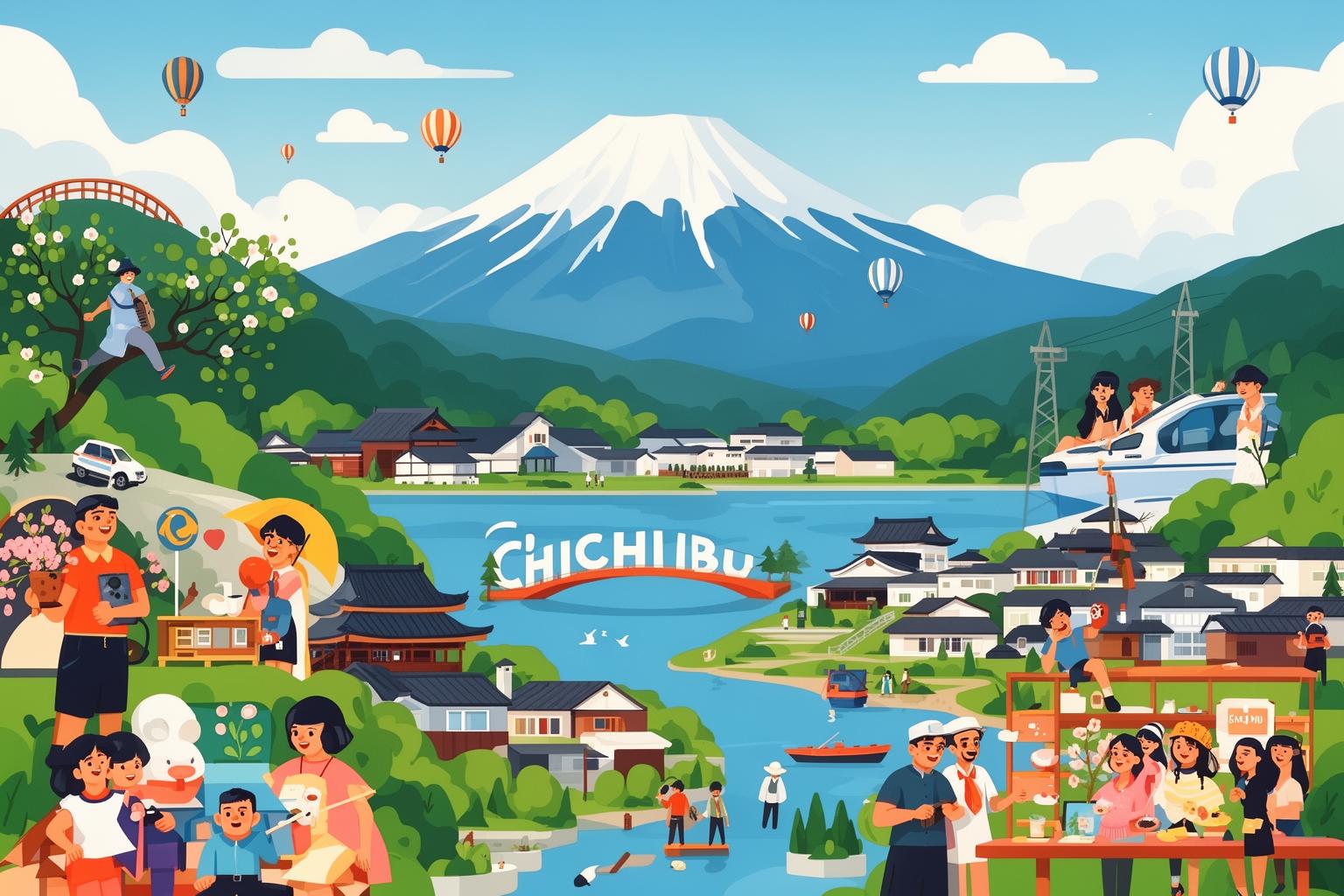
While the Night Festival is undoubtedly the city’s highlight, Chichibu and its surrounding area offer plenty for travelers who wish to stay a little longer. If your schedule permits, spending an extra day can reveal a quieter, more reflective side of this beautiful region. The natural scenery is breathtaking, with mountains and clear rivers providing a peaceful escape from the festival crowds. Visiting outside of festival dates also allows for a more relaxed appreciation of the local culture.
The Chichibu Festival Exhibition Hall
For those unable to attend in December or for those who want to see the magnificent floats up close without the crowds, a visit to the Chichibu Festival Exhibition Hall (Chichibu Matsuri no Mori) is highly recommended. Situated next to Chichibu Shrine, this excellent museum showcases two actual historic floats—a Kasaboko and a Yatai—in a spacious, high-ceilinged hall. Here, you can admire the astonishing craftsmanship and intricate details at your own pace. The museum employs projection mapping and sound effects to recreate the festival’s atmosphere, giving you a vivid sense of the sights and sounds of the grand parade. This provides excellent context for the festival and fosters a deeper appreciation for the artistry involved. It is an invaluable resource for understanding the scale and cultural significance of the event.
The Serenity of Chichibu Shrine
Be sure to spend some time exploring Chichibu Shrine itself, the spiritual core of the festival. When it is not crowded with festival-goers, the shrine grounds offer a place of profound tranquility and beauty. Take your time wandering around the main hall, the Honden, and admire the vibrant carvings connecting the shrine to its divine patrons. Look for the “Tsunagi no Ryu” (Chained Dragon) carving, said to be so lifelike that it had to be chained to prevent it from escaping at night to cause mischief. You can also find carvings of the “Three Monkeys” (see no evil, hear no evil, speak no evil), similar to the famous ones in Nikko but with their own distinct charm. Visiting the shrine provides a moment of quiet reflection and a deeper connection to the history that fuels the vibrant energy of the Yomatsuri.
Final Thoughts from the Streets of Chichibu
There are moments during your travels when you encounter something so grand, so alive with energy, that it goes beyond simple sightseeing and becomes a lasting memory. The Chichibu Night Festival is one such moment. It is a spectacle that captivates every sense—the roar of the crowd, the thunderous beat of the drums, the sight of glowing floats beneath a fireworks-lit sky, the chill of winter air, and the warmth of hot food in your hands. More than that, it stands as a powerful testament to the strength of community. It celebrates shared history and collective identity, a tradition sustained not by decree but through the passion and dedication of ordinary people. To stand in the streets of Chichibu on that December night is to feel the steady heartbeat of a city, a rhythm that has lasted for centuries and will continue for many more. It is an invitation to become part of something ancient, vibrant, and deeply human. Simply put, it is an unforgettable symphony of light, sound, and spirit.