
There exists a place in the heart of Japan’s Gifu Prefecture where time seems to bend, flowing not forward but in a gentle, repeating cycle with the seasons. Nestled deep within a remote mountain valley, the village of Shirakawa-go stands as a living testament to a way of life forged by isolation and ingenuity. Its iconic farmhouses, with their steep, thatched roofs resembling hands pressed together in prayer, create a landscape that feels less like a destination and more like a discovery. This is not merely a well-preserved historical artifact; it is a breathing community, a UNESCO World Heritage site that guards centuries of tradition within its timber frames. For many travelers, this village is the quintessential image of old Japan, a serene escape into a pastoral dream. Yet, for a generation of anime fans, this idyllic valley holds a deeper, more complex resonance. It is the undeniable inspiration for Hinamizawa, the deceptively peaceful setting of the celebrated mystery series Higurashi: When They Cry. It is a place where breathtaking beauty and an undercurrent of suspense coexist, inviting visitors to embark on a pilgrimage that satisfies both the historian and the storyteller within. This journey into Shirakawa-go is an exploration of that duality, a walk through a world where history is tangible and fiction feels hauntingly real.
For travelers captivated by Japan’s timeless blend of history and natural mystique, exploring the ancient forests of Yakushima offers another compelling journey into a living heritage.
The Architecture of Resilience: Understanding Gassho-zukuri
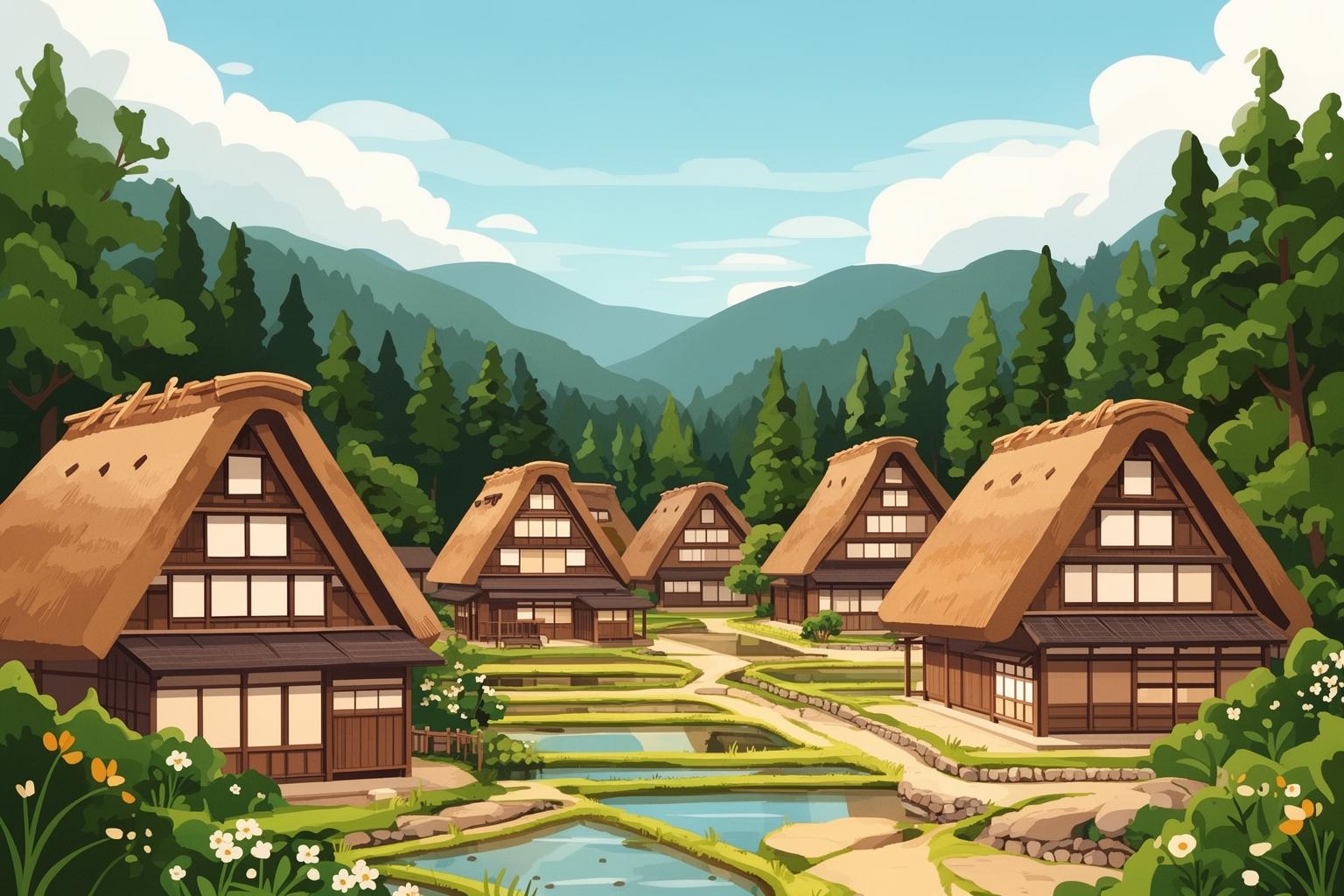
To genuinely appreciate Shirakawa-go, one must first grasp its essence: the extraordinary gassho-zukuri farmhouses. The name itself, meaning “prayer-hands construction,” poetically and accurately captures the sharply pitched roofs that define the skyline. These roofs, angled steeply at sixty degrees, represent a remarkable achievement of vernacular architecture, driven not by aesthetic choice but by sheer necessity. For centuries, this area was among Japan’s snowiest, frequently isolated from the outside world for months during winter. The steep angle of the roofs prevents the heavy, wet snow from accumulating and collapsing the structure, allowing the snow to simply slide off and safeguard the residents within. Strolling among these impressive buildings, one notices the absence of nails in their main framework. Instead, huge timber beams are skillfully joined using traditional methods and tied with strong rope, giving the house a degree of flexibility to endure the frequent earthquakes and powerful winds that blow through the valley. The thatch, crafted from locally sourced kaya grass, can be as thick as a meter, offering excellent insulation that keeps the homes cool during humid summers and warm throughout harsh winters.
A Community Bound by Tradition
This architectural form gave rise to a distinctive social system called yui. Re-thatching one of these massive roofs is an enormous undertaking, too great for a single family to manage alone. It demands considerable manpower and expert skill. The yui system is a communal labor exchange, a pledge of mutual support that has united the village for generations. When a roof needs renewal, a task performed every few decades, the whole community—sometimes hundreds of people—comes together to work. It becomes a celebration of cooperation, a carefully choreographed effort of villagers climbing the steep slopes to strip old thatch and install new layers. This spirit of interdependence is the unseen foundation that has enabled Shirakawa-go to endure. It serves as a powerful reminder that the village is more than just a group of houses; it is a unified social entity, with its resilience woven into the very structure of its homes.
The Village’s Lifeblood: Sericulture in the Attics
The large, multi-level interiors of the gassho-zukuri houses were not merely designed for living. The upper floors, especially the spacious attics, served as vital economic spaces. The warm, dark areas beneath the thick thatch created an ideal environment for raising silkworms, an activity known as sericulture that was once the village’s economic heart. Heat from the family hearth on the ground floor would rise, maintaining the perfect temperature for the silkworms to flourish. Touring a historic home open to visitors, such as the Wada or Kanda House, you can climb the steep wooden stairs to these attics. Standing in the dim space, with light filtering through the thatch gaps, you can still see the wooden racks that once held trays of silkworms. The faint, persistent rustling of tens of thousands of silkworms feeding on mulberry leaves seems almost audible, a quiet sound that once filled these homes and sustained their economy.
Echoes of Hinamizawa: A Pilgrimage Through Light and Shadow
For those acquainted with the world of Higurashi: When They Cry, arriving in Shirakawa-go is a surreal experience. The sense of déjà vu is immediate and overwhelming. This is Hinamizawa, brought to life with remarkable accuracy. The village’s serene beauty, which forms the unsettling backdrop of the story, is tangible. The babbling of the Shokawa River, the rustling wind through tall grass, and the constant drone of cicadas in summer all combine to blur the boundary between reality and the fictional world that has captivated so many. The pilgrimage is not merely about identifying locations; it’s about immersing yourself in the atmosphere that made the anime so impactful. It’s the sensation of a dark secret lurking just beneath a flawless, sunlit surface.
Following the Footsteps of Familiar Characters
Your journey into Hinamizawa starts, as it often does in the anime, with a sweeping vista. A short, steep climb or a quick shuttle bus ride brings you to the Shiroyama Viewpoint. From here, the entire Ogimachi village spreads out below, a cluster of thatched roofs resting in the valley floor. This is the iconic establishing shot from the series, a view that is both stunningly beautiful and, for fans, tinged with an ominous sense of anticipation. It’s the ideal spot to get your bearings and absorb the scale of the village.
Within the village itself, the route naturally leads to landmarks that instantly evoke recognition. The Wada House, the largest gassho-zukuri farmhouse in the village and an Important Cultural Property, is widely regarded as the inspiration for the formidable Sonozaki family estate. Its commanding size and prominent position lend it an authority that perfectly fits the role the Sonozakis play in the story’s lore. Further along, a narrow path winds up a wooded hill to the Shirakawa Hachiman Shrine. This peaceful, atmospheric shrine, with its ancient cedar trees and stone lanterns, perfectly mirrors the Furude Shrine, the spiritual heart of Hinamizawa and the setting for the story’s crucial Watanagashi Festival. Standing within its sacred grounds, it’s easy to envision the story’s characters, especially Rika Furude, performing their ceremonial rites.
Lastly, no pilgrimage would be complete without crossing the Deai-bashi, the long pedestrian suspension bridge that serves as the main entry to the village for most visitors. This bridge, gently swaying over the turquoise river, is more than just a physical crossing. Within the context of Higurashi, it represents a symbolic threshold, the moment where you leave the ordinary world behind and step into the closed, intricate realm of Hinamizawa.
Life Within the Thatch: Stepping Inside a Living Museum
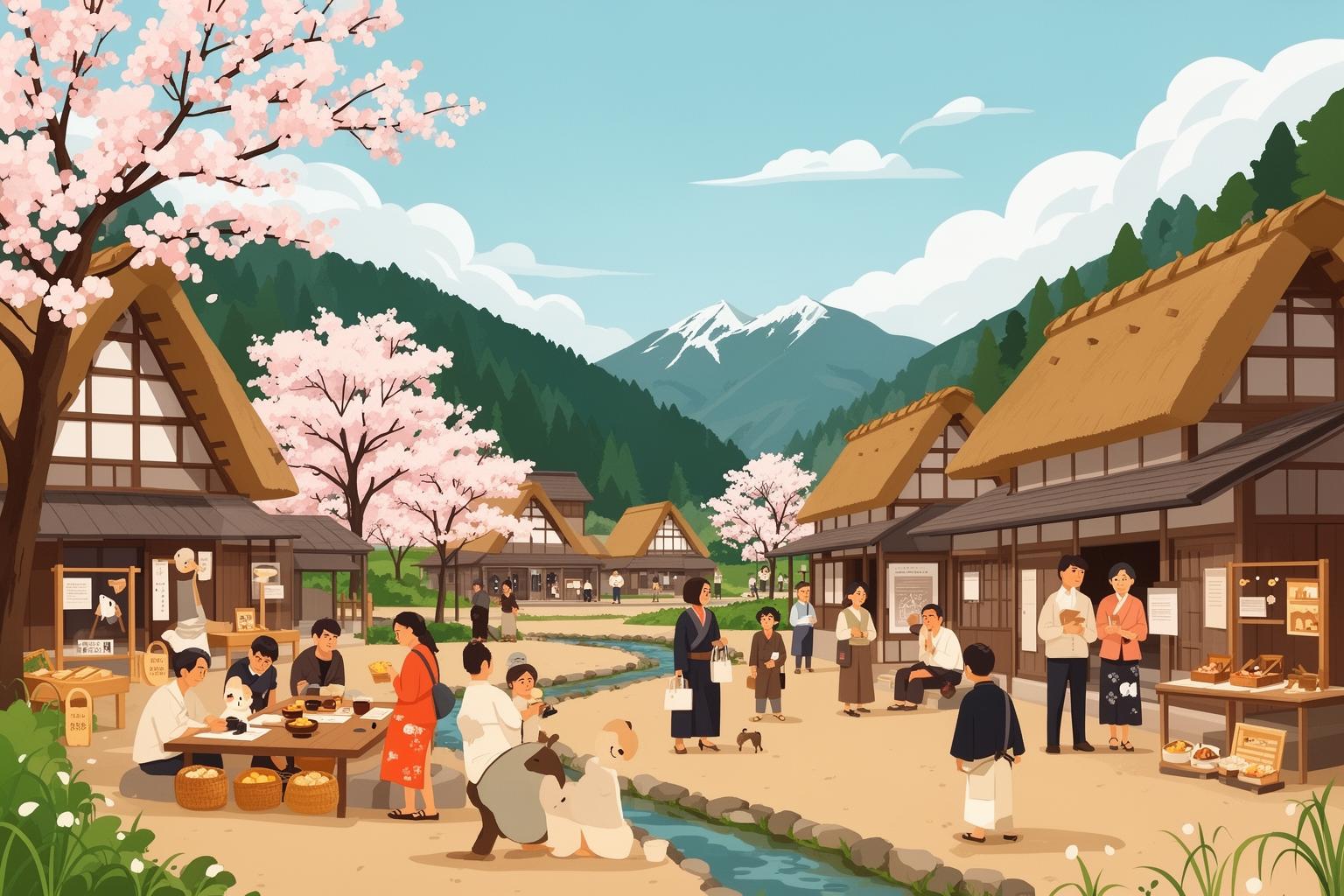
While the exterior view of Shirakawa-go is breathtaking, the experience feels incomplete without venturing inside one of the historic farmhouses. Several of these are open to the public as museums, offering a rare insight into the daily life that took place beneath the thatched roofs. The moment you step inside, you are surrounded by a distinctive sensory world. The air is cool and filled with the smoky aroma of the irori, the open hearth that has been the heart of family life for centuries. This fire was never allowed to extinguish, and over hundreds of years, its smoke has soaked into the wooden beams and pillars, darkening them to a rich, glossy ebony that naturally preserves the wood against insects and decay.
The Heart of the Home
The irori was truly the heart of the home in every sense. It provided warmth, light, and a space for cooking. Family members would gather around it to eat, work, and share stories, with its gentle crackling forming a constant background soundtrack to their lives. A cast iron pot or kettle, often hung from an adjustable hook called a jizaikagi, would dangle above the flames, ready to prepare meals or boil water for tea. Looking up from the hearth, you can see straight to the high, dark ceiling, where smoke-stained beams intersect in a complex lattice. This open design allowed smoke and heat to rise, curing the wood and warming the upper floors, which housed the vital silkworm industry.
A Vertical World
Exploring a house like the Kanda or Nagase House reveals a vertical world of surprising intricacy. The first floor served as the main living area, with rooms divided by sliding paper screens (fusuma), allowing flexible use of the space. The steep, ladder-like stairs lead you upwards into a different realm. The second floor was often used both for storage and as living quarters for younger family members or servants. But the true marvel is the attic. Here, in the vast, cathedral-like space directly beneath the roof, you can fully appreciate the scale and craftsmanship of the gassho-zukuri structure. The massive, roughly hewn beams, bound with thick ropes, rise overhead. It was in this dimly lit expanse that generations of families carefully raised their silkworms—the delicate creatures connecting this secluded valley to the global silk trade. It’s a space that feels both cavernous and intimate, filled with the spirit of hard work and quiet endurance.
The Valley’s Palette: Shirakawa-go Through the Seasons
Shirakawa-go is not a fixed destination; it is a landscape continually evolving, presenting a distinctly different character with each passing season. Deciding when to visit is less about pinpointing the “best” time and more about choosing which version of the village you want to experience.
Winter’s Silent Majesty
Perhaps the most iconic and sought-after sight of Shirakawa-go is its winter appearance. From late December through February, the valley is covered in meters of pristine, silent snow. The thatched roofs transform into thick white caps, and the entire scenery is simplified into a striking monochrome of black wood and white snow. The silence is deep, interrupted only by the crunch of boots on frozen paths. On selected weekends in January and February, the village hosts special illumination events. As dusk falls, lights placed around the village begin to glow, lighting the farmhouses inside and out. The vision of these golden buildings against the deep blue winter sky, with gentle snow falling, is pure enchantment. Visiting during this time can be challenging due to the cold and possible travel delays, but the reward is a scene of unmatched, almost spiritual, beauty.
Spring’s Gentle Awakening
As the heavy snows of winter start to melt away in April and May, the valley comes alive. The sound of flowing water fills the air as streams and irrigation channels spring back to life. This is the season of renewal. The stark, dormant landscape turns into patches of vibrant green, and the famed cherry blossoms emerge, their delicate pink and white petals strikingly contrasting with the dark, weathered wood of the farmhouses. This is also when the rice paddies are flooded, their mirror-like surfaces reflecting the sky and the gassho-zukuri houses in a perfect, shimmering image. It’s a season marked by quiet hope and gentle beauty.
Summer’s Verdant Embrace
Summer in Shirakawa-go is an immersive sensory experience. The valley is cloaked in countless shades of green, from the deep emerald forests on the mountainsides to the bright lime of growing rice stalks. The air is warm and humid, filled with the constant, high-pitched chorus of cicadas—a sound inseparably linked to the atmosphere of Higurashi. The village pulses with the energy of the growing season. It’s a time for long walks along paths winding through the rice fields, for feeling the sun on your skin, and for appreciating the vibrant vitality of the natural world embracing this historic community.
Autumn’s Fiery Spectacle
From mid-October to November, the mountains surrounding the valley put on their final, magnificent show of the year. The slopes burst into a riot of color—fiery reds, bright oranges, and burnished golds. The crisp, cool air is ideal for hiking up to viewpoints to take in the entire colorful tapestry. This is harvest time, and the golden rice stalks in the paddies add another layer to the rich autumnal hues. The persimmon trees hang heavy with bright orange fruit, and the scent of woodsmoke from hearths lingers thickly in the air. It’s a season of warm, rich beauty and a peaceful sense of closure before the valley prepares for the coming snow.
The Traveler’s Almanac: Navigating Your Journey
Reaching this remote valley is part of the adventure. There is no train station in Shirakawa-go; the journey must be completed by bus—a winding, scenic ride that builds anticipation as you depart from the cities of Kanazawa or Takayama and ascend deeper into the mountains. It’s important to check bus schedules ahead of time, as services can be infrequent, especially outside peak season. Booking your bus tickets in advance is highly recommended, particularly for winter illumination dates, which often sell out weeks or even months beforehand.
To Stay or to Day-Trip?
A day trip is possible and allows you to see the main sights, but the true magic of Shirakawa-go emerges during the quiet hours after the last tour buses have left. To experience this, consider spending the night in a minshuku, a family-run guesthouse, some of which are housed in authentic gassho-zukuri farmhouses. This provides an unmatched chance for cultural immersion. Expect traditional Japanese hospitality: sleeping on futons placed on tatami mat floors, sharing bathroom facilities, and joining the hosts and other guests for a communal dinner. The meals are a highlight, featuring local, seasonal ingredients such as Hida beef, river fish, and wild mountain vegetables (sansai). Waking early to see the village wrapped in mist before the crowds arrive is an unforgettable experience.
Savoring the Local Flavors
The culinary experience in Shirakawa-go is rustic and deeply connected to the land. As you stroll along the main street, vendors offer local snacks perfect for fueling your adventure. Be sure to try goheimochi, a skewered, grilled rice cake coated with a sweet and savory miso and walnut sauce. For a heartier meal, many small restaurants serve soba or udon noodle dishes featuring wild vegetables. And, of course, being in the Hida region, it’s an excellent opportunity to sample the world-renowned Hida beef, whether grilled on skewers or as part of a hearty hoba miso dish, where meat and vegetables cook together on a magnolia leaf over a small charcoal grill.
Tips for a Deeper Experience
To get the most out of your visit, a few simple tips can make a big difference. Arrive as early as possible in the morning to enjoy a couple of peaceful hours before the midday rush. Wear your most comfortable walking shoes; the village is bigger than it appears, and the best discoveries come from wandering its smaller, unpaved side paths. Most importantly, remember that Shirakawa-go is not a theme park; it is a living, working community. People raise their families in these historic homes. Be a respectful visitor. Avoid trespassing on private property, do not peer into windows, and keep your voice low, especially in the early morning and evening. By embracing a slower, more mindful approach, you connect not only with the sights but also with the enduring spirit of this extraordinary place.
Shirakawa-go is a rare destination that resonates differently with each visitor. To some, it is a priceless window into Japan’s architectural and cultural heritage—a monument to human resilience and community spirit. To others, it is a tangible piece of a beloved fictional world, a place to walk in the footsteps of characters and feel the pulse of a story that has left a lasting impression. The profound truth of the village is that it is both of these things simultaneously, and much more. It is a place where the weight of history and the power of modern imagination coexist in conversation, not conflict. A journey here serves as a reminder that the most powerful places are those holding multiple stories within their landscapes, waiting for the curious traveler to listen. Whether you are drawn by the majesty of its thatched roofs or the echoes of Hinamizawa’s cicadas, you will leave feeling you have visited somewhere truly timeless.