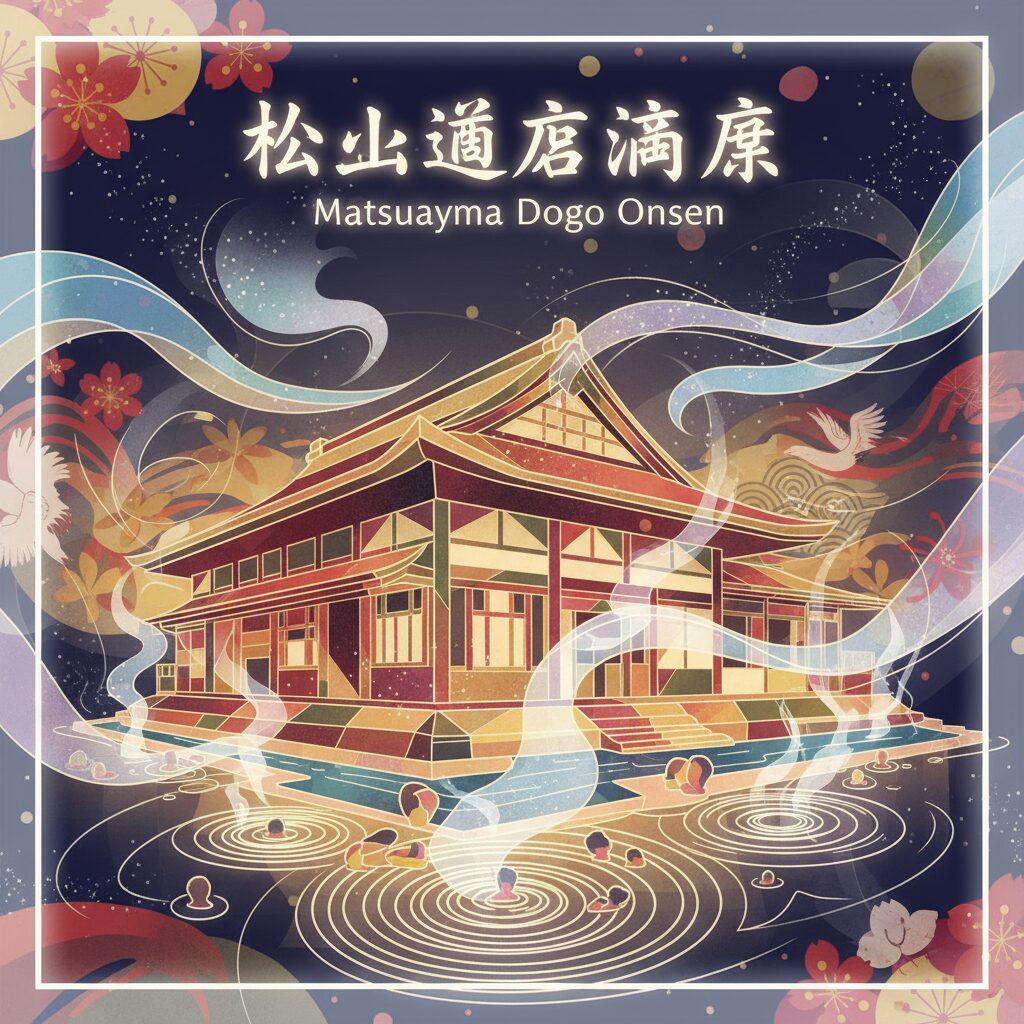
There are places in this world that feel unstuck in time, where the air hums with stories and every cobblestone seems to hold a secret. Dogo Onsen, nestled in the city of Matsuyama in Ehime Prefecture, is one such place. As steam billows from ancient wooden bathhouses and the gentle clip-clop of wooden sandals echoes through lantern-lit streets, you’re not just a tourist; you become a character in a living, breathing narrative. This isn’t merely a destination; it’s an immersion. Famed as one of Japan’s oldest and most illustrious hot spring resorts, with a history stretching back thousands of years, Dogo’s true magic lies in its dual identity as a cultural touchstone. It’s a place where the fantastical worlds of anime and the poignant pages of classic literature converge. For countless travelers, it is the real-world echo of the magnificent, chaotic bathhouse from Studio Ghibli’s masterpiece, Spirited Away. For others, it’s a pilgrimage to the beloved setting of Natsume Soseki’s iconic novel, Botchan. Here, history isn’t confined to museums. It flows in the mineral-rich water, it’s etched into the timber of the bathhouses, and it’s carried on the breeze that rustles through the yukata-clad visitors strolling by. Prepare to leave the mundane world behind and step into a realm of myth, art, and rejuvenation.
This enchanting blend of myth and modernity finds a parallel in the global surge of film tourism, where compelling cinematic narratives spark a similar allure in destinations far and wide.
The Legendary Bathhouse: A Ghibli Dreamscape
At the heart of Dogo, its undeniable centerpiece, stands the Dogo Onsen Honkan. Witnessing it for the first time is truly breathtaking. It doesn’t resemble a simple building; rather, it looks like an impressive wooden castle—a complex labyrinth of overlapping roofs, intricate latticework, and mysterious corridors, all topped with a striking white heron and a taiko drum tower. This very structure sends chills of recognition down the spine of any Studio Ghibli fan. While not an exact replica, the Honkan’s grand, chaotic, and uniquely Japanese design was a major inspiration for Hayao Miyazaki’s otherworldly bathhouse in Spirited Away. The towering façade, maze-like interior, and blend of public utility with sacred mystique are all present. One can almost imagine spirits and gods arriving by boat at dusk, ready for their cleansing soak.
This building, a masterpiece of Meiji-era architecture completed in 1894, is a designated Important Cultural Property and embraces its age in the most enchanting way. The dark wood floors and staircases, polished smooth by millions of visitors over the decades, creak with gentle wisdom. The air carries a faint, pleasant scent of sulfur and cypress. The Honkan offers various bathing experiences. The main public bath on the first floor, the Kami-no-Yu (Bath of the Gods), is a grand and lively space featuring beautiful granite basins. For a more private experience, the Tama-no-Yu (Bath of the Spirits) on the second floor presents a calmer atmosphere with elegant marble. Before renovations, tickets could be purchased that included access to communal tatami lounges after bathing, where guests could relax in rented yukata, sipping tea and enjoying rice crackers—a truly classic Japanese experience. There is even a special bath, the Yushinden, built exclusively for the Imperial Family in 1899, which is open for tours.
It is crucial for visitors to know that the Dogo Onsen Honkan is currently undergoing extensive preservation and renovation, a project expected to last several years. While this limits or suspends the full bathing experience inside the main building, it offers a unique chance. The scaffolding is draped in a magnificent art installation—a vibrant wrap transforming the construction site into a piece of modern art—ensuring its beauty continues to inspire even during this period of rest. You can still bathe in Dogo’s legendary waters at two other main bathhouses nearby, and witnessing the efforts to preserve such a cultural treasure for future generations is a moving experience in itself. It serves as a reminder that this is a living, evolving piece of history, not merely a static monument.
Walking in Soseki’s Footsteps: The World of Botchan
Long before Dogo Onsen became a popular anime pilgrimage site, it was immortalized in one of Japan’s most cherished novels, Botchan, written by the literary master Natsume Soseki in 1906. Soseki himself spent time in Matsuyama as an English teacher, and his experiences, though fictionalized, are intricately woven into this satirical and humorous story of a young, headstrong teacher from Tokyo clashing with the local customs of his new post. The novel’s protagonist, Botchan, often visits Dogo Onsen, calling it the only good thing about the town. His post-bath tradition of eating two plates of dango (sweet rice dumplings) has become legendary.
Today, the world of Botchan is celebrated throughout Dogo and Matsuyama. The most charming expression of this is the “Botchan Train,” a diesel-powered replica of the original steam locomotives that once ran on the city’s tracks during Soseki’s era. Watching this small, puffing green train chug along the modern streetcar lines feels like witnessing a ghost from the Meiji period come to life. Riding it from the city center to Dogo Onsen is an absolute must, offering a delightful journey back in time. Near Dogo Onsen station stands the Botchan Karakuri Clock, a whimsical clock tower that animates every hour. As the clock chimes, miniature scenes and characters from the novel appear and dance, reenacting moments from the story for an enchanted audience. And, of course, you can’t leave Dogo without trying the famous Botchan Dango. Available in nearly every souvenir shop, these skewers of three small, colored mochi dumplings—flavored with red bean, egg, and green tea—are a delicious tribute to the novel’s lasting legacy. For literature enthusiasts, wandering through Dogo feels like stepping through the pages of the book, seeing the world through the eyes of its spirited protagonist.
Beyond the Baths: Uncovering Dogo’s Charms
While the main bathhouse remains the highlight, the entire district of Dogo is a rich trove of experiences waiting to be uncovered. The area is meant for leisurely strolls, for immersing yourself in the ambiance, and for soaking in more than just the hot spring waters. The best way to savor Dogo is to slow down and wander, letting your curiosity lead the way.
The Dogo Haikara Dori Shopping Arcade
Extending from the tram station all the way to the Dogo Onsen Honkan is the Dogo Haikara Dori, a lively, covered shopping arcade that serves as the town’s main thoroughfare. The term “Haikara” is a charming Meiji-era expression, derived from “high collar,” used to describe the fashionable, Westernized trends of that period. True to its name, the arcade offers a delightful mix of old and new. Here, you’ll discover traditional shops selling local crafts like Tobe-yaki pottery and Iyo-kasuri textiles alongside contemporary cafés and boutiques. The air is perfumed with the sweet scent of freshly made senbei rice crackers and the citrusy aroma of Ehime’s famous mikan (mandarin oranges). This is the ideal spot to hunt for souvenirs, rent a colorful yukata to wear for the day, or simply enjoy a snack. Don’t miss out on local treats, such as a cone of mikan soft-serve ice cream or a glass of freshly squeezed orange juice from a street vendor. In the evening, the arcade glows warmly under the lantern light, creating a magical atmosphere as people in yukata and geta (wooden sandals) stroll between shops and bathhouses.
A Modern Oasis: Asuka-no-Yu and Tsubaki-no-Yu
With the Honkan undergoing renovation, visitors have the perfect excuse to explore Dogo’s other public bathhouses, each boasting its own unique charm. The newest addition, Asuka-no-Yu, opened in 2017, is a stunning homage to the Asuka period (538-710 AD), a time when Prince Shotoku is believed to have visited Dogo’s springs. The architecture incorporates motifs from that ancient era, while the interior features exquisite artwork crafted using traditional Ehime techniques. It offers a more modern and luxurious bathing experience, including private baths for families or those seeking extra privacy. It serves as a refined, artistic counterpart to the historical significance of the Honkan.
Just a short stroll away is Tsubaki-no-Yu (The Camellia Bath), a favorite among locals. Though its exterior is modest compared to its grander neighbors, inside it offers a spacious, straightforward bathing experience that feels genuinely authentic. This is the place to soak alongside Matsuyama residents and experience Dogo Onsen as part of everyday life, not just as a tourist destination. The water, naturally, is the same famed alkaline spring water that flows through all of Dogo’s baths, celebrated for its soft, skin-smoothing qualities.
A Spirited Stroll to Isaniwa Shrine
For a change of scenery and a breathtaking view, take a short but steep climb from the main arcade up a majestic flight of 135 stone steps to Isaniwa Shrine. Perched on a hill overlooking the town, this magnificent shrine feels like a hidden sanctuary. It is constructed in the rare and striking Hachiman-zukuri style, where two interconnected buildings form the main hall—a style typically seen only at Usa Jingu and Iwashimizu Hachimangu, two of Japan’s most significant shrines. The vibrant vermilion and intricate gold details stand out beautifully against the backdrop of ancient camphor trees. The shrine’s corridors are lined with fascinating historical artifacts and paintings. After paying your respects, take a moment to gaze out from the top of the steps. The panoramic view of the Dogo Onsen Honkan rooftops and the city of Matsuyama beyond is truly worth the climb, offering a peaceful, spiritual contrast to the lively energy of the onsen town below.
Practical Guidance for Your Pilgrimage
Navigating a new place, especially one steeped in tradition like an onsen town, can be intimidating for a first-time visitor to Japan. However, Dogo Onsen is exceptionally welcoming, and with a bit of preparation, your visit will be smooth, relaxing, and truly magical. The town is compact and easy to explore on foot, making it an ideal spot for a day trip or a leisurely overnight stay.
Getting to Dogo Onsen
Matsuyama is the capital of Ehime Prefecture and can be reached by plane to Matsuyama Airport (MYJ) or via JR train. From the main JR Matsuyama Station or the city center (Okaido), the most charming way to get to Dogo Onsen is by riding the Iyotetsu streetcar. These quaint trams rattle through city streets and terminate at Dogo Onsen Station, a beautiful replica of the original Meiji-era station house. The ride itself is part of the experience, offering scenic views of the city. For an extra touch of historical charm, try to catch a ride on the Botchan Train, which runs on the same line a few times daily. Though slightly more expensive, it is an unforgettable experience complete with conductors dressed in period costumes.
When to Visit and What to Wear
Dogo Onsen is a year-round destination, with each season showcasing its own unique appeal. Spring brings cherry blossoms to Matsuyama Castle and nearby parks, creating a stunningly beautiful backdrop. Autumn features comfortable temperatures and vibrant foliage. Summer can be hot and humid, but this is when the Japanese tradition of enjoying a cool evening stroll in a yukata after a hot bath feels especially delightful. Winter is quieter and offers a more peaceful and cozy onsen experience.
The unofficial uniform of Dogo Onsen is the yukata. Many visitors, especially those staying at a local ryokan (traditional inn), wear these light cotton robes while strolling the town, visiting bathhouses, and even dining out. It’s a charming tradition that contributes to the timeless atmosphere. Even if you’re not staying overnight, numerous shops rent yukata for the day. Otherwise, comfortable walking shoes are a must for navigating the hilly streets and shrine steps. Pack light; all you really need for the onsen is yourself. Towels can be rented or purchased, and all bathhouses supply soap and shampoo.
A Woman’s Perspective on Safety and Comfort
From a solo traveler’s perspective, Dogo Onsen is an exceptionally safe and pleasant place to explore. The streets are well-lit at night and consistently bustling with a friendly mix of families, couples, and fellow travelers. The vibe is relaxed and respectful. For first-time onsen visitors, it’s important to remember a few etiquette points. Before entering the bath, thoroughly wash your body at the provided shower stations. Do not wear swimsuits in the bath, and be sure to tie up long hair so it doesn’t touch the water. A small modesty towel is often used when walking to and from the bath but should never be placed in the bathwater itself; instead, it can be placed on your head or on the edge of the tub. Embracing these customs is part of the cultural experience, and no one expects you to be an expert. Just relax and enjoy the rejuvenating waters.
A Taste of Ehime: Culinary Delights in Dogo
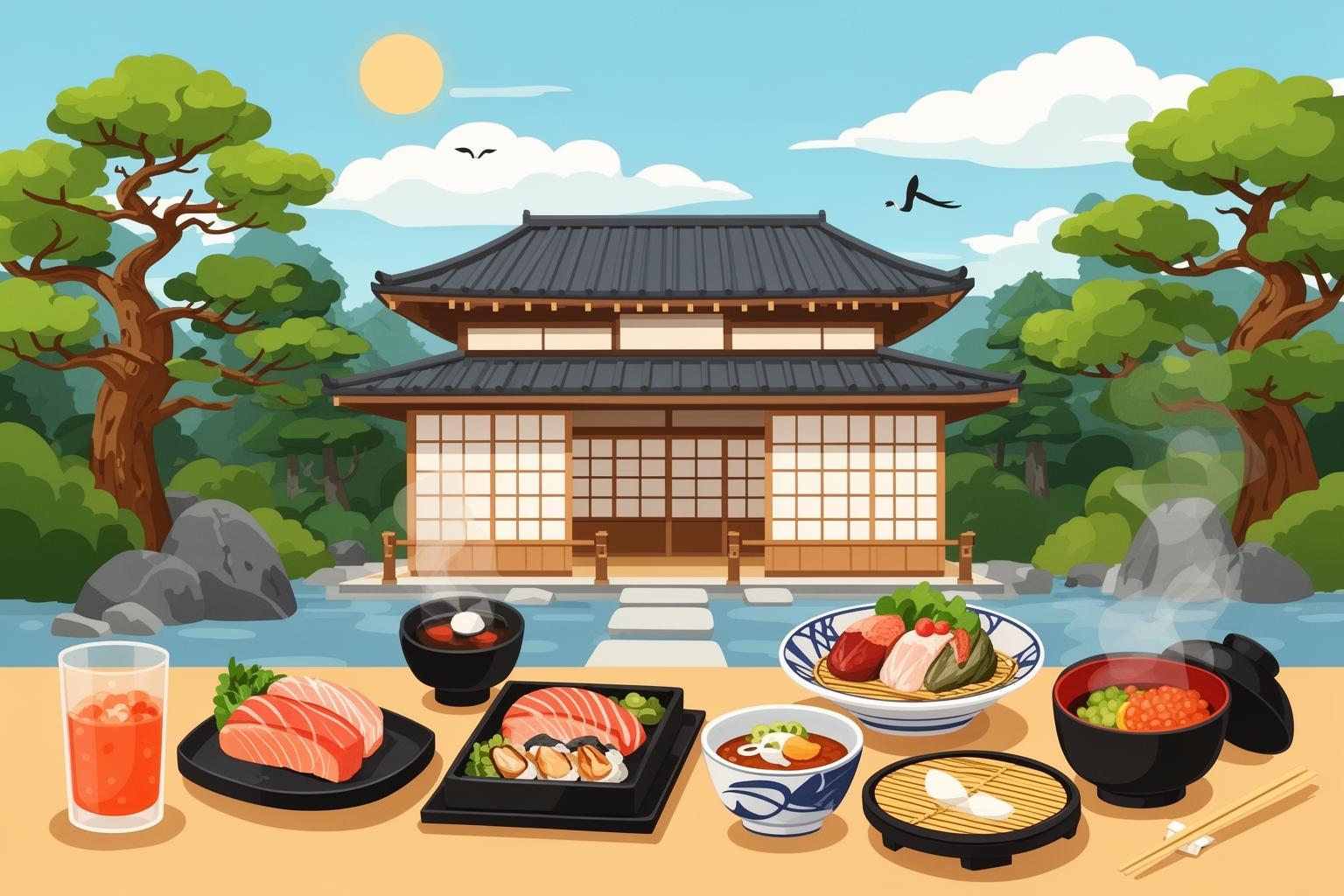
Your pilgrimage to Dogo would be incomplete without savoring the unique culinary delights of Ehime Prefecture. The area is blessed by the bounty of the Seto Inland Sea and enjoys a warm climate ideal for growing citrus.
The must-try dish is Taimeshi, or sea bream rice, which comes in two distinct styles in Ehime. The northern style, common around Matsuyama, involves cooking a whole sea bream atop the rice, then flaking the meat and mixing it all together—a delicate, savory, and comforting meal. In contrast, the southern style features fresh sea bream sashimi marinated in a savory sauce of soy, egg, and dashi, poured over hot rice. Many restaurants in Dogo serve both styles, allowing you to experience this regional specialty. Another local favorite is Jakoten, a simple yet delicious patty made from deep-fried minced fish paste. It’s a savory snack, often sold hot from street stalls in the shopping arcade.
And then there are the mikans. Ehime is known as Japan’s citrus kingdom, offering mandarin oranges in countless forms. You can enjoy fresh juice from a quirky tap at the airport or in town, indulge in soft-serve ice cream, or delight in jellies, jams, and cakes made from the fruit. For those who appreciate a drink, Dogo Beer is a local craft brew that pairs perfectly with a post-onsen meal. From the sweet nostalgia of Botchan Dango to a refined Taimeshi dinner at a traditional ryokan, the flavors of Dogo are an essential part of its charm.
The Final Soak: An Invitation to Timeless Japan
Dogo Onsen is more than just a bathing spot. It is a place that envelops you, cleansing not only your body but also your spirit. This town is built around a natural wonder—a spring that has flowed for millennia—and enriched by human creativity. It’s where you can immerse yourself in the same waters that once healed ancient gods and inspired Japan’s greatest modern writer. It’s where you can stroll through a real-world setting that influenced one of the most beloved animated films ever made. The true beauty of Dogo lies in this remarkable layering of stories. You arrive as a visitor, but you depart as a part of its long and magical history. So come, rent a yukata, listen for the taiko drum marking the time from the roof of the Honkan, and let the steam and stories carry you away. In the timeless alleys of Dogo Onsen, your own chapter awaits to be written.