
Have you ever felt it? That strange, persistent feeling of searching for someone you’ve never met, a place you’ve never been? It’s a phantom nostalgia, a thread of connection to a life just beyond your grasp. This very sensation is the heartstring that Makoto Shinkai’s masterpiece, “Your Name.” (Kimi no Na wa.), plucks with such breathtaking precision. The film captured the world’s imagination not just with its stunning animation and star-crossed love story, but with its vibrant, living portrayal of Tokyo. The city wasn’t merely a backdrop; it was a character, its sprawling arteries and quiet corners imbued with the hopes and memories of its protagonists, Taki and Mitsuha. For fans around the globe, stepping into Tokyo is a chance to walk through the animation cells themselves, to feel the pulse of the world that brought these two souls together. This journey is a modern-day pilgrimage, known in Japan as seichi junrei—visiting the sacred sites of your favorite stories. It’s an adventure that blurs the line between the world on screen and the world under your feet, transforming familiar cityscapes into landscapes of profound emotional significance. We’re about to trace the footsteps of Taki and Mitsuha, to find the real-world magic woven into the fabric of Japan’s bustling capital. Prepare to see Tokyo not just as a tourist, but as a seeker, chasing the echoes of a story that feels like a half-remembered dream.
Discover more of the film’s magic as you uncover authentic Tokyo landmarks that bring its vivid storytelling to life.
The Heartbeat of Shinjuku: Where Taki’s World Unfolds

Our pilgrimage starts in Shinjuku, the lively, chaotic, and endlessly captivating heart of Tokyo that Taki Tachibana calls home. This is the center of his urban life—a concrete jungle of towering skyscrapers, neon-lit alleyways, and the world’s busiest train station. The moment you step out of the station’s maze-like corridors, you’re enveloped in a sensory rush that is quintessentially Tokyo. It’s a harmony of train announcements, bustling crowds, and the subtle hum of a city that never truly rests. Here, the film anchors itself in reality, utilizing real, recognizable landmarks to shape Taki’s world, making his extraordinary story feel strikingly believable.
The Iconic Skyline: The NTT Docomo Yoyogi Building
Look up. From nearly anywhere in Shinjuku or Yoyogi, you’ll spot it rising through the skyline: the NTT Docomo Yoyogi Building. With its distinctive clock tower and New York-inspired design, it stands as a constant, reassuring presence in the film’s establishing shots—a silent guardian watching over Taki’s life. In reality, it serves the same role. It’s a landmark that helps you find your bearings in the vast cityscape. Although you can’t enter, its true impact is felt from afar. Find a pedestrian overpass or the south terrace of the Shinjuku Station complex for an unobstructed view. As you watch the clouds drift past its spire, just as in the film’s stunning time-lapses, you experience an immediate connection. It’s a powerful anchor, marking the first moment you realize you’re genuinely standing in the world of “Your Name.” The area around it buzzes with energy. To the east is the commercial core of Shinjuku, filled with massive department stores and electronics shops. To the west, the towering Tokyo Metropolitan Government Building offers a free observation deck, providing a sweeping view that reveals the vast scale of the city Taki navigates daily. This is the ideal starting point to soak in the vitality of his world before exploring its quieter spaces.
A Moment of Calm: Shinjuku Gyoen National Garden
Just a short stroll from the exhilarating chaos of Shinjuku Station lies a refuge of deep tranquility: Shinjuku Gyoen National Garden. This is one of Tokyo’s most beautiful and expansive parks, serving as the backdrop for some of the film’s most visually rich scenes—a pocket of nature amid the urban sprawl. Passing through its gates feels like entering a different realm. The city’s roar softens to a gentle murmur, replaced by the rustling of leaves and birdsong. The garden is expertly designed, blending three distinct styles: a traditional Japanese landscape garden with serene ponds and classic pagodas, a formal French garden featuring symmetrical rose beds, and an expansive English landscape garden with wide lawns. You could spend hours here, simply wandering and losing yourself in the changing vistas. For fans of “Your Name,” the true gem is the greenhouse, which likely inspired the one Taki visits on his date. Though the original greenhouse seen in the film has been replaced by a modern structure, the essence remains. Inside, a warm, humid world of tropical plants and vibrant flowers awaits—a place of quiet reflection, perfect for contemplating the film’s themes of nature, time, and connection. Visiting Shinjuku Gyoen requires a small entrance fee, but it’s worth every yen. For the best experience, time your visit with the seasons. Spring brings a burst of cherry blossoms, turning the park into a dreamlike landscape of pink and white. Autumn is equally breathtaking, as maple trees set the garden ablaze with fiery reds and oranges. It’s a place to slow down, breathe deeply, and appreciate the delicate beauty that colors Taki’s world.
Tracing Taki and Mitsuha’s Steps: From Station to Shrine
The true magic of a seichi junrei lies in the small moments—the act of walking the same paths, seeing the same views, and standing in the exact places where key scenes unfolded. The journey through the Yotsuya and Shinanomachi neighborhoods offers this experience abundantly. These aren’t grand tourist spots but everyday parts of Tokyo life, elevated to iconic status by the film. Here, the narrative threads of Taki and Mitsuha’s lives begin to physically intertwine, making this part of the pilgrimage especially meaningful.
The Crossroads of Fate: Yotsuya and Shinanomachi
Your next stop is Yotsuya Station, a crucial location where a nervous Taki attempts to call Mitsuha for the first time after they’ve lost their connection. Standing on the platform of the JR Chuo-Sobu Line, hearing the familiar melody signaling a train’s arrival, you can almost sense his anxiety and confusion. The red brick of the old station building, visible from the platform, anchors the scene in a palpable reality. This is a bustling commuter hub, and as you watch people hurrying to and from their trains, you’re reminded how the film’s extraordinary events unfold against the backdrop of everyday life. From Yotsuya, it’s a short, pleasant walk or a one-stop train ride to Shinanomachi Station. There, you’ll find the pedestrian bridge where Taki and Mitsuha, years later, pass each other as strangers, sharing a fleeting moment of recognition. Discovering this bridge is exciting. It spans a busy roadway, and standing in the middle with trains gliding past on nearby tracks, the scene truly comes alive. You can imagine Taki, now a young professional, walking with purpose, and Mitsuha, a newcomer to the city, glancing back with a sense of inexplicable yearning. The view from the bridge, with the NTT Docomo building visible in the distance, perfectly frames the film’s shot. It’s a powerful spot, showcasing Shinkai’s remarkable talent for capturing the cinematic potential of everyday urban settings.
Finding Your Shot
When visiting these sites, especially the Shinanomachi bridge, be mindful. This is a public walkway used by locals daily. Exercise patience when trying to recreate the film’s iconic shot—wait for a natural break in pedestrian traffic rather than blocking the path. The best light is often late afternoon, when the sun is lower, casting long shadows and bathing the scene in a warm, golden glow reminiscent of the film’s signature aesthetic. Don’t limit yourself to the exact angle from the movie; turn around and enjoy the view from all sides. The beauty of these locations lies in how they connect to the larger city, weaving together paths and stories that you now share. Taking a photo is a wonderful keepsake, but the true memory comes from standing there, at the crossroads of fiction and reality, feeling the heartbeat of Tokyo all around you.
A Taste of Cinematic Life: Cafes and Culture
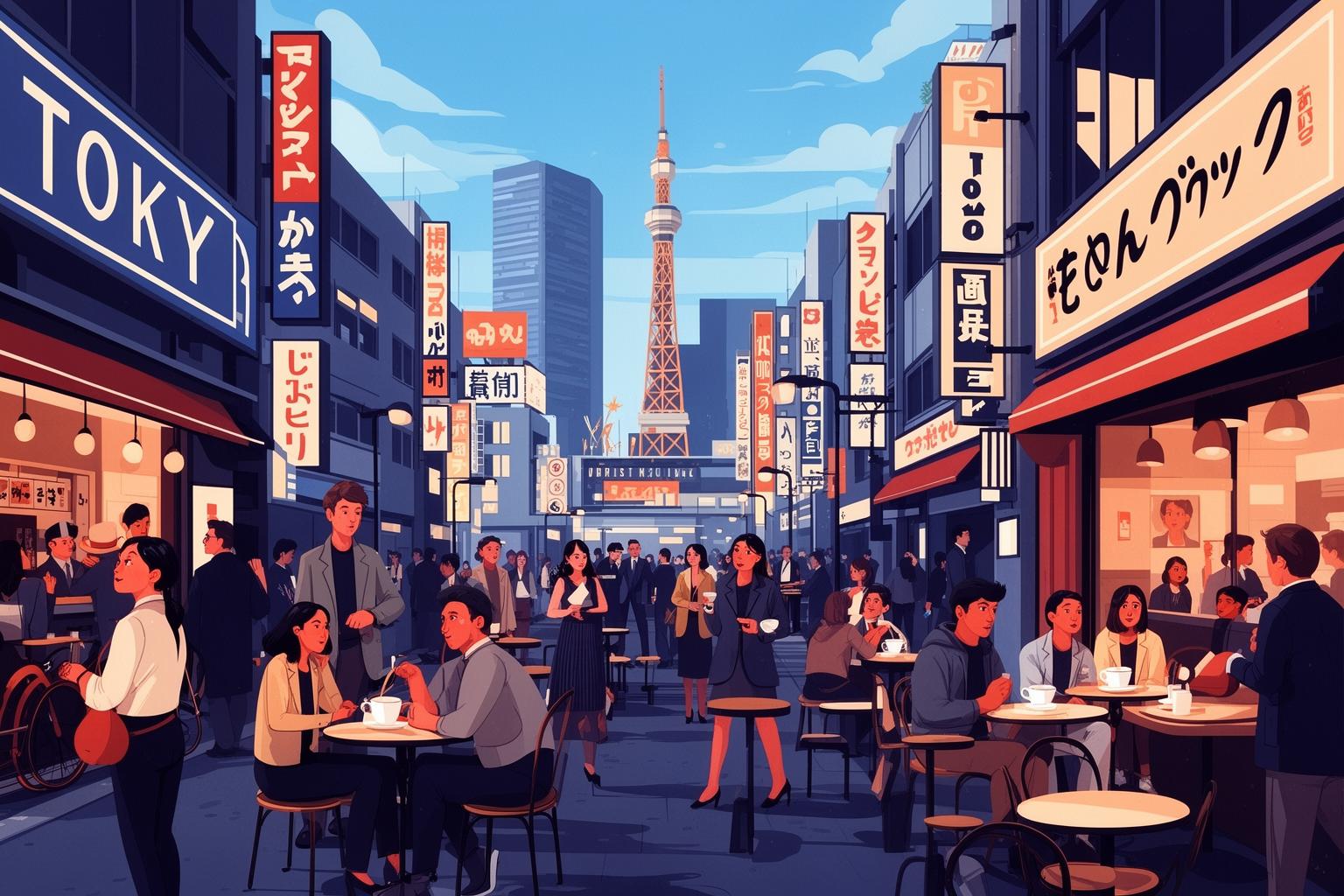
A pilgrimage is not only about the journey itself; it’s also about fully immersing yourself in the lifestyle of the world you are discovering. Taki’s life as a Tokyo high school student is shaped not just by his classes and friendships but also by his part-time job and ventures into the city’s cultural landscape. Visiting these spots provides a unique flavor of the “Your Name.” experience—a chance to sit back, unwind, and soak in the same atmosphere that helped define his character.
An Italian Afternoon: Cafe La Bohème
One of the most delightful and charming highlights of this tour is the restaurant where Taki works part-time: the fictional “Il Giardino delle Parole” (The Garden of Words, referencing another of Shinkai’s films). The real-life inspiration behind this elegant Italian cafe is Cafe La Bohème Shinjuku Gyoen. Nestled on a side street near the park, its grand, castle-like exterior is instantly recognizable. Stepping inside feels like entering a film set. The high ceilings, dramatic chandeliers, expansive windows, and a sweeping mural create an ambiance of old-world theatricality and charm. This is where Taki learned to carry trays, serve customers, and bond with his charismatic coworker, Okudera-senpai. You can even request a table in the main dining area, the very spot shown in the anime. The menu features a tempting selection of pastas, pizzas, and desserts, making it an ideal place to rest your feet and recharge after exploring Shinjuku Gyoen. As you savor a plate of pasta or a slice of tiramisu, it’s easy to imagine Taki’s everyday hustle and bustle. It’s a beautifully immersive experience that links you to his story on a sensory level. The staff know well about the cafe’s popularity among anime fans and are generally welcoming to visitors, but keep in mind it remains a busy, working restaurant. Be a considerate guest, enjoy the wonderful food, and absorb the cinematic atmosphere.
Art and Architecture: The National Art Center, Roppongi
Recall the slightly awkward yet beautifully depicted date between Taki and Okudera-senpai? That took place at The National Art Center, Tokyo, situated in the sophisticated Roppongi district. Even without its cinematic connection, this museum is a must-visit for anyone passionate about art, design, or architecture. The building itself, designed by the renowned Kisho Kurokawa, is a masterpiece. Its flowing glass facade is a breathtaking spectacle, creating a dynamic interplay of light and shadow inside. Rather than maintaining a permanent collection, the museum hosts a rotating array of world-class special exhibitions, ensuring every visit offers fresh and exciting experiences. You can walk through the same vast, sunlit atrium where Taki and Okudera shared their conversation, and visit the Salon de Thé Rond, the iconic circular café perched atop a massive concrete cone, which features prominently in their scene. It’s a stunning piece of design and a perfect spot to enjoy coffee and cake while admiring the building’s architecture from the inside. Visiting the National Art Center adds depth to your pilgrimage, connecting Taki’s story with Tokyo’s vibrant contemporary art scene. It reveals a more mature, cultured aspect of his world and provides a refreshing contrast to the busy streets of Shinjuku.
The Climax of Connection: The Suga Shrine Stairs
Every route on this journey converges here: a quiet, unpretentious residential area in Yotsuya, leading to a modest flight of stairs. Yet for anyone familiar with “Your Name.,” this spot is far from ordinary. It serves as the emotional core of the entire film, the sacred place where Taki and Mitsuha’s intense, years-long search finally culminates in one of modern cinema’s most unforgettable moments. The journey to these stairs is, in every sense, a pilgrimage—rich with anticipation and reverence.
The Final Approach
Reaching the stairs is an experience on its own. From Yotsuya Station, you’ll navigate narrow, sloping streets lined with small homes and apartment buildings. The stark contrast with the towering skyline of Shinjuku is immediate and striking. This is the essence of local Tokyo—quiet, peaceful, and intimate. The tranquility is occasionally broken only by the distant rumble of a train or the chime of a bicycle bell. With every step, anticipation grows. While you’ll probably rely on a map, spotting the distinctive red railing from afar brings a thrill—the first clear sign you’re nearing your destination. The approach lets you decompress, shedding the city’s frantic energy and readying yourself for the emotional significance ahead. You’re no longer a mere tourist; you become a participant in the story, walking the final steps of a journey that spanned years and realms.
“Kimi no Na wa?” – Standing on Sacred Ground
Then, you arrive. The stairs are just as you remember: the gentle curve, the worn concrete steps, the iconic red handrail on one side and a stone wall on the other. Standing at the bottom looking up, or at the top looking down, the entire final scene unfolds vividly in your mind’s eye. You can almost hear the frantic beating of their hearts and the tentative catch in their voices as they finally ask the question that has lingered: “Your name is?” It’s a deeply moving moment. Many fans find themselves overwhelmed with emotion, and it’s common to see others who have made the same pilgrimage share a quiet, knowing glance. This is far more than a photo opportunity; it’s a place to fully feel the story’s emotional resonance. At the top of the stairs, you’ll discover the small, charming Suga Shrine. Take a moment to pay your respects. As a local place of worship, offering a small prayer is a meaningful way to show gratitude to the community that quietly preserves this piece of cinematic heritage. This shrine lends its name to the location and adds a spiritual depth to the pilgrimage.
A Pilgrim’s Etiquette
It’s vital to remember that the Suga Shrine stairs sit within a peaceful residential neighborhood. This is not a tourist attraction; it’s a community where people live. The most important rule is to be respectful: keep voices low, do not block the stairs as residents use them daily, and avoid photographing private homes or individuals. Signs in multiple languages politely request visitors’ consideration, and honoring this is key to ensuring the site remains accessible and welcoming to fans in the future. The charm of this place lies in its serene, everyday character. By visiting with quiet respect, you honor both the film and the neighborhood.
Weaving Your Own Story: A Practical Guide
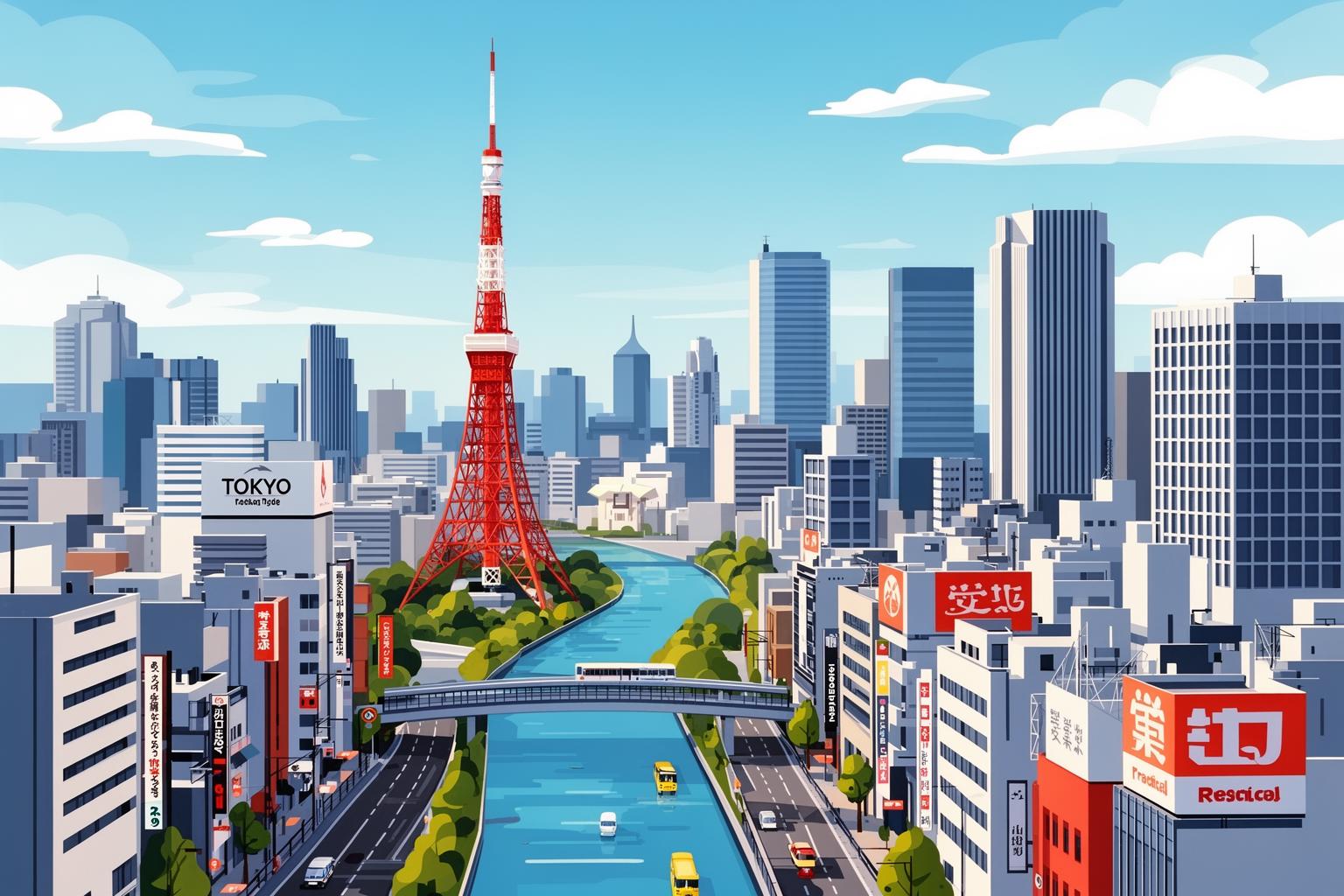
Embarking on your “Your Name.” pilgrimage is an exhilarating journey, and with some thoughtful planning, you can ensure it is both smooth and unforgettable. Tokyo’s public transportation system is impressively efficient, making it simple to travel between these iconic sites. The key is to approach your day with a spirit of discovery, allowing room for spontaneous detours and personal moments along the way.
Crafting Your Itinerary
A practical and effective way to cover the main locations is by organizing them by area. You might spend the morning exploring the Shinjuku district, starting with the views around the station and the NTT Docomo building, followed by a serene walk through Shinjuku Gyoen. After lunch, perhaps at the delightful Cafe La Bohème, take the train to the Yotsuya and Shinanomachi neighborhoods. The JR Chuo-Sobu Line will be your reliable companion, connecting these spots effortlessly. Begin at Shinanomachi to see the pedestrian bridge, then either walk or take a one-stop train ride to Yotsuya, where you can visit the station before heading to the Suga Shrine stairs—a likely emotional highlight of your day. If you still have energy, Roppongi and The National Art Center provide a wonderful way to conclude the afternoon. Investing in a Suica or Pasmo IC card is invaluable; these rechargeable cards allow you to tap in and out of stations with ease and can also be used on buses and at many convenience stores. They eliminate the need to buy individual tickets, making city navigation seamless, just like a local.
Beyond the Film
Although the main aim is to visit the film’s locations, don’t let your experience be confined to them. Each neighborhood offers much more to discover. After exploring Shinjuku, why not wander into the neon-lit maze of Omoide Yokocho (Memory Lane), a cluster of tiny, atmospheric yakitori eateries? Near the Suga Shrine stairs, Yotsuya hides quaint temples and traditional sweet shops. In Roppongi, after visiting the art center, you can browse high-end shops at Roppongi Hills or Tokyo Midtown. The true essence of this pilgrimage lies in using the film as a lens to explore the real Tokyo. Let Taki and Mitsuha guide you, but also allow yourself to craft your own narrative in the margins. Follow an intriguing side street, step into a local café that catches your attention, or simply sit on a park bench and observe the city’s rhythms. It is in these unplanned moments that you will find your personal connection to this incredible city, creating memories that are uniquely yours.
The Lingering Melody
As your day of pilgrimage draws to a close and you sit on a train watching the city lights blur into streaks of color, a quiet satisfaction settles over you. You came to Tokyo not merely to see, but to feel. You walked the same streets as Taki, experienced the same tranquility in the garden, and stood on the same steps where two souls were finally reunited. This journey is more than a list of destinations; it’s a celebration of the power of storytelling. It reminds us that our favorite fictional worlds leave a lasting impact, not only on our hearts but also on the real places they inhabit. They transform an ordinary staircase into a symbol of hope and a bustling cityscape into a canvas of dreams. The magic of Your Name. lies not only in its stunning animation or its moving story, but in its ability to uncover the wonder within the everyday. As you leave these places behind, their melody lingers. You’ll find yourself seeing the sky differently, noticing the way light falls on a building, and perhaps, just perhaps, feeling a bit more open to the invisible threads that connect us all. You came seeking echoes of a cherished story, and in doing so, discovered the vibrant, beating heart of Tokyo itself.