There’s a certain kind of magic that lives in the films of Studio Ghibli, a quiet, profound wonder that feels both fantastical and deeply real. It’s the rustle of leaves in a sun-dappled forest, the comforting aroma of a simple meal cooked with love, the soaring feeling of flight against a brilliant blue sky. For decades, audiences around the world have longed to step inside these enchanting worlds crafted by the master storyteller, Hayao Miyazaki. In a quiet corner of western Tokyo, nestled between the residential calm of Mitaka and the creative hum of Koganei, that dream becomes tangible. The Ghibli Museum, Mitaka, isn’t just a building filled with artifacts; it is a living, breathing extension of the Ghibli philosophy. It’s a place designed not to be observed, but to be experienced—a whimsical labyrinth where the ultimate goal is to get joyfully and utterly lost. This is more than a destination for anime fans; it’s a pilgrimage site for anyone who believes in the power of imagination, the importance of craftsmanship, and the simple, enduring beauty of a story well told. Prepare to leave the mundane world behind, for a journey into the heart of Mitaka’s magic awaits, promising to reawaken the wide-eyed child within you.
For travelers enchanted by the museum’s immersive narrative, a detour to Shirakawa-go unveils another facet of Japan’s timeless charm.
The Heart of Imagination: Inside the Ghibli Museum
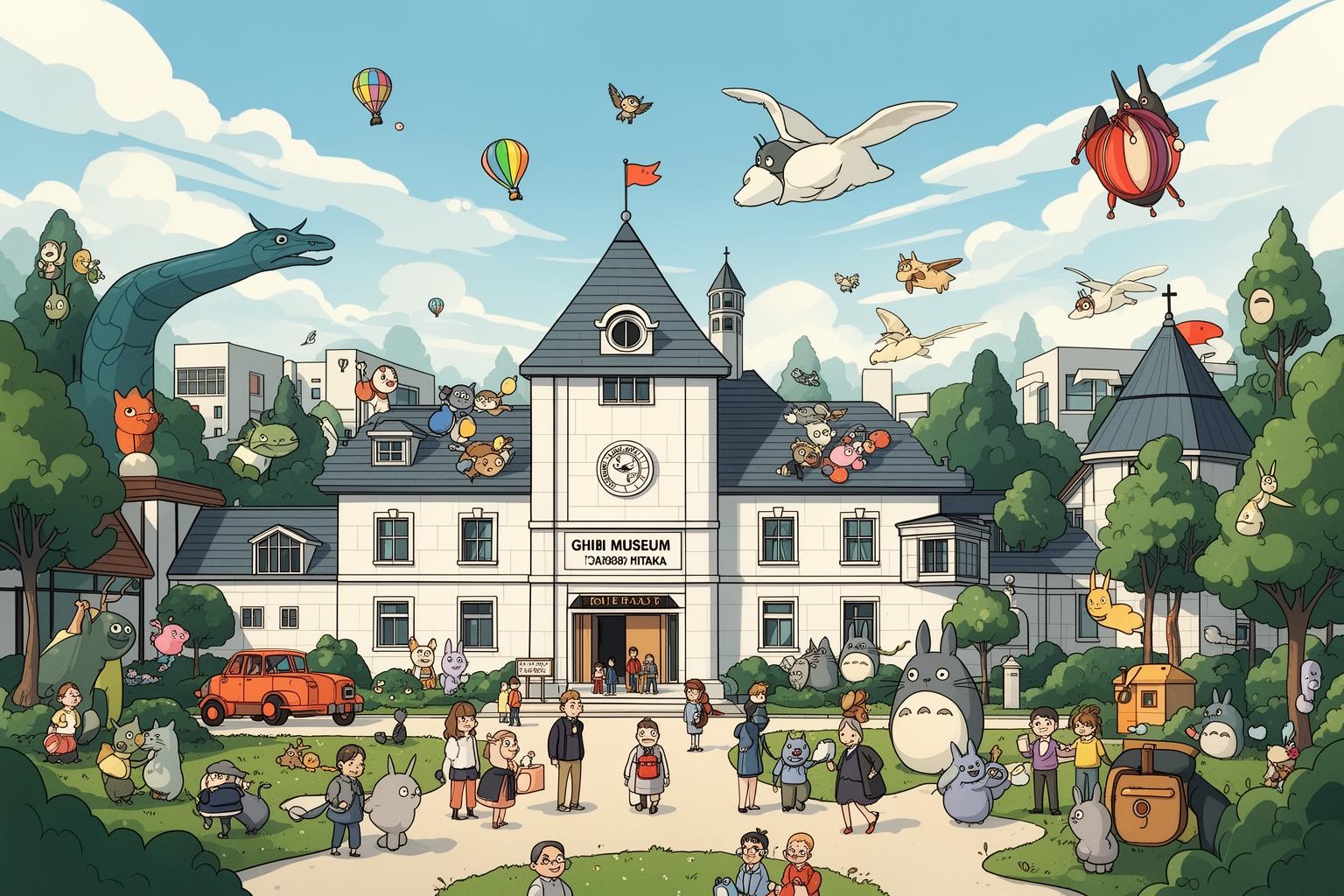
The experience of the Ghibli Museum begins the moment you catch sight of its exterior. It doesn’t separate itself from its natural surroundings; it emerges from them. Draped in ivy that shifts colors throughout the seasons, the building itself feels like a character—a warm, whimsical entity with rounded corners, a quirky clock tower, and a vivid stucco facade that resembles a storybook Tuscan villa more than a contemporary museum. There are no grand, imposing entrances; instead, you’re greeted by a giant, grinning Totoro peeking out from a faux ticket booth, setting a playful tone that fills every corner of the space. This is your first hint that the strict rules of traditional museums don’t apply here.
A Place to Get Lost: The Museum’s Philosophy
The museum’s official slogan, “Maigo ni narō yo, issho ni,” translates to “Let’s get lost, together.” This phrase is not just catchy; it’s the fundamental principle guiding the museum. There is no fixed route and no map handed out at the entrance. Visitors are actively encouraged to roam freely, to explore, to follow their curiosity down spiral staircases, across tiny bridges, and through doorways so low you have to duck. The architecture itself is a marvel of imaginative design. Wrought-iron details curl into shapes of plants and whimsical creatures. The central hall soars upward into a dizzying atrium of wooden beams, walkways, and a glass dome that floods the space with light. Look closely at the stained-glass windows and you won’t find saints or abstract patterns; instead, you’ll see Kiki on her broomstick, Porco Rosso in his plane, and the friendly forest spirits from My Neighbor Totoro, all rendered in vibrant, glowing colors. The light they cast on the floor creates a moving mosaic of beloved memories. Every corner holds a secret, every detail invites discovery, ensuring your journey through the museum is uniquely your own.
Unlocking the Secrets of Animation
While the building itself is an exhibit, the rooms inside provide a profound glimpse into the heart of Studio Ghibli: the meticulous, magical process of bringing drawings to life. The first floor houses the permanent exhibition, focusing on the history and science of animation. It’s a wonderfully tactile, analog experience. You can peer into multi-layered dioramas revealing how background, mid-ground, and character cells interact to create a sense of depth. One of the most captivating displays is a large, three-dimensional zoetrope featuring characters from My Neighbor Totoro. A circle of sculpted figures—Mei jumping, Catbus running, Totoro bouncing—spins under a strobe light. The result is pure magic; the static models spring into fluid, seamless motion, a joyful and tangible demonstration of how animation brings life to the still. It’s a powerful reminder that Ghibli’s enchantment isn’t digital trickery but the outcome of thousands of hours of human artistry and passion. Another room, titled “Where a Film is Born,” is perhaps the most intimate and inspiring space. It’s a recreation of an animator’s studio—a gloriously cluttered wonderland filled with books, sketches, pigment jars, and half-finished drawings. It feels as though Hayao Miyazaki himself just stepped out for a cup of tea. Illustrations and concept art cover the walls, telling the story of how a fleeting idea transforms into a fully realized cinematic world. The creative energy is palpable—a testament to the dedication behind every frame of a Ghibli film.
The Saturn Theater and the Rooftop Guardian
Your museum ticket is a special keepsake: a small strip of real 35mm film from one of the studio’s feature films, containing three precious frames of a scene. This ticket also grants access to a single screening at the charming Saturn Theater on the ground floor. There, you can watch an original animated short film exclusive to the museum—a rotating selection of heartwarming tales that are pure, uncut Ghibli. These shorts are often wordless, telling their stories through beautiful visuals and music, making them universally accessible and deeply moving. After the screening, your journey continues upward. A narrow, caged spiral staircase leads to the museum’s rooftop garden. Stepping out into the open air, you encounter a tranquil, green space—a quiet refuge from the lively atmosphere below. There, standing guard over the museum and the entire park, is the iconic life-sized Robot Soldier from Castle in the Sky. He is a gentle giant, weathered and partly covered in moss, as if he has been watching over the area for centuries. He is not threatening but melancholic and peaceful—a silent guardian of dreams. It’s one of the few places where photography is allowed, and visitors patiently wait for their turn to stand beside this beloved figure, sharing a quiet moment against the backdrop of the Tokyo sky.
The Crucial Quest: Securing Your Ticket
Visiting the Ghibli Museum demands a level of preparation and foresight nearly as grand as a Ghibli adventure itself. You cannot simply arrive and purchase a ticket on the spot. Admissions are strictly limited to preserve a comfortable, uncrowded environment, and tickets sell out almost immediately. Understanding the ticketing process is the most crucial part of planning your visit.
The Digital Lottery: For Residents of Japan
If you live in Japan, the process involves entering a monthly online lottery. Tickets for a specific month become available through this lottery around the 10th of the previous month. Applicants choose their preferred dates and times, then wait to see if they are among the fortunate few selected. This system is entirely chance-based, meaning even long-term residents may try for months or years without success. This scarcity highlights the museum’s immense popularity and its dedication to providing a quality experience for every visitor.
For International Visitors: The Official Online Sale
For those outside Japan, the process differs slightly but remains highly competitive. Tickets are sold online via Lawson’s official ticketing website, which is accessible internationally. Sales typically open on the 10th of each month for entry in the following month. For instance, tickets for July go on sale June 10th at a specified time (Japan Standard Time). It becomes a frantic race, first come, first served. You must be online right when the sale starts, with your passport details and credit card handy. Tickets for popular days, especially weekends, often disappear within minutes. It’s vital to check the official Ghibli Museum website for the latest information on sale dates and procedures, as these can change. A word of caution: avoid third-party sellers and scalpers entirely. The museum requires presenting the passport of the ticket purchaser at entry, and the names must match precisely. Any ticket bought from unofficial sources is likely invalid, causing heartbreaking disappointment at the entrance.
Beyond the Museum Walls: Exploring Inokashira Park
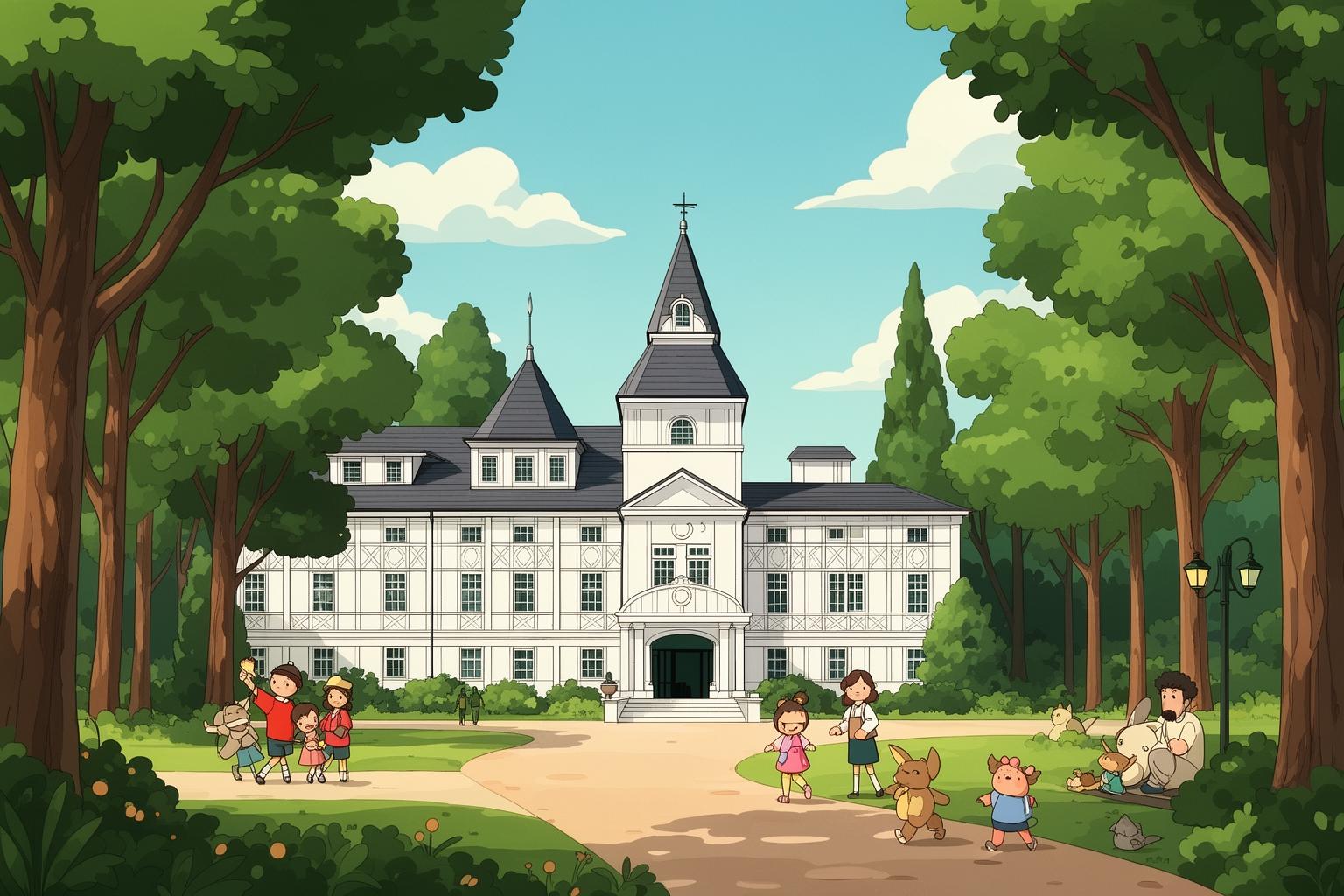
The magic of the Ghibli Museum is heightened by its setting within the beautiful Inokashira Park, one of Tokyo’s most treasured green spaces. The park is more than just a route to the museum; it forms an essential part of the experience, reflecting the deep respect for nature central to Ghibli’s storytelling. Visiting the museum without exploring the park is like watching only half of a film.
A Breath of Fresh Air: The Park’s Atmosphere
Entering Inokashira Park feels like stepping into a forest straight out of Totoro. The air is cooler, the city’s noise fades away, and you’re surrounded by towering trees, dense undergrowth, and the soothing sounds of nature. At the heart of the park lies Inokashira Pond, where you can rent vibrant swan-shaped paddle boats or classic rowboats. Floating across the water offers a stunning view of the surrounding woods and the charming red bridge leading to a small shrine. The atmosphere is calm and idyllic. You’ll find families picnicking on the grass, elderly couples walking hand in hand, artists capturing the scenery, and musicians playing gentle tunes. It creates a living scene of everyday Japanese life, a peaceful retreat that refreshes the soul. The connection to Ghibli’s spirit is tangible; it’s the kind of place where you can easily envision a forest spirit peeking out from behind a tree or a cat bus making a secret stop.
Seasonal Charms
The park’s appeal changes beautifully with the seasons, offering a fresh experience with every visit.
Spring’s Cherry Blossoms
In late March and early April, Inokashira Park transforms into a magical realm of pink and white. Hundreds of cherry trees burst into bloom, their branches arching over the pond and walkways. Petals fall like soft snow, covering the water’s surface with a delicate pink blanket. It is stunningly beautiful and a favorite spot for hanami (cherry blossom viewing) celebrations. The mood is festive and joyous, a perfect ode to nature’s fleeting beauty.
Autumn’s Fiery Hues
When November brings cooler weather, the park stages another breathtaking display. Maple and ginkgo leaves turn shades of crimson, gold, and orange. The crisp autumn air combined with warm, glowing colors creates a cozy yet slightly wistful mood ideal for reflective strolls. The reflection of the colorful foliage on the pond’s calm surface is a scene of utter tranquility.
Hidden Corners and Local Life
Beyond the main pond, Inokashira Park holds more treasures. Tucked into a corner is the Inokashira Park Zoo, home to native Japanese animals like squirrels, monkeys, and swans. There is also a small, charming aquatic life house. In the middle of the pond, accessible by the bridge, stands a small shrine dedicated to Benzaiten, the goddess of water, music, and fortune. It’s a serene place to offer a quiet prayer and admire traditional architecture. On weekends, the park buzzes with an arts and crafts market, where local artisans sell handmade jewelry, pottery, and artwork. Street performers, from magicians to musicians, entertain visitors, enhancing the lively, creative vibe that makes the area so special.
Journey to the West: The Path from Mitaka and Kichijoji
Reaching the Ghibli Museum is an experience in itself, with two main options available, each offering its own unique appeal. Both begin at stations on the JR Chuo Line, a key route heading west from Shinjuku.
The Official Route: The Catbus from Mitaka Station
For the most thematic entrance, take the train to JR Mitaka Station. From the South Exit, proceed to bus stop number 9, where the special community bus picks up visitors bound for the museum. The bus is a delight—painted bright yellow and decorated with illustrations of characters and soot sprites, it sets a cheerful tone for your visit. Even the bus stop sign features a custom Ghibli design. The short ride winds through quiet residential streets before dropping you off right at the museum’s entrance. While IC cards like Suica or Pasmo are accepted, consider purchasing a round-trip ticket from the machine at the bus stop; the ticket itself makes a lovely memento of your trip. This route is convenient, straightforward, and immerses you in the Ghibli atmosphere from the outset.
The Scenic Stroll: A Walk Through the Park from Kichijoji
For a more relaxed and picturesque route, get off one stop earlier at JR Kichijoji Station. This station is located in a vibrant, trendy neighborhood known for its distinctive shops, excellent restaurants, and youthful vibe. More importantly, the south exit leads directly into Inokashira Park. From there, it’s a pleasant 15- to 20-minute walk to the museum. The path is clearly marked with charming Ghibli-themed signs that guide your way. This walk provides a chance to unwind from the train journey and fully appreciate the natural scenery that inspired much of Miyazaki’s work. You’ll stroll past the pond, beneath a canopy of trees, building anticipation until the museum’s whimsical building finally appears through the foliage. Choosing this route also sets you up perfectly to explore the lively Kichijoji district after your museum visit.
A Taste of Ghibli: The Straw Hat Café and Local Eateries
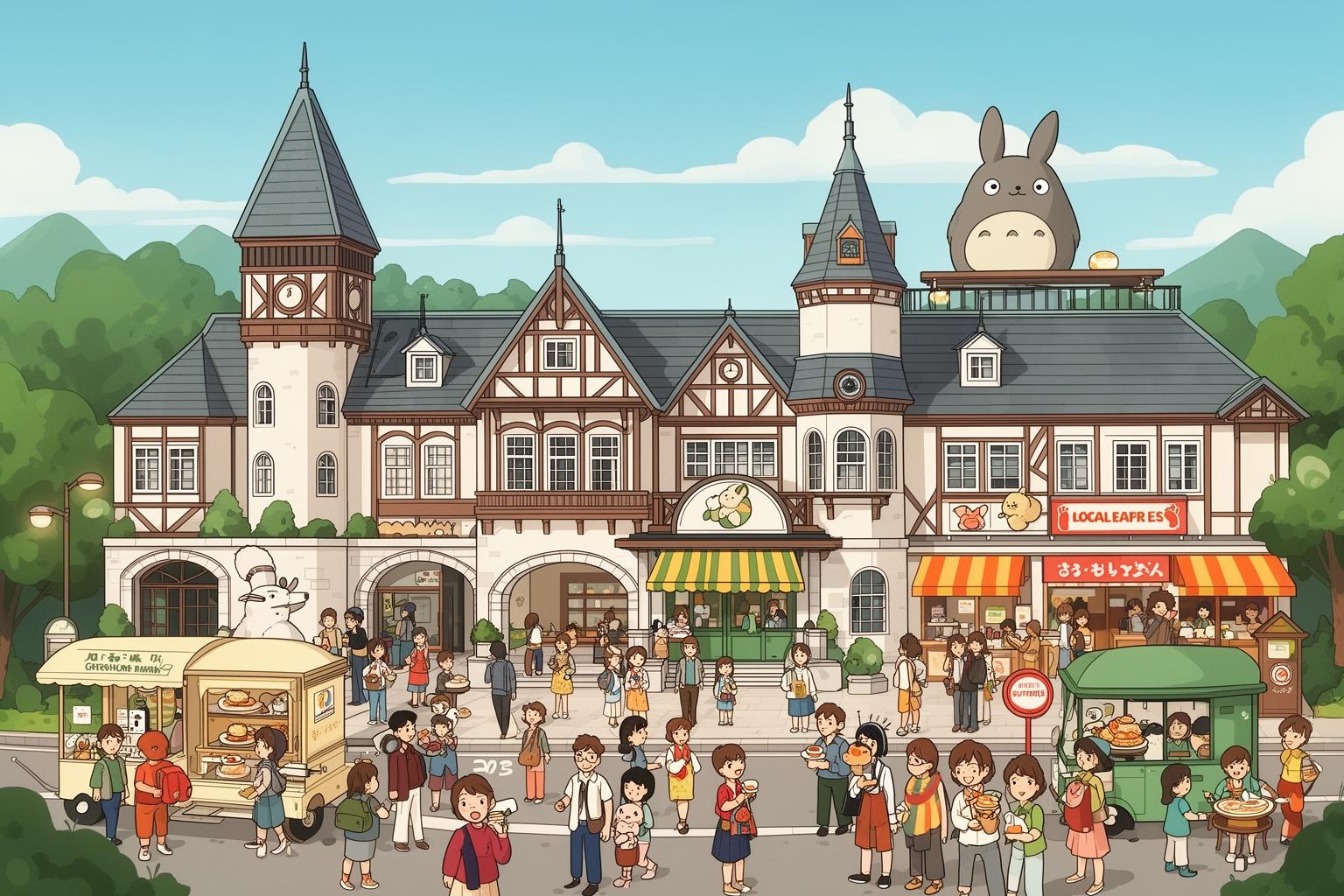
After spending a few hours lost in the world of imagination, you’re sure to work up an appetite. Fortunately, the culinary options in and around the museum are as enjoyable as the exhibits themselves.
Dining Inside the Dream
The museum features its own eatery, the Straw Hat Café (Mugiwarabōshi). True to the Ghibli spirit, it offers simple, wholesome, and delicious food prepared with care. The menu isn’t extensive, but it’s filled with comforting classics that seem to come straight from a Ghibli kitchen. You might encounter hearty pork cutlet sandwiches, savory hot dogs, rich soups, and delightful cakes and ice cream. There’s even a special “Valley of the Wind” beer. Everything is served with rustic charm. The café itself is cozy, featuring warm wooden furniture and a charming outdoor terrace. Be prepared for potentially long lines due to its popularity, especially around lunchtime. Planning an early or late lunch is often wise to reduce waiting times. For many visitors, enjoying a meal crafted with such Ghibli-esque simplicity is an essential part of the pilgrimage.
Culinary Adventures in Kichijoji
If the café line seems too daunting or you’re looking for more variety, the nearby Kichijoji neighborhood is a food lover’s dream. It’s one of Tokyo’s most sought-after residential areas, partly thanks to its vibrant dining scene. Just a short walk from the park, you’ll find everything from upscale sushi restaurants to casual and cheerful ramen shops. A must-visit spot is Harmonica Yokocho, a maze of narrow, lantern-lit alleyways next to the station. By day, it’s a quiet market, but at night it transforms into a lively hub of tiny izakaya (Japanese pubs), yakitori stalls, and standing bars, each with only a handful of seats. It’s an excellent place to experience an authentic local slice of Tokyo nightlife. Elsewhere in Kichijoji, numerous stylish cafés offer the perfect setting for a post-museum coffee and cake, along with renowned specialty shops like Satou, famous for its deep-fried beef croquettes (menchi-katsu) that attract long lines of devoted fans. Exploring Kichijoji’s food scene is the perfect way to complete your Ghibli-themed day.
A Word of Advice for the Intrepid Pilgrim
To make the most of your visit, a few final tips can help ensure your experience is as enchanting as possible.
Plan, Plan, and Plan Again
This cannot be emphasized enough: your entire trip depends on securing a ticket well in advance. Set reminders for the ticket sale date, have all your information ready, and keep a few backup dates in mind. Success demands both diligence and a bit of luck. Check the official website for the exact ticket release date and time, then convert it to your local time zone. Don’t let this crucial first step jeopardize your dream visit.
Embrace the No-Photo Policy
Inside the museum, photography and videography are strictly forbidden. While this might feel limiting to some visitors in today’s social media-driven world, it is actually one of the museum’s greatest gifts. This policy allows everyone to experience the museum directly with their own eyes, rather than through a screen. It encourages presence, attention to small details, and full immersion in the atmosphere. The rule also preserves the sense of discovery for future guests and prevents intimate spaces from becoming crowded with people posing for photos. By putting your phone away, you’re free to truly lose yourself and connect more deeply with the art and environment. Remember, the rooftop with the Robot Soldier is the perfect spot for that memorable photo.
Allow for Serendipity
While ticket planning must be precise, your time in the museum should be flexible. Avoid creating a strict itinerary. The museum’s essence lies in wandering and discovering things spontaneously. Give yourself at least three to four hours to explore at a leisurely pace. Spend extra time in a room that captivates you. Sit on a bench and simply watch the light filtering through the central hall. Follow the sound of children’s laughter. The same goes for Inokashira Park: don’t just pass through it; sit by the pond, explore a side path, watch the swans. The most magical moments of your visit are often the unplanned ones.
The Enduring Magic of Mitaka
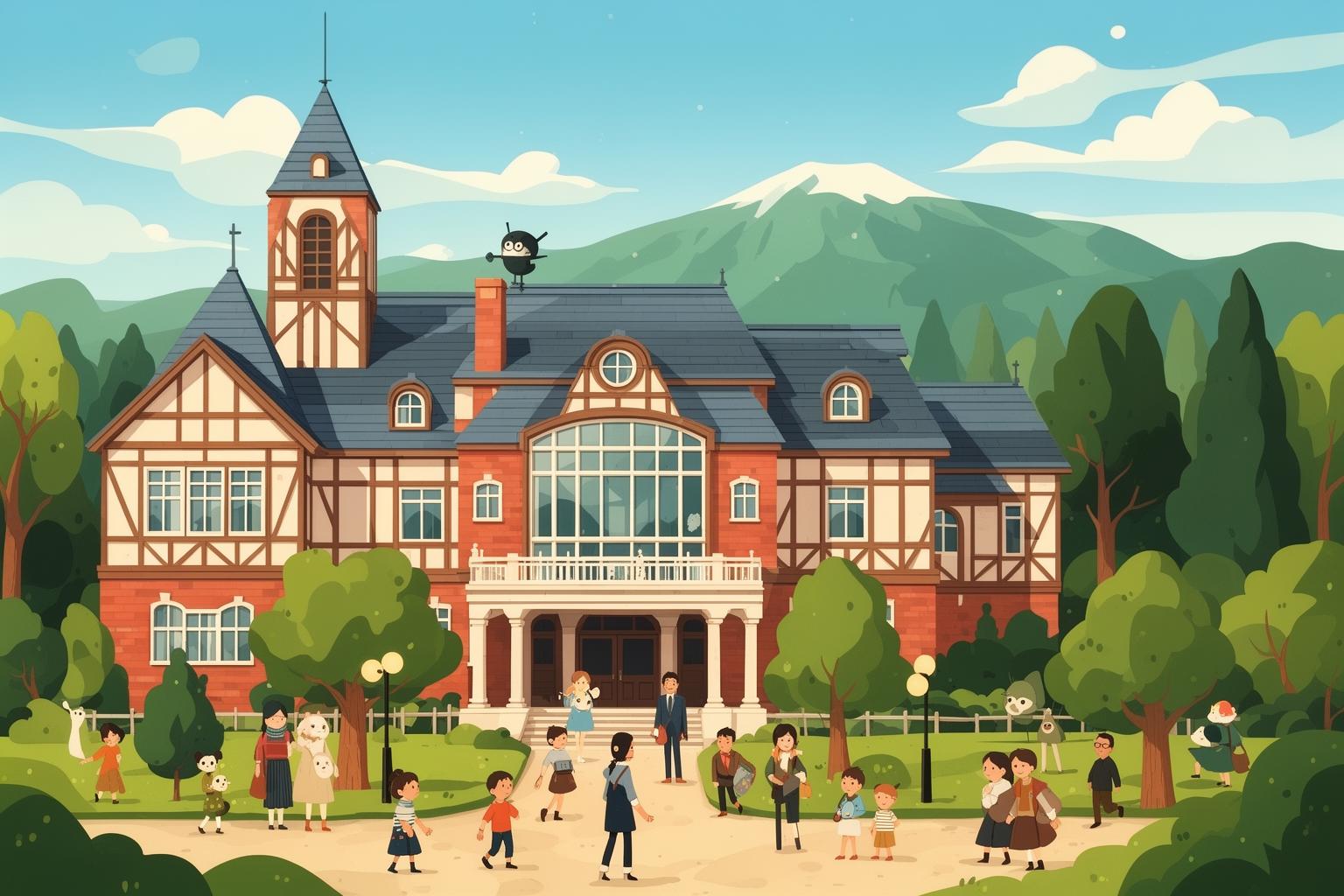
A visit to the Ghibli Museum and its surrounding park is far more than just a tourist attraction. It’s an emotional experience, offering a chance to reconnect with a childlike sense of wonder that often fades amid the bustle of adult life. It’s a full immersion into a worldview that honors nature, promotes kindness, and celebrates the profound beauty of handmade creations. You leave with more than souvenirs from the gift shop; you depart with a renewed appreciation for the artistry and dedication involved in crafting something truly meaningful. The experience stays with you long after you’ve boarded the train back to the busy heart of Tokyo. The quiet strength of the Robot Soldier, the joyful motion of the zoetrope, the gentle rustling of leaves in Inokashira Park—these moments become part of you. Hayao Miyazaki designed the museum as a gift, a place to inspire and delight. It succeeds on every level, serving as a powerful, tangible reminder that even in this complex world, magic remains very much alive. You just need to know where to look, and sometimes, you have to be willing to get a little lost to find it.