
There’s a certain kind of magic that lives inside a Studio Ghibli film, a gentle hum of possibility that whispers of adventure in the everyday. It’s the sound of summer cicadas, the warmth of sunlight on pavement, the feeling of a story waiting just around the corner. For many, Whisper of the Heart captures this feeling perfectly. It’s a tender, resonant film about youthful ambition, first love, and the daunting, beautiful journey of finding your own creative voice. It tells the story of Shizuku Tsukishima, a book-loving junior high student who follows a mysterious cat through her suburban Tokyo neighborhood, leading her to an antique shop, a boy named Seiji, and ultimately, to her own path as a writer. What makes this story so profoundly special is that Shizuku’s world is not a fantasy realm. It’s real. Her journey unfolds on the streets, slopes, and scenic overlooks of Seiseki-Sakuragaoka, a quiet residential district in Tama City, Tokyo. This is not a constructed theme park or a museum exhibit; it’s a living, breathing town where the film’s spirit is woven into the very fabric of the landscape. A pilgrimage here isn’t about seeing props or sets, but about walking the same paths, feeling the same burn in your legs as you climb the hills, and seeing the same breathtaking view that inspired Shizuku to write her own story. It’s an invitation to step inside the animation cel and discover that the magic was real all along.
For those drawn to the magic on the streets of Seiseki-Sakuragaoka, exploring the Ghibli heart of Mitaka can further enrich the pilgrimage experience.
The Journey Begins at the Station
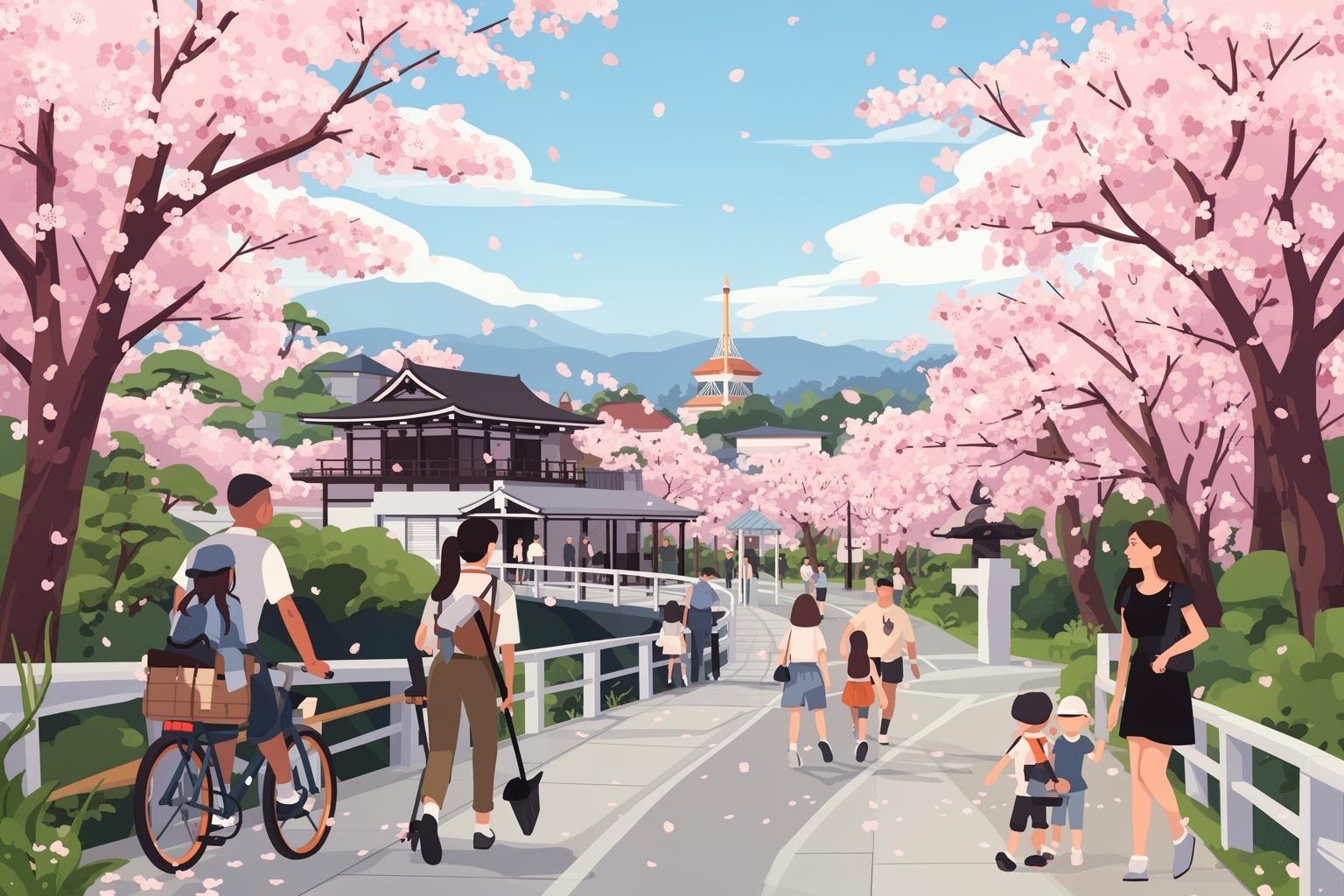
Your adventure, much like Shizuku’s, begins the moment you step off the Keio Line train at Seiseki-Sakuragaoka Station. The rhythmic clang of the departing train fades away, replaced by the gentle murmur of a lively suburban hub. This isn’t merely a station; it’s the gateway to the film’s world. Immediately, you’re met with a sense of familiarity. The wide plaza outside, the department store, the flow of people—it all reflects the opening scenes where Shizuku heads to the library. The town has quietly embraced its cinematic fame. For years, the train departure melody was the film’s theme song, “Country Roads,” a lovely detail that instantly set the tone for pilgrims. While these elements may change over time, the spirit endures. Inside the station’s ticket gates, a small display case may contain a golden replica of the pig from the antique shop, donated by a local fan group, a testament to the community’s silent pride. The first thing any aspiring pilgrim should do is visit the small information kiosk or seek out the pilgrimage maps often provided by local volunteers. These hand-drawn maps are treasures, carefully marking every key location from the film. They aren’t just useful; they feel like a secret key, given to you by fellow fans, unlocking the adventure ahead. Holding this map, the town shifts from a simple Tokyo suburb into a living storybook, with each marked spot a new chapter ready to be explored.
Ascending the Iroha-zaka Slopes
The true essence of the Seiseki-Sakuragaoka pilgrimage lies in the climb. The film is marked by its verticality—the steep hills Shizuku continuously navigates, representing her own uphill struggles and ambitions. The most renowned of these is Iroha-zaka, a winding, tree-lined road that twists its way up the hillside. As you start your ascent, the noise from the station area gradually fades, replaced by a deep quiet. This is a residential neighborhood, radiating a sense of calm domesticity. Sunlight filters through the leaves of overgrown trees, casting shifting shadows on the asphalt. You hear the hum of a distant air conditioner, birds chirping, and the gentle rustle of leaves in the breeze. The climb is truly steep—a steady, demanding incline that helps you appreciate Shizuku’s determination. With each step, you feel increasingly connected to her journey. You can almost see her, library books in hand, hurrying up this very slope, her mind alive with stories. It’s a meditative walk, an opportunity to slow down and take in the surroundings. The houses are a blend of old and new, each with its carefully tended garden. The air feels fresher here, away from the busy roads. This is the authentic Japan that often lies just beyond the neon glow of the city center—peaceful, orderly, and deeply beautiful in its simplicity.
The Konpira Shrine Steps
Halfway up the main slope, you’ll come across a notable landmark: the steep, stone staircase leading to Konpira Shrine. This is where Shizuku diverges from her planned route to follow the laid-back cat, Moon. Seeing the steps in person is a striking moment of recognition. They are just as imposing and enigmatic as they appear in the film. The climb up these stone steps is even more strenuous than the road—a brief, intense burst of effort. As you ascend, your focus narrows to the stones underfoot and the canopy of trees overhead. At the top, you’re rewarded with a small, peaceful shrine nestled in a clearing. It’s a tiny oasis of tranquility. The shrine itself is modest, a place for quiet contemplation for the local community. For visitors, it’s a chance to catch your breath, listen to the summer cicadas’ chorus, and gaze down the steps you have just climbed. This is where the usual path diverged, where Shizuku chose curiosity over routine—a small decision that altered everything. Standing here, you feel the weight of that choice and the excitement of the unknown path.
The Rotary and the View from the Top
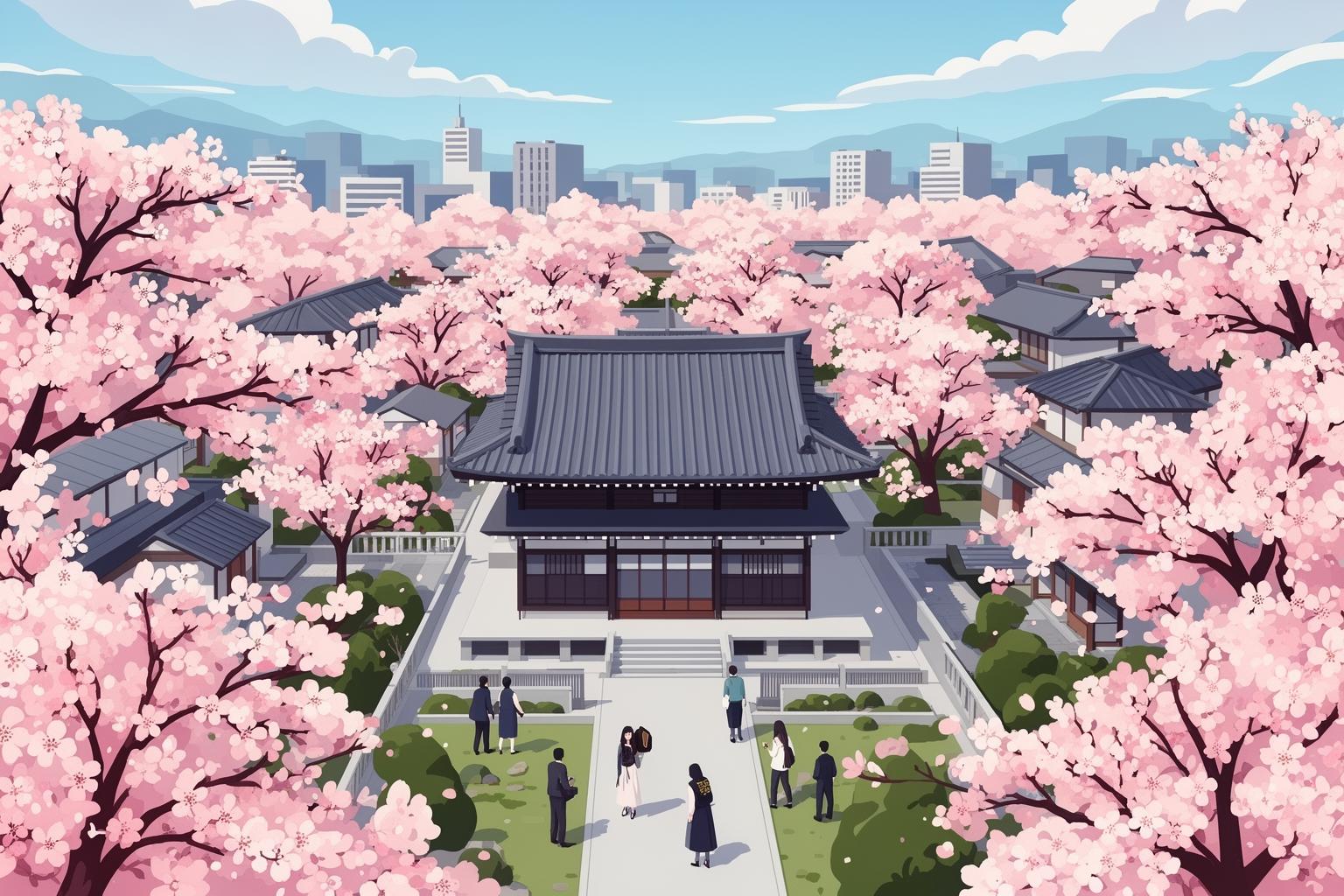
Continue your ascent, and you’ll eventually arrive at the emotional and geographical pinnacle of the pilgrimage: the hilltop rotary. This simple, circular intersection is perhaps the most sacred site for fans of Whisper of the Heart. In the film, it’s a place of quiet reflection for Shizuku and, most notably, the setting for the breathtaking sunrise finale where Seiji makes his heartfelt promise. In reality, it’s just a traffic circle in a peaceful, affluent neighborhood. There are no signs, no monuments. Yet, its power is undeniable. Standing at its edge, you can take in an incredible panorama. The entire Tama City stretches out before you, and on a clear day, you can see the distant skyscrapers of Shinjuku, spread like a map of possibilities. The view is magnificent—a vast urban tapestry that feels both immense and intimate. You can spot train lines weaving through the city and the Tama River shimmering in the distance. This is the view that sparked Shizuku’s imagination, the landscape that served as the backdrop for her fantasy world of Baron and Louise. It’s a place to pause and dream. Visiting at different times of day brings varied experiences: in the morning, the light is soft and hopeful; in the late afternoon, the city is bathed in a warm, golden glow, evoking nostalgia. It is here, more than anywhere else, that the film’s central message becomes clear: inspiration surrounds us, waiting to be discovered from a fresh perspective.
The Antique Shop That Wasn’t There
One of the most frequent questions from pilgrims is, “Where is the Chikyuya antique shop?” The poignant and beautiful truth is that it never existed. The whimsical shop, with its grandfather clock and cat statuette of Baron, was entirely a creation of the filmmakers’ imagination. However, its imagined location is widely believed to be on the edge of this very rotary. You can stand there and easily envision where it might have been—a magical space nestled among real houses. But the magic of the place has found a new home. Just around the corner from the rotary is a charming pastry shop called Nobilier. The owners, fully aware of the neighborhood’s fame, have embraced the connection with warmth. Inside, you’ll often find cookies and cakes decorated with cat designs or shaped like violins. It has become an unofficial rest stop for pilgrims, a spot to recharge with a delicious treat after the climb. Grabbing a “Moon” cookie and savoring it while gazing out at the view from the rotary feels like a perfect homage to the film—a sweet blend of reality and fantasy.
Living the Story: Details and Discoveries
The charm of the Seiseki-Sakuragaoka pilgrimage is found in its smaller moments, the serene discoveries made between the key landmarks. It’s about more than merely ticking off spots on a map; it’s about fully inhabiting the world.
The Library Hill Path
Shizuku’s life centers around her trips to and from the library. The film thoughtfully captures the routes she takes, especially the tree-lined pedestrian walkway known as “Library Hill.” This path is a vital part of the journey. It’s a calm, shaded route that cuts through the neighborhood, providing a shortcut away from the main streets. Walking here, you can picture Shizuku lost in a book or later sitting on a bench, wrestling with her own story. Although the city library shown in the film is a blend of several locations and grander than the actual local library, the journey itself is what truly matters. This path symbolizes her intellectual and emotional refuge, the place where her inner world thrives.
A Quiet Moment in the Park
Scattered across the hills are several small parks and green spaces, like the one where Shizuku sits with her friend Yuko to share their worries. These parks offer ideal spots to rest. Find a bench, open a book, or simply watch the neighborhood unfold around you. This captures the essence of the experience: not just seeing the places, but sensing the atmosphere that shaped them. The rhythm of life here is slower, more intentional. It invites you to pause, to observe, to listen to the whisper of your own heart. It’s in these tranquil, unscripted moments that the world of the film feels most vivid.
A Practical Pilgrim’s Guide
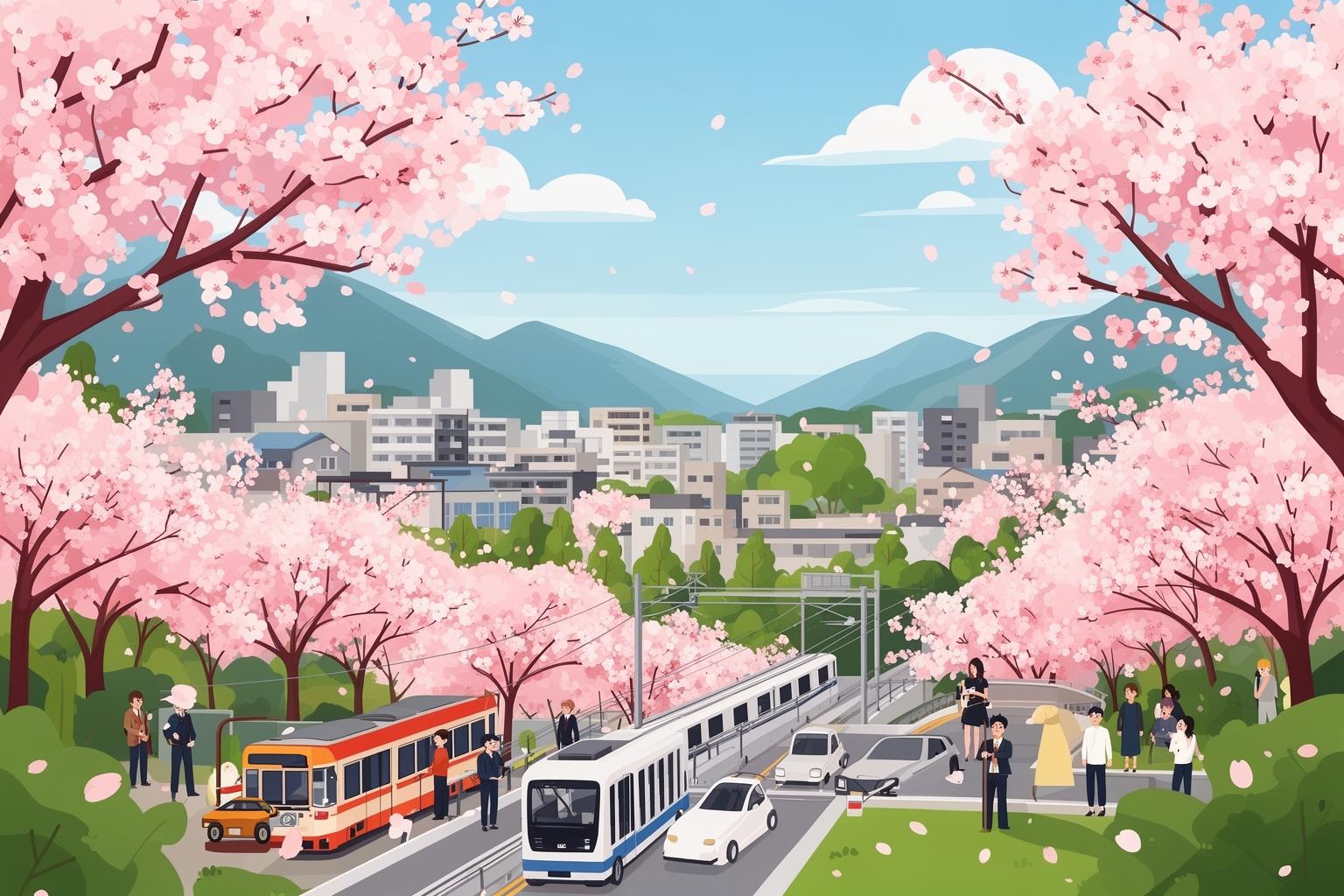
Starting this journey is simple, but a bit of preparation can greatly enhance the experience, making it truly unforgettable.
Getting to Seiseki-Sakuragaoka
The town is conveniently reachable from central Tokyo. Just take the Keio Line from Shinjuku Station. Since Seiseki-Sakuragaoka is a Special Express stop, the trip takes about 30 minutes, making it an ideal day trip. The ride itself is part of the charm, as you watch Tokyo’s dense urban environment gradually transition into the more open, green suburbs of the Tama Hills.
The Best Time to Visit
Although the pilgrimage is possible year-round, certain seasons enhance the experience. Spring is arguably the most beautiful, with hillsides and parks covered in cherry blossoms, adding an extra touch of fleeting Ghibli-like charm to the scenery. Autumn is another excellent time, offering clear, crisp air for the best panoramic views from the rotary and pleasant temperatures for walking. Summer can be hot and humid, and the hill climbs will be quite strenuous, so be sure to carry plenty of water. Winter is colder but often provides the clearest views of the distant city skyline, and the neighborhood occasionally features lovely holiday illuminations.
What to Bring
This cannot be emphasized enough: wear comfortable walking shoes. You’ll be covering a lot of ground, much of it uphill. Carrying a bottle of water is essential, especially during the warmer months. A camera is a must to capture the scenic views and iconic locations. To enrich the experience, consider bringing a small notebook and pen to jot down your own thoughts and inspirations, just as Shizuku would. For the most immersive experience, have the Whisper of the Heart soundtrack ready on your phone to play as you walk. Listening to “Country Roads” while standing at the rotary, gazing at the view, is a profoundly moving moment.
The Heart of the Neighborhood
One of the most important things to keep in mind when visiting Seiseki-Sakuragaoka is that you are entering someone’s home. This is not a tourist attraction but a residential neighborhood where people live, work, and raise their families. The charm of the area is deeply connected to its authenticity. Local residents are generally aware of and quietly proud of their town’s link to the beloved film, but it is essential to show respect. Speak softly, avoid trespassing on private property for better photos, and stay aware of your surroundings. The community has resisted commercializing the pilgrimage, which is exactly what maintains its charm. There are no souvenir shops selling Baron statues at every turn. The reward is a pure, unspoiled experience. The gentle spirit of the film’s legacy is reflected in volunteer-created maps, the pastry shop’s cookies, and the friendly nods from locals when they see you consulting your map. By being a considerate visitor, you become part of this delicate ecosystem, helping to preserve the very magic you came to discover.
A Final View and a Promise
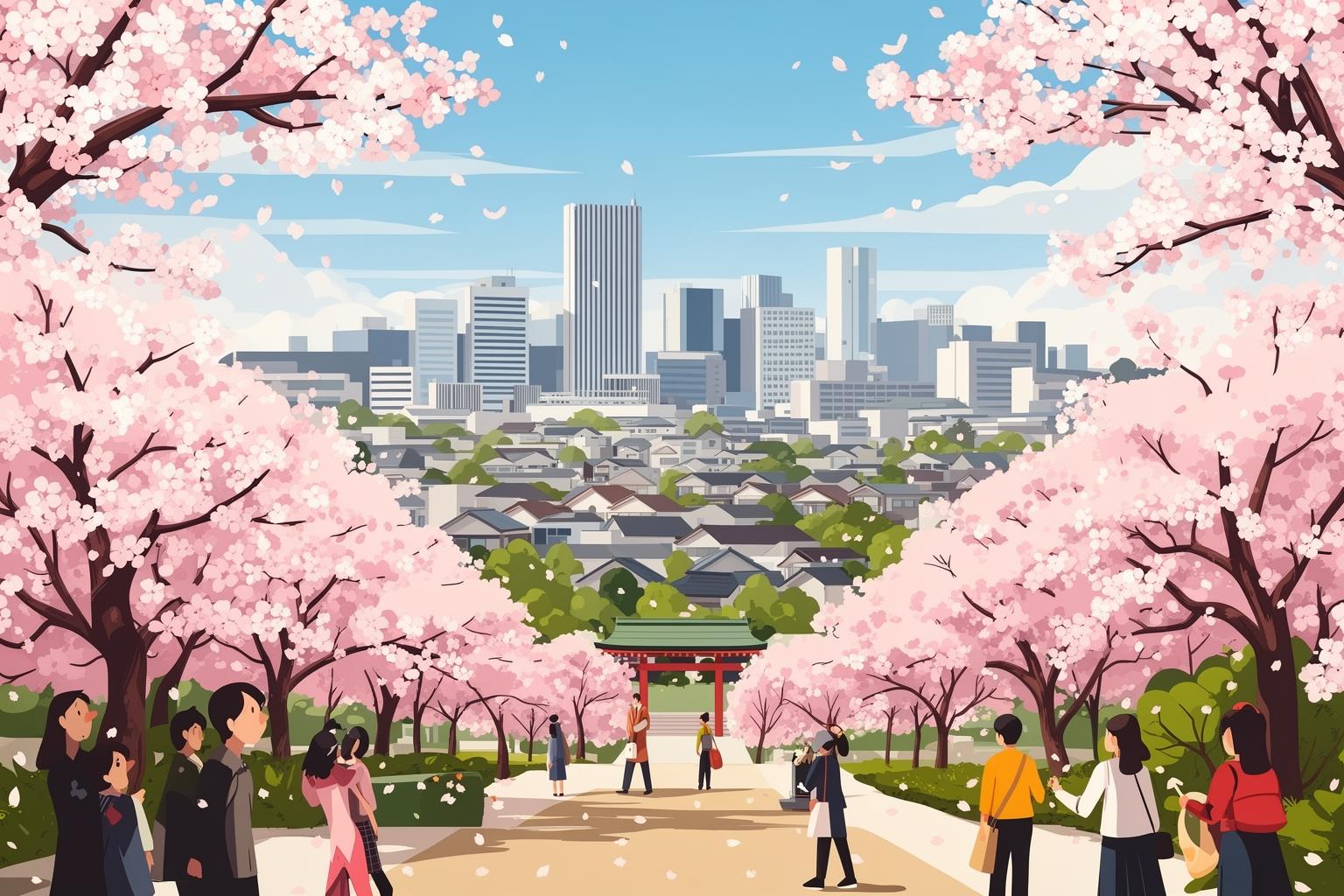
As your day in Seiseki-Sakuragaoka comes to an end, make your way back to one of the elevated spots, perhaps the rotary or a nearby park. Watch the sun as it sets, casting long shadows and coloring the sky with shades of orange and purple. Glance back over the town and the expansive city beyond. You arrived here following the path of a fictional character, but the experience you had was real. The tired muscles, the sweat on your brow, the feeling of accomplishment at the hilltop—that was all yours. Whisper of the Heart tells a story about the spark of creativity, about the bravery it takes to listen to that quiet, inner voice encouraging you to create, to write, to become something. Strolling through Seiseki-Sakuragaoka serves as a reminder that this spark isn’t limited to the world of animation. It lives here, in the peaceful streets and vast views of a suburban town. It lives within you. You depart with more than just photos and memories—you leave with a renewed sense of inspiration, ready to return to your own world and start writing your own story, whatever it may be.