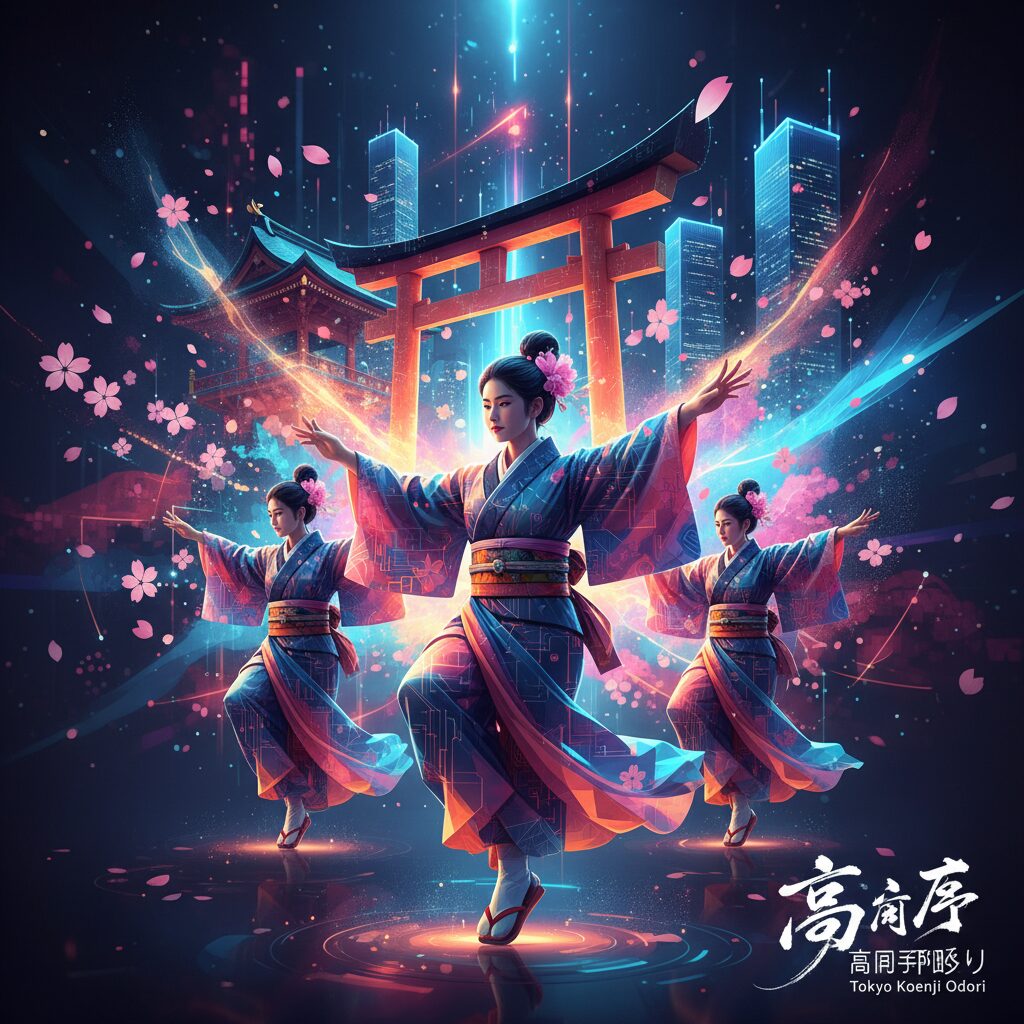
The Tokyo summer is a symphony of sound, a dense tapestry woven from the hum of cicadas, the cheerful chime of train station melodies, and the ever-present murmur of a city that never truly sleeps. But for one weekend at the tail end of August, a new sound rises above the urban chorus. It’s a primal, intoxicating rhythm that seems to emanate from the very asphalt itself—a powerful heartbeat that pulses through the narrow streets of a neighborhood just west of Shinjuku. This is the sound of the Koenji Awa Odori, a festival so immense, so vibrant, that it transforms the bohemian enclave of Koenji into the epicenter of Japan’s cultural universe. This isn’t just another summer event on Tokyo’s packed calendar; it’s a pilgrimage. It’s a journey into a river of sound, a torrent of color, and a celebration of life that’s been perfected over four hundred years. For two electrifying evenings, more than ten thousand dancers and a million spectators converge, drawn by the magnetic pull of taiko drums and the hypnotic melodies of the shamisen. They come to witness, to feel, and to become part of a tradition that was born hundreds of miles away but found its most dynamic modern expression right here, in the passionate heart of Tokyo. This is your invitation to join them, to step into the flow and discover the rhythmic soul of a city.
The festival’s vibrant energy can inspire travelers to seek fresh adventures that stretch beyond paradise into unexpected realms of discovery.
The Heartbeat of Koenji: Understanding the Awa Odori
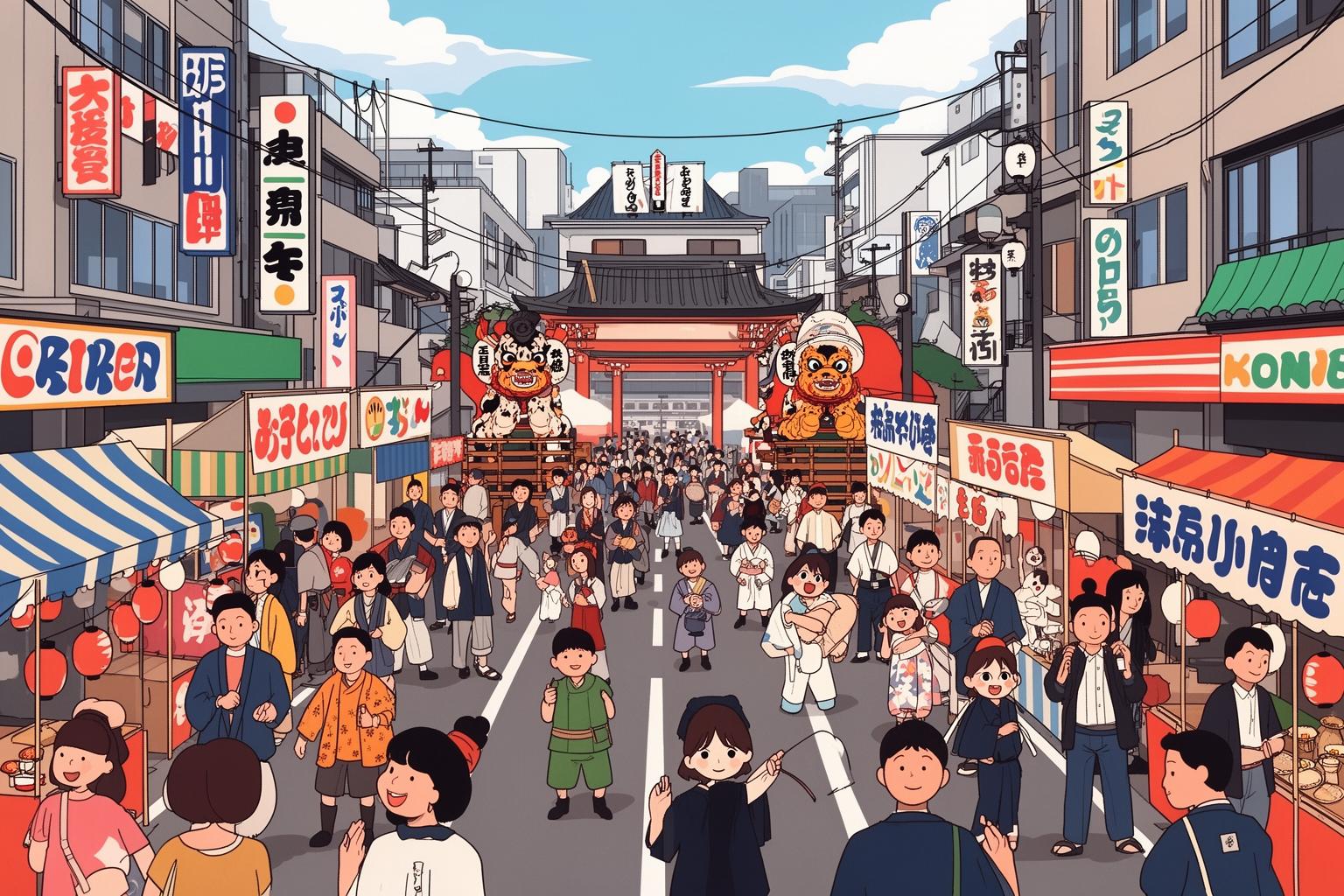
To truly appreciate the spectacle unfolding in Koenji, you first need to understand that you’re witnessing a story expressed through music and movement. This is not a performance originally from Tokyo; it’s an adopted tradition, a cultural transplant that has flourished with a passion and intensity uniquely its own. The Koenji Awa Odori is a living, breathing connection to a rich and storied heritage—a celebration rooted deeply in a distant province yet whose branches now extend to nurture a vibrant urban community. Its energy is contagious, its history profound, and its execution a testament to the collective human spirit.
Echoes from Shikoku: The Origins of a Dance
The story of Awa Odori begins far from Tokyo’s bright lights, on the island of Shikoku in present-day Tokushima Prefecture. Over 400 years ago, this folk dance emerged, its origins wrapped in a blend of history and legend. Some believe it started to celebrate the completion of Tokushima Castle in 1587, when the local lord, Hachisuka Iemasa, gave the townsfolk sake and encouraged uninhibited dancing. Others trace its beginnings to the Bon Odori, traditional Buddhist dances honoring ancestral spirits. Regardless of its true origin, the dance developed a philosophy that has endured for centuries, captured in its famous chant: “Erai yatcha, erai yatcha, yoi yoi yoi yoi! Odoru aho ni miru aho, onaji aho nara odoranya son son!” This expresses a joyful, defiant sentiment: “The dancers are fools, and the watchers are fools. Both are fools alike, so why not dance?”
This spirit of joyous folly—shedding inhibitions—is the heart of Awa Odori. For centuries, it was Tokushima’s treasured heritage. So how did it find a new home in Koenji? The answer lies in the post-war 1950s. Like much of Tokyo, Koenji was rebuilding, and its local shopkeepers sought a way to revitalize their shopping arcades, or shotengai. They wanted an event to unite the community and draw visitors. One town elder, raised in Tokushima, proposed bringing Awa Odori to their streets. It was a bold idea. The first festival in 1957 was modest, but its irresistible rhythm captured the hearts of Koenji’s residents. Year after year, the event grew in scale and ambition. The community embraced it, forming their own dance troupes, known as ren, and refining their skills with near-religious dedication. Koenji hadn’t simply imported a festival—it had embraced its soul.
The Anatomy of a Performance: Music and Movement
An Awa Odori performance is a richly complex and thrilling sensory experience, a perfectly orchestrated assault on the eyes and ears. At its core lies the music, centered around a distinctive two-beat rhythm called zomeki. This rhythm is both simple and deeply compelling, designed to move you. A live orchestra marches alongside each ren, animating this rhythm. The booming, resonant beat of the o-daiko (large drum) provides a bassline you feel in your chest. The lighter, faster beats of the shime-daiko push the tempo forward. Above this rhythm soar melodies from the haunting shinobue bamboo flute and the twang of the three-stringed shamisen. The sharp, metallic clang of the kane, a small handheld gong, ties everything together as it signals shifts in tempo and energy.
Against this musical foundation, dancers bring the story vividly to life. The ren are split into two distinct dance styles. The onna-odori, or women’s dance, is a vision of grace and precision. The dancers wear matching yukata (summer kimono), with faces partly hidden by elegant, half-moon-shaped woven hats called amigasa. They stand on tall, lacquered wooden sandals called geta, which help create a poised, graceful posture. Their movements are fluid and controlled, their hands tracing delicate patterns in the air—a collective image of elegance. In contrast, the otoko-odori, or men’s dance, bursts with raw energy and athleticism. Male dancers wear shorter happi coats or yukata tucked into their belts for freedom of movement. They crouch low, stepping powerfully and often improvising. They wield fans (uchiwa) or paper lanterns (chochin), their expressions alive with vigor and spirit. While these roles are traditionally gendered, modern ren often include women performing the vigorous otoko-odori style, adding fresh dynamism. Together, these two styles create a stunning visual dialogue—a dance of elegance and energy, discipline and liberation.
Immersing Yourself in the Spectacle: A Sensory Journey
Understanding the history and mechanics of the Awa Odori is one thing, but standing on the streets of Koenji as the festival bursts into life is an entirely different experience. It engages your whole body, a moment when you stop being just an observer and become part of an overwhelming wave of human energy. The air itself feels different—heavy with August humidity, the aroma of sizzling food stalls, and an electric sense of anticipation. It is a sensory pilgrimage where every sight, sound, and scent combines to form an unforgettable memory.
The Atmosphere on the Streets: A Festival of Light and Sound
As dusk falls over Tokyo, Koenji comes alive. The main streets and covered shotengai shopping arcades, usually busy with shoppers and commuters, transform into a vast open-air theater. Strings of red and white paper lanterns cast a warm, festive glow, lighting up the faces of the crowd of over a million people lining the parade route. The first indication that the procession is nearing isn’t visual but auditory—a distant, rhythmic boom of a taiko drum that grows steadily louder until it vibrates beneath your feet. The crowd’s mood shifts from patient waiting to eager excitement. Phones are raised, and children are hoisted onto shoulders for a better view.
Then, the first ren arrives. They appear like a wave of color and sound, a disciplined troupe moving as one. The leaders carry tall, ornate banners bearing their troupe’s name. The music envelops you—loud, joyful, and utterly commanding. The dancers follow, their feet striking the pavement in perfect unison, their voices rising in coordinated chants of “Yattosa, yattosa!” The crowd responds with cheers, clapping along and sometimes shouting the chants back at the performers. The dancers feed off this energy, their smiles broadening, their movements growing even more spirited. This is no passive parade; it is an interactive celebration. As one ren passes, the echoes of their music fade, only to be replaced by the approaching sounds of the next, creating a continuous, two-hour stream of performance flowing through the heart of the neighborhood.
Finding Your Perfect Vantage Point
With over a million attendees, securing a good spot to watch the Koenji Awa Odori requires some planning. The main parade routes run along the Konan and Pal shopping arcades just south of Koenji Station and the Junjo arcade to the north. These areas provide the classic festival atmosphere but become extremely crowded. For a front-row view, you’ll need to claim your spot early—at least an hour or two before the 5 PM start time. Bring a small mat to sit on, some water, and plenty of patience. The reward is an immersive, up-close experience where you can admire the intricate details of the costumes and the dancers’ focused expressions.
For those seeking a more comfortable and guaranteed view, paid seating is available along the route. Tickets often go on sale a few weeks prior to the festival and can be a worthwhile investment if you’re traveling with family or want to avoid the dense standing crowds. However, a great tip for first-time visitors is to explore beyond the main streets. In the smaller side streets, you can discover a different side of the festival. Here, the ren gather before their scheduled performances. You can watch them stretch, make last-minute costume adjustments, and rehearse their routines. The atmosphere is more relaxed and intimate. You can sense their nervous energy and witness their camaraderie. This behind-the-scenes glimpse adds a rich layer of depth to the main spectacle.
Beyond the Dance: Exploring the Soul of Koenji
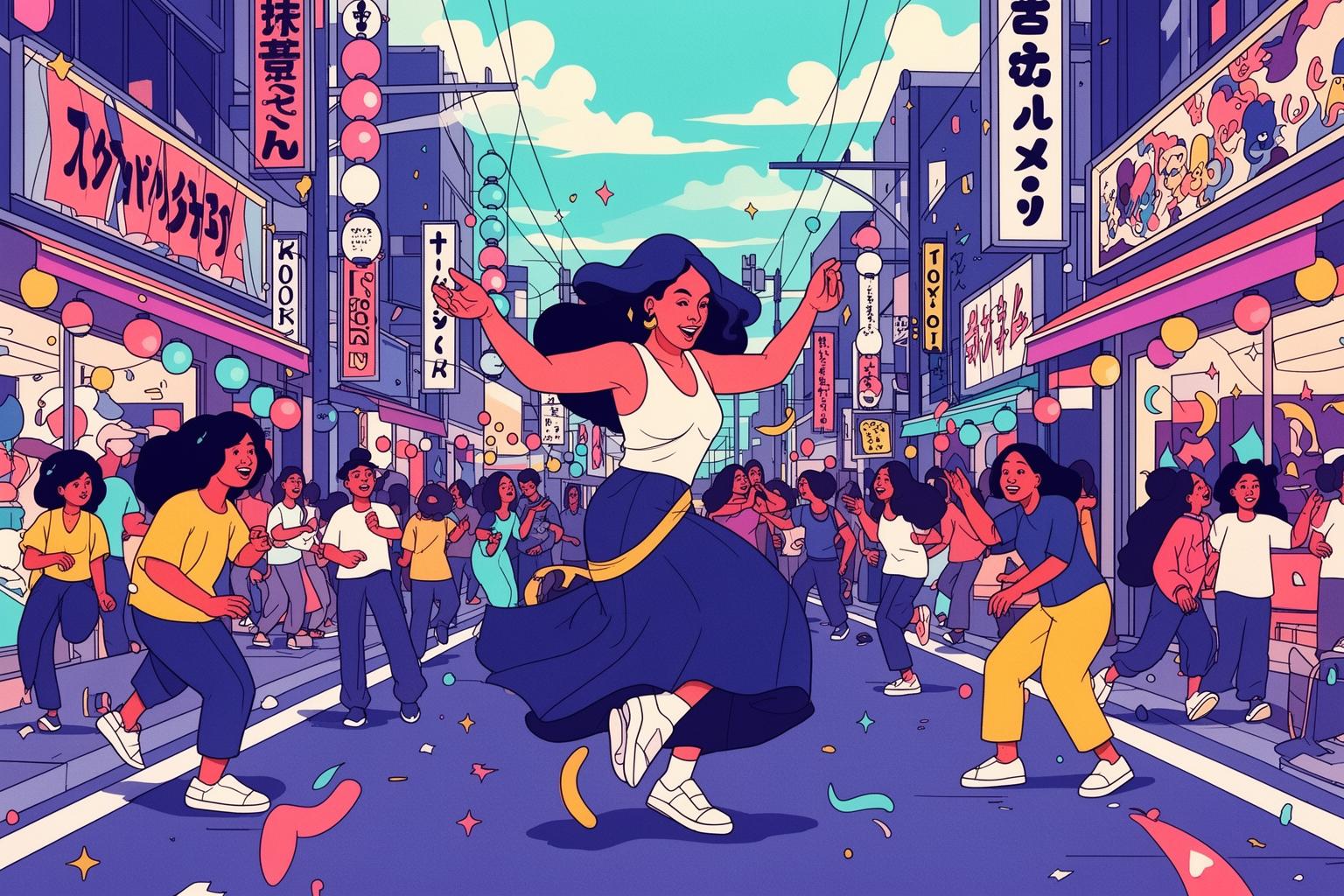
The Awa Odori undoubtedly stands as the festival’s centerpiece, yet the event also offers an ideal introduction to the distinctive spirit of Koenji itself. The neighborhood embodies a compelling contradiction: it hosts one of Tokyo’s most traditional and large-scale festivals while simultaneously being renowned as a stronghold of counter-culture—a refuge for punks, artists, musicians, and anyone who marches to the beat of their own drum. This fusion of old and new, traditional and rebellious, is what makes Koenji so enchanting. To fully complete your pilgrimage, you must explore the neighborhood that imparts the festival with its unique character.
A Haven for Creatives and Counter-Culture
Venture beyond the parade route and lose yourself in the maze of side streets, where another side of Koenji reveals itself. The area is well-known across Japan for its vibrant furugi culture, meaning second-hand or vintage clothing. Numerous small, carefully curated shops brim with everything from American rock-and-roll t-shirts and worn denim to pristine vintage designer pieces. Each shop carries its own unique vibe, making Koenji a paradise for fashion enthusiasts hunting for one-of-a-kind finds. This passion for recycled and reimagined culture extends to the music scene as well. Scattered throughout Koenji are small, independent record stores selling vinyl and CDs, alongside a high concentration of “live houses”—intimate venues where emerging punk, indie, and experimental bands perform almost every night. This rebellious, do-it-yourself ethos might initially seem at odds with the disciplined tradition of the Awa Odori, but in truth, they complement one another. Both represent passionate communities built from the ground up, driven by a love for their craft and a pursuit of genuine connection.
A Culinary Pilgrimage: Fueling Your Festival Experience
No festival in Japan feels complete without sampling the street food, and Koenji’s Awa Odori is no exception. The streets overflow with yatai, temporary food stalls serving a variety of delicious and affordable treats. The air is filled with the savory aroma of grilled yakitori (chicken skewers) and the sweet scent of caramelizing sugar on candy apples. You can grab a serving of sizzling takoyaki (octopus balls), a plate of savory yakisoba (fried noodles), or cool off with a towering mound of kakigori (shaved ice) drenched in sweet syrup. This is the quintessential flavor of a Japanese summer festival.
Beyond the yatai, Koenji’s permanent dining scene is a treasure for adventurous food lovers. Beneath the elevated train tracks—known as Gado-shita (literally “under the girder”)—you’ll find tiny, atmospheric izakaya (Japanese pubs) and restaurants. These are often cramped, lively spots where you can enjoy cheap beer and tasty small plates as trains rumble above. Exploring Koenji’s culinary offerings is a pilgrimage in itself. Hidden on quiet streets are world-class ramen shops, cozy cafes perfect for people-watching, and authentic curry houses reflecting the area’s international community. A favorite local tip is to find a small bar with outdoor seating just off the main parade path. From there, you can savor a cold drink and some food, enjoying the festival’s sounds from a comfortable distance—soaking in the atmosphere without being overwhelmed by the crowds.
The Practical Pilgrim’s Guide: Planning Your Visit
While the Koenji Awa Odori is a vibrant display of joyful celebration, a successful visit takes some practical planning. Navigating through a crowd of a million people during the height of Tokyo’s summer can be daunting, but with a few key insights and insider tips, you can ensure your experience is smooth, comfortable, and centered on the festival’s magic.
When and Where: The Festival Calendar
The Tokyo Koenji Awa Odori is reliably held on the last Saturday and Sunday of August. The main dance procession usually takes place from 5:00 PM to 8:00 PM on both days. Although these dates are generally consistent, it’s wise to double-check the official festival website closer to the event. Updated typically in the summer months, the site provides the final schedule, a parade route map, and any updates on changes or cancellations, which can occur due to severe weather such as typhoons. Mark your calendar, but always verify before you go.
Navigating the Crowds: Access and Transportation
Koenji is conveniently reached via the JR Chuo Line, which connects directly to major stations like Shinjuku and Tokyo Station. However, on festival days, Koenji Station becomes one of the city’s most crowded spots. The enormous crowds can cause long lines just to exit the ticket gates. To ease your arrival and departure, some strategies can be very helpful. First, make sure your Suica, Pasmo, or other IC card is fully charged for seamless tap-in and tap-out without dealing with ticket machines. Even better, consider avoiding Koenji Station altogether. Get off one stop earlier at Asagaya or one stop later at Nakano (for rapid service users) and enjoy a relaxed ten-to-fifteen-minute walk to the festival. Alternatively, take the Tokyo Metro Marunouchi Line to Shin-Koenji Station, which is a short walk from the southern end of the parade route and usually much less crowded. When the festival ends at 8 PM, avoid the rush to the station. Stay a bit longer, grab a late-night snack or drink at a local izakaya, and let the crowds thin out.
Festival Etiquette and Essential Tips
To fully enjoy your Awa Odori experience, keep a few final tips in mind. First, prepare for the heat. August in Tokyo is known for being hot and humid, so wear light, breathable clothing and stay well hydrated. While vending machines are everywhere, they can run out, so it’s smart to carry a water bottle with you. Second, wear comfortable shoes, as you’ll be standing and walking a lot on crowded and sometimes uneven pavement. Third, be conscious of your trash. Bins are scarce and fill up quickly, so follow the locals by carrying a small plastic bag to take your waste with you. When watching the parade, be considerate—avoid blocking others’ views with large umbrellas or holding your phone up to record for long periods. The festival’s spirit is communal, and a little courtesy goes a long way. Lastly, while credit cards are increasingly accepted in Japan, many festival food stalls and small shops in Koenji still operate on cash only. Make sure to have enough yen with you to enjoy all the delicious food and unique shopping available in the area.
A Resonating Rhythm: The Lasting Impression of Awa Odori
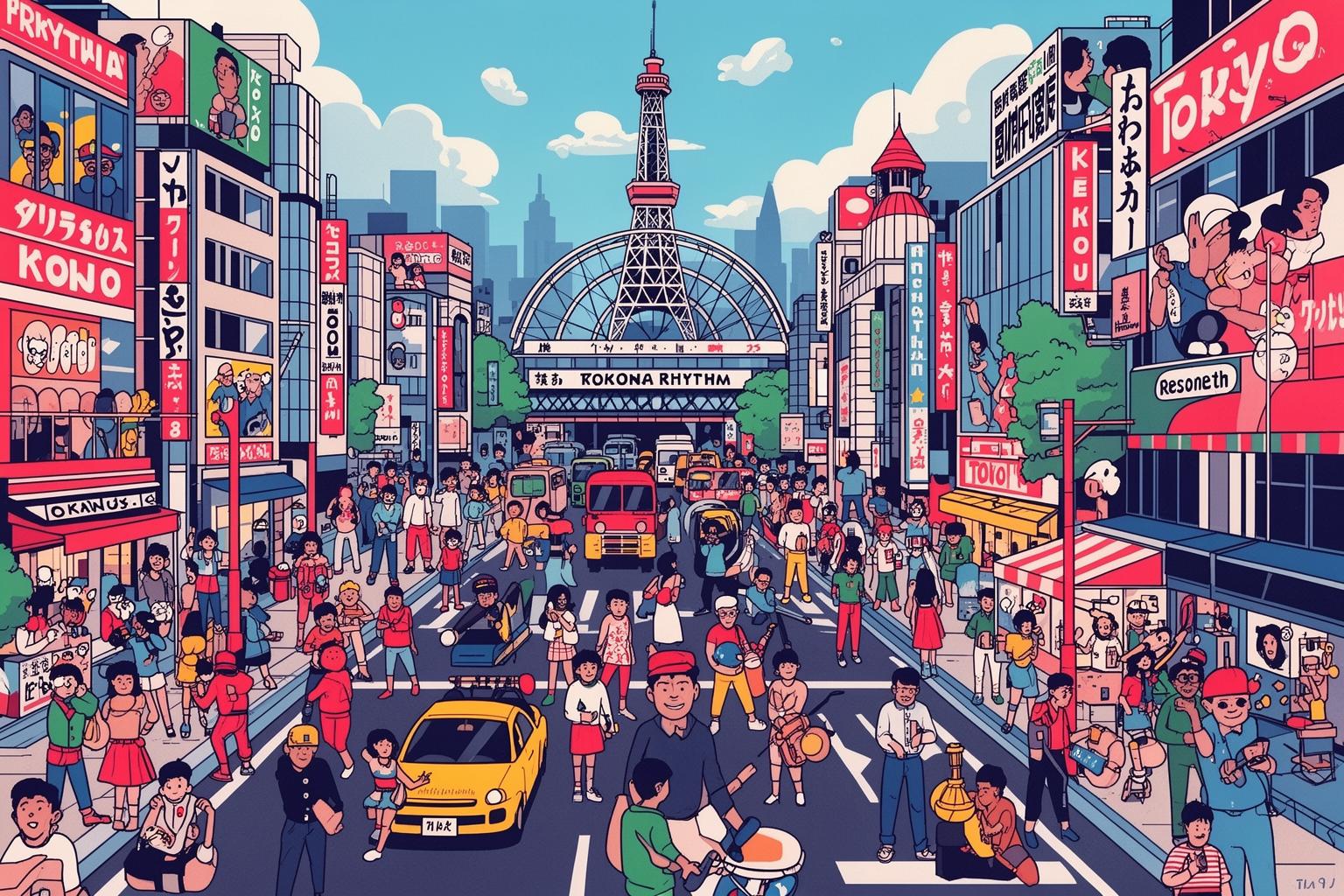
As the final ren fades down the street and the last reverberations of the taiko drums blend into the Tokyo night, a strange and wonderful feeling descends upon Koenji. The parade’s immense energy softens into a contented murmur as the crowds gradually disperse, their faces still radiant from the spectacle they have just experienced. The Koenji Awa Odori is more than merely a parade. It is a powerful declaration of community, a tribute to the enduring strength of tradition, and a celebration of the simple yet profound joy found in music and dance. It is a moment when a modern, often anonymous metropolis feels like a small town, united by one vibrant, pulsing rhythm.
A pilgrimage to this festival is a journey that lingers with you. You recall the visual splendor—the swirling hues of the yukata, the determined grace of dancers balanced on their geta, the lively bobbing of the paper lanterns. But beyond that, you remember the feeling. You recall the thrum of the drums deep in your bones, the collective gasp of the crowd as a dancer executes a daring move, and the overwhelming sense of shared happiness. You come to understand the meaning of the “fool’s dance.” In a world that often insists on seriousness and restraint, the Awa Odori provides a precious, two-day release—an invitation to drop your worries and simply be a fool in the best sense: a fool for the dance, a fool for the music, a fool for the pure exhilaration of being alive. It is an experience that resonates long after you have boarded the train home, a rhythmic memory becoming part of your own Tokyo story.