
There’s a universal magic woven into the fabric of a Studio Ghibli film. It’s a feeling that transcends language and culture—a deep, resonant nostalgia for a place you’ve never been, a childhood you may not have lived. It’s the thrill of seeing a soot sprite scurry into a crack in the wall, the wonder of a forest where ancient gods roam, the simple comfort of a warm meal shared in a cozy kitchen. These worlds, crafted with breathtaking artistry by Hayao Miyazaki, Isao Takahata, and their team, feel so alive, so tangible, that we often wish we could step right through the screen and into their frames. What if I told you that, in a way, you can? The truth is, the soul of these fantastical realms is not conjured from thin air. It is drawn from the very soil, the whispering winds, and the time-worn streets of real places scattered across the Japanese archipelago. This journey is more than a simple sightseeing tour for anime fans; it is a pilgrimage to the heart of inspiration itself. It’s an invitation to see Japan not just as a country, but as a living, breathing storybook. We will wander through primeval forests that echo with the footfalls of the Deer God, soak in the restorative waters of bathhouses that might just welcome spirits after dark, and feel the gentle breeze in the countryside where a furry, enigmatic neighbor might be waiting for a bus. This is a quest to find the Ghibli moments hidden in our own world, to understand the deep well of culture, nature, and history from which these timeless tales spring. Prepare to see Japan through a new, enchanting lens, where the line between reality and animation gracefully blurs.
Explore a real-life Tomonoura trail that echoes the enchanting inspirations behind these cinematic journeys.
The Whispering Forests of Yakushima: The Soul of Princess Mononoke
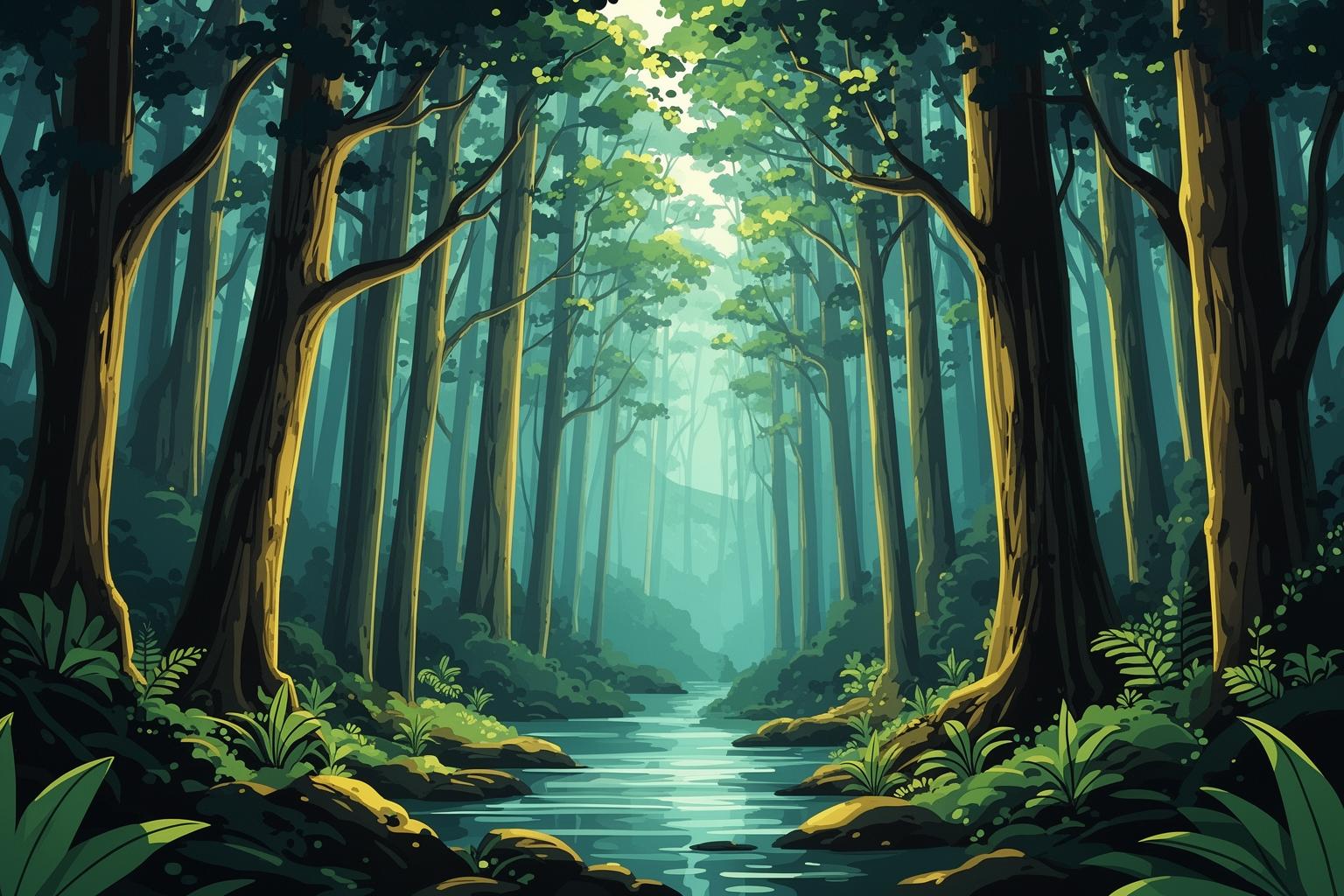
Far south of Japan’s main islands lies a realm of raw, untamed power—an island where the very atmosphere feels ancient. This is Yakushima, a subtropical gem of Kagoshima Prefecture, and the moment you set foot on its shores, you realize you’ve entered a different kind of world. This is more than just a forest; it is a sanctuary. For fans of Princess Mononoke, the connection is immediate and deep. The dense, verdant, often mist-veiled landscapes are the living embodiment of the Shishigami’s Forest—a place where nature reigns supreme, both breathtaking and formidable in its strength.
An Island Where Gods Dwell
Yakushima’s atmosphere exudes profound reverence. It demands silent respect. The humidity clings heavily to your skin, and the world is painted in myriad shades of green. Sunlight struggles to penetrate the dense canopy, and when it does, it filters down in ethereal beams that illuminate a floor thickly carpeted in velvety moss. This evokes the overwhelming sensation of the film—the feeling of being an intruder within a sacred space, a domain ruled by forces far older than humanity. The island is a UNESCO World Heritage site for a reason; it is a stronghold of primeval forest, home to the Yakusugi, ancient cedar trees that have stood as sentinels for millennia. The most renowned, Jomon Sugi, is estimated to be anywhere between 2,000 and 7,200 years old. Standing before such a giant is a humbling experience—a tangible link to a past so distant, it feels mythological. This is the world Ashitaka entered, where every rock, stream, and tree might harbor a kami, or spirit—a core Shinto belief that Miyazaki masterfully wove into his epic tale.
Tracing the Steps of Ashitaka
To fully experience the Mononoke magic, one must explore the Shiratani Unsuikyo Ravine. The name translates as “White Valley Cloud and Water Gorge,” a poetic phrase that hardly captures its essence. This area is widely recognized as the primary visual inspiration for the film’s forest. As you follow winding, root-strewn paths, you’re encircled by moss-covered stones, twisted tree trunks, and crystal-clear streams tumbling over granite boulders. The air is cool and filled with the scent of damp earth and decaying wood—the aroma of life, death, and renewal all at once. It’s easy to imagine the little white Kodama, the tree spirits, nodding their heads from the branches above. A highlight of this trail is the “Moss Forest” (Kokemusu-no-mori), an almost otherworldly amphitheater of green that feels like the Deer God’s personal sanctuary. For the adventurous, a further hike leads to Taiko-iwa, a giant granite boulder offering a breathtaking panoramic view over the island’s canopy— a vista fitting for Ashitaka and his red elk, Yakul. Reaching Yakushima requires some planning; the most common routes are by high-speed ferry or a short flight from Kagoshima on Kyushu’s mainland. Once on the island, renting a car is highly recommended for flexibility, although a local bus serves the main trailheads.
A Guide for the Intrepid Traveler
Visiting Yakushima is a commitment to embracing nature in its purest form. Preparation is essential. The island is known for its rainfall—locals joke it rains “35 days a month”—so high-quality waterproof gear is indispensable. Sturdy, well-broken-in hiking boots are essential companions here, as trails can be slippery and demanding. The best seasons to visit are generally spring (March to May) and autumn (October to November), when weather conditions are more stable and temperatures comfortable. Summer brings heat, humidity, and peak typhoon season. It’s also vital to approach this journey with a preservation mindset. The ecosystem is incredibly fragile. Stay on marked paths, carry out all your trash, and keep a respectful distance from wildlife such as the Yakushika deer and Yakuzaru monkeys that roam freely. For those undertaking strenuous multi-day treks like the one to Jomon Sugi, hiring a local guide is a wise choice. They not only ensure your safety but enrich your experience with stories and knowledge about the island’s unique flora, fauna, and history. The true reward of visiting Yakushima is not merely witnessing the scenery from a film, but feeling the same deep awe and respect for the natural world that inspired its creation.
Echoes of the Spirit World: Chasing Spirited Away’s Nostalgia
Spirited Away stands as a masterpiece of world-building, offering a phantasmagorical journey into a realm of gods, spirits, and monsters governed by ancient laws. At the center of this world lies the Aburaya, a grand, chaotic, and unforgettable bathhouse. While the spirit world itself springs from Miyazaki’s boundless imagination, the architectural and atmospheric essence of its central landmark can be traced to several very real and enchanting onsen (hot spring) towns in Japan. This part of our pilgrimage is a quest for nostalgia, a search for the sensation of stepping between two worlds.
The Bathhouse of the Gods: Dogo Onsen in Matsuyama
The most frequently mentioned inspiration for the Aburaya is the magnificent Dogo Onsen Honkan in Matsuyama, Ehime Prefecture. It proudly stands as one of Japan’s oldest and most renowned hot spring facilities, with a history spanning over a thousand years. As you approach the building, the resemblance is immediately apparent. The main structure is a multi-tiered, labyrinthine wooden castle of a bathhouse, featuring sloping tiled roofs, intricate latticework, and a watchtower drum at the top, struck to mark the time. At night, when its windows and paper lanterns cast a warm, inviting glow against the dark sky, the building seems to hum with life and secrets, much like the Aburaya. Walking its creaking wooden corridors, which link various bathing rooms and lounges, feels like navigating the complex social world Chihiro was thrust into. You can almost hear the cacophony of frog-like attendants and the bubbling of the magical herbal baths. The atmosphere of Dogo Onsen blends dignified history with the lively energy of visitors, both local and from afar, who come clad in yukata (light cotton kimonos) to enjoy its legendary waters. It’s a place that feels suspended in time, a bridge between Japan’s past and present.
A Stroll Through a Bygone Era: Shima Onsen and its Timeless Charm
While Dogo Onsen offers grandeur, another locale provides one of the film’s most iconic and pivotal moments. In the quiet, mountainside town of Shima Onsen in Gunma Prefecture, you’ll find the Sekizenkan Ryokan. This traditional inn boasts a building that will instantly captivate any Spirited Away fan. A beautiful, red-painted bridge arches over a gentle river, leading directly to the entrance of one of its historic bath halls. It closely mirrors the bridge Chihiro must cross, holding her breath, to enter the spirit world. The Sekizenkan itself, with its venerable wooden structure dating back to the late 17th century, radiates an old-world charm deeply connected to the film’s aesthetic. Staying here is an experience in itself. The inn is a maze of interconnected buildings, tunnels, and stairways that wind up the hillside, creating a similar sense of discovery and disorientation. Shima Onsen as a whole is a much quieter, more subdued town than the bustling area around Dogo, offering a more contemplative experience. A stroll along the river at dusk, with the ryokans’ lanterns reflecting on the water, makes it feel as though the boundary to the other world is indeed very thin.
Capturing the Spirit: Practical Advice for Your Journey
Visiting these onsen towns is about immersing yourself in a culture of relaxation and history. Dogo Onsen is easily accessible via the city of Matsuyama on Shikoku Island, reachable by plane or train. The Honkan itself has undergone extensive preservation work, so it’s wise to check its current status and opening hours before visiting. Shima Onsen is more remote, nestled in the mountains of Gunma, typically reached by a combination of train and bus from Tokyo. To fully appreciate these places, plan to stay overnight in a ryokan. This allows you to experience the town once the day-trippers have departed, when the atmosphere is at its most enchanting. It also offers the chance to enjoy a traditional multi-course kaiseki dinner and to master the art of the onsen. First-time visitors should remember a few points of etiquette: you must wash thoroughly at the provided showers before entering the communal baths, and towels must not be dipped into the bath water. The key to this pilgrimage is understanding that these are not theme parks. They are living pieces of history. The magic lies not in finding an exact replica of the Aburaya, but in sensing the same timeless, slightly mysterious atmosphere that inspired the animators’ imaginations.
In the Footsteps of Totoro: The Gentle Hills of Sayama

Not all Ghibli worlds are grand or fantastical. Some of the most cherished stories unfold in the calm, gentle landscapes of rural Japan, celebrating the simple magic of childhood and nature. My Neighbor Totoro perfectly exemplifies this, capturing the wonder of exploring the woods behind your home and the comfort of knowing a friendly spirit dwells nearby. The idyllic world of Satsuki and Mei is not fantasy but inspired by the real Sayama Hills, a vast greenbelt on the border of Tokyo and Saitama Prefecture. It’s a place where the magic feels wonderfully tangible and accessible.
Finding the Kurosuke House
Known locally as “Totoro’s Forest,” the Sayama Hills area is a mosaic of woodlands, small farms, rice paddies, and reservoirs. This landscape has been preserved thanks to the dedicated efforts of the Totoro no Furusato Foundation (The Totoro Hometown Fund), founded with support from Hayao Miyazaki himself after the film inspired a movement to protect the area from development. At the heart of any Totoro pilgrimage is a visit to Kurosuke no Ie, or Kurosuke’s House. This well-preserved Showa-era home seems as though it was lifted straight from the film’s scenes. Inside, a giant, life-size Totoro plush welcomes visitors, and if you look carefully, you might spot some makkuro kurosuke (the little black soot sprites) hiding in shadowy corners. The house is only open on select days, so it’s essential to check the schedule beforehand. It serves as a visitor center and a tribute to the community’s love for the film and the nature that inspired it. Standing on its wooden veranda, gazing out over the greenery, it’s easy to imagine Satsuki and Mei running by, their laughter echoing through the trees.
A Walk Through Satsuki and Mei’s World
The true joy of visiting Totoro’s Forest is simply wandering. Numerous walking trails wind through the hills, passing serene wetlands, bamboo groves, and fields tended by local farmers. The atmosphere is deeply peaceful, worlds apart from the nonstop energy of nearby Tokyo. This is not a place of dramatic panoramas but of small, quiet discoveries: a hidden shrine, an unusually shaped tree, a path blanketed with acorns. This is the essence of Totoro—finding wonder in the everyday. The area hums with the spirit of the film. You can almost see the Catbus bounding over the treetops or hear the soft notes of an ocarina carried on the breeze. The landscape transforms beautifully with the seasons. Spring brings cherry blossoms and fresh green shoots, summer fills the air with lush foliage and the chorus of cicadas, autumn colors the hills warmly, and winter reveals the stark, graceful skeletons of the trees. Each season offers a unique way to experience the quiet magic of Satsuki and Mei’s world.
A Perfect Day Trip from Tokyo
The Sayama Hills are surprisingly accessible, making them an ideal escape from the city. From central Tokyo, you can take the Seibu Railway line to Seibukyujo-mae Station, a convenient starting point for exploring the area. It’s important to note that “Totoro’s Forest” is not a single enclosed park but a collection of preserved green spaces and public trails. Pick up a map from a visitor center like Kurosuke no Ie and give yourself the freedom to wander a bit. For a truly immersive experience, pack a bento box and enjoy a picnic under the trees, just as the family in the film did. Wear comfortable shoes, as there’s plenty of walking involved. This pilgrimage is less about checking off sites and more about slowing down, breathing in fresh air, and reconnecting with a gentler, more natural rhythm of life. It reminds us that the magic of Totoro isn’t found in a fantastical realm but in the nature that lies just beyond our own towns.
More Whispers of Ghibli Across Japan
The wellspring of inspiration for Studio Ghibli runs deep and broad throughout Japan. While some locations provide a direct and powerful connection, others offer a subtle whisper—a fleeting glimpse of a familiar mood or aesthetic. These places enrich the fabric of the Ghibli universe, illustrating how elements of Japanese culture, history, and landscape are intricately woven into every story. Exploring them adds new layers to our appreciation of the films, revealing the profound bond between the animators and their homeland.
The Port Town in Kiki’s Delivery Service: Tomonoura’s Seaside Charm
Although the primary visual inspiration for Koriko in Kiki’s Delivery Service is famously the Swedish city of Visby, the film’s creative team, including Hayao Miyazaki, also spent time in the charming port town of Tomonoura in Hiroshima Prefecture. Its influence is evident in the film’s distinctly Japanese portrayal of a small, close-knit seaside community. Tomonoura is a beautifully preserved Edo-period port on the coast of the Seto Inland Sea, where life moves at a slow, gentle pace. Strolling through its narrow, winding streets, you encounter traditional wooden merchant houses and sake breweries. The town’s iconic symbol, the Joyato lighthouse, is a stone beacon that has safely guided ships into harbor for centuries. The atmosphere here is one of peaceful, timeless industry, where fishermen mend nets and life follows the rhythm of the tides. This blend of community, history, and deep connection to the sea closely resembles the welcoming town that Kiki ultimately calls home—a place where a young witch could realistically start a new life, finding her place among friendly, hardworking people.
The Industrial Grit of Princess Mononoke: Oku-Izumo’s Tatara Ironworks
Irontown, or Tataraba, features prominently in Princess Mononoke as a symbol of relentless human industry and its clash with the natural world. This aspect is not mere fantasy; it directly reflects Japan’s history of iron and steel production. The Shimane and Hiroshima regions were the historic centers of tatara, a distinctive Japanese method for smelting iron sand to produce high-quality steel famously used in samurai swords. To connect with the grittier roots of the film’s inspiration, one can visit Oku-Izumo in Shimane, home to the Nittoho Tatara, one of the few remaining facilities preserving this ancient craft. Although visitors cannot enter during active operations, there are museums and historical sites, such as the Okuizumo Tatara and Sword Museum, that explain this fascinating and demanding process. Visiting this region provides valuable context for Lady Eboshi and her community, offering insight into the intense labor, fire, and smoke central to the industry and grounding the film’s conflict—the ironworks sustaining livelihoods versus the forests cleared for fuel—in tangible history.
The Sky Castle’s Origins: The Tomogashima Islands
Castle in the Sky introduces Laputa, a legendary floating island, the remnant of a lost, highly advanced civilization now being slowly reclaimed by nature. The visual style of these beautiful, melancholic ruins finds a striking real-world parallel on the Tomogashima Islands in Wakayama Prefecture. These uninhabited islands, situated in the strait between the mainland and Awaji Island, once served as a secret military zone, fortified with gun batteries and lookout posts from the Meiji period through World War II. After abandonment, nature gradually began reclaiming the area. Today, exploring the islands is like stepping into a Ghibli film. You wander through dark red-brick tunnels that echo your footsteps, emerge into clearings where crumbling cannon emplacements are draped in twisting vines, and discover barracks with collapsed roofs where trees now grow from the floor. The juxtaposition of industrial decay and natural beauty, human ambition and nature’s inevitable triumph, perfectly embodies Laputa. It’s a haunting, beautiful, and slightly eerie experience that captures the film’s themes of lost history and enduring mystery.
A Pilgrimage of the Heart
Our journey through the real-world landscapes that inspired Studio Ghibli brings us full circle: back to a feeling. A feeling of connection, wonder, and seeing the world anew. From the ancient, spirit-filled forests of Yakushima to the nostalgic, lantern-lit streets of an onsen town, from the gentle, sun-dappled hills of Totoro’s home to the crumbling, history-rich ruins on a forgotten island, we find these places are more than mere visual references. They are the very essence from which these stories emerged. They embody a profound love for Japan’s natural beauty, its deep history, and the quiet, everyday moments that hold their own special kind of magic. Visiting these Ghibli sites isn’t about seeking a perfect movie set. It’s about experiencing the same inspiration the creators felt. It’s about standing in a mossy forest and sensing the power of nature or wandering through a historic town and feeling the weight of history. The greatest reward is carrying that feeling with you. It encourages you to look more closely at the world around you, to discover your own hidden groves, friendly spirits, and moments of Ghibli magic, wherever you may be. The storybook surrounds us; we just need to learn how to read it.