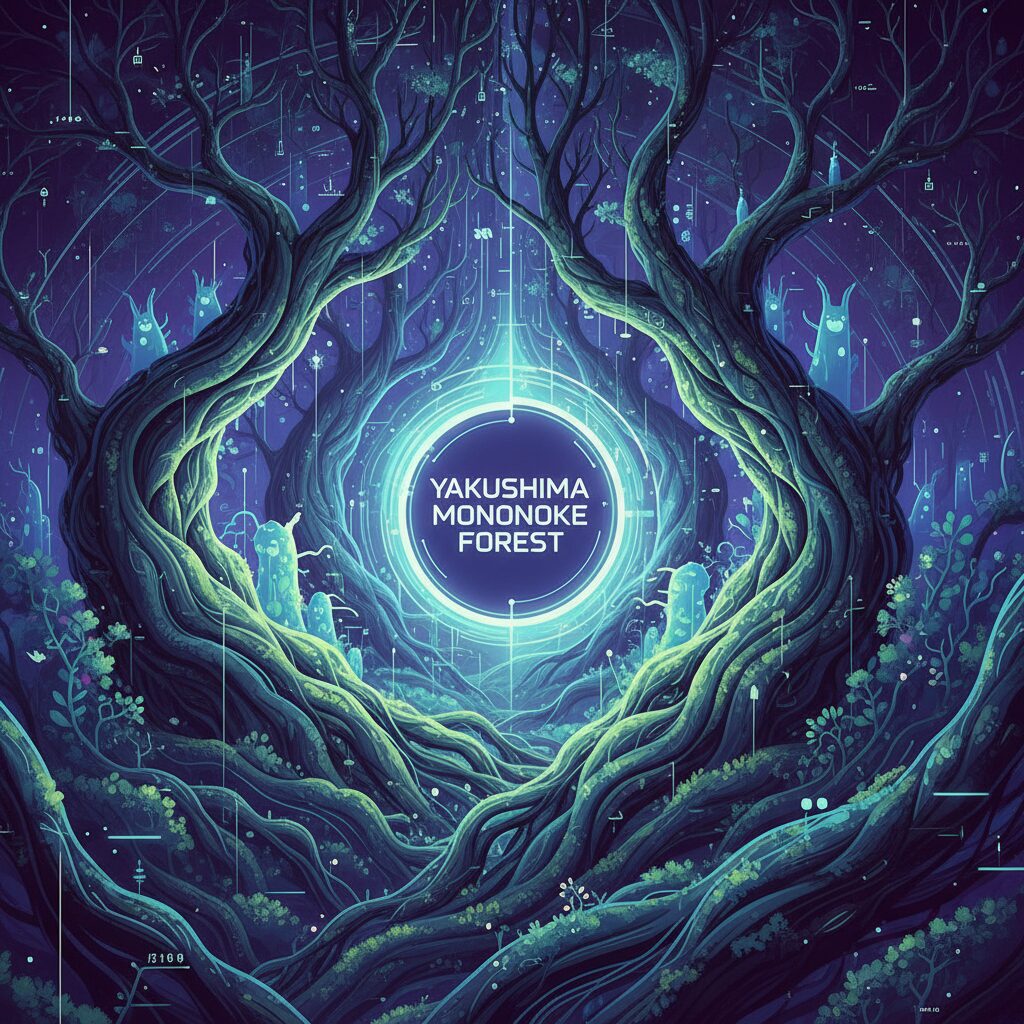
There are places on this planet that feel older than time itself, where the air hums with a quiet, ancient energy. Yakushima is one of those places. Tucked away off the southern coast of Kyushu, this small, round island is a UNESCO World Heritage site, a bastion of primeval nature that feels plucked from a dream. But for many travelers, its name evokes a more specific magic—the deep, mystical forests of Studio Ghibli’s masterpiece, Princess Mononoke. Director Hayao Miyazaki and his team journeyed here, sketching and absorbing the island’s soul, and that essence is woven into every frame of the film. To visit Yakushima is to step through the screen, to walk among the same moss-covered stones and colossal trees that guard the spirit of the Deer God. It’s a pilgrimage not just for anime fans, but for anyone who feels the call of the wild, a desire to stand in a place where nature, not humanity, writes the rules. This isn’t just a tour; it’s an immersion into a living, breathing world that inspired one of cinema’s greatest tales of the natural world.
This immersion in nature is similarly reflected in the compelling pull of cinematic storytelling on travel, as demonstrated by the Slam Dunk tourism in Akita.
The Ancient Pulse of the Island
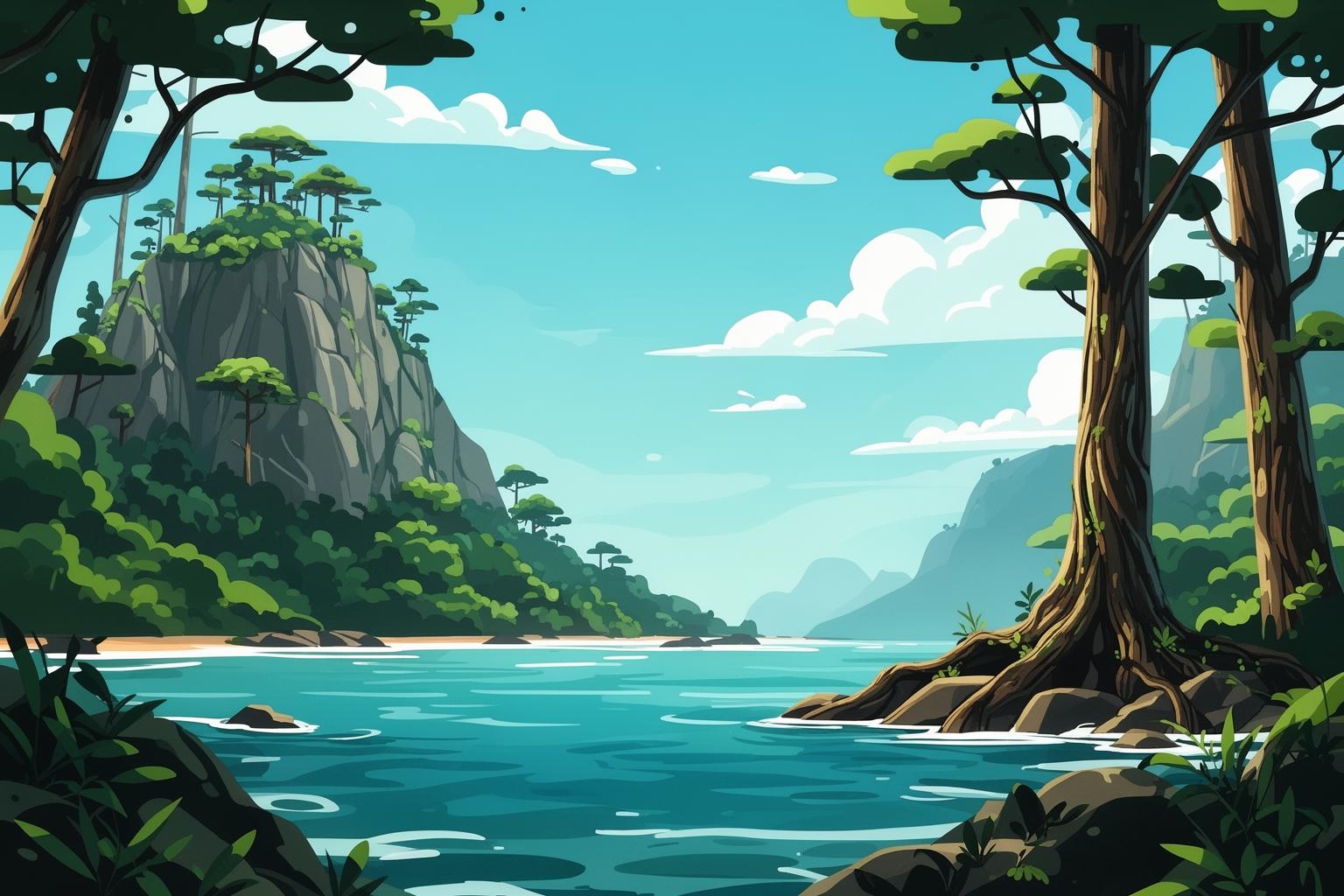
Stepping onto Yakushima feels like entering an entirely different realm. The air itself seems denser, heavy with moisture and the fragrant blend of damp earth, cedar, and chlorophyll. Locals famously claim it rains “35 days a month,” a poetic exaggeration that captures the island’s essence: water. Water sculpts the granite mountains, nourishes the impossibly lush moss, and sustains the ancient trees. This ever-present mist and rain create a soft, diffused light, making the forest glow with an ethereal radiance. Everything breathes life. Every surface, from the gnarled bark of the Yakusugi cedars to the smooth river stones, is blanketed in a velvet of countless green moss shades. The silence here isn’t hollow; it’s a profound, resonant quiet, broken only by the drip of water from fern fronds, the murmur of a distant stream, and the occasional call of a Yakushika deer or the rustle of a Yakuzaru macaque in the canopy. This is the island’s heartbeat—a slow, powerful rhythm that has pulsed for millennia—and you sense it the moment you leave the small port towns and step into the forest’s embrace.
Shiratani Unsuikyo: Walking Through an Anime Cel
For those searching for the core inspiration behind Princess Mononoke, the journey starts at Shiratani Unsuikyo Ravine. This trail network serves as the most direct gateway into Miyazaki’s vision. Calling it beautiful barely scratches the surface; it is profoundly, primevally enchanting. The paths lead you over wooden footbridges, alongside crystal-clear streams tumbling over granite boulders, and beneath a canopy of towering trees. You don’t have to be an expert hiker to enjoy the main trails, but good waterproof boots and a sense of wonder are essential. The route winds through a world untouched by modern noise. Sunlight filters through dense leaves, dappling the mossy floor in ever-shifting patterns. You’ll find yourself stopping frequently, not out of fatigue, but pure awe, attempting to capture the impossible green with your camera—a futile yet necessary effort.
The Moss-Covered Forest
Deep within Shiratani Unsuikyo lies an area famously called the “Mononoke Hime no Mori,” or Princess Mononoke’s Forest. This is it. The place that has sparked countless pilgrimages. Upon arrival, there’s an unmistakable sense of recognition. The landscape is a living mosaic of moss, covering everything with a thick, vibrant carpet. Ancient twisted roots snake across the ground like petrified serpents, while fallen logs transform into emerald-furred portals to another realm. Kodama, the small white tree spirits from the film, seem as if they might peek from behind a tree at any moment. Here, the boundary between reality and animation dissolves completely. You’re not just viewing a landscape; you’re standing inside a masterpiece, feeling the cool, damp air that San and Ashitaka once breathed.
Taiko Iwa Rock: A View from the Top
For those with extra energy, a climb beyond the mossy forest leads to Taiko Iwa, a vast granite outcrop offering a breathtaking reward. The final ascent is steep and requires a bit of scrambling, but the view is cinematic. You emerge from the dense woods onto this sunlit, expansive rock, with Yakushima’s mountainous interior spreading out before you. On a clear day, the panoramic vista includes the Okabu mountains and the island’s highest peak, Miyanoura-dake, an awe-inspiring sight. It’s a moment of dramatic contrast—from the enclosed, intimate magic of the forest floor to the sweeping, epic scale of the island’s peaks. It feels like the closing scene of an adventure, a perfect place to sit, catch your breath, and absorb the sheer majesty of this remarkable island.
Beyond the Ghibli Dream: The Soul of Yakushima
While the Ghibli connection serves as a compelling attraction, it represents just one chapter in Yakushima’s ancient narrative. The island’s true essence lies in its Yakusugi, the millennia-old cedar trees that have silently observed the ebb and flow of civilizations. To genuinely grasp the island’s vast scale of time, one must venture further, beyond the more accessible paths, on a quest to encounter the king of the forest.
The Jomon Sugi: A Witness to Millennia
The Jomon Sugi is the island’s oldest and largest cedar, a twisted, massive entity estimated to be between 2,000 and over 7,200 years old. Reaching it is no casual walk; it demands serious dedication. The trek is a full-day, ten-to-twelve-hour journey starting before dawn. The route follows a now-defunct logging railway track for hours before climbing steeply into the mountains. It is a strenuous, demanding hike that challenges your endurance. Yet, the journey is a pilgrimage. With each step, you leave the modern world behind, moving deeper into a realm of giants. When you finally arrive at the viewing platform—constructed to protect the tree’s fragile root system—and behold the Jomon Sugi, fatigue fades away. Its enormous, weathered trunk stands as a testament to resilience, a living monument that was a sapling when the pyramids were being built. It is a humbling, profound experience that connects you to a timescale far beyond human understanding.
Island Life and Coastal Wonders
Yakushima’s enchantment is not limited to its mountainous heart. The island’s coastline offers a different, yet equally enchanting, allure. The ring road encircling the island passes through tranquil villages where life unfolds at a leisurely pace. In the northwest, the Seibu Rindo forest path—a narrow, winding road often blocked by deer and monkeys—is a designated World Heritage site where the forest stretches directly to the sea. The island is also a vital nesting ground for loggerhead and green sea turtles. From May to August, the golden sands of Nagata Inakahama Beach transform into a sanctuary where female turtles emerge under the cover of darkness to lay their eggs. Participating in a guided, respectful night tour to witness this ancient ritual is an unforgettable experience, a powerful reminder of the island’s role as a cradle of life.
Your Expedition to the Enchanted Isle
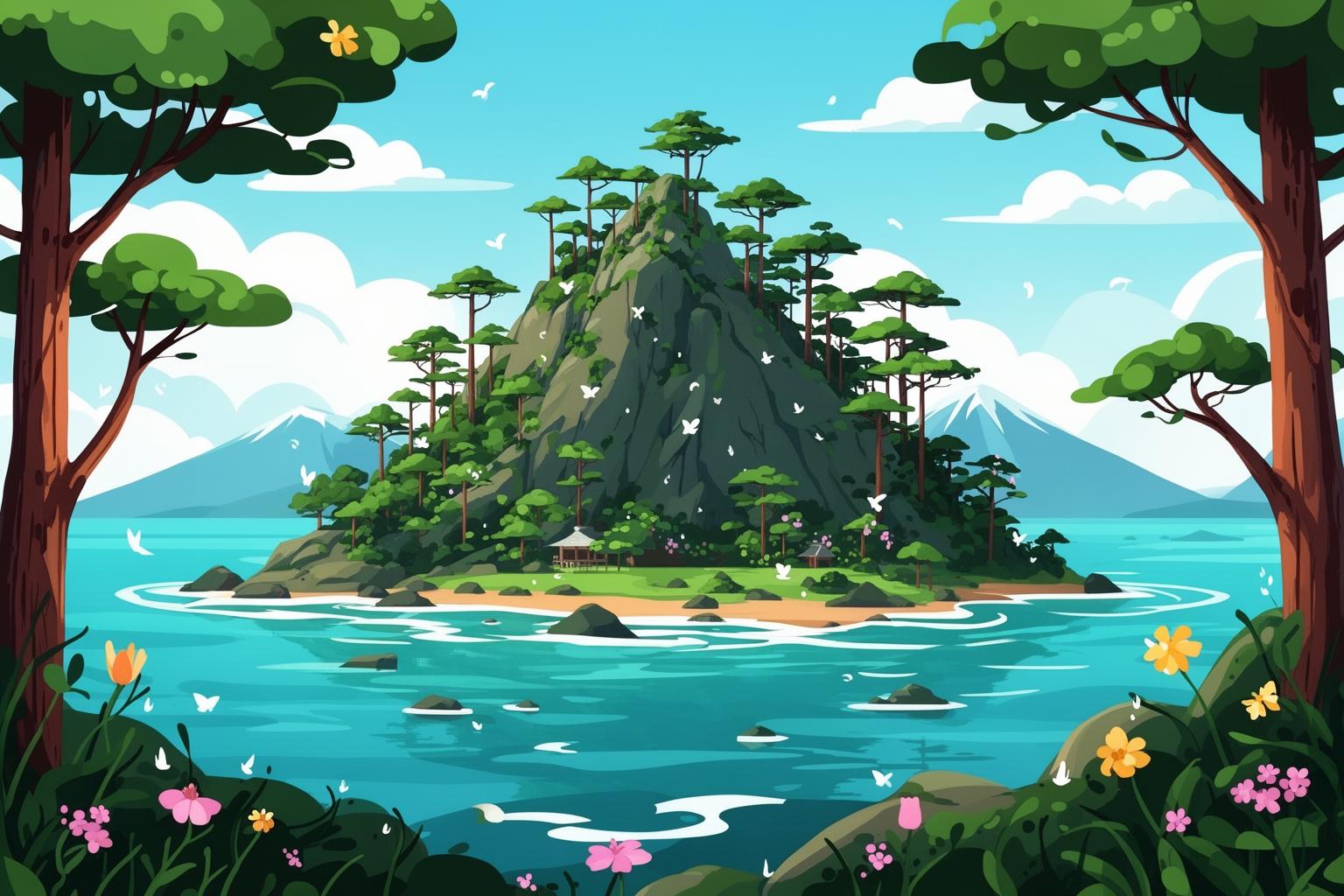
Planning a trip to a wild and remote place like Yakushima calls for a touch of practical magic. Arriving there and being prepared for the environment are essential for a successful adventure. This isn’t a destination where you can simply show up and improvise; a bit of planning goes a long way in making your journey smooth and unforgettable.
Charting Your Course: Getting to Yakushima
Your entry point to the island is Kagoshima, a city located at the southern tip of mainland Kyushu. From there, you have several options. The quickest is by air; Japan Air Commuter operates several small propeller planes daily from Kagoshima Airport directly to Yakushima’s tiny airstrip. The flight is brief and provides breathtaking aerial views of the island as you approach. The more popular and scenic option is by sea. High-speed hydrofoils, commonly known as the “Toppy” or “Rocket,” run between Kagoshima and Yakushima’s Miyanoura or Anbo ports in about two to three hours. They are fast and efficient but may be canceled in rough seas. For those on a budget or traveling with a vehicle, the slower Yakushima 2 car ferry offers a relaxed four-hour trip, giving you a wonderful chance to watch the island emerge on the horizon. Whichever method you choose, booking your transportation well ahead of time, especially during busy periods like Golden Week or summer, is absolutely essential.
When to Answer the Forest’s Call
Yakushima is a year-round destination, with each season offering its own unique character. Spring (March to May) brings mild temperatures and blooming rhododendrons in the highlands. Summer (June to August) is hot and humid and marks the peak tourist season as well as the time for nesting sea turtles. It’s also the period of heaviest rainfall, especially during the tsuyu (rainy season) from late May to July. Autumn (September to November) is arguably the best time for hiking, with cooler, more stable weather and spectacular fall foliage in the mountains. Winter (December to February) sees the fewest visitors, providing a deep sense of solitude. The coastal areas stay mild, but the high peaks are often blanketed in snow, creating a striking contrast and making high-altitude climbs suitable only for experienced mountaineers.
A Note on Rain
Embrace the rain. On Yakushima, it’s not a nuisance but the island’s very lifeblood. The forests are most enchanting when cloaked in mist, with raindrops sparkling on every leaf and moss strand. The key is not to avoid the rain but to be fully prepared for it. Waterproof everything is essential. A high-quality rain jacket, waterproof pants, waterproof hiking boots, and a rain cover for your backpack are indispensable. With the right gear, a rainy day on the trail becomes not a setback but an opportunity to experience the island in its most genuine form.
Gearing Up for the Trails
Having the right equipment makes all the difference between a grueling trek and a magical experience. Durable, well-broken-in hiking boots with good traction are vital, as the trails are often wet and slippery with rocks and roots. Beyond waterproof outerwear, wear synthetic, moisture-wicking layers; avoid cotton, which becomes cold and heavy when wet. Bring a headlamp if you plan to start any hike early, especially for the Jomon Sugi trek, which begins in darkness. Carry high-energy snacks and more water than you think you’ll need. Trekking poles can be invaluable, particularly on descents, easing pressure on your knees.
Renting vs. Bringing Gear
For international travelers, carrying a full set of hiking gear can be cumbersome. Fortunately, Yakushima caters well to visitors. Several rental shops, particularly in Miyanoura and Anbo, provide full equipment—from boots and rainwear to backpacks and trekking poles. Many allow you to reserve gear online beforehand. This is an excellent and convenient choice, ensuring you have high-quality, suitable equipment for the island’s unique conditions without the hassle of transporting it overseas.
Living Like a Local, Even for a Day
To truly experience Yakushima, immerse yourself in its local pace. Stay at a family-run guesthouse, dine at a small 食堂 (shokudo), and take the time to discover the quiet corners of the island beyond the well-known trailheads. This is where you’ll encounter the warm, welcoming spirit of the community.
Finding Your Base: Miyanoura vs. Anbo
The island’s two largest towns, Miyanoura and Anbo, serve as the main bases for exploration. Miyanoura, located on the north coast, is the larger of the two and the primary port for most ferries. It offers more shops, rental services, and restaurants. Anbo, on the east coast, is slightly smaller and quieter but is a favored base for those hiking the Jomon Sugi trail, as the bus to the trailhead departs nearby. Choosing between them depends on your preference: Miyanoura provides greater convenience, while Anbo offers a more relaxed atmosphere. Both have a variety of accommodations, from modern hotels to charming, traditional minshuku (guesthouses), where you can enjoy home-cooked meals and local hospitality.
Savoring the Island’s Bounty
Yakushima’s cuisine reflects its environment—fresh, simple, and closely tied to the sea and mountains. The island’s signature dish is tobiuo, or flying fish. You can enjoy it as incredibly fresh sashimi or, more strikingly, fried whole with its fins spread like wings. The island is also well known for its fruits, especially the sweet and juicy Tankan and Ponkan oranges. For a taste of the local spirit, try the island’s own shochu. Brands like Mitake are celebrated for their smooth, mellow flavor, distilled using Yakushima’s famously pure and soft water. Relishing a meal of local delicacies after a day of hiking is the perfect way to recharge and connect with the island’s culture.
A Gentle Footprint on Ancient Ground
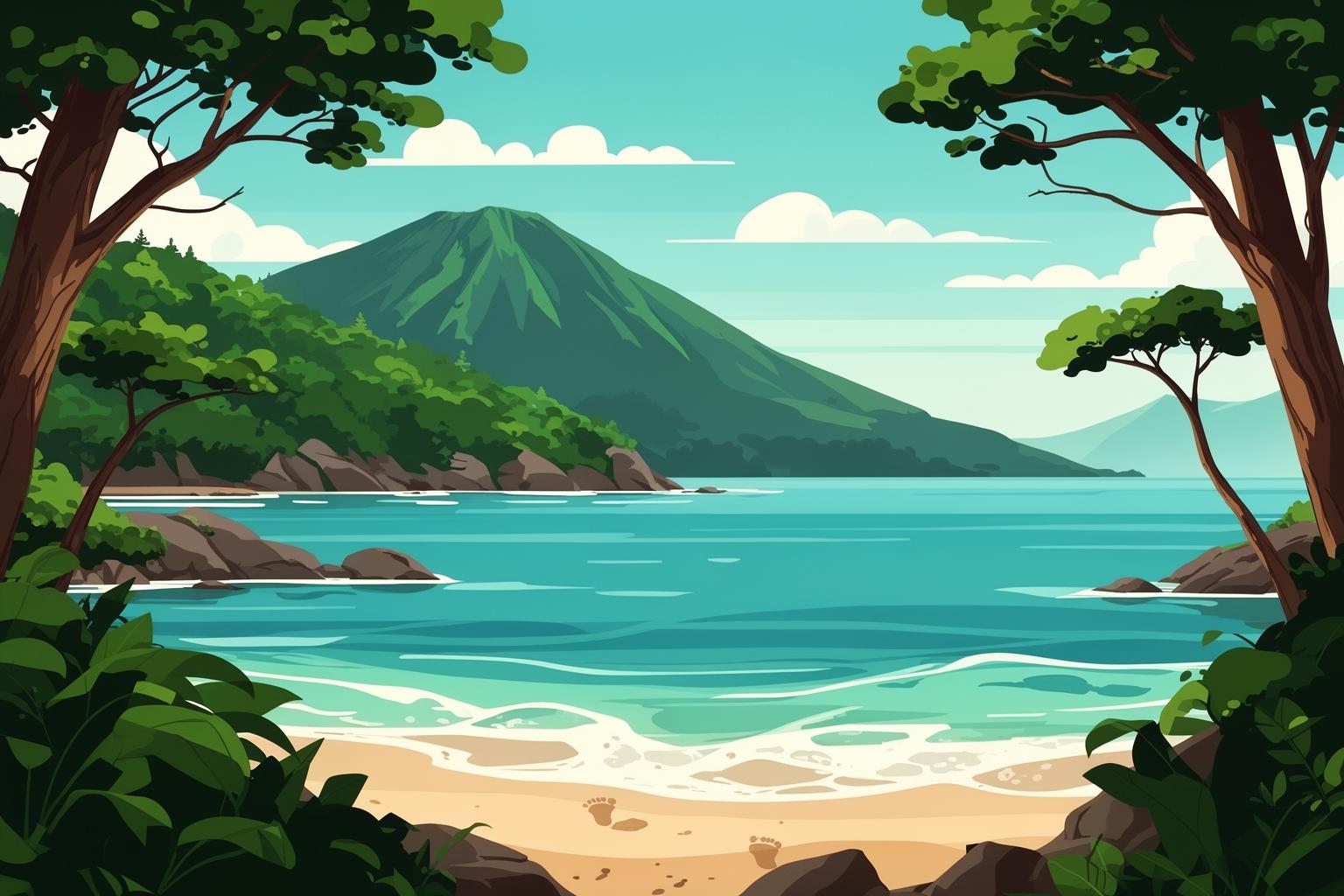
Visiting Yakushima is a privilege, accompanied by the responsibility to protect this fragile ecosystem. The themes of conservation and the delicate balance between humanity and nature, central to Princess Mononoke, are truly evident here. Stay on the designated trails to prevent erosion and preserve the delicate moss and root systems. Carry out everything you bring in—leaving no trace is the essential rule. Show respect for wildlife by observing animals from a distance without feeding or disturbing them. The islanders hold a deep reverence for their natural home, and as visitors, we should endeavor to do the same. By moving through this ancient world with care and awareness, we help ensure its magic endures for generations of dreamers and wanderers to come.
Parting Thoughts from the Forest’s Edge
Leaving Yakushima feels like awakening from a vivid dream. The vibrant greens and the deep, resonant silence of the forest linger long after you board the ferry back to the mainland. This island does more than inspire; it transforms you. It reminds you of a world that operates on a different timescale—a world of patience, resilience, and profound, quiet beauty. Whether you arrive seeking the fantastical world of Studio Ghibli or simply a refuge from the modern world, Yakushima delivers. It’s a journey into the heart of a living forest, a place that invites you to slow down, listen, and simply be. And that is a magic more powerful than any story.