
There’s a certain kind of magic that Studio Ghibli weaves into the very fabric of its films, a magic that feels both fantastical and deeply, wonderfully real. It’s the feeling of summer air thick with promise, the quiet dignity of a well-loved book, the thrill of a dream taking flight. For many, no film captures this blend of everyday life and soaring aspiration quite like Whisper of the Heart. It’s a story not of dragons or castles, but of a girl named Shizuku, her love of stories, and her journey to find her own voice. And here’s the secret, the beautiful truth that pulls fans from across the globe: Shizuku’s world is real. It exists just a short train ride from the neon heart of Tokyo, in a quiet suburban town called Seiseki-Sakuragaoka. This isn’t just a place that inspired the film; it is the film, a living, breathing testament to the power of a story. Walking its streets is like flipping through the animation cels of your own memory, a pilgrimage that connects you not just to a beloved anime, but to the universal feeling of being young, ambitious, and on the cusp of discovering who you are meant to be. This is where the pavement holds the echoes of Shizuku’s footsteps, where the wind whispers her story, and where you, too, can come to listen.
For those captivated by the delicate blend of realism and whimsy, exploring a Totoro-inspired trail can add another enchanting layer to your journey.
The Journey Begins: Stepping Out of Seiseki-Sakuragaoka Station
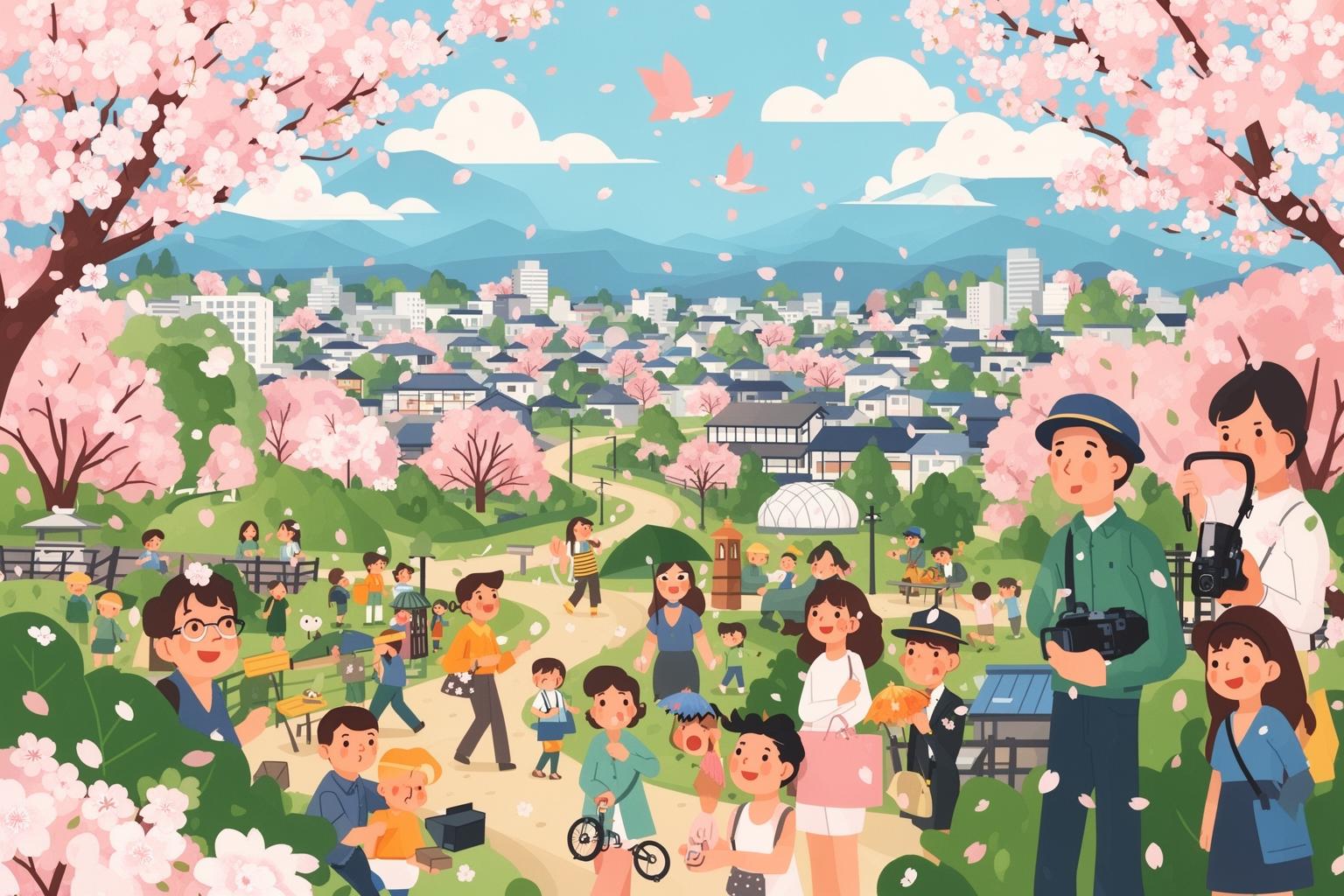
Your adventure begins the moment you tap your transit card and pass through the ticket gates at Seiseki-Sakuragaoka Station. The atmosphere here contrasts with the electric buzz of Shinjuku or Shibuya—it’s calmer, filled with the everyday sounds: students chatting, gentle announcements for the Keio Line train, distant laughter drifting from the department store plaza. This is the very station where Shizuku Tsukishima’s fateful journey began, as she chased an unusual cat onto a train. Stepping out into the sunlight, you’re immediately met with a sense of familiarity. The station building, the bus terminal, and the gentle slope of the road leading away from the tracks—each is portrayed with meticulous accuracy in the film. The first thing to do is find the local map installed by the city. It’s no ordinary map; it’s a guide made especially for pilgrims like us, highlighting key locations from Whisper of the Heart. It serves as a warm welcome from the town itself, acknowledging the unique connection it holds with the film. You can sense the community’s pride. This isn’t a commercial tourist trap; it’s a neighborhood that has lovingly embraced its role in animation history. Take a moment here. Soak in the atmosphere. Watch people as they move about and imagine Shizuku among them, her book bag slung over her shoulder, her mind adrift in a world of fantasy. This is your starting point, the gateway between your world and hers.
The Climb to Inspiration: Conquering Irohazaka Slope
From the station, your route, much like Shizuku’s, leads upward. The residential hills of Tama serve as the story’s true backdrop, and your journey involves a bit of legwork. The main climb is the Irohazaka, a winding, zigzag road that twists its way up the hillside. This is one of the most iconic spots—the very path where Shizuku breathlessly chases the cat she names Moon. As you start your ascent, you’ll appreciate her effort. The slope is steep and truly strenuous, but the journey is part of the experience. Each bend unveils a new view of the town below. Sunlight filters through the trees lining the road, casting shifting shadows on the pavement, just like in the anime. The sounds from the town center fade away, replaced by birdsong and the rustling of leaves. You can almost hear the film’s score rising in your mind as you push forward. It’s on this slope that the ordinary becomes extraordinary, where a simple cat chase turns into an adventure. This climb mirrors Shizuku’s creative struggle—it’s tough and requires persistence, but the view from the top makes every step worthwhile. It’s a physical symbol of the effort needed to pursue a dream. Don’t rush—pause at the hairpin turns, catch your breath, and look back at how far you’ve come. Feel the burn in your muscles and connect it to the passion that drove Shizuku onward.
A Detour for the Senses
Along the Irohazaka slope, stay alert. The film’s creators didn’t just capture the major landmarks; they captured the essence of a Japanese residential neighborhood. You’ll notice small, carefully tended gardens, vending machines offering a refreshing break, and perhaps even a neighborhood cat sunning itself on a wall, watching you with sleepy indifference. Midway up the slope, you’ll find a set of steep, narrow stairs serving as a shortcut. In the film, this is the path Shizuku takes—a more direct, yet demanding route. If you’re feeling adventurous, try them. The concrete steps are worn from years of use, and the enclosed feeling, with houses on either side, feels deeply authentic. It’s in these small, unnamed details that the world of Seiseki-Sakuragaoka truly comes alive, making you feel less like a tourist and more like a local on your daily walk home.
A Sanctuary of Stories: The Konpira-gū Shrine
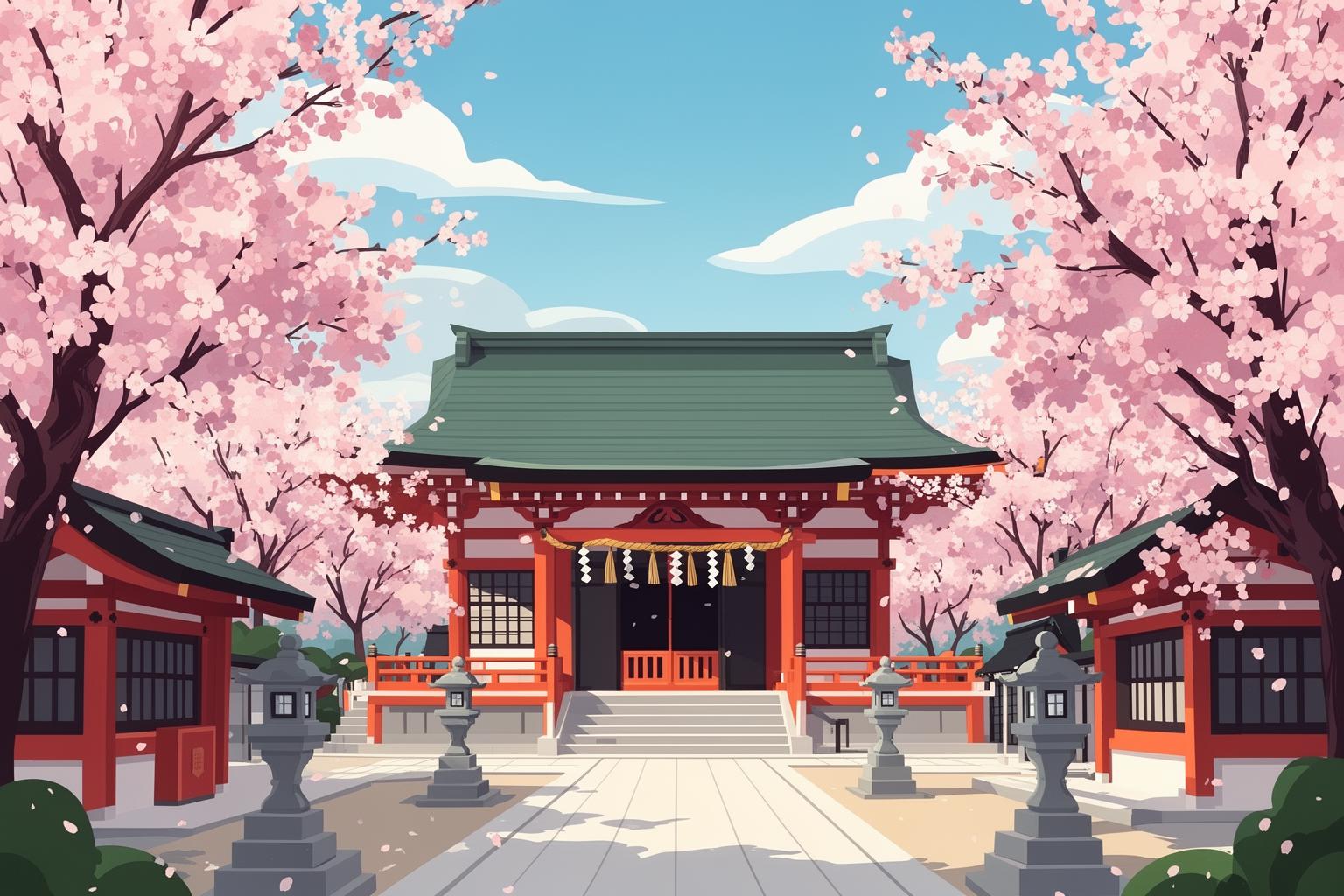
After the breathless climb up the stairs, you’ll arrive near a place of quiet reflection: the Konpira-gū Shrine. This small, serene Shinto shrine, nestled behind a curtain of trees, serves as the backdrop for a pivotal and poignant scene. Here, Shizuku’s classmate, Sugimura, awkwardly confesses his feelings for her, only to be gently turned down. The moment you pass through the modest torii gate, the atmosphere changes. The outside world seems to fade away, leaving just the sound of the wind and the creak of the wooden shrine building. It’s a tiny, intimate space. The shrine itself is humble, featuring a small offering box and a bell to ring for prayer. But its true power lies in its location. Standing here, you’re granted a stunning, almost secret view of the sprawling cityscape below. It’s a place for thought, reflection, and meaningful conversation. You can see why this spot was chosen for such a significant moment in Shizuku’s emotional journey. Suspended between sky and town, it’s a perfect setting for whispered confessions and life-changing decisions. You can almost picture Shizuku standing there, her back to Sugimura, her thoughts and heart elsewhere, focused on a budding dream and a certain boy who plays the violin.
Whispers on the Wind
Take your time at the shrine. Find a spot on the edge and simply gaze out over the view. Notice how the residential rooftops give way to taller buildings in the city center and the distant Tama River. This is the world Shizuku is trying to find her place in. The scene marks a turning point where she begins to realize her path might differ from those of her friends—that her heart is being drawn in a new direction. The quiet, slightly melancholic atmosphere of the shrine perfectly suits this moment of youthful uncertainty and dawning self-awareness. It’s more than just a backdrop; it plays an active role in the story, carrying the emotional weight of that conversation. As a visitor, you can connect with that feeling. It’s a beautiful place to pause during your walk and reflect on your own path, your own dreams, and your own whispers of the heart.
The Heart of the Town: The Rotary and the Antique Shop
Continuing your journey from the shrine, you’ll soon reach the pinnacle of your pilgrimage: the rotary. This modest traffic circle at the hill’s summit is the emotional and geographical heart of Whisper of the Heart. Here lies Chikyū-ya, the enchanting antique shop where Shizuku encounters the mysterious cat figurine, The Baron, and his owner, Seiji Amasawa’s grandfather. It’s important to note that the Chikyū-ya shop itself is fictional—a beautiful invention of the filmmakers’ imagination. However, the rotary is real. Standing in its center, surrounded by sloping roads and quiet houses, feels like stepping straight into the film. You’ll instantly recognize the layout, the street angles, and the old-fashioned post box standing like a silent guardian. While the antique shop may be imaginary, the town’s spirit of creativity and warmth is genuine. For many years, a local pastry shop, Nouvelle Vague, occupied the spot where Chikyū-ya would be and became an unofficial gathering place for fans, even displaying its own Baron figurine. Though shops and owners change over time, the location retains its magic. The community embraces and honors its connection to the film, and you can sense that spirit in the air. This rotary is more than just a landmark; it’s a meeting point of reality and fiction, where Shizuku’s ordinary life intersected with the extraordinary world of art, craftsmanship, and love.
The View from the Top
Just beyond the rotary is a viewpoint offering one of the most stunning moments of the entire journey. From a spot like this, Seiji shows Shizuku the cityscape at sunrise—a vast panorama stretching endlessly. Here, he shares his dream of studying violin-making in Cremona, Italy, inspiring Shizuku to explore her own talents through writing. The view is simply breathtaking. On a clear day, you can see the whole Tama New Town development, distant Tokyo skyscrapers, and the shimmering Tama River winding through the scenery. It’s a vista that makes you feel both small and infinite—a place that naturally invites grand dreams and bold commitments. It perfectly conveys the sensation of being on top of the world, with your future laid out before you. For any fan of the film, this is an essential stop, marking the emotional summit of the pilgrimage.
Capturing the Sunrise
For the truly devoted, there is no better way to experience this spot than by following in the characters’ footsteps. Arriving early to watch the sunrise from this hill is an unforgettable experience. As the first light touches the city and the sky bursts into color, you aren’t just witnessing a beautiful sunrise—you’re reliving one of the most heartfelt and inspirational scenes in contemporary animation. It’s a moment of deep connection to the story’s core message: that dedication, passion, and the courage to share your dreams can create something truly extraordinary. This quiet, intimate, and profoundly moving experience will stay with you long after you leave the hill.
Living the Local Life: Beyond the Film Set
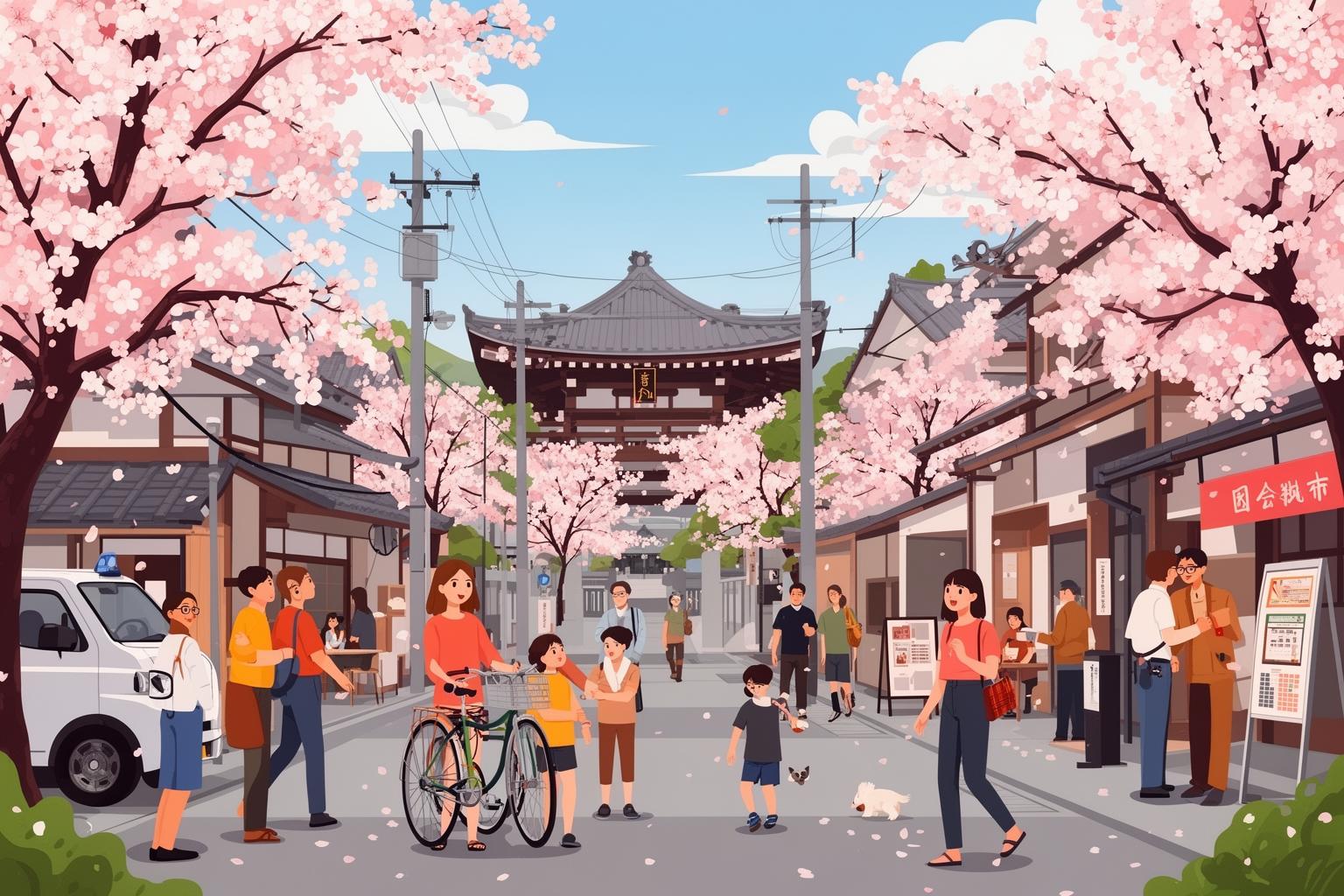
While the pilgrimage is the main attraction, Seiseki-Sakuragaoka is much more than just a collection of film locations. It’s a charming, livable town, and part of the enchantment comes from experiencing it as the characters do. After visiting the key spots, take some time to simply wander. Follow the smaller side streets winding down from the hills. You’ll find hidden parks, cozy cafes, and local shops that give the area its distinctive character. Stroll down to the banks of the Tama River, where cyclists and families enjoy the open space, reminiscent of the brief scenic shots in the film. This helps you grasp the context of Shizuku’s world—a place where life moves at a slower pace, where there is room to think, to read, to dream. This is what fuels her creativity. By stepping off the map and exploring freely, you complete the picture. You begin to see the town not merely as a set, but as a home. Grabbing a simple onigiri rice ball from a convenience store and eating it on a bench overlooking the river can be just as meaningful as standing in the rotary.
Practical Pilgrimage: Getting Here and Getting Around
Reaching this dreamlike place is surprisingly straightforward. Seiseki-Sakuragaoka is on the Keio Line, easily reached from Shinjuku Station in about 30 minutes by express train. The journey itself is part of the experience, as you watch the dense urban sprawl of Tokyo gradually give way to calmer, more open suburbs. Once there, everything is within walking distance, though be prepared for some hills. The entire walking tour can be completed in about three to four hours at a relaxed pace, allowing plenty of time for photos and moments of reflection. The best time to visit is on a clear day in spring or autumn. Spring offers a chance to see the neighborhood’s cherry blossoms in full bloom, adding another layer of Ghibli-like beauty. Autumn brings crisp air and excellent visibility, giving you the best chance to see all the way to Shinjuku from the hilltop viewpoints. As for what to bring, the most important item is a comfortable pair of shoes. You’ll be walking and climbing a lot. Also, bring a camera, a water bottle, and an open heart, ready to be filled with a touch of everyday magic.
The Enduring Magic of a Story
So why does this quiet corner of Tokyo continue to attract people from all over the world? Because Seiseki-Sakuragaoka stands as a testament to the idea that our surroundings shape our stories. The hills Shizuku climbed were more than just hills; they represented the challenges she needed to overcome. The library was more than a building; it served as a gateway to other worlds. The antique shop was more than a store; it was a treasure trove of inspiration. Walking these same streets reminds us of our own creative potential, our first loves, and our daunting dreams that once seemed unreachable. The town isn’t a theme park; it has preserved its authentic charm, and the residents have embraced their role as caretakers of this cherished landscape. This pilgrimage is a quiet one. It’s about personal discovery. It’s about feeling the thrill of recognition when you see a familiar staircase or post box. It’s about standing on that hill, looking out at the world, and feeling the same spark of possibility that Shizuku and Seiji once felt. It’s a reminder that extraordinary stories can emerge in the most ordinary places. The magic of Whisper of the Heart isn’t just in the animation; it lives in the pavement, the parks, and the panoramic views of Seiseki-Sakuragaoka, waiting for you to come and discover it.