
There are places in this world that feel unstuck from time, pockets of history breathing softly into the modern age. Deep within the remote mountains of Gifu Prefecture, cradled by the Shogawa River Valley, lies one such place: Shirakawa-go. To approach it is to feel as though you are stepping through a portal, leaving the hurried pace of the 21st century behind for a landscape painted from folklore. The air itself seems different here—cleaner, quieter, filled with the scent of woodsmoke, damp earth, and centuries of tradition. Declared a UNESCO World Heritage site in 1995, this village is renowned for its architectural marvels, the gassho-zukuri farmhouses, whose steep, thatched roofs rise from the valley floor like hands pressed together in prayer. For generations, this unique design has been the community’s answer to the immense, isolating snowfalls of winter, a testament to human ingenuity and communal resilience.
But for a global community of anime enthusiasts, this idyllic village holds a second, more chilling identity. It is the undeniable inspiration for Hinamizawa, the deceptively peaceful setting of the iconic psychological thriller, “Higurashi: When They Cry.” This duality transforms a visit to Shirakawa-go from a simple cultural tour into a layered pilgrimage. One moment, you are admiring the rustic beauty of a living museum; the next, you are standing on a bridge or before a shrine that served as the backdrop for one of anime’s most compelling mysteries. The whisper of the wind can feel like a gentle greeting or a foreboding omen, depending on which story you are following. It is a place where tangible history and potent fiction intertwine, creating an atmosphere that is at once serene and electric. Whether you come seeking a connection to Japan’s feudal past or to walk the real-world grounds of a beloved story, Shirakawa-go offers a journey that resonates long after you have left its quiet streets.
The lingering fusion of eras in Shirakawa-go is echoed in the dynamic atmosphere of film festivals that celebrate the art of storytelling.
The Soul of the Village: Gassho-Zukuri and a Living History
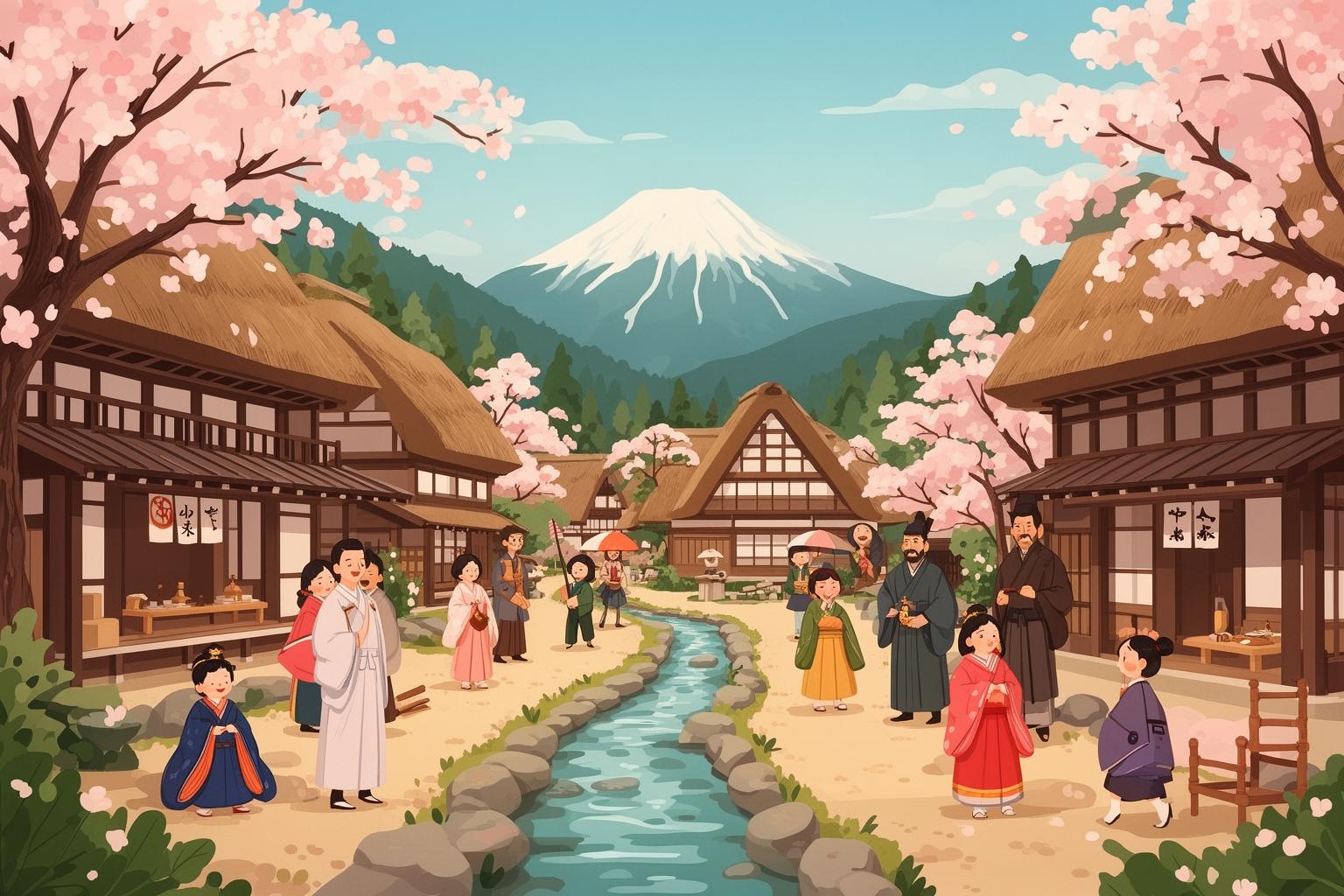
The identity of Shirakawa-go is deeply tied to its architecture. The gassho-zukuri farmhouses are more than just structures; they are living artifacts, tangible expressions of a community’s connection to its environment and to one another. The name itself, meaning “constructed like hands in prayer,” elegantly conveys the image of the steep, 60-degree-angled roofs that characterize the skyline. This design is not simply an aesthetic choice but a remarkable engineering solution born out of necessity. Being one of the snowiest regions in Japan, the sharp slopes enable heavy, wet snow to slide off easily, preventing the overwhelming weight from damaging the buildings.
Architecture Born from Snow
What is truly impressive is that these large structures are built without a single nail. Instead, they depend on an intricate system of interlocking wooden beams, bound together by ropes made from resilient local plants. The roofs, thatched with thick layers of kaya grass over a meter thick, provide excellent insulation against the harsh cold of winter and the heat of summer. However, this thatch is not permanent—every 30 to 40 years, it must be fully replaced in a massive communal effort known as yui. During re-thatching, hundreds of villagers form human chains to pass bundles of grass up to the roof. This is a powerful demonstration of the cooperative spirit that has enabled this remote community to endure for centuries. Standing before one of these homes, you can sense the weight of shared history and the many hands that have labored together to maintain this way of life.
A Glimpse into the Past
The main village, Ogimachi, is the heart of Shirakawa-go and where most visitors spend their time. Walking its paths feels like traversing a carefully preserved Edo-period scene. Crystal-clear water flows through irrigation channels along the streets, home to slow-moving carp. The air is filled with the gentle sounds of village life, marked by the distant clang of a blacksmith’s hammer or the laughter of children. Several of the largest, best-preserved farmhouses have been converted into museums, offering an intimate glimpse into the lives once lived within. The Kanda House and the Nagase House are outstanding examples, but the most notable is the Wada House, a designated Important Cultural Property.
The Wada House: A Clan’s Legacy
The Wada House is the largest gassho-zukuri farmhouse in the village and an ideal starting point for understanding the local history. For generations, it was home to the Wada family, who served as village headmen and operated a successful business in sericulture and saltpeter production, a crucial component of gunpowder. Stepping inside is like stepping into another time. The ground floor features a vast open-hearth fireplace, the irori, its smoke rising to coat the wooden beams above in a dark, protective layer that has preserved them for centuries. Visitors can explore the living quarters, visit the family altar, and admire the craftsmanship. The upper floors showcase the ingenuity of the gassho-zukuri design. These large, open attic spaces were used not for living but for industry—specifically, raising silkworms. The heat from the irori below created the ideal environment for the delicate worms to thrive. From the small windows on the top floor, you are rewarded with a breathtaking view of the surrounding rice paddies and neighboring thatched roofs, a perspective that links you directly to the generations who lived and worked within these walls.
Echoes of Hinamizawa: A Pilgrimage for Higurashi Fans
While Shirakawa-go holds profound historical significance, its contemporary fame is unmistakably tied to the anime world. For admirers of the series “Higurashi: When They Cry,” the village represents more than just a cultural landmark—it is a sacred site, the tangible incarnation of the fictional Hinamizawa village. The series’ creators skillfully employed Shirakawa-go’s idyllic, nearly unreal tranquility as the backdrop for a narrative steeped in paranoia, horror, and mystery. This contrast forms the essence of the show’s impact, and visiting the actual location enriches the story with a remarkable depth.
Bridging Two Worlds
The brilliance of basing Hinamizawa on Shirakawa-go lies in the atmosphere. The village feels so safe and wholesome that it heightens the shock of the story’s darker elements. As you stroll through the village, familiar scenes from the anime emerge repeatedly, evoking a surreal sense of déjà vu. The serene beauty witnessed firsthand is continuously viewed through the lens of the unsettling events known to have occurred in its fictional counterpart. A bright sunny day seems warm and inviting, yet a drifting cloud or sudden breeze can instantly summon the eerie mood of the story.
Finding the Familiar Sights
Pilgriming Shirakawa-go is much like a scavenger hunt for iconic spots from “Higurashi.” The adventure often starts even before entering the village proper, at the Shiroyama Viewpoint. A brief hike or shuttle ride brings you to this panoramic vantage point, offering the classic view of Ogimachi nestled in the valley—exactly the shot frequently used in the anime to depict Hinamizawa. Witnessing it in person, with the gassho houses clustered like a miniature realm, is an awe-inspiring moment that instantly connects the real and fictional worlds.
As you descend into the village, crossing the Deai-bashi Bridge, a long suspension bridge spanning the Shogawa River, becomes inevitable. In the anime, this bridge symbolizes the entrance to Hinamizawa, a point of no return. Walking across it, feeling its gentle sway, you might almost hear the footsteps of the characters alongside your own. At the village’s heart stands the Shirakawa Hachiman Shrine, an ancient and serene place encircled by towering cedar trees. This shrine represents the Furude Shrine in the series, the focal point of the annual Watanagashi Festival and a key location in the “Higurashi” storyline. The atmosphere here is thick with history and spirituality—the moss-covered stone lanterns and dignified main hall feel timeless and commanding, making it easy to envision the sacred and sometimes terrifying events unfolding right where you stand.
Enthusiasts will also enjoy locating the farmhouse that inspired Rika Furude’s house, one of the main characters. Although it remains a private residence, its unique look is instantly recognizable, making it a favored spot for photos and quiet contemplation. Each of these sites strengthens the bond between Shirakawa-go and Hinamizawa, turning the pilgrimage into a deeply immersive journey.
The Duality of Atmosphere
What sets visiting Shirakawa-go as a “Higurashi” fan apart is how it fundamentally changes your perception. The summer buzz of cicadas is no longer just a natural sound; it becomes the iconic, ominous soundtrack of the series. The warm smiles of local villagers might be tinged with a fleeting suspicion inspired by the narrative. The stunning, peaceful landscape conceals a latent darkness. This ongoing tension between the real world’s tranquility and the fictional world’s horror creates a captivating, unforgettable experience at the heart of the “seichi junrei” (sacred place pilgrimage).
Experiencing Shirakawa-go Through the Seasons
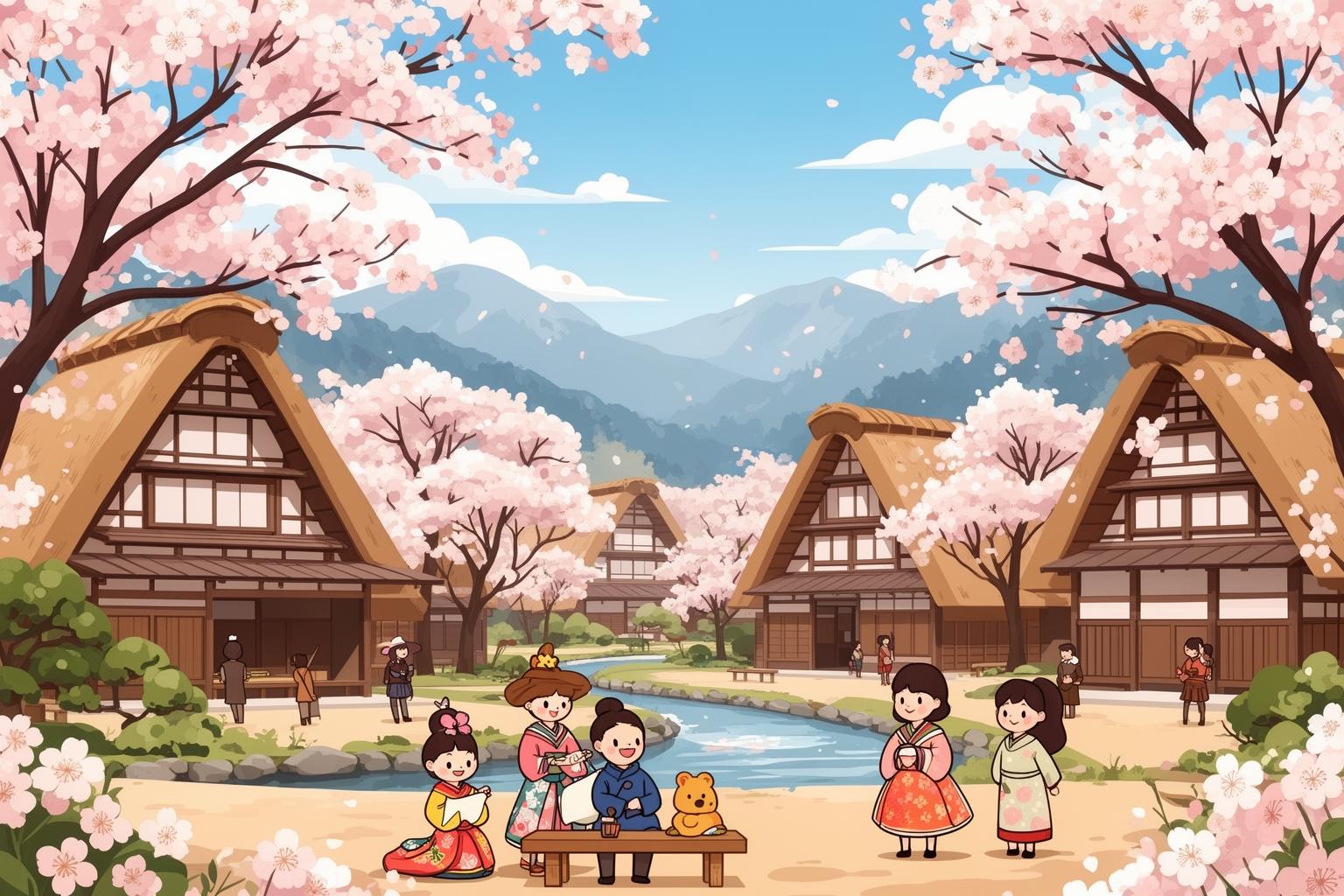
The character of Shirakawa-go shifts remarkably with each season, offering four unique and equally enchanting experiences. Every season colors the valley with a different palette, unveiling a fresh aspect of its timeless charm.
Winter’s Silent Majesty
Winter is arguably the most iconic season in Shirakawa-go. From late December through February, the village is covered by a thick, pristine layer of snow, sometimes several meters deep. The world grows quiet and monochromatic, with the dark wood of the farmhouses standing in sharp contrast to the dazzling white surroundings. The real enchantment occurs on select weekends in January and February during the special winter light-up events. For a few evening hours, the gassho-zukuri houses are lit both from inside and by thoughtfully positioned spotlights, transforming the entire village into a stunning fairytale scene. The golden light streaming from the paper windows against the deep blue winter twilight is a sight of almost surreal beauty. However, be warned: this is peak season. Reservations must be made many months, sometimes a year, ahead, and the cold can be harsh. Yet for those who endure the crowds and chill, the experience creates a memory to cherish forever.
Spring’s Gentle Awakening
As the snow melts, spring breathes fresh life into the valley. From April to May, the landscape bursts into a palette of gentle colors. Cherry blossom trees bloom along the riverbanks and within the village, their soft pink petals fluttering against the dark, rustic thatched roofs. The rice paddies, lying fallow all winter, become flooded with water, their mirror-like surfaces reflecting the sky and surrounding mountains. This is a season of renewal, when you can watch farmers begin planting the new year’s crops. The air is crisp and cool, perfect for leisurely strolls, and the village pulses with renewed vitality and hope.
Summer’s Verdant Embrace
Summer in Shirakawa-go is a celebration of green. The mountains around are blanketed with lush foliage, and the rice paddies glow with vibrant, electric green. The village teems with life, both human and natural. The constant chorus of cicadas fills the air—a soundtrack instantly familiar to “Higurashi” fans. Though the weather can be hot and humid, the vibrant energy of summer is contagious. The clear streams running through the village channels look especially inviting, and the landscape is at its liveliest. It is a season to savor the abundant vitality of the natural world that nurtures this historic community.
Autumn’s Fiery Tapestry
From late October to mid-November, autumn sets the mountains around Shirakawa-go ablaze with color. The slopes transform into a breathtaking tapestry of fiery reds, vivid oranges, and golden yellows. The crisp, cool air is ideal for hiking up to the viewpoint to admire the full majesty of the valley. The harvest season brings a tranquil conclusion to the agricultural year, and the village takes on a calm, reflective mood. The interplay between the warm hues of the foliage and the cool, earthy tones of the farmhouses creates an incredibly picturesque scene, making autumn a beloved season for photographers.
Practical Guidance for Your Journey
A trip to a remote and unique destination like Shirakawa-go calls for some careful planning. Its seclusion adds to its charm but also means that reaching and staying there is less straightforward than visiting a major city. However, with the right information, the journey can be both smooth and rewarding.
Getting to this Mountain Hideaway
The key thing to know is that Shirakawa-go is not reachable by train. The closest major train stations are in Takayama and Kanazawa. From these cities, as well as from Nagoya, the most common way to get to the village is by highway bus. The Nohi Bus and Hokutetsu Bus companies run regular services. The bus ride itself is scenic, winding through mountains and along rivers, building anticipation as you approach your destination. It is highly recommended to book your bus tickets in advance, especially during busy seasons like the winter light-ups or autumn foliage, as tickets may sell out. If you choose to drive, keep in mind the roads can be narrow and winding, and in winter, snow tires or chains are necessary. Visitors must park in designated areas outside the main village and cross the Deai-bashi bridge on foot to enter.
Where to Stay: Immersing Yourself in Tradition
For the most authentic experience, nothing compares to an overnight stay in a minshuku, a family-run guesthouse housed within one of the historic gassho-zukuri farmhouses. This offers a unique opportunity to experience traditional Japanese hospitality. You’ll sleep on futons laid out on tatami mats, share a communal dinner prepared over the irori hearth, and wake to the gentle sounds of the village. It’s an intimate and unforgettable way to connect with the local culture. However, the number of these minshuku is very limited, and demand is high, so booking several months ahead is essential. For those who prefer more conventional accommodations or have a tighter schedule, the nearby city of Takayama offers a wide variety of hotels and ryokans and is a great base for a day trip to Shirakawa-go.
Navigating the Village
Ogimachi village is small and best explored on foot. While the main street can become crowded, the smaller paths and alleys are delightful to wander. Be sure to wear comfortable, sturdy shoes, as some paths are unpaved or feature uneven stone steps, especially near the shrines. For visitors unable or unwilling to make the 20-minute uphill walk to the Shiroyama Viewpoint, a regular shuttle bus operates from the village center.
Local Flavors to Savor
The cuisine of the Hida region is hearty and flavorful, perfectly suited for the mountain climate. Be sure to sample some local specialties. Hida beef is a world-renowned wagyu, celebrated for its exquisite marbling and melt-in-your-mouth texture, available grilled or in a hot pot. Gohei mochi is a popular snack consisting of flattened rice cakes skewered, brushed with a sweet and savory miso-walnut sauce, and toasted over a fire. Soba noodles made from local buckwheat are another staple. For the more adventurous, sansai (wild mountain vegetables) offer a distinctive taste of the local terroir, often served pickled or as tempura.
Beyond the Beaten Path: Tips for a Deeper Connection
While experiencing the main sights of Shirakawa-go is delightful, its true charm is often discovered in the quieter moments away from the crowds. With just a bit more effort, you can elevate your visit from a simple sightseeing tour to a deeply meaningful experience.
Arrive Early, Stay Late
This is the most valuable advice for visiting Shirakawa-go. The village is a favorite spot for large tour buses, which usually arrive mid-morning and leave by late afternoon. During these busy periods, the main streets can become overwhelmingly crowded. However, early in the morning, when mist still lingers in the valley, or late in the evening after the last bus departs, the village belongs to its residents and the few overnight visitors. This is the time to truly appreciate the silence, sense the history, and immerse yourself in the authentic, peaceful atmosphere of this mountain community. A quiet morning walk or a stroll under the stars at night is an experience missed by most day-trippers.
Explore the Less-Traveled Alleys
Don’t limit yourself to the main road that runs through the heart of Ogimachi. Venture down the smaller, unpaved paths between the farmhouses. Here, you will discover the intimate details of village life: carefully tended vegetable gardens, small family shrines, and the intricate water channels vital to the community. These quiet corners provide a more personal and less polished perspective of Shirakawa-go, allowing you to feel less like a tourist and more like a privileged observer.
Respectful Observation
It’s important to remember that Shirakawa-go is not merely a museum or theme park; it is a living, breathing community. People raise families, cultivate the land, and live their daily lives within these historic homes. Be a considerate and respectful visitor. Avoid wandering onto private property, peeking through windows, or making excessive noise. While residents are used to visitors, their privacy and peace must always be honored. By being a courteous guest, you help maintain the authenticity and tranquility that make this place so special.
A Final Reflection: The Enduring Spirit of Shirakawa-go
Departing Shirakawa-go means taking with you a profound sense of peace and wonder. The village is many things at once: a tribute to architectural brilliance, a testament to the strength of community, and a pilgrimage destination for enthusiasts of a contemporary cultural phenomenon. It serves as a powerful reminder that history is not merely something we read about in books; it is a living force shaping the present, inscribed in the wood of its beams and the thatch of its roofs.
Whether viewed as a tranquil mountain hamlet or the eerie setting of Hinamizawa, Shirakawa-go captivates the imagination. Its stories—both factual and fictional—are interwoven with the very landscape. They are found in the smoke drifting from an irori hearth, the sound of the river flowing beneath the Deai-bashi bridge, and the watchful presence of the cedar trees at Hachiman Shrine. This is a place that links Japan’s profound past with its vibrant present, offering each visitor a unique and personal journey into the heart of a timeless tale.