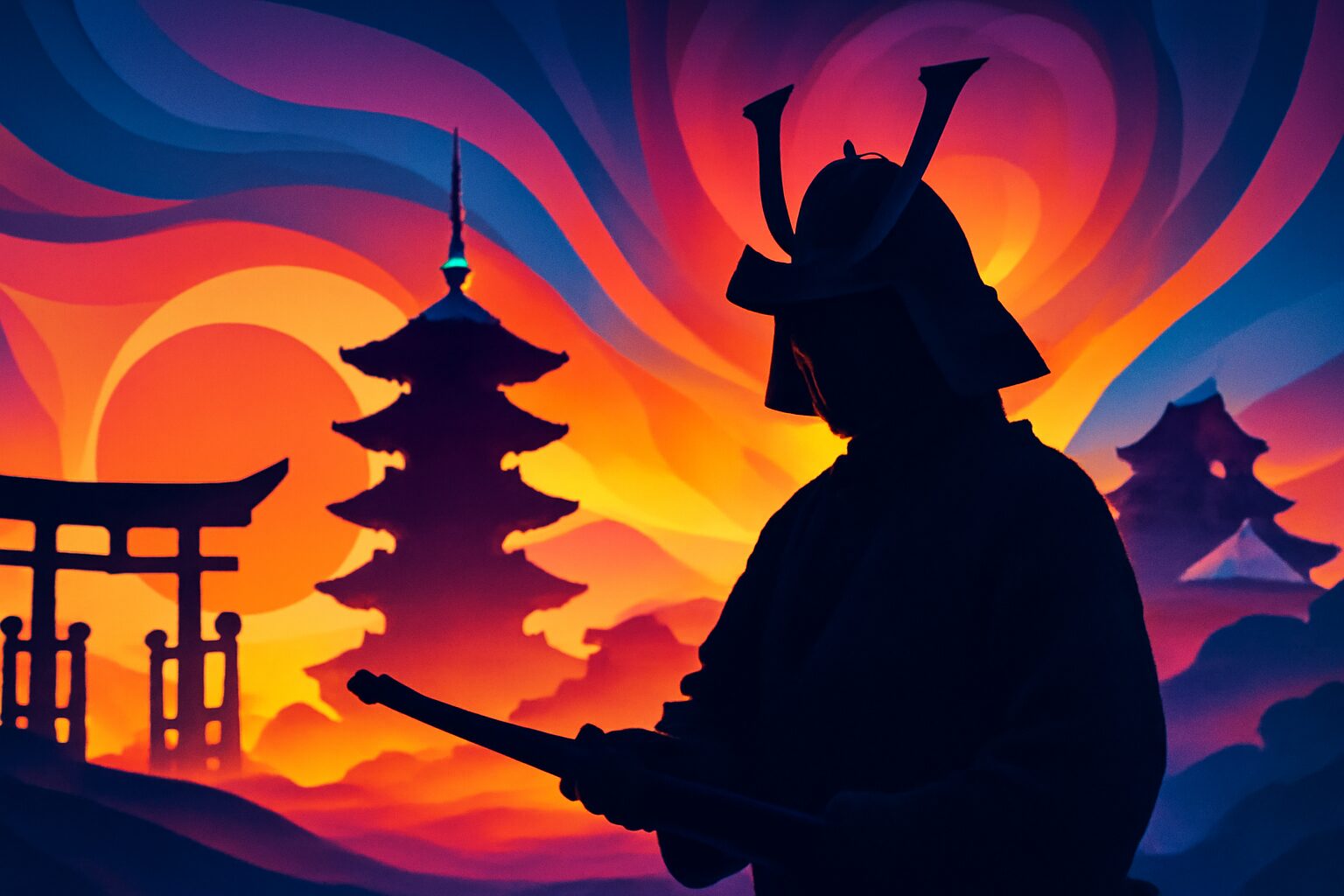
From Screen to Sacred Ground: The Global Phenomenon of ‘Shogun’
FX’s historical drama ‘Shogun’ has become a global sensation, achieving a near-perfect 99% score on Rotten Tomatoes and setting streaming records on platforms like Hulu. The series, an adaptation of James Clavell’s 1975 novel, masterfully transports viewers to the tumultuous turn of the 17th century in Japan. While the principal photography took place thousands of miles away in Vancouver, Canada, the show’s meticulous attention to historical detail and cultural authenticity has sparked a powerful new travel trend: a pilgrimage to the real-life samurai sites that shaped the narrative. This phenomenon, often called “content tourism,” is driving international fans to trade their screens for a chance to walk on the same ground as the historical figures who inspired the series.
The Historical Tapestry Behind the Drama
‘Shogun’ chronicles the fictionalized accounts of real historical events and figures. The character of John Blackthorne is based on William Adams, the first Englishman to reach Japan in 1600. Lord Yoshii Toranaga is a direct parallel to Tokugawa Ieyasu, the founder and first shogun of the Tokugawa shogunate, which ruled Japan for over 250 years. This strong connection to actual history is the primary driver of the burgeoning tourist interest. Viewers captivated by the political intrigue and cultural depth of the series are now eager to explore the authentic locations where these pivotal moments in Japanese history unfolded.
Tracing the Footsteps of Samurai: Key Locations in the Spotlight
The surge in interest is being felt across several key historical locations in Japan, offering a tangible link to the world of ‘Shogun’.
Usuki, Oita Prefecture
This coastal city in Kyushu is where the real William Adams washed ashore. For fans of John Blackthorne, Usuki offers a direct connection to the beginning of his incredible journey. The city and surrounding Oita Prefecture are now at the top of many travelers’ lists, providing a starting point for their own Japanese adventure. Local tourism bodies are preparing for an influx of visitors seeking to experience the site of this fateful arrival.
Hirado, Nagasaki Prefecture
Another crucial location in William Adams’ life was Hirado, an island off the coast of Kyushu. It was a major hub for international trade during the era and the site of the first English trading post in Japan, which Adams helped establish. The city retains its historical atmosphere, allowing visitors to immerse themselves in the same environment where cultures clashed and collaborated 400 years ago.
Osaka and Sekigahara
The political power struggles depicted in ‘Shogun’ are centered around figures like Lord Toranaga (Tokugawa Ieyasu) and his rivals. The imposing Osaka Castle, which was the stronghold of the Toyotomi clan (represented by the Taiko’s heir in the show), is a must-see. Furthermore, the fields of Sekigahara in Gifu Prefecture are where Tokugawa Ieyasu won the decisive battle in 1600 that unified Japan and paved the way for his shogunate.
The Economic Ripple Effect: A Tourism Boom on the Horizon?
This ‘Shogun’ effect is poised to have a significant and lasting impact on Japan’s inbound tourism industry, which is already experiencing a record-breaking recovery. According to the Japan National Tourism Organization (JNTO), the country welcomed a record 3.08 million international visitors in March 2024, the first time the monthly figure has ever surpassed the 3 million mark.
Crucially, this growth is being led by visitors from Western countries. Arrivals from the United States, Canada, and Europe have hit all-time highs. The popularity of ‘Shogun’ is a contributing factor, acting as a powerful cultural advertisement for Japan’s rich history. This trend is expected to continue, with tour operators likely to develop “Shogun-inspired” travel packages and local governments launching promotional campaigns to capitalize on the global interest. The series has not only entertained millions but has also created a direct economic incentive for the preservation and promotion of Japan’s historic sites.
For travelers, this presents a unique opportunity to engage with history on a deeper level. The journey inspired by ‘Shogun’ is more than a simple sightseeing trip; it’s a chance to explore the complex, beautiful, and profound history of the samurai era that continues to capture the world’s imagination.