There’s a moment in Hayao Miyazaki’s masterpiece, Spirited Away, that every viewer remembers: a young girl named Chihiro stands before a magnificent, towering bathhouse, buzzing with an energy both enchanting and unnerving. It’s the gateway to a world of gods, spirits, and forgotten traditions, a place that feels impossibly imaginative yet hauntingly familiar. For many of us who fell in love with this animated classic, the world of Aburaya felt like a dream we once had, a memory from a life not our own. But what if I told you that the threads of this fantastical world are woven from the very fabric of real places here in Japan? This journey is more than a simple sightseeing trip; it is what we call seichi junrei, a pilgrimage to the sacred sites of our modern mythology, the stories that shape our culture. It’s an exploration into the heart of the Ghibli aesthetic, a search for the tangible echoes of a world that lives just beyond our perception. As a researcher dedicated to bridging Japan’s storied past with its vibrant present, I find that the inspirations behind Spirited Away offer one of the most profound pathways into the soul of our nation’s architecture, folklore, and sense of beauty. We will wander through the steam-filled corridors of ancient onsen, cross crimson bridges that seem to connect our world to another, and explore open-air museums where the ghosts of a bygone era whisper their tales. This is not a quest to find exact replicas, but to feel the atmosphere, to breathe the air, and to understand how the spirit of these locations was distilled into one of the greatest animated films of all time. Prepare to cross the threshold, for our journey into the world of the spirits begins now.
This journey into the spirit of seichi junrei is a profound way to connect with modern Japanese mythology, much like the experience of exploring the real-world pilgrimage sites of Kawagoe.
The Grandeur of the Gods’ Bathhouse: Dogo Onsen, Ehime
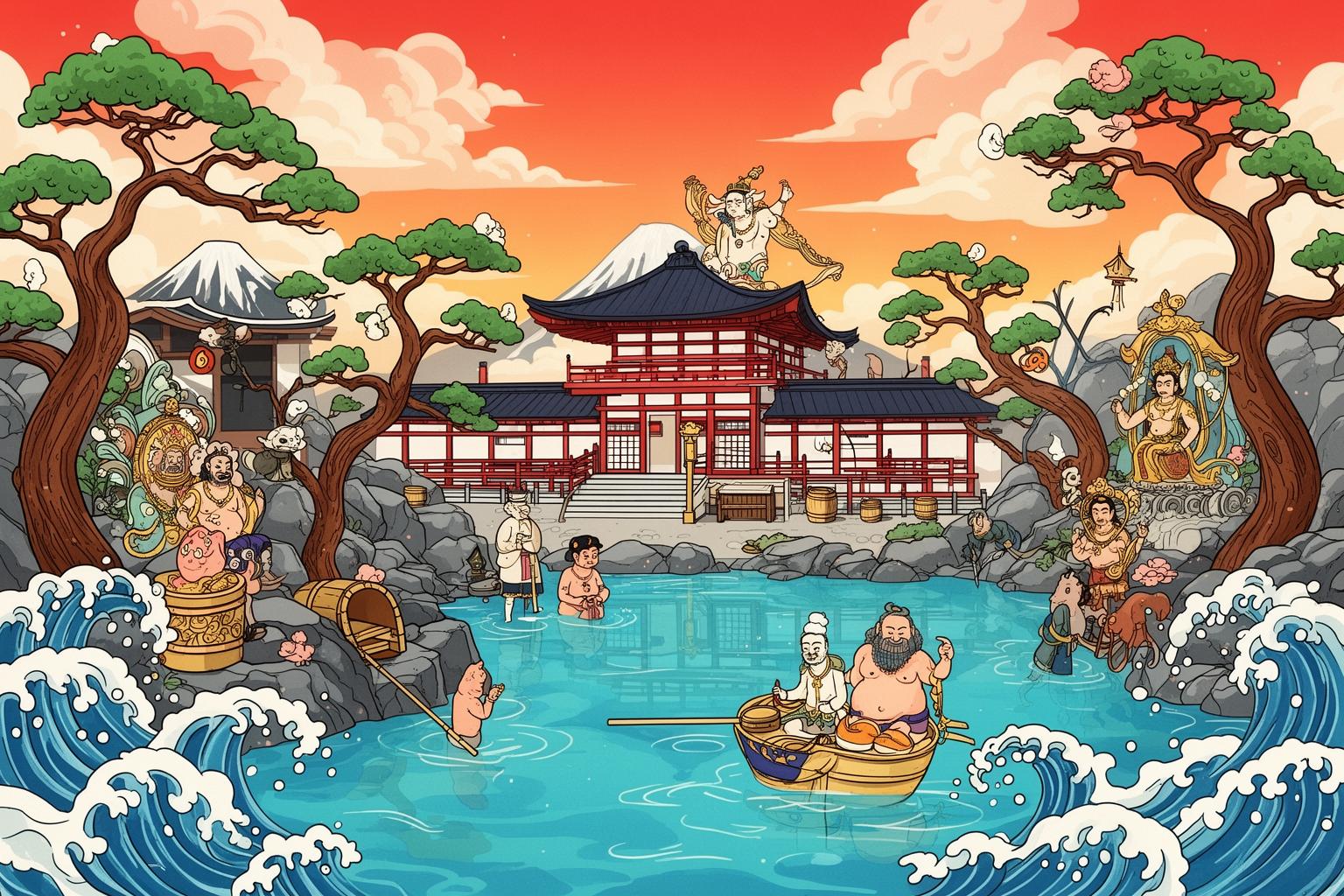
Our first stop leads us to the island of Shikoku, specifically to the city of Matsuyama in Ehime Prefecture. Here stands a building of such historical significance and architectural brilliance that it seems almost alive: the Dogo Onsen Honkan. Approaching it for the first time, emerging from the bustling, covered shopping arcade that guides you to its entrance, the impact is immediate and profound. This complex, multi-layered wooden structure, with its elaborate array of roofs, balconies, and sliding paper screens, unmistakably evokes Yubaba’s Aburaya. The air is thick with a subtle, earthy sulfur scent and the murmur of numerous conversations, just as one might imagine the spirit bathhouse filled with the chatter of gods and monsters seeking respite. The building itself seems to breathe, its dark timber frame radiating an aura of great age and countless tales. At night, when the windows glow warmly and steam rises from its tallest turret, the Shinrokaku, the illusion becomes complete. You can almost see the spirits arriving, their forms shifting in the misty air, ready for a purifying soak.
Echoes of Aburaya in Wood and Steam
The architectural similarities are striking. Built in 1894 during the Meiji Restoration—a time of rapid modernization and Western influence—the Dogo Onsen Honkan stands as a proud testament to traditional Japanese craftsmanship. It is a maze of winding staircases, narrow corridors, and tatami-matted rest areas linking the various baths. Walking its creaking wooden floors feels like navigating the chaotic yet orderly world of the Aburaya, where Chihiro hurriedly cleaned floors and delivered bath tokens. One can easily envision her dashing through these hallways, glimpsing strange and wondrous patrons through the shoji screens. The main bath, called Kami no Yu, or “Bath of the Gods,” is a large stone-lined public bath where the communal energy is palpable and vibrant. Decorative carvings, high ceilings designed to vent steam, and beautiful Aritayaki porcelain spouts all create an atmosphere both public and sacred. This is a place designed not only for cleansing the body but also for soothing the soul, a core theme in Spirited Away where the filthy river god is purified and restored to his majestic form.
A Dip into Living History
To understand Dogo Onsen is to grasp its vast history, stretching back over a thousand years and making it one of Japan’s oldest and most renowned hot springs. Legends tell of an egret that healed its injured leg in the spring’s waters, revealing their miraculous properties to locals. This profound connection to nature and healing remains tangible today. The main building even includes the Yushinden, a private bathing area built in 1899 for the Imperial Family, showcasing exquisite metalwork and lacquered wood artistry. This dedication to an elite, almost divine clientele mirrors Aburaya’s own purpose. Visiting Dogo Onsen is not like seeing a museum; it is participating in a living tradition. Changing into a yukata, the lightweight cotton robe provided to bathers, and wandering through the building or nearby streets, you become part of its ongoing story. You share in a ritual cherished for centuries—a purification and relaxation ceremony that transcends time. This sense of timelessness, of being a small part of a much larger, ancient narrative, lies at the heart of both Dogo Onsen and Spirited Away.
Experiencing Dogo Onsen for Yourself
Getting to Dogo Onsen is an experience in itself. From Matsuyama’s city center, the most charming way to arrive is aboard the “Botchan Train,” a vintage-style steam train replica named after Natsume Soseki’s famous novel set in the city. The ride sets a perfectly nostalgic mood for what’s ahead. Upon arrival, you’ll find the Honkan at the center of a lively district. Several bathing plans are available: the basic option grants access to Kami no Yu, while more comprehensive tickets include entry to the Yushinden and a chance to relax afterward in one of the communal tatami rooms on the upper floors, enjoying tea and rice crackers. For first-time visitors, I recommend choosing one of these extended experiences. The true pleasure lies not only in the bath itself but also in the period of rest that follows, gazing from the open-air balconies over the bustling streets below and feeling the cool breeze after the warmth of the spring water. After your soak, wander through Dogo Haikara Dori, the covered arcade filled with shops offering local crafts, Ehime’s famous mikan oranges, and souvenirs. It’s the ideal spot to soak up the town’s vibrant, welcoming atmosphere. Don’t miss the Botchan Karakuri Clock just outside the station, which animates characters from the novel every hour.
A Quieter, More Nostalgic Spirit: Shima Onsen, Gunma
If Dogo Onsen captures the grand, chaotic energy of Aburaya, our next destination reflects its more mystical and transitional moments. Nestled deep in the mountains of Gunma Prefecture, Shima Onsen is a serene hot spring town that resembles a perfectly preserved postcard from the Showa era. The town is renowned for a single landmark sure to thrill any Ghibli fan: the Sekizenkan Ryokan. This historic inn houses a detail so perfectly aligned with the film that it seems like a deliberate portal. A covered, crimson wooden bridge—the Roman Bridge—connects two of the inn’s buildings, arching elegantly over the street. It is an almost exact real-world counterpart to the iconic bridge Chihiro crosses to enter the spirit world, holding her breath to avoid detection by its inhabitants. Standing before it, especially as dusk falls and the inn’s lights begin to glow, is a truly magical experience. You feel on the threshold of another realm, where the ordinary rules no longer apply.
The Red Bridge to Another World
The Sekizenkan Ryokan itself is a national treasure. Its main building, built in 1691, is believed to be the oldest wooden hot spring hotel still standing in Japan. It echoes the same sprawling, multi-winged layout as Aburaya, with additions accumulated over centuries, creating a beautiful and delightfully complex structure. The Roman Bridge, constructed in 1930, links the main building to a newer section nestled on the mountainside. Its vivid red paint contrasts strikingly with the dark wood of the inn and the lush greenery surrounding it. The bridge symbolizes more than just a connection between buildings; it represents a passage between eras. Crossing it evokes a sense of transition, the very feeling Miyazaki masterfully captures as Chihiro leaves her human world behind. Inside, the ryokan enhances this sensation. The Genroku no Yu, a Western-style Romanesque bath with large arched windows and a high ceiling, feels like one of the private, lavish baths reserved for wealthy gods in the film. The entire establishment whispers tales of history, a time when Japan was opening to new influences while still embracing ancient traditions.
The Whispers of a Bygone Era
The atmosphere in Shima Onsen contrasts sharply with that of Dogo. It is a quieter, more reflective place. The town lies in a narrow valley, with the clear Shima River running through its center. The sound of flowing water is a constant, soothing presence. The town’s slogan, “forty thousand illnesses,” refers to the legendary healing powers of its waters, believed to cure countless ailments. This reputation as a tōji, or therapeutic spa retreat, imbues the town with a gentle, restorative energy. Strolling its streets, you’ll discover old-fashioned smartball parlors, cozy cafes, and traditional sweet shops. There is a tangible sense of Showa-era retro nostalgia—a feeling of stepping back to the mid-20th century. This aesthetic, a wistful affection for a simpler, pre-digital age, is central to the Ghibli universe. It is a world of wooden signs, clattering machines, and a deep bond with nature. Shima Onsen isn’t a replica of the spirit world’s bustling town, but it feels like the kind of quiet, forgotten place where a gateway to such a realm might exist, hidden in plain sight.
A Traveler’s Guide to Shima
Reaching Shima Onsen from Tokyo involves taking the Shinkansen (bullet train) to Nakanojo Station, followed by a local bus that winds its way into the mountains. The journey itself helps foster the sense of leaving the modern world behind. While staying at the Sekizenkan Ryokan offers the ultimate pilgrimage experience, there are several other charming inns in town catering to various budgets. First-time visitors should simply embrace the town’s unhurried pace. Take a leisurely walk along the river, visit the small shrines, and of course, enjoy the onsen experience. Many ryokans offer day-use passes for their baths, allowing guests to sample multiple options. The best time to visit may be autumn, when the surrounding mountains blaze with color, or winter, when a blanket of snow adds a quiet, magical layer to the scenery. A small tip: be sure to visit Oku-Shima Lake at the valley’s far end. Its unnaturally vibrant blue waters, a result of mineral content, feel otherworldly and enhance the area’s mystical appeal.
Where Past and Fantasy Collide: Edo-Tokyo Open Air Architectural Museum
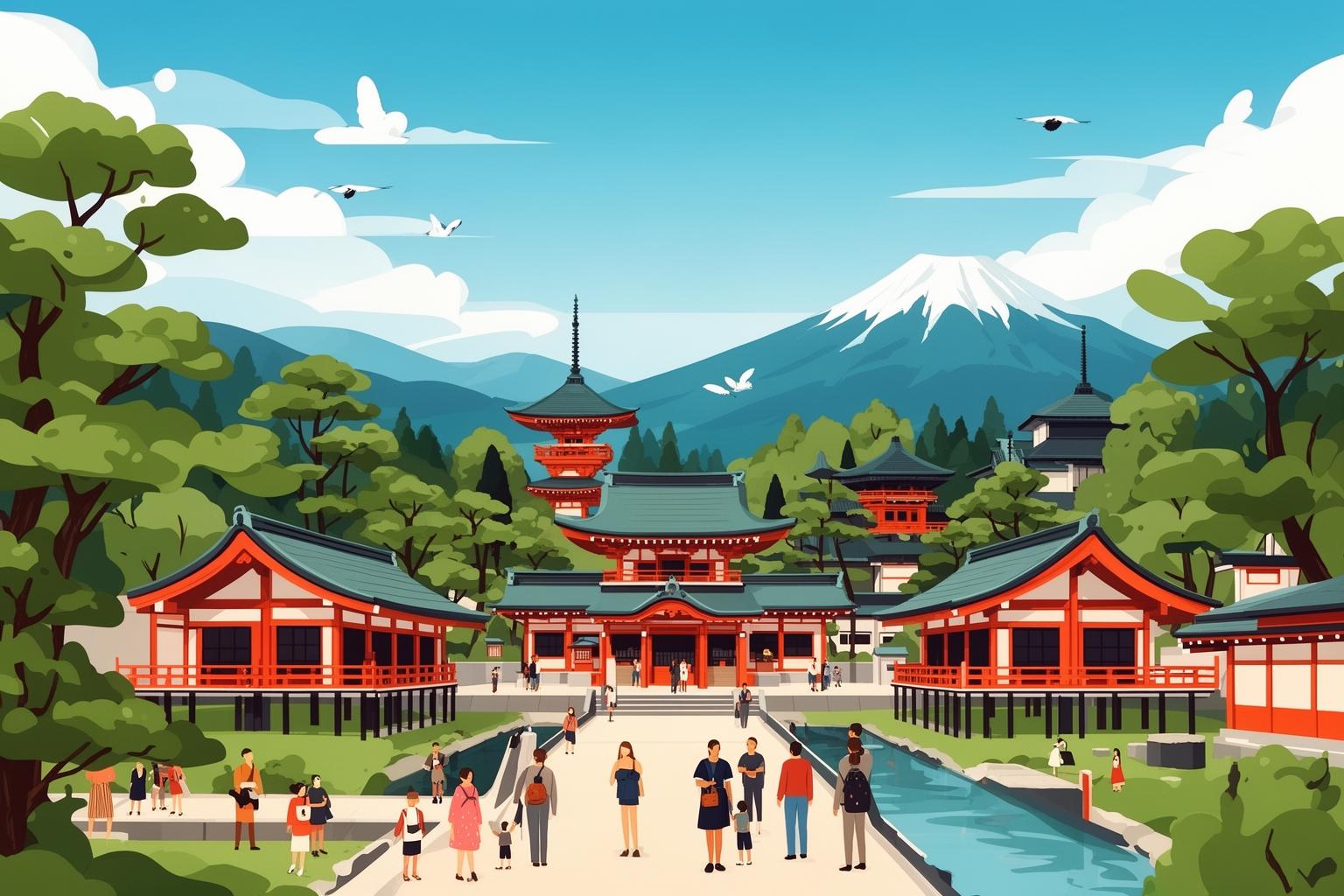
While our onsen destinations capture the spiritual and atmospheric essence of Spirited Away, our next stop in Tokyo reveals the very foundation of the film. Nestled in the expansive Koganei Park on the city’s western side is the Edo-Tokyo Open Air Architectural Museum, a place Hayao Miyazaki himself has praised as a direct and profound source of inspiration. He visited frequently during the film’s production, and it’s easy to understand why. This is no ordinary museum with artifacts behind glass; it is a village of spirits. Dozens of historic buildings from throughout Tokyo, spanning the Edo period to the mid-Showa era, have been carefully relocated and preserved here. Walking through its streets feels like stepping into a time machine, and for a Ghibli fan, it’s like wandering through Miyazaki’s sketchbook.
Kamaji’s Boiler Room and Yubaba’s Office
The connections here are incredibly specific. Step inside the Takei Sanshodo, a charming old stationery shop from the Meiji era. As you gaze at the towering wall of wooden drawers behind the counter, each labeled with precise calligraphy, you’re looking at the inspiration for Kamaji’s herb cabinet. You can almost hear the spider-like boiler man scuttling about, selecting herbs and minerals to infuse the bathwater. The dense array of these tiny compartments, each holding a different secret, perfectly reflects the organized chaos of his domain. Then wander to the Kodakara-yu, a magnificent public bathhouse originally from Tokyo’s Adachi ward. While its exterior impresses, the interior truly inspired the Ghibli team. The lavish dressing room, with its grand mural of Mount Fuji, detailed carvings, and soaring coffered ceiling, provided the visual blueprint for the luxurious spaces within Aburaya—the kind of place where Yubaba would conduct her affairs. It exemplifies the pinnacle of public bath culture, a palace for everyday people, and it’s easy to see how this grandeur was transformed into a bathhouse fit for the gods.
A Walk Through Living History
The true magic of the Edo-Tokyo Open Air Architectural Museum lies in its ability to immerse visitors in the atmosphere of old Japan. You can enter a wealthy farmer’s thatched-roof house, an elegant Meiji-era mansion blending Japanese and Western styles, a traditional soy sauce shop, and even an old police box. The variety is astounding. The museum is divided into zones—West, Center, and East—each with its own character. The East Zone, featuring a recreation of a Shitamachi (downtown) street from the early Showa period, is especially evocative of the spirit world’s town square. The cluttered storefronts, overhead electrical wires, and vintage advertisements create a dense, lived-in texture typical of Miyazaki’s films. He excels at crafting worlds that feel not just designed, but inhabited—full of layers of history and detail. This museum is a treasure trove of those details. It offers insight into the visual language that defines the Ghibli aesthetic: weathered wood, the patina on copper roofs, light filtering through latticed windows, and a nostalgic longing for a fading past.
Navigating the Museum
The museum is easily reached from central Tokyo via the JR Chuo Line to Musashi-Koganei Station, followed by a short bus ride or a pleasant walk through the park. Plan to spend at least half a day here; there’s simply too much to see to rush. One of the joys of the museum is the freedom to enter almost every building. Remove your shoes, step onto the cool tatami mats, and sit for a moment. Imagine the lives lived within these walls. Volunteer guides, passionate about the buildings’ history, often share fascinating stories. For a first-time visitor, I suggest letting your curiosity be your guide. Don’t worry about seeing everything in order. Explore side streets, peer into gardens, and allow yourself to get lost in time. It is in such quiet moments of discovery—sitting on the veranda of an old house or examining worn tools in a craftsman’s workshop—that you come closest to the heart of what makes Miyazaki’s worlds so captivating.
Beyond Japan’s Shores: The Alleyways of Jiufen, Taiwan
Our pilgrimage must make one last, captivating detour. For years, a popular and cherished theory among fans has suggested that the bustling, lantern-lit town in Spirited Away was inspired not by any location in Japan, but by the former gold mining town of Jiufen in northern Taiwan. The visual similarities are striking: a hillside town with impossibly narrow alleys and steep stone staircases, where teahouses cling to cliffs and countless red lanterns cast a magical, hypnotic glow after dark. Walking through Jiufen at night feels so remarkably like stepping into the film that it’s hard to dismiss as mere coincidence. Yet, Hayao Miyazaki himself has publicly stated that Jiufen was not a direct model. So, what is the truth? I believe the answer lies in the power of shared atmosphere. Jiufen may not be the literal source of inspiration, but it is unquestionably a spiritual one.
The Atmosphere of the Unseen World
Jiufen’s history is one marked by boom and bust. It was a remote village until gold was discovered in the late 19th century, triggering a rush that shaped the dense, chaotic townscape visible today. When the gold ran out, the town declined, only to be rediscovered as a tourist spot, partly due to its resemblance to the world of Spirited Away. The connection feels so strong because Jiufen perfectly embodies the film’s mixture of beauty and strangeness, of vibrant life and haunting melancholy. The best-known location is the A-Mei Tea House, a stunning structure that appears to grow out of the hillside, its windows and balconies decorated with dozens of glowing red lanterns. It has become the iconic image people associate with both the town and the film. As you wind through the crowded paths of Jiufen Old Street, you are enveloped by a whirlwind of sights, sounds, and smells from numerous food stalls offering everything from taro ball soup to stinky tofu. This sensory overload—the sense of being an outsider in a bustling, bewildering, yet enchanting world—is exactly what Chihiro experiences when she first arrives in the spirit town. It is a place that feels both ancient and alive, where every corner promises a new secret or an unusual delicacy. Though Miyazaki may not have directly drawn its streets, the spirit of Jiufen and that of his enchanted world speak the same language.
Weaving Your Own Spirited Journey
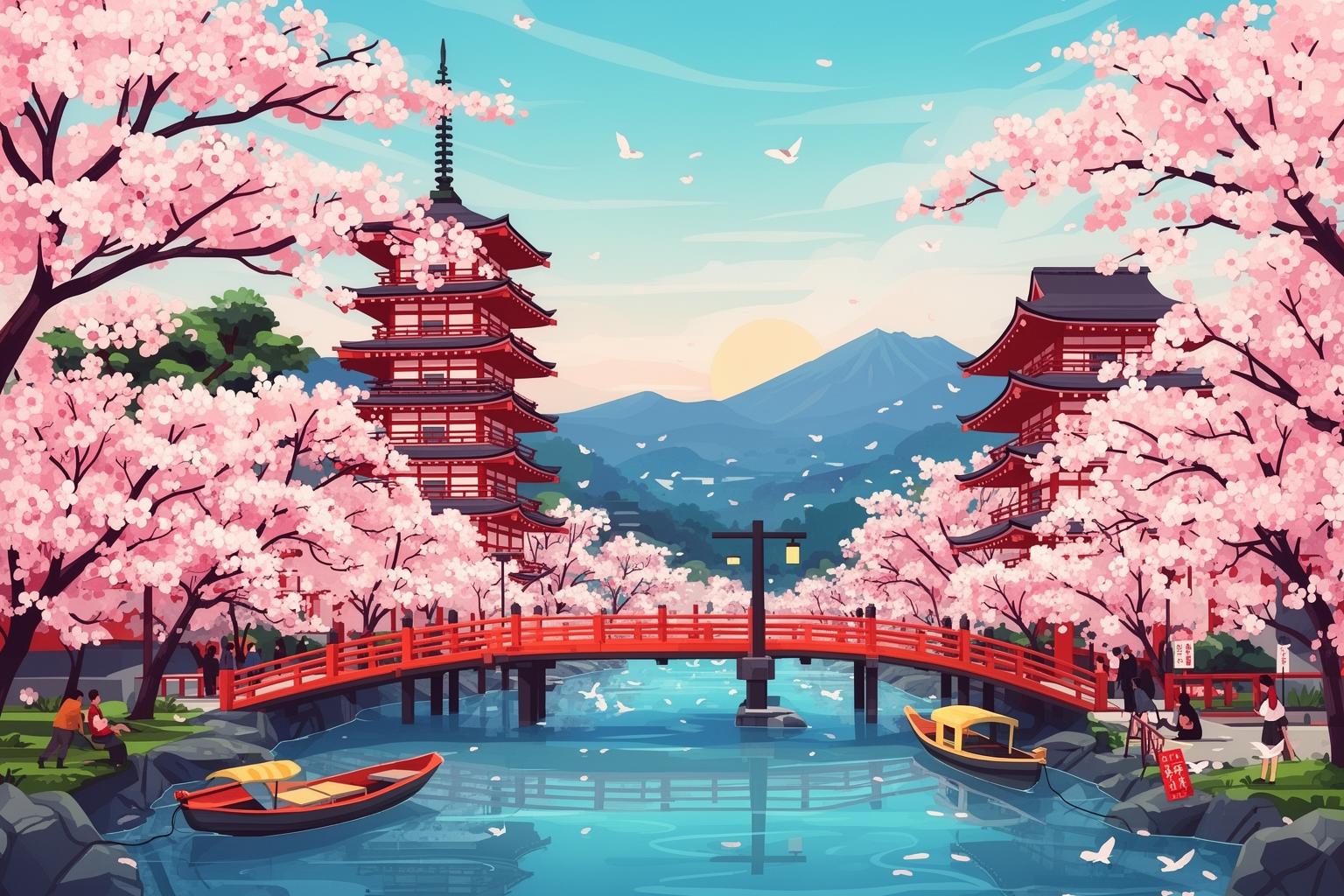
Setting out on a pilgrimage to these places is an intimate and fulfilling experience. It offers a chance to connect with a cherished story both physically and emotionally, seeing the world through the eyes of its creators. The journey reveals that the magic of Spirited Away lies not in inventing a completely new world, but in recognizing and amplifying the hidden magic within our own. The film serves as a love letter to Japan’s vanishing landscapes, its architectural heritage, and its rich spiritual traditions. By visiting these sites, you help keep that spirit alive.
Practical Tips for the Ghibli Pilgrim
Embarking on a multi-location trip like this requires some careful planning. For travel between regions—such as from Tokyo to Ehime—the Japan Rail Pass can be an invaluable and cost-effective tool, offering unlimited travel on most JR trains, including the Shinkansen. The best time to visit depends on what you are looking for. Autumn brings pleasant weather and beautiful foliage that heightens the nostalgic atmosphere of places like Shima Onsen. Winter offers the quintessential onsen experience: soaking in a hot bath while snow softly falls outside. When visiting onsen, take a moment to familiarize yourself with proper etiquette: wash thoroughly before entering, avoid letting your towel touch the water, and maintain a quiet, respectful environment. Most importantly, approach the journey with an open mind. Don’t seek an exact film set replica. Instead, notice the details: the texture of weathered wood, the sound of a temple bell, the flavor of a local snack, the way steam curls in the chill air. The true magic lies in absorbing the atmosphere—the very essence that inspired one of the world’s most imaginative storytellers.
This journey through the real-world inspirations of Spirited Away imparts a beautiful lesson. It reveals that the most fantastical worlds are often rooted in reality, history, and deeply personal experience. Dogo Onsen, Shima Onsen, the Edo-Tokyo Museum, and even the atmospheric streets of Jiufen are not merely tourist spots; they are cultural landmarks, guardians of memory and tradition. They form the threads of a magnificent tapestry that Hayao Miyazaki wove into a story touching millions worldwide. Walking their paths helps us understand that the spirit world is not as distant as we might imagine. It glows in the light of a paper lantern, warms in a healing spring, and echoes in the creak of an aged wooden floorboard. All you need to do is pay attention—and perhaps, for a moment, hold your breath as you cross the bridge.