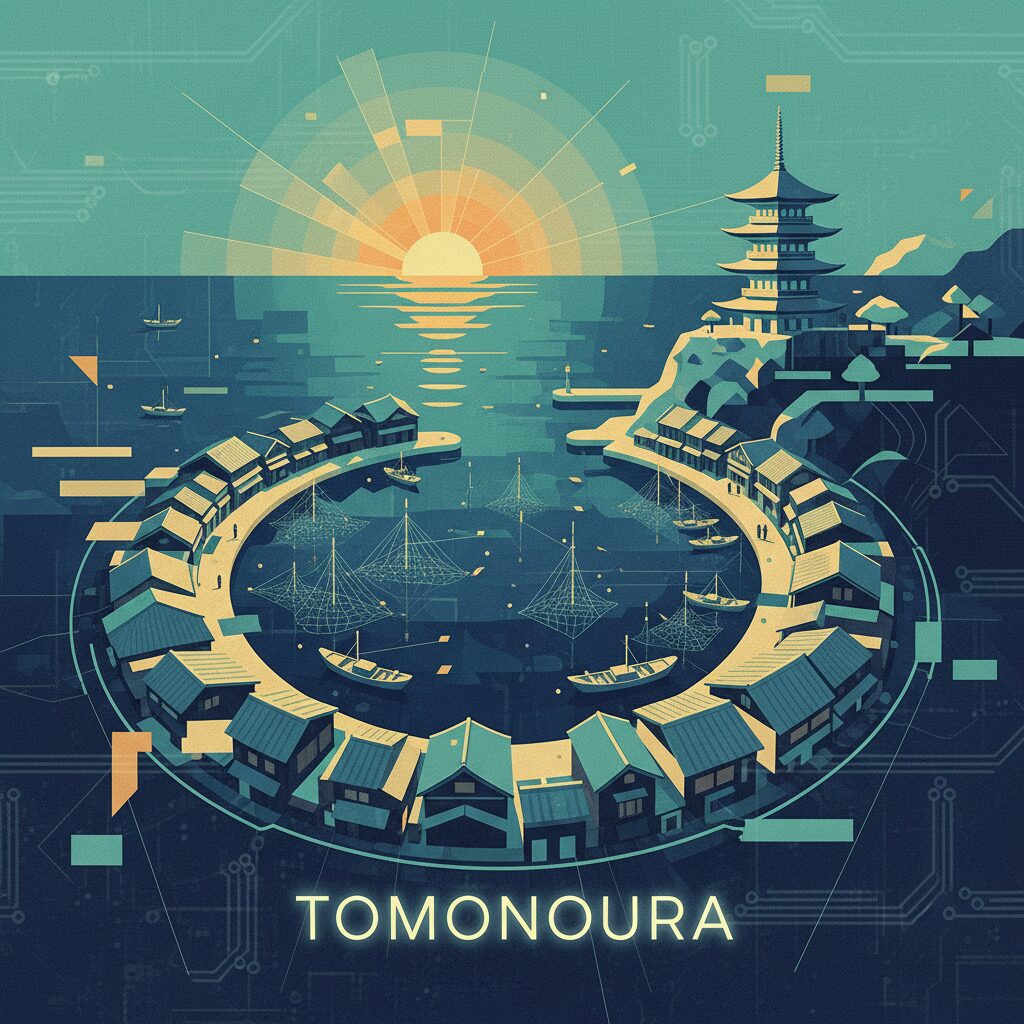
There are places in Japan where the rhythm of time feels different. Not slower, exactly, but deeper, measured not by the ticking of a clock but by the gentle ebb and flow of the tide. Tomonoura, a small port town nestled in a crescent-shaped harbor in Hiroshima Prefecture, is one of those places. It’s a town of weathered wooden buildings, narrow stone-paved alleys, and the constant, soothing scent of the sea. For many international visitors, its name is whispered with a sense of quiet reverence, for this is the very town that captured the heart of legendary animator Hayao Miyazaki and became the living, breathing blueprint for his fantastical seaside world in the Studio Ghibli masterpiece, Ponyo on the Cliff by the Sea. To step into Tomonoura is to step through the silver screen, to feel the salty spray and warm sunshine that inspired one of animation’s most beloved tales. It’s a pilgrimage not just for fans of the film, but for anyone seeking a connection to a more authentic, unhurried Japan, a place where history and imagination drift together on the calm waters of the Seto Inland Sea.
For travelers captivated by Japan’s timeless allure, exploring a pilgrim’s journey to real-life cinematic locales offers another immersive way to experience the country’s enchanting spirit.
The Soul of a Ghibli Seascape
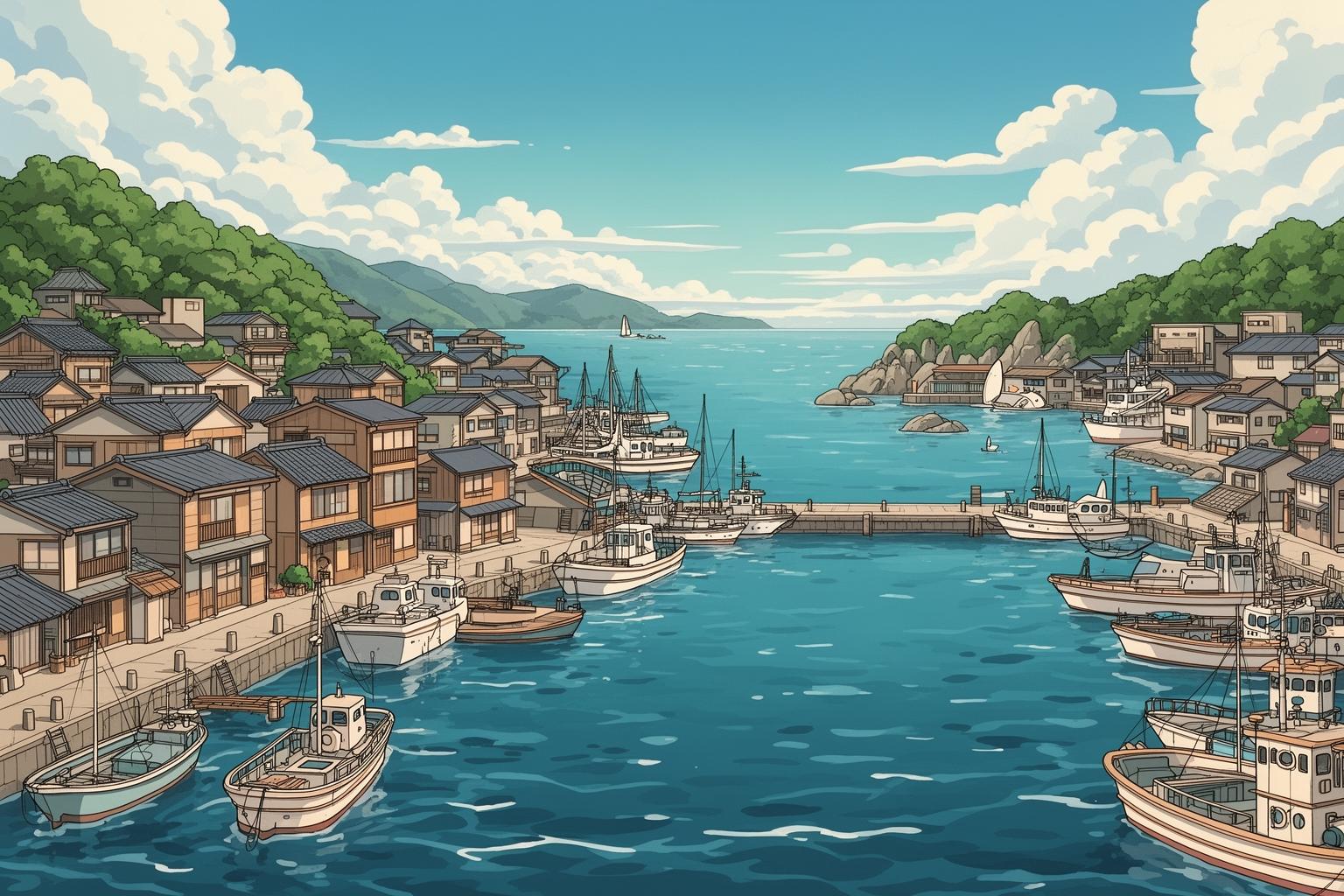
The moment you arrive, the connection to Ponyo is unmistakable. This town isn’t covered in movie posters or merchandise; its homage runs much deeper. The magic lies in its authenticity. It’s evident in the small wooden fishing boats, adorned with colorful flags, gently bobbing in the harbor—just like the ones Sosuke’s mother, Lisa, drives past in her car. It’s visible in the cluster of houses with dark tiled roofs cascading down the green hillside toward the water, perfectly mirroring the film’s charming port. Hayao Miyazaki and his team of animators spent two months living here, not merely observing but truly absorbing the atmosphere. They rented a house overlooking the harbor, and from that vantage point, they sketched, observed, and embraced the town’s spirit. You can sense their presence in the air—the creative energy that infused their work. This wasn’t just a location scout; it was a full immersion. They captured Tomonoura’s soul, from the intricate maze of backstreets to the very quality of its light. Walking along the waterfront, you can almost see Ponyo dashing along the sea wall, her red dress a vivid splash of color against the deep blue of the Seto Inland Sea. The gentle curve of the harbor, the stone steps leading down to the water, and the distant silhouettes of the islands are all here—a tangible world that feels both real and dreamlike simultaneously. The town doesn’t need to advertise its Ghibli connection, because the town is the connection. Every corner you turn could be a scene, every view a living background painting. It’s a powerful realization that the fantasy world which captured millions is, in fact, a real place, with its own stories, people, and enduring magic.
Finding Ponyo’s House on the Cliff
One of the most enchanting pursuits for any visitor is locating the inspiration for Sosuke’s house, perched high on the cliff overlooking the sea. While there isn’t a single house exactly like it, the inspiration clearly comes from the homes clinging to the hillside above the town. To reach this viewpoint, leave the harbor and climb the winding, narrow paths leading toward Fukuzen-ji Temple. As you ascend, the panorama of the town spreads out below you. The view from the temple’s Taichoro reception hall is especially stunning. The hall’s wide-open frame perfectly frames the harbor, the iconic Joyato Lighthouse, and the Sensui and Benten islands floating in the distance. This view was so magnificent that a Korean diplomat in the Edo period declared it the most beautiful scene in all of Japan. Looking out from this spot, with the sounds of the town carried up by the breeze, it’s easy to imagine yourself as Lisa, gazing out her window each morning. You can see the ferry chugging between the mainland and the islands, and you understand why Miyazaki chose this dramatic, protective overlook for his story’s home base. It’s a place of sanctuary—a lookout point that feels both connected to and safely removed from the world below. The climb itself is part of the experience, a quiet ascent through residential streets where local life unfolds—laundry drying in the sun, cats napping on warm stones, the faint murmur of a television from an open window. It reminds you that this fantastical setting is, at its core, a real home.
Echoes of History in a Timeless Port
Long before inspiring animators, Tomonoura held immense historical significance. Its distinctive geography made it a shiomachi no minato, or a “port for waiting on the tides.” During the age of sail, ships navigating the challenging currents of the Seto Inland Sea would anchor in Tomonoura’s sheltered harbor, awaiting the shift in tidal flow. This turned it into a bustling center of commerce, culture, and intrigue for centuries. The town’s prosperity in the Edo period (1603-1868) is etched into its very architecture. As you explore, you are walking through a living museum. The old merchant houses, with their characteristic white and black latticework, still line the streets, their wooden facades narrating tales of sake brewers, doctors, and affluent traders. The atmosphere feels thick with history, a tangible sense that the past coexists with the present. The narrow streets, designed for pedestrians and palanquins rather than cars, encourage you to slow down and notice the details: the intricate tilework on a roof, a small, forgotten shrine tucked between buildings, the smooth worn surface of a stone step. This weight of history is what gives Tomonoura its depth. While the Ghibli connection may be the melody that draws you in, the town’s rich history is the harmony that makes the song unforgettable. It was already a place filled with magic and stories long before Ponyo arrived.
Joyato Lighthouse: A Beacon Through Centuries
Standing as the stoic, silent sentinel of the harbor is the Joyato Lighthouse. This elegant stone structure, built in the late Edo period, is the unmistakable symbol of Tomonoura. At over 11 meters tall, it ranks among the largest Edo-era stone lighthouses still standing, and its role was not only to guide ships with its light but also to serve as a beacon of the town’s prosperity and significance. Unlike modern lighthouses, its flame was fueled by oil, a nightly ritual maintained by the townspeople. Though it no longer guides ships today, it now serves a new purpose: welcoming visitors to the heart of the town. It is the focal point of the harbor, a gathering place for locals and travelers alike, where children play, and fishermen mend their nets. The area around its base, called the gangi, comprises a series of stone steps that descend into the water, accessible at any tide. Sitting on these ancient, water-polished steps as the sun sets, watching the sky flush with pink and orange hues while the lighthouse casts a long shadow across the water, is a quintessential Tomonoura experience. It’s a moment of deep tranquility, connecting you to the countless sailors and merchants who once waited on these same steps for the tide to turn in their favor. The lighthouse is more than a structure; it’s the anchor of the town’s identity and a testament to its enduring bond with the sea.
The Whispers of Cobblestone Alleys
To truly grasp Tomonoura, you must lose yourself in its labyrinthine backstreets. Away from the open harbor, the town transforms into an intimate realm of narrow alleys, hidden courtyards, and ancient temples. This is where the town’s true character dwells. Here lies the Ota Residence, a beautifully preserved merchant house and former brewery of Homeishu, the town’s renowned medicinal liqueur. Stepping inside feels like stepping back in time, with dark wooden beams, earthen floors, and an intricate family altar. It offers a fascinating glimpse into the life of a wealthy Edo-period family. Further into the maze of streets, you may discover the Irohamaru Museum. This modest, unassuming building commemorates a dramatic episode in Japanese history. It tells the story of the Iroha Maru, a trading ship leased by the legendary samurai Sakamoto Ryoma, a key figure in the Meiji Restoration. The ship sank just off Tomonoura’s coast in 1867 after a collision, and Ryoma himself stayed in the town to negotiate compensation. The museum showcases artifacts recovered from the shipwreck, providing a tangible link to one of Japan’s most celebrated heroes. Wandering these alleys is a journey of discovery. Each turn reveals something new: a carefully tended garden, a shop selling handmade crafts, or the serene grounds of a temple like Enpuku-ji, where you hear only the buzzing of insects and the distant call of a seagull. It is in these quiet moments, away from popular sights, that the true, timeless heartbeat of Tomonoura is felt.
A Taste of Setouchi Life
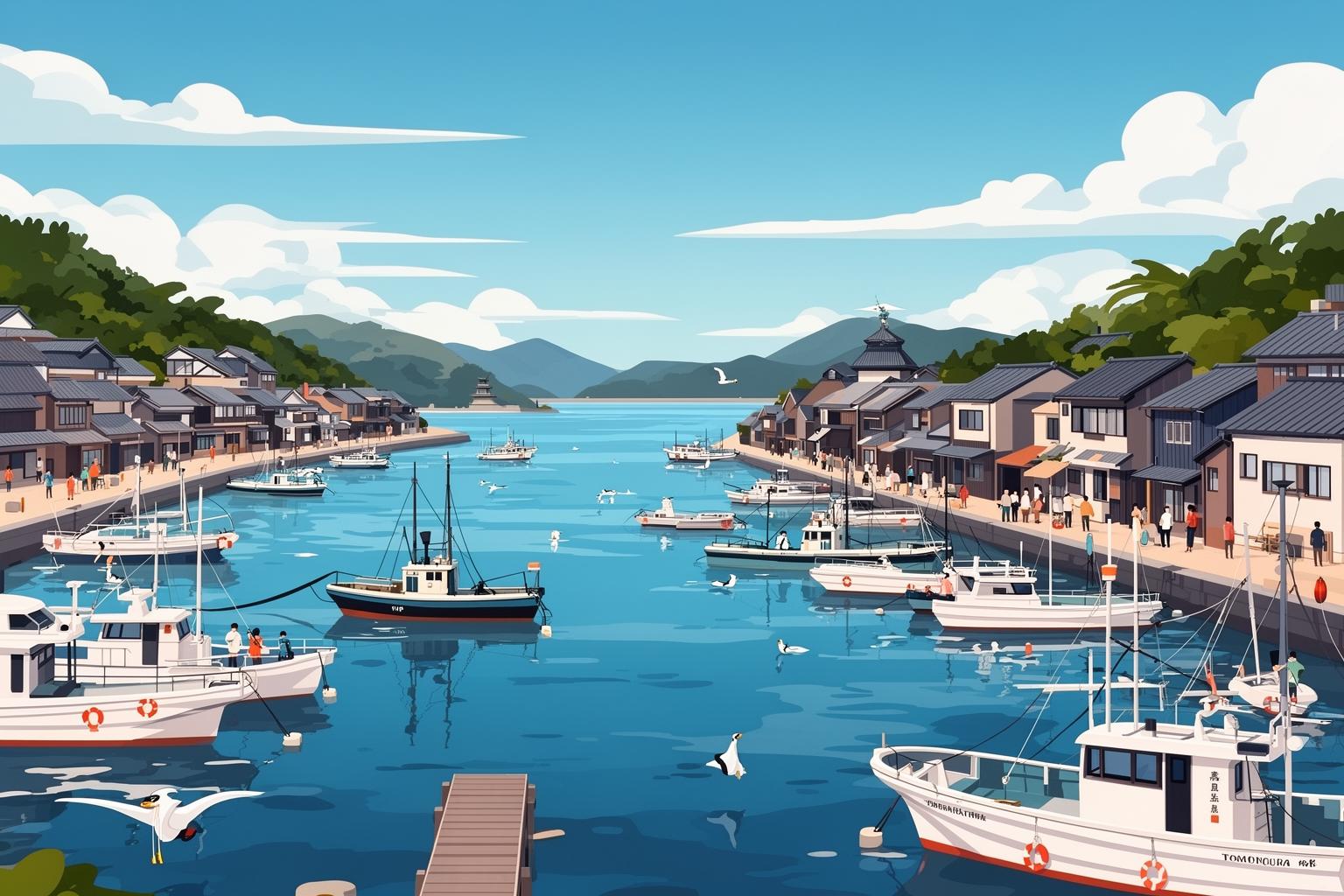
The culture of Tomonoura is deeply intertwined with the sea that surrounds it. This is a town that thrives on the rhythms of the fishing industry, and its culinary scene directly reflects the richness of the Seto Inland Sea. The local specialty is sea bream, or tai, regarded as the king of fish in this area. In late spring, visitors can witness the spectacular Tai-ami, a traditional net-fishing technique practiced for over 380 years. Tourists can take boat trips to watch fishermen in their brightly colored vessels working together to haul in enormous nets full of vibrant red sea bream. It’s a powerful and thrilling display, a living tradition linking the present day closely to the town’s history. Whether or not you see the event, you shouldn’t leave without tasting the local catch. Numerous small restaurants, many family-run and overlooking the harbor, serve impeccably fresh seafood. A simple dish of tai-meshi (sea bream steamed with rice) or grilled fish, enjoyed while gazing at the boats that caught it, perfectly embodies the local philosophy: simple, fresh, and deeply connected to the environment.
Homeishu and the Flavors of the Sea
Aside from seafood, Tomonoura is best known for Homeishu, a distinctive herbal liqueur produced here for over three and a half centuries. It’s a complex mix of 16 herbs infused in sweet mochi rice-based spirits and was originally valued for its medicinal benefits, believed to promote longevity and vitality. Several historic shops specializing in this potent, sweet elixir are open to visitors. Some provide tastings, offering a chance to savor the complex, bittersweet flavor that has been part of local life for generations. The storefronts themselves are charming, with old wooden signs and rows of beautifully labeled bottles, evoking the feel of an old apothecary. Bringing home a bottle of Homeishu is more than just a souvenir; it’s taking a piece of Tomonoura’s unique history and culture with you. For another local treat, stroll through the streets in the morning and seek out shops selling gasu-ten, a fried fish cake popular as a local snack. It’s savory, delicious, and the ideal fuel for a day exploring the town’s winding lanes.
Practical Guidance for Your Pilgrimage
While Tomonoura may seem like a world apart, getting there is quite simple, which enhances its appeal as a fulfilling day trip or a peaceful overnight retreat. The journey itself adds to the experience—a gradual shift from the fast pace of modern Japan to the leisurely rhythm of this historic port town. With a bit of planning, your visit can be as smooth and pleasant as the serene sea on a sunny day.
Getting to Tomonoura
The city of Fukuyama serves as the gateway to Tomonoura and is a major stop on the Sanyo Shinkansen (bullet train) line, making it easily reachable from key cities like Hiroshima, Osaka, and Kyoto. From JR Fukuyama Station, the remainder of the trip is a delightful 30-minute bus ride. Exit the station’s south side and head to the bus terminal, where you’ll find bus stop number 5. You want the Tomotetsu Bus heading to Tomo Port (鞆港, Tomo-kō). Buses run frequently, and the route passes through Fukuyama’s suburbs before winding along the coastline, giving you your first views of the sea. The final stop, Tomonoura (鞆の浦), drops you right at the entrance of the historic district, just a short stroll from the harbor. This easy access makes day trips possible, but to fully savor the ambiance—especially the peaceful mornings and lantern-lit evenings—staying overnight at a local ryokan (traditional inn) is highly recommended. Waking up to the harbor’s sounds and enjoying a traditional Japanese breakfast is a memorable experience that lingers long after your visit.
When to Visit and What to Expect
Tomonoura is enjoyable year-round, though spring and autumn provide the most comfortable weather for walking. In spring, the area blooms with cherry blossoms, adding extra charm to the scenic surroundings. Autumn offers clear skies, crisp air, and pleasant temperatures. Summer can be hot and humid but lively, with vibrant green hills contrasting beautifully with the blue sea. Winter is quiet and serene, lending itself to a more reflective experience of the town. It’s important to keep in mind that Tomonoura isn’t a bustling tourist hotspot; it’s a small, living community. Many shops and attractions run on a relaxed schedule and often close earlier than expected, usually by 5 p.m. This laid-back pace is part of the town’s charm, encouraging visitors to slow down and adapt to its rhythm. Rather than rushing through a checklist, take your time to wander, sit, and simply be present. For first-timers, a half-day may suffice to see the main sights, but spending a full day or more allows you to explore hidden alleys, hike on Sensui Island, and fully absorb the tranquil atmosphere that makes Tomonoura so unique.
A Traveler’s Note: Navigating the Town
The best way to discover Tomonoura is definitely on foot. The historic area is compact, with narrow, winding streets where cars often cannot pass. Wear comfortable walking shoes, as you’ll be traversing cobblestones, stone steps, and gentle hills. Although most places accept cards, it’s wise to carry some cash, especially for small, family-run shops and eateries. For a different view of the town, consider taking the Heisei Iroha Maru, a charming replica of Sakamoto Ryoma’s steamship, for a five-minute ferry ride to Sensui Island. The island features several walking trails, ranging from easy coastal paths to more challenging mountain hikes. The payoff is stunning, uninterrupted views of Tomonoura nestled in its picturesque harbor—a real-life postcard. Lastly, be a considerate visitor. As a residential community, the town’s quiet, preserved atmosphere is its true treasure. Keep your voice low in residential areas, be mindful when photographing, and enjoy the privilege of stepping into a town that has beautifully maintained its history and charm.
Beyond the Frame: Finding Your Own Story in Tomonoura
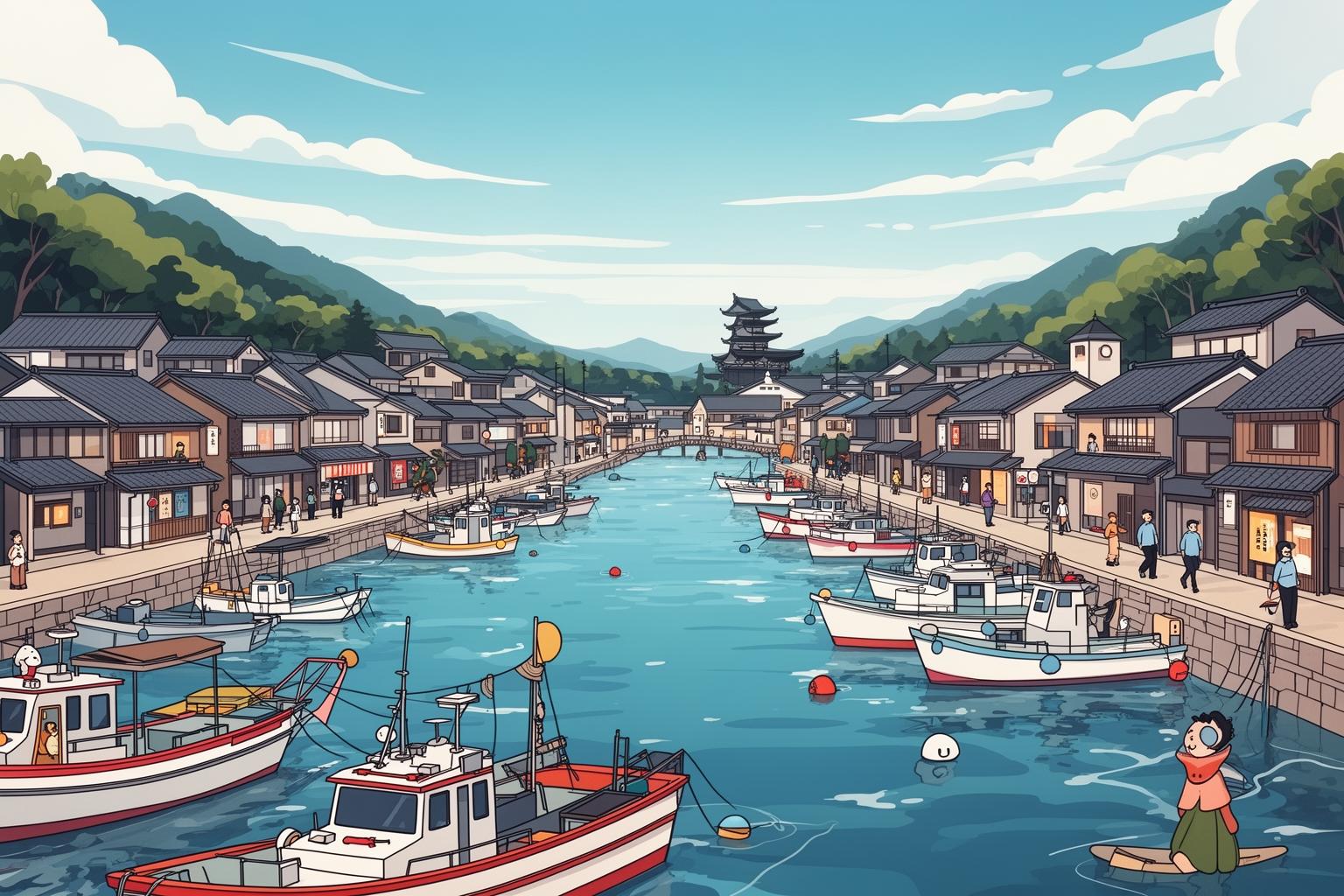
Many visit Tomonoura in search of the world of Ponyo. They come to stand on the shore and look for a little girl with red hair, to see the harbor that inspired countless sketches. And they will find it. The essence of the film is intricately woven into the very fabric of the town. But the true gift of Tomonoura is what you uncover once you’ve found what you were seeking. You uncover a port that has welcomed sailors for a thousand years. You uncover the echoes of samurai negotiations in a quiet room. You uncover the centuries-old recipe for a sweet, herbal liqueur. You uncover the simple joy of watching a fisherman untangle his nets as the sun sets. The Ghibli pilgrimage opens the door, but the town’s own deep, rich history invites you to stay. Tomonoura serves as a reminder that the most magical places are often the realest ones—places where stories are not only told but lived every single day. So come, walk the cobblestones, breathe in the sea air, and discover your own story waiting on the tide.