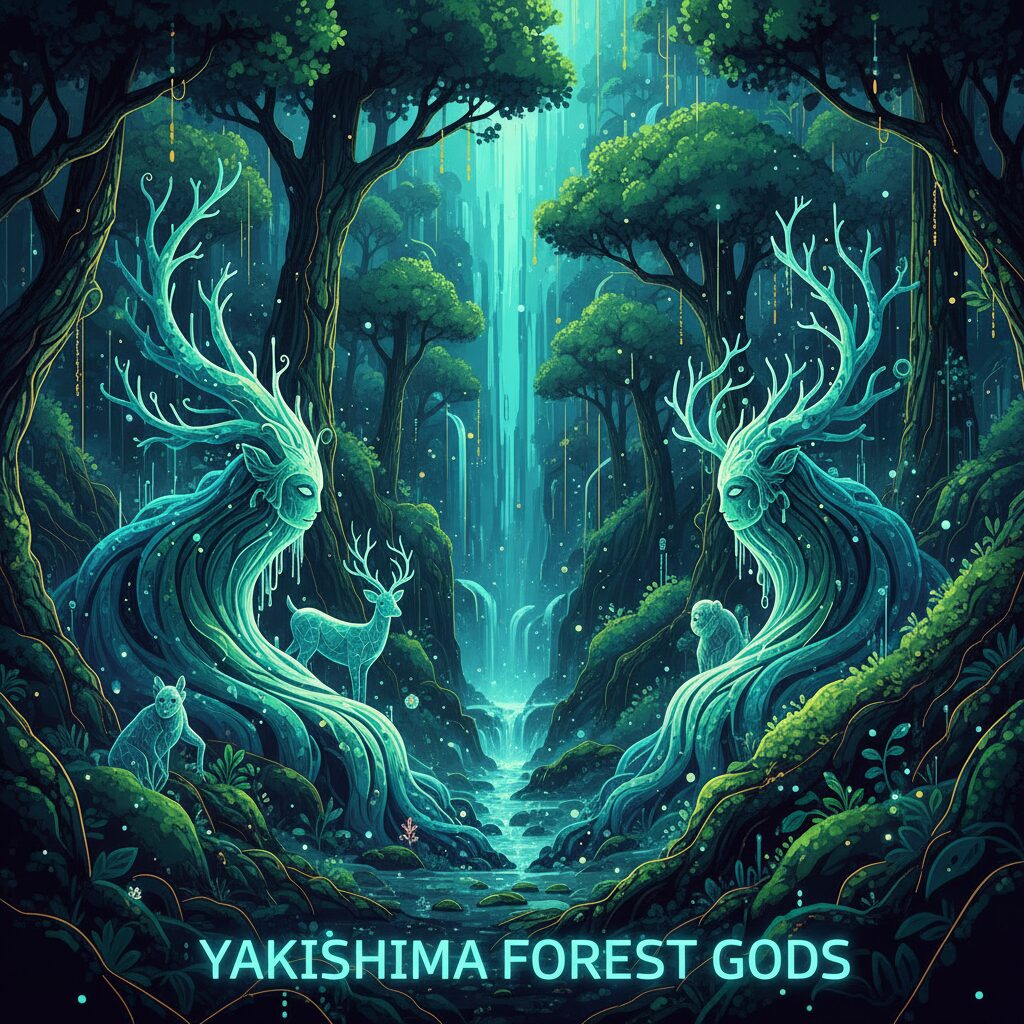
There are places on this earth that feel older than time itself, corners of the world where the air hums with a silent, ancient energy. They are landscapes that speak not in words, but in the rustle of leaves, the drip of water on moss, and the creak of monumental trees that have stood witness to centuries. Yakushima is one such place. It’s an island where myth feels like reality, a subtropical jewel floating off the southern coast of Kyushu, Japan. For many, its name is whispered in the same breath as Studio Ghibli’s masterpiece, Princess Mononoke. This isn’t just a coincidence; this very island, with its deep, mystical forests and untamed spirit, was the fertile ground from which director Hayao Miyazaki cultivated the breathtaking world of the Deer God and the Wolf Clan. It’s a place where you can walk through the very animation cells of a beloved film, feeling the same awe and reverence for nature that defines the story. But Yakushima is more than a film set. It is a UNESCO World Heritage site, a sanctuary of biodiversity, and a powerful testament to the enduring strength of the natural world. Our family journeyed here not just to see the inspiration for an animated classic, but to disconnect from the relentless pace of modern life and plug into something raw, green, and profoundly real. We came seeking the soul of the forest, and found a rhythm that beats in sync with the rain, the trees, and the tides.
This journey into the heart of a cinematic landscape is part of a much larger global trend where screen tourism is reshaping how we connect with destinations.
The Call of the Ancient Woods: Why Yakushima Captures the Imagination
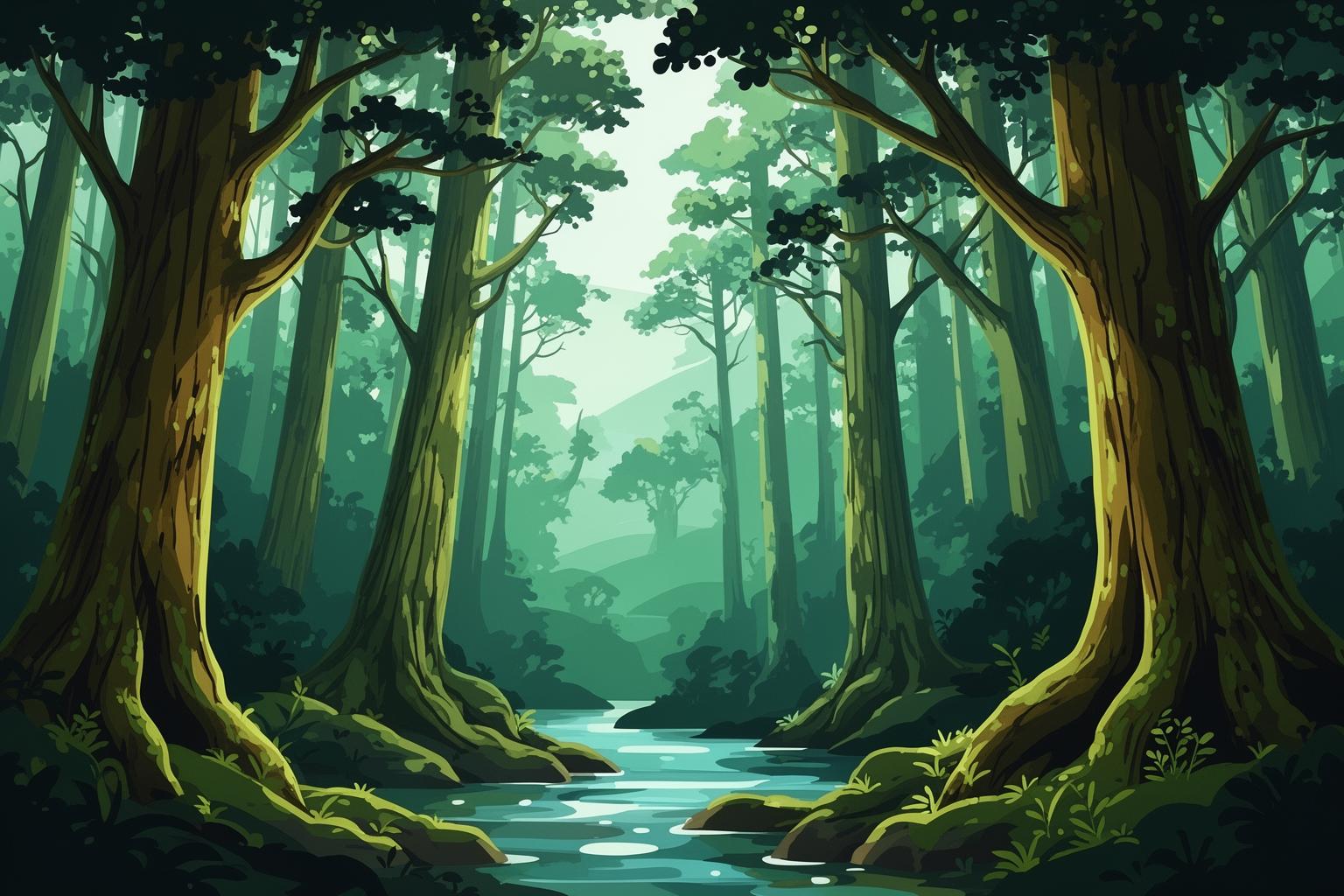
Yakushima’s appeal is twofold, a perfect blend of pop culture pilgrimage and profound natural wonder. It captivates you with the allure of fantasy and holds you with the weight of its reality. This duality is felt the moment you set foot on the island, the humid air enveloping you like a blanket, thick with the scents of life and decay, rain-soaked earth, and sweet cedar.
A Forest Inspired by Miyazaki: The Mononoke Hime Connection
For anyone enchanted by the story of Ashitaka and San, Yakushima is sacred ground. The connection is unmistakable; it’s alive and palpable. The most iconic example is Shiratani Unsuikyo, a ravine richly carpeted with moss and twisted cedar roots, affectionately called the “Princess Mononoke Forest.” As you stroll the trails, you almost expect to spot the silent, white-faced Kodama, the film’s tree spirits, peering from a mossy branch. Light streams through the dense canopy in ethereal beams, illuminating a world of surreal green. Here, you realize Miyazaki did more than recreate a landscape—he captured its spirit on screen. The film’s central theme—the violent, tragic, yet essential struggle to balance humanity and nature—is the story the island itself tells. Evidence of past logging lingers, a record of human industry now overtaken by the slow, persistent regrowth of the forest. This deepens the film’s impact, elevating it from a beautiful narrative to a powerful, urgent message.
Beyond the Silver Screen: A UNESCO World Heritage Gem
Long before it attracted anime enthusiasts, Yakushima was celebrated for its extraordinary ecological significance. In 1993, much of the island was designated a Natural World Heritage Site. This recognition covers more than just one forest; it encompasses a full vertical ecosystem compressed into a small, mountainous island. Its climate ranges from subtropical on the coast to subarctic at the highest peaks, fostering incredible floral diversity. The true monarchs of this land are the Yaku-sugi, ancient Japanese cedars. These giants are more than old trees; they are living monuments. To qualify as a Yaku-sugi, a cedar must be at least a thousand years old, with many far older. The most renowned, Jomon Sugi, is estimated to be between 2,000 and over 7,000 years old. Standing among them humbles and realigns your perception of time. The island is also famous for its rainfall—locals humorously claim it rains “35 days a month.” This near-constant moisture is the island’s lifeblood, nurturing mosses that blanket every surface and fueling the powerful rivers and waterfalls that sculpt the granite terrain.
Arriving in a Different World: Your First Steps on the Island
Transitioning to Yakushima is a shift for the senses. The world softens, colors become more vivid, and life’s pace slows to match the rhythm of the tides. Whether you arrive on a rumbling ferry or a small propeller plane, the island’s presence is immediate and striking—a massive green mound rising dramatically from the sea.
The Journey to Yakushima: Access and First Impressions
Most trips to the island start in Kagoshima, the southernmost major city on Japan’s main islands. From there, you have several options. The high-speed jetfoil ferry glides across the water in about two to three hours, providing an exhilarating ride. The slower, traditional car ferry takes around four hours, offering a more relaxed journey and the ability to bring your own vehicle while watching the island’s peaks gradually appear on the horizon. Alternatively, small planes fly the 40-minute route from Kagoshima, giving stunning aerial views of the island’s mountainous terrain. We chose the car ferry, and the gradual unveiling added to the enchantment. Arriving at Miyanoura Port, the largest town, the first impression was one of calm. There are no sprawling urban centers here. Instead, small, modest buildings nestle against steep, forest-covered mountains often cloaked in mist. The air itself felt different—cleaner, denser, and filled with the vibrant energy of the surrounding nature.
Navigating the Green Labyrinth: Getting Around the Island
To fully enjoy the freedom Yakushima offers, renting a car is nearly essential, especially for families. Although a public bus circulates the island, its routes are infrequent and don’t conveniently reach many trailheads or natural sites. Having our own vehicle allowed us to chase waterfalls after sudden rain, stop to watch Yakushima macaques grooming on a guardrail, or take an impromptu trip to a local market. However, be prepared for the island’s roads. A single main road encircles the coast but is narrow, filled with blind curves, and winds dangerously along cliff edges. The mountain roads leading to trailheads are even more demanding. Driving here requires patience and caution. You’re on island time now, just like the traffic. You’ll often share the road with local wildlife. The native Yaku-shika deer are smaller and more delicate than their mainland counterparts, calmly grazing by the roadside, while the macaques, with their distinctive red faces, seem to rule the place, lounging in the middle of the road with a charming disregard for human schedules.
Trekking into the Heart of Green: The Essential Yakushima Hikes
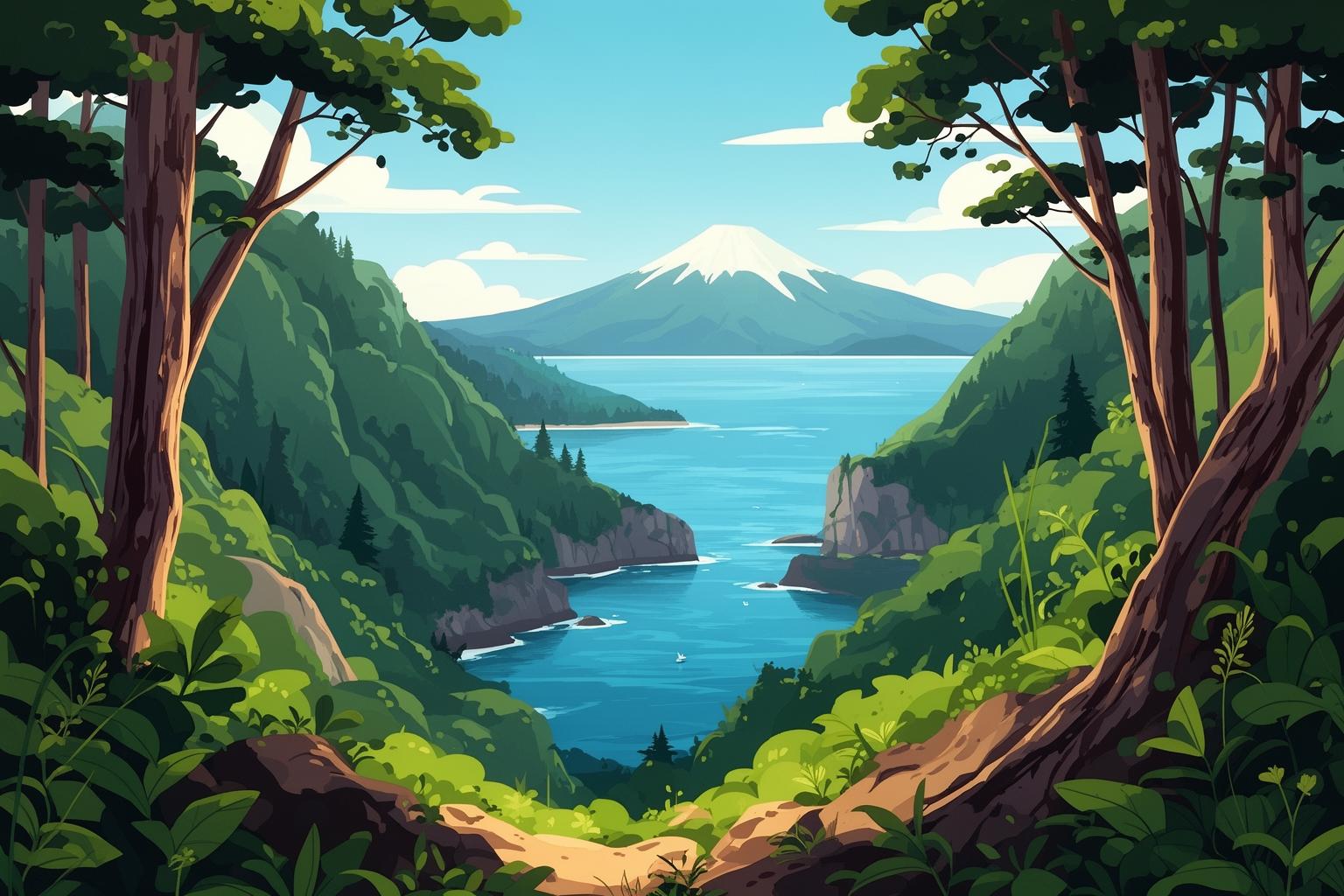
Yakushima is a haven for walkers and hikers, offering everything from gentle boardwalk strolls to demanding, multi-day mountain expeditions. The trails are more than just paths; they serve as gateways into the island’s primeval heart. Preparing for any hike here means anticipating rain—waterproof gear isn’t optional; it’s essential. The payoff is a full immersion into a world that seems untouched by human hands.
Shiratani Unsuikyo: Wandering Through the Moss Forest
From the moment you set foot on the trail at Shiratani Unsuikyo, the Princess Mononoke connection becomes clear. It’s an overwhelming sensory experience. The profound silence is broken only by birdsong and the gentle drip of water seeping from the moss. Every surface teems with life. A thick, velvety carpet of countless moss species blankets rocks, tree trunks, and the forest floor, glowing with an almost phosphorescent green. The trails comprise earthen paths, stone steps, and wooden walkways designed to protect this delicate ecosystem. Several routes of varying difficulty are available. We chose a moderate three-hour loop that led us through ancient groves, over crystal-clear streams via charming little bridges, and past magnificent cedars like the Nidaiosugi. The air is cool and damp, and the atmosphere exudes deep tranquility. For many, the hike culminates at Taikoiwa Rock, a massive granite boulder that requires a short, steep climb but rewards you with a breathtaking panoramic view of the island’s mountainous interior—a sea of green stretching to the horizon. It’s a moment that makes you feel both incredibly small and deeply connected to the surrounding world.
The Jomon Sugi: A Pilgrimage to Japan’s Oldest Tree
This is the ultimate Yakushima hiking challenge, a demanding pilgrimage to visit the island’s ancient patriarch. The trek to Jomon Sugi is not a casual stroll; it’s a full-day commitment, typically lasting 10 to 12 hours round-trip. It begins before dawn, with hikers setting out along a disused logging railway, the Anbo Forest Railway, their headlamps casting tunnels of light through the pre-dawn gloom. This flat, two-hour section serves as a meditative prelude to the steep and strenuous mountain trail ahead. The path climbs sharply, including scrambles over rocks and ascents via wooden ladders. It requires good physical fitness. Along the way, you encounter other majestic Yaku-sugi, such as the impressive Wilson’s Stump—the enormous, hollowed remains of a felled cedar famous for the heart-shaped patch of sky visible from inside. Arriving at Jomon Sugi is a moment of pure awe. Due to conservation measures, visitors can only view the tree from a wooden platform a short distance away, but this does little to lessen its impact. Its gnarled, massive trunk and sprawling branches seem to hold the wisdom of millennia. It is a profound, humbling experience with a living being that started as a sapling when the pyramids of Egypt were being built.
Yakusugi Land: A Family-Friendly Encounter with Giants
For those not ready for the rigors of the Jomon Sugi trek or for families with young children, Yakusugi Land offers a wonderfully accessible alternative. Despite its somewhat theme-park-like name, this is a serious and beautiful forest park. It provides an excellent introduction to the Yaku-sugi ecosystem through a series of well-maintained trails and wooden boardwalks. Routes range from a simple 30-minute stroll to a more challenging 150-minute hike. Even on the shortest trail, you can cross a picturesque suspension bridge and stand before magnificent cedars over a thousand years old. It’s the perfect way to experience the grandeur of the ancient forest without intense physical exertion. The paths are clear, information is abundant, and it allows everyone—regardless of age or fitness—to feel the magic of standing among these gentle giants. It was a highlight for our family, a place where we could explore at our own pace and simply marvel at the scale and beauty around us.
Beyond the Trees: Exploring Yakushima’s Diverse Landscapes
While the forests form the heart of the island, its soul is equally present along the dramatic coastline and in its rushing waters. The island is a microcosm of varied environments, each presenting a unique beauty and a fresh way to connect with nature.
From Mountains to Sea: The Coastal Charms
The edge of Yakushima contrasts sharply with the misty, moss-covered interior. Here, the sun feels warmer, and the landscape features rugged granite cliffs, black-sand beaches, and the relentless waves of the Pacific. One of the most remarkable coastal spots is Nagata Inakahama Beach, a stunning stretch of golden sand and the most vital nesting site for loggerhead sea turtles in the North Pacific. From May to August, female turtles come ashore under the cover of darkness to lay their eggs. Witnessing this ancient ritual is profoundly moving, but must be approached with great care and preferably alongside a local conservation group to avoid disturbing the turtles. Another kind of coastal magic lies in the island’s natural seaside hot springs, or onsen. Hirauchi Kaichu Onsen is perhaps the best known. These are not artificial baths but pools formed naturally in the seaside rocks, accessible only for a few hours each day during low tide. Soaking in the volcanically heated water while watching waves crash just feet away offers an unforgettable, truly Japanese experience.
The Power of Water: Waterfalls and Rivers
Thanks to abundant rainfall, Yakushima is threaded with rivers and sprinkled with spectacular waterfalls. The water here is renowned for being pure and soft, with both locals and hikers frequently refilling bottles directly from mountain streams. The two most famous waterfalls are easily reached from the main road. Senpiro-no-taki Falls is a booming cascade that has carved through a massive granite monolith, creating a vast, V-shaped gorge. A viewing platform offers an excellent vantage point to take in its scale and power. Further along the coast, Oko-no-taki Falls ranks among Japan’s top 100 waterfalls. This impressive 88-meter drop allows visitors to walk to its base and feel the incredible force of the water as mist swirls around them. For a more hands-on water experience, kayaking on the Anbo or Miyanoura River provides a peaceful way to explore the island from a different angle, paddling through calm waters surrounded by lush, subtropical foliage.
Practical Magic: Planning Your Yakushima Adventure
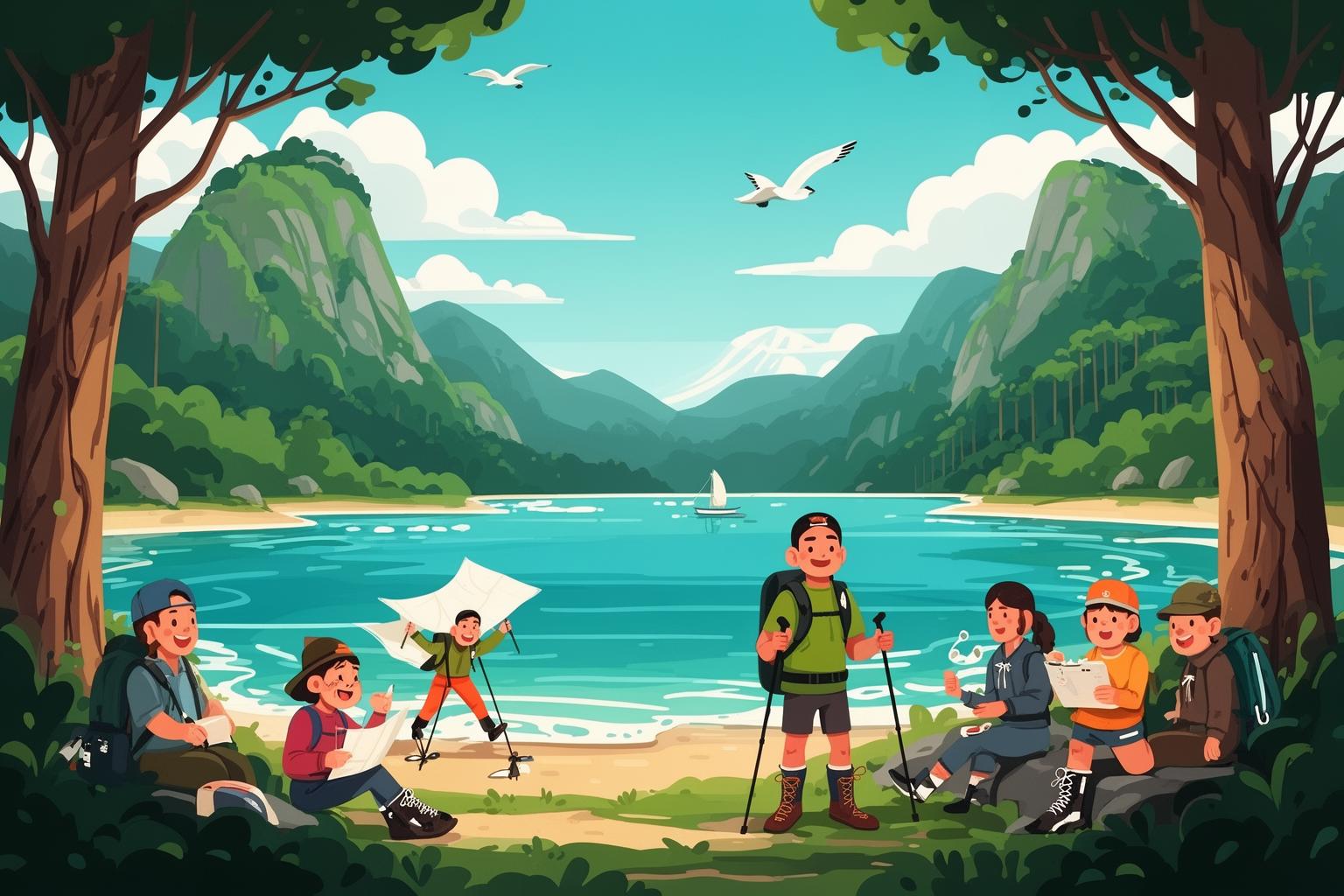
A trip to Yakushima demands a bit more planning than your typical destination, but this preparation is part of what makes the island so special. Considering weather, transportation, and accommodations in advance will help ensure your journey is smooth and magical.
When to Visit: A Calendar of Rain and Sunshine
There isn’t really a “bad” time to visit Yakushima, as each season brings its own unique appeal, but the weather is a key factor. Spring (March to May) offers beautiful conditions, with mild temperatures and blooming mountain rhododendrons, though it can be quite busy during the Golden Week holidays. Summer (June to August) is hot, very humid, and marks both the peak rainy and typhoon seasons. However, it’s also when sea turtles nest, and the landscape is lush and vibrant. Autumn (September to November) is often viewed as the best time, with more stable weather, cooler temperatures, and comfortable hiking conditions. Winter (December to February) is quiet and tranquil. Coastal areas stay mild, but the high mountains receive heavy snowfall, making high-altitude treks suitable only for experienced, well-prepared mountaineers.
Where to Stay: Lodging for Every Traveler
Accommodations on the island are mainly found in the two largest towns, Miyanoura and Anbo, with smaller guesthouses dotted along coastal villages. Miyanoura, the island’s main ferry port, offers the most services and restaurants. Anbo, a port town further south, is a favored base for those looking to start early on the Jomon Sugi trail. Lodging options range from luxurious resort-style hotels with private onsens to simple, family-run guesthouses known as minshuku. Staying in a minshuku provides a wonderful chance to experience local hospitality, as meals are often homemade with local ingredients, offering an authentic taste of island life. We stayed in a self-contained cottage, which gave our family the flexibility we needed. Whatever you choose, it’s crucial to book your accommodation well in advance, especially if traveling during peak season, since availability is limited and fills up quickly.
What to Pack and What to Eat
Packing for Yakushima can be summed up in one word: waterproof. A high-quality rain jacket and rain pants are essential. Sturdy, waterproof hiking boots with good traction are also a must, as trails tend to be wet and slippery. Dress in layers so you can adjust for varying altitudes and activity levels. Quick-drying fabrics are highly recommended. Other essentials include insect repellent, a portable phone charger, and a reusable water bottle to refill from mountain streams. Regarding food, the island’s cuisine is a real treat. Be sure to try the local specialty, tobiuo (flying fish), which is often served fried whole, fins and all, making for an impressive and tasty dish. The island is also known for its citrus fruits, especially the sweet ponkan and tankan oranges, commonly sold at roadside stands. For a local drink, sample Mitake, a shochu distilled from sweet potatoes and the island’s pure water.
Embracing the Spirit of the Island: A Few Final Thoughts
A visit to Yakushima stays with you long after you leave its shores. It’s more than just a collection of stunning sights; it’s a feeling. It’s the sense of humility when standing before a 3,000-year-old tree. It’s the peace that comes from being wrapped in a silent, moss-covered world. This island teaches you to look closer, to cherish the intricate patterns of a moss leaf or the resilience of a cedar growing from granite. It reminds you of the deep, complex connection between all living things, a theme Miyazaki so masterfully conveyed. The best advice for any visitor is to surrender to the island’s pace. Don’t rush. If it rains, welcome it—that’s when the forests are at their most vibrant and mystical. Allow extra time in your itinerary to simply sit and absorb your surroundings. Listen to the sounds of the forest, breathe the fresh, damp air, and honor the fragile environment that makes this place so special. In a world that often feels paved over and disconnected, Yakushima is a powerful, green heartbeat, a reminder of the wild magic that still remains, waiting for those willing to step quietly into its embrace.