There’s a certain kind of green that lives only in memory, a shade so deep and ancient it feels more like a dream than a color. It’s the green of a Hayao Miyazaki film, where sunlight filters through a canopy of impossible trees and moss carpets the earth like a velvet cloak. For millions around the world, this is the iconic landscape of Princess Mononoke, a world where gods walk the earth as beasts and the spirit of the forest is a tangible, breathing entity. But what if I told you that this place isn’t a dream? What if I told you it’s real? Welcome to Yakushima, a small, circular island floating in the East China Sea, south of Japan’s Kyushu mainland. This is no mere filming location; it is the spiritual and ecological heart that beats within Studio Ghibli’s masterpiece. This is where Miyazaki and his team of artists came to wander, to listen, and to absorb the island’s profound energy, translating its soul onto the animation cel. To visit Yakushima is to walk through the living concept art of the film, to feel the damp air on your skin, and to hear the whispers of the kodama—the tree spirits—in the rustling leaves. It’s a journey that transcends simple tourism, becoming a pilgrimage to the source of a story that has shaped our understanding of nature, humanity, and the delicate balance between them. This guide is your map into that world, a portal from the cinematic to the sublime, where every gnarled root and misty ravine tells a story thousands of years in the making.
For a deeper dive into the experience of walking through the landscapes that inspired another iconic anime, consider a literary pilgrimage through Yokohama.
The Whispering Cedars: Journey into Shiratani Unsuikyo Ravine
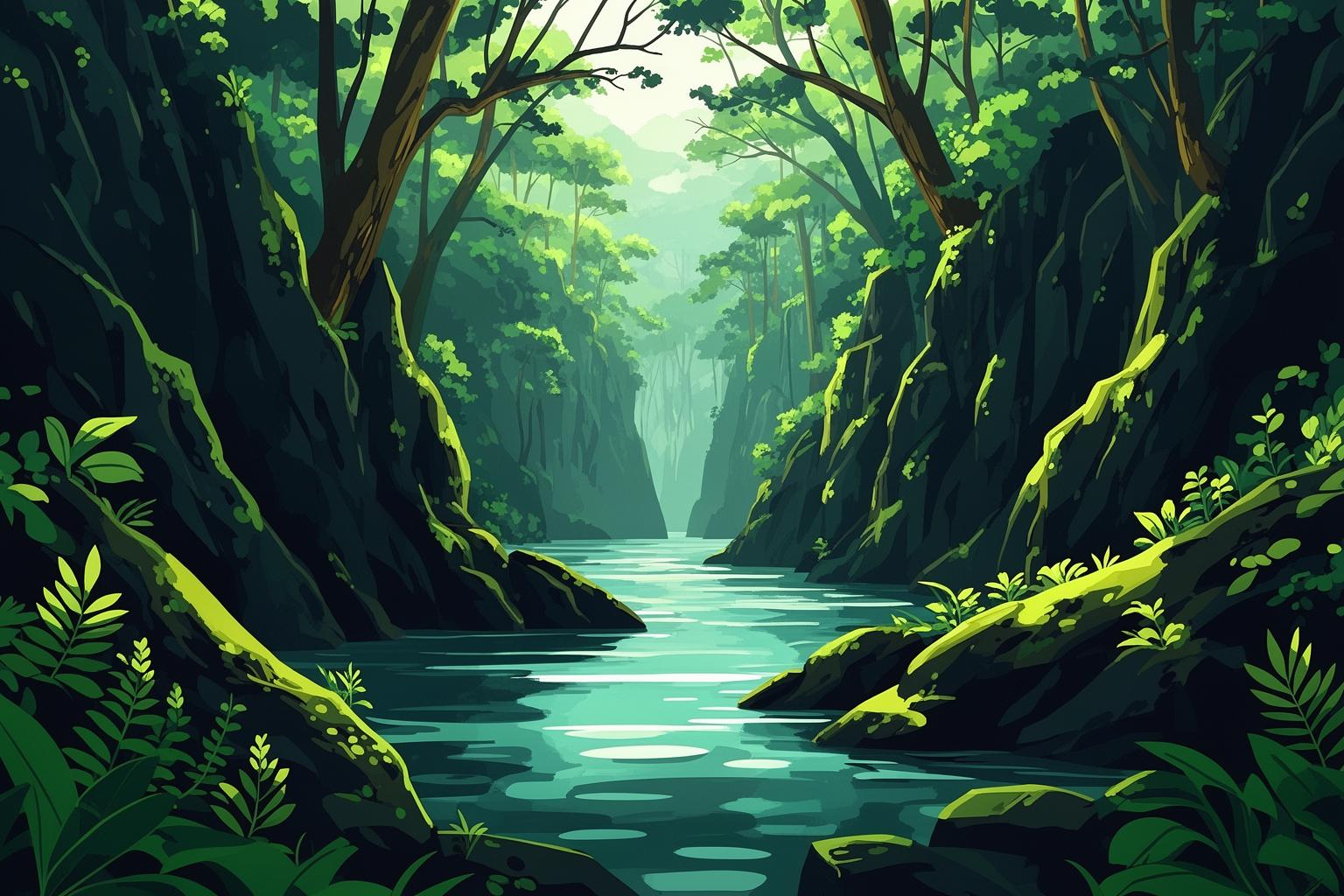
Your pilgrimage into the world of Princess Mononoke truly begins the moment you set foot on the trails of Shiratani Unsuikyo Ravine. The name itself, meaning “White Valley Cloud Water Gorge,” is a lyrical phrase that perfectly captures the atmosphere. This is not just a hike; it is an immersion. The air changes immediately, becoming thick with moisture and the scent of damp earth and decaying wood, the lifeblood of any thriving forest. Sunlight struggles to break through the dense canopy, casting an ethereal, constantly shifting mosaic of light and shadow on the ground. Everything—truly everything—is blanketed in a thick, vibrant layer of moss. It clings to ancient tree trunks, drapes over fallen logs, and covers every stone, creating a landscape that feels impossibly soft and alive. The outside world fades away, silenced by the gentle, persistent dripping of water and the rustling of leaves. It is here, surrounded by overwhelming green, that the connection to the film becomes unmistakable.
The Moss Forest: Where Kodama Dwell
Deep within the ravine is a designated area called Kokemusu-no-mori, or the “Moss-covered Forest.” This is sacred ground for Ghibli fans and the very heart of inspiration for the Deer God’s domain. Standing in this natural amphitheater of green, it’s almost impossible not to scan the trees for the rattling heads of the little white kodama. The silence is profound, broken only by your own breathing and the distant call of a bird. The trees here are more than old; they are characters. Twisted roots, like gnarled knuckles of ancient giants, grip the mossy earth. Branches extend in serpentine shapes, shaped by centuries of typhoons, rainfall, and the slow, relentless quest for light. You could spend hours here simply watching the interplay of textures and shades of green—a palette so rich and varied it seems to contain every possible hue. It’s a meditative experience, a moment to feel small before nature’s immense, patient artistry. This is what Miyazaki saw—not just a forest, but a sanctuary teeming with quiet, powerful life.
Following the Ancient Paths
Shiratani Unsuikyo features several well-maintained trails, making this otherworldly experience accessible to visitors of different fitness levels. The paths are a beautiful blend of earthy trails, stone steps laid down centuries ago, and modern wooden walkways designed to protect the fragile moss ecosystem. The shortest routes can lead you to the impressive Yayoisugi cedar—around 3,000 years old—in under an hour. For the more intrepid, longer trails take you deeper into the primeval forest, past other notable cedars like Bugyosugi and Nanahonsugi, each a unique monument to time. Many aim to reach Taikoiwa Rock, a massive granite boulder perched high above the forest. The final climb is steep, but the reward is a breathtaking panoramic view of the island’s mountainous interior. From this vantage point, you see an endless sea of treetops, grasping the vast scale of the wilderness that inspired Miyazaki. This view reframes the entire island, revealing the magnificent whole born from all the tiny, moss-covered details observed below.
Jomon Sugi: A Pilgrimage to Time Itself
If Shiratani Unsuikyo is the soul of Princess Mononoke, then the trek to Jomon Sugi is its epic, pulsating heart. This is no leisurely stroll; it is a serious endeavor, a full-day hike that challenges you physically and nurtures you spiritually. The reward at the journey’s end is a meeting with one of the oldest living beings on Earth. Jomon Sugi is a colossal Yakusugi cedar, with its age estimated between 2,170 and an astounding 7,200 years. Standing before it means facing a timeline that far surpasses human history. It was a sapling when the pyramids were being constructed and already ancient when the Roman Empire rose and fell. It is, in essence, a living deity of the forest, embodying the Deer God’s eternal spirit.
The Okabu Trail: A Journey, Not a Destination
The hike to Jomon Sugi usually begins before dawn. You join a small group of hikers, with headlamps piercing the pre-dawn darkness, creating a quiet, resolute mood of shared purpose. Most of the route follows the tracks of the Anbo Forest Railway, a narrow-gauge line once used for logging during the Edo Period. Walking on these wooden railway ties for hours offers a rhythmic, meditative experience. The flat railbed eventually gives way to a steep, demanding mountain trail—this is where the real climb starts. Along the way, you encounter other wonders that make the trek unforgettable. The most famous is Wilson’s Stump (Wilson-kabu), the enormous, hollowed remains of a cedar felled centuries ago. Stepping inside its cavernous interior and looking up, you’ll see the sky perfectly framed by a natural heart shape. It’s a moment of pure magic, a testament to the forest’s ability to transform loss into beauty. Further along, you pass other massive cedars, like the Dai-o Sugi (Great King Cedar), each preparing you for the awe-inspiring sight ahead.
An Audience with the Ancient One
After hours of ascending, you finally arrive. Jomon Sugi does not reveal itself all at once. You climb a final flight of stairs, and there it stands. Its sheer scale is hard to comprehend. The trunk is a gnarled, massive fortress of bark, scarred and twisted by thousands of years of endurance. Its branches, as thick as many other trees’ trunks, stretch skyward with an authority that feels absolute. Due to its age and the need for protection, a viewing deck has been constructed a short distance away to preserve its fragile root system. This distance does not lessen the experience; it deepens it, compelling a stance of reverence. You are not here to touch it, but to behold it. You stand before royalty. The air around it feels different, charged with ancient energy. It is a humbling, profound encounter that strips away the clamor of the modern world and connects you to something elemental and timeless.
Beyond the Ancient Forest: The Island’s Living Pulse
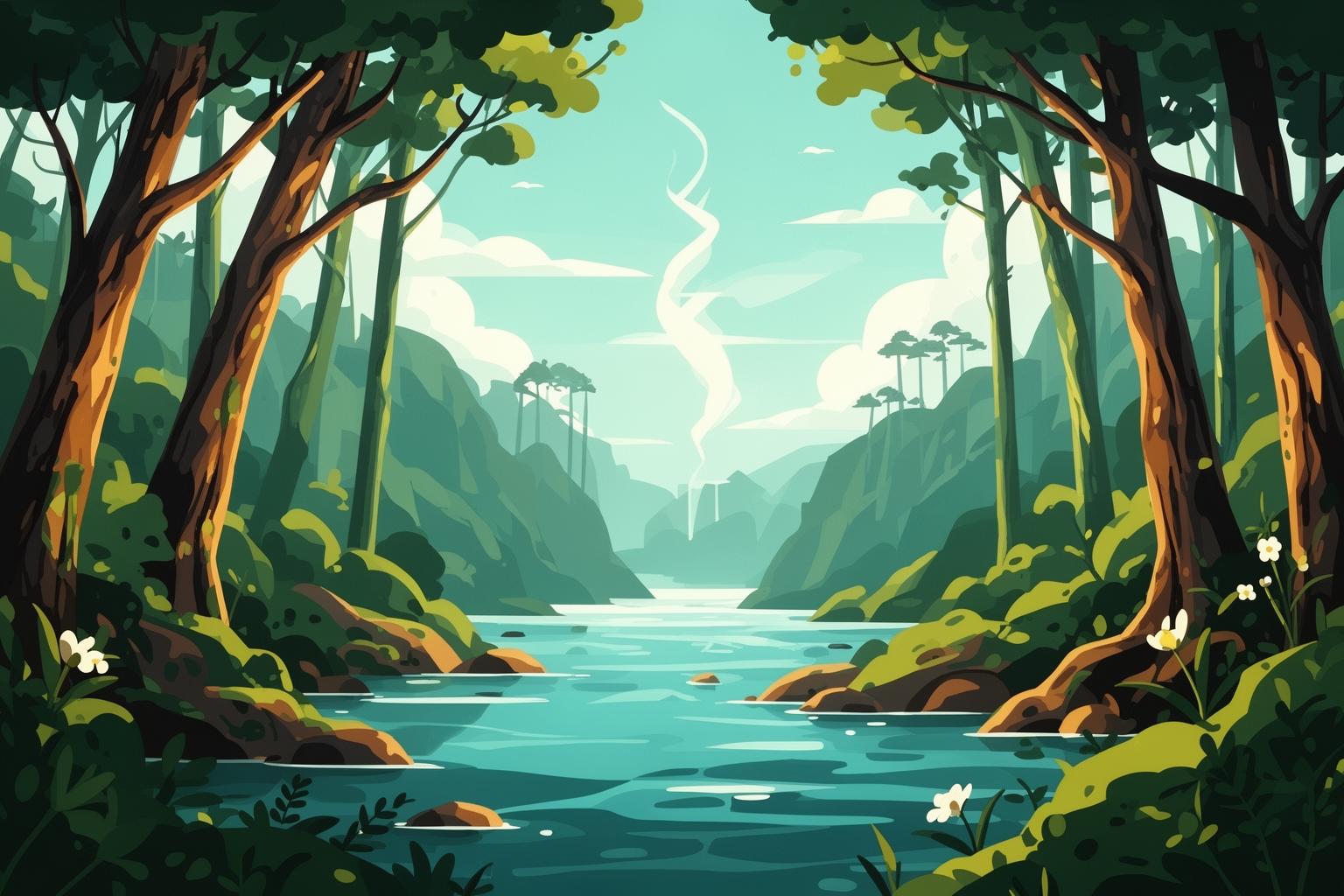
While the ancient cedar forests remain Yakushima’s main attraction, the island’s magic reaches far beyond the treeline. Yakushima is a complete, vibrant ecosystem where mountains, rivers, and ocean intertwine into a single, interconnected story of life, much like in Miyazaki’s film. To truly grasp Yakushima, you must discover its many facets, from wildlife-rich shores to thundering waterfalls. The island is renowned for its resident Yakushika deer and Yakuzaru monkeys, which are everywhere rather than hidden. The small, gentle Yakushika deer often graze calmly by roadsides, their serene nature reflecting a life with few predators. Yakuzaru monkeys, recognizable by their red faces and thick fur, can be seen grooming, foraging, and occasionally causing minor traffic jams. Witnessing their free-roaming behavior vividly illustrates the harmonious yet sometimes tense relationship between humans and animals portrayed in Princess Mononoke.
Where the Mountains Meet the Sea
Yakushima’s coastline presents a striking contrast to its dense, shadowy interior. Although the island is fringed with beautiful beaches, none are as notable as Nagata Inakahama, a breathtaking stretch of golden sand serving as the largest sea turtle nesting ground in the North Pacific. From May to August, under the cloak of night, female loggerhead and green sea turtles drag themselves ashore to lay eggs, an ancient ritual as old as the cedar trees themselves. Experiencing this event on a guided, respectful tour is deeply moving, connecting visitors to the island’s role as a cradle of new life. On the opposite side of the island, jagged granite cliffs and natural ocean hot springs dominate the coastline. Hirauchi Kaichu Onsen, a series of hot spring pools hewn from the rocky shoreline, is accessible only for a few hours daily during low tide. Soaking in these mineral-rich waters while watching waves crash against the rocks offers an authentically Yakushima experience, perfect for relaxing tired muscles after a long day of hiking.
The Abundance of Water
Yakushima is among the wettest places in Japan, with locals joking that it rains “35 days a month.” This abundant rainfall fuels the island’s crystal-clear rivers and creates some of Japan’s most spectacular waterfalls. Senpiro-no-taki and Oko-no-taki are the most famous. Senpiro-no-taki is a thunderous cascade plunging down a giant granite monolith, while Oko-no-taki, ranked among Japan’s top 100 waterfalls, allows visitors to approach its base and feel the powerful spray on their face. The island’s rivers are remarkably pure and clean, often drinkable directly from the mountain streams. Filling your water bottle at a gushing spring is a simple, refreshing act that connects you intimately to the pristine purity of Yakushima’s ecosystem.
Practical Magic: Planning Your Yakushima Expedition
Setting off on a trip to a place as wild and remote as Yakushima demands careful planning. Though its mystical atmosphere feels worlds away, reaching the island and getting around is quite manageable with the right information. The island is a valuable natural treasure, and being a prepared, responsible visitor is part of the journey.
Getting to the Island
There are two main ways to reach Yakushima. The most common route is by sea from Kagoshima Port at Kyushu’s southern tip. High-speed jetfoil ferries, such as the Toppy and Rocket, complete the trip in about two to three hours and are the fastest and most popular choice. For a slower, more budget-friendly option, a car ferry is available, taking around four hours. Alternatively, you can fly. Yakushima has a small airport with multiple daily flights from Kagoshima, plus direct connections from major cities like Fukuoka and Osaka (Itami). Flying is the quickest method but also the priciest and tends to fill up fast, especially during peak times. No matter how you travel, booking tickets well in advance is essential.
Getting Around the Island
Once you arrive, you’ll need transportation to explore. Yakushima is bigger than it appears, with main attractions spread out. Renting a car is by far the most convenient and flexible way to see the island, allowing you to explore at your own pace and reach more remote trails and coastal areas. The island features one main road that circles it, making navigation fairly simple. Be sure to reserve your rental car early. The island’s public bus system is another option, but keep in mind that services are infrequent, with only a few buses running each day. A bus pass can be more economical, but you’ll need to carefully plan your schedule around bus times. For those who prefer not to drive, hiring a local guide who provides transportation is an excellent alternative. A knowledgeable guide can manage logistics and also enhance your experience with insights into the island’s ecology, history, and folklore.
Places to Stay
Yakushima’s accommodations range from cozy, family-run guesthouses (minshuku) and hostels to comfortable hotels and luxurious resorts. The two main towns, Miyanoura Port in the north and Anbo Port in the east, have the highest concentration of lodging, restaurants, and shops. Staying in a minshuku offers a wonderful chance to experience Japanese hospitality, often including delicious home-cooked meals made with local ingredients. For those seeking more luxury, hotels like the Sankara Hotel & Spa provide a high-end experience with breathtaking ocean views. As with everything on Yakushima, it’s crucial to book your accommodation months in advance, especially if you plan to visit during Golden Week in spring, Obon in August, or the autumn foliage season.
The Spirit of the Island: A Deeper Connection
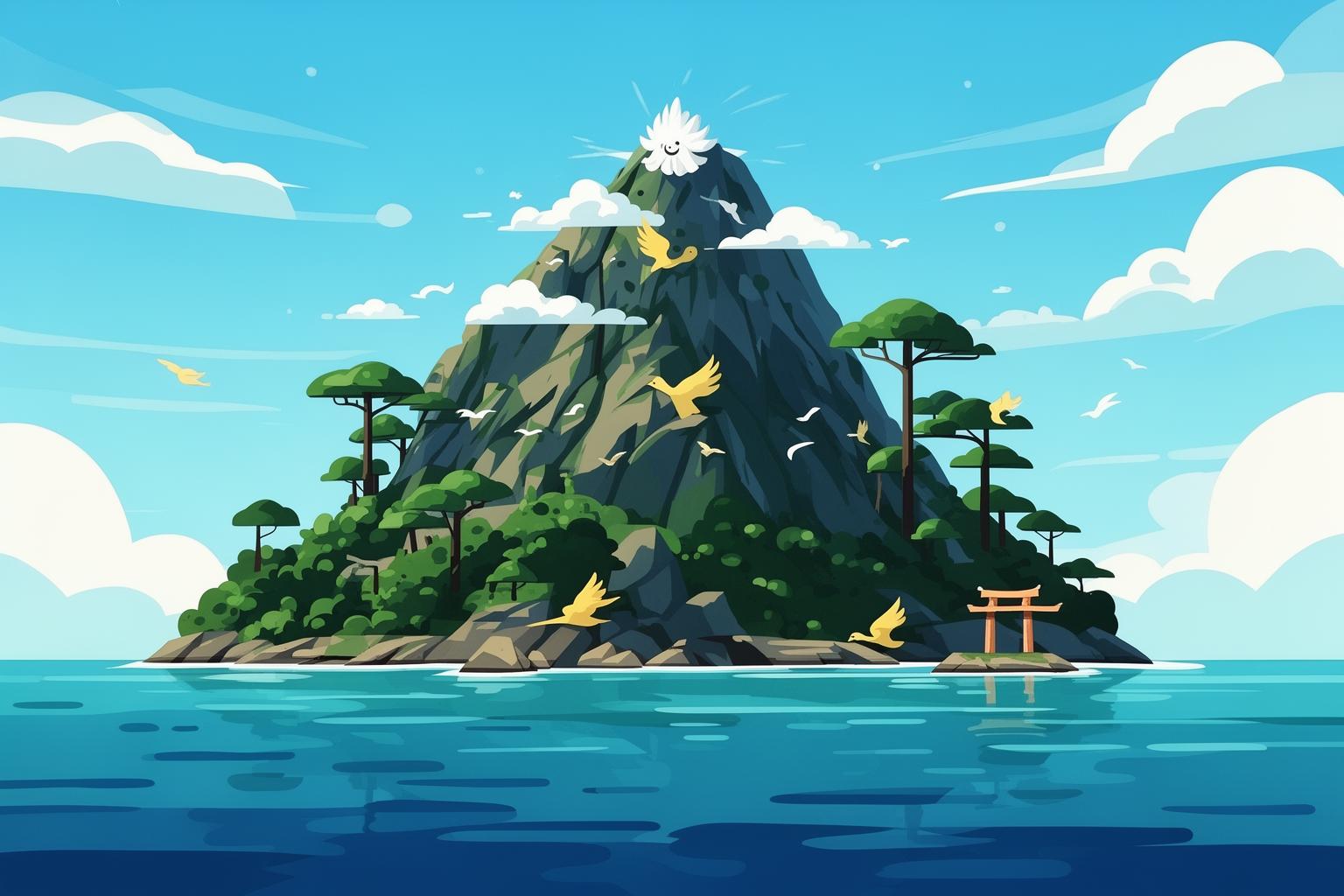
To truly appreciate Yakushima, one must recognize that Hayao Miyazaki did not create its sacredness; he simply interpreted it. Long before it was designated a UNESCO World Heritage site or became a pilgrimage destination for anime fans, this island was already revered as a powerful spiritual place, the home of the kami. The towering mountains at its core were viewed as the thrones of the gods, and the ancient trees as their vessels. This profound respect for nature is deeply embedded in the island’s culture. Entering the forest has always been accompanied by a sense of reverence and humility. This genuine spirit is what Miyazaki so masterfully captured in Princess Mononoke—the understanding that nature is not a resource to be exploited, but a living entity deserving our respect and awe.
A First-Timer’s Guide to Respectful Travel
As a visitor, you are a guest in this sacred place. Bringing a respectful attitude is the most important thing you can offer. Here are a few small actions that make a significant difference:
- Stay on the Path: The moss covering the forest floor is extremely delicate and can take decades to recover if stepped on. Remaining on designated trails and wooden walkways is crucial for its protection.
- Leave No Trace: This is a fundamental rule in any natural area, but it’s especially vital here. Take out everything you bring in, including all food wrappers and trash. The island’s waste processing capacity is limited.
- Do Not Feed the Animals: Feeding the Yakushika deer or Yakuzaru monkeys can lead to dependency on humans and disrupt their natural behaviors. Observe them respectfully from a distance.
- Use the Facilities Provided: At the entrances to popular trails, you’ll find restrooms and opportunities to make small donations for trail maintenance. This small contribution helps preserve this natural treasure.
- Embrace the Rain: Don’t be discouraged by rain. In fact, the forest becomes most mystical and atmospheric when enveloped in mist and rain. Waterproof jackets, pants, and sturdy hiking boots are essential—not optional. Prepare for rain, and you’ll experience the island in its purest form.
An Echo in Your Heart: A Gentle Farewell
Leaving Yakushima feels less like concluding a trip and more like awakening from a vivid dream. The deep green of the moss and the towering presence of ancient cedars will remain in your mind’s eye long after you’ve returned to the realm of concrete and steel. You arrive on the island seeking the world of a film, but you depart having discovered something far more real and lasting. You find a connection to a rhythm of life governed not by clocks, but by the slow, patient growth of a 7,000-year-old tree. You gain a deeper appreciation for the delicate, intricate web of life that sustains our planet. The experience goes beyond simply seeing the forest that inspired Princess Mononoke; it’s about grasping why it was so inspiring. It serves as a reminder that places of wild, untamed beauty still exist and are worth preserving. The echo of the forest gods will linger with you, a quiet whisper in your heart, urging you to remember the magic that dwells in the greenest corners of the world.