There are places on this earth that feel older than time, places where the air hums with a silent, ancient energy. You’ve felt it in cinema, in the deep, emerald heart of Hayao Miyazaki’s masterwork, Princess Mononoke. You saw it in the moss-blanketed stones, the gnarled roots of colossal trees, and the silent, watchful eyes of the kodama, the tree spirits. That forest, a character in its own right—powerful, sacred, and fiercely alive—was not purely a product of imagination. It has a real-world soul, an earthly counterpart that breathes and grows on a small, round island in the south of Japan. Welcome to Yakushima, the island that gave its spirit to a legend. This is more than a travel destination; it’s a pilgrimage to the source, a chance to walk through the very landscapes that fueled a cinematic dream. It’s a place where reality feels more magical than any animation, where every step deeper into the woods feels like a step further into the story. Prepare to have your breath taken away, not just by the beauty, but by the profound, palpable presence of nature in its most primeval form. This is your guide to stepping through the screen and into the living, breathing forest of the gods.
A journey through these timeless woods invites you to also explore the Shimonita charm in Gunma, where everyday life blends with nature’s own enchantment.
The Whispering Woods of Shiratani Unsuikyo
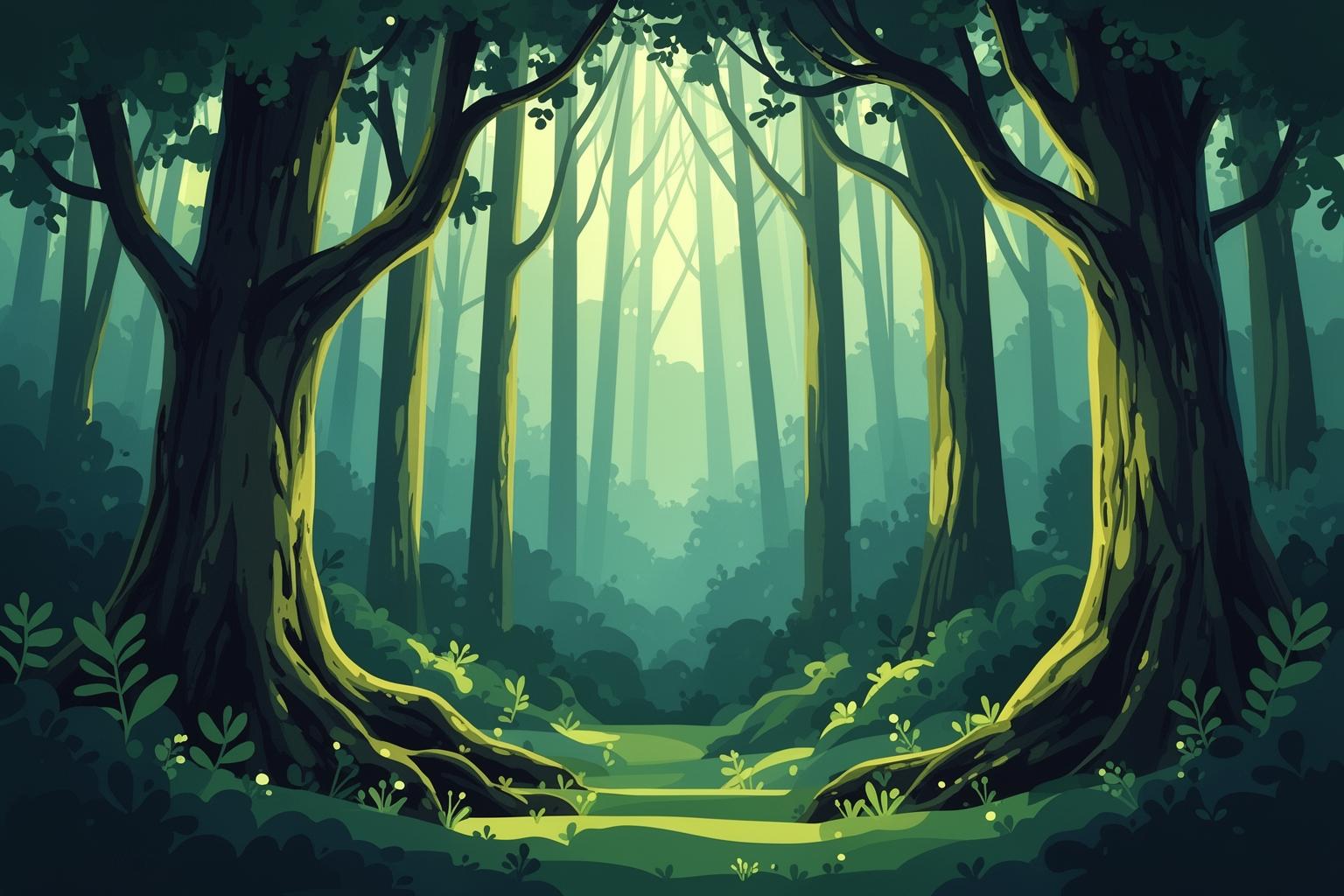
Your journey into the realm of Mononoke truly begins at Shiratani Unsuikyo Ravine. The name itself means “White Valley Cloud and Water Gorge,” offering a poetic glimpse of the ethereal ambiance ahead. From the moment you step onto the trail, the modern world fades away. It is replaced by a symphony of green, with a thousand hues ranging from celadon to deep forest emerald, covering everything in sight. The air turns cool and heavy with moisture, carrying the scent of damp earth and decaying wood—the aroma of life cycling through millennia. This is the core of the inspiration, the very place where Miyazaki and his team of artists spent hours sketching, soaking in the island’s soul. You’ll find yourself stopping often, not out of exhaustion, but from wonder. A fallen log, entirely wrapped in a thick, velvety moss carpet, becomes a bridge to another realm. A stream, its water so clear it seems to vanish over granite stones, whispers the mountain’s secrets. The silence here is profound, broken only by the drip of water from leaf to fern and the occasional call of a bird hidden high in the canopy. This isn’t a mere hike; it’s a meditative stroll through a living cathedral. You’ll cross rustic wooden bridges and follow paths that appear carved into the landscape by time itself. Here lies the famous “Moss-covered Forest,” or Kokemusu-no-mori, the place most directly credited as the model for the film’s central setting. In this glen, the twisted roots of ancient cedars, called Yakusugi, grasp mossy boulders, creating scenes so perfectly arranged and hauntingly beautiful, you expect a forest spirit to peek from behind a tree any moment. It’s an immersive, overwhelming experience that resets your sense of awe.
Finding the Film in the Foliage
For fans, walking through Shiratani Unsuikyo is like a treasure hunt. You don’t need a map to find the film’s echoes; they are everywhere. The way light filters through the dense canopy, dappling the forest floor with shifting patterns, is instantly recognizable as the home of the Shishigami, the Deer God. Large, rounded boulders blanketed in layers of moss look exactly like the sacred stones where San, the Wolf Princess, rested. The deer you will almost certainly see, the small and gentle Yaku-shika, move with the same delicate grace as Yakul, Ashitaka’s loyal red elk. Then there are the kodama. While you won’t see their heads shaking, you will sense their presence. You’ll notice it in the oddly shaped stumps and hollows of ancient trees, places perfectly suited to be their homes. The connection is so strong that local guides often carry small kodama figures to place on the moss for ideal photo opportunities, a nod to the shared magic of the place. It’s a testament to Miyazaki’s genius that he didn’t simply replicate the landscape; he translated its feeling, its spirit, onto the screen. To walk here is to understand his reverence for nature on a deeply personal level. You aren’t just visiting a movie location; you are experiencing the raw, untamable force of nature that inspired a story about the vital, often fraught relationship between humanity and the wild.
A Walk Through Time to Jomon Sugi
If Shiratani Unsuikyo represents the spirit of the forest, then Jomon Sugi is its ancient, pulsating heart. Reaching it is no casual walk; it is a genuine pilgrimage, a demanding full-day trek that requires respect and stamina. The trail, mostly following an old logging railway, leads you deeper and higher into the island’s mountainous core. The journey itself is a lesson in the island’s history—a route once used to transport the giants you now seek. The hike is long, approximately ten to twelve hours round trip, but every step is rewarding. Along the way, you’ll encounter other magnificent Yakusugi trees that have lived for over a thousand years, each with its own name and character—the Wilson Stump, a massive hollowed giant you can walk inside, and the Meoto Sugi, two cedars entwined in a centuries-old embrace. Yet nothing prepares you for the sight of Jomon Sugi itself. Discovered in the 1960s, this colossal cedar is among the oldest trees on earth. Its age is debated, with estimates ranging from 2,000 to an astonishing 7,200 years. It predates the pyramids, the Roman Empire, and most of recorded human history. Standing before it is a humbling, almost spiritual experience. Its bark is a gnarled, twisted tapestry of time, and its branches reach skyward with an otherworldly presence. It doesn’t feel like just a tree; it feels like a silent guardian, witnessing the entire story of human civilization. Visitors cannot get too close—a viewing platform protects its fragile root system—but even from a distance, its vast scale and primeval energy are overwhelming. The effort of the hike fades away, replaced by a profound connection to the deep, ancient past of our world.
Beyond the Ancient Cedars: The Island’s Dual Nature
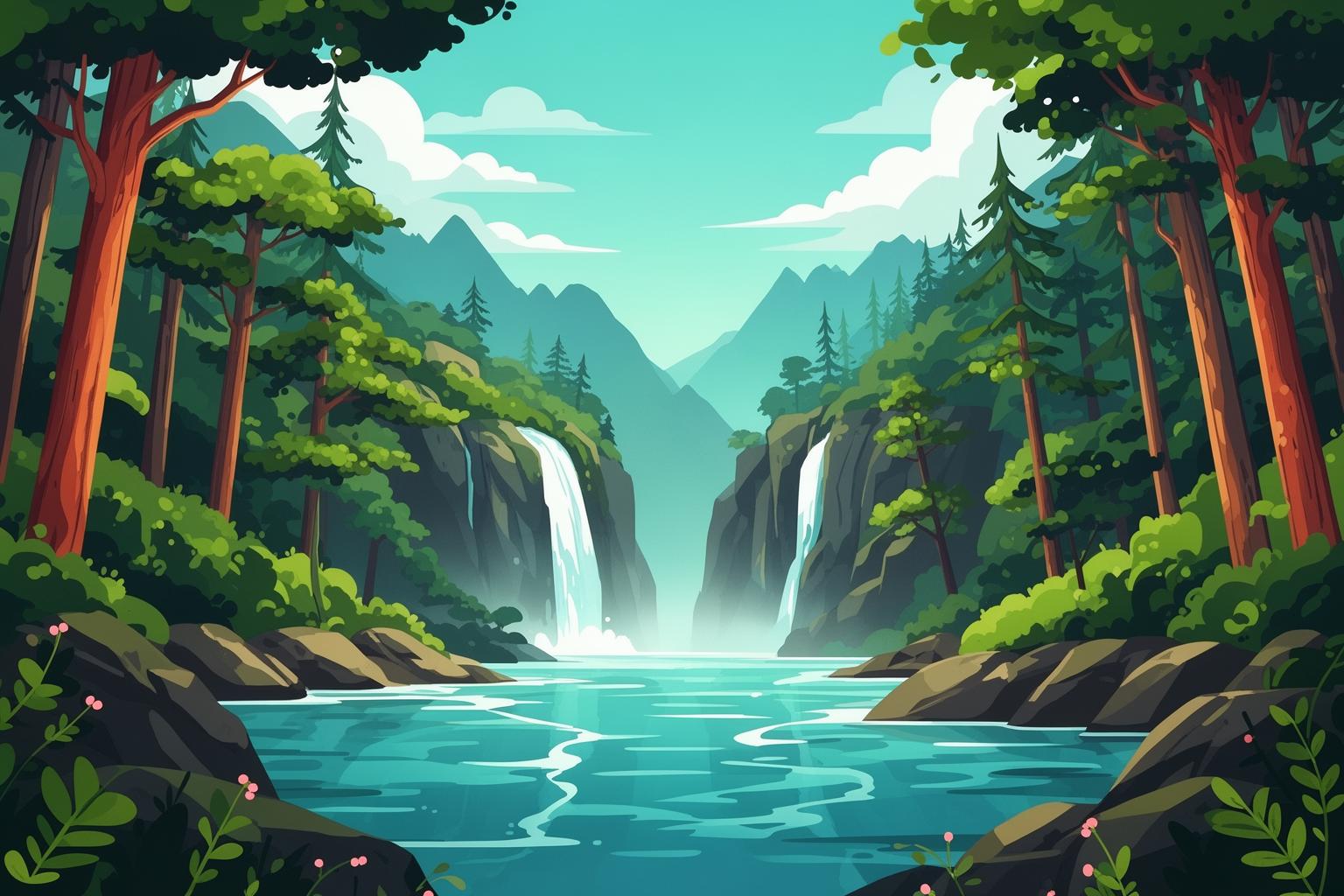
While the forests are the primary attraction, Yakushima’s enchantment stretches from its tallest peaks to its rugged coastline. This island is a miniature continent, where subtropical warmth meets subarctic cold, resulting in an extraordinary variety of ecosystems. Locals aptly refer to it as the “Alps on the ocean.” Its central mountains, including Mount Miyanoura—the highest peak in southern Japan—often wear snow caps in winter, while hibiscus flowers bloom at sea level. This striking topography gives rise to breathtaking waterfalls cascading down granite cliffs. Senpiro-no-taki and Oko-no-taki are among the most remarkable, their force and scale providing an exhilarating contrast to the peaceful forests. Traveling the coastal road, a winding, scenic loop around the island, unveils another facet of Yakushima. Here, pristine beaches appear, though the currents are generally too strong for casual swimming. Instead, these shores play a crucial role. From May to August, Nagata Inakahama beach serves as one of the most vital nesting sites for endangered loggerhead sea turtles in the North Pacific. Seeing a female turtle painstakingly drag herself onto the sand under the cover of night to lay her eggs is a life-altering experience, a poignant reminder that the island is a sanctuary for more than just ancient trees. Nestled between misty mountains and the wild sea, Yakushima provides a full natural immersion, a realm of stark contrasts and untamed splendor.
Your Quest Begins: Navigating the Yakushima Journey
Embarking on a trip to Yakushima involves a bit more planning compared to visiting a mainland city, but it is precisely this remoteness that preserves its unique charm. The journey itself becomes part of the adventure, a conscious departure from the urban world as you approach this natural sanctuary.
Passage to the Enchanted Isle
Your main gateway to Yakushima is Kagoshima, the southernmost major city on Japan’s main island, Kyushu. From there, you have two primary options: sea or air. Flying is the fastest choice, a brief forty-minute flight offering stunning aerial views of the island’s mountainous outline as you descend. Alternatively, the sea route provides a more scenic and gradual arrival. The high-speed jetfoil, known as the “Toppy” or “Rocket,” crosses the water in about two to three hours. It’s both efficient and an exhilarating experience. For those on a tighter budget, traveling with a car, or preferring a slower, more leisurely pace, the car ferry is the way to go. It takes roughly four hours, but the time spent on the open deck, watching the island draw nearer on the horizon, offers perfect mental preparation for what lies ahead. Whatever your choice, advance booking is essential, especially during peak times like Golden Week in spring or summer holidays.
The Rhythm of the Rain: Choosing Your Season
A local saying claims it rains “35 days a month” in Yakushima, which is only a slight exaggeration. The island experiences some of the highest rainfall levels on Earth, but this is not a drawback; it is the very essence that sustains the mossy forests. Rain brings vibrant greens and a mystical atmosphere. The key is to be prepared. Spring (March to May) is lovely, with cherry blossoms along the coast and rhododendrons blooming in the mountains, though the weather can be unpredictable. Summer (June to August) is hot, humid, and the peak of the rainy season, but also the time when sea turtles nest. Autumn (September to November) is often regarded as the best season to visit, with more stable weather, comfortable hiking temperatures, and stunning fall colors at higher altitudes. Winter (December to February) offers a quiet enchantment. The coasts remain mild, crowds thin out, and the high peaks are dusted with snow, creating a strikingly beautiful landscape. Just be mindful that snow can close mountain trails. Ultimately, there’s no wrong time to visit, as long as you accept the rain as an integral part of the island’s character.
Mastering the Mossy Roads
While Yakushima has a bus system, its service is infrequent and doesn’t reach all the trails and natural sites you’ll want to explore. To fully enjoy the island’s freedom and discover its hidden spots, renting a car is almost essential, especially if traveling with family or hiking equipment. The island features one main road circling the coast, with smaller roads branching off into the mountains. Driving here is an experience in itself. The roads are narrow and winding, often single-lane, requiring attentive driving. Your patience will be rewarded with breathtaking coastal vistas and unexpected wildlife encounters. It’s common to round a corner and see a family of Yaku-shika deer grazing by the roadside or a group of Yaku-zaru macaques lounging on the pavement. They are the true inhabitants of this island, and you are simply a guest in their realm. Driving slowly and respectfully is part of adapting to the island’s unhurried rhythm.
Wisdom for the Woods Walker
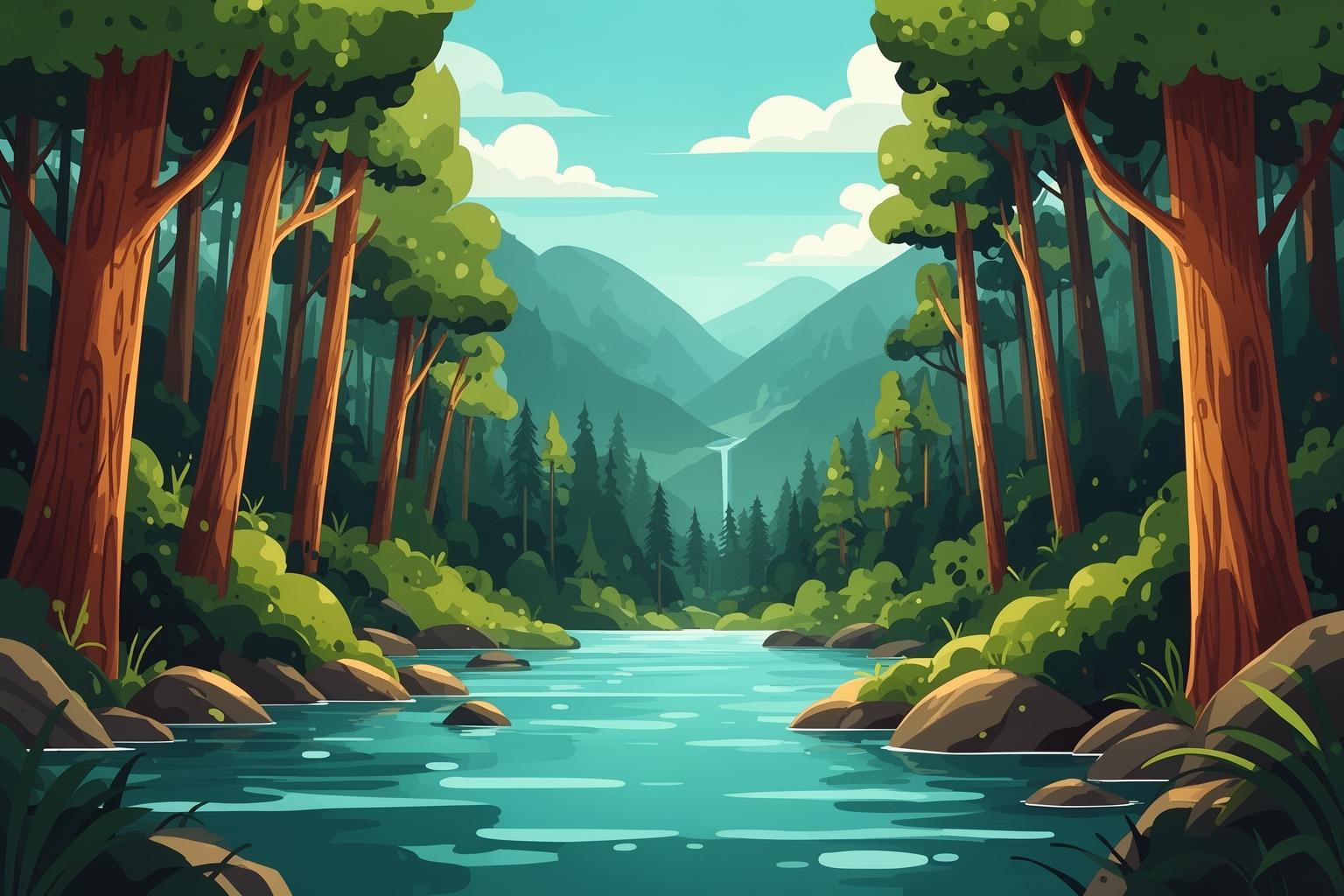
To fully benefit from your time in this wild paradise, a bit of preparation and local insight can make a significant difference. Following this advice will help ensure your trip is not only unforgettable but also safe and respectful toward the fragile environment.
Gear Up for a Different World
Proper gear isn’t just a recommendation here; it’s essential. The most crucial item is a sturdy pair of waterproof hiking boots. The trails are frequently wet, rocky, and slippery, so good footwear is vital for both safety and comfort. Next, pack rain gear. Don’t settle for just a light jacket; invest in a quality waterproof shell and rain pants. A sudden shower can drench you within minutes, and with temperatures dropping at higher elevations, staying dry is important. Dress in layers. Even on warm coastal days, it can be much cooler in the high-altitude forests. A fleece or synthetic insulated jacket is a great addition to your daypack. Lastly, bring a waterproof cover for your backpack to safeguard your electronics and spare clothes. Having the right gear lets you fully embrace the island’s unpredictable weather, turning potential discomfort into part of the magical experience.
A Bento in Paradise
One of the most beloved traditions for hikers in Yakushima is enjoying a trail-side lunch. Most trailheads are secluded, with no shops or restaurants nearby. The local solution is charmingly simple: the hiking bento. Many hotels and local bento shops in the main towns of Miyanoura and Anbo accept orders the night before a big hike. You pick up your packed lunch early in the morning, often before sunrise, and carry it with you. There is something deeply satisfying about unwrapping a delicious meal of rice balls, grilled fish, and pickled vegetables while resting on a moss-covered log in a thousand-year-old forest. It connects you to a longstanding Japanese tradition of appreciating nature and provides the perfect energy for your adventure. Be sure to pack out all your trash to keep the forest pristine.
The Silent Companions
While many shorter trails, such as those in Shiratani Unsuikyo, are well-marked and suitable for solo exploration, hiring a local guide for longer routes like the trek to Jomon Sugi can greatly enhance your experience. A good guide does more than navigate. They are enthusiastic storytellers, amateur naturalists, and safety experts combined. They’ll point out small, stunning details you might otherwise miss—a rare orchid, a unique moss, animal tracks. They share tales of the island’s history, folklore, and distinctive ecology. Practically, they manage the hike’s pace, understand weather patterns, and carry emergency gear. Their expertise and enthusiasm will enrich your appreciation of the forest while keeping your journey safe and fulfilling.
The Forest’s Lasting Echo
Leaving Yakushima feels like awakening from a vivid dream. The memory of the deep green, the sound of rain tapping on cedar leaves, and the sense of being in the presence of something ancient and powerful remain with you long after you return to the concrete world. It’s an island that transforms you. You arrive seeking the scenery of an animated film, a fantasy world brought to life. You depart with a profound understanding of the very real magic that inspired it—the enduring strength of nature, its fragility, and its absolute necessity. Yakushima is more than just a beautiful place; it’s a reminder of a wilder, older world that still exists, quietly waiting for those willing to make the journey and listen to its whispers. The forest of the gods will be there, growing and breathing, long after we are gone, a timeless echo of the world as it was meant to be.