There are moments in travel, my friends, that feel less like visiting a place and more like stepping through a veil into another world. It’s a feeling I chase across the globe, that shimmer of magic where reality feels heightened, more vivid, more alive. I found that feeling in its purest form on a remote island floating in the East China Sea, a teardrop of emerald green off the southern coast of Kyushu. This is Yakushima, an island whispered about in hushed, reverent tones, a place where the rain is said to fall for thirty-five days a month and the trees have lived for millennia. But for many of us, it’s known by another name, a name that echoes with the cry of wolves and the clash of steel against the hide of a forest god: the Forest of Princess Mononoke. This is not just a filming location; it is the very soul-stuff from which Hayao Miyazaki and the artists at Studio Ghibli crafted their epic masterpiece. It’s a pilgrimage site for lovers of animation, nature, and the deep, resonant power of storytelling. Prepare yourself, because we are about to journey into the heart of a living, breathing myth, a world of moss, mist, and memory. This guide is your map to navigating its ancient trails, understanding its sacred rhythms, and capturing the spirit of a place that time itself seems to respect. It is an invitation to walk in the footsteps of gods and ghosts, and to find a piece of that wild, untamable magic for yourself.
Embracing the mystique of Yakushima’s timeless wilds, many travelers find a resonant allure in a pilgrim’s journey that mirrors the island’s own mythic tales.
The Echo of Mononoke’s World
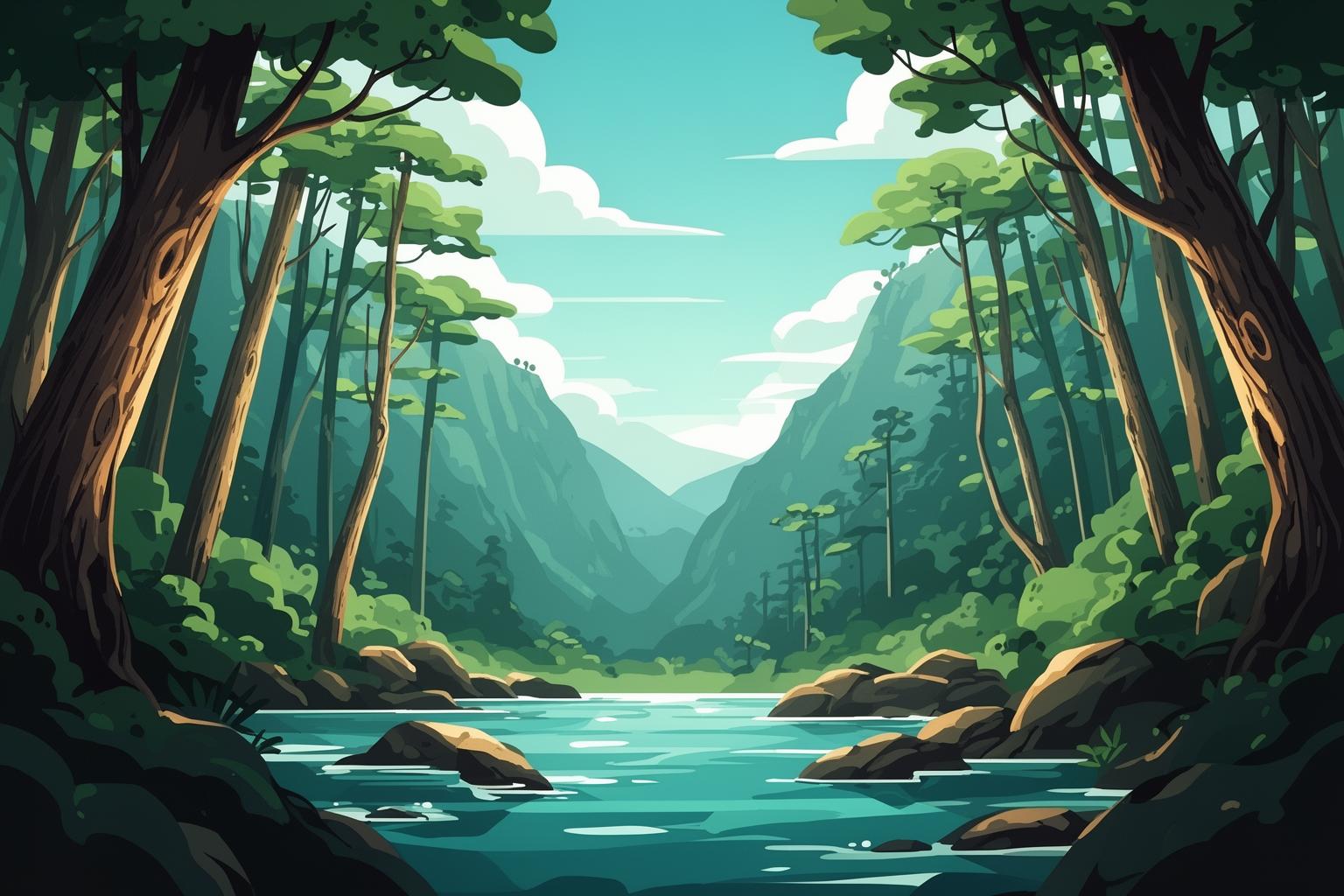
The moment you step off the ferry or plane and inhale the air of Yakushima, everything becomes clear. It’s thick, heavy with humidity and the scent of damp earth, cedar, and something else—something ancient and wild. You instantly understand why this place was chosen as the backdrop for Princess Mononoke. When Miyazaki searched for a location that captured the raw, untamed power of nature locked in an eternal struggle with humanity, he found it here. His team spent weeks trekking these very trails, sketching the gnarled roots clawing at the earth, the impossibly green moss carpeting every surface, and the colossal trees standing as silent witnesses to history. The film isn’t a literal portrayal of Yakushima but a perfect distillation of its spirit. The forest of the Deer God, with its shimmering kodama and sacred, silent pools, mirrors the island’s own mystical aura. You sense it in quiet moments on the trail, when the only sounds are water dripping from fern fronds and the rustle of a Yakushika deer in the underbrush. There’s a tangible feeling that this forest is alive, watching you. This is the heart of the film’s message: nature is not a resource but a living entity, with a soul and memory. In Yakushima, this isn’t an abstract idea; it’s a palpable reality. Walking through these woods, you feel humbled, small, a temporary visitor in a kingdom that has endured for eons. It’s an immersive experience that deepens your appreciation for the film, transforming it from a beautiful tale into a powerful, timely allegory.
Journey to the Moss Forest: Shiratani Unsuikyo Ravine
For most pilgrims on the Mononoke trail, the journey begins and ends at Shiratani Unsuikyo Ravine. This is the core of inspiration, the place where the film’s aesthetic is most intensely concentrated. The name itself translates to “White Valley Cloud and Water Gorge,” a poetic and fitting depiction of a place seemingly suspended in mist. Entering the park feels like crossing a threshold. The air cools, the light softens, and the outside world fades away, replaced by an overwhelming, all-encompassing green. This isn’t just a single shade of green; it’s a symphony of emerald, jade, moss, and lime, spread across ancient stones, fallen logs, and the trunks of towering trees. The hiking trails here guide you through this ethereal landscape, thoughtfully varied to offer experiences for casual strollers and seasoned hikers alike. You don’t need to be an athlete to experience the magic, but you do need to come prepared to be enchanted. The trails are well-maintained, with wooden pathways and steps constructed over the most delicate areas to protect this fragile ecosystem. As you venture deeper, the modern world feels like a distant memory. You become fully enveloped in a primordial realm that seems untouched by human hands, even as you walk on paths designed to welcome you.
The Path to the Ancient Gods
The most renowned trail within the ravine is the one leading to the “Moss Forest” itself, or Kokemusu-no-mori. This is the very spot said to have directly inspired Miyazaki’s vision. To reach it, you follow a path winding through groves of magnificent trees, including the Yayoisugi, a Yakusugi cedar estimated to be around 3,000 years old. Its immense size is breathtaking. The trail meanders over crystal-clear streams, crossed by charming little wooden bridges that seem plucked from a fairy tale. The air is alive with the sound of trickling water, a constant, soothing soundtrack to your adventure. Every twist and turn reveals a new vista, a new composition of rock, root, and moss that seems deliberately, artfully placed. It’s a photographer’s dream, where every angle offers a perfect shot. The true climax for many is the final ascent to Taikoiwa Rock. This is a more demanding climb, a steep scramble up a granite monolith bursting through the forest canopy. But the reward is one of the most spectacular views in all of Japan. From the summit, you are granted a god’s-eye view of the entire valley—a rolling sea of green treetops stretching toward distant mountains. It’s a moment of profound awe, a view that mirrors the film’s grand, sweeping shots, giving you a sense of the immense scale of this wild world. It is a place to sit, breathe, and simply be.
Finding the Kodama
Naturally, one cannot speak of Mononoke’s forest without mentioning the kodama, the silent, white forest spirits with their rattling heads. While you won’t find actual kodama here, the search for them becomes a delightful metaphor for the experience itself. It encourages you to slow down. To pause hiking and begin observing. To examine the texture of the moss, notice how the light filters through the leaves, and spot tiny mushrooms sprouting from a decaying log. Small kodama figurines are often left behind by other travelers, perched playfully on a root or peeking out from behind a moss curtain. Finding them feels like a shared secret, a nod among fellow pilgrims who understand the spirit of the place. It’s a reminder to engage with the forest on a micro level, appreciating the infinite complexity in the smallest details. This is where the true magic of Yakushima lies—not only in its grand vistas but in the quiet, intimate moments of connection with the ancient life surrounding you. It’s about sensing the presence of the forest’s spirit and, through that, discovering a rare sense of peace and wonder in our busy world.
In the Presence of Giants: The Yakusugi Cedars
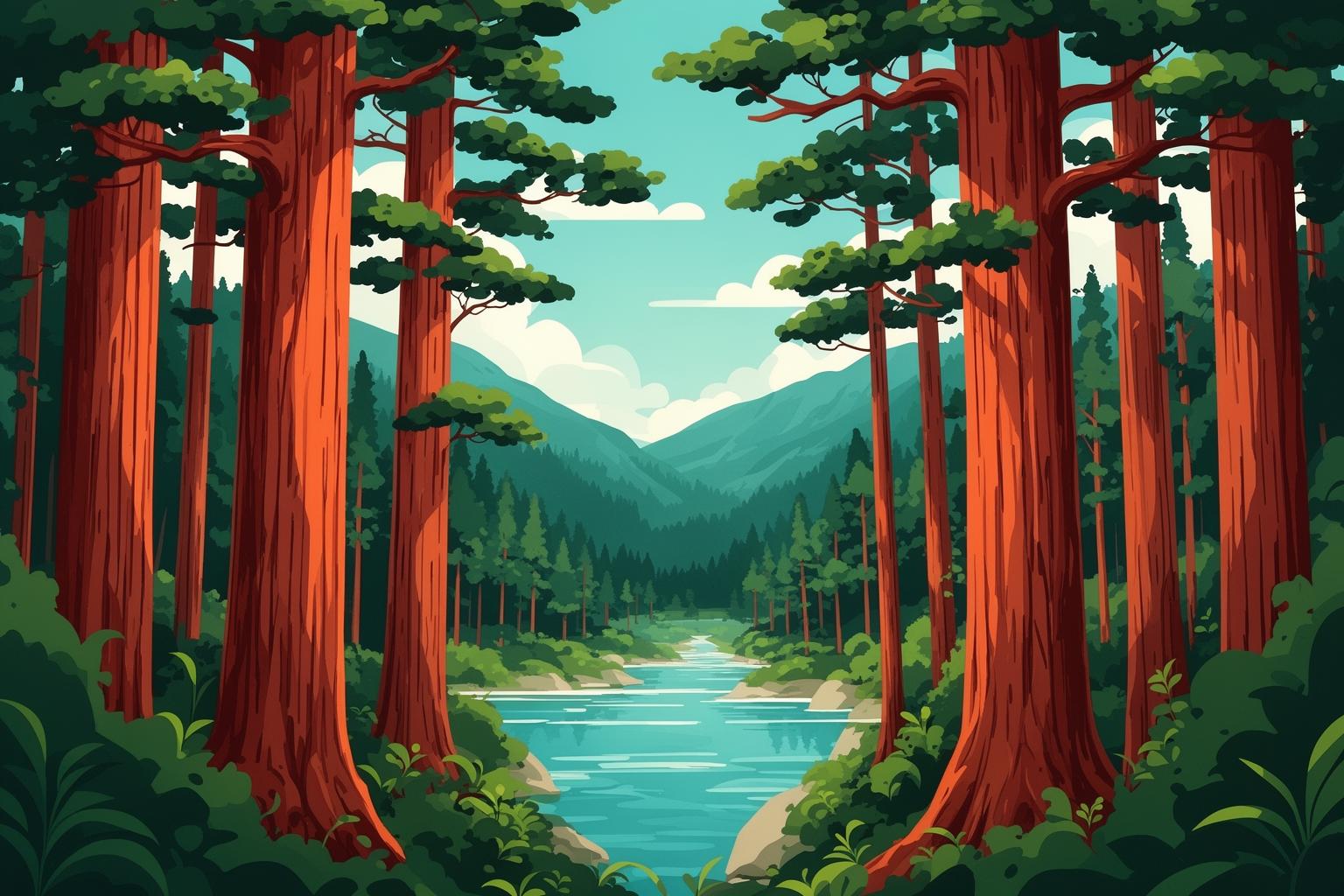
While moss often captures much of the attention, the true monarchs of Yakushima are the Yakusugi. These are Japanese cedars, or sugi, that have withstood the test of time, living for over a thousand years. Being in their presence is an undeniably humbling experience. They are far more than just trees; they are living monuments, their bark twisted and gnarled into remarkable shapes, and their enormous trunks recount tales of typhoons, lightning strikes, and centuries of slow, steady growth. Their resilience is astonishing. They flourish in the nutrient-poor soil of the island’s granite core, drawing sustenance from the persistent rain and mist. Their wood is highly resinous, which makes it resistant to rot—one of the secrets behind their longevity. The forests of Yakushima serve as a sanctuary for these ancient giants, and hiking among them feels like traversing a natural cathedral. Each tree has its own unique character, a distinct personality. Some stand straight and dignified, while others are twisted and dramatic. They command profound respect and prompt reflection on a timeline vastly exceeding a human lifespan. Visiting them is not merely a hike; it is an act of reverence.
The Majesty of Jomon Sugi
For many visitors to Yakushima, the ultimate pilgrimage is the trek to see Jomon Sugi, the oldest and largest of all the Yakusugi. Its age remains a subject of debate, with estimates ranging from 2,170 to an astounding 7,200 years old. Regardless of the precise figure, it stands as one of the oldest living entities on Earth. Reaching it is no easy task. The round-trip hike takes ten to twelve hours and demands an early start, often before dawn. The journey begins along the Anbo Forest Railway, a narrow-gauge track once used for logging, now transformed into a scenic, almost mystical path through the forest. Walking beside these tracks, with towering trees rising steeply on either side, feels like a step back in time. After several hours, the trail diverges from the tracks and turns into a steep, challenging mountain ascent. It tests your stamina, but every step is worthwhile. The forest appears older and more primeval the higher you go. Along the way, you pass other remarkable giants, including Wilson’s Stump, the enormous, hollowed-out remains of a felled cedar so vast you can walk inside it. Looking up from within, the sky forms a perfect heart-shaped opening—a beloved photo opportunity. Finally, after hours of exertion, you arrive. Jomon Sugi is so precious and its root system so delicate that visitors can only observe it from a designated platform a short distance away. Yet even from there, its presence is overwhelming. Its colossal, gnarled form is unlike anything you have ever encountered. It feels less like a tree and more like an ancient, benevolent deity. The silence surrounding it is profound, shared by the weary but awe-struck hikers who have made the journey. It is a moment of pure wonder, a connection to the deep past of our planet.
More Accessible Encounters with Antiquity
If you are not ready for the demanding Jomon Sugi hike, do not lose heart. The beauty of Yakushima lies in having its ancient marvels accessible to many. Yakusugi Land park features several well-maintained trails of varying lengths that pass by numerous magnificent cedars, including Buddhasugi and a pair of intertwined trees known as the Mother and Child Sugi. It is a wonderful choice for families or those with limited time. Even easier to reach is Kigensugi, another giant estimated to be around 3,000 years old, accessible by car. A short paved trail leads right to its base, allowing you to experience the grandeur of a Yakusugi without a strenuous climb. Additionally, Shiratani Unsuikyo Ravine hosts its own collection of ancient giants, encountered as you wander its moss-covered paths. The island ensures that anyone who makes the journey can encounter these timeless beings in their own way, regardless of fitness level. The key is simply to come, be present, and look up in awe.
Beyond the Forest: The Rhythms of Island Life
While the forests are the island’s primary attraction, Yakushima offers so much more than just its trees. To truly grasp its spirit, you need to experience the entire island—from its dramatic coastlines to the warm hospitality found in its small towns. Here, nature sets the pace of life. The culture embodies resilience, respect for the environment, and a profound connection to both land and sea. The island’s circular road guides you through its varied character, from lush subtropical lowlands to the wild, windswept west coast, where the road narrows and you may encounter freely roaming Yakushima macaques and deer. Venturing beyond the well-known hiking trails reveals a deeper, more complete portrait of this UNESCO World Heritage Site. It’s a place where life flows at a slower, more intentional pace—an inviting counterbalance to the frenzy of the modern world. The locals take pride in their island and are often eager to share stories and recommendations if you greet them with respect and a friendly smile.
The Whispering Coastlines and Waterfalls
Yakushima is an island shaped by granite and water. Its mountains capture rain-laden clouds, forming numerous rivers that carve their paths to the sea, creating some of Japan’s most breathtaking waterfalls. Senpiro-no-taki and Oko-no-taki are two of the most spectacular, tumbling down vast granite cliffs with awe-inspiring power, especially after heavy rainfall. The roar is thunderous, the mist refreshing, and the view simply mesmerizing. The coastline is just as striking and stunning. Nagata Inakahama Beach boasts a beautiful stretch of golden sand and is renowned as one of the North Pacific’s most critical nesting sites for loggerhead and green sea turtles. Between May and July, guided night tours offer a respectful chance to witness female turtles laying their eggs—a truly moving and unforgettable experience. On the southern coast, natural seaside hot springs, or onsen, fill rock pools with hot spring water at low tide, allowing visitors to soak in nature’s own spa while gazing out over the endless ocean. It is pure, simple bliss.
Sustenance and Shelter on a Sacred Island
Yakushima’s bounty extends to its cuisine. The island is famous for its tobiuo, or flying fish, often served fried to a perfect crisp, wings intact. It’s a local delicacy that’s a must-try. The island is also celebrated for its sweet and juicy tankan and ponkan oranges, providing an ideal energy boost after a long hike. For a different kind of spirit, be sure to sample the local shochu, a distilled drink frequently mixed with the island’s famously pure water. When it comes to accommodations, Yakushima offers various options. For a genuinely authentic experience, consider staying in a minshuku—a Japanese-style guesthouse where guests are treated like family and often served delicious home-cooked meals. There are also modern hotels and charming rental cottages dotted around the island. A word of advice: book everything—accommodations, rental cars, and even popular restaurants—well in advance, especially during peak season. Yakushima is remote, and its resources are limited. Planning ahead is essential for a smooth, relaxing trip, letting you fully absorb the island’s magic without worrying about logistics.
Practical Magic: Planning Your Yakushima Pilgrimage
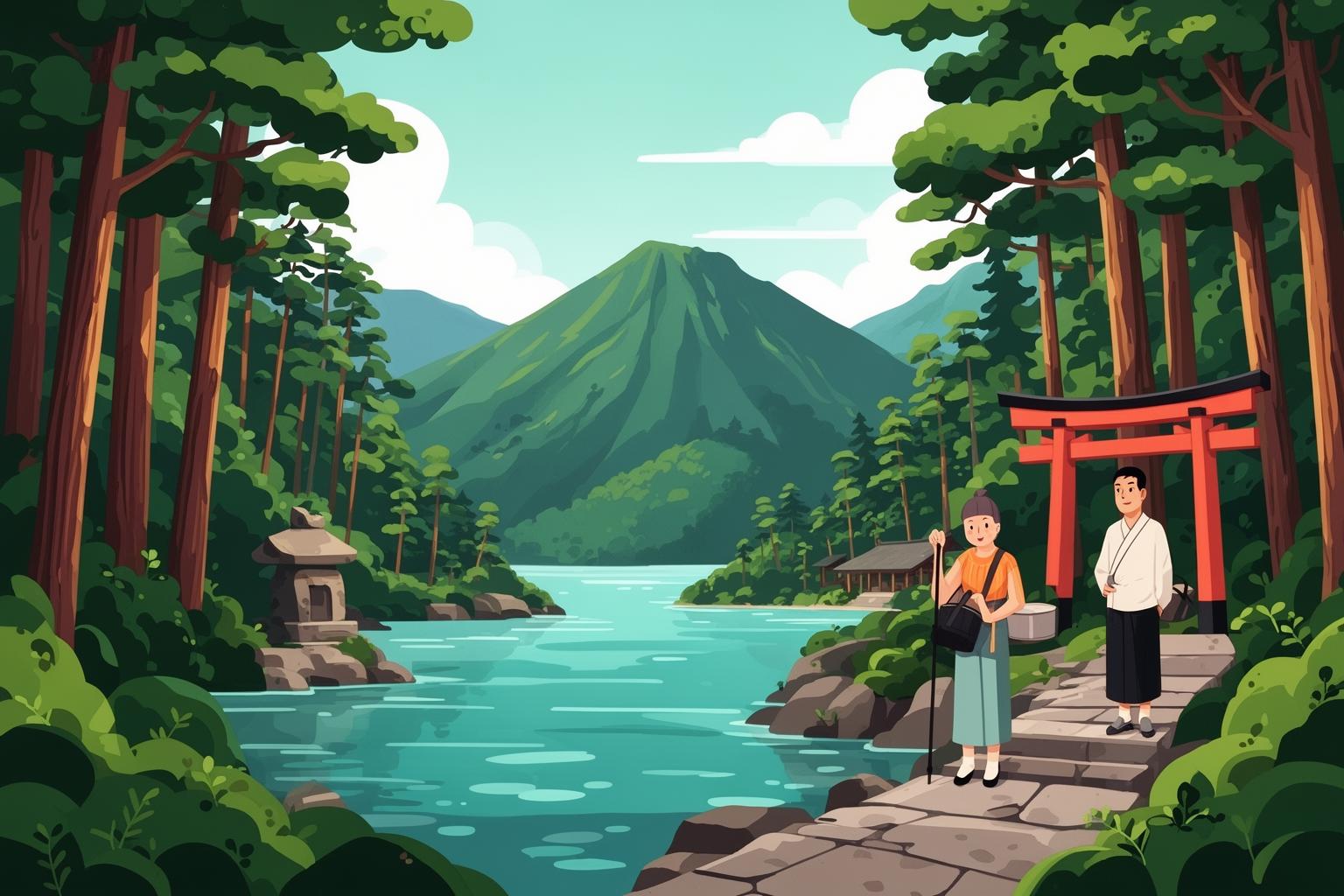
A trip to a wild and remote destination like Yakushima demands some practical planning. Getting the logistics right is the crucial first step to ensuring your adventure is as enchanting as the place itself. The island’s weather is famously unpredictable, and its terrain can prove challenging, but with proper preparation, you can navigate it with confidence and ease. Consider this not a task but the initial ritual of your journey, a way to show respect for the powerful nature you are about to face. A well-prepared traveler is a happy traveler, free to fully immerse in the experience.
Reaching the Enchanted Isle
Your trip to Yakushima will almost certainly start in Kagoshima, the southernmost major city on Japan’s Kyushu island. From there, you have two main options. The quickest is to fly. Japan Air Commuter runs multiple daily flights from Kagoshima Airport to the small Yakushima Airport. The flight is brief, just under forty minutes, offering stunning aerial views of the island as you near. The more popular and atmospheric choice is the ferry. There are two main types: the high-speed hydrofoil, called the “Toppy” or “Rocket,” which takes about two to three hours, and the slower, much cheaper car ferry, which takes about four hours. The high-speed ferry is a comfortable and efficient option for most foot passengers but can be canceled in rough seas. The car ferry is more stable and is the only option if you plan to bring a vehicle from the mainland, though renting a car on the island is usually easier. Whichever you pick, booking tickets in advance is highly advised, especially during holidays and summer months.
Navigating the Wilds
Once you arrive on the island, you’ll need to decide how to get around. While a public bus system circles the island, services can be infrequent, especially in remote areas, and schedules may be restrictive for serious hikers who want an early start. For ultimate freedom and flexibility, renting a car is by far the best choice. It lets you explore at your own pace, visit remote spots, and easily reach trailheads early in the morning. Keep in mind the roads can be narrow and winding, and you will be sharing them with local wildlife, so drive carefully. Several rental agencies operate near the main ports of Miyanoura and Anbo, and at the airport. Once again, booking your vehicle well in advance is vital, as availability can be limited. If you don’t drive, it is still possible to see the island using a combination of buses and taxis or by joining a guided tour that takes care of all transportation.
Gearing Up for the Trails
The local saying that it “rains 35 days a month” in Yakushima is only a slight exaggeration. Rain defines the island’s character; it sustains the lush, green environment you’ve come to explore. Therefore, proper gear is not optional—it’s essential. Waterproof everything is the rule. A high-quality waterproof jacket, pants, and a cover for your backpack are must-haves. Sturdy, comfortable hiking boots with good traction are also vital, as trails can be slippery and uneven. Beyond that, dress in layers. Temperature shifts quickly with elevation. Bring water, high-energy snacks, and a small first-aid kit. If you want to avoid carrying bulky gear, numerous rental shops in Miyanoura and Anbo offer everything you need — boots, rainwear, backpacks, and walking poles — at reasonable prices. Don’t underestimate the mountain; prepare well, and it will reward you with a safe and unforgettable experience.
When to Answer the Call of the Wild
Yakushima can be visited year-round, though each season brings a different experience. Spring, from March to May, is a beautiful period when the mountains burst with fresh green growth and blooming rhododendrons and cherry blossoms. The weather is generally mild, making it perfect for hiking. Autumn, from October to November, is another prime time, with cooler temperatures, clearer skies, and less rain, offering crisp days ideal for long treks. Summer, from June to August, is peak tourist season. It’s hot, very humid, and also typhoon season, which can disrupt travel plans. However, it’s also when sea turtles nest and when rivers and waterfalls are at their most powerful. Winter, from December to February, sees fewer visitors. The lowlands stay mild, but the higher mountains are snow-covered, making trails like the one to Jomon Sugi inaccessible without serious mountaineering gear. For most first-time visitors seeking the classic hiking experience, spring or autumn is the perfect time to heed the call.
A Final Word from the Forest Floor
Leaving Yakushima feels like awakening from a vivid dream. The journey back to the concrete and noise of the modern world can be startling after days spent in the profound silence of the ancient forest. Yet, the spirit of the island, the echo of its deep, green soul, remains with you. It lingers in the memory of light filtering through the canopy, the scent of damp cedar in the air, and the humbling experience of standing before a living being that existed long before the rise of empires. This place is more than just beautiful; it is a powerful teacher. It imparts lessons about resilience, time, and the delicate, intricate connection between all living things. It embodies the core message of Princess Mononoke—that we must find a way to live in harmony with our world, respecting its power and sacredness. My journey to Yakushima was a pilgrimage—not only to a filming location but to the source of an idea. I sought the world of a beloved film and discovered something even deeper: a renewed sense of wonder and a profound respect for the magic of our own planet. I hope you find it as well.