There’s a certain kind of magic that cinema can conjure, a fleeting feeling that a place on screen is too ethereal, too perfectly wild to exist in our world. For millions who watched Hayao Miyazaki’s epic, Princess Mononoke, the sprawling, primeval forest—a realm of colossal trees, grumpy boars, and silent, rattling spirits—felt like one such fantasy. It was a world brimming with a life force so potent and ancient it felt like a memory from the dawn of time. But that forest is real. It breathes. It waits. Its heart beats on a small, round island in the south of Japan, a place called Yakushima. This is not merely a filming location; it is the spiritual source code for Studio Ghibli’s masterpiece. To journey to Yakushima is to step through the screen, to walk among the very gods and demons that San and Ashitaka fought to understand. It’s a pilgrimage into a living myth, an ecosystem so old it remembers a world without us, a place where the air itself feels thick with stories. Here, the line between animation and reality dissolves into a verdant, moss-covered haze, inviting you to discover the profound, untamed soul of Japan.
Immerse yourself further in the island’s timeless magic by embarking on a mystical Yakushima forest journey that deepens your connection with its ancient spirit.
The Soul of the Island: Shiratani Unsuikyo Ravine
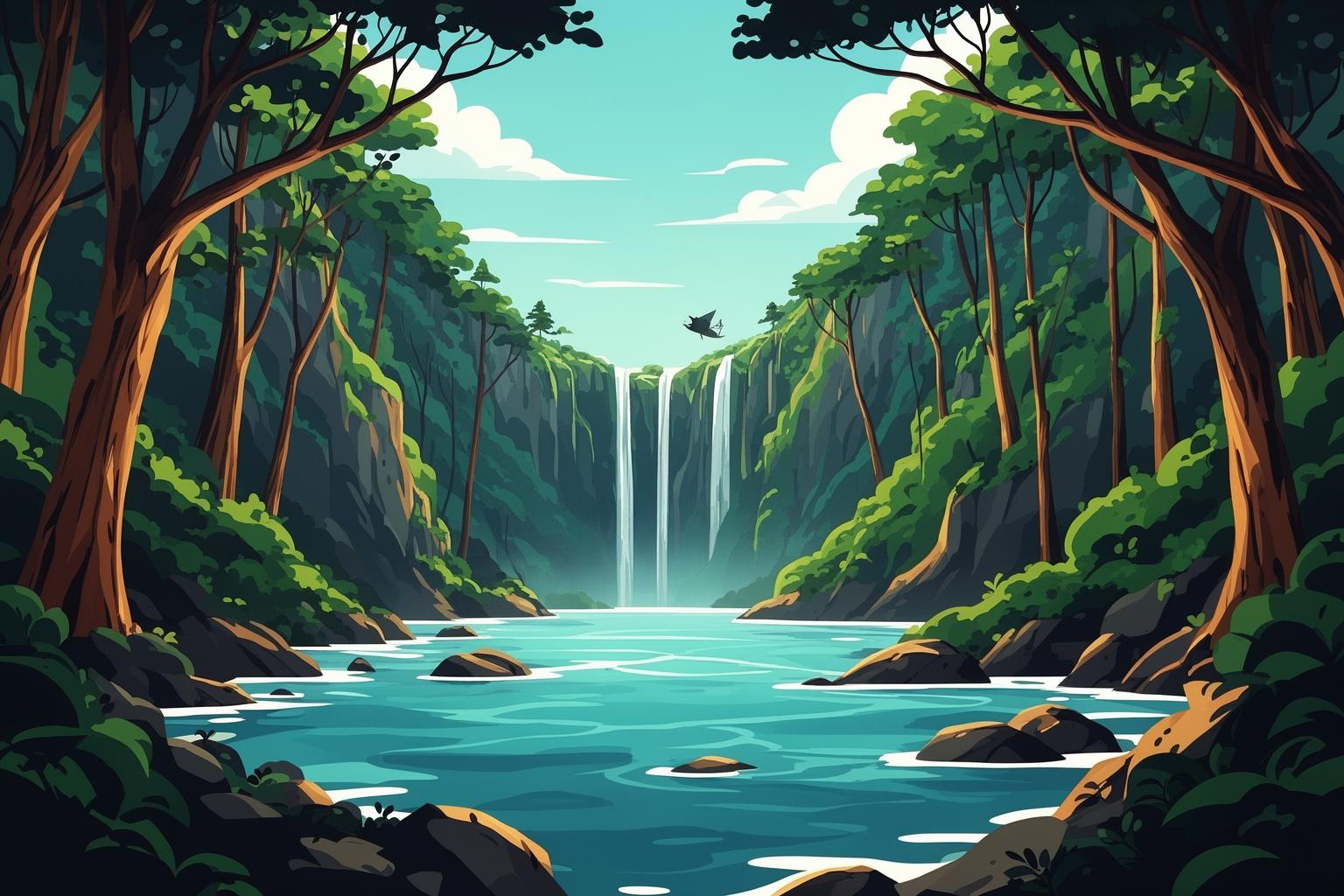
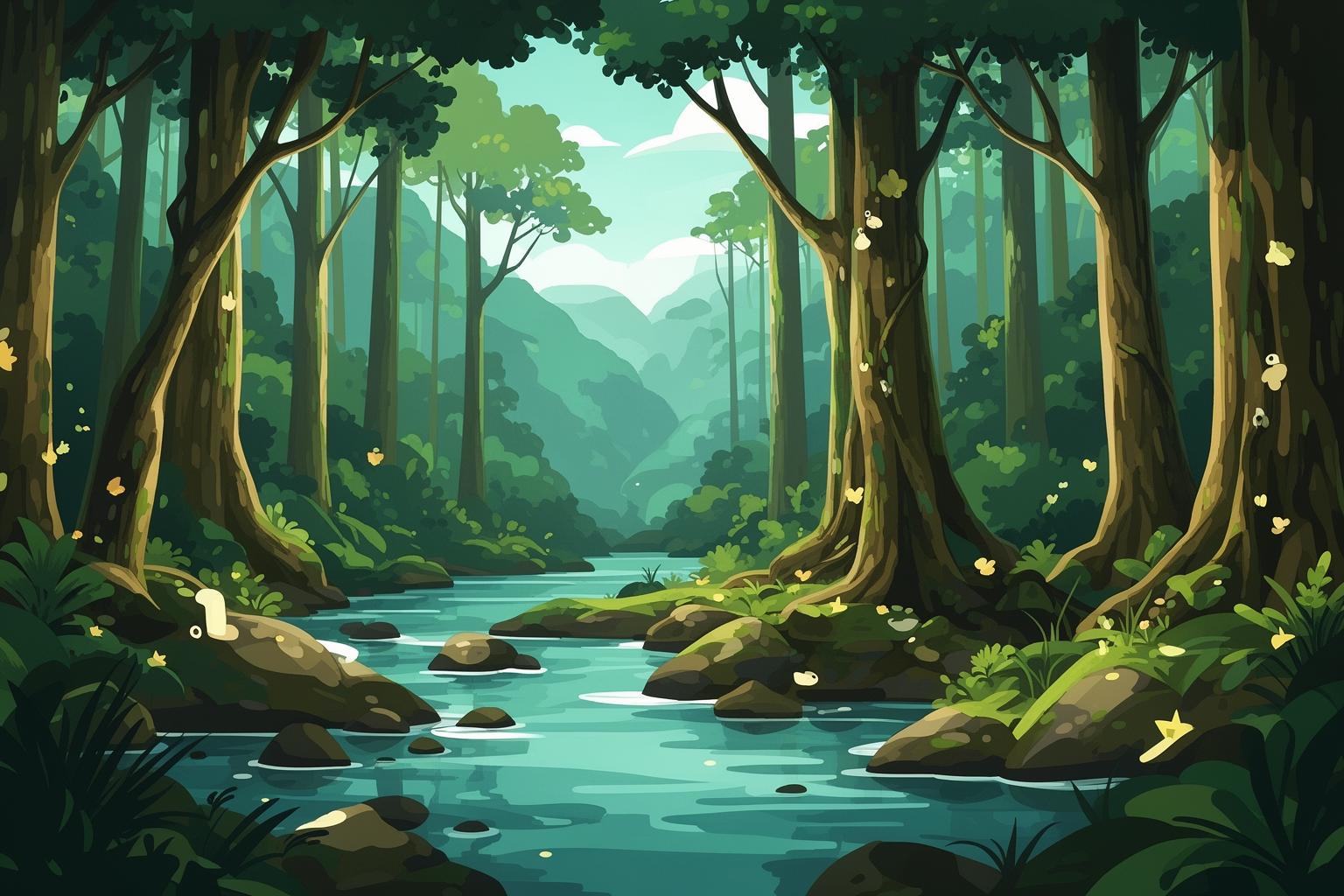
Your journey into the world of Princess Mononoke truly begins at Shiratani Unsuikyo, known as the Ravine of the White Valley Cloud and Water. This is the location that most directly inspired the film’s iconic scenery. The instant you step onto the path, the modern world fades away, muted beneath a dense canopy and a lush carpet of moss so thick and vibrant it seems to emit its own inner glow. This is the legendary “Moss Forest” (苔むす森, Koke-musu-mori), and that name barely does it justice. Every surface is cloaked in green. Moss covers twisted roots, hugs ancient granite boulders, and hangs from gnarled branches like emerald velvet. The air is cool, heavy with the scent of damp earth, cedar, and rain. The only sounds are the steady drip of water from leaf to leaf and the soft murmur of crystal-clear streams winding through the ravine. It’s a sensory immersion that calms the mind and stirs a deep sense of wonder. You find yourself walking slower, breathing deeper, your eyes scanning the emerald expanse for any glimpse of the film’s iconic Kodama—the tree spirits whose gentle, rattling heads peek out from behind ancient trunks. Here, it doesn’t feel like fantasy. It feels wholly, beautifully possible.
Echoes of the Kodama
The atmosphere within Shiratani Unsuikyo is one of sacred stillness. Light struggles to break through the dense leaf canopy, and when it does, it filters down in dramatic, hazy beams that illuminate the swirling mist and countless tiny water droplets clinging to the moss. This creates a dreamlike, almost cathedral-like ambiance. The forest feels alive, almost sentient. The trees, many of them Yakusugi cedars centuries or millennia old, are more than just wood and leaf; they are living characters. Their exposed, tangled roots resemble the sinews of sleeping giants. Their trunks, weathered and hollowed by countless storms and lightning strikes, hold the secrets of ages. You begin to understand why Miyazaki imagined a world full of spirits here. The shapes in the wood, the shadows in the mist—they toy with your eyes, hinting at movement just beyond your sight. It is a place that commands reverence, a landscape that speaks not in words but through a profound, lasting sense of peace. You’re not simply walking through a forest; you are a guest in an ancient sanctuary where the quiet presence of the Kodama feels like a tangible, welcoming energy.
Trails for Every Traveler
One of Shiratani Unsuikyo’s greatest virtues is its accessibility. It offers a variety of trails suited to different fitness levels, making it possible for everyone to experience a fragment of its magic. The main routes are well-marked and easy to navigate. A shorter, one-hour loop guides you through lovely portions of the forest and across charming bridges, providing an excellent introduction without a significant physical challenge. For those seeking a deeper immersion, the three-hour trail takes you straight to the renowned Moss Forest itself—the very place that mirrors Miyazaki’s vision. The most rewarding hike for experienced trekkers is the roughly five-hour trek to Taikoiwa Rock. This demanding but stunning trail includes a steep final ascent, with the reward of breathtaking views. You emerge from the thick forest onto a vast granite outcrop, perched high above the canopy. The panorama offers a sweeping masterpiece of Yakushima’s mountainous heartland—a seemingly endless sea of green peaks capturing the scale and grandeur of the landscapes Ashitaka journeyed through. It’s a moment of exhilarating release and perspective, the perfect culmination of your exploration deep within the forest.
In the Realm of Giants: The Jomon Sugi
If Shiratani Unsuikyo represents the soul of Princess Mononoke‘s forest, then the Jomon Sugi stands as its ancient, beating heart. This singular tree is more than just a natural marvel; it is a monument to life itself. The Jomon Sugi is a massive Yakusugi cedar, with its age shrouded in legend and scientific debate, estimated to range between 2,170 and 7,200 years old. Standing before it is to face a timescale nearly beyond comprehension. This tree was a sapling when Egypt’s pyramids were being constructed. It was already ancient during the rise and fall of the Roman Empire. It serves as a direct link to Japan’s Jomon period, from which it takes its name. Within the film’s context, this tree embodies the Forest Spirit, the Shishigami—a creature of immense age, power, and wisdom, anchoring the natural world itself. Reaching it is no casual stroll; it is a true pilgrimage, a demanding ten-to-twelve-hour round-trip hike that challenges the body while uplifting the spirit.
A Pilgrimage Through Time
The journey to Jomon Sugi begins well before dawn, a ritual undertaken daily by hundreds of hikers. The initial portion of the trek follows the Anbo Forest Railway, a narrow-gauge track still used for logging maintenance that meanders gently deep into the island’s interior. Walking these wooden planks in the pre-dawn darkness, guided only by your headlamp and accompanied by the sound of the river below, feels like stepping into another era. After several hours, the railway yields to the true mountain path: the Okabu Trail. Here, the ascent begins. You climb over massive roots, scale steep wooden staircases built to protect the forest floor, and ford rushing mountain streams. Along the way, you encounter other forest giants, including the Ni-o Sugi (Two Kings Cedar) and the Meoto Sugi (Wedded Couple Cedar). A particularly enchanting stop is Wilson’s Stump, the enormous, hollowed remains of a cedar felled centuries ago. Step inside and look up to find the opening shaped like a perfect heart—a moment of unexpected beauty and a favorite photo spot. The entire hike is a journey through time, with each step leading you deeper into a world untouched by the hectic pace of modern life. Finally, after hours of effort, you arrive. The Jomon Sugi does not appear suddenly; you view it from a specially constructed platform, set at a respectful distance to protect its delicate roots. Even from afar, its presence is overwhelming. Its bark is a gnarled, twisted tapestry of countless centuries. Its branches stretch skyward with an improbable, life-affirming vitality. It is not traditionally beautiful; rather, it is powerful, resilient, and undeniably alive. It stands as a silent testament to nature’s enduring strength—the ultimate forest god.
Beyond the Forest: The Rhythms of Yakushima Life
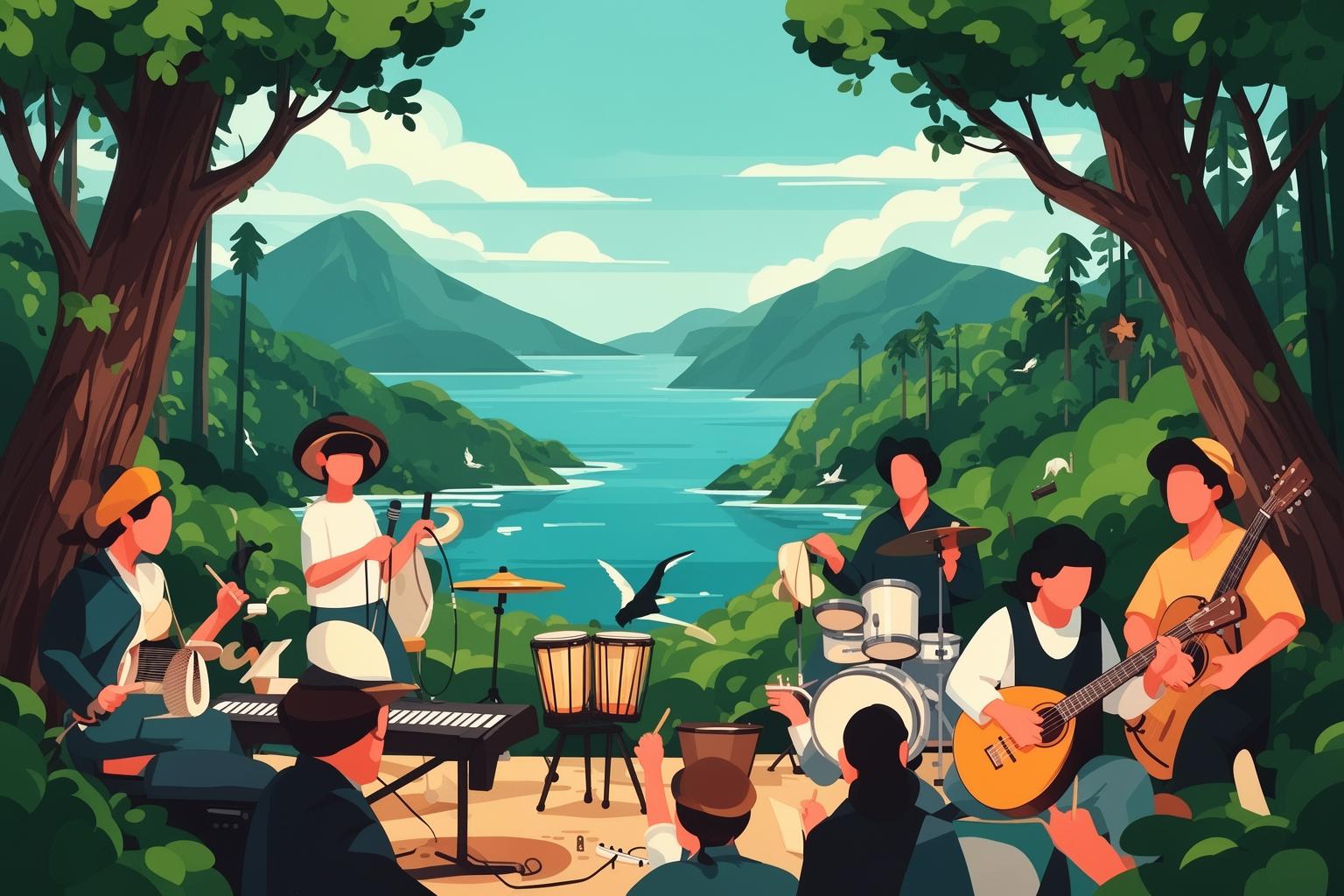
While the ancient forests remain the primary attraction, the spirit of Yakushima stretches well beyond the treeline. The island serves as a microcosm of the delicate balance between humanity and nature, a central theme in Princess Mononoke. The film’s story centers on the conflict between the forest and the human settlement of Irontown. On Yakushima, however, this relationship feels less like a battle and more like a deeply rooted, respectful coexistence. The island’s breathtaking coastline, quaint small towns, and welcoming people add another equally vital dimension to your journey. Exploring these areas offers a fuller understanding of the island, where life moves to the rhythms of the tides, seasons, and ever-present mountains.
The Whispering Coastline
Driving around the island reveals a dramatic, rugged coastline where mountains meet the sea. The beaches here aren’t the wide white sands of tropical resorts but instead are wilder, more intimate. Nagata Inakahama Beach stands out as a special highlight. This beautiful stretch of golden sand is the most important nesting site for loggerhead sea turtles in the North Pacific. From May through July, female turtles come ashore under the cover of darkness to lay their eggs, a timeless ritual linking the island to the vast ocean. Watching the hatchlings make their way to the sea in late summer is a profoundly moving experience. The coastline also features natural seaside hot springs, or onsen. At Hirauchi Kaichu Onsen, pools appear among the seaside rocks only during low tide, letting you soak in geothermally heated water while waves crash just feet away. It’s a raw, elemental encounter, an ideal way to soothe tired muscles after hiking while connecting with the island’s potent natural forces.
The Island’s Pulse: Local Towns and Culture
Yakushima’s small towns, mainly Miyanoura on the north coast and Anbo on the east, are the island’s modest yet lively centers. They are not flashy tourist spots but practical port towns where daily life unfolds calmly. Here, you’ll find cozy eateries offering local specialties. A must-try is tobiuo, or flying fish, often served fried crisp, wings and all. The island is also known for its production of shochu, a distilled Japanese spirit. You can sample distinctive varieties made with local water and sweet potatoes, a perfect complement to an evening meal. The local culture holds a profound respect for the environment. The people of Yakushima recognize that their livelihood is deeply tied to the health of the mountains and sea. This respect shines through their craftsmanship, especially in woodwork using pieces of fallen Yakusugi—trees naturally fallen and over 1,000 years old. These pieces, with dense grain and rich aroma, are crafted into beautiful, treasured items. Engaging with the local community, even over a simple meal or a chat with a shop owner, reveals the island’s human heart living in harmony with its mythical forests.
Practical Magic: Planning Your Yakushima Expedition
A trip to Yakushima requires a bit more planning than visiting a major Japanese city, but the rewards are truly priceless. The island’s wild nature is its greatest attraction, and being well-prepared ensures you can fully embrace its magic. From transportation to timing, a little advance planning goes a long way in creating the perfect journey into this ancient wilderness.
Getting There and Around
Yakushima lies about 60 kilometers south of Kyushu’s southernmost tip, Japan’s third-largest island. Kagoshima serves as the main gateway. From there, you have two primary options. The fastest is flying. Japan Air Commuter offers several daily flights from Kagoshima Airport (KOJ) to Yakushima Airport (KUM), a roughly 40-minute trip that provides breathtaking aerial views of the island as you near it. The more popular and scenic choice is by sea. High-speed ferries, nicknamed “Toppy” or “Rocket,” travel from Kagoshima Port in about two to three hours. Alternatively, there’s a slower, traditional car ferry taking around four hours, which is much cheaper and lets you bring a vehicle from the mainland. Once on the island, independence is essential.
Navigating the Island
Though a local bus service circles the island and serves major trailheads, its schedule is limited. To explore Yakushima fully and uncover its secluded spots, renting a car is strongly recommended. Several rental agencies operate near Miyanoura Port and the airport. It’s important to reserve your vehicle well in advance, especially during peak periods like Golden Week in May or the summer, as availability is often scarce. Driving on Yakushima is a delight. The single main road around most of the island is well-maintained and offers spectacular views, though the western stretch, called the Seibu Rindo Forest Path, is a narrow, winding road where you’re more likely to see native Yaku monkeys and deer than other vehicles.
When to Visit
Yakushima is often said to “rain 35 days a month.” While this is an exaggeration, it highlights the island’s very wet, subtropical climate. Rain is ever-present and essential to the island’s moss-covered landscapes, so learning to embrace it is part of the experience. Each season brings its own unique appeal. Spring (March to May) features mild temperatures and blooming rhododendrons in the highlands. Summer (June to August) is hot, humid, and the rainiest season, but it’s also when sea turtles nest and the greenery is most vibrant. Autumn (September to November) brings cooler, more stable weather, perfect for extended hikes. Winter (December to February) is the quietest time with fewer visitors and the possibility of snow capping the highest peaks, creating a tranquil, monochrome scene. No matter when you visit, proper waterproof gear is essential—it’s not optional.
Where to Stay
Accommodation on Yakushima ranges from simple, charming family-run guesthouses called minshuku to modern hotels and even luxury resorts. Staying in a minshuku provides a wonderful chance to experience Japanese hospitality, often with delicious home-cooked meals featuring local specialties. Many are located around the main towns of Miyanoura and Anbo, which offer easy access to restaurants, shops, and tour services. For those seeking solitude, more remote lodgings are scattered along the coast, offering peaceful retreats with ocean or mountain views. Like with rental cars, it’s vital to book your accommodations well ahead of time, especially if traveling during Japanese public holidays.
The Forest That Remembers
Leaving Yakushima feels like awakening from a powerful dream. The island’s influence lingers long after you’ve left, carried in the memory of the scent of rain-soaked cedar and the sensation of the deep, profound silence of the forest. It’s a place that recalibrates your sense of time and scale. To walk among trees that have stood for millennia is to be reminded of our own fleeting existence, yet this is not humbling in a negative way; rather, it is deeply grounding. Hayao Miyazaki did not merely copy the scenery of this island for Princess Mononoke. He captured its spirit—its enduring strength, fragile beauty, and silent wisdom. He transformed the island’s soul into a universal story about the essential, often challenging, relationship between humanity and the natural world. A journey to Yakushima is more than just a pilgrimage for anime fans. It is an invitation to connect with something ancient and fundamental. It is a chance to step into a real-life fairy tale, to walk in a forest that remembers the dawn of the world, and to emerge with a renewed sense of wonder for the magic that still exists within it.