
There are films that you watch, and then there are films that you feel. Makoto Shinkai’s masterpiece, Your Name (Kimi no Na wa), is a rare cinematic experience that settles deep within your heart, a vibrant tapestry of cosmic destiny, intertwined souls, and the bittersweet ache of a memory just out of reach. It’s a story that feels both magically grand and achingly human. The film’s emotional core is amplified by its breathtakingly realistic animation, where every sun-drenched cityscape and quiet neighborhood street corner is rendered with such loving detail that Tokyo itself becomes a main character. For those of us who were captivated by the journey of Taki and Mitsuha, the city whispers an invitation: come and see. Come and walk the same paths, stand in the same spots, and feel the story come alive around you. This is the magic of a seichi junrei, an anime pilgrimage, where the boundary between fiction and reality beautifully blurs. It’s a chance not just to see locations from a movie, but to step directly into its world. And our journey into the unforgettable landscapes of Your Name begins in the heart of Tokyo, in the very places where two souls, separated by time and space, searched for one another. Let this guide be your thread, connecting you to the moments that made us all fall in love with a story about a boy, a girl, and a comet.
For those eager to uncover even more layers of Japan’s cinematic allure and cultural depth, exploring Dogo Onsen offers a fascinating complement to the magical world of Your Name.
The Heart of the Story: Yotsuya and the Iconic Red Stairs
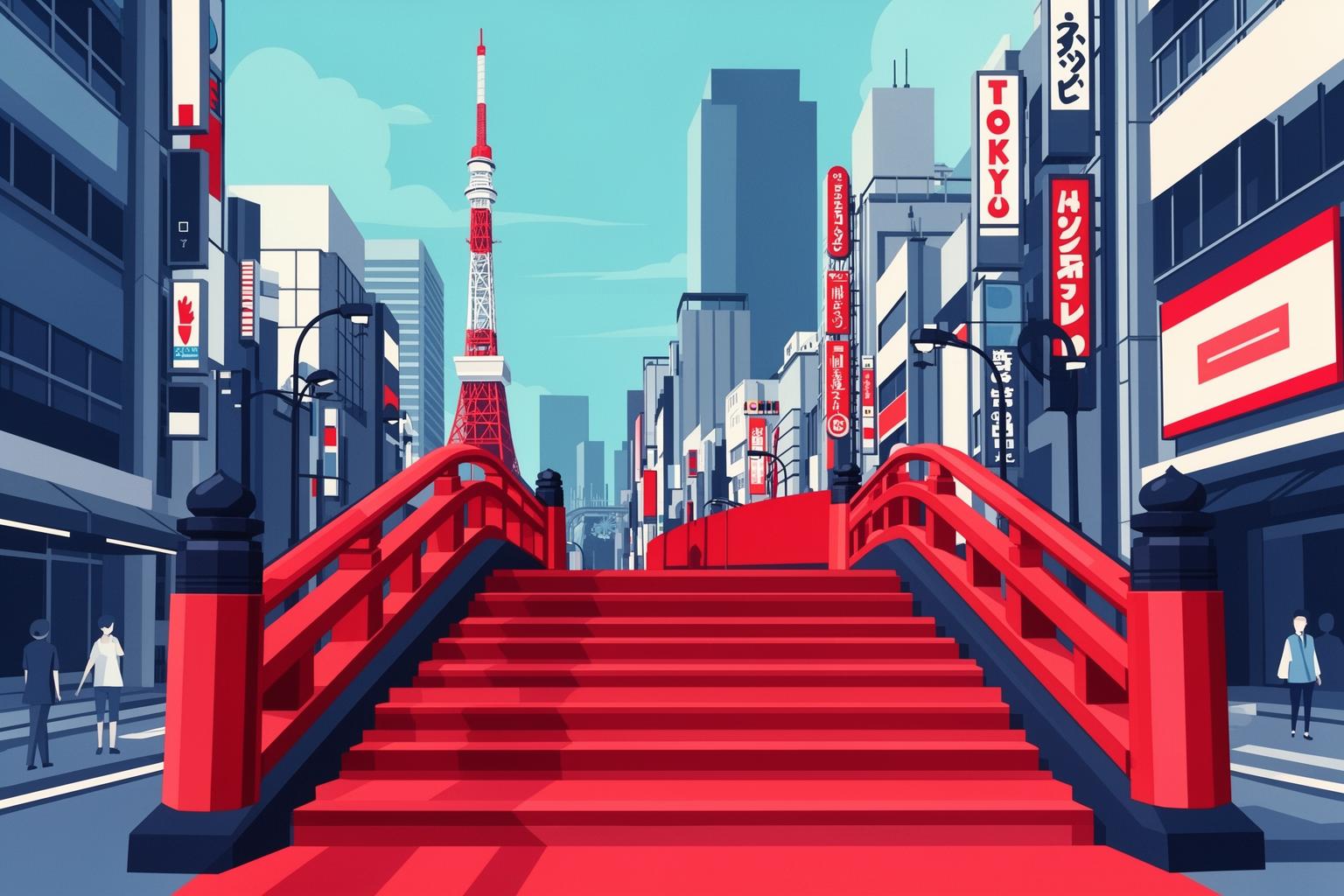
The emotional peak of Your Name, the unforgettable scene forever imprinted in the minds of its fans, does not unfold in a glittering skyscraper or at a famous landmark. Instead, it takes place on a simple flight of stairs in a quiet, modest residential neighborhood. This is the charm of the Suga Shrine steps in Yotsuya. The journey to find them adds to the experience—a gentle pilgrimage that builds anticipation with each step.
Finding the Suga Shrine Steps
Leaving behind the bustle of Yotsuya Station, you’ll find yourself wandering through narrow streets lined with charming homes and small local shops. The atmosphere here contrasts with the electric energy of central Shinjuku; it’s calm, peaceful, and deeply residential. There are no large signs to guide you, making the discovery feel all the more personal and rewarding. You might refer to a map on your phone, but your heart will be your true guide. As you turn a final corner, there it is: the gentle slope, the concrete stairs, and the iconic red handrail cutting a sharp, beautiful line against the city backdrop. The moment of recognition brings a palpable thrill, a little spark of cinematic joy. You’ve arrived.
The Atmosphere of a Fateful Encounter
Standing at the bottom looking up, the view feels surreal. It perfectly recreates the film’s final, hopeful scene. You can almost sense Taki and Mitsuha, their desperate search culminating in this breathtaking moment. Many visitors, myself included, instinctively reach for their cameras, trying to capture that perfect movie-poster shot. My advice? Pause before you do. Just stand there and absorb it. Listen to the soft rustle of leaves from the trees flanking the stairs, watch the light filtering through the buildings, and feel the unique peace that fills this place. It’s a location charged with narrative energy. For the best photos and the most peaceful experience, try visiting on a weekday morning or in the late afternoon. The golden hour light cascades down the steps, creating a soft, dreamlike glow that resonates deeply with Shinkai’s signature style.
Beyond the Frame: Exploring Suga Shrine
After your moment on the stairs, be sure to climb to the top and visit the shrine itself. Suga Shrine is a lovely, tranquil local spot—a pocket of calm offering a welcome break. It adds a layer of cultural context that enriches the pilgrimage. As a real place of worship, it provides a wonderful opportunity to observe or take part in local customs. You can purify your hands at the chozuya (water pavilion), approach the main hall, bow twice, clap twice, and silently offer a prayer or wish. It feels like a beautiful way to honor the spirit of connection celebrated in the film. You may notice locals stopping by for a quick prayer on their way home, reminding you that this cinematic icon is also woven into everyday life. Look out for the wooden ema plaques, where visitors have written their wishes, many decorated with charming drawings of Taki and Mitsuha—a testament to the film’s lasting love.
Taki’s World: The Urban Pulse of Shinjuku
If Yotsuya symbolizes the quiet, destined connection central to the story, Shinjuku represents the lively, expansive backdrop of Taki’s daily life. It’s a realm of towering skyscrapers, brilliant neon lights, and the steady, rhythmic flow of millions of people. Experiencing Taki’s Shinjuku means immersing yourself in the vast scale and energy of modern Tokyo, a city that seems to be constantly looking toward the future.
The View from Above: A Sky Full of Stars and City Lights
The stunning cityscape shots in Your Name are a visual delight, portraying Tokyo as a shimmering galaxy of lights stretching endlessly. Although the exact view from Taki’s apartment is a composite, it draws heavily from panoramic vistas at several prominent city viewpoints. The most iconic silhouette is the NTT Docomo Yoyogi Building, recognized by its distinctive clock tower. While you can’t ascend the Docomo building itself, it makes for an excellent landmark in photos taken from other observation decks. For a truly immersive experience, visit the Tokyo City View observation deck in the Roppongi Hills Mori Tower or the Tokyo Metropolitan Government Building in Shinjuku, which offers free admission. From these vantage points, you can fully appreciate the vastness of the metropolis Taki calls home.
Capturing the Urban Glow
Timing is crucial when seeking a Shinkai-like view. Plan your visit late in the afternoon, about an hour before sunset. This lets you experience the magical transition from day to night. You’ll witness the city bathed in the warm, orange glow of dusk, followed by the gradual emergence of countless pinpricks of light as the city awakens for the night. It’s a spectacle that feels directly lifted from the film. Standing there, high above the city, with the sprawling metropolis beneath you, you can’t help but feel a sense of wonder and possibility, mirroring Taki’s youthful perspective. It’s a moment of quiet contemplation amid urban grandeur, a perfect time to reflect on the film’s themes of distance and connectedness across a vast landscape.
Taki’s Part-Time Job: Cafe La Bohème Shinjuku Gyoen
One of the most stylish and memorable locations from Taki’s life is the upscale Italian restaurant where he works part-time—the setting for his date with his crush, Okudera-senpai. The real-life inspiration is Cafe La Bohème, situated near the picturesque Shinjuku Gyoen National Garden. Stepping inside feels like stepping straight onto the film set. The resemblance is remarkable and charming.
A Taste of the Movie
The restaurant’s interior is spectacular, featuring a grand high ceiling, huge arched windows that flood the space with natural light, and ornate chandeliers that cast a warm, welcoming glow in the evening. The ambiance is both elegant and relaxed. It’s the perfect spot to indulge yourself and immerse completely in the film’s world. The menu offers classic Italian dishes, from delectable pizzas to refined pasta options. I recommend making a reservation, especially for dinner or weekends, as it’s a popular destination for both locals and fans alike. Sitting at a table by the window, it’s easy to imagine Taki hurrying through the dining room, expertly balancing plates. It’s a multisensory experience that ties you to the story through taste, sight, and ambiance, making it an essential stop for any fan.
Navigating the Connections: Bridges and Pedestrian Decks

Much of Your Name centers on the threads that connect people, with Shinkai often using urban infrastructure—bridges, train lines, and walkways—as visual metaphors for these connections. Several everyday locations in and around Shinjuku Station have become iconic touchpoints for fans.
The Shinjuku Pedestrian Deck
The uniquely circular pedestrian deck near the Shinjuku Police Station is instantly recognizable from the film’s montage sequences and time-lapses. Known as the Shinjuku Eye, this structure embodies the feeling of being at the heart of a futuristic metropolis. It’s a whirlwind of activity, with traffic flowing beneath and crowds of people purposefully crossing its bridges. Standing here, especially at night when the surrounding buildings blaze with colorful lights, you feel the powerful, rhythmic pulse of Tokyo. It’s an excellent spot for photography, offering dynamic leading lines and a strong sense of the city’s scale. It captures the modern, sometimes overwhelming, environment that Taki navigates daily.
The Rhythm of the City
This isn’t a place for quiet reflection; it’s a place to experience the city’s energy. It serves as the perfect backdrop to understand the fast-paced world Taki inhabits. Nearby, you can see the famous “LOVE” sculpture by Robert Indiana, another landmark featured in the film and a popular meeting spot. It’s a small island of art and romance within the urban jungle, a theme that deeply resonates with the film’s narrative. Taking a few minutes to simply watch the city from this vantage point deepens your appreciation for the world Shinkai so masterfully portrayed.
The Footbridge at Shinanomachi Station
Just a short walk from Yotsuya is Shinanomachi Station, home to another key, though more subtle, location. The pedestrian footbridge outside the station is where Taki and his friends pause during their search for Mitsuha, and where Taki makes a pivotal phone call. This spot represents a moment of transition and determination. From this bridge, you can see train tracks stretching into the distance—a powerful symbol of journeys, both physical and emotional.
A Moment of Contemplation
Unlike the bustling Shinjuku decks, the Shinanomachi footbridge is much quieter and more reflective. Standing where Taki stood, looking out at the trains passing below, you can sense the weight of his quest. It’s a moment to pause and appreciate the quieter, more introspective scenes of the film. This bridge perfectly links the high-energy world of Shinjuku with the serene, fateful atmosphere of Yotsuya. It reminds us that even in a vast city like Tokyo, countless small, ordinary places can hold extraordinary meaning.
A Practical Itinerary and Insider Tips
To make the most of your pilgrimage, a bit of planning goes a long way. Tokyo’s public transportation is incredibly efficient, allowing you to easily hop between these locations and craft a seamless, memorable day dedicated to Your Name.
Crafting Your Perfect Your Name Day
I recommend starting your day in Shinjuku to soak up the city’s morning energy. Explore the area around the station, seek out the Shinjuku Eye, and perhaps take a leisurely stroll through Shinjuku Gyoen National Garden before heading to Cafe La Bohème for a stylish lunch. Once you’ve refueled, take a short train ride on the JR Chuo-Sobu Line just two stops to Shinanomachi. Visit the footbridge there, then enjoy a relaxed 10-15 minute walk through the quiet streets to Yotsuya. This route allows the day’s energy to gradually wind down, culminating in the emotional highlight of visiting the Suga Shrine steps during the beautiful golden hour in the late afternoon. It’s a journey that echoes the film’s own narrative rhythm.
Photography Like a Pro
As someone passionate about capturing the beauty of my travels, I believe these locations offer fantastic photographic opportunities. Here are a few tips to help you capture the film’s aesthetic.
Capturing the Mood
At the Suga Shrine steps, try shooting from a low angle looking upwards to mimic the movie poster. The red handrail is a key element, so make it your strong focal point. A wide-angle lens will help capture the entire scene. At Cafe La Bohème, focus on the details—the light from the chandeliers, reflections in the windows, and the elegant food presentation. In Shinjuku, experiment with long exposures at night to capture traffic light trails, creating a dynamic, futuristic vibe true to the film’s visual style.
What to Wear for the Gram
To create truly memorable photos, consider your outfit. In Shinjuku, a chic, modern, urban look complements the cityscape. Think clean lines and stylish outerwear. For the more traditional and serene settings of Yotsuya and Suga Shrine, softer, classic attire works beautifully. A flowing dress or smart casual outfit will look stunning against the historic backdrop and iconic steps. It’s all about crafting a harmonious story between you and the location.
Getting Around Tokyo with Ease
Traveling between these spots is straightforward. The JR Yamanote Line circles central Tokyo, while the JR Chuo-Sobu Line intersects it, connecting Shinjuku, Shinanomachi, and Yotsuya directly. Purchasing a Suica or Pasmo IC card is the easiest way to pay for fares; simply tap it on the readers at ticket gates. Google Maps is highly reliable for train schedules and platform info, making it your best friend for navigating Tokyo’s extensive and efficient rail network.
The Feeling That Lingers
A pilgrimage for Your Name goes beyond a mere sightseeing trip. It’s an emotional experience that strengthens your bond with a story that has touched countless hearts. As you wander through the lively streets of Shinjuku, you sense the vibrancy of Taki’s youth. Eating at Cafe La Bohème, you savor the flavor of his emerging dreams. And when you stand on the quiet steps of Suga Shrine, you feel the profound, silent connection central to the film. You come to appreciate how beautifully Makoto Shinkai captured Tokyo’s essence, discovering deep meaning in both its grand cityscapes and its modest neighborhood corners. Leaving your final spot and blending back into the Tokyo crowd, you might notice the world from a new perspective. Every passing train, every dusk city view, every simple staircase carries a touch more magic. You carry the story within you, not just as a memory of a film, but as part of your own journey—a reminder of the beautiful, invisible threads that bind us all.