There are places on this earth that feel older than memory, where the air itself seems to hum with a forgotten energy. Yakushima is one such place. It’s an island that breathes. Rising from the waters south of Kyushu, this granite monolith draped in a tapestry of primeval green is more than just a destination; it’s an immersion. For years, through the lens of my camera, I’ve sought out landscapes that tell a story, but nothing prepared me for the epic saga that unfolds here with every dripping fern and moss-covered stone. This is a land of giants, of cedar trees, or Yakusugi, that have silently witnessed millennia pass by. It’s a sanctuary where rain is not an inconvenience but the lifeblood of the forest, painting the entire world in a thousand shades of emerald and jade. For many travelers, particularly those whose hearts have been captured by the masterworks of Studio Ghibli, Yakushima holds a special reverence. It is the undeniable, tangible soul of Hayao Miyazaki’s epic film, Princess Mononoke. The whispering, sacred groves where forest gods once roamed are not a fantasy here; they are a living, breathing reality waiting to be explored. This journey is a pilgrimage to the heart of a cinematic dream, a chance to walk through the frames of a beloved story and feel the ancient magic that inspired it. It’s a chance to listen for the echoes of the kodama among the trees and find a piece of that wild, untamed spirit within yourself.
This photographic pilgrimage to the soul of Princess Mononoke is part of a series exploring the real-world landscapes that inspire great art, much like my journey to capture the cinematic beauty of Lake Suwa from Your Name.
The Ancient Heartbeat: Shiratani Unsuikyo Ravine
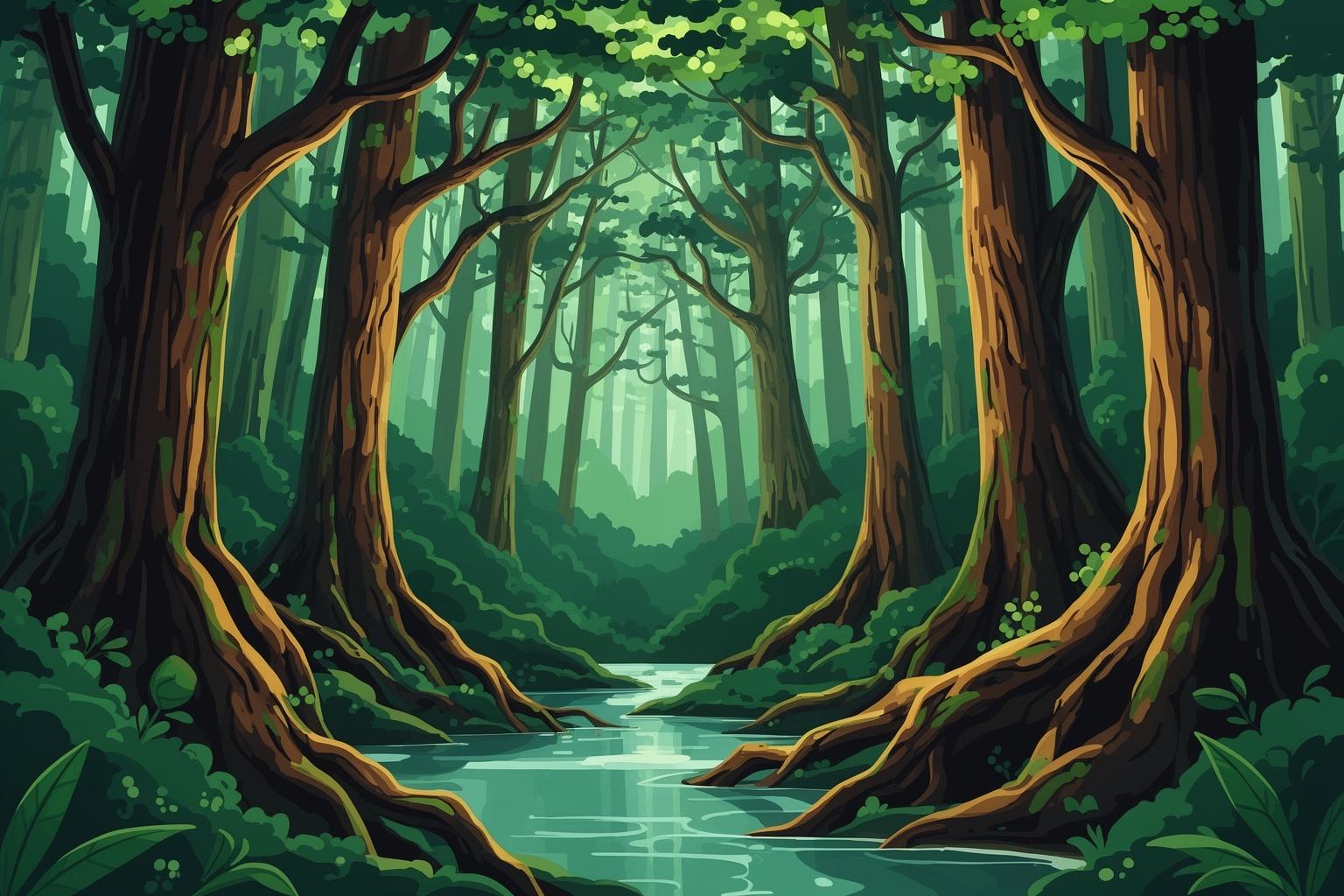
The moment you step onto the trails of Shiratani Unsuikyo Ravine, the outside world fades away. It’s an immediate transition into another realm. The air becomes cool and heavy with moisture, carrying the scent of damp earth and decaying wood—a fragrance of life and renewal. Sound is softened by the dense, velvety moss that covers everything—tree trunks, boulders, the forest floor itself. The only sounds breaking the deep silence are the rhythmic drip of water from leaf to leaf and the gentle murmur of unseen streams carving their path through the granite. This place most directly reflects the ethereal landscapes of Princess Mononoke. As you follow the winding, root-laced paths, it’s impossible not to sense the film’s presence. You half-expect to spot the small, white spirits with rattling heads, the kodama, peeking from behind a gnarled cedar root. Deep within the ravine lies a well-known clearing called “Mononoke Hime no Mori,” or Princess Mononoke’s Forest. Standing there amid ancient trees and moss-covered rocks resembling sleeping giants is profoundly moving. Light filters through the dense canopy in shifting, ethereal shafts, highlighting patches of brilliant green in the gloom. From a photographer’s viewpoint, this place is both a dream and a challenge. The low light calls for a steady hand or, more practically, a sturdy tripod. Long exposures are key, letting you capture the soft, painterly quality of the light and turn flowing streams into silky white ribbons. A polarizing filter is essential, cutting through glare on wet leaves and stones to reveal the deep, rich colors beneath. Beyond the technicalities, the true goal is to capture the place’s essence—its sacred stillness, immense age, and vibrant life force. To do this, you must slow down, attune yourself to the forest, and let its rhythms guide your compositions. There are several trails of varying lengths and difficulties—from a simple one-hour loop to more demanding half-day hikes. Whichever you choose, proper gear is crucial. Waterproof hiking boots with excellent grip are a must, as rocks and roots are constantly slick. A good rain jacket is not optional but essential, as the island’s weather can change suddenly. This is more than a walk; it’s a dialogue with an ancient ecosystem, and you must come ready to listen.
In the Presence of Giants: The Jomon Sugi
If Shiratani Unsuikyo is the soul of Yakushima, then the Jomon Sugi is its ancient, pulsating heart. Seeking this legendary tree is not a simple afternoon walk; it is a true pilgrimage—a demanding ten-to-twelve-hour trek that challenges your endurance and offers a moment of profound humility. The journey begins before dawn, with headlamps casting a solitary beam through the silent forest. Much of the hike follows the Anbo Trail, which traces an old logging railway line. Walking on these tracks, laid on wooden sleepers stretching for miles, is a meditative experience. Each step echoes the island’s more recent history, a time when these forests were viewed not as sacred, but as a source of timber. The path serves as a reminder of the balance between human industry and nature conservation that defines modern Yakushima. As you climb deeper into the mountains, the forest transforms. The air grows thinner, the temperature drops, and the trees become larger, older, and more imposing. Along the way, you pass other magnificent trees, such as the Meoto Sugi, two cedars intertwined in a centuries-long embrace, and the Dai-o Sugi, the “Great King Cedar,” which, while remarkable, acts only as a prelude here. The final stretch to the Jomon Sugi is a steep, arduous climb. Your legs will burn and your lungs will ache, but the anticipation serves as powerful motivation. Then, it appears—not with dramatic flair, but emerging from the mountain mist as more than just a tree. Standing on a small, purpose-built wooden deck designed to protect its fragile roots, you encounter a being estimated to be between 2,000 and 7,200 years old. The name “Jomon” connects it to Japan’s Neolithic period, underscoring its incredible age. It is not conventionally beautiful; its trunk is gnarled, hollowed, and weathered by countless typhoons and lightning strikes. It is a survivor. Its vast, sprawling crown seems to uphold the sky itself. In its presence, human timescales dissolve—the worries and ambitions of a single life feel insignificantly small. It offers a powerful lesson in perspective, a silent testament to resilience and the slow, relentless power of life. For this journey, hiring a local guide is highly advisable. They not only ensure your safety and pacing but also greatly enrich the experience, sharing stories of the island’s history, unique flora and fauna, and the decades-long effort to protect these arboreal giants from logging. They understand the mountain’s rhythm and will ensure you have an unforgettable experience, not just a grueling hike.
Beyond the Forest: The Rhythms of Island Life
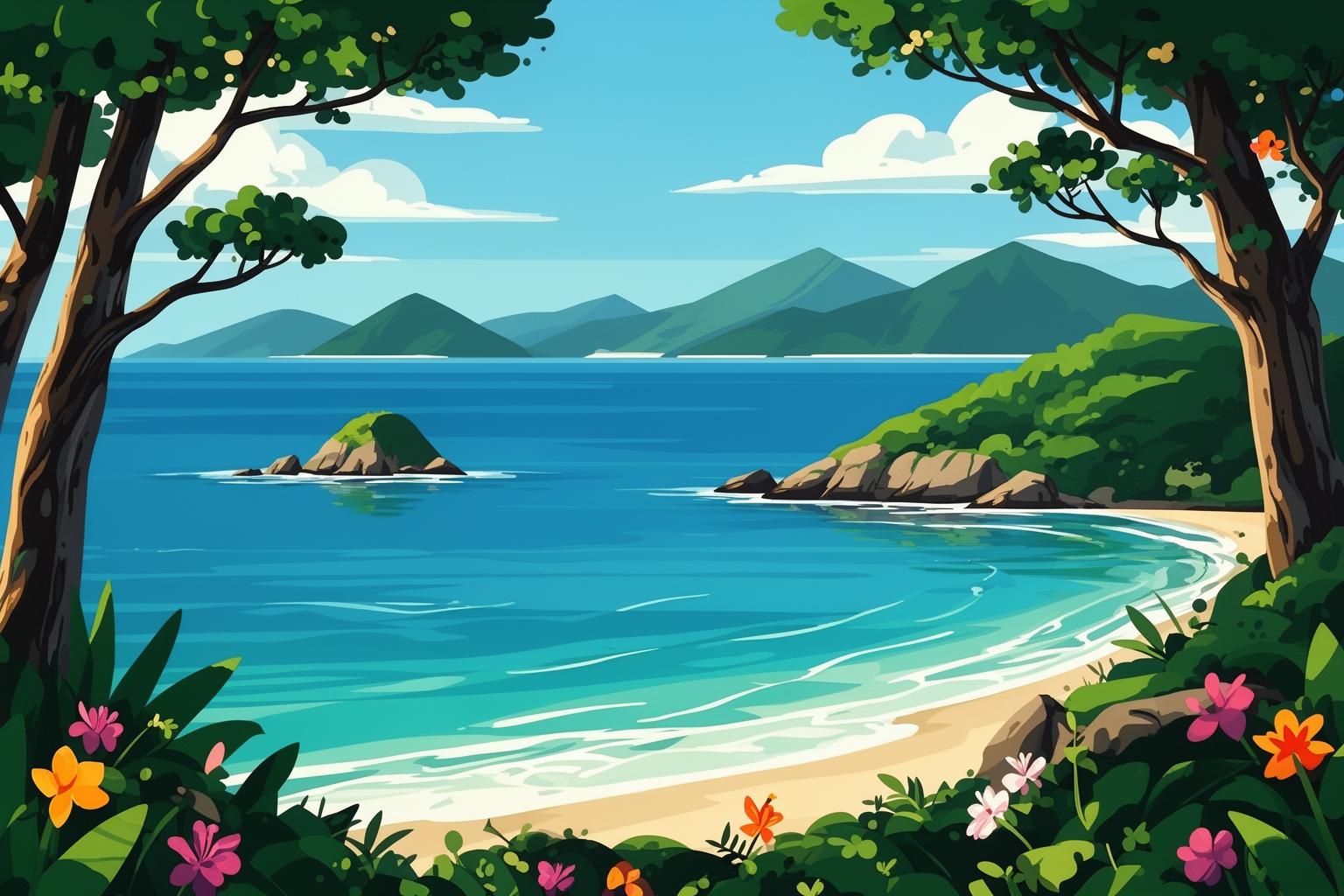
While Yakushima’s ancient forests are its primary attraction, the island’s enchantment reaches well beyond the trees. It is a vibrant, living land where culture is shaped by the rugged mountains at its heart and the vast ocean surrounding its edges. To truly grasp the essence of Yakushima, you must experience its other rhythms—the crashing waves, the soothing warmth of its springs, and the rich flavors of its natural bounty.
Where Mountains Meet the Sea
Yakushima’s coastline presents a dramatic scene of dark, weathered granite cliffs merging with the deep blue Pacific. Unlike the calm, sandy beaches typical of other subtropical islands, much of this shore is rugged and wild. Still, there are pockets of stunning beauty, none more notable than Nagata Inakahama Beach. This golden sandy stretch is one of the most crucial nesting sites for loggerhead and green sea turtles in the North Pacific. From May through August, under the cover of night, female turtles drag themselves ashore to lay eggs, partaking in a primal ritual carried out for millions of years. Witnessing this is both a privilege and a great responsibility. Local conservation groups conduct guided viewings to ensure the turtles remain undisturbed. Lights are prohibited, and voices kept low as you observe these magnificent creatures fulfilling their ancient duty. It’s a moving testament to the fragile cycles of life the island protects. By day, the ocean offers a different kind of adventure. Sea kayaking reveals breathtaking views of steep, forested mountains plunging directly into the sea. Paddling along the coast, you can discover hidden coves and waterfalls unreachable by land. The crystal-clear waters also make for excellent snorkeling and diving, with vibrant coral reefs and a diverse array of marine life waiting to be explored.
The Warmth of the Onsen
Born from volcanic activity, Japan’s love for natural hot springs, or onsen, runs deep, and Yakushima boasts some of the country’s most unique onsen experiences. Forget gleaming, tiled bathhouses—here, the onsen are as wild and untamed as the island itself. The best known are the Hirauchi Kaichu Onsen, natural pools formed among seaside rocks. The catch? They are accessible only during low tide for a few hours each day. Soaking in these volcanically heated pools, with the Pacific waves crashing mere feet away, is unforgettable. You are literally bathing in the ocean, warmed by the Earth’s core. This rustic, co-ed experience has no changing rooms, requiring a spirit of adventure and an openness to local customs. Another treasure is Onoma Onsen, a more conventional facility with outdoor baths offering breathtaking ocean views. Immersing yourself in the restorative, slightly sulfuric water after a day of hiking—feeling your muscles relax as the sunset colors the sky—is the perfect way to end a day of discovery. It’s a moment of pure bliss and a profound connection to the geothermal energy flowing just beneath the island’s surface.
The Taste of the Island
Yakushima’s fertile volcanic soil and abundant rainfall that nourish its lush forests also create a unique and flavorful local cuisine. The island’s signature dish is tobiuo, or flying fish. You may even spot them leaping from the water during the ferry ride over, and they appear on nearly every menu, often deep-fried whole, fins and all, crisp and ready to eat. The fish is surprisingly delicate and delicious. The island is also renowned for its citrus fruits, especially the sweet and juicy tankan and ponkan oranges. In season, you can purchase them from unmanned roadside stalls operating on a simple honor system. They are also made into delightful juices, jams, and sweets. For another taste of the island’s spirit, visit one of its small shochu distilleries. Mitake is a well-known brand of shochu crafted from sweet potatoes and the island’s famously pure water. Touring and tasting provide an excellent insight into a valued local craft, and a bottle makes an ideal souvenir to remember the warm spirit of the island community.
A Photographer’s Guide to Capturing Yakushima’s Soul
Photographing Yakushima requires an attitude of surrender. You don’t control the landscape here; you work in harmony with it. The island’s famously unpredictable weather, often humorously said to rain “35 days a month,” isn’t a hindrance but rather your most valuable creative ally. It’s the rain, mist, and fog that give the forests their mystical, otherworldly atmosphere. My method is to welcome the elements rather than resist them.
Mastering the Light and Mist
The best light in Yakushima is usually the softest. Overcast days are a gift, offering a vast, diffused light source that enriches the mossy greens and eliminates harsh shadows. When mist envelops the forest, the trees become layered silhouettes, producing a deep sense of mystery and dimension. This is the ideal moment to isolate subjects—a solitary ancient cedar, a moss-covered stone lantern, or a winding path fading into the fog. A tripod is essential, enabling long exposures to capture light in the shadowy undergrowth and to transform flowing water into a dreamy blur. Be sure to protect your gear: a reliable rain cover for your camera and bag is indispensable, and keeping microfiber cloths handy to wipe lenses from constant humidity will preserve many shots.
The Macro and the Grandiose
Yakushima constantly challenges your sense of scale. One moment, you’ll reach for a wide-angle lens to capture the vast presence of a millennia-old tree and its place within the forest. The next, switch to a macro lens to explore the tiny world at your feet. The island’s mosses themselves are a subject, with hundreds of species creating complex textured landscapes on every surface. Notice dewdrops clinging to ferns, delicate mushroom gills, or the intricate patterns etched into cedar bark. Yakushima’s story is told through both its grandeur and its smallest details. Capturing both is essential to revealing the full richness of its character.
Finding the Unseen Yakushima
Though Shiratani Unsuikyo and the Jomon Sugi trail are deservedly famous, they can be crowded. To discover your own singular vision of the island, venture onto quieter trails. Yakusugi Land features a network of well-maintained boardwalks through another magnificent old-growth forest area and is often far less busy than Shiratani. For a genuinely wild experience, explore Seibu Rindo, a narrow, winding forest road along the island’s west coast. This part of the World Heritage site remains largely undeveloped and offers the best chances to observe native Yakushika deer and Yakuzaru monkeys in their natural environment. Photographing these animals as they move through their fog-laden ancient home is a uniquely magical experience, linking the wildlife to the enchanted landscape they inhabit.
Planning Your Pilgrimage: Logistics and Wisdom
Setting out on a journey to a place as wild and remote as Yakushima calls for careful preparation. Getting the logistics right will allow you to fully immerse yourself in the experience once you arrive. A bit of planning goes a long way toward ensuring your adventure is smooth and unforgettable.
Getting There and Getting Around
Your trip to Yakushima will almost certainly start in Kagoshima, the southernmost major city on Japan’s main island of Kyushu. From there, you have two main options. The fastest is the high-speed hydrofoil ferry, often called the “toppy” or “rocket,” which completes the trip in about two to three hours. It’s efficient and comfortable but also the more costly choice. For a more relaxed and budget-friendly alternative, the car ferry takes about four hours and offers open decks where you can stand outside, watch for flying fish, and feel the sea breeze as the island slowly appears on the horizon. Alternatively, you can fly directly to Yakushima Airport (KUM) from Kagoshima, Fukuoka, or Osaka. Once on the island, renting a car is the most practical way to get around. Yakushima is larger than it looks on a map, and while public transportation is reliable, it can be infrequent and may not reach all the trailheads and remote spots you want to visit. Having a car gives you the freedom to follow the light, stop at scenic viewpoints, and maintain your own schedule, which is vital for early morning starts on long hikes.
When to Visit
Yakushima is visitable year-round, but each season brings a distinct character. Spring (March to May) is a popular period, with mild temperatures, blooming mountain rhododendrons, and forests bursting with fresh, vibrant green. Summer (June to August) begins with a heavy rainy season in June, followed by hot, humid weather. This is peak season for sea turtle nesting but also the busiest time, especially during Japanese school holidays. Autumn (September to November) is arguably the best season for serious hiking. Temperatures cool down, skies often clear, and humidity drops. However, typhoon season falls in this period, so it’s wise to keep some flexibility in your itinerary. Winter (December to February) sees the fewest visitors. It can be cold, and the highest mountain peaks will have snow, requiring specialized gear for high-altitude treks. But for those seeking solitude, the crisp air and quiet trails of winter provide a unique and peaceful experience.
Where to Stay
The island offers a wide variety of accommodations to fit any travel style. The main port towns of Miyanoura and Anbo host the highest concentration of options, from hotels and traditional minshuku (family-run guesthouses) to budget-friendly hostels. Staying in a minshuku is a fantastic way to enjoy local hospitality; hosts often prepare incredible multi-course meals featuring local ingredients, giving you a delicious and authentic taste of island life. For those seeking greater seclusion, rental cottages and boutique hotels are scattered along the coast, offering tranquility and stunning ocean or mountain views. Splitting your stay between two different areas on the island can be a smart move to reduce driving time and experience its various facets.
A Note on Respect
When visiting Yakushima, you are a guest in a fragile, precious ecosystem. It is a UNESCO World Heritage site for good reason, and its preservation depends on the actions of every visitor. Follow Leave No Trace principles rigorously. Pack out everything you bring in, including all food waste. Stay on designated trails to protect the delicate moss and plant life beneath your feet. The root systems of the ancient cedars are especially vulnerable, so never climb on them. Use the designated toilet facilities along the trails; they help protect the island’s pristine water sources. Finally, remember this is home to a vibrant local community. Drive slowly and carefully on narrow roads, respect local customs, and support local businesses. By visiting with reverence and care, you become part of the island’s long tradition of preservation.
The Echoes You Carry Home
Leaving Yakushima is unlike departing from any other place. A part of its profound, verdant silence stays with you. You catch yourself reflecting on the steadfast endurance of the Jomon Sugi, the silent resilience of the moss, and the cleansing power of the rain. This island shifts your perspective, reminding you of a world that moves on a timescale far grander than ours—a world defined by deep, slow, and powerful rhythms. To have walked in Ashitaka’s footsteps and to have sensed the presence of the forest spirit is to carry a fragment of that cinematic magic made real. Yet the true gift of Yakushima extends beyond witnessing the inspiration behind a film. It lies in the reconnection to something wild, ancient, and essential within the natural world—and thereby, within ourselves. You arrive seeking the forest from a movie, and you leave having discovered a forest that will live inside you forever. Listen closely, even now—you can still hear its whispers.