There’s a certain kind of magic that lives not on a screen, but in the dappled sunlight filtering through leaves, in the gentle curve of a wrought-iron railing, and in the quiet hum of imagination at work. For millions around the globe, this magic has a name: Studio Ghibli. To step into a Hayao Miyazaki film is to be transported to a world where nature is alive, flight is freedom, and the most ordinary moments hold extraordinary power. But what if you could physically walk into that world? In a quiet corner of western Tokyo, nestled within the verdant embrace of Mitaka’s Inokashira Park, you can. The Ghibli Museum isn’t just a building that houses art; it is a piece of art itself, a three-dimensional storybook crafted with the same love, eccentricity, and profound attention to detail as the animated masterpieces it celebrates. This is more than a destination for anime fans; it’s a pilgrimage site for dreamers, a place designed not to be observed, but to be discovered. It’s a whimsical, labyrinthine testament to the belief that the process of creation is just as magical as the final product. Here, the invitation is simple and profound: “Let’s get lost, together.”
If you’re captivated by the idea of visiting places that inspired beloved stories, you might also enjoy exploring the real-world inspirations behind Studio Ghibli’s enchanting forests.
The Architecture of Dreams: A Museum Built by Storytellers
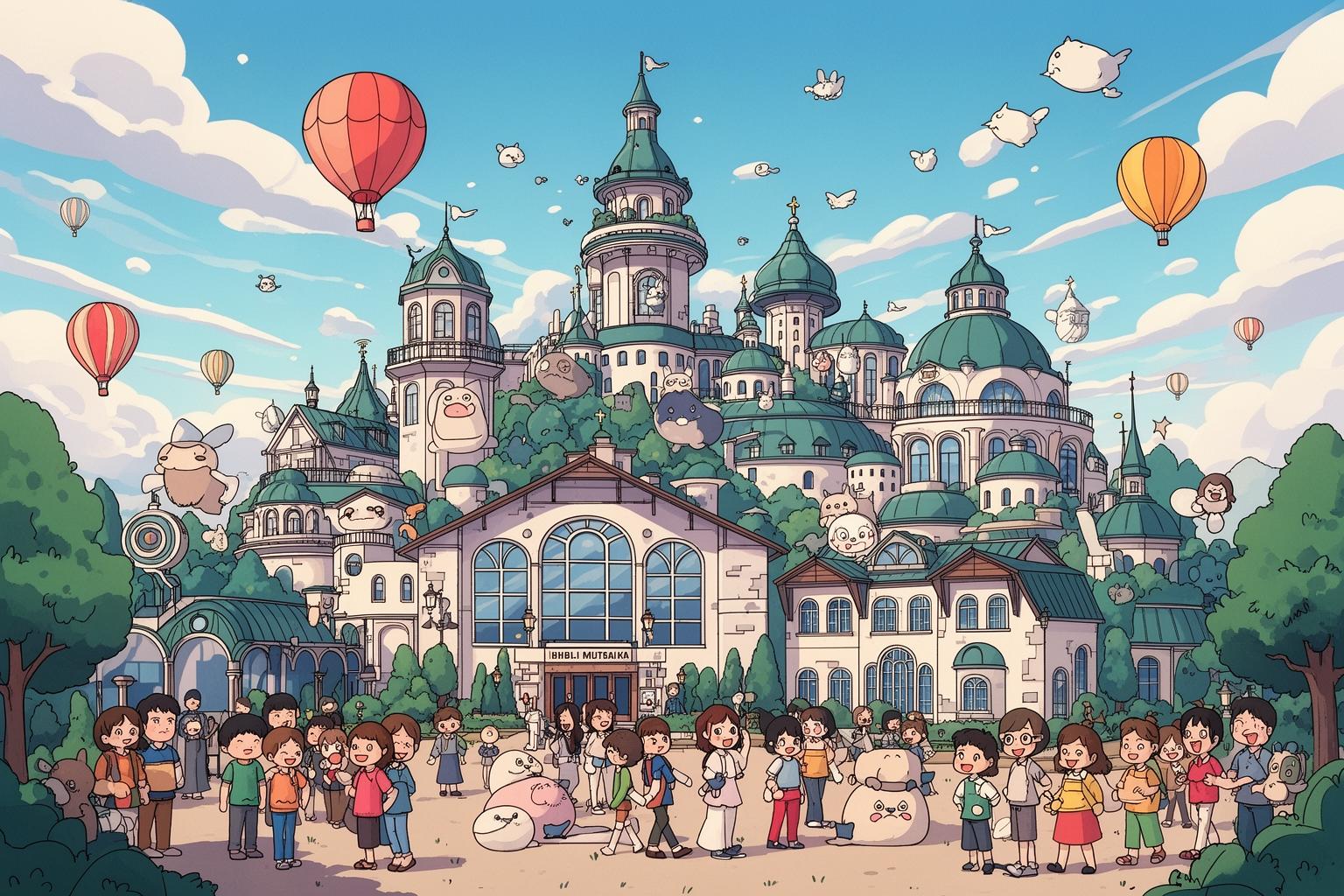
Your first glimpse of the Ghibli Museum feels like recalling a memory you never had. It doesn’t dominate the landscape; rather, it emerges naturally from it. The building is a whimsical patchwork of pastel stucco, ivy climbing the walls, and mismatched windows hinting at the wonders inside. There are no grand arches or imposing columns. Instead, you find tiny doorways seemingly made for children, winding outdoor staircases leading to mysterious terraces, and an overall charming refusal to conform to straight lines. This organic, almost living design is the museum’s first and most essential exhibit—it’s Miyazaki’s philosophy brought to life. The museum itself feels like a maze, a puzzle box designed to ignite your curiosity. There is no set path, no map instructing every step. Visitors are encouraged to wander, to retrace their steps, to peer through a small porthole and uncover a hidden detail, to follow a spiral staircase just to see where it goes. It’s a place that trusts guests to find their own way and, in doing so, create their own unique story of their visit. Inside, the atmosphere feels warm and intimate. Wooden floors, soft lighting, and every surface inviting closer inspection reveal intricate details such as stunning stained-glass windows—each a jewel-toned tribute to characters from My Neighbor Totoro, Kiki’s Delivery Service, and Nausicaä of the Valley of the Wind. The light they cast paints shifting patterns on the walls, making the very air seem alive with Ghibli’s spirit.
The Guardian of the Rooftop Garden
After wandering the museum’s winding interior, you’ll eventually reach a slender, caged spiral staircase. As you climb, the sounds of the museum fade away, replaced by the whisper of wind through the trees. You emerge into a rooftop garden, a lush green oasis that feels a world apart from the city below. There, standing silent and patient among overgrown weeds and wildflowers, is him: the five-meter-tall Robot Soldier from Castle in the Sky. He is not depicted as a fearsome weapon but as a gentle, melancholic guardian. His head slightly bowed, his metallic surface weathered by the elements, as if he has stood watch over this magical place for centuries. Moss grows in the crevices of his armor, and in spring, vines may coil around his long, elegant limbs. Touching his cool metallic skin provides a powerful, tangible connection to the world of Laputa. There are no signs or plaques explaining his significance—none are needed. For those familiar with the film, it is a moment of profound recognition; for those who are not, he is a beautiful, enigmatic sculpture that ignites the imagination. From this vantage point, you can look out over the canopy of Inokashira Park, feel the breeze, and sense how deeply the studio’s work is rooted in a love of the natural world. The rooftop garden offers a place for quiet reflection, a serene final note in the museum’s symphony of discovery.
Inside the Magic Lantern: Exhibits That Breathe Life
The true essence of the Ghibli Museum is its celebration of the animation process itself. It draws back the curtain not to strip away the magic, but to reveal how that magic is created, showcasing the immense artistry, patience, and collaborative spirit needed to bring drawings to life. The exhibits are designed to be touched, played with, and to engage all your senses in the wonder of creation.
“Where a Film is Born”: The Permanent Collection
The permanent exhibition on the first floor consists of five small rooms intended to recreate the atmosphere of a Ghibli animator’s studio. It is a space filled with glorious, creative chaos. The rooms are packed from floor to ceiling with books, sketches, and curiosities. Shelves hold jars filled with brightly colored paint pigments. Storyboards are pinned to the walls, illustrating the evolution of a single scene from a rough pencil sketch to a fully realized moment. Desks overflow with half-finished drawings, well-worn pencils, and inspirational trinkets. You can almost smell the paper and wood and hear the faint scratching of a pen nib. This exhibit is a love letter to the analog craft of animation, showing how a single idea—a fleeting image, a line of poetry—grows into a universe. Visitors can flip through books that inspired Miyazaki, examine detailed background paintings with a magnifying glass, and view intricate character models that help animators envision their subjects in three dimensions. A highlight for many is the remarkable collection of zoetropes. In one, sculpted figures of Totoro, Mei, and the Catbus spin under a strobe light, creating a stunning illusion of movement. It’s a mesmerizing display that perfectly embodies the fundamental principle of animation: bringing the static to life, one frame at a time.
A Seat at the Saturn Theater
Located on the ground floor, the small, eighty-seat Saturn Theater features a ceiling painted bright blue, dotted with fluffy white clouds and a smiling sun. This is no ordinary cinema. Here, guests can watch original animated short films produced by Studio Ghibli that are shown exclusively at the museum and nowhere else in the world. Your museum ticket stub, a unique strip of real 35mm film from a Ghibli movie, grants admission to one screening. The films rotate throughout the year, offering a potentially new experience with each visit. These shorts embody pure, uncut Ghibli—charming, humorous, and deeply heartfelt stories told without dialogue, relying instead on beautiful animation and Joe Hisaishi’s enchanting music. Whether it’s the story of a water spider falling for a water strider or the chaotic exploits of a little girl and her puppy, these films are a precious gift to visitors. Sharing laughter and wonder with a small group of fellow fans in this intimate setting is among the most treasured memories to take away from the museum.
The Changing Face of Imagination
Beyond the permanent exhibitions, the museum includes a special exhibition space that changes every year or two, ensuring that even repeat visitors discover something new to admire. These exhibitions delve deeply into specific aspects of the Ghibli universe, providing an unparalleled glimpse into the studio’s craft. Past exhibitions have spotlighted the delicious-looking food that features so prominently in the films, complete with life-sized recreations of kitchens from My Neighbor Totoro and Castle in the Sky. Another focused on Ghibli’s vehicles, from the Flaptter of Laputa to the Savoia S.21 from Porco Rosso. Perhaps most famously, one exhibition brought a massive, adults-only version of the Catbus to the museum, allowing grown-up fans to experience the joy of sinking into its fluffy, purring interior. These exhibits demonstrate the museum’s dynamic spirit. It is not a static collection frozen in time, but a living, breathing space that continues to explore and celebrate the boundless world of Studio Ghibli.
The Pilgrimage and the Practicalities: Securing Your Golden Ticket
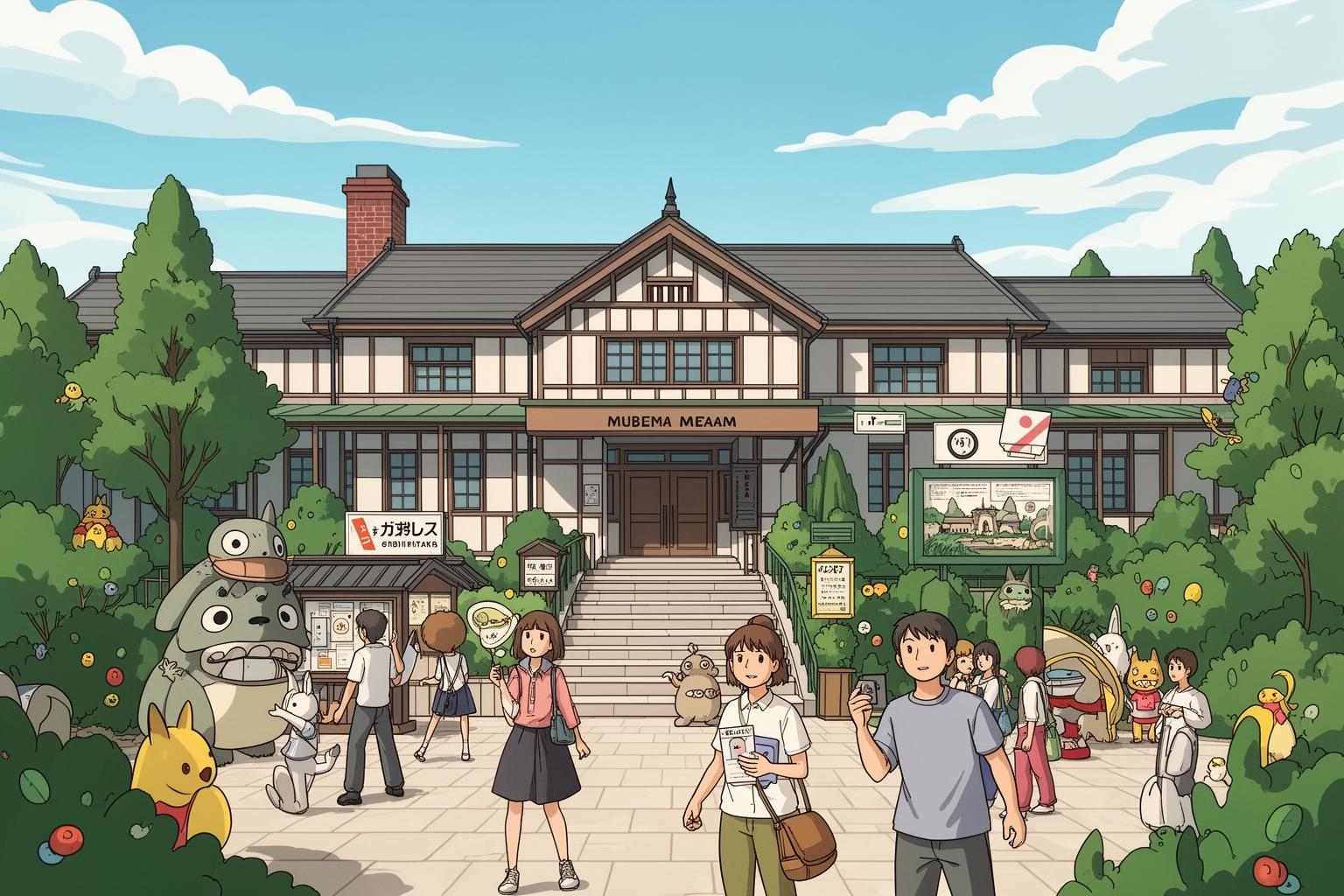
Visiting the Ghibli Museum requires more than just a wish to go; it demands careful planning, persistence, and a bit of luck. The museum is famously, and deliberately, difficult to access. This is not to be exclusive, but to maintain the intimate, uncrowded experience that makes it so unique. Tickets are never, under any circumstances, sold at the entrance. They must be purchased in advance and tend to sell out incredibly fast.
The Quest for a Ticket
For international visitors, the main way to secure tickets is through the official online vendor, typically Lawson. The process is a digital gauntlet. Tickets for a given month go on sale at 10:00 AM Japan Standard Time on the 10th of the previous month. For instance, to visit in August, you must be ready to book online on July 10th. The moment the clock strikes ten, a flood of eager fans from around the globe rushes the website. Tickets for the entire month, especially weekend slots, can disappear in less than an hour. Being prepared is crucial: know your desired date and time slot, have your passport and credit card information handy, and be ready to refresh the page continuously. Securing a ticket feels like winning the lottery. While some third-party tour operators and travel agencies offer packages including Ghibli tickets, these often come with a significant markup. They can be a viable, less stressful option, but it’s wise to research them carefully. The main point is simple: plan well in advance. The effort is a small price to pay for access to this magical world.
Journey to Mitaka: More Than a Destination
Once you have your treasured ticket, the journey to the museum itself is an adventure. The museum is situated in Mitaka, a charming city on Tokyo’s western edge. The easiest route from central Tokyo is via the JR Chuo Line, which connects from major stations like Shinjuku and Tokyo Station. A rapid train will take you to Mitaka Station in about twenty minutes from Shinjuku. From the station’s South Exit, you have two delightful options. The first is the Ghibli-themed community loop bus, painted bright yellow and decorated with familiar characters. It’s a fun and convenient way to reach the museum, especially for families with small children or those with mobility challenges. The bus stop announcements are even voiced by the actress who played Satsuki in My Neighbor Totoro. However, for the full pilgrimage experience, the second option is highly recommended: walk. It’s a lovely fifteen-to-twenty-minute stroll along a peaceful canal and then through the heart of Inokashira Park. This walk provides a perfect transition from the urban station surroundings to the natural, serene environment that inspires much of Ghibli’s work. Along the way, you’ll pass towering trees, quiet benches, and local families enjoying the day, gradually immersing yourself in the tranquil atmosphere that awaits.
Beyond the Museum Walls: Exploring Kichijoji and Inokashira Park
Your visit to the Ghibli Museum shouldn’t conclude the moment you step outside its doors. The surrounding area provides a full day of exploration that wonderfully complements the museum’s enchanting atmosphere. Traveling to Mitaka presents an opportunity to discover a different side of Tokyo—one that is more relaxed, artistic, and closely connected to nature.
A Walk Within Inokashira’s Embrace
Inokashira Park is among Tokyo’s most cherished green spaces and serves as the ideal setting for the museum. Its expansive grounds center around a large, tranquil pond where swan-shaped paddle boats can be rented for a peaceful glide across the water. The park bustles with local life, especially on weekends, when street performers, musicians, and artists line the pathways to showcase their talents and crafts. You’ll find a small zoo, a lovely shrine dedicated to Benzaiten (the goddess of water and music) situated on a tiny island in the pond, and plenty of benches perfect for sitting back and watching the world go by. It’s easy to imagine how this idyllic landscape, with its dense tree groves and sun-dappled trails, might have inspired the mystical forests of Princess Mononoke or Totoro’s camphor tree home. While beautiful throughout the year, the park feels especially magical during the cherry blossom season in spring, when the trees around the pond burst into pale pink blooms, and in autumn, when maples and ginkgos blaze with fiery reds and golds.
Kichijoji: A Bohemian Pulse
Just north of Inokashira Park lies the neighborhood of Kichijoji, frequently ranked as one of Tokyo’s most desirable residential areas. Kichijoji exudes a cool, bohemian charm that contrasts with central Tokyo’s towering skyscrapers. It’s a favorite spot for students, artists, and young families, and its streets are full of delightful discoveries. The neighborhood is brimming with independent boutiques, quirky zakka shops offering beautifully crafted stationery and home goods, vintage clothing stores, and cozy third-wave coffeehouses. One of Kichijoji’s most iconic and atmospheric locations is Harmonica Yokocho. This tightly packed maze of impossibly narrow alleys just north of Kichijoji Station awakens at night. By day, it’s a quiet cluster of small shops, but as evening falls, red lanterns flicker to life, and the air fills with the sizzling sound of yakitori grills and the lively chatter spilling from dozens of tiny standing bars and eateries. Squeezing into one of these miniature venues for a drink and a snack is an essential Kichijoji experience, offering a genuine glimpse into the local community spirit.
Tastes and Treasures: Fueling Your Ghibli Adventure
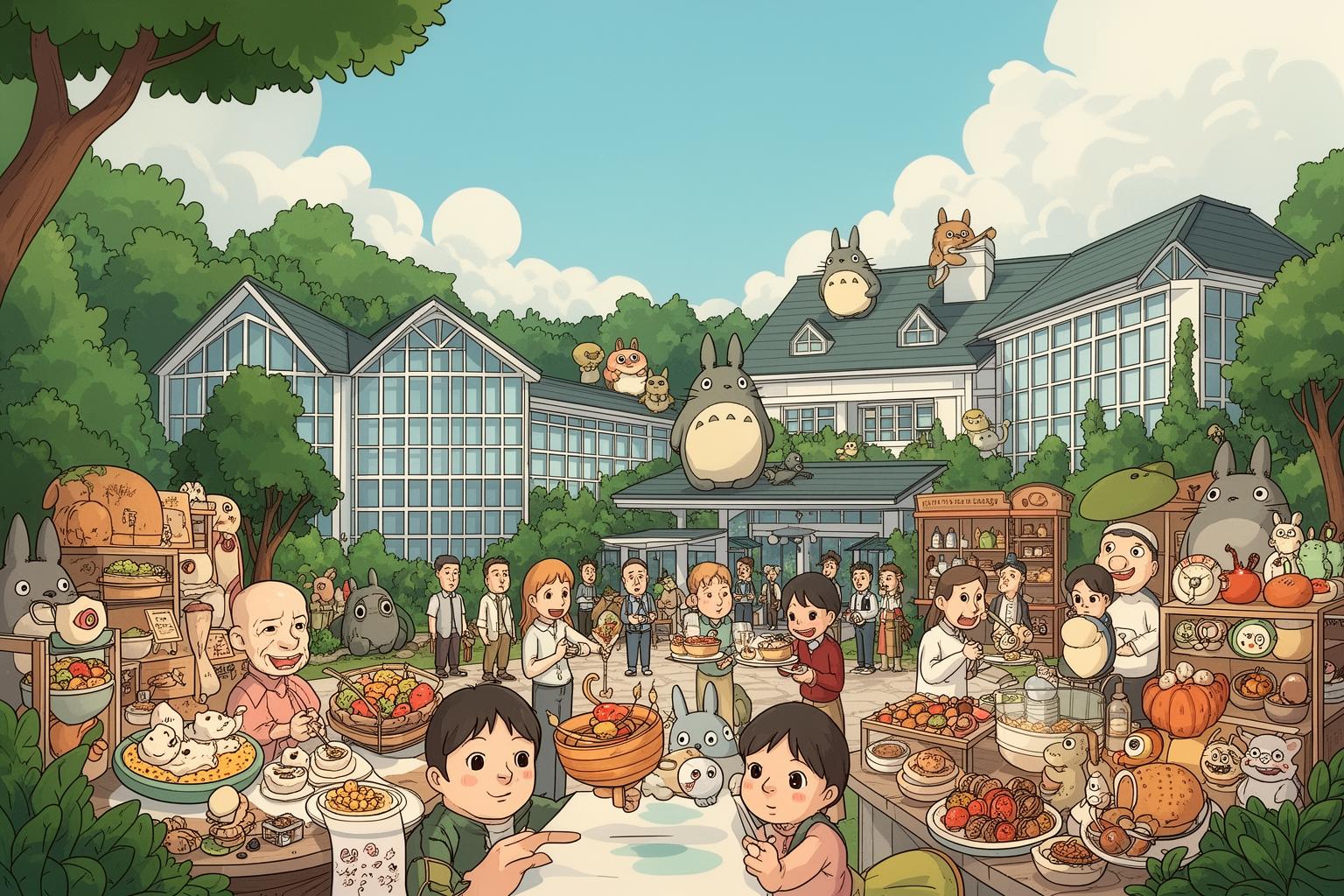
From the museum’s own charming café to the culinary delights of Kichijoji, your Ghibli pilgrimage provides plenty of chances to satisfy your hunger and find the perfect souvenir from your visit.
The Straw Hat Café
Situated on the edge of the museum, with a lovely outdoor terrace overlooking the park, is the Straw Hat Café. True to the Ghibli spirit, the café serves simple, honest, and comforting food crafted with care. The menu is small and varies with the seasons, focusing on wholesome dishes you might imagine the characters in a Ghibli film enjoying. You could find a hearty pork cutlet sandwich, a colorful vegetable soup, or a rich and creamy slice of strawberry shortcake. They even offer their own original beer, “Valley of the Wind.” The café is very popular, and long lines are common, so it’s wise to plan your visit accordingly—perhaps aiming for an early lunch or a late afternoon snack to avoid peak crowds. Waiting for a table becomes part of the experience, giving you more time to soak in the museum’s unique atmosphere.
Kichijoji’s Culinary Canvas
For a broader range of dining options, the streets of Kichijoji are a food lover’s paradise. The neighborhood offers everything from high-end sushi to casual ramen shops. A must-try local specialty is the menchi-katsu from Satou, a popular butcher shop in the covered shopping arcade. These deep-fried breaded meatballs are juicy and flavorful, and you’ll almost always find a line of people waiting patiently to buy them fresh from the fryer. For dinner, exploring Harmonica Yokocho is a sensory adventure. You can hop between various tiny izakaya (Japanese pubs), sampling grilled skewers, fresh sashimi, and other small dishes while enjoying the lively, welcoming atmosphere.
Mamma Aiuto! The Souvenir Shop
No visit is complete without stopping at the museum’s gift shop, Mamma Aiuto!, cheekily named after the sky pirate gang from Porco Rosso. Unlike typical souvenir shops filled with mass-produced trinkets, Mamma Aiuto! offers a carefully curated selection of high-quality, exclusive merchandise unavailable anywhere else. Here you can find beautiful art books, original soundtrack CDs, and exquisite stationery. You’ll discover elegant hand towels embroidered with Jiji the cat, stunning replicas of the crystal from Castle in the Sky, and best of all, mounted film cells cut from actual prints of Ghibli movies. Holding one of these tiny, translucent frames up to the light feels like holding a piece of history, a tangible fragment of the magic. It’s the perfect place to find a meaningful keepsake to remember your journey into the world of Ghibli.
An Insider’s Guide: Final Whispers for the Wise Traveler
A few final tips can help ensure your visit to the Ghibli Museum is as smooth and enchanting as possible. These small details honor the spirit of the place and allow you to fully immerse yourself in the experience.
Photography and Presence
One of the most important rules at the museum is that photography and video recording are strictly forbidden inside the building. Although this might seem frustrating initially, it is an excellent policy. It gently encourages you to put away your phone, be present in the moment, and experience the exhibits with your own eyes and heart, rather than through a screen. This preserves the sense of discovery for future visitors and maintains a quiet, respectful atmosphere for everyone. You are welcome to take as many photos as you like in the outdoor areas, on the rooftop with the Robot Soldier, and of the building’s charming exterior. This rule fosters a deeper, more personal connection with the art, which is the museum’s ultimate goal.
Timing is Everything
Your ticket will specify a designated entry time. You must enter within half an hour of that time, but once inside, you may stay as long as you wish until closing. It’s wise to arrive a few minutes early to queue up. To truly appreciate the museum and explore every nook and cranny without rushing, plan to spend at least two to three hours there. To make the most of your day, consider dedicating either the morning or afternoon to the museum, and the other half to exploring Inokashira Park and the streets of Kichijoji. This pace transforms a museum visit into a truly memorable regional outing.
For the Young and Young at Heart
While the entire museum inspires imagination, one area is specially designed for the youngest visitors (and the envy of all adults): the Catbus room. Here, a giant, life-sized, incredibly plush Catbus from My Neighbor Totoro awaits. Children twelve and under are invited to climb aboard, sink into its soft, furry interior, and play with the little black Soot Sprites scattered about. Witnessing the pure joy on children’s faces as they pile into this iconic creation is a delight in itself. It perfectly embodies the childlike wonder that Studio Ghibli evokes in all of us, no matter our age.
The Ghibli Museum is not just a place to see; it’s a place to feel. It’s the thrill of discovery in a hidden corridor, the quiet awe of standing before the rooftop guardian, shared laughter in a tiny theater, and the gentle reminder of nature’s beauty just outside the window. It’s a journey that rewinds the clock, reconnecting you with the part of yourself that believes in forest spirits, flying castles, and the extraordinary power of kindness. You leave not only with memories of what you saw but with a renewed sense of wonder for the world. The magic of Ghibli, you realize, isn’t confined to the screen or this museum. It’s an invitation to find the artistry, story, and enchantment hidden in the everyday moments of your own life.