
There are moments in travel that feel less like visiting a place and more like stepping through a screen, into a world you thought only existed in fiction. It’s a surreal, heart-thumping experience, a gentle collision of imagination and reality. This is the magic of Hida-Furukawa, a quiet town nestled in the mountainous Gifu Prefecture of Japan. For millions around the globe, this isn’t just another picturesque stop in the Japanese Alps; it is the living, breathing soul of Itomori, the fictional town at the heart of Makoto Shinkai’s breathtaking animated masterpiece, Your Name. (Kimi no Na wa.). The film captured the world with its story of star-crossed connection, of time and memory intertwining against a backdrop of stunningly rendered landscapes. And so many of those landscapes, the ones that felt so deeply, authentically Japanese, were drawn directly from the streets, buildings, and tranquil spirit of Hida-Furukawa. To walk here is to trace the footsteps of the film’s protagonists, Taki and Mitsuha, to feel the weight of their story in the gentle ripple of a canal and the quiet reverence of a local shrine. It’s a pilgrimage, a seichi junrei, not just for anime fans, but for anyone who has ever been moved by a story and longed to see its world with their own eyes. It’s a place where the ordinary becomes extraordinary, and a simple train station platform can feel like the start of a life-changing adventure. Before we embark on this journey, let’s pinpoint where this dream begins.
This pilgrimage to Hida-Furukawa is part of a beautiful tradition of anime location pilgrimages that allow fans to step directly into the worlds of their favorite stories.
The Town Where a Story Breathes
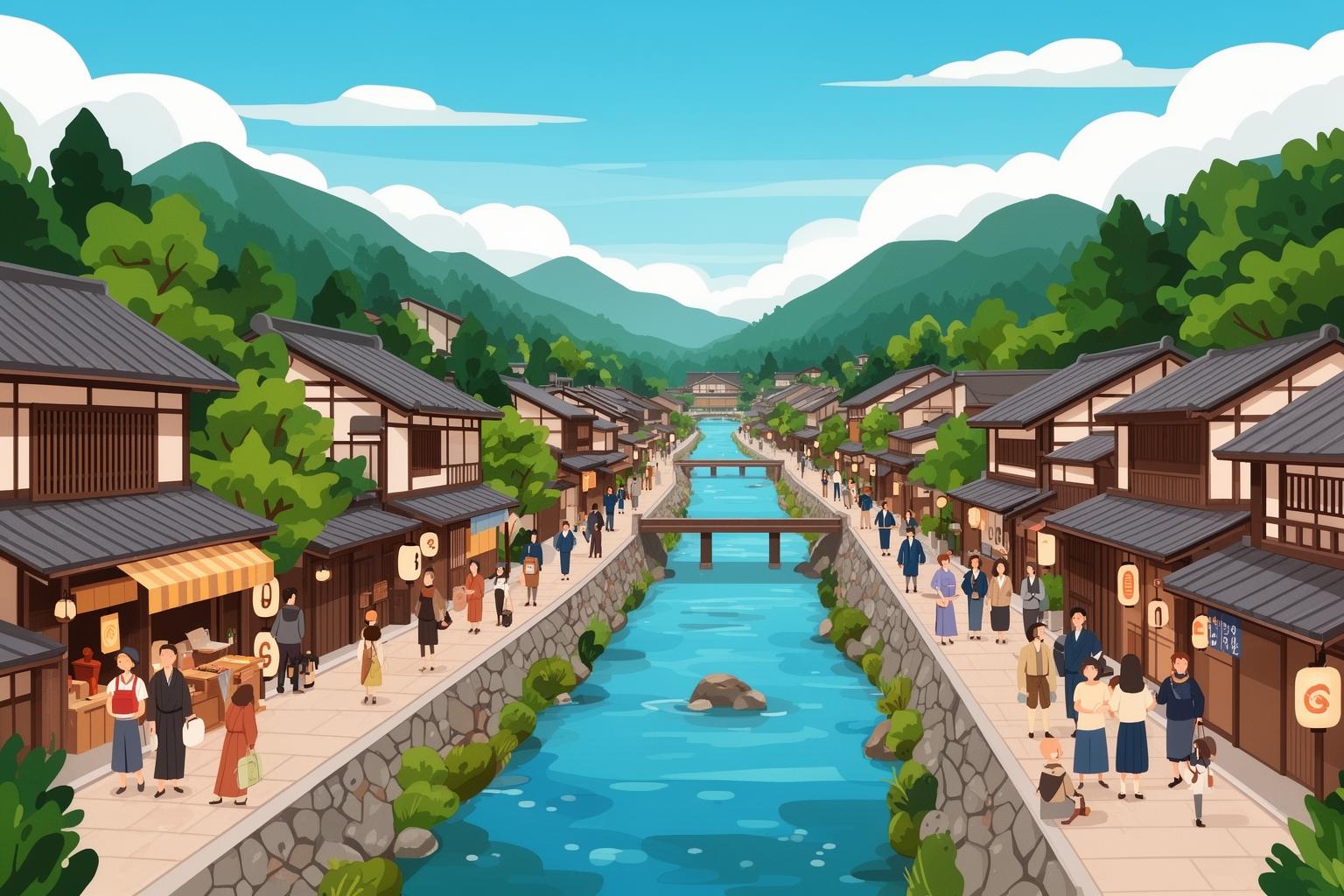
Visiting Hida-Furukawa feels like being let in on a beautiful secret. Unlike its more famous neighbor, Takayama, this town moves at a slower, more deliberate pace. The air is crisp, carrying the subtle, clean scent of cedar from the surrounding forests and historic wooden buildings. The real pleasure of the pilgrimage lies in these quiet moments—recognizing a familiar view, standing exactly where a beloved character once stood, and realizing that the profound sense of place Shinkai created is not a fabrication, but a lovingly crafted portrait of a real, vibrant community. The connection between the anime and the town is embraced with gentle pride. You won’t find loud, commercialized attractions here, but rather subtle nods and a warm welcome for those seeking the world of Your Name.
A Cinematic Welcome at Hida-Furukawa Station
For most, the journey begins, as it did for Taki, at Hida-Furukawa Station. This small, unassuming train station is arguably the most iconic site on the entire pilgrimage. It’s where Taki and his friends arrive from Tokyo, holding up his hand-drawn sketch of Itomori’s landscape, asking locals if they recognize the town. Standing on that very platform, watching the Wide View Hida train pull away, is a deeply cinematic moment. The footbridge crossing the tracks, the wooden benches, the distant mountains peeking over rooftops—it’s all perfectly, astonishingly preserved, as if the animation cels were laid directly over the real world. You’ll see fellow visitors quietly taking photos, trying to capture the exact angle from the film. There’s a shared, unspoken understanding among them. Inside the station, you might even spot the small mascot, Hidakuro, a whimsical character from a local folktale, a charming detail that grounds you in the local culture beyond the anime. The station isn’t just a transit hub; it’s a portal—a tangible link between Taki’s world and ours, the first step in a walk through a waking dream.
Whispers of History in the Hida City Library
One of the most pivotal scenes in Your Name. takes place within the serene and beautiful Hida City Library. This is where Taki desperately searches for information about the comet, poring over records and archives to uncover the truth about Mitsuha’s town. The real-life library is a stunning example of modern architecture, with warm wooden interiors and expansive windows that flood the space with natural light. It’s a place of quiet contemplation, and the town has graciously welcomed pilgrims while ensuring the library remains a functional, peaceful space for residents. Upon entering, you’ll need to ask permission at the front desk to take photographs—a small but important gesture of respect. They’ll provide you with a photographer’s pass, and you are free to find the exact spot where Taki sat. The feeling is uncanny. The distinctively designed chairs, the arrangement of shelves, the light filtering in—it’s all there. Sitting in that space, you can almost sense Taki’s urgency and desperation, his race against time and fate. It’s a powerful reminder this is not just a filming location, but a place where a critical part of the story’s heart beats. The library staff are incredibly kind and accustomed to visitors, often displaying a small exhibit related to the film. It’s a wonderful example of how a community can share its spaces with the world with grace and warmth.
Echoes of Tradition at Keta Wakamiya Shrine
While the Miyamizu Shrine, Mitsuha’s family home and the center of Itomori’s traditions, is a composite of several locations, its primary model is widely considered to be the Keta Wakamiya Shrine. Finding this shrine involves a short, pleasant walk from the town center. The journey feels like part of the experience, leading you away from the main streets into a quieter, more residential area. The long stone staircase ascending to the shrine is instantly recognizable. As you climb, flanked by towering cedar trees and moss-covered stone lanterns, the sounds of the town fade away, replaced by the rustling leaves and chirping birds. It feels ancient, sacred, and deeply peaceful. This is the path Mitsuha and her sister would have walked to perform their sacred duties. At the top, the shrine itself is modest yet carries a quiet dignity. You can imagine the kagura ceremonial dance taking place, the making of kuchikamizake, and the deep-rooted traditions that shaped Mitsuha’s life. While it may not boast the dramatic, caldera-like setting of the movie, the spiritual essence is palpable. It’s a place to pause, offer a quiet prayer, and appreciate the timeless traditions that inspired such a pivotal element of the story.
Beyond the Screen: Discovering the Soul of Hida
While the pilgrimage sites are the primary attraction, focusing solely on those spots means missing the true essence of Hida-Furukawa. The town itself is a gem, where history is not merely displayed in museums but lives within the streets themselves. The charm of the anime lies in capturing this genuine atmosphere, and wandering through the town reveals the deeper cultural context that enriches the film’s world, making it feel vivid and authentic. Taking time to explore without a map, following the sound of flowing water or admiring a beautifully preserved building, is how a personal connection to this place truly develops.
The Shirakabe Dozo District: A Walk Through Time
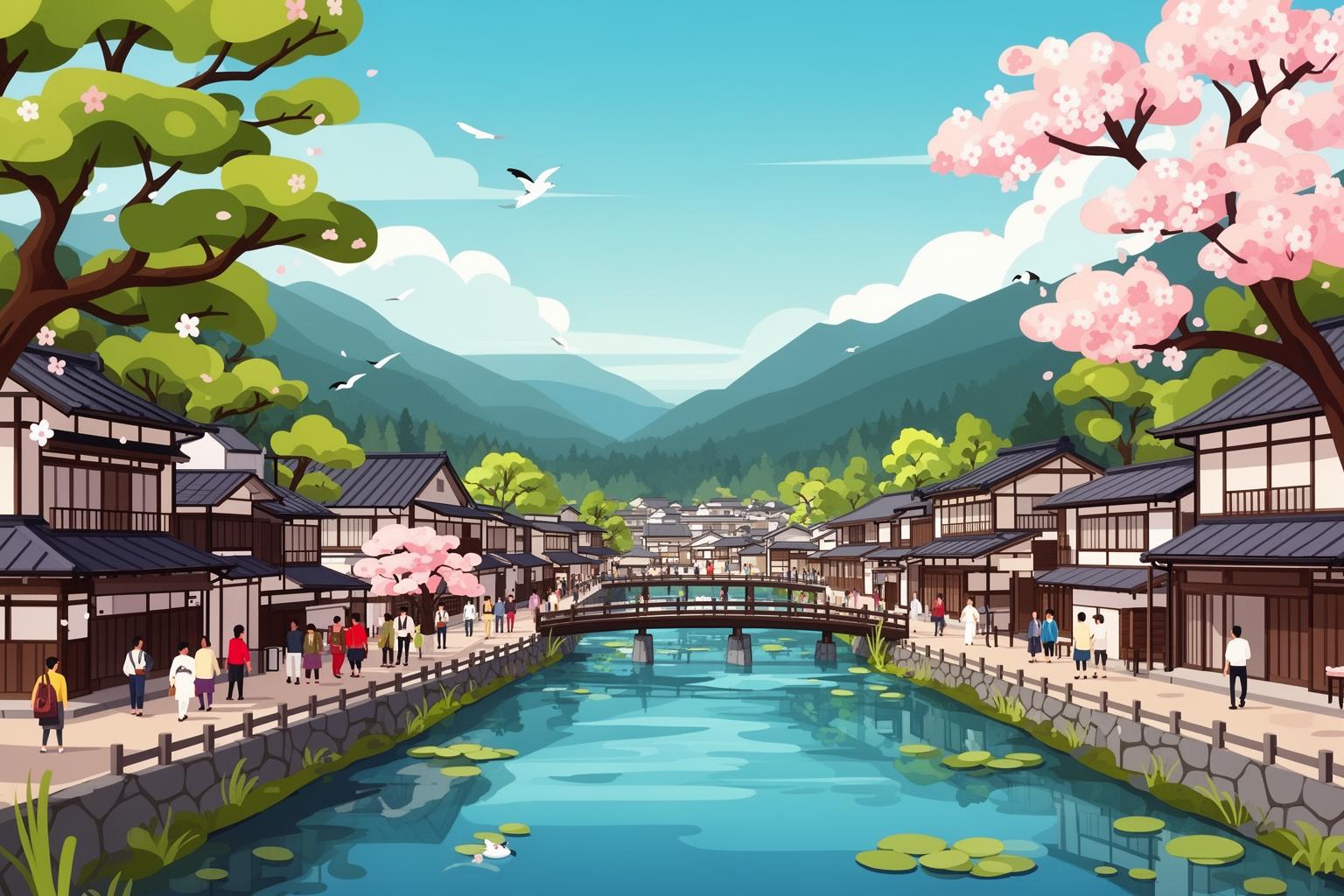
The most picturesque area of Hida-Furukawa is the Shirakabe Dozo District, a well-preserved neighborhood centered around the Seto River. This small, stone-lined canal is the town’s lifeblood. It’s renowned for its large population of brilliantly colored koi fish that swim leisurely in the clear water. Watching them glide beneath stone bridges and past the white-walled kura (storehouses) topped with distinctive black-tiled roofs is utterly mesmerizing. This scenery informs the overall aesthetic of Itomori—the harmony between nature, water, and traditional architecture. In the film, glimpses of these canals and storehouses evoke the town’s timeless, rural charm. Visitors can purchase bags of fish food from unmanned stalls along the canal, a quaint system based on an honor code. As a parent, witnessing a child’s joy in feeding these gentle giants is a simple, perfect moment. The canals are bordered by old merchant houses and sake breweries, with only the rhythmic clack of wooden sandals on pavement breaking the gentle babble of water. In winter, the koi move to a warmer pool, while the snowy landscape offers a different, starkly beautiful kind of magic.
The Flavors of Itomori: Culinary Adventures
No journey is complete without sampling local flavors, and in Hida-Furukawa, the cuisine is as integral to the experience as the scenery. Many fans seek out goheimochi, skewered and grilled rice cakes coated in a sweet-savory miso-walnut sauce. Taki and his friends enjoy it at a local eatery, which in reality is modeled after Ajidokoro Furukawa, a true restaurant; however, the real delight is discovering your favorite version from street vendors. The warm, slightly charred rice cake makes an ideal snack for a day of exploring. The Hida region is also celebrated for its exceptional Hida beef. While a full steak may be a luxury, more affordable options include steamed buns (nikuman) or skewers featuring the beef. Don’t miss another local specialty, mitarashi dango, which in Hida is brushed with soy sauce and grilled, offering a pleasantly savory taste unlike the sweeter versions found elsewhere in Japan. To round out the culinary journey, visit one of the town’s historic sake breweries. Many provide tastings and tours that reveal a craft refined over centuries, drawing on the pure mountain water flowing through the area. It’s a true taste of the land.
The Craftsmanship of Hida no Takumi
The elegant wooden architecture seen throughout Hida-Furukawa is no coincidence. For more than 1,300 years, this region has been famed for its master carpenters, known as the Hida no Takumi. In ancient times, their exceptional skills were so prized that, instead of paying taxes in rice, craftsmen were sent to the capital to build temples and palaces. This heritage of extraordinary woodworking is visible in the detailed latticework of houses, sturdy beams of storehouses, and the town’s overall aesthetic. Visitors can explore the Hida Takumi Cultural Hall to admire remarkable examples of their work and learn about joinery techniques that use no nails. This deep-rooted tradition of craftsmanship is part of what imparts the town with a palpable sense of quality and endurance. It forms an unseen layer of the story, explaining why the animated world of Itomori feels so solid, beautifully, and convincingly constructed.
Planning Your Unforgettable Journey
Hida-Furukawa is accessible, but its remote mountain setting means a bit of planning can make a big difference. The journey itself is part of the experience, offering stunning views of the Japanese countryside that set the mood for your arrival. Carefully considering travel logistics, timing, and accommodation will help ensure your visit is smooth and magical, allowing you to fully immerse yourself in the town’s atmosphere.
Charting Your Course: How to Get to Hida-Furukawa
The most common way to reach Hida-Furukawa is by taking a train to a major hub, then transferring to the scenic JR Takayama Main Line. The ride on the Limited Express Wide View Hida train is a highlight, with its extra-large windows winding through dramatic river gorges and dense forests, showcasing the region’s natural beauty. From Tokyo, take the Tokaido Shinkansen to Nagoya before transferring to the Wide View Hida. The entire trip takes about four to five hours. Alternatively, you can take the Hokuriku Shinkansen to Toyama for a slightly quicker route, then board the Wide View Hida traveling south. From cities such as Osaka or Kyoto, travel is similar: take a Shinkansen or Limited Express to Nagoya for the transfer. Train schedules in this rural area are less frequent than in major cities, so it’s wise to check HyperDia or a similar app beforehand and plan your connections carefully. The Japan Rail Pass covers the whole journey, making it a cost-effective choice for international travelers.
The Rhythm of the Seasons: When to Visit
Hida-Furukawa has charm in every season, each offering a unique perspective on the world of Your Name. Spring is perhaps the most enchanting time. In mid-to-late April, cherry blossoms along the Seto River burst into bloom, framing the canals with soft pink hues. This coincides with the lively Hida Furukawa Festival on April 19th and 20th, featuring massive ornate floats and a dramatic late-night drum performance. Summer brings lush greenery and cool canal waters that create a refreshing atmosphere—ideal for cycling through the surrounding countryside. Autumn is breathtaking, as the mountains flame with fiery reds, oranges, and golds, usually from mid-October to early November. The crisp air makes walking delightful, and seasonal foods are at their peak. Winter turns the town into a quiet, monochrome wonderland, with snow muffling sound and creating a serene, reflective mood. The sight of traditional buildings dusted with snow is stunning, but be sure to pack warm clothing and check for any weather-related travel updates.
Where to Lay Your Head
To truly soak in the town’s peaceful ambiance, an overnight stay is highly recommended. Hida-Furukawa offers a range of accommodations to suit various tastes and budgets. For an authentic experience, consider staying in a ryokan (traditional Japanese inn), where you can sleep on futons on tatami mats, enjoy exquisite multi-course kaiseki dinners, and soak in traditional Japanese baths. This is a wonderful way to experience Japanese hospitality, or omotenashi. There are also several charming minshuku (family-run guesthouses) that provide a more intimate, home-like atmosphere. For those seeking modern conveniences, contemporary hotels and guesthouses are available, some beautifully restored traditional houses blending old-world charm with modern amenities. Booking well in advance is essential, especially during peak times like the spring festival or autumn foliage season.
A Traveler’s Guide to a Perfect Pilgrimage
With the main plans set, a few small tips can transform your visit from a great trip into an unforgettable experience. The charm of Hida-Furukawa resides in its details, its gentle rhythms, and the respectful way it welcomes visitors. Approaching your pilgrimage with a similar mindfulness will deepen your journey and leave you with more personal, lasting memories of the town and the story it brought to life.
Tips for the Thoughtful Explorer
First and foremost, wear comfortable shoes. Hida-Furukawa is a walking town, and the best discoveries happen on foot. The Tourist Information Center, conveniently located next to the train station, is an excellent first stop. Here, you can pick up a pilgrimage map that clearly marks key locations from Your Name., along with other points of interest. The staff are friendly and can offer advice on local events or the best spots to eat. While Japan is becoming more card-friendly, many smaller, family-run shops and eateries in Hida-Furukawa still accept cash only, so it’s wise to carry some yen. When taking photos—especially at the library and shrines—be mindful and respectful of local residents and worshipers. The library serves as a place of study, and the shrines remain active places of worship. Lastly, consider renting a bicycle. It’s a great way to cover more ground, allowing you to explore the beautiful rice paddies and farmhouses on the town’s outskirts, offering a broader perspective of the landscape that inspired Itomori.
Bringing the Magic Home
Finding the perfect souvenir is a lovely way to keep the memory of your trip alive. Hida-Furukawa offers many unique items deeply tied to the region’s culture and the film itself. The most popular souvenir is, of course, a kumihimo braided cord, like the one symbolizing connection in the movie. Several shops offer hands-on workshops where you can make your own—a wonderfully personal and memorable experience. You can also buy pre-made braids in various colors and patterns. For a taste of Hida, a bottle of local sake makes a wonderful gift, as do packages of Hida beef jerky or local sweets. The town is also famous for its traditional candles, or warosoku. Visiting a candle shop such as Mishima Warosoku-ten, which has operated for centuries, is an experience in itself. Their handcrafted candles, made from plant-based wax, beautifully showcase the town’s enduring craftsmanship.
A Connection That Lingers
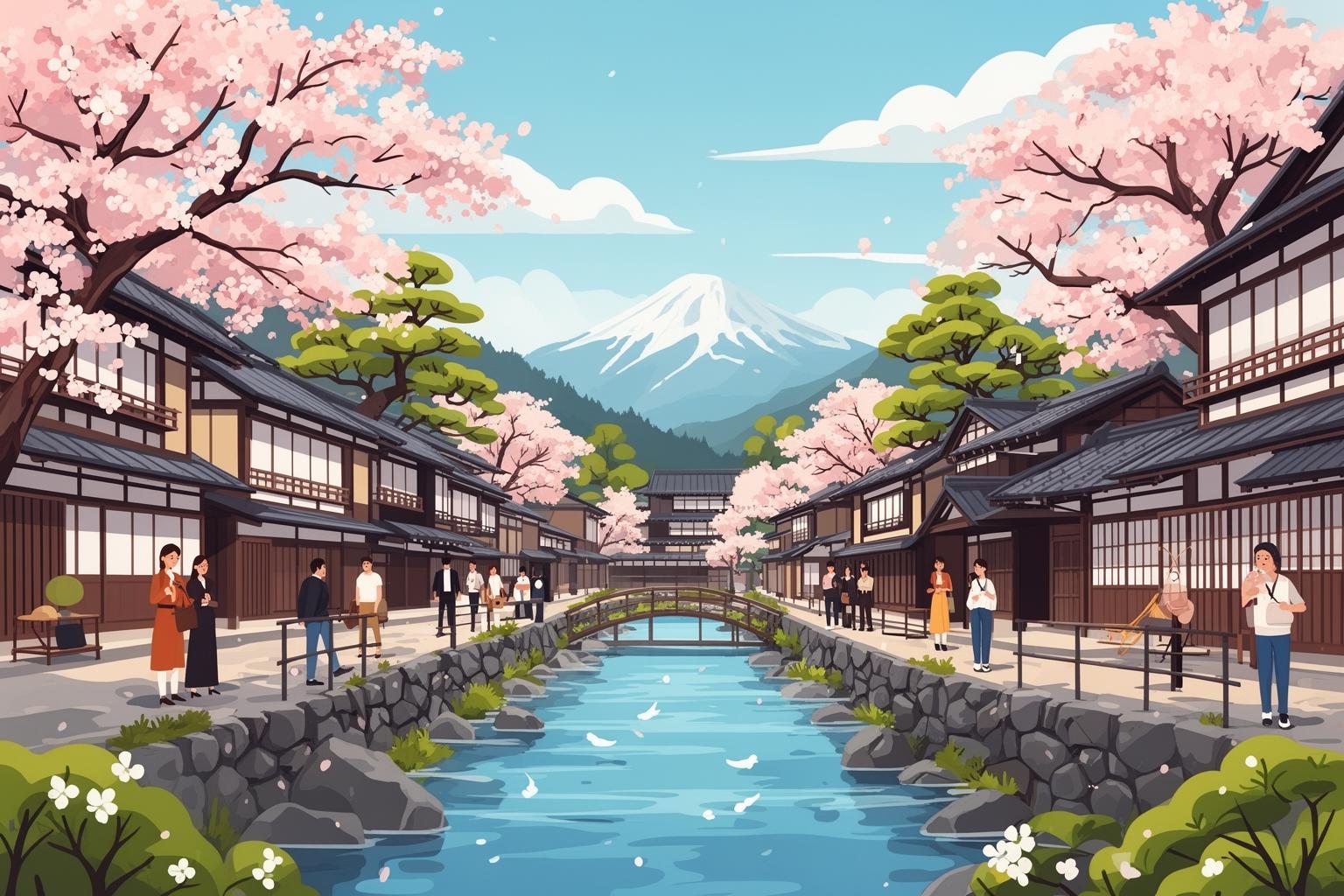
Leaving Hida-Furukawa feels like awakening from a pleasant dream you wish could have lasted a little longer. It’s a town that is both exactly what you expected and so much more. The excitement of seeing the real-life settings of Your Name. is undeniable, but the lasting impression is the town’s own quiet, profound character. It’s found in the kindness of a shop owner sharing the history of a local craft, the beauty of sunlight reflecting off the scales of a koi fish, and the deep, resonant calm of a mountain shrine. Hida-Furukawa doesn’t just resemble Itomori; Itomori feels like Hida-Furukawa. Makoto Shinkai didn’t simply borrow a location; he captured its essence. Whether you come as a devoted fan of the film or a curious traveler, you depart with a personal connection—a thread woven between a story that moved you and a place that welcomed you. The memories linger, much like the faint echo of a distant festival drum or the shimmering image of a comet in the sky.