
There’s a feeling, a specific kind of beautiful ache that Makoto Shinkai’s masterpiece, Your Name (Kimi no Na wa), leaves in its wake. It’s a bittersweet melody of connection and distance, of memory and loss, a universal search for a person or a place that feels like home, even if you’ve never been there. The film’s emotional core resonates so deeply because it grounds its fantastical story in breathtakingly real locations. This blend of the magical and the mundane is what sparks the desire for a seichi junrei, or a sacred sites pilgrimage, a journey to walk the same streets, stand on the same platforms, and breathe the same air as the characters we love. It’s a way of blurring the line between the screen and the world, of making the story a tangible part of our own lives. This pilgrimage isn’t just about taking photos for social media; it’s an emotional quest to capture the very essence of the film’s powerful narrative.
Our journey will trace the interwoven paths of Taki Tachibana and Mitsuha Miyamizu, two souls tethered by fate across time and space. We’ll dive headfirst into the electric, sprawling metropolis of Tokyo, a concrete jungle of endless possibilities where Taki’s life unfolds against a backdrop of glowing neon and architectural wonders. We’ll feel the city’s pulse, its vibrant rhythm, and its moments of quiet introspection. Then, we will journey far from the city’s relentless energy, traveling to the serene, mountainous region of Hida in Gifu Prefecture, the inspiration for Mitsuha’s fictional town of Itomori. Here, time seems to slow down, preserved in the dark wood of traditional houses, the sacred stillness of ancient shrines, and the gentle pace of rural life. This guide is your thread, your musubi, connecting you to the heart of their story, inviting you to experience the landscapes that gave Your Name its soul. Prepare to step into the frame and live the magic for yourself.
Embracing the spirit of a sacred journey, you can further connect with the film’s allure by exploring Tokyo pilgrimage, where every street corner reflects the vibrant energy of Taki’s urban adventure.
Tokyo’s Urban Dreamscape: Where Taki’s Story Unfolds
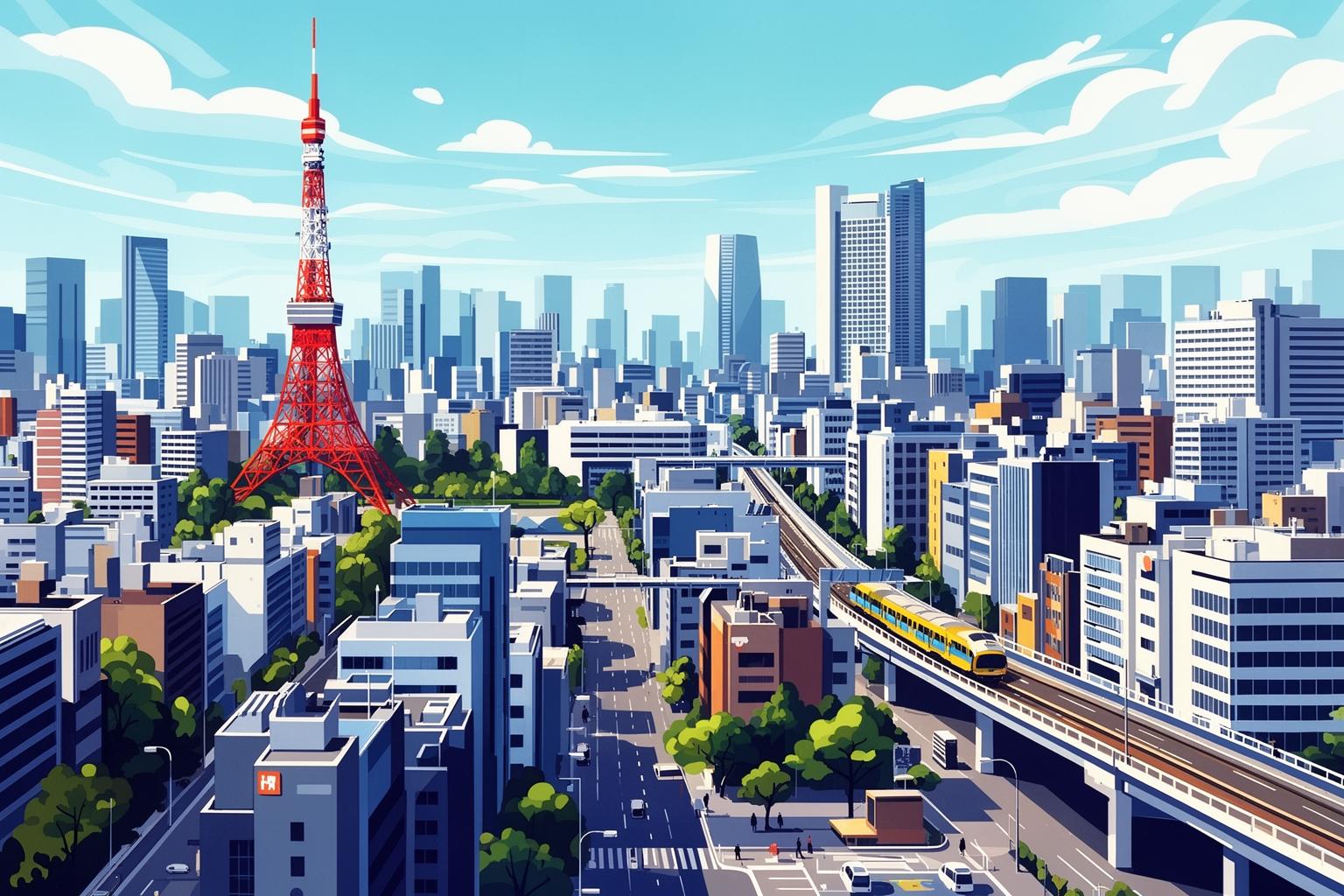
Tokyo is more than just a city; it is a living, breathing entity—a dazzling maze of light, sound, and humanity. It is a place of sharp contrasts, where towering futuristic skyscrapers cast shadows over quiet, centuries-old temples. This is Taki’s world, defined by the rumble of the Yamanote Line, the buzz of crowded cafes, and an endless quest for dreams. To wander through Tokyo in search of Your Name is to see the city through his perspective—a vast landscape marked by both overwhelming scale and intimate, personal moments. Here, amidst the relentless forward surge of the world’s largest metropolis, the threads of fate begin to intertwine, connecting a city boy to a girl living far away. Our journey starts in the very heart of this urban sprawl, tracking down the iconic spots that framed Taki’s path of discovery and longing.
The Iconic Red Staircase: Suga Shrine
Few locations in modern anime are as instantly recognizable and emotionally charged as the red-railed staircase from the film’s climactic, heart-stopping finale. This is where Taki and Mitsuha, years after the comet and their fading memories, finally meet. In reality, these steps lead to the Suga Shrine, nestled in a quiet residential area of Yotsuya. The walk from the nearest stations—Yotsuya or Shinanomachi—offers a gentle transition from the city’s chaos. The streets narrow, the sounds soften, until you stand at the base of the staircase, looking upward. The sensation is electric. It feels sacred, not just because it leads to a shrine, but because it is a piece of cinematic history.
The atmosphere exudes profound, peaceful reverence. Here, reality and fiction blend together. You can almost hear the film’s score swelling as you gaze up the stone steps, framed by the iconic red handrails. From the bottom, the view holds anticipation—a steep climb toward reunion. From the top, looking down, the city skyline peeks through surrounding buildings—the very view Taki and Mitsuha shared in that fleeting, perfect moment of recognition. Visitors often approach with quiet respect, taking turns to reenact the famous scene. Early morning is the ideal time to visit, when soft light filters through the trees and the neighborhood gently wakes, allowing you to experience the location’s true tranquility without crowds. As a cultural observer, what strikes me most is how this staircase embodies the East Asian belief in the red string of fate. The red handrail is not just a safety measure; it is a tangible symbol of the invisible thread linking two souls, a bold line of destiny cutting through the city’s muted tones. Suga Shrine itself is a modest, charming local shrine—a place of quiet prayer for residents and a reminder that even in a metropolis of millions, sacred spaces for connection and community endure.
A View from the Top: The National Art Center, Tokyo
The backdrop for Taki’s date with his stylish coworker, Okudera-senpai, is none other than The National Art Center in Roppongi, one of Tokyo’s most breathtaking architectural marvels. Designed by the renowned Kisho Kurokawa, the building itself is a masterpiece. Its vast, undulating glass façade ripples like a wave, creating a shifting interplay of light and shadow throughout the day. Inside, you are greeted by an enormous, open atrium dominated by two giant inverted concrete cones. It feels less like a museum and more like a cathedral to modernism—sleek, sophisticated, and just slightly intimidating—the perfect setting for Taki’s awkward yet heartfelt attempt at a normal life.
You can find the exact spot from the film: the Salon de Thé ROND, a café perched atop the northern cone, offering panoramic views of the atrium. Sitting here, you can order coffee and cake and feel like a character in the movie. The atmosphere hums with creative energy and quiet reflection. Art lovers wander through galleries, students sketch in notebooks, and couples share hushed conversations. It’s a space that invites you to slow down and appreciate the surrounding beauty. Visiting the center is a wonderful way to spend an afternoon. While special exhibitions require a ticket, the main lobby, gift shop, and cafés are free to access, making it an easy and rewarding stop on your pilgrimage. For newcomers, note that the center is closed on Tuesdays. This location beautifully illustrates the urban side of the film’s core contrast. While Mitsuha’s world is shaped by ancient tradition and nature, Taki’s is defined by human creativity and forward-thinking design. It highlights the different worlds they inhabit, making their eventual connection all the more remarkable.
Crossing Paths: Shinjuku’s Neon-Soaked Intersections
Shinjuku is Tokyo’s pounding, chaotic heart and serves as the primary visual shorthand for Taki’s life. The film brims with sweeping, photorealistic montages of this district: a glittering sea of skyscrapers, rivers of people moving through crosswalks, and a dizzying constellation of neon signs. To fully experience this segment of the pilgrimage, you must visit Shinjuku at night. It is an exhilarating assault on the senses. One of the most recognizable micro-locations is the pedestrian bridge near the Shinjuku Police Station. From this vantage point, you see the clustered towers of West Shinjuku and endless streams of traffic below—a shot perfectly recreated in the film. It evokes the sense of being a small part of a massive, interconnected system and a feeling of urban loneliness that Taki surely experienced at times.
Another key landmark is the iconic “LOVE” sculpture by Robert Indiana, a popular meeting spot glimpsed in one of the film’s montages. Discovering these small, precise spots amidst the vastness of Shinjuku feels like a treasure hunt. The key is to embrace the district’s overwhelming energy. Don’t rush; let yourself get a bit lost in the crowds. Look up at the NTT Docomo Yoyogi Building, whose clock tower often confuses tourists with its resembling Big Ben and features prominently in the film’s skyline shots. For a truly cinematic experience, find a seat at one of the high-rise bars or restaurants in the Tokyo Metropolitan Government Building or the Park Hyatt Tokyo. From there, you can gaze over the sprawling city lights stretching to the horizon—a view that perfectly captures the breathtaking scale and beauty of Taki’s world. It is in these moments, looking out over the urban expanse, that you grasp the vast distance separating him from Mitsuha, and the incredible strength of the bond that bridged it.
Hida’s Timeless Beauty: In the Footsteps of Mitsuha
Leaving behind the electric hum of Tokyo, our pilgrimage carries us deep into the heart of Japan, to the mountainous Hida region of Gifu Prefecture. This is Mitsuha’s world—a land of verdant forests, crystal-clear rivers, and towns where tradition is not merely a memory but a living way of life. Although the town of Itomori is fictional, its essence is woven from real locations like Hida-Furukawa and the nearby city of Takayama. Arriving here feels like stepping back in time. The air is crisper, the rhythm of life slower, and the landscape itself seems to hold ancient stories. Here, we follow the other half of the story, exploring the places that shaped Mitsuha’s hopes, frustrations, and profound connection to her heritage.
The Heart of Itomori: Hida-Furukawa Station
The moment you step off the train at Hida-Furukawa Station, you enter the film’s world. The station is an almost exact replica of the one in Itomori. The distinctive platform design, wooden benches, and the overpass where you can watch trains arrive and depart are all faithfully recreated. It’s a small, charming station, and the staff are well aware of its fame, often displaying posters and memorabilia from the movie. One of the most charming touches is the Hida-gyu mascot doll inside the station—the very same one Taki and his friends see during their quest to find Mitsuha. The station itself is a potent symbol in the story. In many Japanese and broader East Asian narratives, trains symbolize lifelines—a connection to the outside world, a vehicle for escape, and a path toward reunion. For Mitsuha, the train embodied her longing for life in Tokyo. For Taki, it was the vessel that carried him toward a forgotten memory. Standing on the footbridge above the tracks, watching the Limited Express Hida pull away, you can feel the weight of both their journeys. It’s a deeply nostalgic and moving experience. A practical tip for visitors: be mindful of the train schedule. This rural line has far fewer trains than in Tokyo, so planning your arrival and departure times is crucial for a smooth visit.
Echoes of Tradition: The Hida City Library
Just a short walk from the station lies the Hida City Library, another location directly drawn from the film and woven into its animated world. This is the elegant, modern library where Taki, Okudera, and Tsukasa conduct their research, poring over records of the comet disaster that struck Itomori. From the outside, it’s an attractive building, but its interior truly captivates. The architecture is a stunning fusion of contemporary design and traditional Japanese craftsmanship, with warm wooden beams and carefully crafted spaces that foster a serene and welcoming atmosphere. The library staff have embraced their connection to the film with enthusiasm. They maintain a small section dedicated to Your Name and generally allow photography, provided visitors ask for permission at the front desk and remain respectful of other patrons. Finding the exact seating spot by the large windows where the characters sat is a special moment for fans. You can sit there, gaze out at the same view, and feel a direct connection to that critical scene of discovery and dawning horror. The library stands as a sanctuary of knowledge and memory—both in the film and reality. It’s a quiet, contemplative stop on the pilgrimage that allows visitors to pause, reflect, and appreciate the meticulous detail Shinkai and his team invested in recreating this world. It’s a tribute to the power of community spaces and the serene pursuit of truth.
The Miyamizu Shrine’s Inspiration: Hie Shrine and Ketawakamiya Shrine
Mitsuha’s life as a shrine maiden, or miko, is central to her identity and to the film’s plot. The Miyamizu Shrine, with its ancient rituals and profound connection to the town’s history, is a composite inspired by several real locations. The primary influence is widely believed to be the Hie Shrine in Takayama. Approaching it, you are struck by the towering torii gate and a long, steep flight of stone steps ascending into a forest of towering cedar trees. The climb itself feels like a spiritual passage, a transition from the ordinary world to the sacred. The air grows cooler and quieter, infused with the scent of wood and earth. The shrine at the summit exudes the same majestic, ancient atmosphere as the one in the film. While the layout doesn’t exactly match, the feeling is authentic. Another shrine, Ketawakamiya Shrine in Hida-Furukawa, is also considered a source of inspiration. It is smaller and more intimate, reflecting the local, communal character of the Miyamizu Shrine. Visiting both provides a fuller understanding.
This segment of the pilgrimage offers an opportunity to connect with the deep spiritual currents running through the film. The Shinto traditions depicted—the reverence for nature, honoring of ancestral spirits (kami), and the ritual crafting of kuchikamizake (rice wine made by a sacred, ancient method)—are rooted in practices that have shaped Japanese culture for millennia. Standing in the quiet grounds of these shrines, you gain a deeper appreciation of Mitsuha’s world and the significance of the traditions she upholds. This respect for nature and ancestry is a shared value across much of East Asia. The mountains themselves are viewed as sacred homes for gods and spirits, similar to beliefs in traditional Chinese culture. It’s a powerful reminder that the story of Your Name, while distinctly Japanese, touches on universal themes of heritage, duty, and the unseen forces shaping our lives.
The Culinary Pilgrimage: Tasting the World of ‘Your Name’

A pilgrimage engages all the senses, and that certainly includes taste. The food featured in Your Name, though not the main focus, adds an extra layer of authenticity and cultural depth to the characters’ worlds. Taking a culinary journey to savor the flavors of Tokyo and Hida is a delicious way to enrich your connection to the story, turning your trip from a simple sightseeing tour into a rich, multi-sensory adventure. From trendy Tokyo cafes to rustic Hida snacks, every bite tells part of the narrative.
Cafe Culture and City Bites in Tokyo
Taki’s date with Okudera-senpai at the stylish cafe in The National Art Center perfectly captures Tokyo’s sophisticated cafe culture. The city is home to thousands of similar spots, each with its own distinct charm. To recreate the experience, visit a chic cafe in Roppongi or Omotesando, and order a carefully crafted slice of cake paired with a latte decorated with delicate latte art. It’s a quintessential modern Tokyo moment. Beyond sweets, Taki is frequently seen enjoying ramen or quick meals, reflecting the fast pace of a Tokyo student’s life. When in Shinjuku, be sure to explore one of the cozy, atmospheric ramen shops in Omoide Yokocho (Memory Lane) for a genuine taste of the city’s culinary soul. And don’t forget the pancakes Mitsuha, inhabiting Taki’s body, photographs with delight. Japanese soufflé pancakes are a popular trend, and indulging in a tall, fluffy stack is a fun way to share her joy in the wonders of city cuisine. These foods embody the excitement and endless variety that Mitsuha longed for.
Hida’s Local Flavors and Rustic Charm
When Taki and his friends arrive in Hida, they enjoy a local specialty: Gohei Mochi. This treat is a must-try on your pilgrimage. It’s made from pounded rice that is skewered, coated with a sweet and savory glaze of miso, soy sauce, and walnuts, then grilled over an open flame. The result is a satisfyingly chewy, smoky snack bursting with umami. You can find Gohei Mochi sold at small stalls throughout Hida-Furukawa and Takayama. Another local delicacy is Hida Beef, or Hida-gyu, a premium wagyu brand celebrated for its rich marbling and melt-in-your-mouth tenderness. You can enjoy it in forms ranging from exquisite steaks to more affordable beef buns or skewers. Lastly, no visit to this region is complete without appreciating its sake heritage. The film’s plot revolves around the sacred kuchikamizake. While you won’t encounter that exact ritual, Hida is renowned for outstanding sake breweries, which use pure mountain water to craft clean, crisp rice wines. Many breweries in Takayama and Hida-Furukawa offer tastings, giving you the chance to experience the local craft and connect with the region’s most important tradition firsthand. These rustic, heartfelt flavors embody Mitsuha’s home—rooted in tradition and the richness of the land.
Practical Planning for Your ‘Kimi no Na wa’ Journey
Embarking on a pilgrimage of this magnitude, stretching from the center of Tokyo to the mountains of Gifu, demands thoughtful planning to ensure a smooth and unforgettable journey. Careful consideration of travel logistics, timing your visit appropriately, and understanding local customs will elevate your trip from a simple vacation to a seamless immersion into the world of Your Name. Here is some essential advice to help you design the perfect itinerary.
Getting Around: From Tokyo to Hida
The distance between Taki’s world and Mitsuha’s is considerable, reflecting the gap in their lives. The most efficient way to travel from Tokyo to the Hida region is by train. The usual route involves taking the Tokaido Shinkansen (bullet train) from Tokyo to Nagoya, a journey lasting just under two hours. From Nagoya, you transfer to the JR Limited Express Hida train, which meanders through stunning mountain scenery for about two and a half hours until it reaches Takayama. Hida-Furukawa is just one more brief stop, approximately fifteen minutes further along the line. For international tourists planning to explore other areas of Japan, purchasing a Japan Rail Pass can be very cost-effective, as it covers the entire trip. Given the travel duration, it is highly advisable to schedule at least one overnight stay in the Hida region. This allows you ample time to explore Takayama and Hida-Furukawa at a relaxed pace without feeling hurried. Be sure to book accommodations in advance, especially during peak travel seasons.
When to Visit: A Tale of Four Seasons
Your Name is mainly set in late summer and early autumn, making this period (September to November) arguably the most atmospheric time to visit. The weather is pleasant, and the autumn foliage in the Hida mountains is stunning, coloring the landscape with vibrant reds, oranges, and golds, just like in the film. Nevertheless, each season has its own unique appeal. Spring (March to May) offers cherry blossoms in both Tokyo and the Hida region, adding a delicate beauty to the surroundings. Summer (June to August) is lush and green, though it can be hot and humid, particularly in Tokyo. Winter (December to February) turns the Hida region into a magical snowy wonderland, with traditional houses and temple roofs blanketed in heavy snow. While winter travel can be challenging, the serene, snow-covered landscape presents a completely different perspective on Mitsuha’s hometown and is exceptionally beautiful. Ultimately, there is no wrong season to visit; choose the one that best suits your aesthetic preferences and travel style.
Pilgrim’s Etiquette: A Guide to Respectful Travel
It is important to remember that these beloved anime locations are not film sets; they are real places where people live, work, and pray. The key to a successful pilgrimage is to travel with respect and mindfulness. In the residential area around Suga Shrine, keep your voice low and avoid disturbing the daily lives of locals. When visiting the Hida City Library, always ask permission before taking photographs and be considerate of those there to study or read. At shrines such as Hie Shrine, follow proper etiquette: bow once before passing through the torii gate, purify your hands and mouth at the temizuya (water pavilion), and maintain silence and respect in the main prayer hall. By being a courteous and considerate visitor, you not only ensure a positive experience for yourself but also help preserve the welcoming atmosphere that makes these pop culture pilgrimages possible. Show your appreciation for the film by respecting its real-world sites.
This journey is much more than a checklist of locations. It is a profound, emotional experience that bridges the gap between fiction and reality. Walking the streets of Shinjuku, you will sense the vibrant yet lonely energy of Taki’s world. Standing on the platform at Hida-Furukawa, you will feel Mitsuha’s quiet longing. And as you ascend the steps to Suga Shrine, you will experience the heart-swelling catharsis of their reunion. This pilgrimage allows you to physically inhabit the story, to experience its emotional rhythms in the real world. It is a quest not only for Taki and Mitsuha but for the emotions they embody: the pain of separation, the beauty of memory, and the unbreakable, transcendent power of human connection. May your journey be filled with wonder, and may you find what—or who—you seek.