
There’s a certain kind of magic that Hayao Miyazaki weaves into his films, a potent nostalgia for places we’ve never been, for moments we’ve never lived. His masterpiece, Spirited Away, is perhaps the most powerful example of this enchantment. It’s a story that pulls you through the screen into a world of capricious gods, ancient spirits, and hardworking soot sprites, all centered around a magnificent, bewildering bathhouse called Aburaya. The film feels so real, so deeply rooted in a tangible past, that for years, fans have whispered and wondered: could such a place truly exist? The answer, floating on the steam of ancient hot springs and illuminated by the soft glow of crimson lanterns, is a resounding yes. This journey isn’t just about finding a film set; it’s about stepping into the very soul of the world that inspired it. It’s an invitation to cross the bridge from your world into theirs, on a modern-day pilgrimage, or seichi junrei, to the sacred sites that breathe life into the spirit world. Our primary destination is a hidden gem tucked away in the mountains of Gunma Prefecture: Shima Onsen, a town that seems to have been sleeping for a century, waiting for you to find it. Here, the legendary Sekizenkan Ryokan stands as a silent, wooden testament to the architectural dreams that fueled Miyazaki’s vision. This is where the veil thins, where the scent of sulfur and cedar wood carries whispers of the fantastic, and where your own spirited adventure begins.
For curious travelers, the Kodama pilgrimage offers a fascinating exploration into the ancient, spirited landscapes that echo the magic of Miyazaki’s vision.
The Heart of the Legend: Shima Onsen’s Sekizenkan
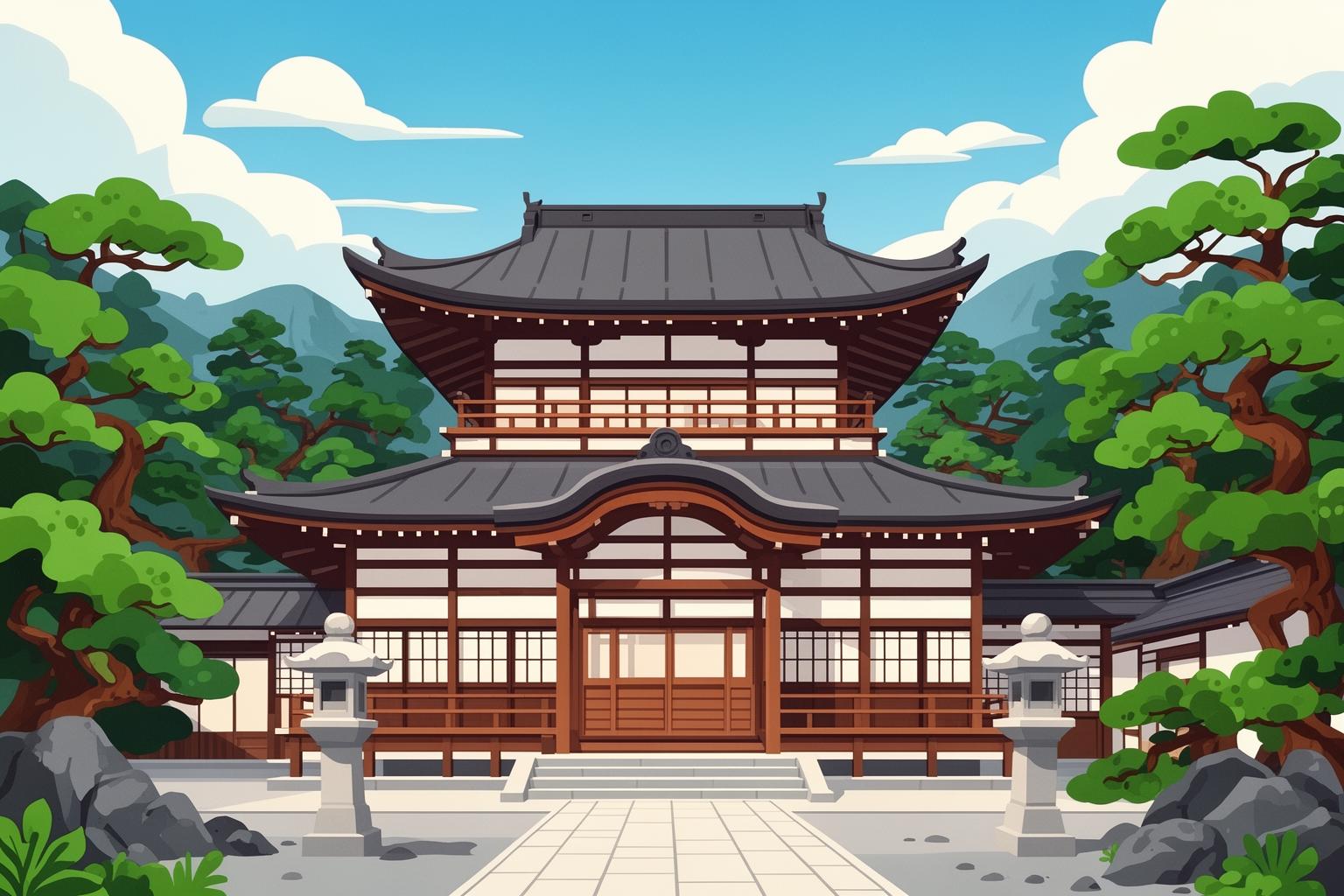
The air shifts as you venture further into the mountains of Gunma. The frantic energy of Tokyo fades away, replaced by the soft whisper of wind through cypress trees and the gentle murmur of the Shima River. The town of Shima Onsen doesn’t just feel old; it feels timeless. This is a place that has resisted the relentless advance of modernity, preserving a precious slice of Showa-era Japan. Retro arcades with pinball machines sit beside tiny shops selling local pickles and sake. The streets are narrow and wind along the riverbank, giving you the distinct impression that time here is measured not in hours, but by the slow, rhythmic pulse of geothermal springs bubbling up from the earth. The atmosphere is one of deep peace, a quietude that invites you to slow your pace, breathe deeply, and simply be. It is in this serene setting that you will find the crown jewel of our pilgrimage, the inn that has captured the imagination of countless Ghibli fans: Sekizenkan Ryokan. The moment you see it, the connection is immediate and breathtaking. A vibrant red bridge arches gracefully over the rushing river, leading to a magnificent, multi-tiered wooden structure clinging to the mountainside. Its intricate facade, with layered roofs, sliding paper screens, and delicate wooden latticework, seems plucked directly from Miyazaki’s sketchbook. At night, when paper lanterns flicker to life, their warm golden light spills from the windows, casting an otherworldly glow that transforms the inn into the very image of Aburaya, the bathhouse for the gods. You almost expect to see a Radish Spirit waddling across the bridge or to hear the boisterous laughter of bathhouse workers echoing from within.
Crossing the Crimson Bridge
The journey to Sekizenkan truly begins the moment you step onto that iconic red bridge. Known as the Keiun Bashi, it serves as more than just a crossing over the river; it’s a symbolic threshold. For Spirited Away fans, this is Chihiro’s bridge, the liminal space between the human world and the spirit realm. As you walk across its wooden planks, the sounds of the modern world seem to fade behind you, replaced by the roar of water below and the creak of the structure underfoot. Pause in the middle. Look back at the town, then ahead at the sprawling, intricate architecture of the inn. The view is simply sublime. The vibrant red of the bridge contrasts stunningly against the lush green forest of spring and summer, the fiery reds and golds of autumn, and the pure, stark white of winter snow. It’s a photographer’s dream, but more than that, it’s a moment of transition. You can feel yourself shedding the mundane, preparing to enter a place steeped in history and fantasy. It’s a powerful, cinematic experience that sets the tone for all that awaits within the inn’s hallowed halls.
Inside the Timeless Halls
Opening the doors to Sekizenkan feels like stepping through a portal into another era. The inn is a labyrinth of history—a collection of buildings from different periods, connected by a mesmerizing network of winding corridors, steep staircases, and even a tunnel burrowing through the mountainside. The main building, a designated cultural property, dates back to the Genroku era, over three hundred years ago, making it one of Japan’s oldest wooden hot spring inns. Inside, the air is thick with the scent of aged wood and tatami mats. The floors creak under the weight of centuries of footsteps. You’ll find yourself wandering hallways much like those Chihiro frantically navigated, half-expecting to bump into Lin or Kamaji the boiler man around a corner. Staying here is an immersion. The rooms are traditional Japanese style, with woven tatami floors, sliding fusuma doors, and a low table where you can sip green tea and watch the river. In the evening, the staff will lay out a soft futon for you to sleep on. It’s an experience connecting you to a more traditional way of life. A word of advice for prospective guests: book well in advance. Sekizenkan’s fame means it fills quickly, especially during peak seasons. While it’s priceless, it’s also a working historic ryokan. Embrace the quirks, like shared bathrooms in the older wings, as part of its authentic charm. This isn’t a modern luxury hotel; it’s a living museum where you get to spend the night.
A Soak in History: The Roman-style Baths
Naturally, the soul of any onsen ryokan lies in its baths. Sekizenkan boasts several, but the most famous and architecturally stunning is the Genroku no Yu. Built during the Taisho period (1912–1926), a time of strong Western influence in Japan, this bath represents a beautiful cultural fusion. Instead of a rustic wooden Japanese onsen, you’ll find a grand, hall-like space with high arched windows, white tiled floors, and five stone pools set into the ground. Steam rising from the mineral-rich waters creates a dreamy, ethereal atmosphere. It’s a sight to behold and an unforgettable bathing experience. For first-time onsen visitors, the etiquette can seem daunting, but it’s quite simple. Wash thoroughly at the small stations before entering the baths. Towels are for drying off afterward, not for entering the water. The key is to relax and let the legendary waters work their magic. The water at Shima Onsen is said to cure forty thousand ailments, and as you soak in the historic pools of Genroku no Yu, feeling tension melt away, you’ll begin to believe it’s true. It’s a moment of pure tranquility, a baptism in the history and healing power of this sacred place.
Beyond the Bathhouse: Exploring Shima Onsen Town
While Sekizenkan undoubtedly stands as the main attraction, the town of Shima Onsen itself is a destination well worth exploring. The enchantment of the area extends beyond the walls of a single ryokan; it fills the entire valley. The town retains a delightfully, obstinately old-fashioned atmosphere. A stroll along the Shima River feels like a journey back in time. You’ll encounter narrow alleys, quaint wooden bridges, and charming small details that reward the observant traveler. Life here moves at a slow, unhurried pace, guided by the rhythm of the seasons and the flow of the river. It’s an ideal escape from the sensory overload of Japan’s bustling cities. The main pursuits include wandering, soaking, and savoring tranquil moments. It’s a place to reconnect with nature and embrace a simpler, more graceful way of life. Take your time during your visit; allow at least a full day to meander aimlessly and let the town unveil its secrets to you.
A Stroll Through a Bygone Era
Begin your exploration with a walk through the main area of town, known as the `onsen-gai`. Here, you’ll find several charming remnants of mid-century Japan. There’s a retro shooting gallery and a smart ball parlor where you can try your luck at old-fashioned Japanese pinball. These spots feel beautifully preserved, offering an authentic glimpse into the past. Stop by one of the small snack shops for some `onsen manju`, sweet buns steamed using the heat from the hot springs. Visit a local sake shop to sample some of Gunma’s finest rice wine. The shopkeepers are friendly and welcoming, eager to share a piece of their local culture with visitors. Among the town’s most endearing features are the public footbaths, or `ashiyu`, scattered throughout. These are free to use and provide the perfect chance to rest your feet and soak in healing waters while watching the world go by. It’s a simple pleasure that perfectly captures the relaxed, communal spirit of an onsen town.
The Miraculous Waters of Shima
The name of the town, Shima, offers a hint to its legendary reputation. The kanji characters for Shima are 四万, which literally translate to “forty thousand.” This name derives from an ancient legend claiming the hot spring waters here can cure forty thousand different ailments. While this may be folklore, the water is genuinely prized for its therapeutic qualities. It is a sodium and calcium chloride spring, reputedly effective for conditions such as neuralgia, muscle pain, and fatigue. Beyond this, it is renowned for its skin benefits, leaving it feeling soft and smooth. Many ryokans, including Sekizenkan, offer taps where you can drink the onsen water. It has a mild, slightly salty flavor and is believed to aid digestion. Whether or not you embrace the legends, there is no denying the profound sense of well-being that comes from soaking in these mineral-rich waters. It is a healing experience that is both physical and spiritual, washing away the stresses of the world outside.
Seasonal Splendor
Shima Onsen reveals distinct beauty with every season, making it a place worthy of many returns. In spring, the valley comes alive with a soft palette of greens as trees awaken from winter, with cherry blossoms adding delicate pink hues. Summer bursts with vibrant, almost electric green, warm days, and the constant hum of cicadas. It’s an ideal time to visit nearby Lake Okushima, famous for its crystal-clear, cobalt waters often called “Shima Blue.” Autumn ignites the valley with fiery colors—crimson, gold, and orange—drawing photographers and nature enthusiasts from across Japan. The crisp air enhances the onsen experience. Winter cloaks the town in a peaceful, monochromatic blanket of snow, muffling sound and creating deep tranquility. Soaking in an outdoor bath, or `rotenburo`, while snowflakes softly fall around you is pure magic. Each season provides a unique way to experience Shima Onsen’s timeless charm, ensuring that no two visits are ever quite the same.
The Pilgrim’s Path: Other Spirited Away Inspirations

While Shima Onsen and its magnificent Sekizenkan present the most vivid real-world counterpart to Aburaya, the rich tapestry of Spirited Away was crafted from inspirations drawn from numerous locations throughout Japan and beyond. A true pilgrimage often involves multiple stops, and for the devoted Ghibli fan, broadening your journey will deepen your appreciation of the film’s incredible artistry and world-building. Each of these other sites, with its unique history and atmosphere, contributed essential elements to the spirit world—from the chaotic energy of the entertainment district to the complex workings of the boiler room. Exploring them adds layers to your understanding, revealing how Miyazaki and his team blended real-world architecture, culture, and history into a fantasy that feels utterly authentic and convincing.
Architectural Echoes at the Edo-Tokyo Open Air Architectural Museum
For travelers based in Tokyo, a visit to the Edo-Tokyo Open Air Architectural Museum in Koganei Park is an indispensable and easily accessible part of the pilgrimage. This remarkable museum is a paradise for Ghibli fans, featuring a collection of historic buildings relocated from across the Tokyo region and preserved as a village frozen in time. Hayao Miyazaki was a regular visitor here during the making of Spirited Away, drawing inspiration from its Meiji and Taisho-era aesthetic. As you stroll through its streets, a strong sense of familiarity emerges. The most iconic spot is the former stationery shop, “Takei Sanshodo,” with its walls lined by hundreds of small wooden drawers. It is widely regarded as the direct model for Kamaji’s boiler room, where he diligently works amid shelves packed with herbs and magical ingredients. You can almost picture the soot sprites scurrying across the floor. Elsewhere in the park, the old public bathhouse, “Kodakarayu,” with its grand, temple-like facade and stunning Mount Fuji mural above the baths, instantly evokes the majesty of Aburaya. The entire western section of the museum, featuring vintage storefronts and a trolley car, captures the uncanny atmosphere of the town where Chihiro’s parents wander at the film’s start. It’s a place where history vividly comes alive, letting you step directly into the aesthetic that defines much of the Ghibli universe.
The Real-World No-Face: Dogo Onsen Honkan
Traveling south to Shikoku, another legendary bathhouse stakes a strong claim as a primary inspiration for Aburaya: Dogo Onsen Honkan in Matsuyama, Ehime Prefecture. As one of Japan’s oldest and most renowned hot spring facilities, with a history dating back over a thousand years, its current main building—a complex, castle-like wooden structure constructed in 1894—is a designated Important Cultural Property. Its labyrinthine interior, filled with a maze of corridors, staircases, and rooms, is even more bewildering and magnificent than Sekizenkan’s. The building’s layered roofs, gables, and lookout towers combine chaotically yet harmoniously, creating a silhouette strikingly similar to the bathhouse of the gods. As you explore its many levels, it’s easy to imagine the bustling daily life of the spirits within its walls. Dogo Onsen also features a special bathing area reserved exclusively for the Imperial Family, the Yushinden, which enhances its regal and otherworldly aura. The vibrant, lively atmosphere of the surrounding district, with busy shopping arcades and visitors strolling in yukata, similarly reflects the energy of the spirit world’s entertainment district. While Shima Onsen offers the iconic red bridge and a sense of quiet nostalgia, Dogo Onsen provides the scale, complexity, and grandeur that truly make Aburaya feel like a place fit for gods. Visiting here provides a different but equally crucial piece of the Spirited Away puzzle. (Note: The Honkan is currently undergoing extensive preservation and repair work, but parts remain open to visitors—please check the official website for the latest updates before your visit.)
Your Pilgrimage Blueprint: Practical Travel Guide
Setting out on a pilgrimage to these enchanting locations requires some planning, but the journey itself is part of the adventure. Japan’s transportation system is impressively efficient, making even remote mountain towns like Shima Onsen surprisingly easy to reach. With a bit of preparation, you can ensure your trip is smooth, comfortable, and truly magical. This guide aims to provide you with the practical information needed to travel from the bustling cityscape of Tokyo to the serene, steam-filled valleys that inspired a cinematic classic. From train routes and bus timetables to packing tips and lodging suggestions, here’s how to make your Ghibli dream come true.
Getting to Shima Onsen
Tokyo is the most common starting point for a journey to Shima Onsen. The trip offers a pleasant blend of modern speed and scenic countryside travel. First, you’ll board the Joetsu or Hokuriku Shinkansen (bullet train) from either Tokyo Station or Ueno Station, arriving at Takasaki Station in Gunma Prefecture after about an hour—a thrilling start to your adventure. From Takasaki, transfer to a local JR Agatsuma Line train headed to Nakanojo Station. Here, the landscape begins to change dramatically as the train meanders through river valleys and into mountainous terrain. This segment takes around 50 minutes. Upon arrival at Nakanojo Station, you reach the final leg of your journey. Just outside the station is a bus terminal where you can catch a Kan-etsu Kotsu Bus bound for Shima Onsen. The 40-minute bus ride climbs higher into the mountains, offering stunning views along the way, and drops you off right in the heart of the onsen town, just a short walk from Sekizenkan and other ryokans. For those seeking a more direct route, highway buses such as the Shima Onsen Go travel straight from Tokyo Station to Shima Onsen in about three and a half to four hours. While slower, this option provides convenience with no transfers.
Where to Stay (Besides the Legend)
Although staying at the historic Sekizenkan offers the quintessential pilgrimage experience, its popularity and price may not suit everyone. Fortunately, Shima Onsen boasts a delightful assortment of other ryokans and hotels, each with its own unique charm and access to the town’s renowned waters. For a touch of modern luxury blended with traditional hospitality, Kashiwaya Ryokan is well-known for private open-air baths attached to guest rooms. If you prefer a more intimate, family-run atmosphere, smaller minshuku or ryokan offer a deeply personal and authentic stay. Many inns are nestled along the Shima River, providing beautiful views and easy access to local attractions. When booking, think about what matters most to you: historic ambiance, modern amenities, gourmet dining, or a specific type of onsen bath. It is highly recommended to select accommodations that include dinner and breakfast. The multi-course kaiseki dinners served at ryokans are culinary masterpieces, highlighting the finest local and seasonal ingredients. This is an essential part of the onsen experience and a feast for both the eyes and the palate.
What to Pack and What to Know
Packing for an onsen trip is fairly simple. Comfortable walking shoes are essential for exploring the hilly streets and nearby nature trails. Even in summer, it’s wise to bring a light jacket or sweater, as mountain evenings can be cool. When you check into your ryokan, you’ll be provided with a yukata—a light cotton kimono—which you are encouraged to wear not only inside the inn but also while strolling around town. It’s perfectly acceptable and part of the fun, so embrace the local custom without hesitation! Although credit cards are widely accepted in Japan, carrying some cash is advisable, especially in smaller towns like Shima Onsen, where tiny family-run shops and eateries may operate cash-only. Most importantly, bring an open mind. Staying at a ryokan differs from a hotel experience; it’s about immersing yourself in Japanese hospitality, or omotenashi, respecting traditions such as removing your shoes at the entrance, and adopting the serene pace of mountain life. Prepare to relax, disconnect, and fully embrace the tranquil ambiance.
Planning Your Days
To truly savor Shima Onsen, a one-night, two-day stay is ideal, providing enough time to soak in the atmosphere without rushing. A sample itinerary might look like this: On Day 1, travel from Tokyo in the morning and arrive in Shima Onsen early afternoon. Check into your ryokan, slip into your yukata, and take an initial exploratory stroll through town. Cross the Keiun Bridge, visit retro game parlors, and enjoy a footbath. Before dinner, take your first onsen soak to ease away the travel weariness. Then, indulge in a spectacular kaiseki dinner at your ryokan. After your meal, a final nighttime soak—perhaps outdoors under the stars—is the perfect way to end the day. On Day 2, rise early for a refreshing morning onsen session before breakfast. After checking out, store your luggage and explore further. Consider a short bus ride or hike to Lake Okushima to see the breathtaking “Shima Blue.” Enjoy a simple lunch in town before catching your afternoon bus back to Nakanojo Station for the return journey to Tokyo. This itinerary strikes a perfect balance between iconic sightseeing and unstructured relaxation—the very essence of an onsen getaway.
From the moment you board the Shinkansen until the lingering warmth of your last onsen soak, this journey is more than just travel—it’s stepping into a story. Visiting Shima Onsen and other sites that inspired Spirited Away is a way to honor a film that has touched so many hearts, but it also creates its own unique narrative. You become more than an observer; you become part of the magic—crossing bridges, wandering mysterious alleyways, soaking in ancient, healing waters. The experience goes beyond fandom to forge a deep connection with Japan’s history, culture, and natural beauty. You’ll depart with more than photographs—you’ll carry the scent of steam and cedar, the memory of the river’s song, and the quiet, restorative peace of the mountains. You may well leave feeling a little spirited away yourself, with a renewed sense of wonder and a story now uniquely yours to tell.