
There are stories that you watch, and then there are stories that you live. They seep into the quiet corners of your consciousness, their colors tinting the way you see the sky, their melodies becoming the soundtrack to your daydreams. Makoto Shinkai’s cinematic masterpiece, Kimi no Na wa., or Your Name., is one such story. It was more than a film; it was a global emotional event, a beautifully rendered tapestry of time, fate, and the invisible threads that connect two souls across distance and disaster. It left millions of us staring up at the heavens, wondering about the ties that bind us, the memories we might have lost, and the person we are inexplicably searching for. This profound feeling has given rise to a modern-day pilgrimage, a journey known in Japan as seichi junrei, where fans travel to the real-world locations that brought the animation to life. The film’s magic is rooted in its stunningly realistic portrayal of Japan, a world split between two contrasting yet equally captivating settings. We have the relentless, vibrant pulse of Tokyo, the concrete and glass labyrinth that is home to Taki Tachibana. And then we have the serene, timeless beauty of Itomori, the fictional mountain town where Mitsuha Miyamizu performs her ancient shrine duties, a place whose soul is lovingly borrowed from the Hida region of Gifu Prefecture. To walk these streets is to blur the line between animation and reality, to feel the story’s powerful emotions resonating in the very air you breathe. This is not just a tour; it is an invitation to step through the screen and experience the world of Taki and Mitsuha firsthand, to trace their steps from the heart of the world’s largest metropolis to the tranquil whispers of rural Japan. It’s a journey to find the places that feel like a memory you can’t quite place, a name that’s right on the tip of your tongue.
Stepping off the screen to tread familiar paths can lead travelers to embrace a spiritual journey that deepens the interplay between cinematic memory and the living landscape.
Tokyo’s Concrete Canvas: Tracing Taki’s Footsteps
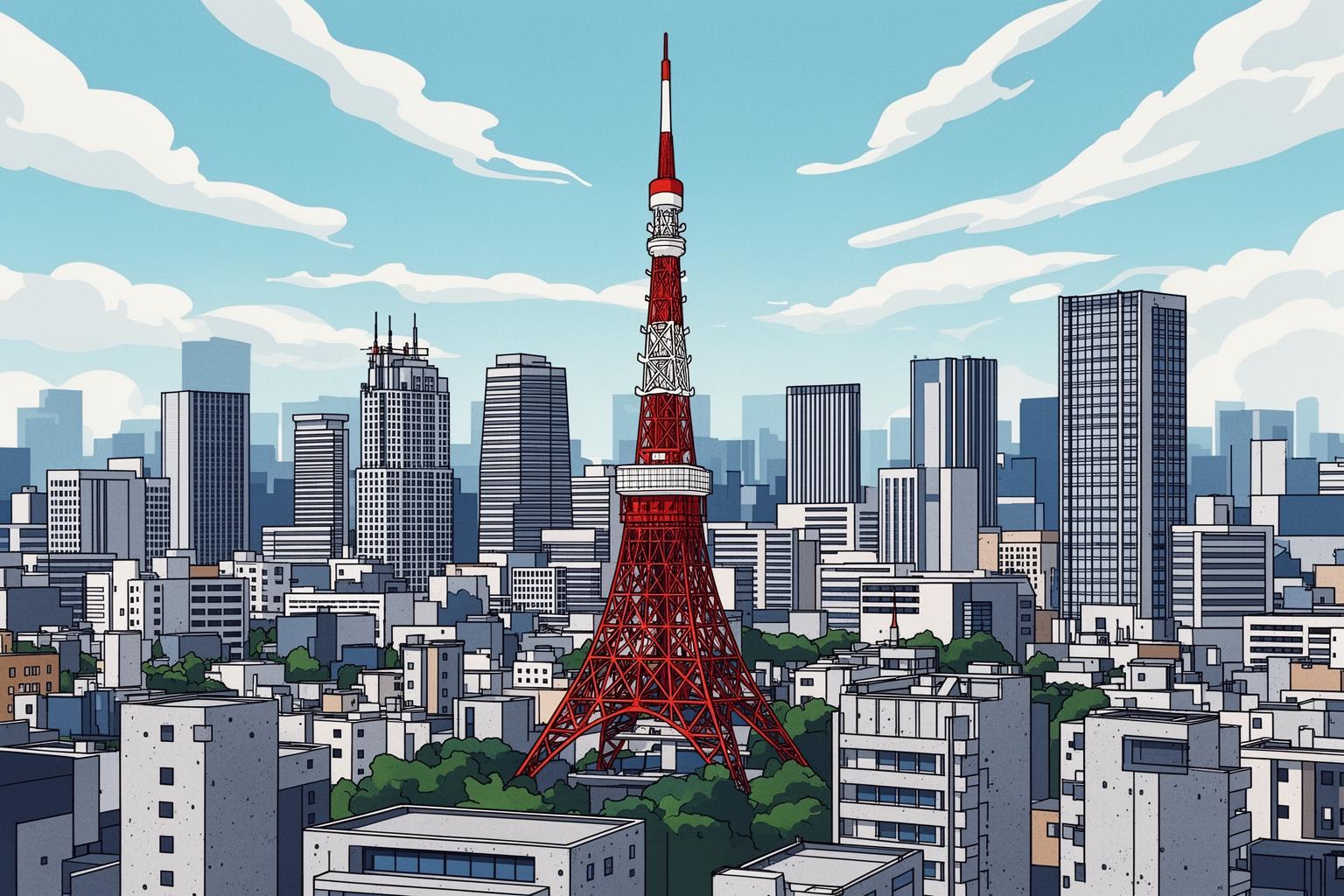
Our pilgrimage starts where Taki’s story unfolds—in the vast, electric core of Tokyo. This city itself is a character, a vibrant entity of dazzling lights, complex systems, and a populace that moves with the coordinated rhythm of a tidal flow. Shinkai expertly portrays its dual nature: the overwhelming scale that can render a person anonymous, alongside hidden pockets of quiet beauty and intimacy nestled within its depths. To follow Taki is to experience this contrast, navigating the chaos to uncover moments of connection that give urban life meaning.
Shinjuku: The Heart of a Metropolis
There’s no better place to feel the vibrant energy of Taki’s world than Shinjuku. It’s a sensory overload—a district where towering skyscrapers pierce the sky while neon signs splash the streets with kaleidoscopic colors. The air pulses with relentless kinetic energy, a symphony of announcements, footsteps, and the distant rumble of trains that never rest. This is the Tokyo of popular imagination, serving as the perfect backdrop for the fast-paced life of a high school boy balancing school, friends, and a part-time job.
Shinjuku Station’s Labyrinth
Your first true immersion into Taki’s world often begins at Shinjuku Station. More than a mere station, it’s an underground city—a sprawling, multi-layered maze of platforms, tunnels, and exits handling millions of commuters daily. The film captures the sensation of being a single droplet in a river of humanity. As you weave through the crowds, following signs for the Yamanote or Chuo lines, you can almost sense Mitsuha’s bewilderment and Taki’s practiced ease. It’s a place where you can feel utterly lost yet profoundly connected to the city’s lifeblood. A tip for newcomers: don’t resist the flow. Let the crowd guide you, and don’t hesitate to pause, take a breath, and orient yourself. The complexity itself is part of the experience—a physical metaphor for the intricate connections threading through the city and, within the film, through time.
The National Art Center, Tokyo
From urban chaos, we move to a space of serene architectural elegance: The National Art Center in Roppongi. This memorable spot hosts Taki’s date with his refined coworker, Okudera-senpai. Designed by visionary Kisho Kurokawa, the building is an impressive structure of undulating glass waves, simultaneously futuristic and organic. Inside, the city’s noise fades, replaced by a hushed reverence. The highlight for any pilgrim is the sunlit café where Taki and Okudera-senpai share their conversation. You can sit at one of the tables perched atop the massive inverted concrete cones, just as they did. The way light filters through the glass façade creates an almost ethereal atmosphere, perfectly mirroring the delicate, uncertain emotions of their date. It’s a moment of calm sophistication in Taki’s life, and visiting the center allows you to inhabit that feeling. The museum features rotating exhibitions, ensuring a unique visit each time. Take your time enjoying the art, then settle in at the café. Order a coffee, gaze at the beautiful interior, and watch the scene come alive around you.
Yunika Vision
Just outside Shinjuku Station’s east exit stands another iconic landmark: the Yunika Vision screens. These three enormous high-definition billboards stream music videos, news, and advertisements non-stop, dominating the cityscape. In Your Name., they act as a visual anchor—a recurring motif that grounds the viewer in Tokyo’s hyper-modern reality. Standing in the square below, surrounded by the cacophony of sound and light, you feel the city’s pulse at its most concentrated. It’s a fantastic photo spot, especially at dusk when the screens blaze against the deepening blue sky. They symbolize the relentless flow of information and culture that immerses Taki, sharply contrasting the slow, tradition-bound life Mitsuha leads in Itomori.
Yotsuya and the Red Staircase of Fate
After experiencing the high-energy hubs of Shinjuku and Roppongi, the journey shifts to a quieter, more emotional tone in the residential neighborhood of Yotsuya. This is where the film’s most iconic, heart-wrenching, and ultimately hopeful scene unfolds. The change is tangible—the towering buildings give way to smaller apartment blocks, narrow streets, and a distinct sense of close-knit community. The atmosphere here is calmer, inviting you to focus on the emotional heart of the pilgrimage.
Suga Shrine Steps
This is the spot. The location etched in the memory of every fan: the red-railed staircase of Suga Shrine. Walking from Yotsuya Station, anticipation builds with each step. You turn a corner, and there it is. The view is so faithfully recreated that it feels like stepping into a dream. The gentle curve of the stairs, the vibrant red handrails, and the green canopy of trees frame a sacred space. Climbing the stairs, you feel the weight of Taki and Mitsuha’s journey. Each step marks a beat in their desperate search for one another. At the top, looking down, the sensation is electric—exactly the perspective from the film’s unforgettable final moments. You half-expect to see a familiar face waiting below. For an intimate experience, visit on a weekday morning when the light is soft, crowds are sparse, and you can savor the moment fully. Remember, this is a residential neighborhood and a sacred site; be quiet and respectful, soak in the atmosphere, and let the profound emotion of the place wash over you. It’s more than a staircase; it’s a monument to hope and connection.
The Crossroads
The area around Suga Shrine features numerous small, recognizable backdrops. The multi-level intersection and pedestrian bridge near Yotsuya Station, where Taki and Mitsuha nearly cross paths as adults, is another touching spot. Standing there, watching trains pass beneath and cars flow by, you sense the bittersweet ache of near-misses and the inexorable passage of time. Exploring these surrounding streets adds depth to the pilgrimage, underscoring how meticulously Shinkai and his team recreated this corner of Tokyo, transforming an ordinary neighborhood into a landscape rich with extraordinary emotion.
A Taste of Taki’s Life: Cafés and City Views
A key part of the pilgrimage is immersing yourself in the characters’ daily lives, which includes visiting their workplaces and favorite views. These places offer opportunities to relax, reflect, and see the city through their eyes.
Cafe La Bohème Shinjuku Gyoen
The charming Italian café where Taki works part-time is a real spot: Cafe La Bohème. Located near the beautiful Shinjuku Gyoen National Garden, it’s an elegant yet inviting locale. With high ceilings, antique-style décor, and large windows overlooking greenery, it’s easy to see why it was chosen for the film. Request a table in the main dining area for the full experience. The menu features classic Italian dishes, making it a wonderful spot for lunch or dinner after a day of exploring. Sitting there, you can vividly imagine Taki navigating tables and Okudera-senpai sharing a quiet moment with him after a shift. It’s a delightful and immersive way to connect with the story, anchoring the film’s fantastic elements in a tangible, real-world setting.
Tokyo City View Observation Deck
Your Name.’s stunning cityscape shots, especially those showing the comet streaking across the sky, are central to its visual identity. While the film blends several viewpoints, the Tokyo City View Observation Deck atop Roppongi Hills Mori Tower provides one of the most spectacular panoramic views of the metropolis. From here, the city stretches out in a glittering sea of lights—a vast electronic web extending to the horizon. It’s where you can truly appreciate the vastness of Taki’s world. Looking downward, you can trace highways and train lines—the very connections crossing millions of lives. For an even more cinematic moment, visit during “magic hour”—just after sunset when the sky turns a deep purple and city lights begin to sparkle. It’s the perfect time to reflect on the film’s theme of tasogare-doki (twilight), when the boundaries between worlds grow thin.
Journey to Itomori: Finding Mitsuha in Hida-Furukawa
Leaving behind Tokyo’s electric glow, our journey ventures deep into Japan’s heart, reaching the mountainous Gifu Prefecture. The shinkansen (bullet train) ride itself marks a transition as the dense urban sprawl slowly yields to rolling hills, verdant forests, and traditional farmhouses. Our destination is Hida-Furukawa, the charming town that inspired Mitsuha’s fictional hometown, Itomori. While Itomori is a place of imagination, its spirit, traditions, and stunning scenery are very real. Arriving here feels like stepping back in time—a welcome breath of calm after the city’s exhilarating pace. The air is crisp and fresh, scented with pine and woodsmoke, and life moves gently, measured by the river’s flow and the changing seasons.
The Gateway to a Dream: Hida-Furukawa Station
Arriving in Hida-Furukawa immerses you immediately in a key scene from the film. The train station is a faithful recreation of the one where Taki, Okudera-senpai, and Tsukasa begin their search for Mitsuha. Stepping onto the quiet platform, the resemblance is striking. You can stand on the pedestrian overpass to capture the iconic view of train tracks stretching into the distance, framed by rolling green mountains. Even the small details, like the taxi stand and the station’s architecture, are meticulously reproduced. Inside, look for the small plush mascot of a Hida-gyu, the region’s renowned beef cattle. This figure makes a brief but memorable appearance in the movie, and spotting it in person is a delightful surprise. The station is more than an arrival point; it’s a portal between the real world and the realm of Itomori, the starting place of Taki’s quest—and yours.
Weaving Threads of Tradition and Time
Hida-Furukawa proudly displays its history. The town is filled with beautifully preserved wooden merchant houses, tranquil temples, and waterways teeming with colorful koi. Strolling its streets is like exploring a living museum, with every corner revealing a piece of its rich cultural heritage.
The Hida City Library
One of the town’s most significant pilgrimage sites is the Hida City Library. This is the very library where Taki and his friends desperately search for records about Itomori and the comet disaster. The interior is a stunning showcase of local craftsmanship, featuring warm wooden beams, intricate joinery, and a peaceful, studious atmosphere. The library staff are well aware of the building’s fame and warmly welcome fans. As a courtesy, you must request permission at the front desk before photographing. They will provide a visitor’s pass and show you where photography is allowed. A small corner dedicated to Your Name. includes a guestbook for visitors to sign and messages from fans worldwide. Sitting in one of the reading chairs, surrounded by the soft rustle of turning pages, you can sense the quiet desperation and dawning horror Taki must have felt as he uncovered the town’s tragic past. It’s a powerful, contemplative experience that deeply connects you to the film’s core narrative.
The White-Walled Storehouses and Seto River
A short walk from the library leads to the town’s most picturesque area: the Shirakabe Dozogai, or Street of White-Walled Storehouses. Here, old sake breweries and merchant storehouses with distinctive white plaster walls line the banks of the small Seto River. From April to November, this charming canal is home to over a thousand vibrant koi, creating a timelessly beautiful scene. The gentle sound of flowing water and the sight of the koi swimming leisurely is incredibly soothing. While not a direct filming location, this area captures the spirit of Itomori’s idyllic, traditional beauty perfectly. It’s easy to imagine Mitsuha and her friends walking here after school, sharing stories and dreams. A slow stroll along the canal reveals the heart of Hida-Furukawa.
The Soul of Itomori: Shrines and Rituals
Mitsuha’s life is deeply connected to her family’s shrine and its ancient customs. Although the Miyamizu Shrine is fictional, it is inspired by several real shrines in the Hida region, blending features to create a place that feels both authentic and mythical.
Ketawakamiya Shrine and Hie Shrine
Many pilgrims visit two notable shrines to experience the full Miyamizu impression. In Hida-Furukawa, the quiet, atmospheric Ketawakamiya Shrine, tucked away on a small hill, is thought to be the model for the general setting and mood of Miyamizu Shrine. It is a peaceful, wooded spot where one can feel the deep connection to nature and spirituality that defines Mitsuha’s world. However, the iconic long stone staircase seen in the film is found in the nearby city of Takayama, at Hie Shrine. Its grand entrance and staircase closely match the film’s depiction. Climbing these steps, you can almost hear Mitsuha’s grandmother speaking of musubi, the mystical force of connection and time. Visiting both shrines offers a complete picture of Mitsuha’s spiritual home.
The Art of Kumihimo
The braided cords, or kumihimo, are a central symbol in Your Name., representing the threads of fate, time, and human connection. This traditional Japanese craft has a long history in the Hida area. To deepen your link to Mitsuha’s story, visit a local craft shop. Some locations in Hida-Furukawa and Takayama offer demonstrations where artisans create these intricate braids on traditional wooden stands called marudai. Some workshops even allow you to make a simple kumihimo bracelet yourself. Handling the threads and weaving them together offers a profound, tactile understanding of the film’s key metaphor. It makes for a beautiful keepsake and a meaningful reminder of the connections formed on your journey.
A Taste of Hida: Culinary Connections
No journey is complete without savoring local flavors, and the Hida region provides a delicious way to connect with the film. The area is renowned for its world-class Hida beef, a tender, marbled delicacy that every visitor should try. You can also find Gohei Mochi, a grilled rice cake coated with a sweet miso and walnut sauce—the very snack Taki and his friends enjoy at a roadside stop during their search. Taking a bite feels like sharing a small, authentic moment with the characters. The region is also famous for its excellent sake, brewed with pure mountain water. Visiting a local brewery for a tasting offers another way to experience one of the area’s proud traditions.
Beyond the Frame: Lake Suwa and the Crater’s View
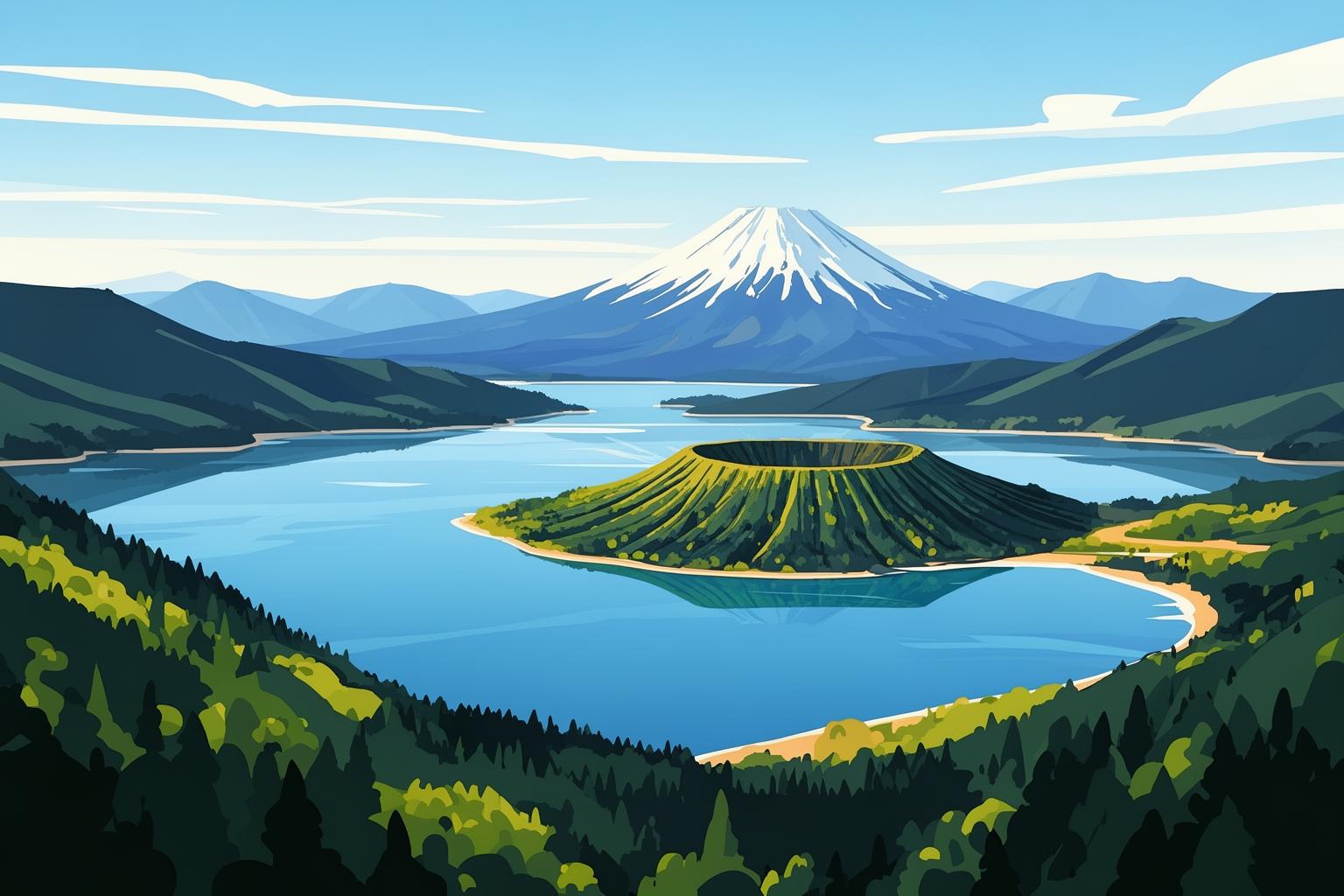
For the truly devoted pilgrim, there is one more essential journey to embark upon. The most stunning and tragic image in Your Name. is that of Itomori’s crater lake, the beautiful body of water that becomes the site of the comet’s impact. This breathtaking scene was directly inspired by a real location: Lake Suwa in Nagano Prefecture. Situated a few hours from the Hida region, this spot requires a separate trip, but the reward is a view that will stay with you forever. The best vantage point is from the Tateishi Park observation deck, perched high on a hill overlooking the lake. As you stand there, gazing down at the sprawling lake and the town nestled around its shores, the resemblance to Itomori is undeniable and awe-inspiring. You can see the entire landscape spread out before you, a perfect reflection of the film’s most dramatic scenes. Visiting at dusk is highly recommended. As the sun sets, the sky and water are bathed in the golden and crimson hues of tasogare-doki. The town lights begin to sparkle below, and for a moment, the boundary between reality and animation completely fades. You are standing at the edge of Itomori, looking out at a sky filled with possibility, and it’s a deeply moving experience.
Practical Pilgrim’s Guide: Planning Your ‘Your Name.’ Journey
Embarking on a seichi junrei is a truly rewarding adventure, but a bit of planning goes a long way toward ensuring it is smooth and enjoyable. Japan’s efficiency makes traveling easy, yet understanding the logistics allows you to fully appreciate the magic of the journey.
Crafting Your Itinerary
An effective and logical way to plan your trip is to follow the narrative arc of the film. Start in Tokyo, dedicating at least three to four days to thoroughly explore all of Taki’s locations without hurrying. You can group the Shinjuku, Yotsuya, and Roppongi sites by their geographic proximity. After experiencing the urban energy, take a train to Gifu Prefecture. Use Takayama as your base since it’s larger and offers more accommodation options, then enjoy a short, scenic train ride to Hida-Furukawa for a day trip. Spend at least two days in the Hida region to fully soak in its serene atmosphere. If you intend to visit Lake Suwa, it’s best to plan this as a separate part of your journey, accessible from major cities like Tokyo or Nagoya. For international travelers, the Japan Rail Pass is an invaluable resource, providing unlimited travel on most JR trains, including shinkansen between major cities and limited express trains to the Hida area.
When to Visit
Although the world of Your Name. is stunning year-round, certain seasons capture the film’s aesthetic more closely. Autumn, from late October to November, is perhaps the most enchanting. The Hida region bursts with spectacular fall foliage, painting the mountains in vivid reds, oranges, and yellows that perfectly reflect the film’s color palette. The crisp, cool air is ideal for walking. Spring (April-May) is another lovely choice, with cherry blossoms and pleasant weather. Summer brings lush greenery but can be hot and humid. Winter turns Hida into a peaceful, snow-covered wonderland, offering a different yet equally beautiful view of Mitsuha’s world that recalls Taki’s solitary winter search.
Pilgrim’s Etiquette
As you begin your journey, it’s important to remember these are not movie sets; they are real locations where people live, work, and worship. The charm of the seichi junrei culture lies in its respect for the sites that fans cherish. When visiting shrines like Suga Shrine or Ketawakamiya Shrine, act as you would in any place of worship: speak softly, be considerate of those praying, and follow the proper purification rituals if you wish to participate. In residential areas such as Yotsuya and Hida-Furukawa, avoid loud noises and do not trespass on private property for better photos. At the Hida City Library, be sure to ask permission before taking photos and remain quiet to respect students and locals who are studying. By being a considerate and respectful visitor, you honor both the story you love and the community that warmly welcomes fans from around the world.
The Enduring Resonance of a Connected Sky

A pilgrimage through the world of Your Name. is more than simply a tour of filming locations. It’s an emotional and resonant experience that lets you physically occupy the spaces where a beloved story came to life. It’s about standing on that staircase in Yotsuya and feeling a flicker of hope within your chest. It’s about sitting in the Hida library, surrounded by the quiet hum of history. It’s about gazing out over Lake Suwa at twilight and appreciating the profound beauty and fragility of a single moment in time. The lasting appeal of this story lies in its universal themes—the search for connection, the power of memory, and the belief that invisible threads of fate bind us all. Walking these streets, you realize the magic was never just on screen. It’s here—in the gentle light of Tokyo, the fresh mountain air, and the shared experience with fellow pilgrims touched by this remarkable tale. As your journey ends and you look up, you may find the sky appears different—broader, more mysterious, and filled with the quiet promise that somewhere, somehow, you are connected.