
There’s a feeling, a faint memory of a place you’ve never been, that haunts the heart of Makoto Shinkai’s masterpiece, Your Name. It’s a phantom town, a landscape woven from longing and starlight, a place called Itomori. While Itomori itself is a creation of cinematic magic, its soul, its very essence, is real. It beats deep within the mountains of Gifu Prefecture, in the historic towns of Hida-Takayama and Hida-Furukawa. This is not just a journey to a film location; it’s a pilgrimage to the source of a feeling, a quest to understand the threads of time, tradition, and connection—the very musubi—that bind the story together. Stepping off the train into the crisp mountain air of Hida is like waking up inside a dream you thought you’d forgotten. The wooden lattices of merchant houses, the quiet trickle of canals, the steep stone steps leading to ancient shrines—they are all whispers of Mitsuha’s world, waiting to be heard. This journey is for those who felt the film’s pull, who saw a reflection of their own yearning for connection in Taki and Mitsuha’s search. It’s a chance to walk the same streets, breathe the same air, and discover that the magic of Itomori was never fictional at all. It was simply waiting here, in the heart of Japan, all along.
For those seeking further encounters with Japan’s mythical landscapes, a journey into the ancient forest that inspired Princess Mononoke offers another captivating chapter to the pilgrimage.
The Tale of Two Towns: Weaving Itomori’s Fabric
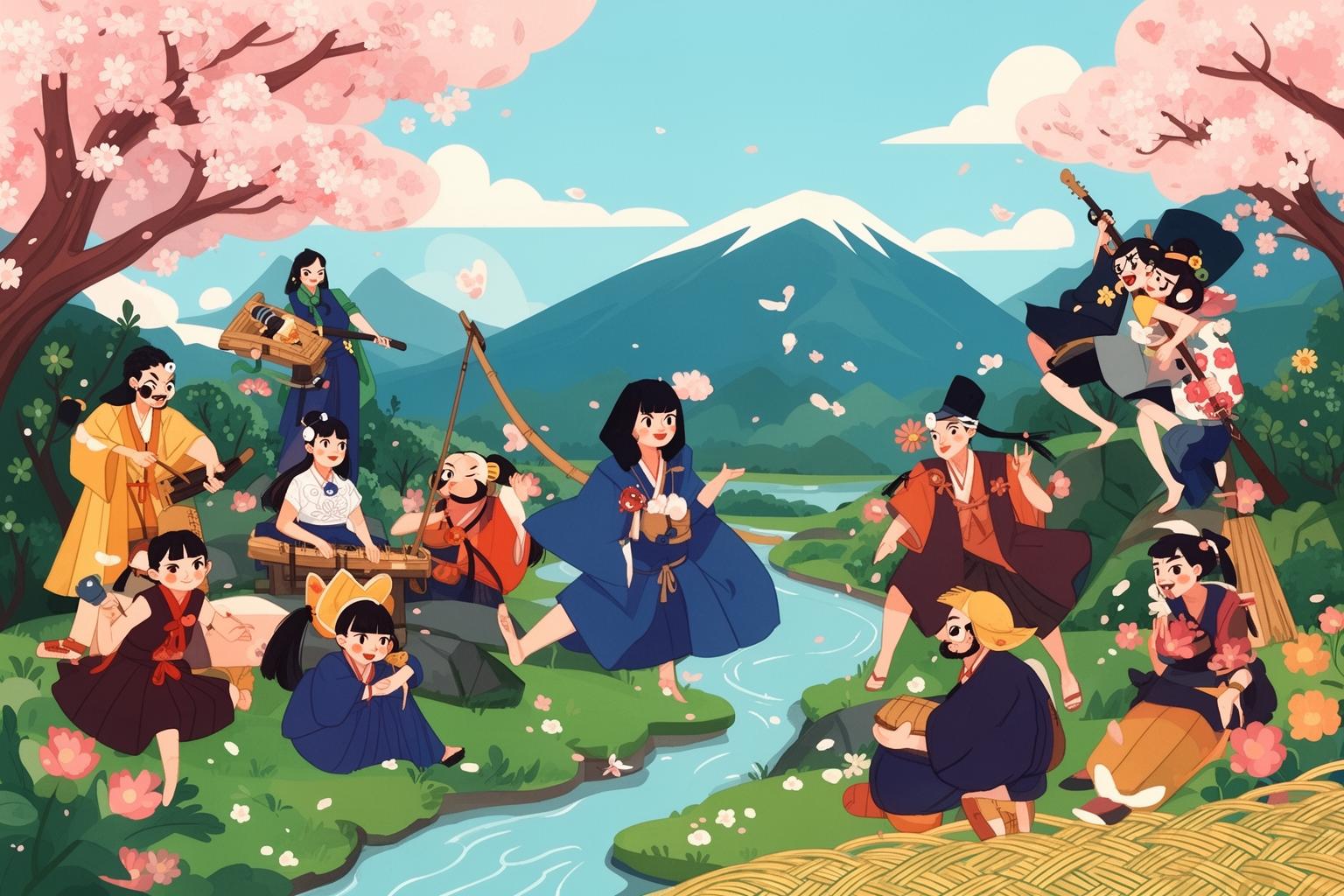
The fictional town of Itomori is not a single location but a beautiful blend, a mosaic of two distinct yet harmonious real-world places: Hida-Takayama and the quieter Hida-Furukawa. Taki’s urgent sketches brought him to this region, and a pilgrimage here reveals how Shinkai and his team skillfully merged the atmosphere of both towns to craft a setting that feels timeless and deeply personal. To fully appreciate Itomori, one must experience the unique rhythm of each town.
Hida-Takayama: The Bustling Heart of Tradition
Hida-Takayama, often called ‘Little Kyoto,’ is the larger and more vibrant of the two. Its Sanmachi Suji district is a perfectly preserved glimpse into Edo-period Japan. Walking these streets feels like stepping back in time. Dark, polished wood lines the facades of merchant homes, sake breweries, and artisan shops. The air carries the sweet, savory scent of grilling Mitarashi dango alongside the rich, earthy aroma of fermenting rice from breweries, their entrances marked by traditional sugidama—globes of cedar fronds hanging above doorways. This is the Hida that welcomes many travelers first, a bustling living museum where history isn’t merely displayed but woven into everyday life.
For pilgrims of Your Name., Takayama offers initial clues in Taki’s search. While no single ramen shop matches precisely the one where Taki ultimately gets his lead, the town is filled with cozy, traditional eateries that evoke the same warm, inviting spirit. It’s easy to imagine him sitting at a wooden counter, slurping noodles and showing his sketches to curious locals. The true cinematic landmark in Takayama is the Hida Sannogu Hie Shrine. Approaching, you’ll be struck by the imposing stone torii gate and the steep, formidable steps ascending into the forest—an unmistakable echo of the stairs leading to the Miyamizu Shrine in the film. Climbing them, you can almost sense Mitsuha’s daily routine and the weight of tradition in every step. Nestled among towering cedar trees, the shrine itself exudes a profound tranquility and timelessness, a sacred space deeply connected to the surrounding nature—a core theme of the film.
Hida-Furukawa: The Quiet Soul of Itomori
A short, scenic train ride away lies Hida-Furukawa, the town that provides the most exact, frame-for-frame locations from Your Name. If Takayama is the lively heart of the region, Furukawa is its quiet, reflective soul. The moment you step off the train at Hida-Furukawa Station, the pilgrimage truly begins. The platform, the charming wooden station building, and the very tracks where Taki, Okudera-senpai, and Tsukasa stood remain perfectly preserved. Station staff are accustomed to visiting fans and often display memorabilia, warmly acknowledging the town’s anime connection. From the station’s footbridge, you can see the exact view from the movie, with the Hida beef mascot, Hidakuro, greeting you from a poster, just as he does in the film.
As you enter the town, life slows considerably. The Seto River, a gentle canal filled with thousands of colorful koi fish, winds behind white-walled storehouses, creating a serene and picturesque scene. Here lie the most iconic locations. The Hida City Library is a must-see. Its beautiful, modern wooden interior and large windows directly inspired the library where Taki and his friends researched Itomori’s history and the comet disaster. Visitors should remember it is a working library; nonetheless, the staff warmly welcome fans, and you can request permission at the front desk to take photos—a testament to the town’s strong relationship with the film. A short walk away is the Keta Wakamiya Shrine, another key inspiration for the Miyamizu Shrine. Unlike the grander Hie Shrine in Takayama, Keta Wakamiya feels more intimate and local, its worn stone steps and lanterns evoking the humble, deep spirituality of Mitsuha’s family. And of course, there is the small stone staircase where Taki, holding his drawing, finally asks a local resident about Itomori. Standing in that exact spot, overlooking the town below, is a powerful moment for any fan—a place where the boundary between cinematic fantasy and reality feels incredibly thin.
Beyond the Frames: Experiencing Hida’s Living Culture
While the joy of spotting scenes from Your Name. initially draws many visitors, the true enchantment of Hida lies in uncovering the rich cultural heritage that inspired the film’s core themes. The region is far more than just a setting; its traditions, crafts, and flavors are intricately woven into the very fabric of the story. A meaningful pilgrimage goes beyond mere sightseeing, immersing you in the vibrant culture that makes this place uniquely special.
The Craftsmanship of a Mountain Town
Hida has long been celebrated for its master woodworkers, known as the Hida no Takumi. For centuries, these artisans were dispatched to the capital to help build temples and palaces, their expertise shaping Japan’s architectural legacy. This heritage of craftsmanship is evident everywhere, from the delicate latticework on traditional houses to the magnificent floats of the Takayama Festival. Held each spring and autumn, this festival is considered one of Japan’s most stunning, featuring enormous, ornate floats called yatai. These mobile masterpieces, adorned with intricate carvings, lacquered panels, and elaborate mechanical puppets, demonstrate the community’s dedication to preserving their artistic traditions. Viewing them at the Takayama Yatai Kaikan (Festival Floats Exhibition Hall) offers a profound appreciation for the generations of skill passed down—a real-life reflection of the traditions Mitsuha was destined to uphold.
Tasting the Terroir: Hida’s Culinary Delights
Exploring Hida is also a sensory adventure, with its cuisine deeply connected to the mountainous environment. The most renowned local specialty is Hida beef, a type of wagyu celebrated for its rich marbling and buttery texture. It can be savored in various forms, from elegant steaks to casual street foods like beef sushi or steamed buns. The pure mountain water also enhances the region’s sake, with many historic breweries in Takayama’s old town offering tastings of their crisp, refined brews perfected over centuries. For Your Name. pilgrims, two simpler dishes hold special meaning. One is Gohei mochi, a skewered rice cake coated in a sweet and savory sauce made from miso, soy, and walnuts, then toasted over a flame. Taki is shown eating this snack in the film, and tasting it here creates a direct link to his journey. The other is local Mitarashi dango, which differs from the usual sweet version; here, it is brushed with soy sauce and grilled, delivering a straightforward, savory, and deeply satisfying regional flavor.
Musubi and Kumihimo: The Threads That Bind
Perhaps the deepest connection between Hida’s culture and the film’s narrative lies in the concept of musubi. As Mitsuha’s grandmother explains, musubi signifies the intricate weaving of time, fate, and human bonds. It is the tying of a thread, the flow of time, and the connections among people. This philosophical notion is brought to life through the craft of kumihimo, the art of creating braided cords practiced by Mitsuha and her family. These colorful threads are not mere decorations but sacred objects, symbols of a bond that transcends time and space. In Hida, this ancient craft remains vibrant. Visitors can find shops selling beautiful handmade kumihimo cords, and many offer hands-on workshops. Sitting down to braid your own cord is a deeply moving experience. As you weave the threads, following the rhythmic pattern, you begin to physically grasp the film’s central metaphor. It offers a moment to reflect on your own relationships, to feel the weight and beauty of musubi in your hands. This transforms the pilgrimage from passive observation into active participation in the story’s most profound theme.
A Practical Guide to Your Hida Pilgrimage

Embarking on a journey to Hida is surprisingly easy, but a bit of planning will help you make the most of your time in this captivating region. Whether you’re visiting briefly or immersing yourself deeply, here is some practical advice to guide you through Mitsuha’s and Taki’s world.
Getting There and Around
The easiest way to reach the Hida region is by train. From major cities like Tokyo, Kyoto, or Osaka, you’ll first take the Shinkansen (bullet train) to Nagoya or Toyama. From there, the JR Wide View Hida limited express train provides a direct and breathtakingly scenic journey into the mountains. This trip is an experience in itself, as the train meanders through dramatic valleys and alongside emerald-green rivers, offering stunning views that set the tone for your arrival in Takayama. Once in Takayama, reaching Hida-Furukawa is a short 15-minute ride on the local JR Takayama Main Line. Both towns are compact and wonderfully walkable. The main sights in Takayama’s old town and Hida-Furukawa’s center can be explored on foot — the best way to soak up the atmosphere and discover hidden alleys and charming shops. For destinations beyond the town centers, a local bus network is available, but for the core Your Name. pilgrimage, walking is your best companion.
When to Visit: A Town for Every Season
Hida is a destination that unveils a distinct kind of beauty with each season, making it a worthy place to visit year-round. Each season offers its own unique way to experience the world of Your Name. Spring (April-May) is enchanting, with cherry blossoms framing historic streets and the magnificent Takayama Spring Festival taking place. Summer (June-August) brings lush, vibrant greenery and crisp mountain air, accompanied by the classic sound of cicadas. Autumn (October-November) is possibly the most spectacular season, as the surrounding mountains ignite in fiery shades of red, orange, and gold, coinciding with the Takayama Autumn Festival. Winter (December-February) covers the region in deep, silent snow, transforming the towns into a serene, monochromatic wonderland. The quiet stillness of a snowy day in Hida-Furukawa powerfully evokes the more melancholic and reflective moments of the film. Visiting during the shoulder seasons, like late autumn or early spring, can also mean fewer crowds, allowing for a more intimate pilgrimage experience.
A Pilgrim’s Etiquette
Visiting Hida means stepping into more than just a film location; you are entering a living community. Practicing respectful tourism is essential to maintaining the positive relationship between the town and its visitors. When visiting shrines such as Hie Shrine and Keta Wakamiya Shrine, remember these are active places of worship—be quiet, respectful, and observe proper prayer etiquette if you participate. At Hida City Library, keep in mind it is a public space for local residents. Always ask permission at the information desk before taking photos and do so quietly, without disturbing others. The greatest way to show respect is by supporting the local economy: dine at family-run restaurants, buy souvenirs from local artisans, and sample sake from the historic breweries. The people of Hida have embraced their connection to Your Name. with remarkable warmth and grace. By being a mindful and considerate visitor, you help preserve the magic for everyone.
The Echoes of Itomori: Finding the Film’s Heart
A journey to Hida ultimately becomes a quest for something intangible. You arrive seeking places but depart with a feeling. It’s the sense of deja vu that Taki experienced, the uncanny familiarity with a place you’ve never physically been. It’s the subtle whisper of history in the streets of Takayama, the gentle flow of Furukawa’s canals, and the sacred silence of a mountain shrine. You come to understand that the power of Your Name. was never just its stunning animation or gripping story; it was its ability to awaken a universal yearning for place, roots, and a connection beyond reason.
Standing on the platform at Hida-Furukawa station, you are more than a tourist. You become part of a worldwide community of dreamers who were so touched by a story that they crossed oceans to stand within its presence. While crafting your own kumihimo braid, you are not simply making art; you are physically engaging with the film’s deepest metaphor, reflecting on the threads that intertwine your life. This pilgrimage serves as a reminder that stories hold the power to transform our world, turning ordinary places into sacred ground. The search for Itomori is, ultimately, a search for ourselves—for the forgotten dreams and distant bonds that shape our identity. As you board the train to leave, the Hida landscape flashing past your window, you realize you haven’t just witnessed the world of Your Name. You have truly felt it. And that feeling, that musubi, is a keepsake you will carry forever.