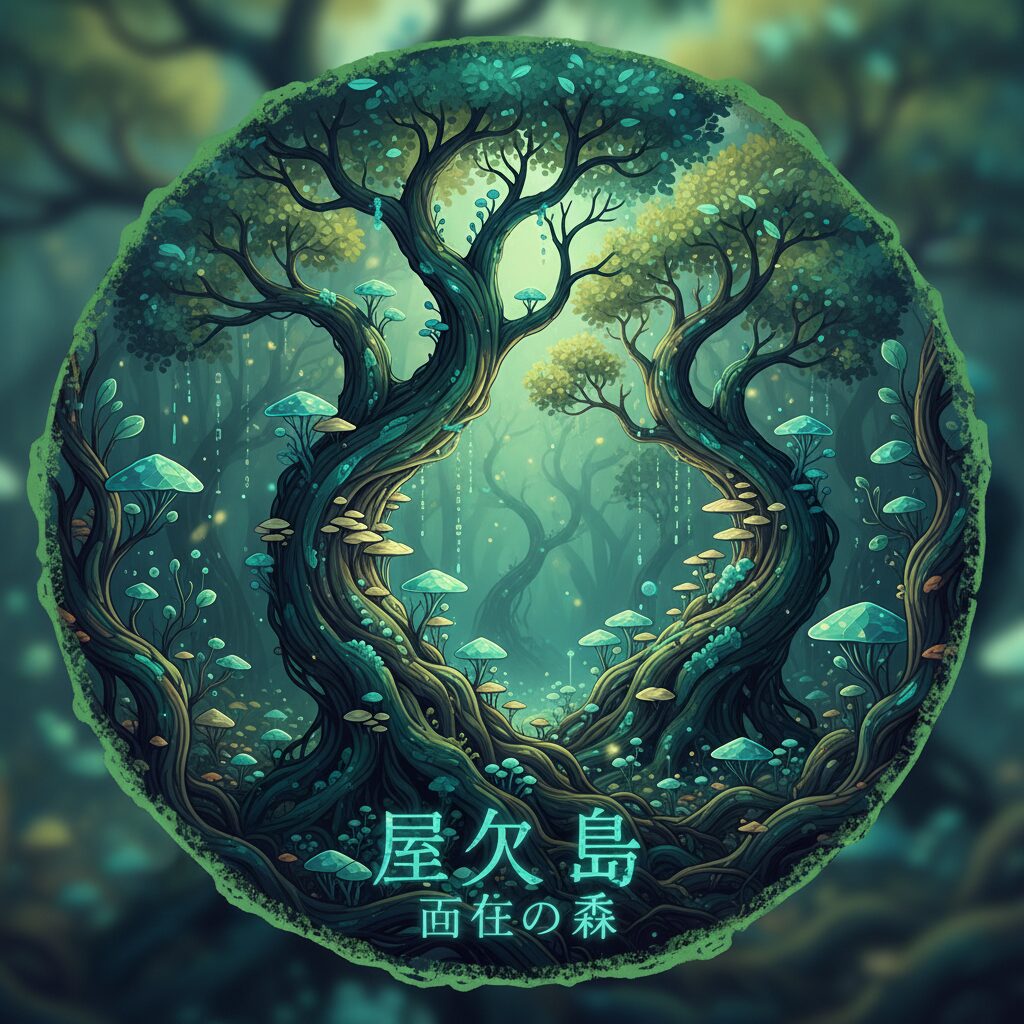
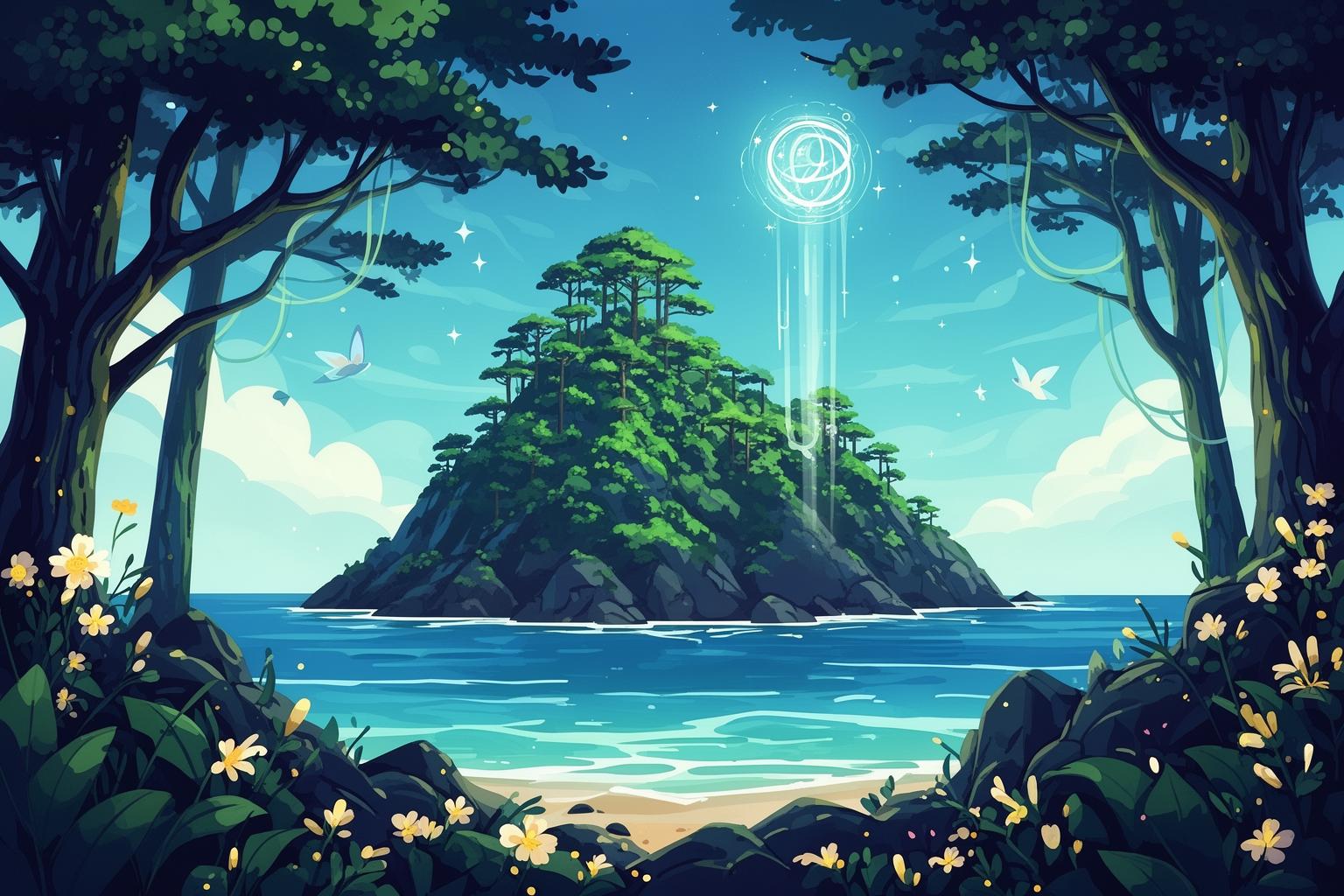
There are places on this earth that feel older than time itself, where the air hums with a silent, ancient energy. Yakushima Island is one of them. Floating in the turbulent waters south of Kyushu, this pearl of Japan’s Osumi Islands is a world apart, a realm sculpted from granite and cloaked in a perpetual shroud of life-giving mist and rain. It’s a place where moss carpets everything in a velvet of impossible green, and thousand-year-old cedar trees, known as yakusugi, stand as silent sentinels to the passage of millennia. This is not merely an island; it is a living, breathing sanctuary, a primeval landscape so potent and mystical that it became the spiritual and visual soul of one of the greatest animated films ever created: Hayao Miyazaki’s masterpiece, Princess Mononoke. To step onto Yakushima is to walk into the world of Ashitaka, San, and the great Forest Spirit. It’s a journey that blurs the line between cinematic fantasy and tangible reality, a pilgrimage to the very heart of nature’s formidable, untamed soul. This is your guide to navigating that sacred space, to finding the whispers of the kodama among the gnarled roots and sun-dappled leaves of their ancient home.
For travelers seeking to immerse themselves in the island’s ancient magic, venturing into the mononoke forest reveals a live tapestry of nature that echoes the spirit of Miyazaki’s masterpiece.
The Soul of the Island: Where Nature and Myth Collide
The moment you step onto Yakushima, the atmosphere surrounds you. It’s a palpable presence, a heavy, humid blanket infused with the scent of damp earth, decaying wood, and the sweet fragrance of cedar. The island is famously, almost mythically, wet. A local saying goes that it “rains 35 days a month,” a charming exaggeration that reflects a fundamental truth: water is the lifeblood of this place. It rushes down granite monoliths in thundering waterfalls, nourishes the crystal-clear streams that wind through the forests, and sustains the incredibly lush ecosystem that earned Yakushima its UNESCO World Heritage status. This persistent moisture supports the deep, vibrant moss that clings to every surface, transforming the forest floor into a rolling tapestry of emerald, chartreuse, and jade. It’s this very atmosphere that Hayao Miyazaki and his team at Studio Ghibli so expertly captured. The world of Princess Mononoke is one where nature is not merely a backdrop but a character—a powerful, sentient force with its own gods and spirits, or kami. On Yakushima, this is more than fantasy. You can sense the presence of these spirits in the creak of an ancient branch, the swirl of mist through the canopy, and the profound silence of the deep woods. It’s a place that demands respect, a landscape that humbles you with the reminder of humanity’s small place within a much larger, older, and wilder world.
The Verdant Heart: Shiratani Unsuikyo Ravine
For many pilgrims traveling to Yakushima, the main attraction is the Shiratani Unsuikyo Ravine. This is the very spot that most directly inspired the film’s iconic forest. Walking into its network of trails feels like passing through a doorway to another world. The modern world fades away, replaced by a scene of astonishing, nearly overwhelming beauty. Sunlight struggles to penetrate the thick canopy, and when it succeeds, it casts ethereal beams that illuminate the swirling mist and highlight the shimmering moisture on the leaves. It is a photographer’s dream and a hiker’s haven, where every step reveals a new arrangement of rock, root, and moss that feels deliberately, artfully composed. The air is cool and pure, filled with the gentle melody of birdsong and the constant murmur of running water. Here, you truly begin to seek the white, rattling heads of the kodama, the tree spirits from the film, because within this environment, their existence feels not only possible but probable.
Walking in the Footsteps of Ashitaka
The trails at Shiratani Unsuikyo accommodate a range of skill levels, allowing both casual walkers and experienced trekkers to experience its enchantment. The main path consists of wooden walkways, stone steps, and natural trails that meander progressively deeper into the ravine. You’ll cross crystal-clear streams on charming wooden bridges, duck beneath massive, moss-covered logs, and traverse a maze of twisted cedar roots that snake across the path like resting dragons. Many head toward Taiko-iwa, or Taiko Rock, a huge granite boulder perched high above the forest. The final climb involves a bit of scrambling, requiring the use of ropes to pull yourself up, but the reward is breathtaking. From atop the rock, the entire forest canopy spreads out below you—a sea of green stretching toward the island’s central mountains. This view mirrors the grand, sweeping shots in Princess Mononoke, offering a god’s-eye perspective of the world you’ve just entered. On a clear day, the sense of scale is awe-inspiring; on a misty day, it feels as if you are floating on a rock amidst a sea of clouds—a truly mystical experience.
The Moss Forest of the Kodama
Farther into the ravine lies the area affectionately called Mononoke Hime no Mori, the Princess Mononoke Forest. This is the sanctuary’s core, where moss covers the woods so densely it seems to swallow sound. Dozens of moss varieties thrive here, forming a soft, cushiony carpet over fallen logs, ancient stones, and the bases of towering trees. The silence in this part of the forest is profound, broken only by water dripping from leaf to leaf. It’s a place for quiet reflection. Visitors instinctively lower their voices to whispers, as if not to disturb the slumbering spirits of the woods. Here, you feel your closest connection to the film. It’s easy to imagine San, the wolf princess, moving silently through this green labyrinth, or the Forest Spirit making its slow, purposeful way to its sacred pond. Take your time. Sit on a mossy rock. Notice the intricate details and the way light interacts with the different textures. This is not a place to rush through; it is a place to fully absorb.
Journey to the Ancient Giant: The Jomon Sugi
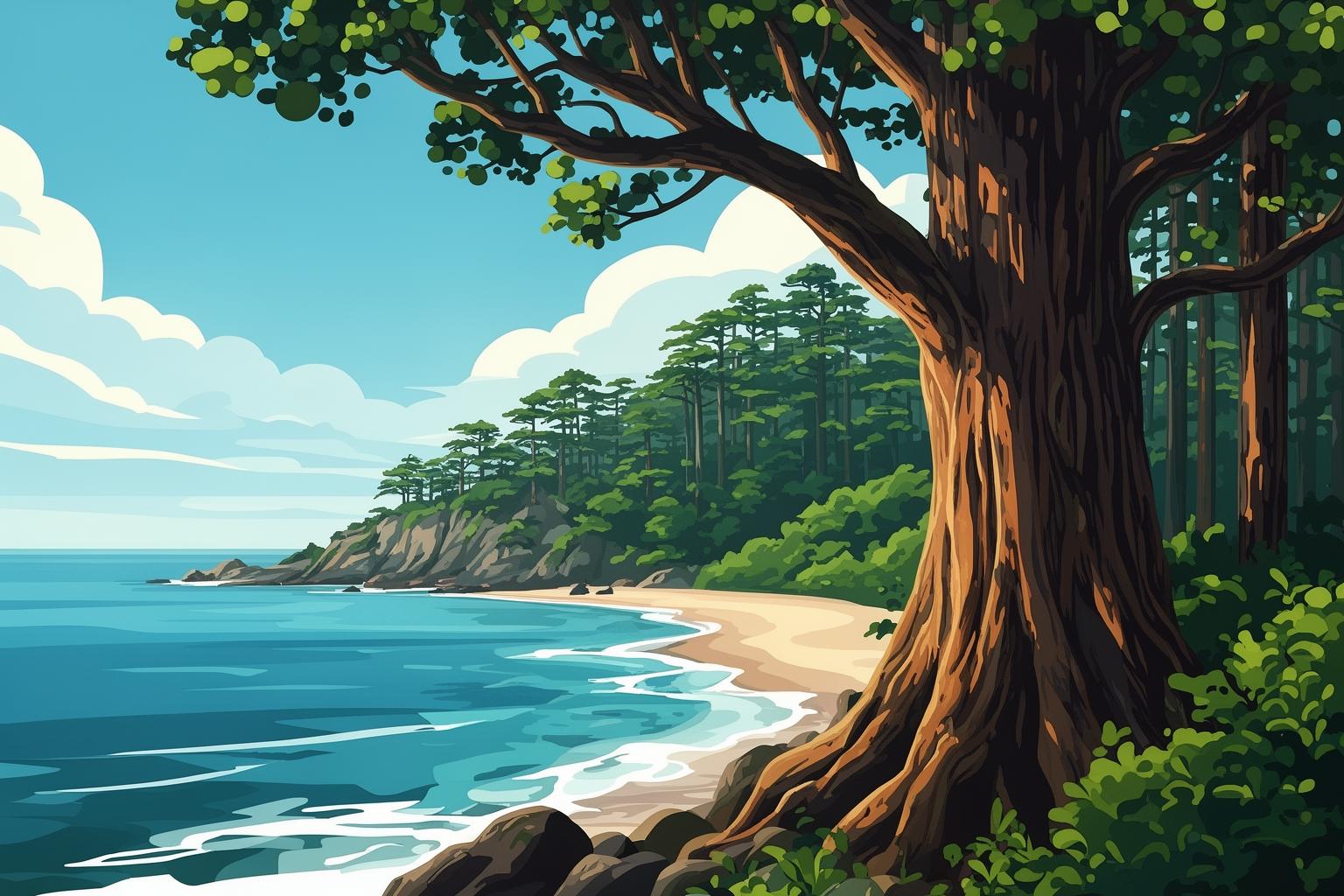
While Shiratani Unsuikyo epitomizes the film’s visual beauty, the journey to the Jomon Sugi embodies its essence. The Jomon Sugi is a colossal, singular Yakusugi cedar, a living monument estimated to be between 2,000 and over 7,200 years old. Named after the Jomon Period of Japanese prehistory, it stands as a silent witness perched on its mountain long before the pyramids of Giza were constructed. The hike to this ancient giant is no casual walk; it is a genuine pilgrimage—physically and mentally demanding, requiring a full day and serious dedication. Yet, it offers one of the most profound experiences Yakushima provides. The journey itself tells a story, a passage through time culminating in an encounter with a king.
The Challenge and the Reward
The trek to Jomon Sugi generally takes ten to twelve hours round trip, spanning about 22 kilometers. It begins in the pre-dawn darkness, with hikers setting out by headlamp to catch the first bus to the Arakawa trailhead. The initial hours follow the old logging railway tracks of the Anbo Forest Railway line, which meanders gently through the woods. This flat, easy segment allows you to find your rhythm as the sunrise gradually brightens the surrounding trees. Along the way, you encounter other remarkable cedars, each mighty in its own right. You’ll see the Meoto Sugi, two trees fused together like a married couple, and Wilson’s Stump, the enormous, hollowed-out remains of a cedar felled centuries ago. You can step inside the stump and gaze at the sky through a heart-shaped opening, a favored photo spot. Once the railway tracks end, the real ascent begins. The trail steepens, becomes rugged and often slippery, relentlessly climbing into the mountains. It is a tough hike, but every step takes you further back in time. The reward for this demanding journey is the moment you finally behold the Jomon Sugi. Photographs cannot capture its immense scale and presence. The tree is vast, gnarled, and weathered, its bark bearing the marks of thousands of years of typhoons and storms. A viewing platform has been constructed to protect its fragile roots, maintaining a respectful distance for visitors. Standing before it, a profound sense of awe and reverence floods over you. You are in the presence of one of the oldest living beings on Earth. It is a humbling and deeply moving encounter, connecting you to the slow, deep time of the natural world—a perfect real-world parallel to the reverence for the Shishigami, the Forest Spirit, in Miyazaki’s film.
Beyond the Forest: Yakushima’s Other Wonders
While the ancient forests remain the primary attraction, Yakushima’s allure also extends to its breathtaking coastline and powerful rivers. The island is essentially a solitary granite mountain rising from the sea, and this striking terrain creates a variety of other natural wonders that beautifully contrast with the dense woods. Exploring the island’s perimeter reveals a different, yet equally captivating, side shaped by the ebb and flow of the tides and the might of the Pacific Ocean.
The Whispering Coastline and Ocean Life
Driving along the Seibu Rindo, a narrow, winding forest road on the island’s western side (part of the World Heritage site), offers stunning coastal vistas and frequent sightings of native wildlife. It’s common to encounter Yakushika deer and Yakuzaru monkeys calmly wandering the road, unbothered by passing vehicles. The island also serves as an important nesting ground for loggerhead and green sea turtles. From May to August, Nagata Inakahama Beach, a beautiful stretch of golden sand, transforms into a sanctuary where female turtles come ashore under the cover of night to lay their eggs. Joining a guided, respectful observation tour provides an unforgettable opportunity to witness this timeless natural ritual. The ocean around Yakushima is rich with marine life, offering excellent opportunities for snorkeling, diving, and sea kayaking, allowing visitors to experience the island’s beauty from an entirely new perspective.
The Gift of Water: Waterfalls and Onsen
The island’s copious rainfall nourishes an impressive network of rivers and waterfalls. Among the most remarkable are the Oko-no-taki Falls in the southwest, ranked among Japan’s top 100 waterfalls, where water plunges 88 meters from a towering cliff. You can approach the base to feel the powerful spray firsthand. Senpiro-no-taki Falls, in contrast, is best viewed from afar—an immense torrent tumbling down a giant granite monolith. Perhaps the island’s most unique water experience is its seaside onsen (hot springs). Hirauchi Kaichu Onsen consists of natural rock pools located right at the ocean’s edge, accessible only during a few hours of low tide each day. Soaking in the volcanically heated water while watching waves crash just feet away offers a sublime and distinctly Japanese way to relax and soothe tired muscles after a day of hiking.
Practical Alchemy: Planning Your Yakushima Expedition
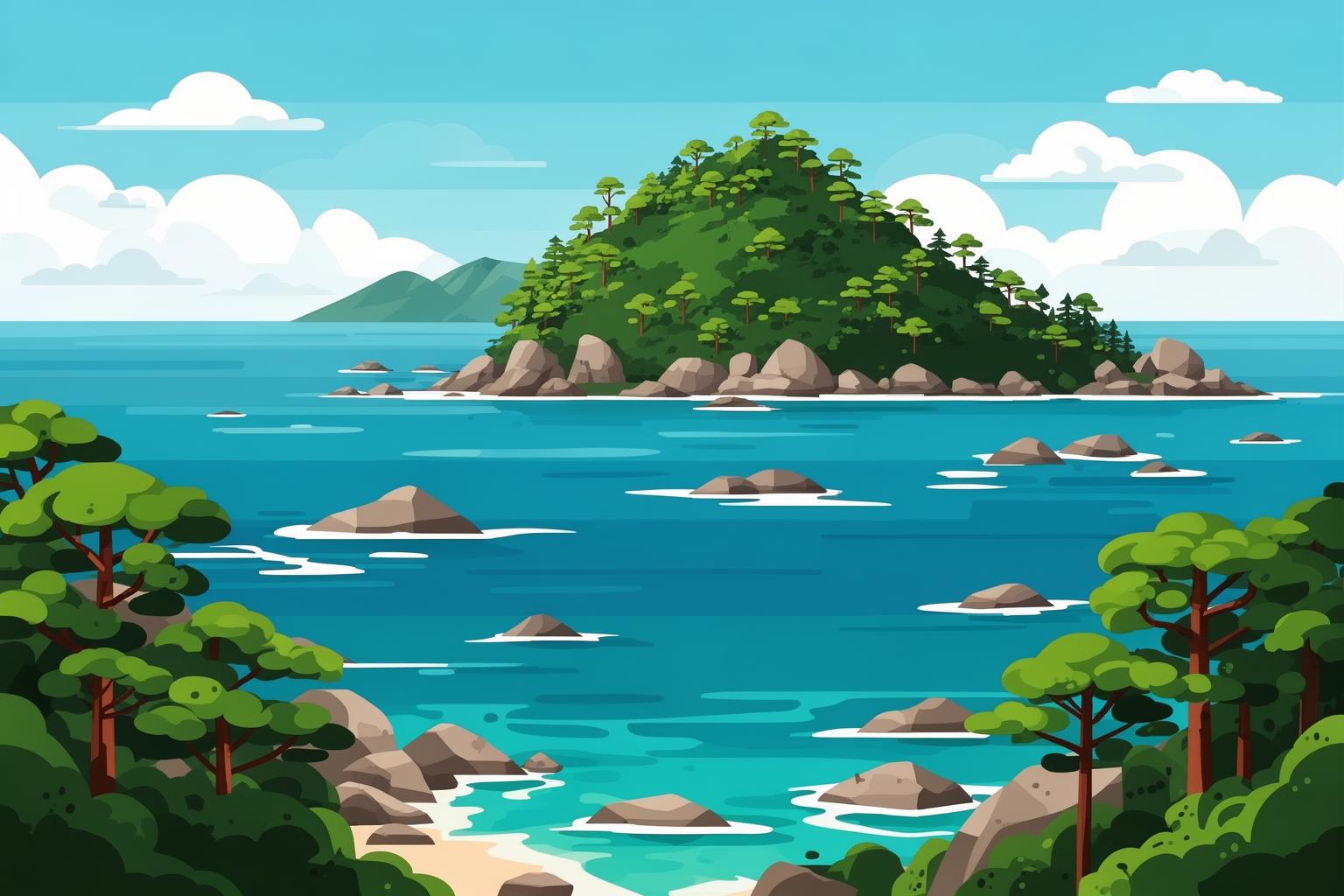
A trip to Yakushima demands more preparation than visiting a major Japanese city, but this planning is part of the journey’s charm. Its relative remoteness plays a crucial role in preserving its natural beauty and allure. Carefully considering travel logistics, transportation options, and timing will help you fully soak in the island’s magic without unnecessary stress.
Getting There: The Journey to the Enchanted Isle
The primary gateway to Yakushima is Kagoshima city in southern Kyushu. From there, you have two main choices. The quickest is the high-speed jetfoil, which crosses the water in about two to three hours, arriving at either Miyanoura or Anbo, the island’s two main ports. The ride can be a bit rough if the seas are choppy, but it remains an efficient mode of travel. Alternatively, you can fly. Japan Air Commuter operates several daily flights from Kagoshima, completing the trip in just 40 minutes while offering breathtaking aerial views of the island during descent. There are also a few direct flights from larger cities like Fukuoka and Osaka. Although flying is faster, the ferry trip often feels more atmospheric and can be more reliable, since flights may be canceled due to fog. Booking your transportation well ahead of time is essential, especially during high-demand periods such as Golden Week in late April/early May and the summer holidays in August.
Navigating the Green Labyrinth: Island Transportation
Once you arrive, the next step is figuring out how to get around the island. While there is a local bus system, service is infrequent and limited, making it difficult to visit several sites in a single day. For maximum freedom and flexibility, renting a car is the best choice. The island’s main roads form a coastal ring, allowing you to explore at your own pace, stop at scenic viewpoints, and reach trailheads early in the morning. Be sure to reserve your rental car well in advance, as they tend to book up quickly. For those who prefer not to drive, hiring a private guide or joining a tour is an excellent alternative. Local guides bring a wealth of knowledge about the island’s ecology, history, and folklore, enriching your experience immensely. They manage all the transportation and logistics, so you can fully focus on the stunning surroundings.
When to Heed the Call: The Best Time to Visit
Yakushima can be visited year-round, with each season offering a unique experience. Spring (March to May) is popular, featuring mild temperatures and blooming mountain rhododendrons. Summer (June to August) is hot and humid with a greater chance of typhoons but also the peak time for sea turtle nesting and river activities. Autumn (September to November) brings cooler, steadier weather ideal for long hikes, with beautiful fall foliage at higher elevations. Winter (December to February) is the quietest season. The coast remains mild, but the high mountains are often snow-covered, creating striking contrasts and closing some high-altitude trails. Regardless of when you visit, prepare for rain—it is the architect of the island’s beauty. Embrace it as part of your experience, and you will be rewarded.
Where to Rest Your Head
Accommodation on Yakushima ranges from luxury hotels with ocean views to simple, family-run guesthouses called minshuku. The main towns of Miyanoura and Anbo offer the most options and serve as convenient hubs for transport and dining. Staying in a minshuku provides a more intimate and authentic experience. Hosts often cook delicious homemade meals using local ingredients and are excellent sources of local knowledge and advice. For a truly special stay, consider some of the more remote eco-lodges or hotels, which offer breathtaking views and a profound sense of tranquility.
A Traveler’s Guide to Coexisting with the Forest
A visit to Yakushima is an experience in a delicate, sacred place. As travelers, we hold the responsibility to act as stewards of this natural wonder, ensuring it stays untouched for future generations. This requires approaching the island with a mindset of respect and harmony, much like the heroes of Princess Mononoke came to understand.
The Sacred Rules of the Woods
The principles of “Leave No Trace” are essential here. Carry out everything you bring in, including all food wrappers and garbage. There are no trash bins along the hiking trails. Most importantly, remain on the designated paths. The moss covering the forest floor is extremely fragile and may take decades or even centuries to recover if harmed. The trails and wooden walkways exist to protect this sensitive ecosystem. For longer hikes like the Jomon Sugi trail, carrying a portable toilet kit is mandatory to safeguard the island’s pristine water sources. These mindful actions are crucial to preserving the forest’s enchantment.
What to Pack for the Primeval World
Having the right gear is key for a safe and comfortable visit. The most vital items are quality waterproof clothes— a dependable rain jacket and rain pants are essential, not optional. Sturdy, waterproof hiking boots with good traction are also important for handling the often slick and uneven terrain. Your backpack should be equipped with a waterproof cover. Dress in layers to adapt to changing temperatures due to altitude and weather. Bring a reusable water bottle, as the island’s stream water is famously pure and tasty (though filtering it is always recommended). Lastly, pack high-energy snacks for the hikes and a headlamp if you plan to begin any trails early in the morning.
The Lingering Magic of Yakushima
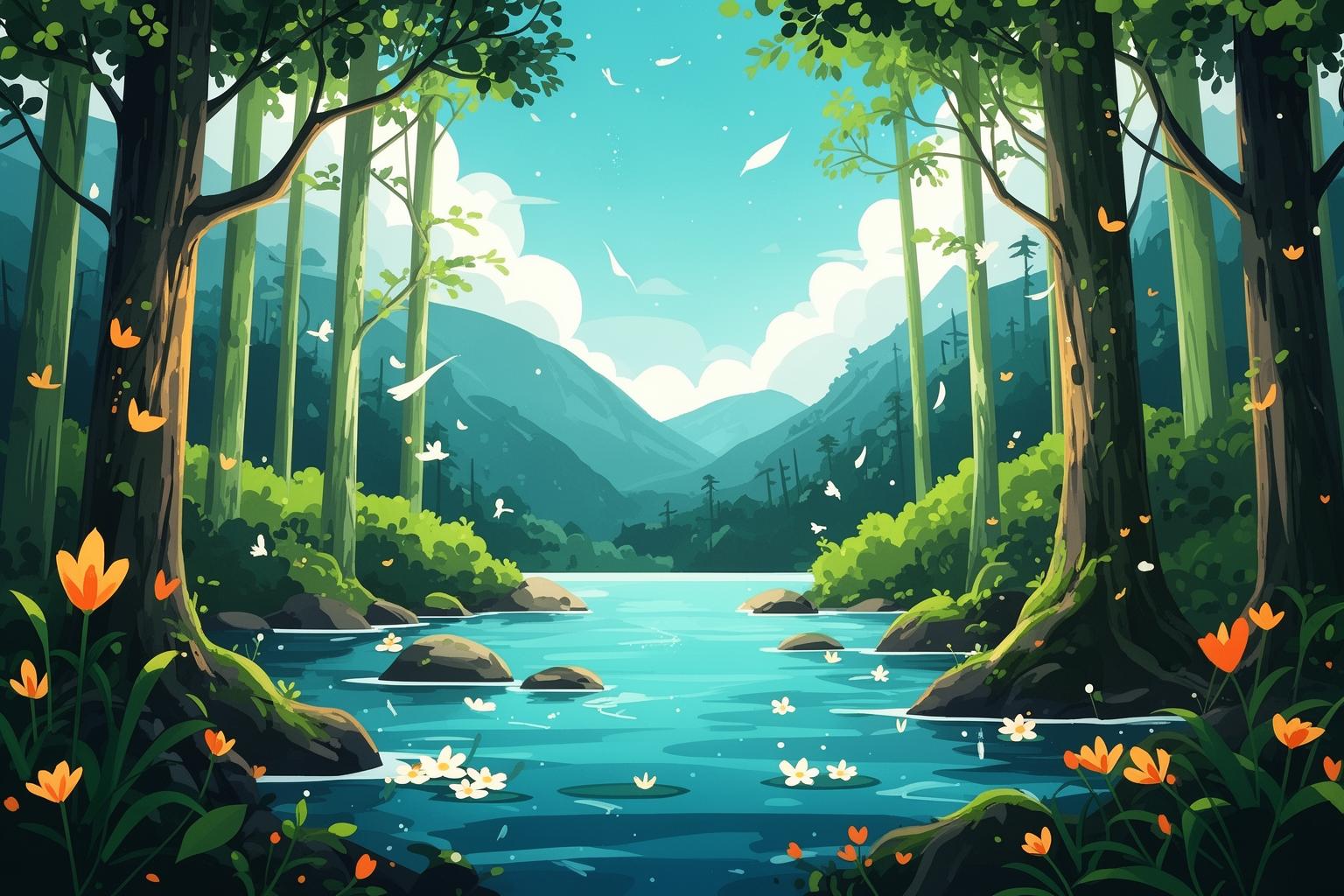
Leaving Yakushima feels like emerging from a vivid dream. The memory of the deep green foliage, the sound of the endless flowing water, and the scent of the ancient forest linger with you, a quiet hum beneath the surface of your everyday life. It is more than just a beautiful island or a film location. It serves as a powerful reminder of a world beyond our human-centered concerns—a world that operates on a timescale we can scarcely comprehend. A pilgrimage to this island is as much an inward journey as it is an outward one. The physical demands of the hikes test your limits, while the profound tranquility of the forest soothes your soul. You come to grasp the central theme of Princess Mononoke on a visceral level: the fragile, often tense balance between humanity and nature, and the urgent need for respect and harmony. The whispers of the kodama may be fictional, but the voice of Yakushima’s forest is very real. And if you listen carefully, it will continue to speak to you long after you’ve returned home, urging you to remember the ancient, wild magic that still thrives in the world.