
There are stories that stay with you, that nestle deep in your heart and change the way you see the world. Makoto Shinkai’s masterpiece, ‘Your Name’ (Kimi no Na wa), is one of those stories. It’s a breathtaking tapestry of body-swapping teenagers, a looming celestial threat, and a love that transcends time, distance, and even memory itself. The film is a global phenomenon, not just for its stunning animation and heart-wrenching plot, but for its profound sense of place. The world that Taki and Mitsuha inhabit feels so real because, in many ways, it is. From the electric, neon-soaked arteries of Tokyo to the tranquil, tradition-steeped mountains of Gifu Prefecture, the film’s iconic settings are waiting to be discovered. This journey, this pilgrimage known in Japan as seichi junrei, is more than just visiting filming locations. It’s about stepping through the screen and into the story, feeling the phantom ache of a forgotten name on the tip of your tongue, and maybe, just maybe, finding a connection you never knew you were searching for. This guide is your thread, your musubi, to weaving your own path through the intertwined worlds of Taki and Mitsuha, a journey from the heart of the modern world to the soul of ancient Japan.
Embark on a further adventure by uncovering a Kamakura seaside pilgrimage that echoes the evocative spirit of exploration found in ‘Your Name’.
Echoes in the Metropolis: Tracing Taki’s Footsteps in Tokyo
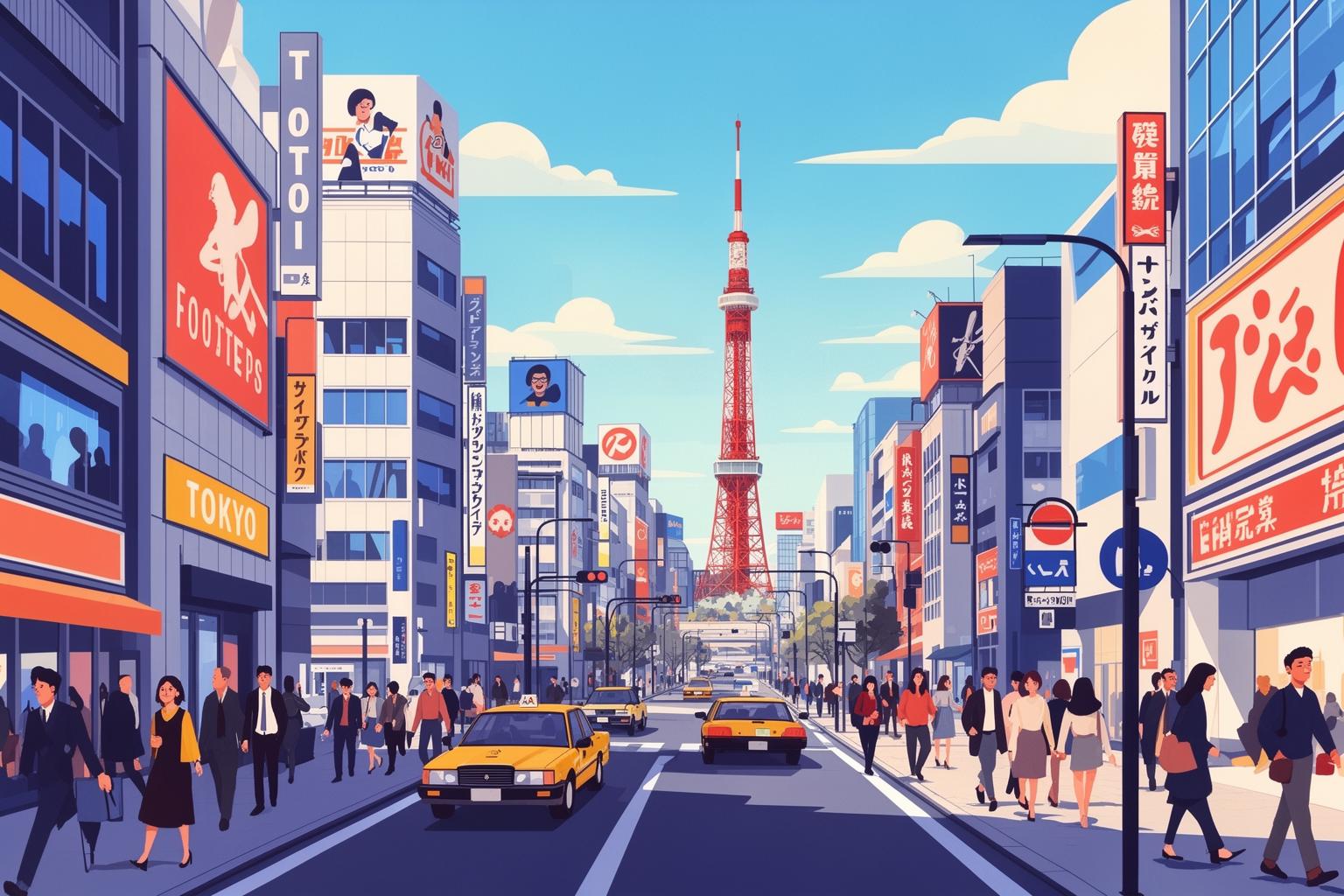
Tokyo is a city where a million stories unfold simultaneously, a place where the future arrives each and every day. For Taki Tachibana, it’s home—a backdrop to his high school life, part-time job, and the whirlwind of experiences he endures in Mitsuha’s body. To walk through Taki’s Tokyo is to feel the city’s relentless heartbeat, the same pulse that drives the film’s dynamic opening scenes. It’s a world of towering glass skyscrapers, intricate train lines resembling veins on a leaf, and the beautiful chaos of countless people moving toward their own destinies. Our journey begins here, at the concrete core of Japan, where the first threads of a miraculous story were woven amid the noise and light.
The Shinjuku Crossroads: A Symphony of Signs and People
There’s perhaps no more iconic cinematic symbol of “Tokyo” than the sprawling, electric labyrinth of Shinjuku. It’s where we first orient ourselves within Taki’s world. The film brilliantly captures the overwhelming scale of the area, from massive digital billboards broadcasting futures beyond imagination to the flowing crowds within the world’s busiest train station. Standing in the south exit plaza of Shinjuku Station immerses you in the sensory overload Taki calls normal. The cacophony of announcements, flashing lights, and boundless energy is both jarring and exhilarating. You can almost picture Taki weaving through these crowds on his way to school, headphones on, lost in his own thoughts but part of this vast, interconnected organism.
One of the film’s most recognizable shots features the unique, cocoon-shaped Mode Gakuen Cocoon Tower, often viewed from the west side of the station. Nearby, the Shinjuku Police Station, with its distinctive curved facade, serves as another anchor point—a real-world landmark grounding the animation in reality. While in the area, don’t miss the iconic “LOVE” sculpture by Robert Indiana, a popular meeting spot Taki and his friends surely knew. Visiting Shinjuku is less about pinpointing a single location and more about soaking in the atmosphere. For the full experience, visit once during the day to appreciate the architecture and scale, then return at night when neon signs ignite the sky with vibrant hues echoed in the film. A tip for navigating Shinjuku Station: it’s a labyrinth—choose an exit and stick with it, and don’t hesitate to use the many available maps. Getting lost here isn’t a failure; it’s a rite of passage.
A Date with Destiny: The National Art Center and Café Coquille
The awkward yet charming date between Taki and his crush, the graceful Okudera-senpai, marks a turning point in the story. It’s where Taki realizes his feelings are hopelessly intertwined with Mitsuha’s. The setting for this beautifully animated scene is the strikingly modern National Art Center in Roppongi. Its undulating glass facade resembles a wave of light and steel, feeling both futuristic and organic. Upon entering, you’re immediately struck by the vastness of the space. Sunlight floods the grand atrium, highlighting the two massive concrete cones that house the museum’s cafes and restaurants.
On the second floor, inside Salon de Thé ROND, the movie’s magic truly comes alive. This is the very café where Taki and Okudera-senpai shared that moment. You can sit at a table overlooking the atrium, order coffee and cake, and recreate the scene yourself. The ambiance is one of refined calm, a sharp contrast to Shinjuku’s bustle. It’s an ideal spot for reflection—ponder the film’s themes of connection and memory amidst world-class art and architecture. When visiting, be sure to check the museum’s exhibition schedule and opening hours. Even without buying exhibition tickets, the grand atrium, gift shop, and cafés remain freely accessible. Spending a couple of hours here is rewarding—not just as part of your pilgrimage, but as a chance to enjoy a genuinely beautiful and serene corner of Tokyo.
The Stairway to Fate: Yotsuya and Suga Shrine
This is it. The holy grail of ‘Your Name’ locations. The setting featured on the movie’s poster and the stage for its heart-stopping, emotionally charged climax: the red-railed staircase of Suga Shrine. Finding these stairs, tucked away in a quiet residential neighborhood of Yotsuya, feels like a quest in itself. The journey begins at Yotsuya Station, and as you leave the main roads, city noise gradually fades. Narrow streets lined with small apartments, local shops, and the gentle hum of everyday life prepare you for the power of what’s ahead.
And then you see it—the curve of the street, opposing slopes, and the unmistakable red handrail. Standing at the top or bottom of these stairs is a surreal experience. It’s a place that feels impossibly familiar, like a memory from a dream just beyond reach. You can sense the phantom presence of Taki and Mitsuha—two souls calling out to each other across time, finally reunited in this simple, unassuming spot. The view from the top, looking down toward buildings and distant train tracks, is perfectly framed, just as Shinkai depicted it. It’s a moment that sends shivers down any fan’s spine. You’ll likely encounter other pilgrims here, all waiting patiently to capture their own version of the iconic movie poster shot. It’s a shared, silent understanding—a quiet communion among strangers united by love for the story.
A Photographer’s Note: Capturing the Magic
To capture the perfect shot, timing is crucial. The golden hour—just after sunrise or before sunset—bathes the scene in warm, ethereal light that matches the film’s aesthetic flawlessly. Midday sun can create harsh shadows. Be patient. Occasional traffic passes the street at the bottom of the stairs, so wait for a clear moment. Experiment with angles: the view from below looking up is as powerful as from above looking down. Most importantly, remember this is a residential area. Keep your voice low, avoid blocking driveways, and respect those who live here. The stairs’ magic lies in their quiet, everyday nature. Let’s all do our part to keep it that way.
The Journey, Not Just the Destination
While the stairs are the main draw, the surrounding Yotsuya neighborhood is also worth exploring. Its small, winding streets hold hidden charms. This is the real Tokyo, away from tourist hotspots—a place Taki would have known well. Vending machines hum on street corners, meticulously tended potted plants grace doorsteps, and the distant rhythmic clatter of passing trains fills the air. These small details lend the film its authenticity, and taking time to appreciate them enriches your pilgrimage tenfold. It transforms a simple photo opportunity into a genuine exploration—a deeper connection with the world that shaped this story.
Whispers of the Past: Discovering Mitsuha’s World in Hida
If Tokyo represents the film’s mind—fast, modern, and logical—then the fictional town of Itomori serves as its soul—ancient, spiritual, and deeply rooted in tradition. Although Itomori doesn’t appear on any map, its spirit is lovingly inspired by the real landscapes of the Hida region in Gifu Prefecture. This journey takes you to the heart of rural Japan, a realm of misty mountains, crystal-clear rivers, and towns seemingly untouched by the relentless passage of time. Following Mitsuha’s story means leaving the city behind and stepping into a place where folklore feels tangible, where fate’s threads are woven into the fabric of the community. This part of the pilgrimage is quiet and meditative, echoing the film’s deeper, mystical themes.
Arriving in Itomori: The Hida-Furukawa Station
Hida-Furukawa Station is your gateway to Mitsuha’s world. The journey itself is breathtaking. Riding the Hida Wide View express train from Nagoya or Toyama, you’ll witness the cityscape dissolve into deep valleys, winding rivers, and dense forests. The train’s expansive panoramic windows make the trip an adventure in itself. Upon arrival in Hida-Furukawa, a strong sense of déjà vu strikes immediately. The station is nearly identical to the one featured in the film where Taki and his friends arrive searching for Mitsuha. Every detail is meticulously recreated: wooden benches, overhead signs, and the pedestrian overpass overlooking the tracks.
Stand on the overpass and wait for a local train to arrive. The sight of the diesel railcar framed by mountains is straight from the anime. Though it’s a quiet, modest station, it carries immense narrative significance—it’s where Taki’s urgent search truly began and hope first sparked. Inside, you might even spot “Hidakuro-chan,” the Hida beef mascot, a charming detail fans will instantly recognize. The station is more than a mere transit point; it’s the portal between our world and Itomori, the first stop on a journey into the past.
The Threads of Time: The Hida City Library
A pleasant short walk from the station leads to another pivotal locale: the Hida City Library. This is where Taki finally uncovers the startling truth about Itomori and the comet. The library is a beautiful example of modern Japanese architecture, filled with warm wood and abundant natural light. Entering it feels like stepping into a sanctuary dedicated to knowledge and quiet reflection. The staff are well aware of the library’s fame and warmly welcome visitors. A special ‘Your Name’ corner features guestbooks brimming with messages and drawings from fans worldwide—a heartwarming tribute to the film’s far-reaching emotional impact.
The exact seating area where Taki and his friends did their research is also preserved, instantly recognizable. The way sunlight filters through large windows, the design of the bookshelves, the soft rustle of flipping pages—it’s all exactly as you remember. Discovering this spot feels like unearthing a clue, a piece of the story’s puzzle. The atmosphere of hushed discovery is tangible.
A Word of Respect
It’s vital to remember that this is a fully operational public library. Locals come here to read, study, and work. While visitors are welcome, maintaining quiet and respect is essential. Photography is generally allowed, but you must first request permission at the main counter. They will provide a lanyard indicating photo authorization. Avoid using flash, speak in whispers, and be mindful not to disturb others. Honoring this space ensures it remains accessible for future fans of the pilgrimage.
Ritual and Reverence: The Shrines of Hida
Mitsuha’s role as a Miyamizu shrine maiden is central to her identity and the film’s narrative. Though the Miyamizu Shrine—with its ancient tree and breathtaking crater lake view—is fictional, its design and spiritual essence draw inspiration from several real shrines in the Hida region. Exploring these sacred sites offers profound insight into the Shinto beliefs foundational to the story. The ideas of musubi (the universe’s interconnecting force), reverence for nature, and respect for tradition are not mere plot devices—they represent living aspects of Japanese culture.
The Hie Shrine, perched on a hillside in nearby Takayama, is the most referenced inspiration for the Miyamizu Shrine’s entrance. Climbing its stone steps shaded by towering ancient cedars evokes the path Mitsuha would take. The air cools, city noises fade, and a serene tranquility settles in. The shrine itself is beautiful and peaceful, but it’s the ascent that most strongly connects to the film—you can almost hear Mitsuha’s ceremonial robes rustle and almost smell the festival incense.
Another shrine linked to the film is Ketawakamiya Shrine in Hida-Furukawa. This rustic, local shrine captures the atmosphere of a small-town spiritual center. It is believed to have inspired the town festival scenes and the feeling of a community shrine deeply embedded in daily life. Visiting these shrines lets you engage more deeply with the film’s themes. You may offer a prayer, leave an offering, or simply sit and soak in the profound peace of a place where generations have gathered to connect with the divine and each other.
The Heart of the Town: Exploring Hida-Furukawa
Beyond the key photo spots, the town of Hida-Furukawa itself embodies Itomori. Strolling its streets is like wandering through Mitsuha’s memories. The most iconic area is Shirakabe Dozogai, a picturesque street flanked by traditional white-walled storehouses and a gently flowing canal filled with hundreds of vibrant koi fish. It’s a scene of timeless charm. You can purchase fish food and watch the carp gather, a simple pleasure that links you to the town’s unhurried, gentle rhythm.
As you explore, you’ll notice small details echoing the film. The quaint, retro Ajidokoro Furukawa eatery is said to have inspired the ramen shop where Taki’s friends hatched their plan. Don’t miss trying local specialties—Goheimochi, grilled rice cakes coated in sweet miso and walnut sauce, is the very snack Taki ate waiting by the bus stop. The region is also renowned for its exceptional Hida beef and premium sake. Indulging in the local flavors deepens your connection to Mitsuha’s world.
And of course, there’s kumihimo. The braided cords Mitsuha weaves are a powerful symbol of connection, time, and fate throughout the film. In Hida-Furukawa, this traditional craft thrives. Shops sell intricate kumihimo pieces, and you can even take part in a workshop to braid your own cord. The hands-on experience of weaving threads, sensing the pattern and tension, is deeply meditative and meaningful. It makes the abstract idea of musubi tangible—a physical memento of your journey and a reminder of the invisible threads binding us all.
Weaving Your Own Story: Planning Your ‘Your Name’ Pilgrimage

A journey that stretches across Japan, from its largest metropolis to its rugged mountainous heart, demands some planning. Yet the reward is an experience rich and diverse, reflecting the dual perspectives of the film’s protagonists. This is more than a trip; it’s a story you craft yourself. Considering the logistics, timing, and deeper meaning of your travels will elevate a simple tour into a genuine pilgrimage.
Bridging Two Worlds: Travel and Logistics
The best way to travel between Taki’s Tokyo and Mitsuha’s Hida is by train. From Tokyo, take the Tokaido Shinkansen (bullet train) to Nagoya—a fast, comfortable ride lasting about 1.5 to 2 hours. At Nagoya, transfer to the JR Hida Wide View limited express train, which runs directly to Takayama and Hida-Furukawa. This part of the journey is arguably the most scenic train trip in central Japan, winding through the breathtaking Hida River valley. The full trip from Tokyo to Hida-Furukawa takes roughly 4 to 5 hours.
A practical itinerary would dedicate at least two full days in Tokyo to cover key spots in Shinjuku, Roppongi, and Yotsuya at a comfortable pace. Then head to the Hida region and spend another two days based there. Takayama, which is larger and offers more accommodation options, makes an excellent base. Hida-Furukawa is only a 15-minute train ride away, allowing you to explore Takayama’s historic old town and Hie Shrine and to devote ample time to the specific ‘Your Name’ locations in Hida-Furukawa. Tokyo offers an endless variety of accommodations—from cutting-edge hotels to cozy guesthouses. In the Hida region, try staying in a traditional ryokan (Japanese inn) for a fully immersive experience, complete with tatami mat rooms, onsen (hot spring) baths, and exquisite local cuisine.
Timing Your Visit: A Tale of Four Seasons
Like the film itself, the settings of Your Name shift with the seasons, each offering its own distinct beauty and atmosphere. There is no “best” time to visit; the choice depends on the mood you want to embrace.
- Spring (March-May): Tokyo is draped in delicate cherry blossoms, creating a dreamy, romantic vibe. In Hida, the mountains awaken from winter, with fresh greenery and melting snow feeding the rushing rivers. The weather is usually mild and pleasant.
- Summer (June-August): Vibrant lushness fills the Hida region, making the mountains and forests feel vividly alive. Tokyo is hot and humid but buzzes with summer festivals. Longer daylight hours offer more time for sightseeing.
- Autumn (September-November): Many consider this the most stunning season. The Hida mountains blaze with red, orange, and yellow foliage. The air is crisp and clear—ideal for hiking and exploring. The famous Takayama Autumn Festival in October showcases rich culture and tradition.
- Winter (December-February): Snow blankets Hida-Furukawa, creating a magical, serene landscape that mirrors the film’s later, more reflective scenes. The quiet, muffled environment feels deeply peaceful and atmospheric. Tokyo is cold but mostly dry and sunny, with festive lights brightening the city.
Beyond the Checklist: A Deeper Pilgrimage
It’s easy to get caught up rushing from one photo spot to another. But the true heart of a seichi junrei lies in the moments between. It’s about more than just seeing landmarks; it’s about sensing the soul of a place. When you reach that iconic staircase, don’t just take a picture and move on. Sit on a nearby bench for a while. Close your eyes and listen to the neighborhood sounds. Watch the light as it shifts. Let the scene’s emotions wash over you.
This journey offers a unique chance to connect deeply with the film’s core themes. Reflect on musubi as you navigate Tokyo’s intricate train network—a physical symbol of countless lives intersecting. Contemplate the passage of time while standing before a thousand-year-old tree at a Hida shrine. As an outdoor enthusiast, I encourage you to embrace the natural world that greatly inspired the film. Walk along the river in Hida-Furukawa. Inhale the fresh mountain air. Notice how the light filters through the leaves. It’s in these quiet moments of reflection that the boundary between reality and the anime’s world truly blurs. This is a pilgrimage of the heart, a chance to discover your own connections within Japan’s beautiful, intertwined landscapes.
More Than a Memory: Carrying the Feeling Home
The journey from the bustling energy of Shinjuku to the deep tranquility of a Hida shrine is more than just a trip across Japan; it is a passage through the very essence of Your Name. You walk the same streets as Taki, gaze up at the same sky as Mitsuha, and experience the strong sense of place that makes their story so unforgettable. This pilgrimage becomes a dialogue with the film, a way to step into its world and let its world enter you. You arrive as a fan, but you depart with a personal bond, your own memories intertwined with these iconic landscapes.
The red thread of fate, the musubi that links the two protagonists, serves as a beautiful metaphor. Yet, as you travel, you come to see it as something tangible. It’s the shared smile with another pilgrim on the steps of Suga Shrine, the kindness of a librarian in Hida, and the taste of Goheimochi connecting you to a centuries-old tradition. You bring these threads back home with you. The story of Taki and Mitsuha is one of searching, finding, and remembering. Following in their footsteps through this pilgrimage is a wonderful way to discover and recall a bit more about the world—and about yourself.