The salty tang of the Pacific hangs heavy in the air, a constant companion to the rhythmic clatter of a passing train. A crossing gate descends, its cheerful warning bells cutting through the murmur of the waves. For a fleeting moment, the world is a postcard, a perfect freeze-frame of sea, sky, and a little green-and-cream-colored train trundling by. To the uninitiated, it’s just a picturesque coastal scene in Japan. But for millions across Asia and the world, this exact spot is hallowed ground. This is Kamakura, and more specifically, it is the world of Slam Dunk. It’s here, at this very railway crossing, that the iconic opening sequence of one of the most beloved anime series of all time comes to life, pulling fans from across the globe into a waking dream of basketball, youthful passion, and sun-drenched nostalgia. This journey isn’t just about visiting a filming location; it’s a pilgrimage to the heart of a story that taught a generation about teamwork, failure, and the burning desire to be great. Kamakura itself is a place of profound duality. It was once the de facto capital of Japan, a seat of samurai power whose legacy is etched into the silent gaze of its Great Buddha and the solemn grandeur of its ancient shrines. Yet, along its vibrant Shonan coastline, it breathes a modern, laid-back energy. This is where history doesn’t just reside in temples; it coexists with the echoes of Hanamichi Sakuragi’s defiant shout and the squeak of basketball shoes on a high school court. For those of us who grew up with the Shohoku High School basketball team, to walk these streets is to walk through the pages of a manga, to feel the pulse of a story that feels as real and immediate today as it did decades ago. It’s a journey that connects a shared cultural memory, a testament to the power of storytelling to transform a simple seaside town into a global landmark of the heart.
For those ready to explore beyond Kamakura’s iconic scenes, a Tokyo pilgrimage offers an equally captivating journey through real-world anime magic.
The Electric Dream of the Enoden Line
The pilgrimage genuinely begins the moment you board the Enoshima Electric Railway, affectionately called the Enoden. This is not a sleek, silent bullet train slicing through the countryside; the Enoden is a nostalgic relic, a charmingly vintage train that feels like a time machine painted in shades of seafoam green and cream. It moves with a gentle, rocking motion, its carriages narrow, creating an intimate atmosphere. The journey from either Kamakura Station or Fujisawa Station is a spectacle in itself—a slow unveiling of the world you’re about to enter. The train winds through impossibly tight spaces, its sides nearly brushing the walls of local homes and the edges of vibrant gardens. You catch fleeting glimpses of everyday life: laundry fluttering on a balcony, a cat basking on a tile roof, an elderly shopkeeper sweeping outside a storefront. This closeness fosters a unique bond with the surroundings, making you feel less like a tourist and more like a temporary resident, woven into the community’s fabric.
Then, the view dramatically expands. After passing Hase Station, home to the Great Buddha, the train emerges from the maze of houses and suddenly, the vast Pacific Ocean fills your window. The light shifts, becoming brighter and sharper, reflecting off the sparkling surface of Sagami Bay. This is the Shonan coast, a legendary stretch of shore renowned for its surf culture and breathtaking vistas. On a clear day, the silhouette of Enoshima Island appears in the distance, with the majestic, snow-capped peak of Mount Fuji standing guard on the horizon. For a Slam Dunk fan, this section of the ride is a cinematic prelude. You see the world through the characters’ eyes, tracing the same route they would have taken to school each day. The sun, the sea, the rhythmic clatter of the wheels on the track—it’s all part of the anime’s ambient soundtrack, brought to life. The Enoden is not merely a mode of transportation; it’s the narrative thread connecting all the sacred spots. It carries you not just from station to station, but from the reality of your journey into the fiction you’ve come to inhabit.
The Iconic Crossing: Where Anime and Reality Collide
Stepping into the Opening Scene
Getting off at Kamakurakokomae Station feels like stepping straight onto a movie set. There’s no grand station building or busy concourse—just a simple platform perched right at the edge of the sea, exposed to the wind and salt spray. The immediacy is striking. The ocean isn’t merely visible; it dominates the scene, its steady roar the station’s only announcement. From the platform, you can already spot the famous fumikiri, the railway crossing. A short stroll leads you to this iconic spot, where the sensation is surreal. The steep, narrow road descending toward the tracks, the guardrails, crossing signals, and the brilliant blue sea as a stunning backdrop—it’s exactly as you remember. It’s a powerful moment of convergence, where a two-dimensional animated scene transforms into a three-dimensional, vibrant reality. You can almost picture Hanamichi Sakuragi, his striking red hair a bold splash of color, standing with his school bag over his shoulder, watching the green Enoden train pass by. Across the tracks, the ghostly image of Haruko Akagi waving seems just out of reach. The sensory details complete the illusion. The briny breeze, the warmth of the sun on your skin, and the distinctive ding-ding-ding of the crossing bell create an immersive experience no screen could fully replicate. It’s more than sightseeing; it feels like closing a circle, fulfilling a long-held dream to stand in a place that until now existed only in your imagination.
A Global Gathering of Fans
What truly enhances the experience at the Kamakurakokomae crossing is realizing you are not alone in your pilgrimage. On any given day, regardless of weather, a crowd gathers here. They come from all over the world—a diverse group of fans united by a single passion. A chorus of languages fills the air—Mandarin, Cantonese, Korean, Tagalog, English—all buzzing with shared excitement. Visitors wait patiently, cameras and smartphones ready, for the perfect moment when the train glides through the frame. There’s a strong sense of community and camaraderie. Strangers offer to take photos for each other, coordinating to get clear shots free of cars or pedestrians. They point and smile, sharing their favorite memories from the series. It’s a beautiful tribute to the universal appeal of Slam Dunk. The story’s themes of youthful struggle, unwavering friendship, and chasing an impossible dream resonate far beyond Japan’s borders. Here, at this small seaside crossing, fandom becomes the common language. Everyone understands the significance of the place, the meaning behind the pose, and the reason for the patient wait. It turns what might be a personal journey into a collective celebration, a heartwarming reminder that stories can bridge cultures and connect people who might never have met otherwise.
A Note on Etiquette and Patience
The immense popularity of this pilgrimage site comes with an important responsibility for every visitor. It’s crucial to remember that this is not a theme park; it’s a working part of a local Japanese community. The road remains active with cars, scooters, and cyclists, and the Enoden train runs frequently. Safety must be the highest priority. Crossing onto the tracks is strictly prohibited and extremely dangerous. Local police often patrol to ensure visitors remain on the sidewalks and do not block traffic. Patience is key to a good experience here. Capturing that perfect, unobstructed photo requires waiting for the right moment between passing cars and other fans. Arriving early—preferably on a weekday morning—helps avoid the peak crowds that gather from mid-morning through afternoon. Be considerate of local residents; keep noise levels low and respect private property. By approaching the visit with courtesy and mindfulness, you not only ensure your own safety but also help maintain the positive relationship between the fan community and the town that graciously hosts this beloved spot. A little respect goes a long way in preserving this special place for fans to enjoy for generations to come.
Beyond the Rails: Shohoku High and the Shores of Shonan
The Hallowed Halls of Kamakura High School
Just a brief, steep climb up the hill from the iconic crossing leads to the next stop on any true pilgrim’s route: Kamakura High School. This institution is widely acknowledged as the real-life inspiration for Shohoku High School, the arena where Sakuragi and his teammates carved out their legend. The walk itself adds to the experience, reflecting the challenging daily commute and training runs undertaken by the characters. As you make your way up the slope, the view of the Shonan coastline spreads out behind you, a stunning panorama of blues and golds. Seeing the school building in person, with its distinctive design and commanding position overlooking the sea, delivers a powerful moment of recognition. It feels remarkably familiar, as if you’ve seen it countless times in the anime’s establishing shots.
It is vitally important for all visitors to understand and respect that Kamakura High School remains an active educational institution. Entry onto the school grounds is strictly forbidden for tourists, with clear signs posted in multiple languages to this effect. The students and staff deserve their privacy and a learning environment free from disturbances. Please refrain from attempting to enter the campus or interrupting the students. The best way to appreciate this site is to observe it respectfully from the public road outside. The view from the hill perfectly captures the essence of the place. Standing there, gazing at the same vista the Shohoku players once saw, you can almost hear the echoes of their dreams, laughter, and unwavering resolve mingling with the salty breeze. It’s a space to contemplate the story’s central message: that greatness springs from persistent effort and a gaze fixed on a distant horizon.
Shichirigahama Beach: Echoes of Youthful Vows
Following the coastline west from Kamakurakokomae brings you to the expansive shores of Shichirigahama Beach. This long, gorgeous stretch of dark volcanic sand is another significant location frequently featured in the Slam Dunk anime, especially in its emotional ending scenes and moments of introspective calm. Walking along this beach feels like stepping into the closing frames of an episode, with gentle waves brushing the shore and the salty wind stirring your hair. It’s a place for reflection, an ideal spot to process the feelings evoked by the pilgrimage. The beach offers a wide, open panorama, a striking contrast to the narrow, lively streets of Kamakura itself. Here, you can find a sense of tranquility and openness.
Shichirigahama is more than just an anime setting; it’s the heart of Shonan’s beach culture. The shoreline is often scattered with surfers riding the waves, families relaxing in the sun, and couples wandering along the water’s edge. The vibe is laid-back and effortlessly cool. This is the perfect place to linger for a while, perhaps sipping a drink from a nearby café, and simply watch life unfold. As the afternoon fades, the beach becomes one of the region’s premier sunset spots. On a clear evening, the sun sinks below the horizon behind Enoshima Island, painting the sky in vivid shades of orange, pink, and purple, with Mount Fuji’s silhouette often visible in the twilight. It’s a deeply beautiful and moving scene. For a Slam Dunk fan, this moment carries a bittersweet nostalgia. It recalls the close of a perfect day, the end of a summer, the close of youth itself—themes that pulse through the very core of the story. It’s a place where the emotions of friendship, longing, and quiet promises from the fictional world feel intensely real and alive.
Kamakura’s Other Face: A Journey Through Time
While the allure of Slam Dunk may initially draw you here, leaving without delving into Kamakura’s historical essence means missing out on half its magic. This town is a living museum, where the disciplined spirit of the samurai coexists with the laid-back energy of the modern surf culture. A short trip back on the Enoden line or a leisurely walk inland reveals a world of ancient temples, tranquil gardens, and potent symbols of Japan’s feudal history. This cultural richness brings a deeper layer to your journey, offering moments of quiet reflection that balance the vibrant excitement of the anime sites. Seen from a wider East Asian perspective, appreciating Kamakura’s role as a center of Zen Buddhism and military rule adds fascinating context to the contemporary cultural phenomena it embraces. It’s a city that skillfully honors both its past and future simultaneously.
The Serenity of the Ancient Capital
From 1185 to 1333, Kamakura was the seat of Japan’s first shogunate, an era that profoundly shaped the nation’s culture, politics, and aesthetics. The legacy of this time is evident throughout the city, most vividly reflected in its magnificent temples and shrines. Exploring these places offers a deep sense of peace and a connection to a slower, more measured pace of life. It’s an opportunity to escape the crowds and immerse yourself in the timeless beauty of Japanese garden design, architecture, and spiritual tradition. These sites are not mere historical relics; they remain active centers of worship and community, offering insight into the nation’s spiritual core.
The Great Buddha of Kotoku-in
Just a few stops away at Hase Station is Kamakura’s most famous landmark: the Great Buddha, or Daibutsu. This enormous bronze statue of Amida Buddha stands over 11 meters tall and has quietly meditated outdoors for centuries, weathering the loss of its temple hall to a tsunami. The statue’s sheer size is awe-inspiring, but its true power lies in its serene and compassionate expression. It emanates a profound peace that fills the entire site. Standing before it, one can’t help but feel a sense of humility and calm. It serves as a powerful contrast to the youthful, energetic vibe of the Slam Dunk world—a reminder of the timeless and eternal.
Hasedera Temple’s Seaside Vistas
Near Hase Station is Hasedera Temple, a beautiful complex nestled into a wooded hillside. While famous for its striking eleven-headed wooden statue of Kannon, the goddess of mercy, its true appeal lies in the exquisite gardens and stunning views. As you ascend the temple’s many steps, you pass through ponds inhabited by colorful koi, intricate statues of Jizo bodhisattvas, and carefully tended plants that change with the seasons. From the main observation deck near the summit, you are treated to sweeping views of Kamakura and the sparkling Sagami Bay. It’s the same ocean seen from the Slam Dunk crossing but observed from a higher, more reflective vantage point.
Tsurugaoka Hachimangu Shrine
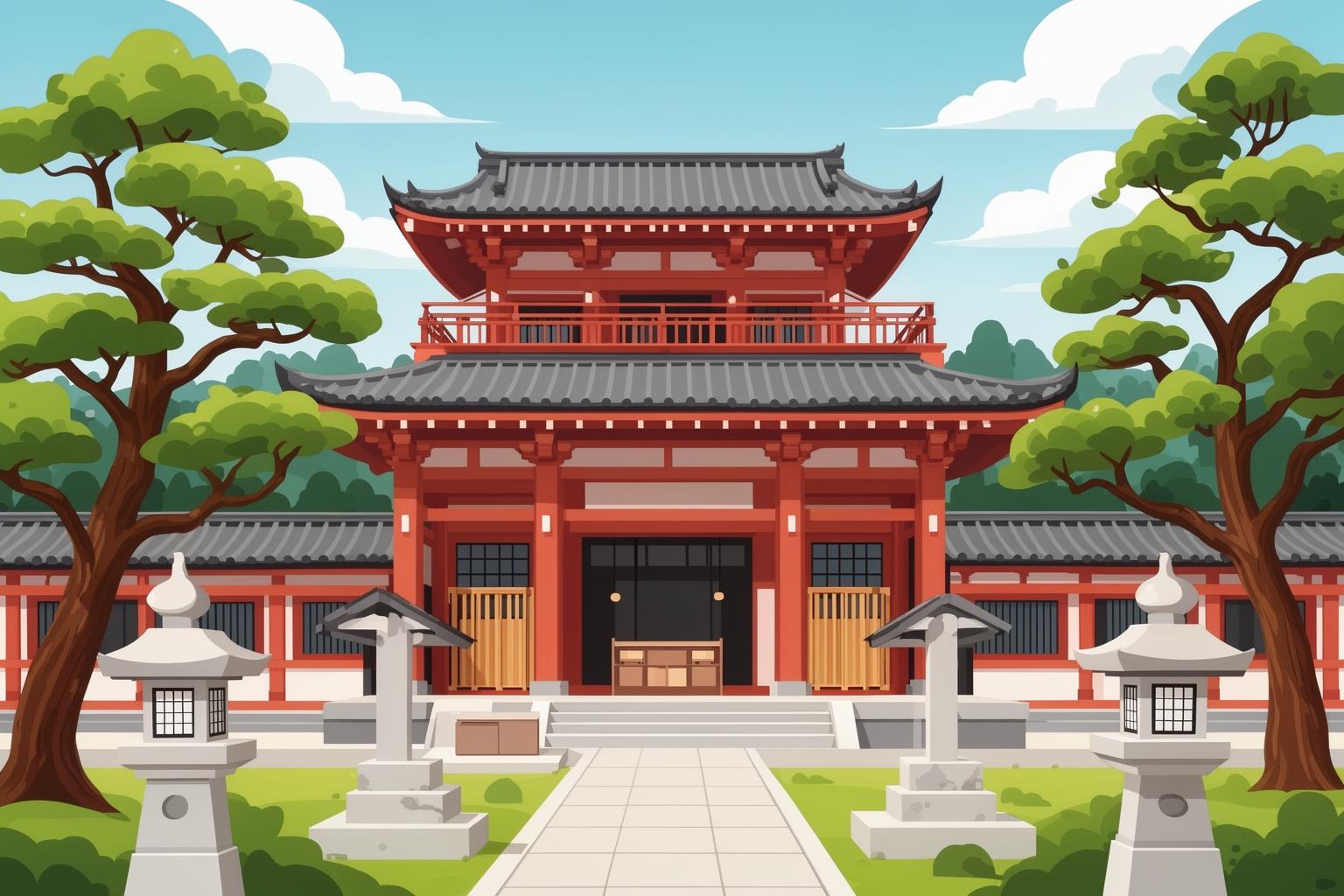
No visit to historic Kamakura would be complete without stopping at Tsurugaoka Hachimangu, the city’s most significant Shinto shrine. Situated in the heart of the city, it is dedicated to Hachiman, the samurai patron deity and protector of the Minamoto clan who established the Kamakura shogunate. A grand stone torii gate marks the entrance to a long, elevated pathway that runs through the city center to the shrine. The approach itself is particularly striking, especially in spring when lined with cherry blossoms. The shrine’s vibrant vermilion buildings stand proudly at the top of a broad stone staircase, radiating an aura of strength and authority. It is a place that connects visitors directly to the samurai spirit that once ruled this land.
Savoring the Local Flavors: A Taste of the Shonan Coast
Any in-depth exploration of a culture demands an investigation of its cuisine, and a visit to Kamakura is no different. The area is fortunate to have the abundance of the sea, and its food scene wonderfully reflects its coastal character. Taking time to enjoy the local specialties is a vital part of the experience, allowing you to connect with the place through all your senses. From fresh seafood caught directly from Sagami Bay to tasty treats found along lively shopping streets, the flavors of Kamakura perfectly complement your journey.
Shirasu, the Bay’s Treasure
The uncontested star of the local cuisine is shirasu, or whitebait. These tiny, translucent fish are a Shonan coast delicacy, appearing on menus everywhere. The most favored way to enjoy them is in a shirasu-don, a simple yet highly satisfying rice bowl. A generous portion of fresh rice is topped with a heap of shirasu, typically garnished with seaweed, spring onions, and a raw egg yolk. When in season (usually from spring to autumn), you can even try raw nama-shirasu, which offers a wonderfully delicate, fresh-from-the-sea taste. Another common variation is kama-age shirasu, which are flash-boiled and served warm and fluffy. Savoring a shirasu-don at a small ocean-view restaurant is a quintessential Kamakura experience and a genuine taste of the local terroir.
Komachi-dori’s Vibrant Food Street
For a more diverse and lively culinary journey, a walk down Komachi-dori is essential. This bustling pedestrian street stretches from Kamakura Station to the Tsurugaoka Hachimangu Shrine and is lined with an impressive variety of shops, cafes, and food stalls. The festive atmosphere is alive with enticing aromas from every direction. It’s the perfect spot to sample an assortment of Japanese snacks. You might try freshly grilled senbei (rice crackers) brushed with soy sauce, sweet and chewy dango (mochi balls on a skewer), or a cone of purple sweet potato soft-serve ice cream, another local favorite. Vendors also sell tako-senbei, a giant cracker made by pressing a whole octopus, alongside shops offering delicate Japanese sweets and pickles to take home as souvenirs. Grazing your way along Komachi-dori is a fun, delicious way to spend an afternoon and gear up for more sightseeing.
Practical Planning for Your Pilgrimage
The journey to Kamakura is truly enchanting, and a bit of practical preparation can help make your experience smooth, comfortable, and unforgettable. While navigating the area is relatively simple, knowing some key tips about transportation, timing, and what to bring can significantly enhance your visit, especially if it’s your first time in Japan.
Getting There and Getting Around
Traveling from Tokyo to Kamakura is easy and convenient. The quickest routes are via the JR Yokosuka Line from Tokyo or Shinagawa Stations, or the JR Shonan-Shinjuku Line from Shinjuku, Shibuya, or Ikebukuro, both taking about an hour. Upon arriving at Kamakura Station, the Enoden line is your main transportation option to explore the Slam Dunk sites along the coast. It’s highly advisable to buy an Enoden 1-Day Pass, called the ‘Noriorikun,’ which offers unlimited rides throughout the day, allowing you to hop on and off freely to visit the crossing, the beach, and various temples. This pass is not only economical but also spares you from purchasing tickets for each segment. Besides trains, Kamakura is wonderful to explore on foot, and rental bicycles are a popular choice for covering more ground for those feeling adventurous.
When to Visit
Kamakura attracts visitors year-round, with every season showcasing its own unique charm. Spring (late March to April) is stunning with cherry blossoms framing temples and streets, though it tends to be crowded. Summer (June to August) is hot and humid but lively, with beaches filled with surfers and sunbathers. Autumn (October to November) offers perhaps the most pleasant weather, with mild temperatures and vibrant fall foliage providing a striking backdrop to historic sites. Winter (December to February) is cooler but features the clearest skies, improving your chances of seeing the iconic Mount Fuji from the coast. To avoid the largest crowds, particularly at the Kamakurakokomae crossing, try to visit on weekdays since weekends and national holidays draw many domestic and international tourists.
What to Bring
Comfort is crucial for a day spent exploring Kamakura. Expect a lot of walking, often on uneven paths and temple steps, so sturdy, comfortable walking shoes are essential. Coastal weather can be unpredictable, so dressing in layers is wise. During summer, sun protection is a must—bring a hat, sunglasses, and sunscreen, as the sunlight reflecting off the water can be intense. A camera is vital, and carrying a portable battery charger will help keep your phone powered for navigation and photography. While credit cards are widely accepted in larger restaurants and shops, it’s smart to carry some Japanese yen in cash for smaller food vendors, temple entry fees, and purchasing charms or souvenirs.
The Enduring Legacy of a Rebound King
A journey to Kamakura following the path of the Shohoku basketball team is more than mere anime tourism. It is a profound and often emotional experience that reaches the heart of why Slam Dunk remains deeply beloved by millions. The story’s impact stems not only from its exciting basketball matches or its sharp humor but from its honest portrayal of the struggles and victories of youth. It’s a tale about the fiery frustration of being a novice, the quiet perseverance of hard work, the unbreakable bonds forged through teamwork, and the bittersweet feeling of both triumph and defeat. These are universal truths that resonate powerfully here, in the town that served as the story’s backdrop.
As you walk these streets, you realize Kamakura is the perfect setting for such a narrative. Its mix of timeless tradition and relaxed, modern coastal life reflects the story’s own contrasts—the weight of expectations and the freedom found in pursuing a passion. The enduring presence of the Great Buddha and the ancient shrines seems to quietly observe the fleeting, intense dreams of high schoolers. A pilgrimage here is a twofold journey. You arrive eager to experience the thrill of seeing a fictional world come to life, standing where Sakuragi once stood. But you leave with something deeper: the scent of the sea in your mind, a richer appreciation for a town steeped in history, and a renewed connection to a story that reminds us that glory is not just about victory. It’s about the courage to rise after a fall, to fight for every rebound, and to dedicate your whole soul to what you love. Stand at that crossing, wait for the green train to pass, feel the ocean breeze, and listen closely. You might hear the distant, triumphant bounce of a basketball on the court.