
There’s a specific kind of ache that a great story leaves you with—a longing for a world that feels just beyond your grasp, a phantom nostalgia for a place you’ve never been. For millions around the globe, Makoto Shinkai’s animated masterpiece, ‘Your Name.’ (Kimi no Na wa.), was that story. It painted a world so vivid, so emotionally resonant, that the fictional town of Itomori felt like a lost memory. But what if that memory wasn’t entirely a phantom? What if you could walk its streets, breathe its air, and stand in the very places where the threads of fate were woven? Deep within the mountainous heart of Gifu Prefecture, cradled by the soaring Japan Alps, lies the town of Hida-Furukawa. This is the place that lent its soul to Itomori, a living, breathing town that has become a destination for modern-day pilgrims. This is not just tourism; it’s a journey known as ‘seichi junrei,’ a sacred pilgrimage to the real-world locations of beloved anime. It’s a chance to step through the screen, to find the tangible reality behind the animated dream. The moment you step off the train, the mountain air, crisp and clean, feels different. It feels charged with possibility, as if the echoes of a story about connection, time, and memory are carried on the wind, waiting for you to listen.
Embrace the allure of this sacred pilgrimage as a detailed pilgrim’s guide unveils the real-life settings that echo the wistful magic of the animated masterpiece.
Stepping into the Frame: The Cinematic Landscapes of Hida-Furukawa
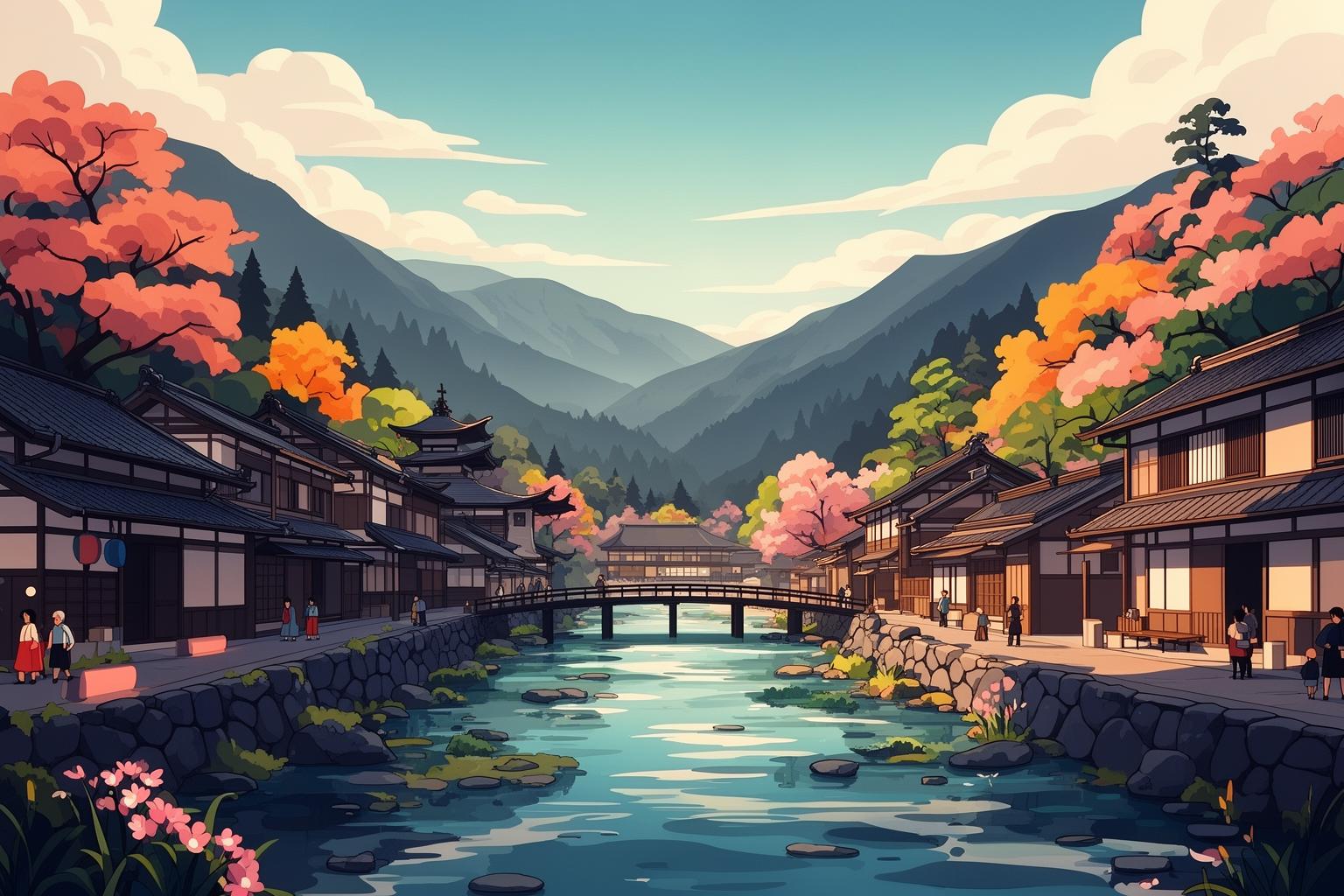
The journey itself unfolds as a slow, rhythmic transition from the vast concrete expanses of Japan’s cities to its lush, untouched heart. The train, a vital artery on the JR Takayama Main Line, winds through dramatic valleys, tracing the emerald course of the Miyagawa River. With each tunnel, the outside world seems to grow older, steeped more deeply in tradition. Then, you arrive. The world of ‘Your Name.’ crystallizes around you with surreal, breathtaking clarity.
The Iconic Station and the Waiting Taxi Stand
It all begins at Hida-Furukawa Station. While not an exact replica from the film, its spirit and very essence feel uncannily true. Standing on the platform, gazing across the tracks at the quiet town and the mountains rising sharply behind it, the scene where the protagonist, Taki, first arrives in search of Mitsuha plays vividly in your mind. The station building’s architecture, the covered footbridge, and the modest taxi stand just outside—it’s all there. Even the town’s beloved mascot, a cartoonish black cow named Hidakuro, adds a whimsical touch Shinkai might have envisioned. There is a palpable sense of déjà vu, as though you’ve been here before in a dream. Fans gather with cameras not merely to take pictures but to inhabit a moment, to occupy a space where a cherished story touched reality. The air hums with quiet reverence, a shared understanding among a global community united by a single tale. It’s the perfect prologue to the pilgrimage, a confirmation that you have come to the right place.
The Whispering Steps of Keta Wakamiya Shrine
From the station, a short, reflective walk through the town’s peaceful residential streets brings you to the base of a long stone staircase lined with moss. As you begin the climb, the sounds of the town fade away, replaced by the rustling of leaves from ancient cedar and cypress trees towering above, their branches weaving a sacred canopy. This is Keta Wakamiya Shrine, the spiritual muse for the Miyamizu Shrine in the film, the heart of Itomori’s traditions, and the home of its priestess. Though the shrine in the anime was a blend of several places, the atmosphere here is undeniably what Shinkai depicted. The stone steps, worn smooth by centuries of footsteps, seem like a passage to another era. Each step upward takes you deeper into the film’s themes of ritual, heritage, and the spiritual fabric that binds a community. At the summit, you discover a clearing with a simple, elegant shrine building. The air is still, heavy with the scent of wood and damp earth. It’s a place for quiet contemplation, a spot to reflect on the film’s central notion of ‘musubi’—the invisible threads connecting people, places, and time. You can almost hear Mitsuha and her grandmother discussing the old ways and the importance of remembering one’s origins.
A Taste of Itomori: The Hida City Library
Another pivotal location in Taki’s search was the local library, a beautiful building where he poured over records to uncover Itomori’s fate. That building exists—it is the Hida City Library. Stepping inside is another moment of striking familiarity. The architecture is a breathtaking blend of modern design and traditional craftsmanship, with warm wooden beams and expansive windows that flood the space with gentle natural light. The arrangement of shelves, the design of reading nooks, and even the curve of the main desk feel lifted directly from the animation cels. This is no museum piece; it’s a working public library, a quiet sanctuary of knowledge for the local community. The staff welcome visitors warmly, fully aware of their library’s international renown. They offer a designated photo spot and guest books filled with messages from fans worldwide—a testament to the film’s far-reaching impact. Sitting in one of the chairs, gazing at the mountains, you grasp why Taki found hope here. It is a place where the past is preserved, stories are safeguarded, and the search for answers can truly begin.
Beyond the Silver Screen: The Soul of Hida
While the locations featured in ‘Your Name.’ attract many visitors, viewing the town solely through that perspective overlooks its deeper, lasting charm. Hida-Furukawa is not merely a film backdrop; it is a vibrant community with a rich history and a proud cultural identity that predates its status as an anime landmark. The true magic lies in uncovering the stories the town itself has to share.
The White-Walled Storehouses and the Koi-Filled Canals
The most iconic image of Hida-Furukawa, one that existed long before its anime fame, is the Shirakabe Dozogai, or the ‘Street of White-Walled Storehouses.’ This beautifully preserved district is a paradise for photographers. Along one side of a narrow street, traditional white-plastered storehouses with dark, latticed windows stand in striking, elegant contrast to the charred-black cedar of neighboring buildings. Yet, the real charm is found in the small canal, the Setogawa River, that runs alongside the street. The water is so clear that every stone on the bottom is visible, while hundreds of large, vividly colored koi carp glide gracefully through it. Their slow, fluid movements in the crystal-clear water create an atmosphere of profound calm. The gentle sound of flowing water serves as a constant, soothing soundtrack for the town. Leaning over one of the small stone bridges to watch the fish is a meditative moment, a chance to pause and appreciate the simple, curated beauty that Japanese aesthetics are renowned for. This area represents the historic heart of Hida, offering a glimpse into its past as a prosperous merchant town.
The Art of Sake and Craft
Hida is a town of artisans. Its pure mountain water, gifted by the Alps, is essential to its most celebrated craft: sake brewing. The town hosts two distinguished breweries, their storefronts marked by large, hanging balls of cedar needles known as ‘sugidama.’ When a new batch of sake is ready, a fresh green sugidama is hung; as it gradually turns brown over months, it signals the aging of the brew. Stepping inside, you are greeted by the rich, fruity aroma of fermenting rice. Many breweries offer tastings, allowing visitors to sample the unique character of the local ‘jihaku’ (local sake). The brewers are passionate guardians of an age-old tradition, eager to share their craft. Beyond sake, the town is also famed for traditional Japanese candle making, or ‘warosoku.’ These candles, made from the wax of the haze tree nut, produce a larger, more organic, and warmer flame than modern paraffin candles. Visiting a candle shop like Mishima Warosoku, one can watch artisans at work, layering wax by hand in a meticulous, time-honored process. It serves as a reminder that in Hida, craftsmanship is not just a relic of the past; it remains a living, breathing part of the present.
The Roar of the Furukawa Festival
For most of the year, Hida-Furukawa is a portrait of tranquility. Yet for two days every April, that calm is shattered by the thunderous, primal energy of the Furukawa Festival, one of Japan’s most spectacular and dynamic celebrations. Recognized as a UNESCO Intangible Cultural Heritage, this event is a raw expression of community spirit and bravery. The highlight is the ‘Okoshi-Daiko’ (Waking Drums), a nighttime procession during which hundreds of men in traditional loincloths carry a massive drum platform through the streets, while smaller groups with tall paper lanterns attempt to attach their own long poles to the back of the main drum. It is a chaotic, powerful, and exhilarating spectacle. The next day features a parade of enormous, intricately decorated floats called ‘yatai,’ showcasing the pinnacle of Hida’s woodworking and lacquerware craftsmanship. Experiencing Hida during the festival is to witness its quiet soul ignite with fiery passion—a testament to the strong bonds that unite this mountain community.
A Photographer’s Guide to Capturing Hida
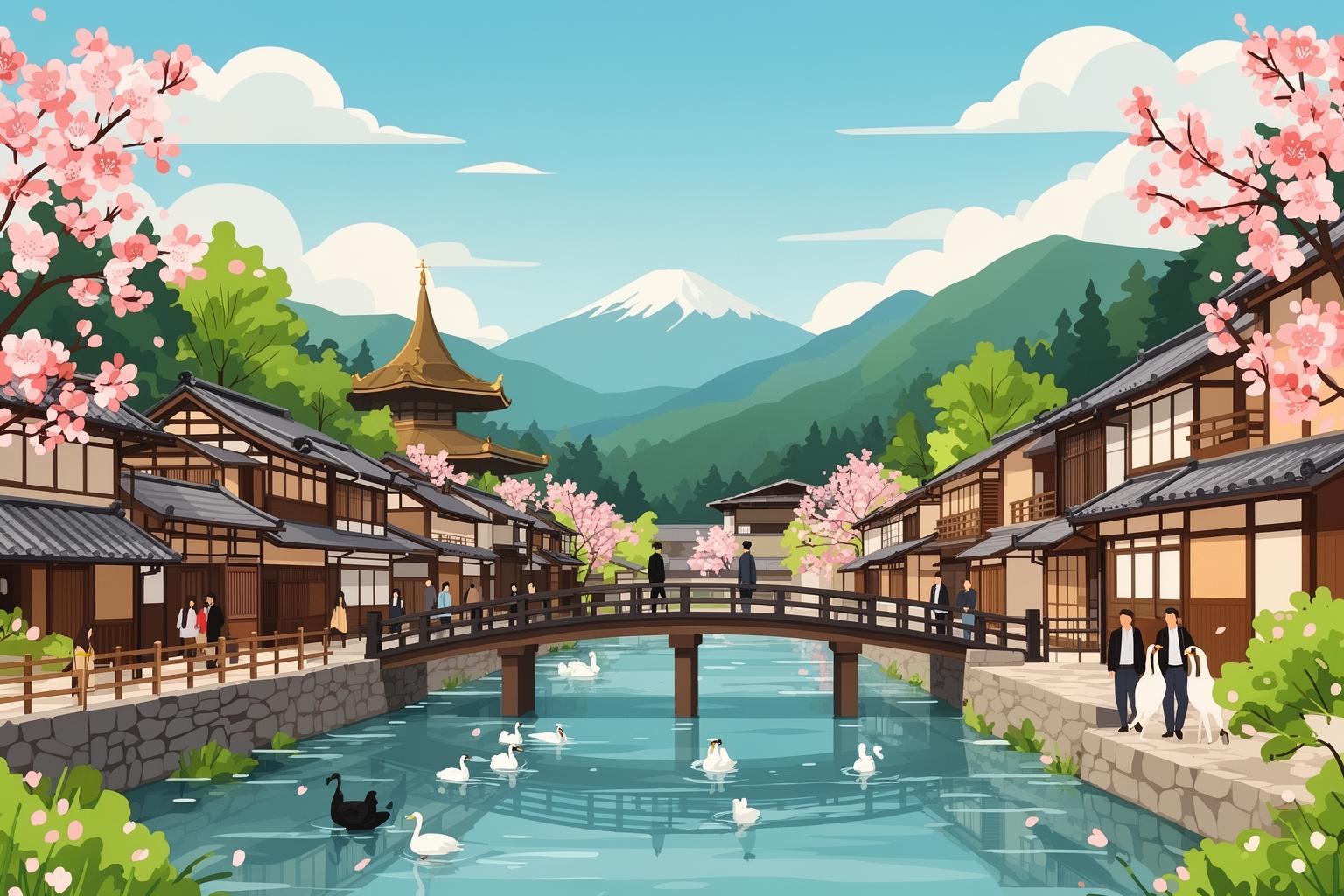
As a photographer, Hida-Furukawa offers a canvas of subtle beauty and deep character. It’s a town that rewards both patience and a sharp eye, presenting intimate details and sweeping landscapes in equal measure. The challenge lies not in finding a subject to capture, but in choosing the story you want your images to convey.
Golden Hour on the Miyagawa River
The Miyagawa River, gently winding through the town, serves as your anchor. Early mornings often bring a soft mist over the water, enveloping the bridges and traditional homes along the banks in an ethereal glow. Yet, the real magic unfolds during the golden hour just before sunset. Find a vantage point on one of the bridges, such as Imamiya Bashi, and watch as the low sun transforms the water’s surface into liquid gold. The light highlights the dark wooden houses, bringing out their texture and form, while the mountains in the background are draped in long, dramatic shadows. This is when the town feels most cinematic, a dreamscape that clearly inspired the film.
The Intimate Details of the Old Town
Though wide shots are stunning, Hida’s true story is revealed in its details. Step off the main streets and explore the narrow back alleys. Focus on the ‘kimusuko,’ the intricate wooden lattices on the windows of old merchant houses, each with a distinctive design that once identified the family’s trade. Capture the moss-covered stone lanterns in temple gardens, the reflection of white-walled storehouses in the canals, or steam rising from a freshly brewed cup of tea at a local café. Spot the ‘sugidama’ hanging outside sake breweries, the weathered wooden signs of old shops, and the small personal touches residents add to their homes—a carefully tended bonsai, or a row of drying persimmons in autumn. These small scenes compose a rich, layered portrait of the town’s personality.
Seasonal Portraits: From Cherry Blossoms to Snowfall
Hida-Furukawa changes dramatically with the seasons, each visit unveiling a fresh visual palette. In spring, cherry blossoms burst into clouds of pink and white, especially along the riverbanks, framing the traditional architecture with a soft, romantic touch. Summer brings lush, deep greens to the surrounding mountains and the hum of cicadas fills the air—an energetic season. Autumn may be the most breathtaking, as mountain maples and ginkgo trees ignite the landscape with fiery reds, oranges, and yellows. The crisp air and clear light make it ideal for landscape photography. Yet winter is perhaps the most transformative season. A thick blanket of snow quiets the town, smoothing sharp edges and creating a serene monochrome world. The contrast of dark wooden buildings against pristine white snow is striking and beautiful. Though the canals lie empty of koi, the sight of a snow-laden Gassho-style roof remains an unforgettable image of Japan’s alpine region.
Practical Pilgrim’s Almanac: Planning Your Journey
Reaching this mountain hideaway is part of the adventure—a journey that feels like a genuine pilgrimage off the beaten path. With a bit of planning, your time in Hida-Furukawa will be as smooth and immersive as the canals flowing through its heart.
Getting to the Heart of the Alps
The most scenic and popular way to reach Hida-Furukawa is by train via the JR Takayama Main Line. If you’re traveling from Tokyo or Kyoto, you’ll likely change trains at Nagoya or Toyama. The Wide View Hida express train departing from Nagoya is especially spectacular, featuring large panoramic windows that provide breathtaking views of river gorges and dense forests as you ascend into the mountains. Hida-Furukawa is just one stop (about 15 minutes) north of the more famous tourist hub, Takayama. Many visitors opt to stay in Takayama and make a day trip to Furukawa, but staying in Furukawa itself offers a quieter, more intimate experience.
Where to Rest Your Head
To fully experience the town’s ambiance, consider lodging in a traditional Japanese inn, or ‘ryokan.’ These inns offer an experience that is a destination in itself, complete with tatami mat floors, sliding paper doors, and often beautifully prepared multi-course ‘kaiseki’ dinners showcasing local, seasonal ingredients. Waking up in a ryokan and opening the window to the crisp mountain air is an essential part of the Hida experience. For those on a budget, there are also charming ‘minshuku’ (family-run guesthouses) and a range of modern hotels providing comfortable, Western-style accommodations. Booking ahead is strongly advised, especially during peak times like the autumn leaf viewing season or the Furukawa Festival in April.
Navigating the Town and Beyond
Hida-Furukawa’s main attractions are concentrated within a compact, flat area that is very easy to explore on foot. The best way to discover the town is simply to wander, allowing yourself to get lost in its grid of charming streets. For excursions into the surrounding countryside, renting a bicycle is an excellent choice. You can cycle along the river, past rice paddies and old farmhouses, soaking in the rural landscape that Mitsuha once called home. A crucial first stop should be the Tourist Information Center right beside the station. The friendly staff there can provide a ‘seichi junrei’ map highlighting key anime locations, as well as maps of historical sites, restaurants, and craft shops. It’s the perfect resource to orient yourself before you start exploring.
Echoes in the Mountains
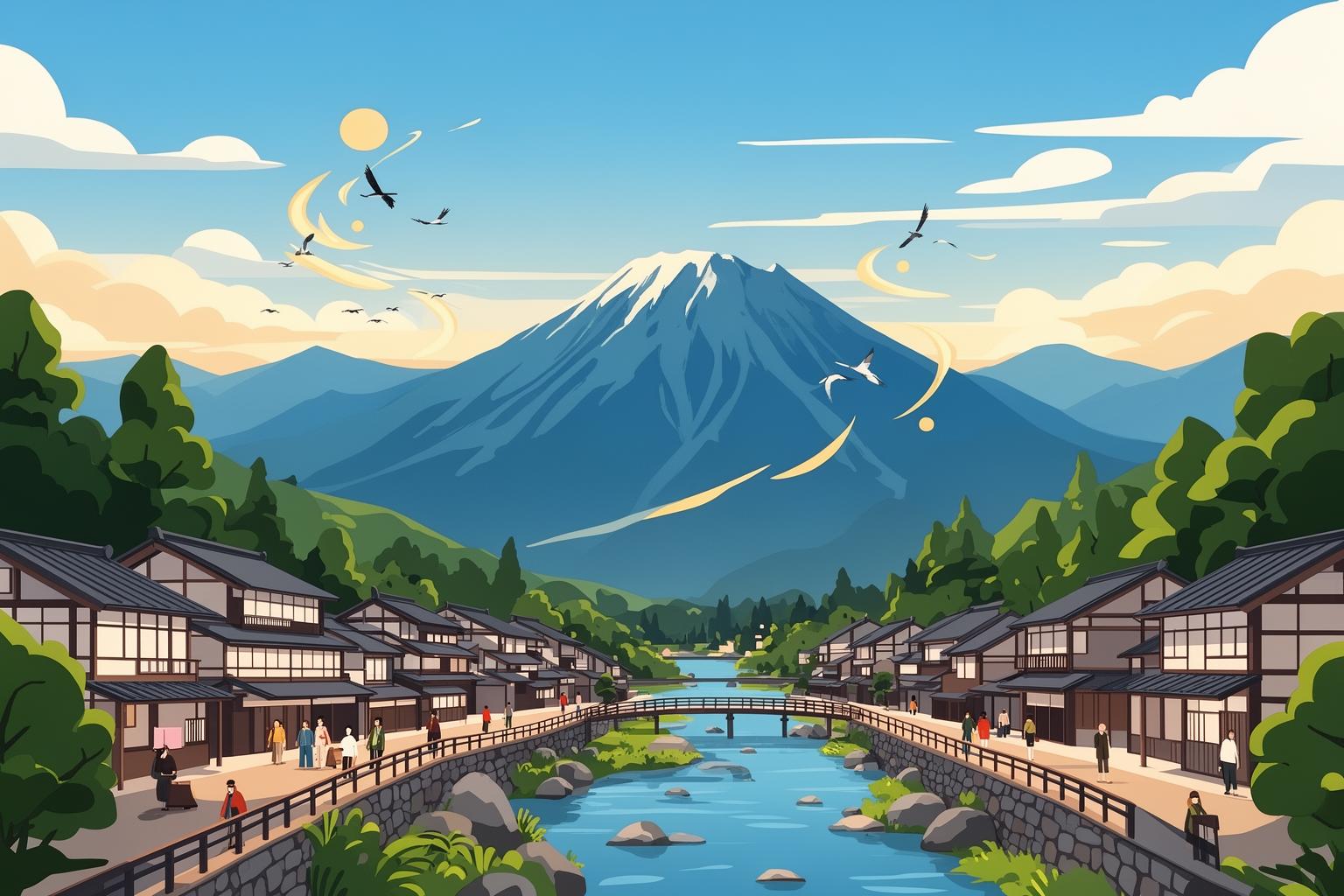
For many, a journey to Hida-Furukawa begins as a search for a fragment of a beloved film. You arrive hoping to see familiar places—a train station, a staircase, a library. And you will find them, preserved with astonishing and almost surreal accuracy. Yet, as hours turn into days, something magical unfolds. The cinematic illusion gradually fades, revealing the vibrant and captivating town of Hida-Furukawa on its own terms. You begin to notice the rhythm of everyday life: shopkeepers greeting neighbors, temple bells marking the passage of time, the pride in an artisan’s eyes as they explain their craft. You come seeking Itomori, but discover Hida instead. Makoto Shinkai didn’t merely borrow a backdrop; he captured the soul of a place where tradition is lived daily, community is woven into the very streets, and the bond between people and nature is as palpable as the mountain air. You arrive looking for a story you already know, but leave with one entirely your own—a personal memory woven into the timeless tapestry of this remarkable mountain town.