

There are films that entertain, films that move, and then there are films that imprint themselves upon the very fabric of your world. Makoto Shinkai’s masterpiece, ‘Your Name’ (Kimi no Na wa), is unequivocally the latter. It is a cinematic tour de force, a story of star-crossed lovers bound by fate, memory, and the mystical red thread of ‘musubi,’ or connection. But its enduring power lies not just in its breathtaking animation or its heart-wrenching narrative, but in its profound sense of place. Shinkai and his team crafted a world that feels impossibly real because, in many ways, it is. The film’s settings are a meticulous tapestry woven from actual locations scattered across Japan, from the pulsating heart of metropolitan Tokyo to the tranquil, timeless mountains of the Hida region. This astonishing fidelity has given rise to a modern-day pilgrimage, a ‘seichi junrei,’ where fans journey to these spots to stand where the characters stood, to breathe the same air, and to feel the story’s magic resonate in the real world. This is not merely sightseeing; it is an act of stepping into the frame, of blurring the line between the world on the screen and the world beneath your feet. It’s a quest to find the tangible soul of an intangible story, an exploration of how everyday places can become sacred ground through the power of narrative. This guide is your map on that journey, a pathway to tracing the footsteps of Taki and Mitsuha across two beautifully contrasting Japans.
For travelers eager to immerse themselves in Japan’s rich cultural tapestry, the Chichibu pilgrimage offers a vibrant detour where anime dreams and festive heritage converge.
The Heart of Tokyo: Tracing Taki’s Footsteps
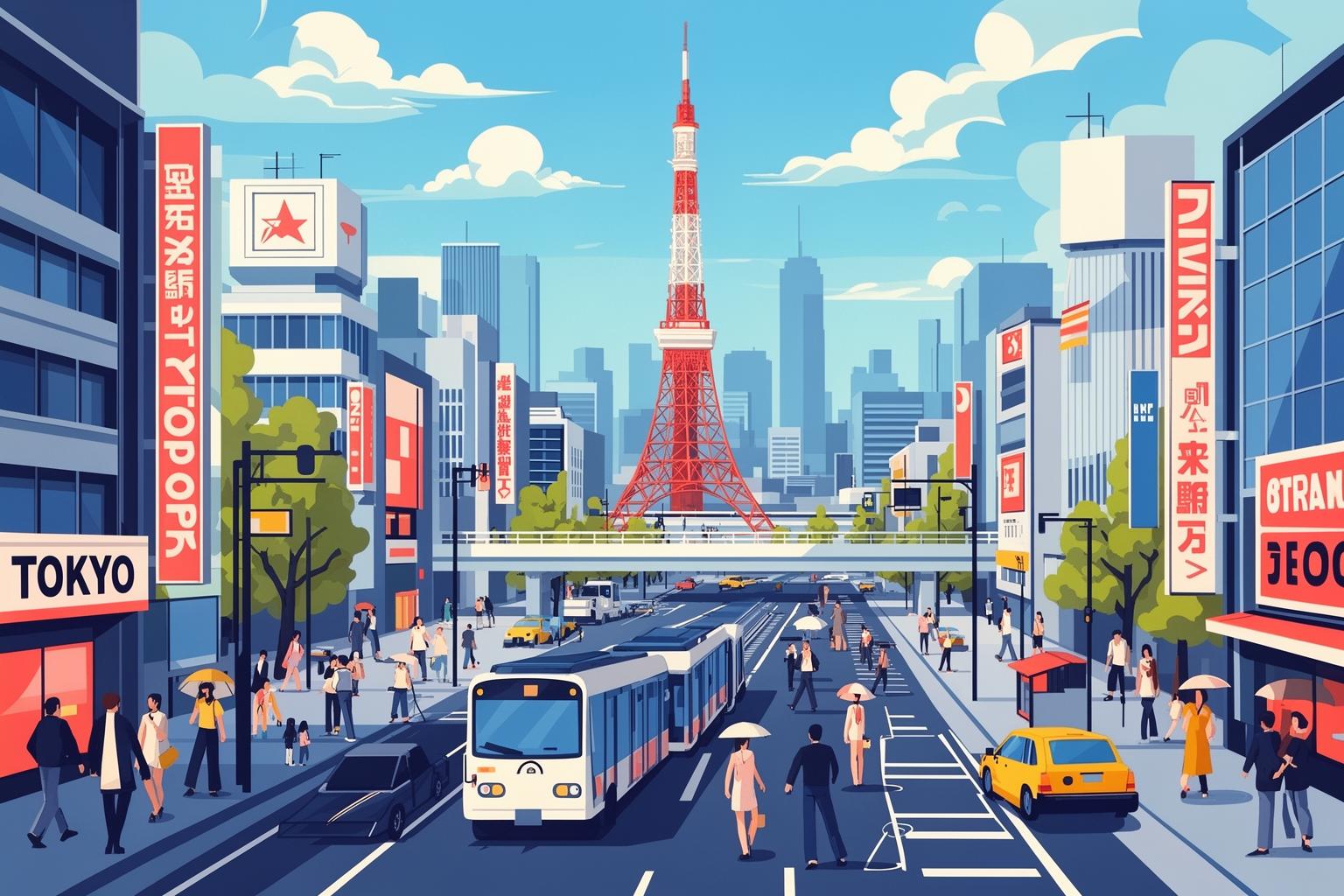
Tokyo serves as the backdrop for Taki Tachibana’s life, a vast, vibrant metropolis that sharply contrasts with Mitsuha’s rural world. The film perfectly captures this duality: the immense scale of the city’s infrastructure alongside the intimate, serene moments tucked within its neighborhood corners. Walking through Taki’s Tokyo means experiencing this dynamic rhythm, witnessing how a city of millions can still be the setting for a deeply personal story of longing and connection.
The Iconic Red Staircase: Suga Shrine, Yotsuya
No image is more emblematic of ‘Your Name’ than the final, heart-pounding scene on a sunlit staircase. This is where fate, once frayed and now rewoven, ultimately unites Taki and Mitsuha. These steps are real, located on a quiet residential street leading up to the Suga Shrine in Yotsuya. Discovering them feels like stumbling upon a hidden treasure. You leave behind the bustle of Yotsuya Station, navigate sleepy streets, and then turn a corner to find them. The view is instantly recognizable: the red railing, the gentle curve of the road, and a backdrop of city buildings rising up. Whether standing at the top looking down or at the bottom looking up, you can almost hear the film’s score swell. It’s a powerful, almost surreal encounter, thick with the unspoken emotions of that climactic reunion. First-time visitors should try going on a weekday morning or late afternoon to avoid crowds and capture that same sense of solitary discovery Taki and Mitsuha experienced. The golden hour light, just before sunset, is especially magical, casting long shadows and bathing the scene in a warm, cinematic glow. The shrine at the top of the stairs is a tranquil local sanctuary, a perfect spot for quiet reflection after the emotional impact of the staircase itself.
A Glimpse into Urban Life: Shinjuku’s Crossroads and Cafés
Shinjuku is Taki’s playground and workplace, and the film vividly captures its electrifying, often overwhelming energy. The vast, circular intersection in front of the Shinjuku Police Station stands out as a symbol of the countless lives intersecting in this urban maze. Nearby is Robert Indiana’s iconic ‘LOVE’ sculpture, a landmark Taki passes on his way. These locations firmly root the story in a tangible, authentic Tokyo. A key pilgrimage destination is the restaurant where Taki works part-time alongside his crush, Okudera-senpai. Although the film’s ‘Il Giardino delle Parole’ is fictional, it is widely believed to be inspired by Cafe La Bohème Shinjuku Gyoen. With its elegant, high-ceilinged European decor and park views, it perfectly matches the anime’s atmosphere. Visiting for lunch or an afternoon coffee lets you literally step inside the world of the film. It offers a sophisticated escape from Shinjuku’s beautiful chaos, much like it did for Taki after a busy shift. This area showcases Shinkai’s genius in finding beauty not only in sweeping vistas but in the specific, everyday textures of city life—a bustling street corner, a quiet café, a familiar landmark.
A Bridge Between Worlds: The Pedestrian Bridge at Shinanomachi Station
Not every key location is a grand monument. Some of the most moving scenes occur in the most ordinary places. The pedestrian bridge outside Shinanomachi Station is one such spot. It’s where Taki checks his phone after a date with Okudera-senpai, overwhelmed by a wave of inexplicable sadness as his connection to Mitsuha begins to wane and stir anew. The bridge is unremarkable, a standard piece of urban infrastructure, yet for fans of the film, it carries deep significance. Standing there as JR Chuo-Sobu line trains rumble beneath, you can feel the heaviness of Taki’s confusion and longing. This location highlights the characters’ internal, emotional journey against the ever-moving city backdrop. It’s easily accessible and offers a unique photo opportunity. Capturing a yellow train passing underneath recreates the film’s imagery with striking accuracy. It’s a testament to how ‘Your Name’ elevates the mundane, turning a simple overpass into a stage for profound emotional moments.
Journey to Itomori: Discovering Mitsuha’s World in Hida
To truly grasp the story, one must leave Tokyo’s concrete canyons and venture deep into the mountains of Gifu Prefecture, to the area that inspired Mitsuha’s hometown, Itomori. This real-world setting is the charming and beautifully preserved city of Hida-Furukawa. The transformation is striking: the hectic rhythm of the metropolis gives way to the gentle flow of canals, the aroma of cedar wood, and the profound silence of encircling peaks. This is the Japan of tradition, close-knit communities, and a deep, enduring bond with nature.
The Heart of a Rural Town: Hida-Furukawa Station
The journey to Itomori begins, for both Taki and the real-world visitor, at Hida-Furukawa Station. The moment you step off the train, you are immersed in the movie. The station is rendered with near-photographic precision, from the platform layout to the distinctive Hida mascot figurines inside the waiting room. Taki’s arrival here, armed only with fragmented memories and sketches, marks a crucial step in his search. The staff know well of this connection and warmly welcome fans, often offering pamphlets and information. Just outside the station is the taxi stand where Taki showed his drawing to a driver. A short stroll into town reveals the true enchantment of Hida-Furukawa. The Setogawa Canal, teeming with thousands of colorful koi fish swimming beneath traditional white-walled storehouses (‘shirakabe dozogai’), is breathtaking. The town is renowned for its skilled carpenters and lattice work, and this intricate craftsmanship is evident on every building, giving the area a timeless elegance.
Echoes of Tradition: The Hida City Library
A key scene in Taki’s search unfolds inside a library, where he and his friends uncover the heartbreaking truth about Itomori and the comet. This setting is the Hida City Library, which is just as impressive in reality as it appears on screen. The building is a modern architectural gem, featuring warm, inviting wood interiors designed by a local architect. The gentle curve of the ceiling and the soft natural light streaming through the windows create a calm, studious environment. The library has embraced its role in the ‘Your Name’ story, welcoming visitors to take photos (with permission from the front desk to respect other patrons) and featuring a small dedicated section with information about the film. Sitting at one of the study tables, it’s easy to envision the frantic search through old newspapers, the dawning horror, and Taki’s determined resolve in that very spot. It is a powerful place where fiction, history, and reality intersect.
The Flavor of a Journey: Goheimochi and Local Delights
A journey involves more than just sights; it embraces tastes and aromas as well. During their research, Taki and his friends enjoy a local specialty called ‘goheimochi.’ This dish consists of pounded rice cakes skewered, coated in a sweet and savory miso, walnut, and sesame sauce, then grilled over an open flame. You can find this delicacy at numerous small shops and stalls throughout Hida-Furukawa and nearby Takayama. Sampling it is a vital part of the pilgrimage. It’s a simple, rustic, and delicious snack that creates a direct sensory link to the characters’ journey. Beyond goheimochi, the Hida region is celebrated for its exceptional beef, crystal-clear mountain water used to produce superb sake, and its simple, hearty mountain vegetable dishes. Exploring the local food culture is a wonderful way to deepen your connection to Mitsuha’s world and support the community that inspired it.
The Spiritual Core: The Inspiration for Miyamizu Shrine and Lake Itomori

While Hida-Furukawa provides the townscape for Itomori, its most mystical and significant sites—the Miyamizu Shrine and the crater lake—are inspired by locations farther away. Reaching them involves a bit more travel, but the reward is a deeper insight into the film’s spiritual and mythological foundations, which are deeply anchored in Shinto beliefs and the Japanese landscape.
A Shrine of Whispers: Hie Shrine in Takayama
The Miyamizu family shrine lies at the heart of Itomori’s traditions and is central to Mitsuha’s life as a shrine maiden (‘miko’). Although there is no single shrine that perfectly matches it, the Hie Shrine, situated on a wooded hill in the nearby city of Takayama, is widely regarded as a key source of inspiration. The approach to the shrine feels most familiar—you ascend a long, steep flight of stone steps, shaded by immense, ancient cedar trees. The air cools and quiets, filled with the sound of rustling leaves and the scent of damp earth and moss. This powerful atmosphere of sacred antiquity is exactly what the film conveys. The shrine itself is a tranquil and beautiful example of Shinto architecture. Standing within its grounds, you can better appreciate the importance of the rituals Mitsuha performs, such as the creation of ‘kuchikamizake’ (rice wine made through a traditional method), which becomes a crucial plot element. It’s a place that feels timeless, a perfect real-world counterpart for the mystical center of Itomori.
The Crater Lake of Legend: Lake Suwa in Nagano
Perhaps the most breathtaking landscape in ‘Your Name’ is Lake Itomori, nestled within the crater formed by a comet’s impact. This stunningly beautiful, nearly perfect circular lake has a real-life counterpart: Lake Suwa, located in Nagano Prefecture. Although visiting here requires a separate journey from the Hida region, the view is truly worth the effort. For the most iconic perspective, you need to climb to Tateishi Park, perched on a hillside overlooking the lake. From this vantage point, the shape of the lake and the arrangement of the surrounding towns below closely resemble the vistas of Itomori. Seeing it in person, especially as dusk falls—the ‘kataware-doki’ or twilight hour so central to the film’s mythology—is an unforgettable experience. The town lights begin to sparkle along the shore, and you can almost picture the celestial comet streaking across the sky. Lake Suwa is a place of remarkable natural beauty in its own right, with seasonal attractions ranging from the cherry blossoms of spring to the frozen phenomena of winter. It stands as a powerful reminder of the raw, sublime forces of nature that underpin the entire story.
A Pilgrim’s Etiquette and Practical Guide
Embarking on a ‘seichi junrei’ pilgrimage for ‘Your Name’ is a deeply fulfilling experience, but it’s essential to remember that these locations are not movie sets or theme parks. They are real communities where people live, work, and worship. Approaching your visit with respect and mindfulness will ensure a positive experience both for yourself and for the local residents who have generously welcomed fans from around the world.
Blending In: Honoring Local Life
Many key spots, particularly the Suga Shrine steps in Yotsuya and the streets of Hida-Furukawa, are situated in quiet residential areas. Be mindful of your noise level, especially during early mornings or late evenings. Avoid obstructing streets or driveways when taking photos. At the Hida City Library, keep in mind it is a working public library—adhere to photography rules and speak softly to avoid disturbing those reading or studying. When visiting shrines like Suga or Hie, observe traditional etiquette; a small bow as you pass through the ‘torii’ gate is customary. The aim is to be a respectful guest, not a disruptive tourist. The warmth you’ll experience from locals in places like Hida-Furukawa is one of the true highlights of this pilgrimage, and showing respect is the best way to honor their hospitality.
Planning Your Two-Part Journey
This pilgrimage is best viewed as two separate chapters. The Tokyo sites can be comfortably explored over one or two days using the city’s highly efficient public transit system. The JR Yamanote and Chuo-Sobu lines conveniently connect you to Shinjuku, Yotsuya, and Shinanomachi. The second part, the journey to the Hida region, requires more preparation. From Tokyo, the quickest route is to take a Shinkansen (bullet train) to Toyama, then transfer to the JR Takayama Main Line for a scenic ride to Hida-Furukawa. Alternatively, travel via Nagoya. For international travelers visiting multiple regions, the Japan Rail Pass offers excellent value. It’s wise to book accommodation in Hida-Furukawa or nearby Takayama well in advance, especially during peak seasons such as spring (cherry blossoms) and autumn (fall foliage), which showcase the film’s stunning seasonal colors. Lake Suwa is a separate side trip, best accessed via the Chuo Main Line that runs between Tokyo and Nagoya.
The Enduring Magic of ‘Your Name’

What makes the pilgrimage to the world of ‘Your Name’ so deeply resonant? It is the realization that the magic Makoto Shinkai captured was not solely his own creation. He recognized the inherent beauty, quiet dignity, and profound stories embedded in real Japanese landscapes and enhanced them through his art. Walking these streets and standing in these places is to engage in that transformation. You sense the pulse of Taki’s Tokyo, a city of endless possibilities and profound solitude. You feel the spirit of Mitsuha’s Hida, a town rich in tradition and in tune with nature’s rhythms. Standing on the Suga Shrine steps is more than merely recreating a movie poster; it’s about experiencing that universal human longing for connection, for that one person you seek. The journey reminds us that our own lives unfold on a stage just as beautiful, just as meaningful, and just as capable of holding remarkable stories. The red thread of ‘musubi’ links Taki and Mitsuha across time and space, but it also binds the film to the real world, and the real world back to us, the viewers deeply moved by their story. The comet may have been a fantasy, but the bond it created is very, very real, waiting to be rediscovered in the heart of Japan.








