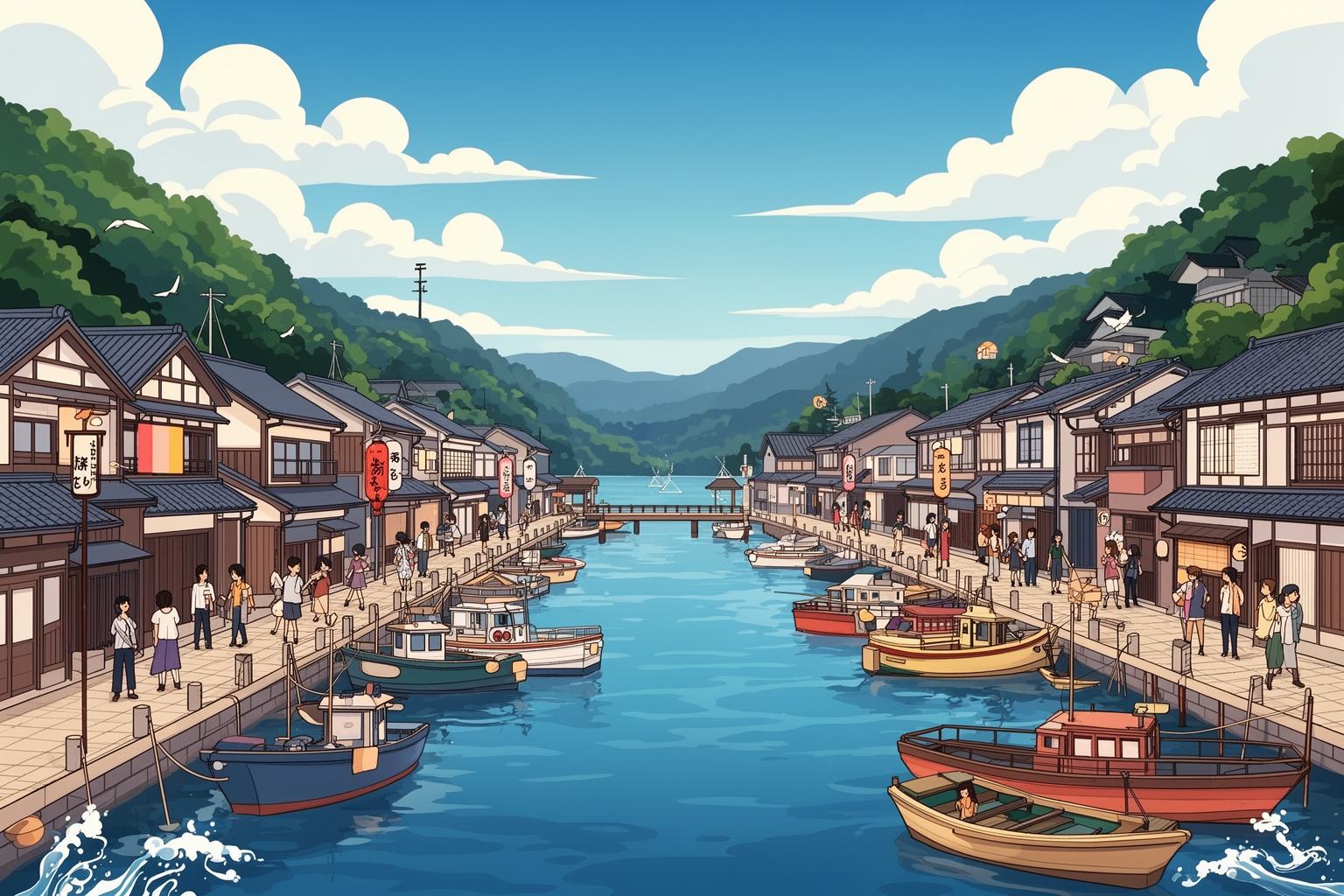
There are places in this world that feel less like locations and more like memories you haven’t made yet. They hum with a quiet energy, a timeless rhythm that seems to flow directly from the earth and sea. Tomonoura, a small port town nestled in a crescent-shaped bay in Hiroshima Prefecture, is one such place. It’s a town where the tide, not the clock, dictates the pace of life, where the air tastes of salt and history, and where the line between reality and storybook magic feels beautifully, wonderfully blurred. For many, this enchantment is most powerfully felt through its connection to one of the most beloved animated films of our time: Hayao Miyazaki’s “Ponyo on the Cliff by the Sea.” This isn’t merely a town that looks like the film’s setting; this is the very soul of it. Miyazaki and his team of animators from Studio Ghibli spent months here, living in a rented house overlooking the harbor, absorbing every detail, every sound, every ray of light. They didn’t just scout a location; they let Tomonoura seep into their creative spirit. The result is a film that breathes with the town’s authentic character, from the charming chaos of its clustered rooftops to the gentle lapping of waves against ancient stone walls. To visit Tomonoura is to walk through the living, breathing concept art of a Ghibli masterpiece, a pilgrimage for the heart that promises more than just picturesque photo opportunities. It offers a chance to feel the very inspiration that sparked a global phenomenon and to discover that the magic you saw on screen is, in fact, wonderfully real.
The serene allure of Tomonoura often inspires a deeper exploration, inviting travelers to embark on a hiker’s pilgrimage that uncovers the spirited interplay between nature and cinematic dreamscapes.
The Soul of the Seto Inland Sea
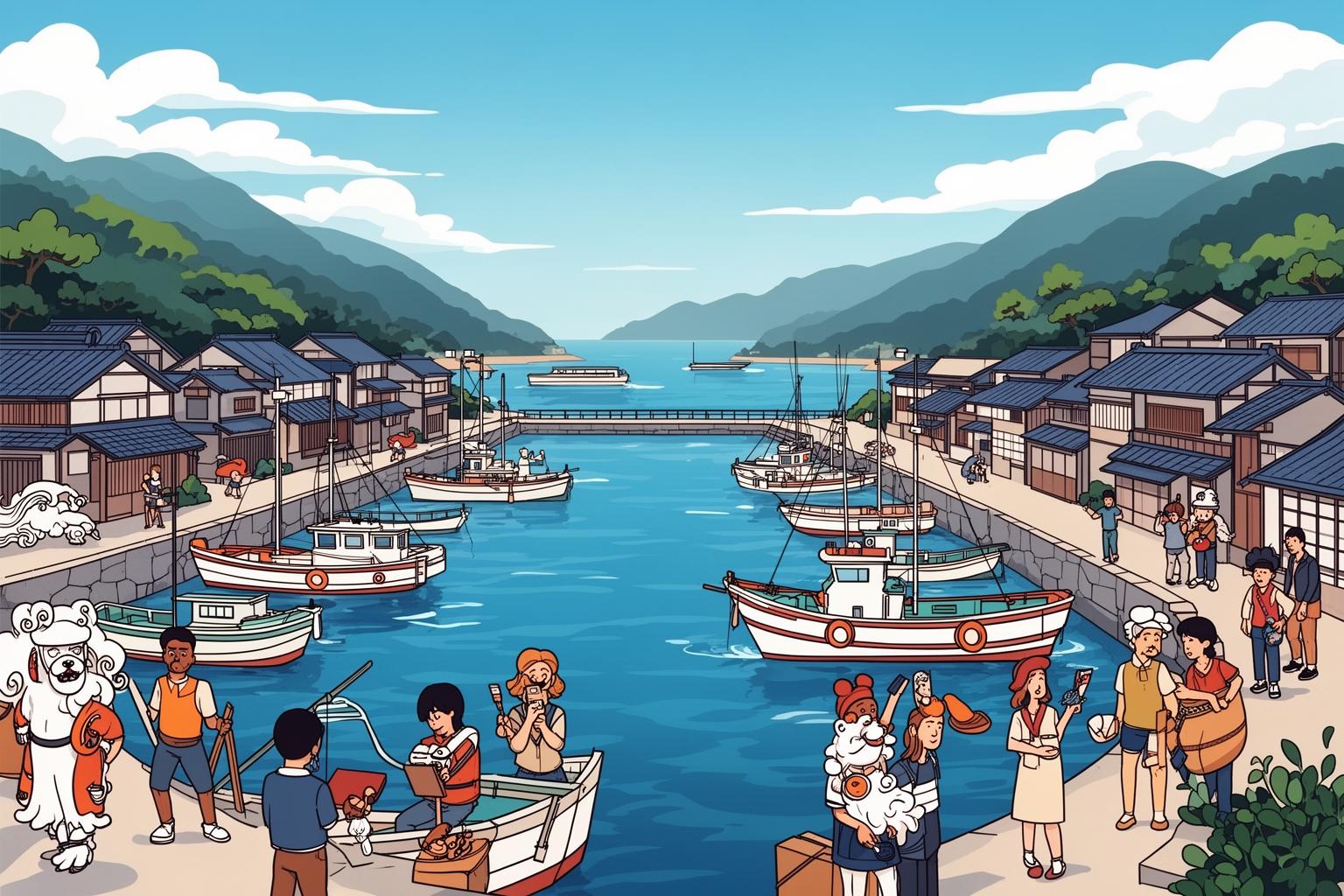
The journey to Tomonoura is a slow release from the present. As the local bus moves away from the modern efficiency of Fukuyama’s Shinkansen station, the landscape begins to soften. Concrete gives way to coastline, and the wide, straight boulevards give way to roads that curve gently with the contours of the land. When you finally arrive and step out into the harbor, the transformation is complete. You have entered a different era. The town’s history is deeply embedded in its very foundations. For centuries, it prospered as a “shio-machi no minato”—a port where vessels waited for the tide. Sailing ships navigating the crucial Seto Inland Sea trade route would dock in Tomonoura’s naturally sheltered harbor to await favorable currents that would carry them east or west. This necessary pause transformed the town into a lively center of commerce, culture, and conversation. It was a place of exchange, where sailors, merchants, and dignitaries mingled, weaving a rich tapestry of life that remains palpable today. The harbor itself is a work of natural design. Small, weathered fishing boats drift gently in the water, their engines creating a low, rhythmic hum that becomes the town’s heartbeat. The air is thick with the ocean’s scent, a fresh, briny aroma accented by the faint, earthy smell of drying nets and old wood. Walking along the waterfront, you sense the weight of this history—the countless departures and arrivals, the stories whispered on the sea breeze that have long since settled into the town’s quiet corners.
Chasing Ponyo’s Spirit Through Winding Alleys
While the entire town exudes the charm of a Ghibli creation, certain landmarks emerge as clear sources of inspiration, serving as key destinations for any fan’s pilgrimage. Yet, the true delight lies in the journey between these points—in the simple, purposeful joy of getting wonderfully lost in a town seemingly made for wandering. It is within the labyrinth of narrow streets that you can genuinely sense the world that Sosuke, the young protagonist of the film, would have called home.
The Joyato Lighthouse: A Beacon of Time
Standing tall and elegant over the harbor is the Joyato, an eleven-meter-high stone lighthouse that has symbolized Tomonoura since the Edo Period. This is not a modern, automated light but a historic monument that once guided ships safely into the bay with a simple flame. Its shape is iconic, a graceful stone structure that feels both strong and gentle. For “Ponyo” fans, it’s impossible to see the Joyato without recalling the film’s striking visual themes of light, guidance, and security amidst the turbulent sea. It stands as a tribute to the town’s maritime heritage, a silent guardian watching over generations of fishermen and sailors. As you stand before it, watching its reflection ripple on the calm harbor waters, you feel a deep connection to the town’s enduring spirit—a spirit of welcome and safe harbor so perfectly captured by Miyazaki.
Weaving Through the Lanes of Sosuke’s Town
The real enchantment of Tomonoura reveals itself when you leave the bustling harbor and step into the maze of backstreets. These alleys are too narrow for cars, encouraging a slower, more mindful pace. It’s a sensory journey. Your footsteps softly echo on worn stone paths. The walls of traditional wooden houses, their dark slats weathered by centuries of sun and sea spray, are almost within reach. Notice the intricate latticework of windows, called `koshi`, designed to provide privacy while letting breezes flow through. Faded `noren` curtains flutter at the entrances of small shops, offering glimpses of the life inside. It’s in these little details that the world of “Ponyo” truly comes alive. You can almost see Sosuke running down these lanes, yellow bucket in hand, heading toward the sea. Each corner brings a new discovery: a tiny, impeccably kept shrine nestled between houses, a calico cat napping on a sun-warmed tile roof, or the faint, sweet scent of baking from a nearby sweet shop. This is a place that rewards curiosity, inviting you to peek around every corner and uncover the quiet, beautiful moments that shape daily life here.
Architectural Whispers of a Bygone Era
As you explore, take a moment to appreciate the architectural details that turn Tomonoura into a living museum. Many buildings showcase `namako` walls—a striking pattern of white plaster grids over black tiles, both decorative and fire-resistant. The roofs form a sea of dark, heavy `kawara` tiles, their undulating shapes creating a visual rhythm especially stunning from above. These aren’t preserved relics under glass; they are the homes and businesses of a vibrant community. This authenticity impressed the Studio Ghibli team—they weren’t merely capturing a style but the very essence of a place where history is not frozen in the past but woven into the everyday fabric of the town.
A View from Above: The Ponyo-esque Rooftops
To fully appreciate the landscape that inspired Miyazaki, you must see it from a higher vantage point. A short, brisk climb up stone steps brings you to Iou-ji Temple, a serene Buddhist temple complex perched on a hill behind the town. From this elevated spot, the view begins to open. For an even more breathtaking panorama, continue to nearby Fukuzen-ji Temple and step into its Taichoro reception hall. This historic hall, which once hosted Korean envoys centuries ago, is renowned for its view, declared “the most beautiful sight in all of Japan.” From the wide open veranda, you’re presented with a scene of almost unreal beauty: the entire harbor below—the gentle curve of the bay, the iconic lighthouse standing watch, the green islands of Sensui-jima and Benten-jima floating in the shimmering Seto Inland Sea, and most memorably, the dense cluster of dark-tiled rooftops. This is it—the perfect shot straight from the film, the real-world counterpart of the seaside town that Ponyo cherished. It’s a moment of pure cinematic magic, allowing you to see firsthand the direct connection between this stunning reality and Miyazaki’s animated masterpiece.
The Taste of a Seaside Story
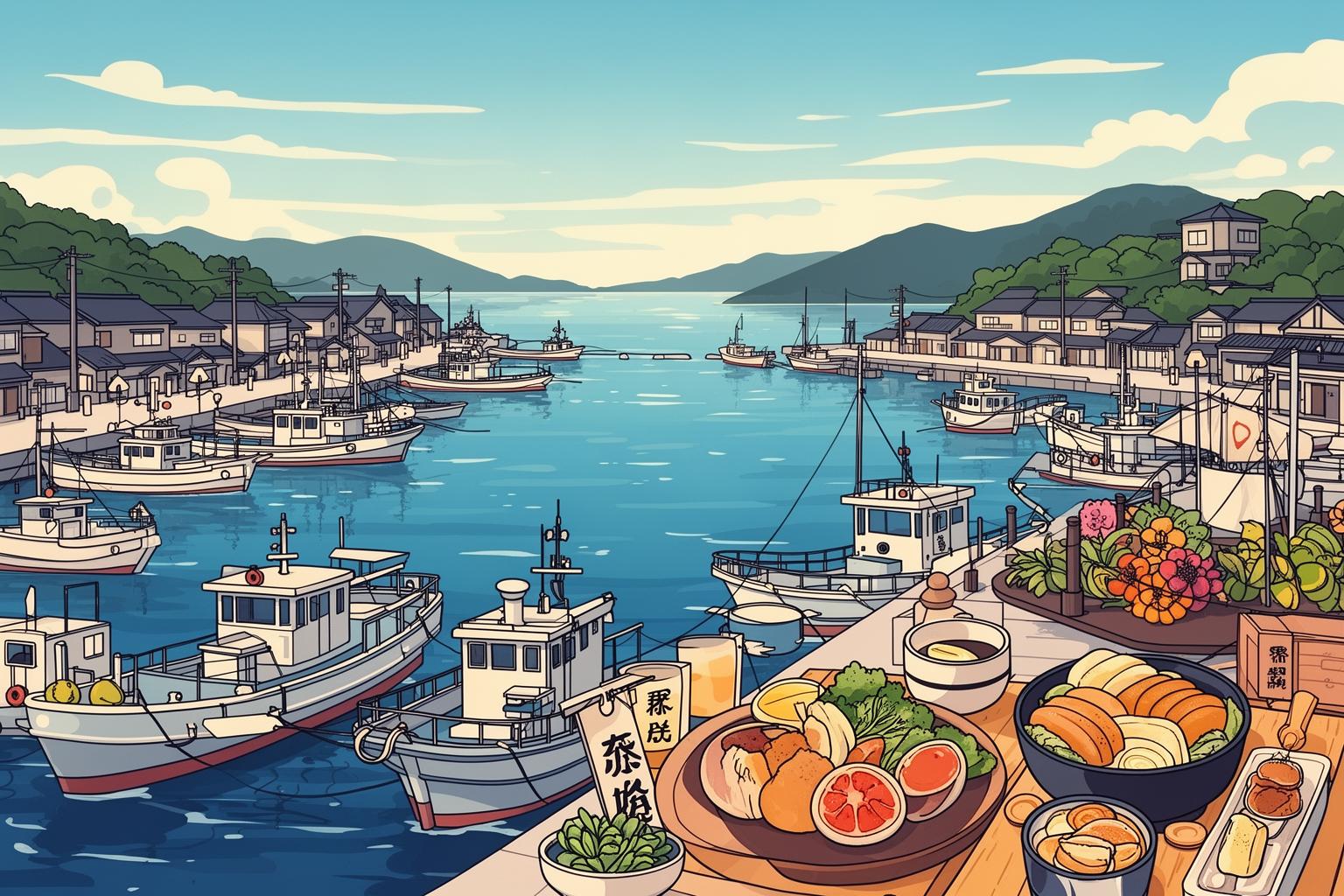
To truly understand a place, you must taste it. Tomonoura’s culture and history are deeply intertwined with its local flavors, which arise from the sea and the town’s unique heritage as a hub of trade and craft. Exploring its culinary offerings is an essential part of the pilgrimage, providing a way to connect with the town on a deeper, more personal level.
Homeishu and the Flavors of the Port
One of the town’s most distinctive products is Homeishu, a traditional medicinal liqueur with a history spanning more than 350 years. This sweet, amber-hued drink is crafted by steeping sixteen different herbs in `mirin` (sweet rice wine), resulting in a complex, aromatic flavor that is both warming and restorative. Several historic breweries still operate in town, and visitors can explore places like the Ota-ke Residence, a beautifully preserved Edo-period merchant house, to learn about the history of `Homeishu` production and sample different varieties. Sipping this historic liqueur is like tasting a piece of the town’s past — a flavor cherished by generations of locals and weary travelers alike.
Savoring the Sea’s Bounty
It comes as no surprise that the seafood in Tomonoura is exceptional. The town is especially renowned for its sea bream, or `tai`. In spring, you can witness the spectacular `Tai-ami`, a traditional and dynamic fishing method practiced for over 380 years and now a popular tourist attraction. Throughout the year, local restaurants and inns serve the freshest catch from the surrounding waters. For an authentic experience, seek out a small, family-run eatery near the harbor. Order the `Tai-meshi`, a delicious and comforting dish of rice cooked with whole sea bream, its subtle, sweet flavor infusing every grain. As you eat and watch the fishing boats drift by, you partake in a timeless ritual, enjoying the very bounty that has sustained this community for centuries. It’s a simple, profound pleasure that connects you directly to the heart and soul of this coastal town.
Practical Navigation for Your Ghibli Pilgrimage
Tomonoura seems like a world apart, yet reaching this glimpse of the past is surprisingly simple. With a bit of preparation, your trip will be as smooth and pleasant as the gentle tides in its harbor.
Getting to Tomonoura
Fukuyama city serves as the gateway to Tomonoura. Major cities such as Tokyo, Kyoto, and Osaka are linked to Fukuyama by the Tokaido-Sanyo Shinkansen (bullet train), making it a convenient stop on a broader Japan itinerary. Upon arriving at Fukuyama Station, exit through the south entrance and head to the bus terminal. The correct bus stop is usually number 5, where you can board a local Tomotetsu bus bound for Tomonoura (鞆の浦). The trip takes around 30 minutes and costs a few hundred yen. It’s a pleasant ride that offers a smooth transition as the urban landscape gradually gives way to the peaceful coastal scenery.
The Best Time to Visit
Tomonoura is charming year-round, with each season bringing its own special appeal. Spring is perhaps the most enchanting time, featuring mild weather, cherry blossoms that add bursts of pink to the historic streets, and the start of sea bream fishing season accompanied by lively festivals. Autumn is another excellent choice, boasting clear blue skies, comfortable temperatures ideal for walking, and hills dressed in warm hues. Summer fills the region with lush vitality, though it can be hot and humid, perfect for those who enjoy boating and the season’s energetic atmosphere. Winter is the quietest season, offering a tranquil and reflective experience. The crisp air and sparse crowds give you the feeling of possessing the town’s ancient secrets all to yourself.
Staying in the Heart of History
While Tomonoura can be visited as a day trip from Fukuyama or Hiroshima, spending a night is highly recommended to truly soak in its timeless ambiance. The town reveals its magic in the early morning and late evening, once day-trippers have left. Consider booking a night at a traditional `ryokan` (Japanese inn). Many feature rooms with spectacular harbor views, allowing you to wake to the sunrise over the sea. An overnight stay often includes an exquisite multi-course `kaiseki` dinner highlighting the finest local seasonal seafood, along with the opportunity to enjoy a relaxing bath, possibly even an `onsen` with an ocean view. This immersive experience is the perfect way to complete your journey into the world of “Ponyo,” living, if only for a night, with the gentle rhythm that so fascinated Hayao Miyazaki.
Beyond the Frame: The Enduring Charm of Tomonoura
Visiting Tomonoura only as a film location captures just one layer of its deep beauty. The link to “Ponyo” offers a wonderful, magical entrance, but the real reward comes from stepping beyond it to uncover the rich, living history that awaits. This town isn’t frozen in time; it is a community that lives in harmony with its past, where traditions are not merely recalled but actively upheld.
The true magic of Tomonoura isn’t found in a single lookout or photograph. It’s in the feeling that envelops you as you wander its streets—the calm of watching the tide turn slowly, the warm greetings from local shopkeepers, and the delight of spotting a hidden detail on a centuries-old building. Our advice for first-time visitors is simple: after seeing the main attractions, put your map aside. Let yourself roam without a set destination. Follow the narrowest alleyways, climb stone steps that seem to lead nowhere, and allow the town to reveal its secrets at its own unhurried pace. You’ll leave with more than beautiful photos—you’ll carry a piece of its serenity, a memory of a place where time flows differently, and where the simple, profound magic of everyday life is the greatest treasure of all.