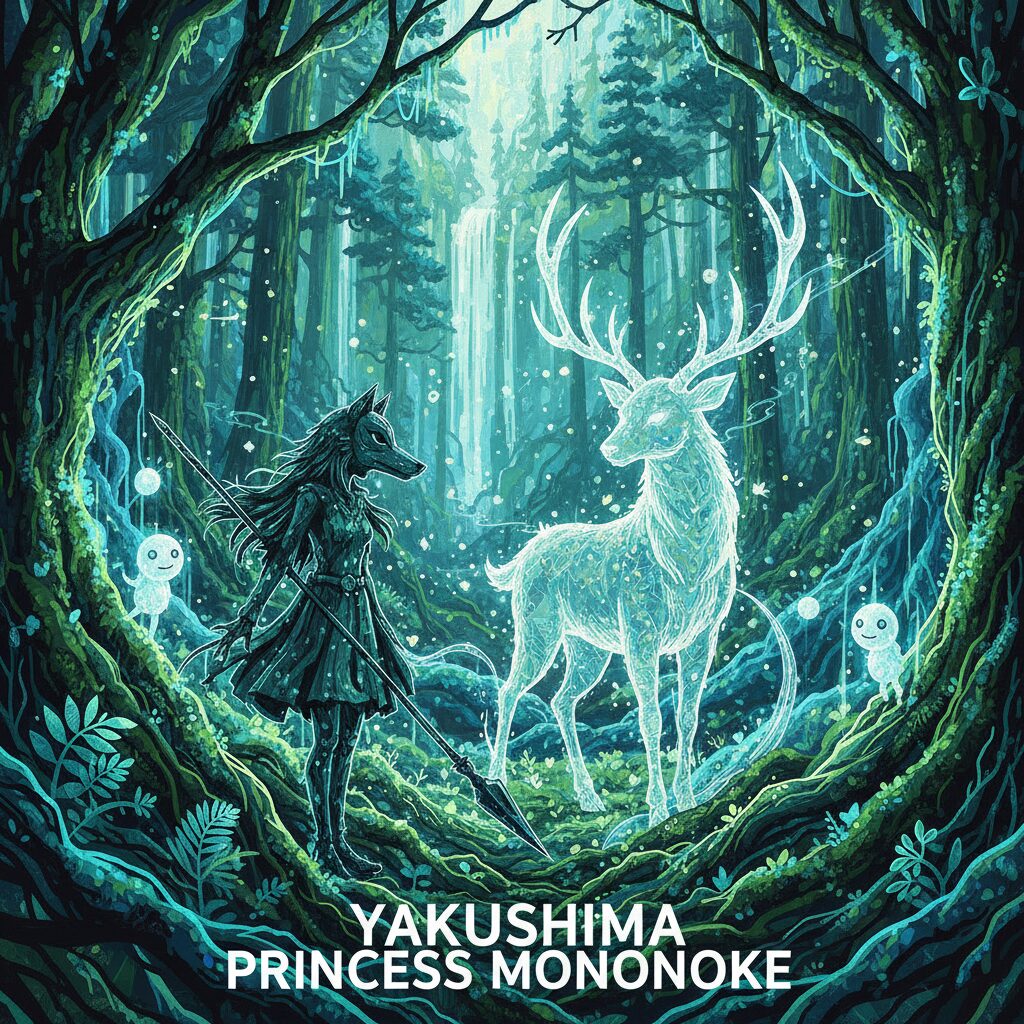
There’s a specific kind of magic that Hayao Miyazaki and Studio Ghibli weave into their films, a feeling that the rustling leaves, ancient stones, and trickling streams are alive with spirits. For many, Princess Mononoke is the pinnacle of this enchantment—a raw, powerful epic about the clash between humanity and the untamable forces of nature. It’s a world that feels both fantastical and profoundly real. What if I told you that you could step through the screen and into that very world? That the deep, moss-blanketed forest, home to the Great Forest Spirit, the wolf gods, and the chattering Kodama, has a real-world counterpart? That place is Yakushima, a subtropical island floating in the sea south of Kyushu, Japan. It is not merely a filming location; it is the soul-source, the living, breathing entity that Miyazaki channeled onto the animation cel. This island, a designated UNESCO World Heritage site, is a sanctuary of ancient giants, where trees older than empires reach for a sky that weeps rain almost daily, nurturing a green so vibrant it feels electric. As a hiker, I’ve walked trails all over the world, but none have felt as sacred or as primordial as those in Yakushima. It is more than a journey to a beautiful place; it is a pilgrimage to the heart of an idea, a chance to walk through the very landscape that asks the film’s central question: can humans and the forest ever live in peace? This is your guide to that pilgrimage, a journey into the real, tangible magic of Princess Mononoke’s island.
For adventurers seeking to immerse themselves further in a world that blends history with nature’s magic, exploring a rejuvenating onsen retreat offers another distinctive path into Japan’s timeless allure.
The Whispering Woods: Where Moss is King
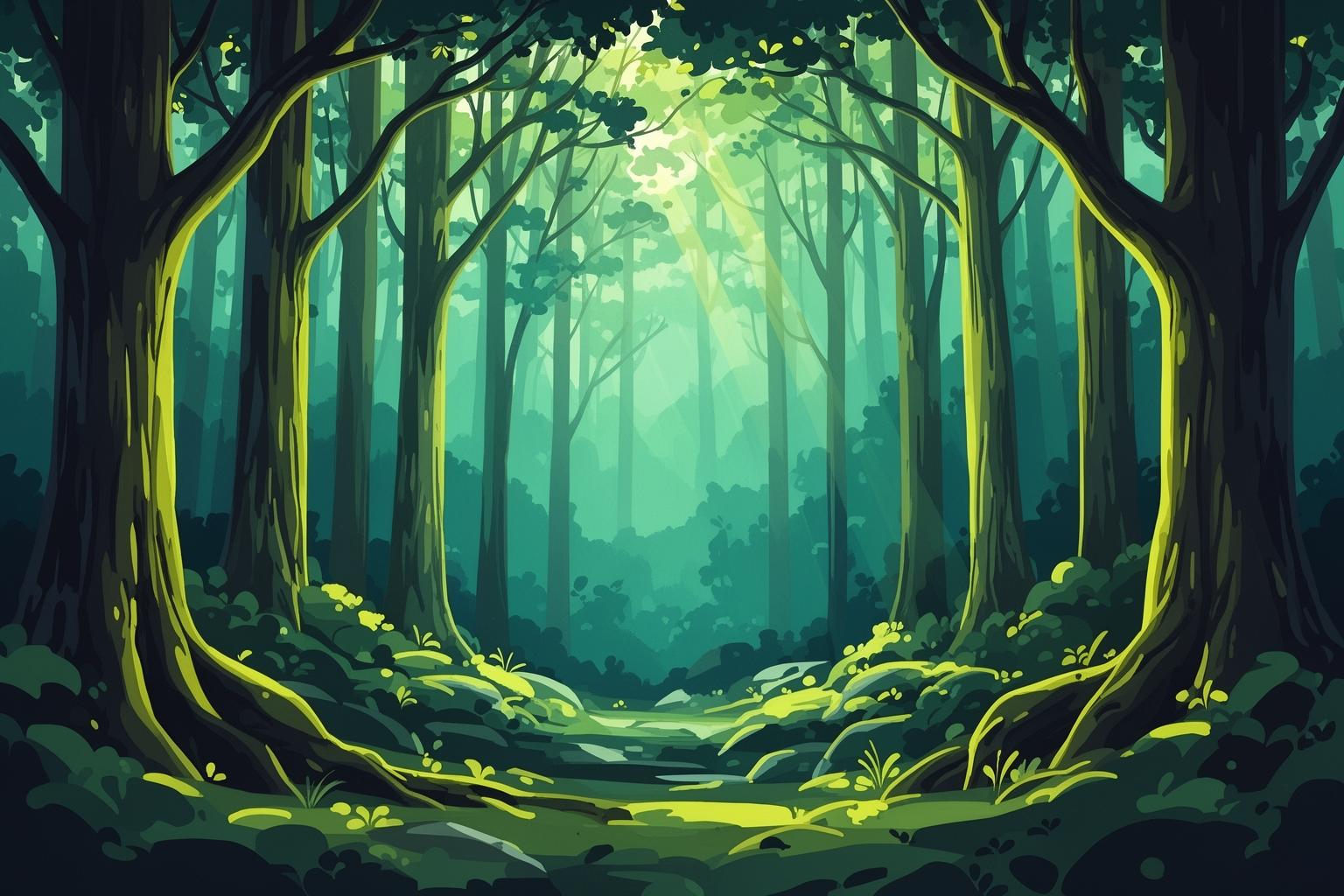
The moment you leave the main road and step onto a Yakushima trail, the air shifts. It becomes heavy, thick with the scent of damp earth, decaying cedar, and the crisp, metallic fragrance of pure water. The temperature falls, shaded by a canopy so dense that sunlight barely manages to dapple the forest floor. Then you see it: the green. It’s not just one color, but an endless spectrum of verdant life. Every surface is blanketed in a lush, velvety carpet of moss—hundreds of types, some bright like chartreuse velvet, others as deep and dark as the forest floor itself. They cling to ancient tree trunks, drape over granite boulders as large as small houses, and form a soft, cushioned groundcover that muffles your footsteps. This atmosphere defines Yakushima and serves as the living blueprint for Miyazaki’s vision. The constant, life-sustaining rain—locals joke they get “35 days of rain a month”—is the architect of this world. It nourishes the moss, carves paths for countless streams that gurgle and rush over rocks, and maintains an ongoing state of misty, ethereal beauty. You can feel the cycle of life and death in a way that’s immediate and visceral. Fallen giants, centuries old, become nurse logs, their decaying bodies providing the foundation for new trees, ferns, and, naturally, more moss. This profound sense of an interconnected, self-sustaining world is exactly what Princess Mononoke captures so perfectly. The forest is not just a backdrop; it is a character, breathing and pulsing with a quiet, immense power. Standing there, surrounded by dripping leaves and silent, watchful trees, it’s easy to imagine the little white Kodama, their heads clicking and turning as they observe you passing through their sacred domain.
A Tale of Two Trails: Choosing Your Path into the Ancient World
Yakushima features a network of trails suitable for adventurers of all levels, but for those on a Ghibli pilgrimage, two stand out as must-do experiences. Each offers a different degree of challenge and reward, yet both immerse you deeply in the island’s spiritual essence. One trail takes you through the film’s iconic scenery, a stunning landscape accessible within a few hours. The other is a demanding, soul-testing journey to encounter one of the world’s oldest living beings. Your choice depends on your available time, fitness level, and the type of connection you want to have with the forest.
The Realm of the Forest Spirit: Shiratani Unsuikyo
This is it. If there is a single place on Yakushima that embodies the heart of the Princess Mononoke forest, it is Shiratani Unsuikyo Ravine. The name translates to “White Valley Cloud Water Ravine,” a poetic and fitting description for this ethereal spot. This protected nature park is a maze of winding trails leading you over moss-covered bridges, alongside crystal-clear rivers, and through groves of giant Yakusugi cedars. Several loop courses are available, ranging from one to about five hours, allowing you to customize your visit. As you climb higher, the forest becomes denser and more primordial. You’ll pass famed trees like the Yayoisugi and Bugyosugi, each a majestic figure in its own right. But the true highlight for many lies deep within the park at a spot nicknamed “Moss Forest” (Kokemusu-no-mori). Stepping into this area is breathtaking. It perfectly recreates the film’s most sacred scenes. A particular moss-covered clearing, with a gnarled tree root winding over a rock, so closely mirrors a scene from the movie it feels like you’ve stumbled through a secret portal. The air is still; the only sounds are dripping water and distant bird calls. It feels ancient, protected, and profoundly spiritual. This is the place to slow down, sit on a rock, and simply watch. Notice how the light filters through leaves, illuminating tiny ecosystems thriving on a single branch. While the trails are well-maintained with wooden steps in many places, they are far from an easy stroll. Rocks and roots are constantly slick with moisture, so sturdy, waterproof hiking boots are essential. Don’t be deterred by rain; in fact, a light drizzle or morning mist only heightens the ravine’s mystical ambiance, making the greens more vivid and the experience more immersive. Shiratani Unsuikyo is your clearest path to sensing the magic that inspired Miyazaki.
The Quest for the Elder God: The Jomon Sugi Trail
If Shiratani Unsuikyo represents the soul of the Ghibli forest, then the Jomon Sugi is its ancient, beating heart. This is no casual hike; it’s a full-day expedition of ten to twelve hours that will challenge your physical and mental endurance. The payoff, however, is a profound encounter with a true natural titan. The Jomon Sugi is a colossal Yakusugi cedar, whose age is subject to legendary debate. Estimates range from 2,170 to an astonishing 7,200 years old. Standing before it evokes a deep sense of humility and perspective. The journey itself is a vital part of the experience. Most hikers begin before dawn, taking a bus to the Arakawa Trailhead. The initial hours of the trek are surreal as you walk along the old logging railway tracks cutting through the forest. Moving through the pre-dawn quiet with your headlamp beam piercing the darkness, you follow the path symbolizing the conflict at Princess Mononoke’s core—the encroachment of industry on wilderness. This section is mostly flat and serves as a gentle warm-up. Leaving the tracks behind, the real mountain climb starts. The trail becomes steep, rugged, and demanding as you maneuver tangled roots and scramble up wooden staircases. Along the way, you’ll encounter other magnificent cedars and Wilson’s Stump, the massive, hollowed remains of a logged cedar. From inside, you can look up through a heart-shaped opening at the sky—a poignant reminder of what was lost. The final approach to the Jomon Sugi is charged with anticipation. Then, you see it: immense, gnarled, enveloped in other plants, a living ecosystem unto itself. Its presence is so powerful that it feels less like a tree and more like an ancient deity. A viewing deck shields its fragile roots, but even from afar, its scale and timeless aura are awe-inspiring. This trek demands careful preparation: start early, bring plenty of water and high-energy snacks, dress in layers, and be ready for any weather. Hiring a local guide is often the best way to tackle this trail safely and gain deeper insight into the forest’s ecology and history. The Jomon Sugi hike is more than a scenic walk; it is a pilgrimage that grants you audience with one of the planet’s oldest living monarchs.
More Than Just a Forest: The Rhythm of Yakushima Island
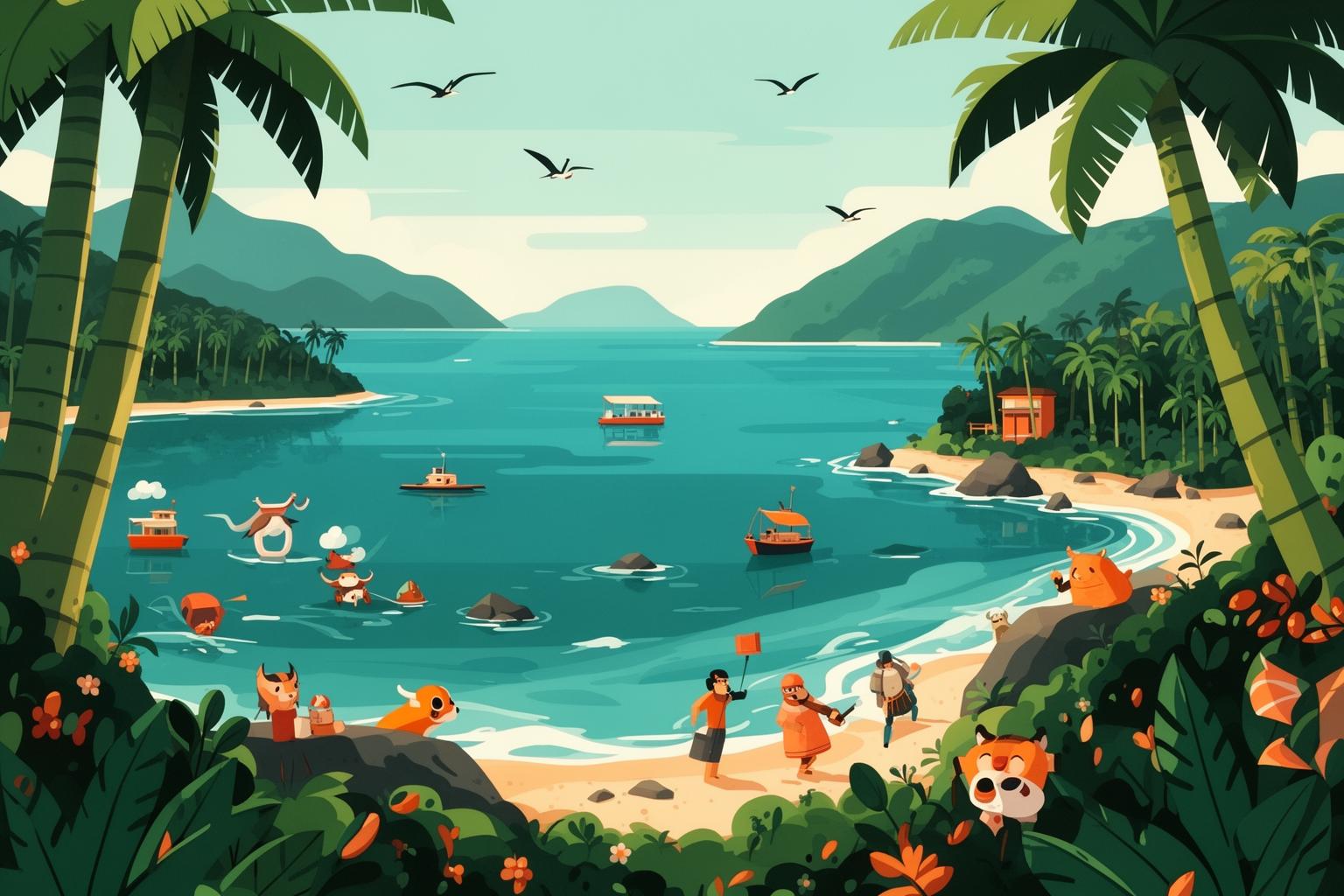
While the ancient forests are the primary attraction for Ghibli fans and hikers, the island of Yakushima offers a diverse array of experiences that complete the portrait of this unique ecosystem. To fully grasp the place that inspired Princess Mononoke, you need to experience its full cycle of life, from the mist-covered mountain peaks down to the warm, wave-lapped shores.
The Circle of Life: Coasts and Creatures
The island’s enchantment reaches far beyond the tree line. The coastline features a dramatic blend of rugged cliffs, granite formations, and peaceful sandy beaches. One of the most remarkable coastal spots is Nagata Inakahama Beach, a beautiful stretch of golden sand that serves as the largest nesting site for loggerhead and green sea turtles in the North Pacific. From May through July, under the cover of night, female turtles haul themselves ashore to lay their eggs, a timeless ritual of survival. Witnessing this is a deeply moving experience but must be approached with great care, ideally through an organized tour to avoid disturbing the animals. The island is also home to unique subspecies of wildlife. You will inevitably come across Yakushika deer and Yakuzaru monkeys, often seen along roadsides or even on trails. They are the true forest inhabitants, smaller than their mainland relatives and largely unafraid of humans. Observing a monkey grooming its young on a guardrail or a deer cautiously emerging from the forest feels like a scene from the film, a reminder that this is their home, and we are merely temporary visitors.
Fuel for the Journey: The Flavors of the Island
A long day of hiking calls for a satisfying meal, and Yakushima’s local cuisine is simple, delicious, and closely tied to the island’s environment. Thanks to its location, seafood is a staple. The most famous local specialty is flying fish (tobiuo), often served fried whole, its fins spread like wings. It’s both a striking and tasty dish. The island is also renowned for its produce, grown in fertile volcanic soil and nourished by abundant rainfall. Look for dishes featuring Tankan and Ponkan, sweet local citrus fruits that brighten even the cloudiest day. After a chilly, rain-soaked hike, nothing beats warming up with a glass of local shochu. Yakushima hosts several distilleries, and their spirits, crafted with the island’s famously pure and soft spring water, are celebrated throughout Japan. Brands like Mitake and Aisunomori offer a perfect toast to your adventures. The small towns of Miyanoura and Anbo are dotted with cozy, family-run restaurants where you can savor these local flavors and swap stories from the trail.
The Practical Pilgrim’s Guide: Planning Your Ghibli Adventure
Setting out on a trip to a remote, rain-drenched island requires some logistical preparation, but the rewards make the effort worthwhile. A seamless journey lets you fully lose yourself in the enchantment of Yakushima without stressing over the details. Here’s what you need to know to turn your pilgrimage into reality.
Getting There and Getting Around
Since Yakushima is an island, your final approach will be either by sea or air. The most common route is to first travel to Kagoshima, the southernmost major city on Japan’s main islands. From there, you have two options. The quickest is the high-speed jetfoil ferry, known as the “Toppy” or “Rocket,” which takes about two to three hours to reach either Miyanoura or Anbo Port on Yakushima. Alternatively, there is a slower, more traditional car ferry, taking about four hours, which is cheaper and allows you to bring a vehicle. You can also fly directly to Yakushima’s small airport (KUM) from Kagoshima, Fukuoka, or Osaka. Flights are fast but can be pricier and occasionally canceled due to weather. Once on the island, transportation is your next concern. Although there is a public bus system, its service can be infrequent and may not match hiking trail schedules. To enjoy the freedom and flexibility to explore the island’s hidden beaches, waterfalls, and trailheads at your own pace, renting a car is by far the best choice. Make sure to book your car well ahead of time, especially during peak seasons like Golden Week or summer holidays, as rentals are limited and quickly reserved.
When to Walk Among the Kodama
There is genuinely no bad time to visit Yakushima, as every season offers its own distinct charm. Spring (March to May) brings comfortable temperatures and blooming rhododendrons on the mountain slopes. Summer (June to August) is hot, humid, and the peak season for both crowds and rain, but it also sees the forest at its lushest and greenest, and it’s the prime time for sea turtle nesting. Autumn (September to November) offers cooler, more stable weather with beautiful fall colors at higher elevations. Winter (December to February) is the quietest period with far fewer tourists. While the coastal areas remain mild, the mountain peaks are often capped with snow, creating a stunning contrast and a peaceful, solitary hiking experience for those well-prepared. The key thing to remember is that rain is a year-round constant. Don’t try to plan to avoid it; embrace it. Rain is the lifeblood of the island, sustaining the moss and crafting the mystical atmosphere you’ve come to seek. Prepare for it, expect it, and you’ll understand why locals view it as a blessing.
Gearing Up for the Green
Having the right gear makes the difference between a miserable, soaked trudge and an incredible, immersive adventure. The word for Yakushima is “waterproof.” This is essential. You will need a high-quality waterproof and breathable rain jacket, waterproof pants, and a waterproof cover for your backpack. Equally important is your footwear. Sturdy, waterproof hiking boots with strong grip and ankle support are vital for handling the slippery, uneven terrain of rocks and roots. Quick-drying clothing (avoid cotton) worn in layers will help you regulate your temperature. Beyond clothing, always bring a reusable water bottle (you can refill it from the pristine mountain streams), high-energy snacks, a small first-aid kit, and a headlamp, especially if you plan to hike the Jomon Sugi trail. For those who prefer not to travel with bulky gear, several rental shops in Miyanoura and Anbo offer everything from boots and rain gear to backpacks at reasonable prices. Finally, strongly consider hiring a licensed local guide. For the demanding Jomon Sugi hike, this is highly recommended for safety. Even on easier trails, a guide can elevate your experience by highlighting hidden details, explaining the unique ecology, and sharing local legends that bring the forest to life in ways you wouldn’t uncover on your own.
The Soul of the Forest: A Final Reflection
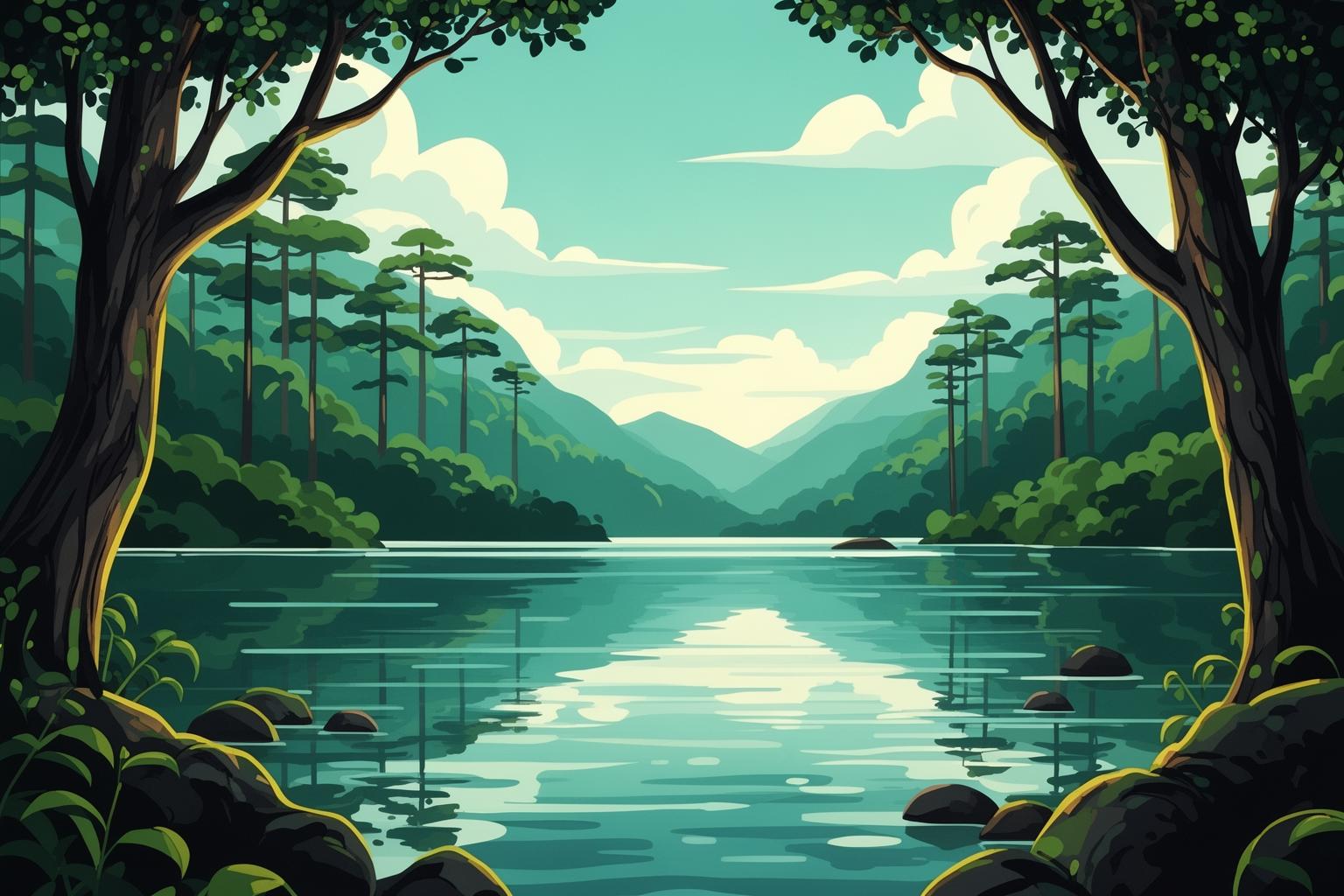
Leaving Yakushima feels like emerging from a vivid dream. The intensity of the green, the constant sound of water, the immense scale of the ancient trees—it all etches itself into your memory. My journey to the island began from a love of a film, but it grew into something far more profound. It’s one thing to admire the art of Princess Mononoke on a screen; it’s something entirely different to stand in the world that inspired it, to feel the same mist on your face and breathe the same sacred air. You come to realize that Miyazaki wasn’t merely creating a fantasy; he was conveying a reality. He was revealing the soul of a place he deeply revered. A pilgrimage to Yakushima is a reminder that the magic we seek in stories often exists in the real world, waiting to be discovered. It’s a journey that tests your body, calms your mind, and reconnects you to the primal, lasting power of nature. You leave the island not just with stunning photos, but with a deeper appreciation for the fragile, powerful, and sometimes harsh balance of the natural world—a lesson perhaps more vital now than ever before. The forest of Yakushima is alive, and if you listen closely, you can still hear it whispering its ancient tales.