
There are stories that feel like a dream you can’t quite shake, long after you’ve woken up. Makoto Shinkai’s masterpiece, Kimi no Na wa., or Your Name., is one such story. It’s a celestial symphony of crossed stars, switched bodies, and a love that bends the very fabric of time and space. The film captured the hearts of millions, not just for its breathtaking animation and emotional depth, but for its profound sense of place. The world that Taki and Mitsuha inhabit feels achingly real, a vibrant tapestry woven from the threads of modern Tokyo and the timeless traditions of rural Japan. And the most magical part? It is real. The concrete canyons where Taki navigated his busy life and the serene, mountainous landscapes that cradled Mitsuha’s dreams are not mere products of imagination. They are tangible places you can walk, breathe, and experience, transforming a simple viewing into a profound pilgrimage. This journey, known in Japan as seichi junrei (聖地巡礼) or a pilgrimage to sacred sites, is a way of stepping through the screen and into the narrative itself. It’s a quest to find the soul of a story etched into the real world, to stand where fictional characters stood and feel the same sun, the same breeze. From the electric pulse of Shinjuku to the quiet whisper of Hida’s ancient streets, this is your guide to tracing the invisible red string of fate that connects not just two characters, but an animated world to our own. Prepare to walk the path of Taki and Mitsuha, and perhaps, discover a connection you never expected.
For those enchanted by mystical journeys, an ancient forest pilgrimage offers a serene counterpoint to the urban and rural realms of Your Name.
Tokyo’s Concrete Jungle: Taki’s World
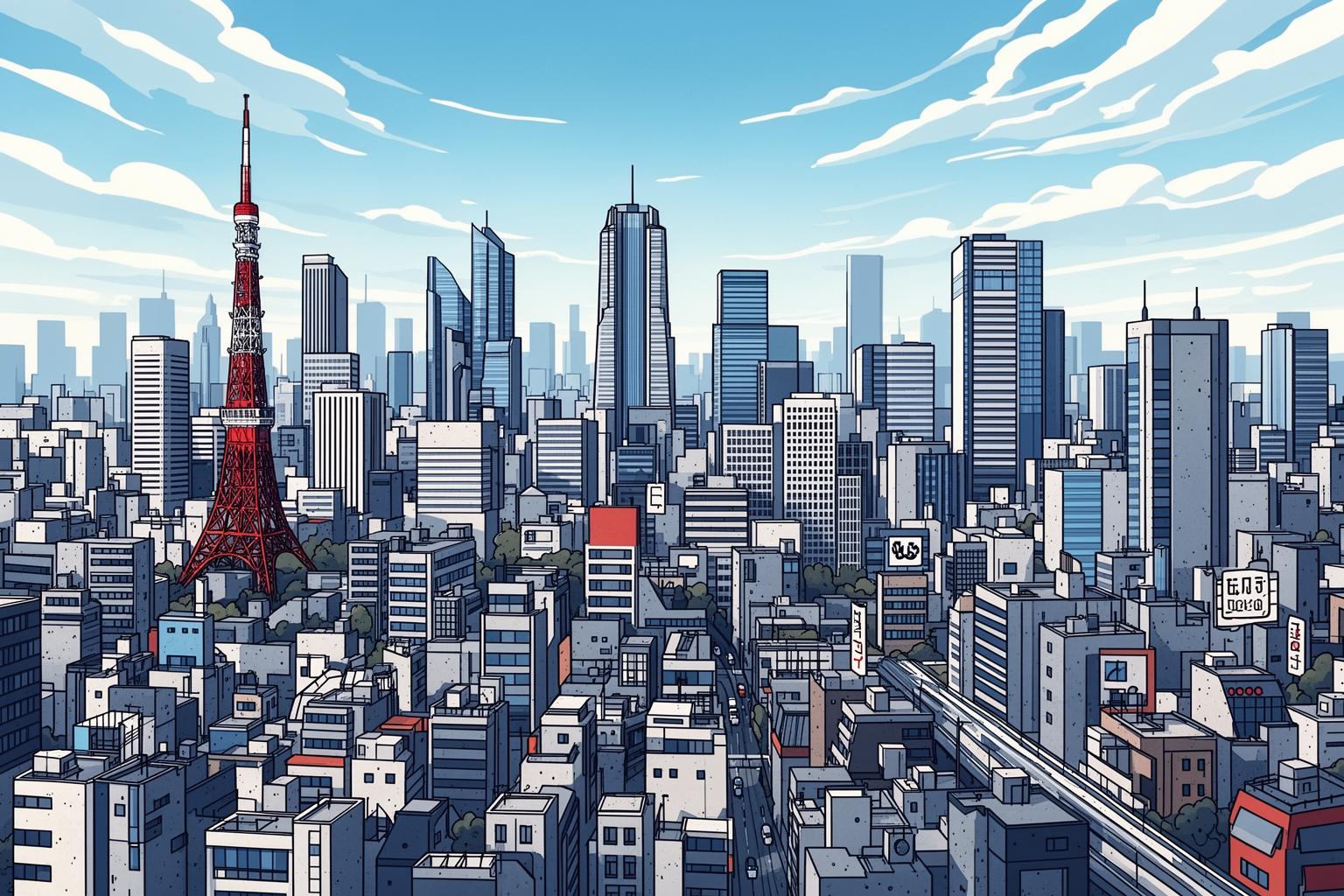
Tokyo is a city of striking contradictions. It is a vast megalopolis pulsing with relentless, futuristic energy, yet tucked within its dense urban landscape are pockets of profound calm and tradition. This is the world of Taki Tachibana—a realm of towering skyscrapers, interlaced train lines, and the anonymous, rhythmic march of millions of lives moving in harmony. Walking through his Tokyo reveals the vastness of his solitude and the quiet longing that underlies the city’s dazzling exterior. The pilgrimage commences here, in the very heart of Japan’s capital, where every corner may echo a scene, a feeling, or a memory from the film. The very air seems to hum with a blend of ambition and nostalgia, providing a fitting backdrop to a story of searching for someone you’ve never met. It is a world crafted from glass and steel, yet Shinkai’s perspective uncovers the gentle, human heart beating within. Following Taki’s footsteps is more than finding photo spots; it’s about grasping the environment that shaped his viewpoint—a world vastly different from Mitsuha’s, yet the key to their eventual, miraculous connection. This segment of the journey dives deep into the modern soul of Japan, a place where past and future endlessly converse in dynamic exchange.
The Iconic Staircase: Suga Shrine
No image is more synonymous with Your Name. than the final, breathtaking scene on a simple set of red-railed stairs. This scene marks the climax of the film, the culmination of years of searching, and a fragile moment of hope where two souls, haunted by a forgotten dream, finally unite. These are the stairs of Suga Shrine, nestled in a quiet residential area of Yotsuya, just a stone’s throw from the busy streets of Shinjuku. Discovering them feels like unveiling a secret. You leave the main road, wander down narrow streets, as the city’s noise fades to a gentle murmur. Then, suddenly, there it is: the steep slope, the distinctive red handrails, and the city skyline visible between the buildings beyond. Standing atop, looking down, or at the base, gazing upward, the emotional weight of the film floods back with immense power. You can almost hear Taki and Mitsuha’s hearts pounding, feel the tension in their hesitant question, “Kimi no na wa?” The atmosphere is surprisingly serene. It’s not a major tourist spot but a local landmark, where residents walk dogs and children play. This everyday normalcy makes it so impactful—it anchors the film’s fantastical elements in a relatable reality. To reach it, take the train to Yotsuya Station and enjoy a leisurely ten-minute walk. Allow yourself to wander a bit; the discovery enhances the experience. Remember, this is a residential neighborhood and a sacred place. Be considerate of locals, keep your voice low, and when visiting the shrine, observe proper customs: bow before the torii gate and purify your hands. The shrine itself is a small, tranquil sanctuary devoted to Susanoo-no-Mikoto. Visiting it adds a spiritual dimension to the pilgrimage, linking the cinematic moment to a deeper sacred context. Above all, this place embodies musubi—the intertwining of fates and the sacred connections that bind us across time and distance.
Crossroads of Fate: Shinjuku’s Neon Heart
If Suga Shrine represents the film’s quiet heartbeat, Shinjuku is its roaring, electric pulse. This is the Tokyo that overwhelms the senses—a dazzling maze of light, sound, and movement. Here, we see Taki juggling his part-time job, meeting friends, and experiencing the immense, impersonal scale of his world. One of the most iconic spots is the Shinjuku Pedestrian Bridge, a complex intersection of walkways near the main station. From this vantage, the camera often sweeps across the cityscape, capturing traffic streams and colossal video screens dominating the skyline, notably the Yunika Vision screen. Standing on that bridge amid rushing commuters and glowing advertisements, you sense an overwhelming kinetic energy. It’s a place where countless lives briefly intersect without truly connecting—a poignant metaphor for Taki and Mitsuha’s initial predicament. The best time to visit is at dusk, as the sun sets and the city kindles with neon lights. The transformation is magical: the grey concrete of day gives way to vibrant, Blade Runner–like rivers of color. The Yunika Vision screen, featured prominently in a montage, plays music videos and commercials, its immense size a testament to the district’s hyper-modernity. Another notable Shinjuku landmark is the “LOVE” sculpture by Robert Indiana, past which Taki and his friends stroll. Discovering it offers a small, tangible anchor amid the chaos. Navigating Shinjuku can be an adventure. The station is famously the world’s busiest, a city unto itself. A tip for first-timers: decide your exit before leaving the train platform. With over 200 exits, picking the right one saves much confusion. For the key Your Name. locations, aim for the East or South exits. Let yourself be swept up in the flow of people, feel the pulse of the metropolis. Within this overwhelming sea of humanity, Taki’s search for a single, unseen person feels both impossible and deeply moving.
A Moment of Peace: The National Art Center, Tokyo
Amid Tokyo’s frenetic energy, Taki and his crush, the elegant Okudera-senpai, share a moment of refined calm. Their date takes place at The National Art Center in Roppongi, an architectural marvel known for its sweeping glass facade. Stepping inside is like entering another world. The city’s noise fades, replaced by the hushed reverence of an art space. The building itself is the main attraction—a work of art by the legendary Kisho Kurokawa. Its vast, light-filled atrium, with iconic inverted concrete cones, is instantly recognizable from the film. The cafe where Taki and Okudera-senpai sit, the Salon de Thé Rond, perches atop one of these cones, offering a unique, elevated dining experience. You can sit in that very cafe, order coffee and cake, and gaze out as light streams through the glass curtain wall, just as they did. This scene reveals a more mature, cultured side of Tokyo, and for Taki, a glimpse into an adult world he is only beginning to explore. The visit provides a beautiful contrast to other sites. It is a place for quiet reflection. The art center hosts special exhibitions rather than maintaining a permanent collection, so offerings vary by visit—a transience fitting for the film’s themes. Access is easy; it’s directly connected to Nogizaka Station on the Chiyoda Line. A small tip: even if you do not purchase tickets for special exhibitions, the main atrium, cafes, and shops remain open and free to explore. You can fully appreciate the architectural beauty and the atmosphere of Taki and Okudera’s date without an exhibition pass. This location marks a turning point in Taki’s emotional path—the realization that his connection with Mitsuha, strange though it may be, overshadows his more conventional dreams. It is a tranquil, beautiful place for pilgrims to contemplate the film’s deeper emotional currents.
Connecting the Dots: Yotsuya and Shinjuku Stations
Train stations in Japan are more than transit points; they are the city’s lifeblood, its veins and arteries connecting millions of disparate lives. In Japanese film and anime, they often symbolize meetings and farewells, journeys beginning and ending. Your Name. employs its stations with powerful effect. Yotsuya Station, used by Taki for school and work, features prominently. The view from its platform, gazing down parallel tracks of the JR Chuo Line and Marunouchi Line, is a shot lifted directly from the film. Standing there, waiting for a train as announcements echo, you step into Taki’s daily routine. It’s an ordinary experience, yet through the film’s lens, it gains deep significance. Shinjuku Station, already mentioned as a chaotic giant, also frames Taki’s movements through specific platforms and stairways, highlighting both his connection and his anonymity within the city. For any visitor, mastering Tokyo’s train system is essential. The intricate JR, Metro, and private lines network may seem daunting but is remarkably efficient. A prepaid IC card like Suica or Pasmo is invaluable—just tap in and out, and the system does the rest. On the pilgrimage, focus not just on the destination but the journey itself. Watch the urban landscape rush by, notice orderly crowds on platforms, and listen to each station’s distinct departure jingle. These sensory details compose the film’s world, the rhythmic backdrop to Taki’s city life. The trains weave his world together, and for a brief, miraculous time, they become the very threads connecting him to a girl living in a town he has never seen.
The Heart of Itomori: Hida’s Timeless Landscape
Leaving behind the dazzling sprawl of Tokyo, the pilgrimage takes a dramatic turn, venturing deep into the mountainous heart of Gifu Prefecture. This is the realm of Mitsuha Miyamizu, a place imbued with ancient tradition, natural beauty, and a quiet sense of melancholy. Though the fictional town of Itomori, with its mystical lake and deep-rooted Shinto rituals, may not appear on any map, its essence is a blend of very real locations, predominantly the Hida region. Traveling here highlights the stark contrast that defines the film. The towering skyscrapers of Tokyo give way to rolling mountain landscapes. The city’s digital noise is replaced by the chorus of cicadas and the gentle murmur of clear streams. This journey is a passage back in time, not only in terms of scenery but also culture. The Hida region boasts a proud history of craftsmanship and has meticulously preserved its traditional townscapes. As an enthusiast of East Asian cultural history wandering these streets, I felt a profound connection. This commitment to heritage preservation, living in harmony with tradition amid a rapidly changing world, resonates across many cultures in this part of the world. Itomori embodies this beautiful, delicate world—a place tethered to the past, whose very existence is at risk. Visiting its real-life counterparts offers an experience both beautiful and bittersweet, a chance to appreciate the profound beauty Mitsuha sought to escape but ultimately fought to protect.
The Model Town: Hida-Furukawa
While several locations inspired Itomori, Hida-Furukawa in Gifu is widely regarded as its primary visual and spiritual model. Arriving here by train feels like stepping directly into one of Shinkai’s intricately crafted backgrounds. The train station itself is iconic; the platform, pedestrian overpass, and even the taxi stand outside are reproduced with faithful accuracy. It is the place where Taki and his friends arrive on their quest to find Mitsuha, armed only with Taki’s fading sketches. The town itself is a true delight—quieter and more intimate than its more famous neighbor, Takayama. Traditional wooden buildings with distinctive white-walled storehouses (shirakabe dozō) line the streets. The town’s most charming feature is the Seto River, a narrow canal that runs through its center, teeming with thousands of large, brightly colored koi fish. Watching these gentle giants glide lazily through the clear water is mesmerizing. This tranquility, this sense of a community deeply connected to its history and nature, captures the very essence of Itomori. One of the most heartwarming pilgrimage stops is the Hida City Library. In the film, Taki searches through records here, desperately seeking information on Itomori and the comet. The real library, recognizing its newfound fame, has warmly embraced this role. It features a dedicated section for Your Name. fans, and photography is permitted with prior approval—a rare allowance in a Japanese library. Sitting at one of the tables, surrounded by the quiet hum of local life, you can feel the weight of Taki’s desperate investigation. A stroll through Hida-Furukawa is a sensory journey. You can savor the local mitarashi dango (grilled rice dumplings glazed with sweet soy sauce) and sample sake from centuries-old breweries. The cool mountain air brushes past you, and the clack of wooden sandals echoes on the pavement. It is a place that invites pause, reflection on small details, and an appreciation of the deep-seated beauty of the life Mitsuha knew.
Echoes of Ritual: Hie Shrine
Mitsuha’s life is intimately connected to her family’s shrine, the Miyamizu Shrine, where she performs ancient Shinto rituals as a miko, or shrine maiden. This includes the making of kuchikamizake, a ceremonial sake central to the plot. Although the Miyamizu Shrine is fictional, its design and atmosphere draw heavily from the real Hie Shrine in nearby Takayama. A short train ride from Hida-Furukawa, Takayama is a larger, busier tourist town, but a walk to Hie Shrine quickly returns you to the sacred stillness depicted in the film. The approach is framed by towering cedar trees, some believed to be over a thousand years old. Their majestic presence forms a natural canopy, filtering sunlight and creating a serene, almost primal atmosphere. Walking up the long stone staircase fills you with reverence and anticipation, much like the path Mitsuha would have taken. The shrine itself is a beautiful example of Shinto architecture, nestled peacefully within the forest. Here you can truly sense the profound connection between Japanese spirituality and the natural world. Shinto is animistic, believing that gods, or kami, dwell in natural objects—ancient trees, mountains, rivers, and distinctive rock formations. This belief underpins Mitsuha’s world and the Miyamizu family’s traditions. Standing quietly in Hie Shrine’s grounds, you might almost hear the rustle of Mitsuha’s ceremonial robes and the faint sound of kagura bells. It is a place that feels timeless and alive. This reverence for nature as a vessel of the divine is a cornerstone of many East Asian philosophies, a shared heritage beautifully expressed here. It powerfully reminds us that the traditions Mitsuha found embarrassing are part of a profound and enduring spiritual legacy.
The Goshintai’s Resting Place: A Mystery Solved
The most dramatic and mythical site in Mitsuha’s world is the goshintai, the sacred place housing the shrine god of the Miyamizu family. It lies within the caldera of a moss-covered mountain, where Taki (inhabiting Mitsuha’s body) hikes with her grandmother and sister. This otherworldly spot, dominated by an ancient tree and mossy rocks, represents the deepest core of Itomori’s spiritual power. Later, the breathtaking panoramic view of Itomori and its crater lake becomes the film’s most enduring and heartbreaking image, especially as Taki grasps the town’s tragic fate. While the town and lake are fictional, the crater lake’s visual inspiration is widely believed to be Lake Suwa in Nagano Prefecture, a few hours from the Hida region. The definitive viewpoint that perfectly aligns with Shinkai’s vision is Tateishi Park, a small hilltop park overlooking the lake. The climb or drive up is well worth it. From the observation deck, the lake’s shape and the surrounding town spread out below, bearing a striking resemblance to Itomori’s landscapes. Visiting at dusk, during the “magic hour” or kataware-doki so central to the film’s mythology, is especially moving. As the sun sets and the town’s lights begin to twinkle, the boundary between real and animated worlds seems to dissolve completely. You can feel the awe and profound sadness Taki must have experienced standing in a similar place. This location is somewhat off the beaten path and requires a separate trip, but for the deeply devoted pilgrim, it is an indispensable part of the journey. Here, the full scale of the story—its beauty, tragedy, and ultimate triumph—comes into breathtaking focus.
A Pilgrim’s Practical Guide

Embarking on the Your Name. pilgrimage is a journey in two parts, requiring some planning to bridge the urban and rural settings. The Tokyo segment is fairly straightforward, thanks to the city’s world-class public transportation system, which makes traveling between Shinjuku, Yotsuya, and Roppongi effortless. In contrast, the Hida region calls for more careful preparation. Combining both areas into a single trip creates a seamless, beautiful narrative that reflects the film’s structure, moving from the hectic modern city to the serene timelessness of the mountains. While this type of journey demands an investment, it offers profound emotional rewards, deepening your connection to a story that has resonated with so many. Consider it not as a checklist of photo spots, but as a multi-day immersion into the heart and spirit of Japan, guided by the invisible thread of a beloved tale.
Crafting Your Itinerary: Tokyo and Hida
For a relaxed and unhurried pilgrimage, I recommend dedicating at least two full days to exploring Tokyo and another two to three days for the Hida region and Lake Suwa. In Tokyo, it’s easy to group sites together. Shinjuku and the Suga Shrine in Yotsuya are close, making a perfect day to capture the essence of Taki’s world. The National Art Center in Roppongi can be visited on a separate day, possibly combined with exploring that stylish neighborhood. The main logistical challenge is getting to the Hida region. From Tokyo, the fastest route is to take the Shinkansen (bullet train) to Nagoya, then transfer to the JR Hida Wide View Express train to Takayama. This journey takes around four to five hours and is an experience in itself, with the Wide View Hida living up to its name by offering breathtaking views as it winds through river gorges and mountain valleys. If you plan on extensive travel across Japan, a Japan Rail Pass can be very cost-effective for this journey. Once in the region, base yourself in either Takayama or Hida-Furukawa. Takayama is larger with more accommodation options, while Hida-Furukawa offers a quieter, more immersive experience. The two towns are just a 15-minute local train ride apart, making it easy to visit both. Lake Suwa is best approached as a separate side-trip from the city of Matsumoto.
Local Flavors and Souvenirs
A pilgrimage is also a journey for the senses, and the local cuisine in both Tokyo and Hida plays a large role in the experience. In Tokyo, enjoy the endless culinary choices. Savor a bowl of ramen in a bustling Shinjuku alleyway, just as Taki might have after work. Visit one of the trendy cafés for a carefully crafted coffee and pastry, echoing his date with Okudera-senpai. In the Hida region, the food is hearty and deeply connected to the mountains. The must-try is Hida beef, a wagyu brand renowned for its marbling and flavor, served as steak, on skewers, or in steamed buns. Takayama’s old town is famous for mitarashi dango, which, unlike elsewhere in Japan, is savory rather than sweet. For souvenirs, the most meaningful item for any Your Name. fan is a kumihimo—the braided cord central to the film’s plot and themes. Mitsuha and her grandmother make these cords, which symbolize the flow of time and human connections. In Hida-Furukawa, you can find shops selling these beautiful handmade cords, and some even offer workshops where you can braid your own. It’s a tangible way to connect with Mitsuha’s family traditions and take a piece of musubi home with you.
Seichi Junrei Etiquette
Lastly, a gentle reminder about the spirit of seichi junrei. While these locations are famous because of an anime, they are not film sets. They are real communities, homes, schools, and places of worship. The key to a meaningful pilgrimage is respect. When visiting the Suga Shrine and its staircase, remember that you are in a quiet residential neighborhood. Avoid loud noises and don’t block paths used by locals. Never trespass on private property to capture a better photo. At shrines like Hie Shrine, behave with reverence, following customs such as bowing and purifying your hands if you feel comfortable. In the Hida-Furukawa library, ask permission before taking photos and be mindful of those studying or reading. The best way to show appreciation is by supporting the local economy—buy a drink from a vending machine, eat at a local restaurant, or purchase a souvenir from a small shop. The people of Hida, especially, have welcomed fans with great warmth. By being respectful and considerate, you help ensure that the beautiful connection between a fictional story and its real-world locations will endure for years to come.
A Connection Found
To follow the path of Taki and Mitsuha is to embark on a journey that goes beyond mere sightseeing. It is a deep dive into the very themes that make Your Name. so touching: the power of memory, the ache of distance, the charm of tradition, and the steadfast hope of connection. Standing on the stairs at Suga Shrine, you don’t just observe a film location; you experience the climax of an epic love story. Looking out over the serene waters of Lake Suwa, you don’t merely see a beautiful landscape; you grasp the profound love for a hometown that sparked a desperate race against time. The journey bridges the distance not only between Tokyo and Hida but also between fiction and reality, between the screen and your own footsteps. You arrive as a fan of a film, yet you leave with a personal bond to the places that brought it to life, with memories imprinted not on celluloid but on your heart. Ultimately, the pilgrimage becomes its own form of musubi—the weaving of your story with that of Taki and Mitsuha, a delicate, tangible thread connecting you forever to their world. And as you depart, you carry with you the same quiet hope that fills the film’s final moments—the belief that even in a vast and sometimes lonely world, we are all searching for something or someone, and with a touch of fate, we just might find them.