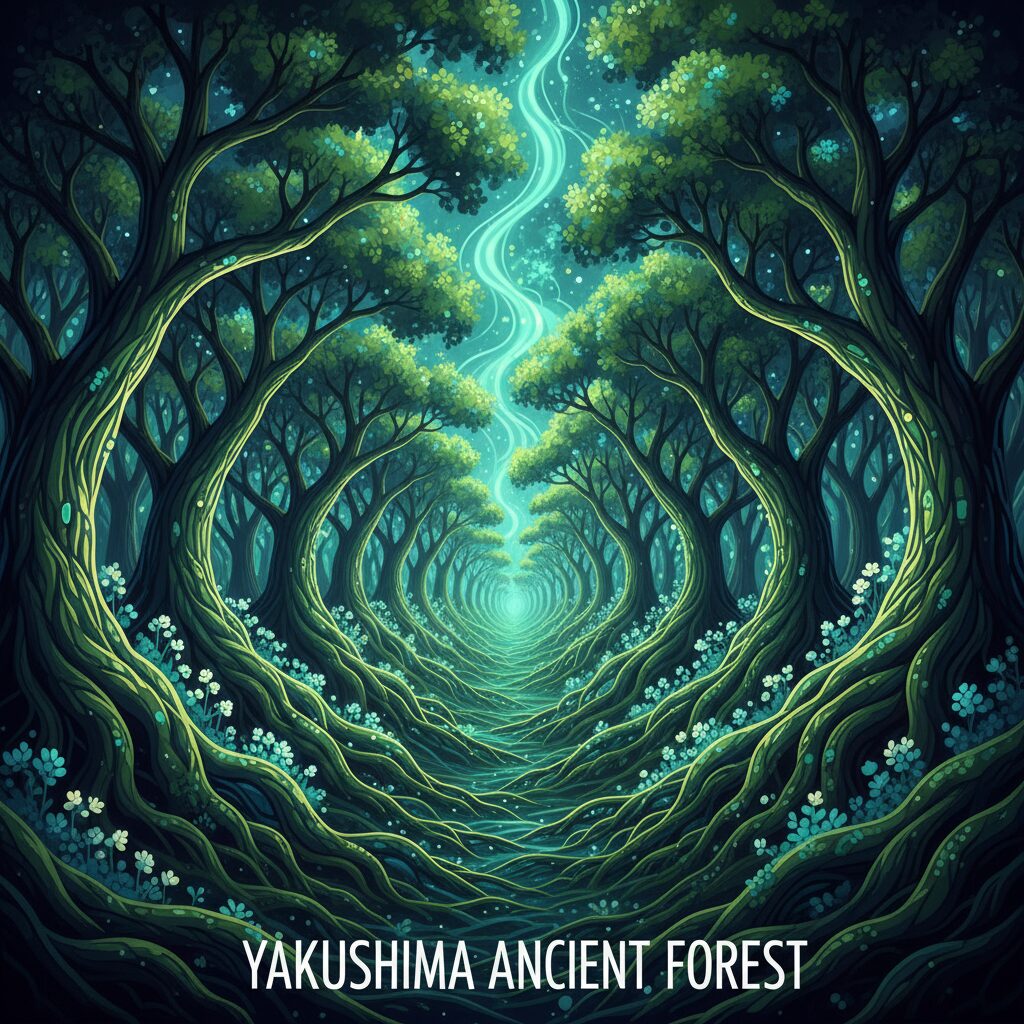
The rain begins as a whisper. A soft, percussive rhythm on a canopy so dense it feels like a cathedral ceiling woven from leaves and time itself. Here, on the island of Yakushima, the air is thick with the scent of damp earth, of ancient cedar, and of something else—something primordial. This is not just an island; it is a living sanctuary, a place where the boundary between the physical world and the world of myth feels impossibly thin. For countless travelers, artists, and dreamers, this mist-shrouded jewel floating south of Japan’s main islands is a destination. But for fans of Studio Ghibli, it is a pilgrimage. This is the soul of the forest that breathed life into Hayao Miyazaki’s epic masterpiece, Princess Mononoke. When the legendary animator sought a landscape that could embody the raw, untamable power of nature, he found it here, walking among giants of bark and stone, listening to the island’s eternal, watery pulse. A journey to Yakushima is more than a simple visit; it is an immersion, a chance to step through the screen and walk in the very footsteps of Ashitaka, to feel the silent, watching presence of the Great Forest Spirit, and to understand, on a cellular level, the profound message at the heart of the film. This is not a backdrop; it is the main character, and its story is waiting to be heard.
The mystical call of Yakushima beckons travelers to dive deeper into its ancient allure on a Princess Mononoke pilgrimage that reveals even more of the island’s timeless secrets.
The Soul of the Island: Where Myth and Reality Converge
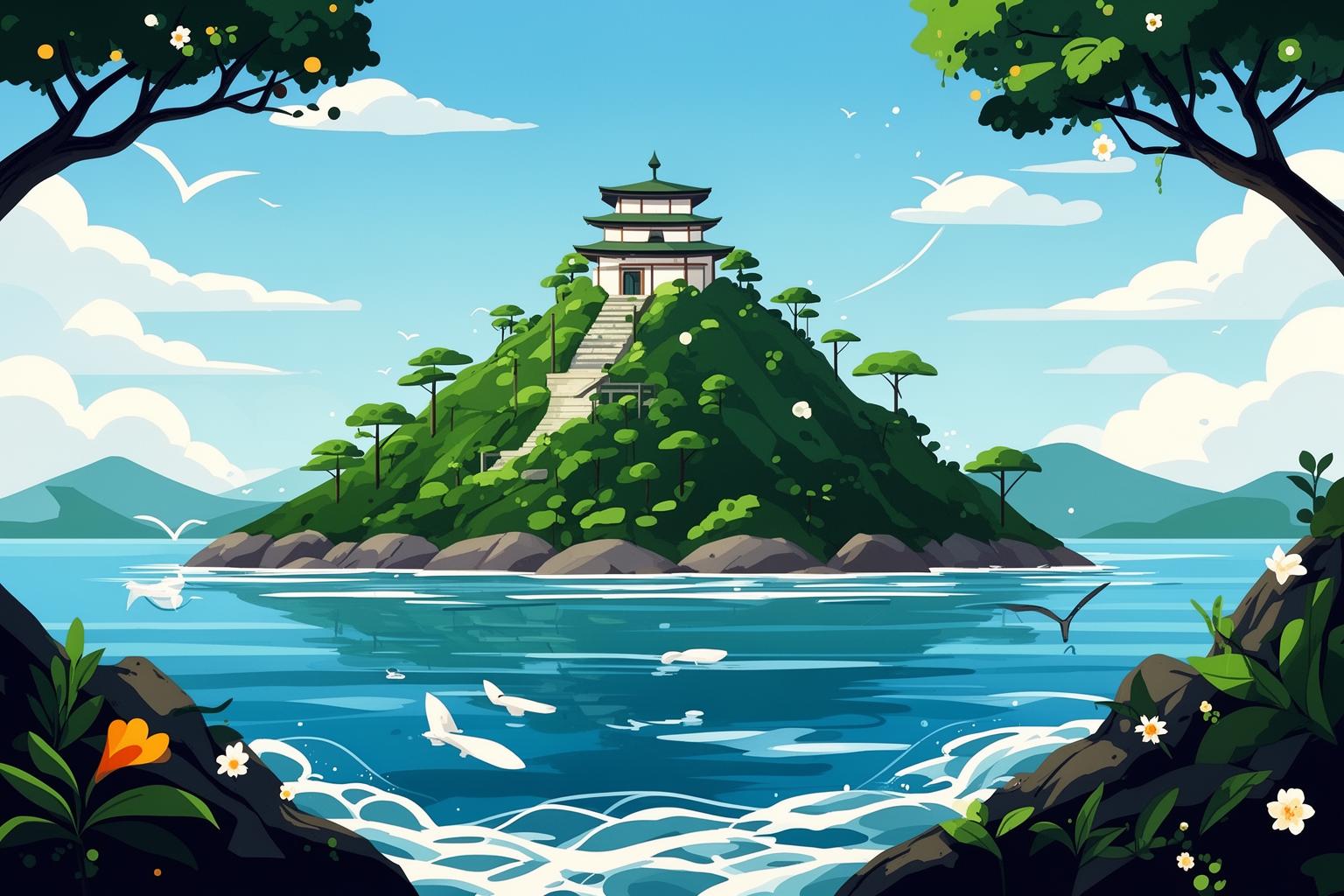
To understand Yakushima is to understand its water. The local saying that it rains “thirty-five days a month” is only a slight exaggeration. This constant moisture is the lifeblood of the island, nurturing an ecosystem of remarkable biodiversity and creating the otherworldly atmosphere that shapes the landscape. Water tumbles down granite mountainsides in hundreds of waterfalls, pools in crystal-clear streams that carve through the forest floor, and lingers in the air as a perpetual mist, clinging to every surface. It is this moisture that sustains the island’s most iconic feature: its moss. Moss thrives here with an almost fierce vitality, blanketing everything in a velvety, emerald carpet. It covers fallen logs, ancient stones, and the twisted roots of trees, softening every edge and muffling sound. Walking through these forests feels like entering a world untouched by time, where the only sounds are the drip of water, the rustle of leaves, and your own heartbeat. This is the environment that inspired the cinematic vision of the kodama, the silent, curious tree spirits from Princess Mononoke. You find yourself searching for their rattling heads around every bend, and it doesn’t seem foolish. The forest itself seems to breathe, to watch, and to harbor a consciousness far older than humanity. This profound feeling is rooted in Japan’s Shinto beliefs, where gods and spirits, or kami, are thought to dwell in natural objects—majestic trees, imposing rocks, and powerful waterfalls. Yakushima is not just a forest; it is a pantheon of these natural deities, and the respect it commands is tangible.
This island, a UNESCO World Natural Heritage site since 1993, is a place of extremes. Its mountains, including the highest peak in southern Japan, Mount Miyanoura, create a dramatic vertical climate zone. You can experience subtropical vegetation along the coast and subarctic flora on the mountaintops all within a few hours. This unique geography has allowed ancient species to endure, most notably the Yakusugi—the island’s magnificent old-growth cedar trees. Any cedar over a thousand years old is granted this title, and they are the true monarchs of the island, silent witnesses to centuries of history. Their reddish, resin-rich wood makes them resistant to decay, enabling them to reach ages that defy imagination. Their presence grounds the ethereal atmosphere in something solid and enduring. They are the guardians of this place, their immense trunks and sprawling canopies forming the very architecture of the sacred forest—an architecture Miyazaki captured so perfectly on screen.
The Pilgrim’s Path: Tracing Mononoke’s World
The true pilgrimage for any Ghibli enthusiast lies along the hiking trails that meander into the island’s core. These paths are more than just routes connecting points; they are narrative journeys, each step drawing you deeper into the vibrant, living world that inspired the film. Here, the boundary between observer and participant fades, and you become part of the story.
Shiratani Unsuikyo Ravine: The Moss Forest
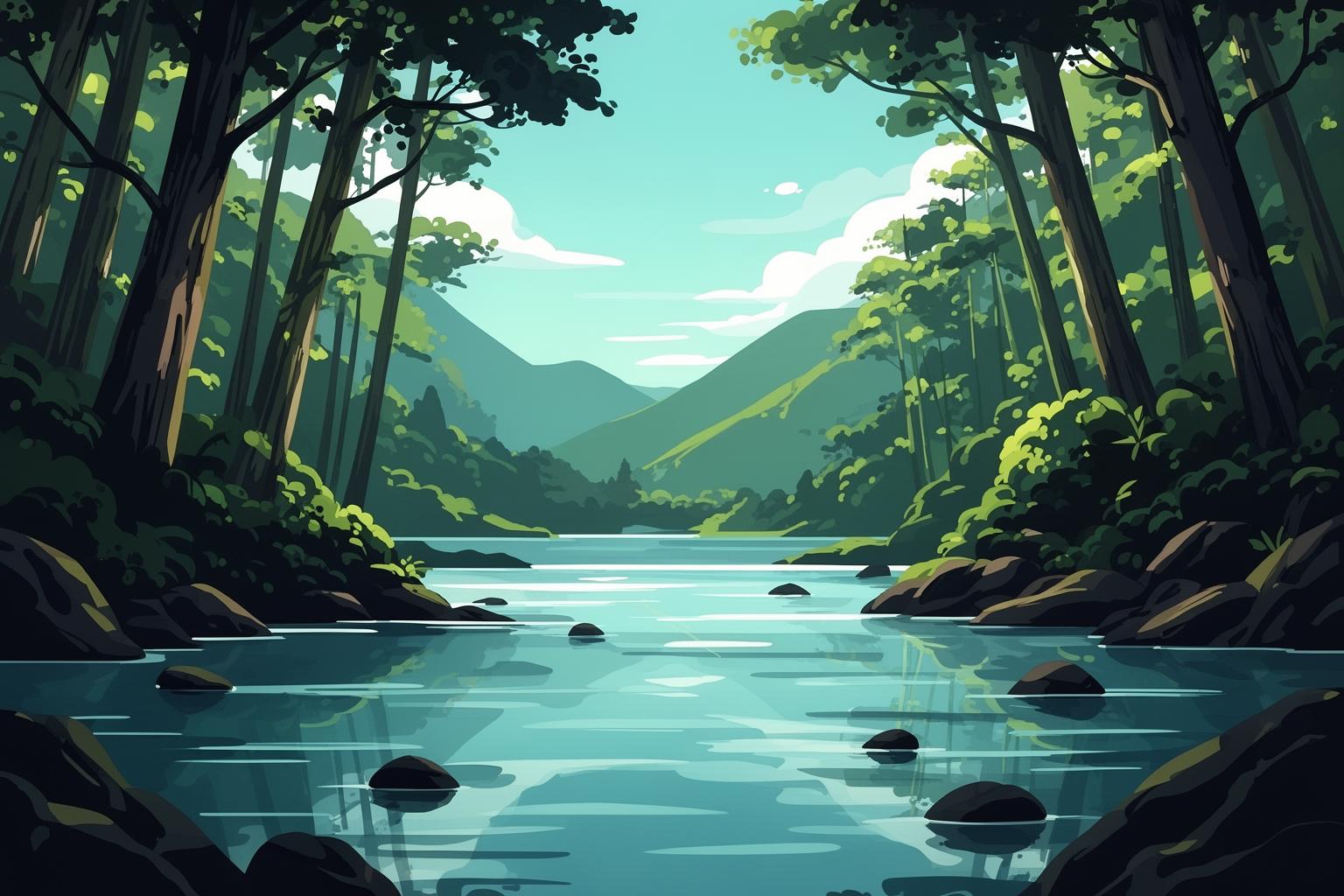
If there is one place on Yakushima synonymous with Princess Mononoke, it is Shiratani Unsuikyo. This ravine epitomizes the film’s aesthetic. The moment you set foot on the trail, the modern world dissolves, replaced by a scene of impossible green. The official naming of a section of this trail as “Mononoke Hime no Mori” (Princess Mononoke’s Forest) is almost redundant; the entire area feels like a carefully constructed film set crafted by nature itself. The trail traces the Shiratani River, its clear water tumbling over enormous granite boulders, each cloaked in thick moss. The trees here are not the towering giants found deeper in the mountains, but they are ancient and full of character. Their roots, forced to grow over the hard granite bedrock, twist and crawl across the landscape like wooden serpents. The air is cool and humid, and the soft, dappled light filtering through the dense canopy illuminates patches of the forest floor like spotlights shining from above.
There are several routes of varying difficulty, allowing visitors of all fitness levels to experience the enchantment. The shortest path leads you past highlights such as the Yayoisugi, an impressive cedar estimated to be 3,000 years old, providing a powerful introduction to the island’s ancient inhabitants. But the true reward awaits those who venture deeper into the ravine. The trail becomes more rugged, a scramble over rocks and roots demanding full focus. This physical engagement with the landscape is essential; it forges a deep connection with the environment. Many conclude their journey at Taikoiwa Rock, a massive granite monolith offering a breathtaking panoramic view. After hours beneath the dense, enclosed canopy, stepping onto this open rock feels like a rebirth. Below stretches an endless sea of green, while jagged peaks of the island’s central mountains pierce the clouds. It is a moment of profound clarity, a vista reminiscent of the film’s grand, sweeping landscapes and a powerful reminder of the vastness and wildness of the world you have explored.
Jomon Sugi: The Ancient Guardian
While Shiratani Unsuikyo captures the film’s beauty, the trek to Jomon Sugi captures its soul. This is no casual hike; it is an epic quest — a ten-to-twelve-hour round-trip journey testing your physical and mental endurance. The reward is an encounter with one of the oldest living beings on Earth. Jomon Sugi is a colossal Yakusugi cedar estimated to be between 2,000 and over 7,200 years old. It has stood as a silent sentinel through the rise and fall of countless civilizations. Visiting it is a pilgrimage in the truest sense. The day begins before dawn, with your headlamp slicing a narrow tunnel of light through the darkness as you make your way to the trailhead. The first half of the hike follows the Arakawa Trail, laid over the tracks of an old logging railway. This section offers a poignant history lesson. The railway once carried the forest’s giants to the coast, representing the very industry that once threatened this ecosystem. Walking these tracks, you follow the path of destruction that eventually gave way to conservation — a real-world parallel to the conflict between Iron Town and the forest gods in Princess Mononoke.
Along the way, you encounter other wonders, such as Wilson’s Stump: the enormous, hollow remains of a cedar felled centuries ago. You can step inside its cavernous interior and look up at the sky through a heart-shaped opening in its roof, a strangely beautiful monument to what was lost. After the railway ends, the true climb begins. The trail grows steep and challenging, a demanding ascent through the deep forest. Finally, after hours of effort, you arrive. Jomon Sugi does not reveal itself all at once. It first appears from a distance, viewed from a specially constructed platform designed to protect its delicate roots. Even from afar, its presence is overwhelming. Its gnarled, weathered bark resembles rock more than wood, and its branches reach out like wizened arms. It is not conventionally beautiful; it is powerful, resilient, and unmistakably alive. Seeing it is humbling — a moment that places your existence into a vast geological perspective. It embodies the Great Forest Spirit, symbolizing nature’s incredible capacity for endurance and standing as a silent, profound reason why such places must be preserved.
Beyond the Forest: Yakushima’s Other Faces
While the ancient forests form the heart of the island, the magic of Yakushima also radiates through its stunning coastline and plentiful pure, life-giving waters. To explore only the mountains is to know just half the story. The island’s character embodies a duality of shadow and light, of dense forest and open sea.
The Whispering Coasts and Sea Turtles
After the deep greens and browns of the forest’s interior, the brilliant turquoise of the surrounding sea provides a striking and beautiful contrast. A single main road circles the island, offering spectacular coastal views at every turn. In the northwest, Nagata Inakahama Beach stretches with golden sand and is arguably one of the island’s most important sites. From May through July, this beach becomes the largest nesting ground for loggerhead sea turtles in the North Pacific. Under the cover of darkness, female turtles haul themselves ashore to lay their eggs, enacting a timeless survival ritual. Witnessing this is deeply moving but must be approached with the utmost respect. Local conservation groups coordinate guided viewing sessions to ensure the turtles remain undisturbed. Seeing these ancient mariners continue their life cycle, silhouetted against the dark rising mountains, unites the island’s two worlds—the forest and the sea—in a powerful image.
Waterfalls and Onsen: The Island’s Lifeblood
With abundant rainfall and steep mountains, it’s no surprise Yakushima hosts some of Japan’s most spectacular waterfalls. Senpiro-no-taki and Oko-no-taki rank among the most impressive. Senpiro-no-taki is a thundering cascade that crashes onto a massive granite monolith, showcasing the sheer force of water. Oko-no-taki, listed as one of Japan’s top 100 waterfalls, is an 88-meter torrent you can approach closely, feeling the intense spray on your face. Perhaps the island’s most unique aquatic experience is Hirauchi Kaichu Onsen. These are natural hot springs bubbling right on the seashore, not man-made baths, accessible only a few hours a day during low tide when the rocks create natural pools of soothing hot water. Soaking in these tidal baths while the Pacific Ocean’s waves crash just feet away is unforgettable—a perfect way to relax muscles tired from hiking, fully immersed in the island’s wild, elemental forces.
Practical Lore for the Intrepid Traveler
Venturing to a wild and remote place like Yakushima calls for some planning. The journey itself is part of the adventure, and being well-prepared will let you fully immerse yourself in the island’s magic once you arrive.
Journey to the Enchanted Isle
Your adventure begins in Kagoshima, the southernmost major city on Japan’s Kyushu island. From here, you have two main options. For a faster trip, the high-speed jetfoil ferry, commonly known as the Toppy or Rocket, will take you to one of Yakushima’s two main ports, Miyanoura or Anbo, in about two to three hours. For a slower, more economical ride, the car ferry takes around four hours and offers open decks where you can watch the sea and feel the island drawing near. Alternatively, Yakushima has its own small airport (YAK) with several daily flights from Kagoshima, as well as direct flights from larger hubs like Fukuoka and Osaka. Flying in provides a spectacular aerial view of the island’s mountainous spine—a dramatic first glimpse of the landscape you’ll soon explore.
Navigating the Island’s Heart
Once on the island, freedom is your most valuable asset. While a bus system exists, its service is infrequent and may not fit the demanding schedules of long hikes. To explore Yakushima at your own pace, renting a car is highly recommended. The main road circles most of the island, making it easy to travel between trailheads, coastal sights, and your accommodations. For more challenging treks, especially the Jomon Sugi trail, hiring a local guide is a worthwhile investment. They provide not only safety and expert navigation but also a wealth of knowledge about the island’s ecology, history, and folklore. Their stories will greatly enrich your experience, turning a simple hike into a deep, educational journey.
Lodging and Sustenance
Accommodations on Yakushima range from cozy, family-run guesthouses called minshuku to more conventional hotels. Staying in a minshuku offers a wonderful insight into local life, often including delicious home-cooked meals featuring the island’s unique bounty. Yakushima’s cuisine directly reflects its environment. A local specialty is flying fish (tobiuo), often served fried whole with fins spread like wings. You can also try dishes made with local deer (Yaku-shika) and various mountain vegetables. To complete the experience, be sure to sample the local shochu, a distilled spirit. The most famous brand, Mitake, is made with the island’s famously pure water and pairs perfectly with a hearty meal after a day of exploration.
The Spirit of Yakushima: A Final Reflection
A journey to Yakushima might start as a search for the world of Princess Mononoke, but it concludes as something far more intimate and meaningful. You come in pursuit of a fantasy and depart with a profound appreciation for a tangible reality. The island reveals that the magic portrayed on screen was not fabricated, but rather interpreted. Miyazaki did not invent the spirit of the forest; he merely listened to it and gave it expression. Walking beneath the towering ancient cedars, you sense the weight of their age and the vulnerability of their existence. You notice the marks left by past logging alongside the vibrant green of new growth, realizing that the conflict between human industry and nature shown in the film is not a fictional tale, but an ongoing, real-life negotiation. Yakushima stands as proof that coexistence is achievable—that a forest can be both a resource and a sanctuary, a workplace and a place of reverence. You leave the island with more than just photos and memories; you carry the cool, damp air in your lungs and the island’s lasting message imprinted on your heart. The forest is alive, and it is worth protecting.