Deep in the south of Japan, past the bustling mainlands of Honshu and Kyushu, lies an island where time doesn’t just slow down; it dissolves. This is a place where the rain feels ancient, where the trees are older than empires, and where the air itself seems to hum with a primal energy. This is Yakushima, a subtropical jewel floating in the East China Sea. For many, its name is a whisper, a legend tied to one of the greatest animated films of all time: Hayao Miyazaki’s masterpiece, Princess Mononoke. This isn’t just a place that looks like the film; it’s the living, breathing soul that Miyazaki and his team at Studio Ghibli channeled onto the screen. To step onto Yakushima is to step through a celluloid frame into the world of the Forest Spirit, of ancient gods and encroaching humans, of a nature so powerful and profound it demands reverence. This is more than a tourist destination; it’s a pilgrimage for cinephiles, for nature lovers, for anyone seeking to reconnect with a world that is wild, green, and unapologetically alive. It’s a journey into the heart of a story, one written not with ink, but with moss, stone, and thousand-year-old wood.
Immerse yourself further in the island’s mystique by discovering a hiker’s pilgrimage that reveals how nature and cinema intertwine.
The Living Inspiration for a Masterpiece
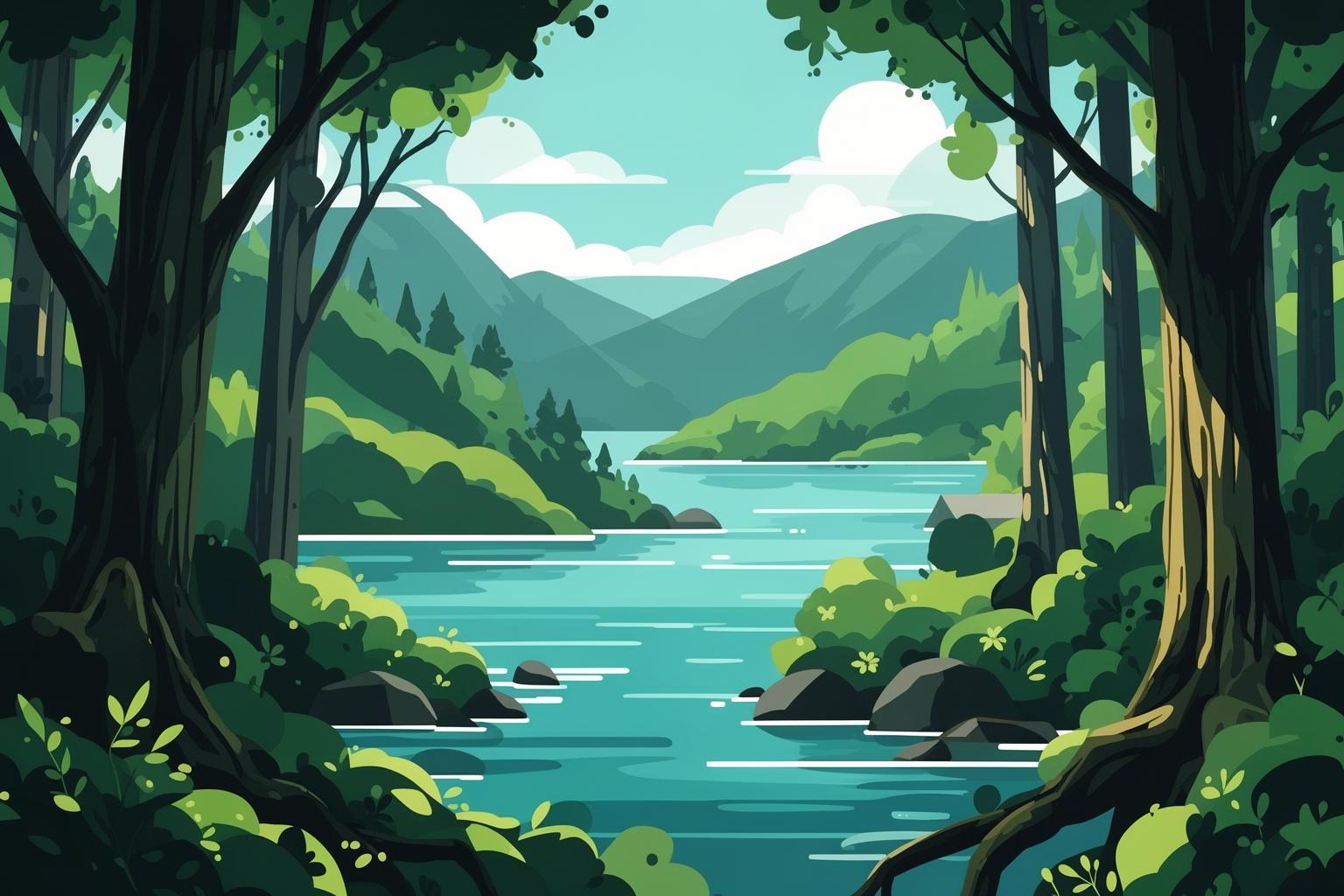
The link between Yakushima and Princess Mononoke is neither a fortunate coincidence nor a mere marketing strategy; it is fundamental. In the early 1990s, during the film’s development, Hayao Miyazaki and his core team, including the renowned art director Kazuo Oga, made multiple visits to this remote island. Their goal was to capture a vision of the primeval forest that would become the film’s central character—a realm governed by animal gods and the mysterious Shishigami, or Forest Spirit. They discovered this vision in the island’s UNESCO World Heritage-protected wilderness. Rather than simply sketching the trees and rocks, they absorbed the environment’s essence. They experienced the constant dampness, observed how light filtered through the dense canopy to highlight vibrant green moss, and sensed the deep history emanating from the ancient cedar trees, known as yakusugi. The film’s forest is a faithful embodiment of Yakushima’s spirit. The playful, rattling kodama, or tree spirits, featured in the movie feel like a natural extension of the island’s animistic Shinto traditions, where everything from rocks to streams is thought to possess a spirit, or kami. Walking through these woods, it is easy to envision them peering from behind twisted roots or mossy stones. The film’s principal conflict—the clash between the iron-producing humans of Irontown and the forest’s protectors—reflects the real-world tension between development and conservation that has shaped Yakushima’s recent history. The island endured centuries of heavy logging, but a strong conservation movement in the latter half of the twentieth century secured the protection of its remaining old-growth forests. Visiting Yakushima offers a visceral understanding of Miyazaki’s message: this magic is real, fragile, and worthy of protection.
Entering the Ancient Woods: Shiratani Unsuikyo Ravine
For most Ghibli pilgrims, the adventure into the heart of Mononoke’s world begins at Shiratani Unsuikyo, an expansive nature park nestled in the island’s interior that feels less like a typical park and more like a carefully preserved dreamscape. The name means “White Valley Cloud Water Ravine,” a poetic and fitting description for a place where mist constantly clings to the trees and water appears to flow from every surface. This is the site that most directly inspired the film’s iconic visuals. The moment you step onto the trail, the modern world fades away, replaced by a symphony of dripping water, rustling leaves, and an overwhelming, all-encompassing green. The air is thick, cool, and carries the scent of damp earth and decaying wood—the essence of life, death, and rebirth all at once. The forest floor, fallen logs, twisting roots, and tree bark are all cloaked in a thick, velvety blanket of countless moss species. It glows with an almost supernatural vibrancy, especially after a fresh rain, which on Yakushima is nearly a daily event. Locals famously joke that it rains 35 days a month here—a charming exaggeration that highlights the island’s exceptionally wet climate, the very condition that allows this lush ecosystem to flourish.
A Path for Every Pilgrim
Shiratani Unsuikyo is notably accessible, with several well-marked trails designed for varying fitness levels and time commitments. This isn’t an exclusive destination for hardcore hikers; the forest welcomes all who approach it with respect. The shortest trail, following the old Yayoisugi Cedar path, takes about an hour and provides a wonderful glimpse of the forest’s beauty without a strenuous climb. For those seeking a deeper experience, the three-hour Bugyosugi Cedar trail leads further in, passing several impressive ancient trees and through denser groves. The most popular route, however, is the four-to-five-hour loop that brings you to the legendary spot known as “Mononoke Hime no Mori,” or Princess Mononoke’s Forest. Although this name doesn’t appear on official maps, it is widely recognized by guides and visitors alike. This route also reaches Taikoiwa Rock, a massive granite boulder offering stunning panoramic views of the island’s mountainous interior—a well-deserved reward after a challenging ascent. A word of caution: do not underestimate the terrain. Even on the shorter trails, stone and wooden pathways are frequently slick with rain and moss. Good waterproof hiking boots with solid grip are not merely recommended—they are essential. A full rain suit, not just a jacket, will be your best companion, letting you embrace the rain instead of resenting it.
The Whispering Moss and Gnarled Roots
Arriving at the spot unofficially known as Princess Mononoke’s Forest is truly a special moment. It’s not a single viewpoint but a small, enchanting clearing where the dense moss, the twisted shapes of the trees, and the quality of light come together to create a scene straight out of the film. A small stream trickles over mossy rocks, and the whole area feels secluded and sacred. You half expect to see San’s wolf companions peering from the shadows or a kodama’s head tilting curiously from a branch. Here, the line between reality and animation completely blurs. You realize that Miyazaki didn’t invent this world; he revealed it. He gave a voice and a face to a spirit already present. Taking a moment to sit quietly on a rock, close your eyes, and listen—to the water, the birds, and the profound silence between sounds—is an experience that lingers long after you leave the trail. The forest doesn’t just display its beauty; it invites you to become part of its ancient, ongoing story.
In the Shadow of Giants: The Quest for Jomon Sugi
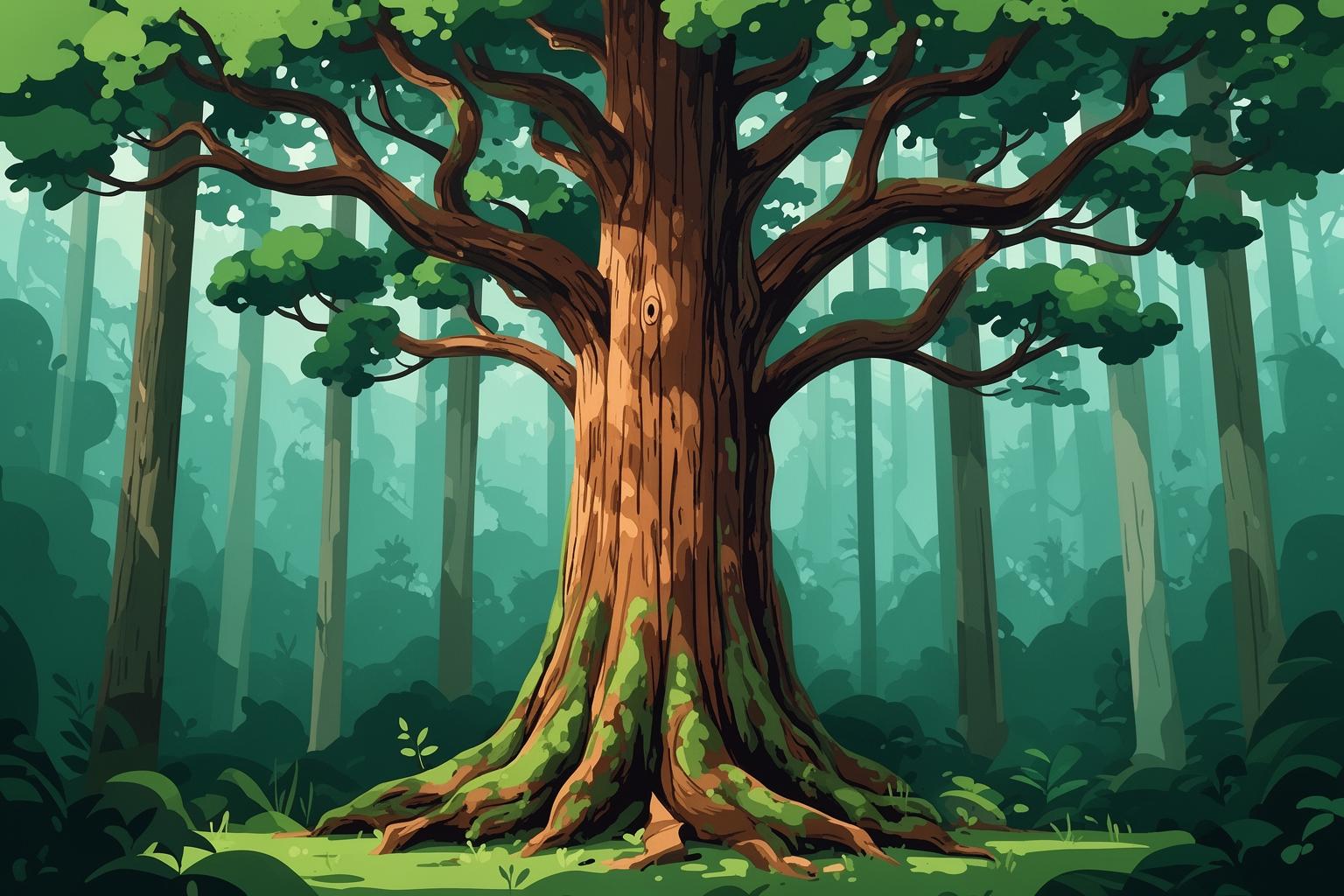
If Shiratani Unsuikyo represents the spiritual core of Princess Mononoke‘s aesthetic, then the journey to Jomon Sugi embodies its epic soul. This is far from a casual afternoon stroll; it is a serious, full-day pilgrimage to stand before one of the oldest living organisms on Earth. Jomon Sugi is a massive yakusugi cedar, estimated to be between 2,170 and an astonishing 7,200 years old. Its name references the Jomon Period of Japanese prehistory, evoking an entity that has silently witnessed the rise and fall of civilizations. The hike to reach it is among Japan’s most renowned and challenging day trails, covering over 22 kilometers round trip and requiring most hikers ten to twelve hours to complete. This is the ultimate test of endurance on the island, rewarding those who persevere with an unforgettable encounter.
The Grueling, Glorious Trail
The adventure begins long before dawn. Hikers gather in the early morning darkness at the Arakawa trailhead, their headlamps piercing the cold mountain air. The first few hours follow the surreal path of a defunct logging railway. You walk along wooden sleepers and cross narrow trestle bridges spanning deep ravines as the sun gradually rises, bathing the forest in a gentle, golden light. This flat, easy beginning lulls you into a steady rhythm before the real challenge starts. Once the railway ends, the trail transforms into the relentless, steep Okabu Trail. You scramble over endless wooden staircases and tangled roots, legs burning and lungs gasping in the thin, humid air. Along the way, the forest offers remarkable distractions: towering cedar giants, each with their own name and character, and Wilson’s Stump, the massive hollowed remains of a centuries-old felled cedar. Step inside its cavernous interior, and if you look up just right, catch the sky perfectly framed in the shape of a heart—a brief moment of magic amid the arduous climb.
An Audience with an Ancient Being
After hours of climbing, you finally arrive. Jomon Sugi does not reveal itself immediately. You view it from a specially built platform set at a respectful distance to protect its fragile root system. And it takes your breath away. No photograph can prepare you for its immense presence. It is impossibly large, gnarled, and weathered; its bark a mosaic of greens and grays, its branches reaching skyward like twisted, tortured arms. It feels less like a tree and more like a living mountain or geological formation. Standing before it, exhausted, sore, and likely drenched in sweat or rain, a profound humility washes over you. You are in the presence of something truly ancient, a being that has endured millennia of typhoons, earthquakes, and human change. It embodies the Shishigami’s enduring, silent power—a vast, indomitable life force that inspires awe. The long, weary descent is filled with a quiet sense of achievement and deep, meditative calm.
Beyond the Forest: Yakushima’s Other Realms
While the ancient forests are Yakushima’s primary attraction, the island’s allure stretches well beyond the tree line. Yakushima represents a microcosm of varied ecosystems, ranging from its towering, cloud-covered peaks to its sunlit, rugged shores. To fully appreciate Yakushima is to discover its many facets, each showcasing a distinct natural wonder. The contrast between the dark, enclosed forest world and the bright, expansive coastal environment is central to the island’s unique appeal. After a day beneath the dense canopy, feeling the warm sun on your face and breathing in the salty sea air is thoroughly refreshing.
Coastal Wonders and Marine Life
Yakushima’s coastline is wild and striking, composed of granite cliffs, secluded coves, and pristine beaches. Nagata Inakahama Beach, located on the island’s northwest coast, is a breathtaking stretch of golden sand and is arguably the most significant sea turtle nesting site in the North Pacific. From May to August, hundreds of loggerhead and green sea turtles emerge under the cover of darkness to lay their eggs. Observing this ancient ritual is profoundly moving, and local volunteer groups organize respectful tours to ensure the turtles remain undisturbed. The surrounding ocean is also an adventurous playground. Sea kayaking offers a unique view of the island’s dramatic cliffs, while snorkeling and diving in the crystal-clear waters uncover a vibrant ecosystem of coral reefs and colorful fish. The powerful Kuroshio Current flowing past the island supports an extraordinary diversity of marine life.
The Power of Water: Waterfalls and Onsen
Due to its mountainous landscape and heavy rainfall, Yakushima is threaded with rivers and home to some of Japan’s most stunning waterfalls. Oko-no-taki Falls, in the southwest, is among the most remarkable—an 88-meter thunderous cascade you can approach closely, feeling its strong spray upon your face. Senpiro-no-taki Falls, nearer to the town of Anbo, offers a different kind of beauty as it plunges down a massive, V-shaped granite gorge. Perhaps the island’s most unique water experience is found at Hirauchi Kaichu Onsen. These are natural hot springs surfacing right on the rocky shore, not man-made baths. They are accessible only for a few hours a day during low tide, when the rocks create natural pools filled with perfectly warm, mineral-rich water. Soaking in these rustic seaside baths with the Pacific Ocean’s waves crashing just feet away is an unforgettable, quintessential Yakushima experience.
A Taste of the Island: Sustenance for the Soul
After long days trekking through ancient forests and exploring rugged coastlines, the simple, hearty cuisine of Yakushima serves as the perfect reward. The island’s food culture is deeply intertwined with its natural surroundings, utilizing the bounty from both mountains and sea. The most renowned local specialty is tobiuo, or flying fish, which is served in various ways—from crispy, deep-fried whole fish (a visually striking dish that looks like the fish is still in flight) to being ground into a paste for flavorful fish cakes. With a large population of wild yakushika deer, venison frequently appears on menus, often in rich stews or as savory grilled cutlets. Yakushima is also well known for its citrus fruits, particularly the sweet and juicy ponkan and tankan tangerines, which are used in everything from juices and jams to salad dressings and desserts. To accompany these dishes, there is nothing better than the local shochu, a distilled spirit famed for its sweet potato variety, with Mitake being the most celebrated brand. Enjoying a hot meal in a small, family-run restaurant while sharing stories of the day’s adventures over a glass of shochu is a quintessential part of the island’s charm.
Practical Magic: Planning Your Yakushima Journey
A trip to a wild and remote place like Yakushima demands a bit more planning than visiting a major city, but that preparation adds to the adventure. Organizing the logistics well will let you fully immerse yourself in the island’s magic without unnecessary stress. Think of it as preparing for an expedition into another world.
Getting There and Getting Around
Yakushima, part of Kagoshima Prefecture, is most easily reached from the city of Kagoshima at Kyushu’s southern tip. You have two main options: by air or sea. Yakushima Airport (YSJ) offers several daily flights from Kagoshima as well as direct flights from Fukuoka and Osaka. The flight from Kagoshima is a quick 40-minute trip, providing spectacular views of the island as you approach. The more common and scenic choice is the high-speed ferry, or “jetfoil,” known as the Toppy & Rocket. This trip from Kagoshima takes about two to three hours. There is also a slower, less expensive car ferry that takes around four hours. Once on the island, renting a car is highly recommended. While there is a bus system, it is infrequent and does not reach all the trailheads and points of interest. A car gives you the freedom to explore at your own pace. Be warned: the roads are narrow, winding, and often shared with deer and monkeys. Drive slowly and carefully.
When to Visit the Enchanted Isle
Yakushima can be visited year-round, with each season offering a unique experience. Spring (March to May) is popular, featuring pleasant temperatures and mountainsides bursting with blooming rhododendrons. Summer (June to August) begins with a heavy rainy season in June, followed by hot, humid weather ideal for enjoying the island’s rivers and coast. This is also the peak season for sea turtle viewing. Autumn (September to November) brings cooler, more stable weather with clear skies but coincides with typhoon season. The mountain foliage turns vibrant shades of red and orange. Winter (December to February) is the quietest season. Coastal areas stay mild, but the high peaks are often snow-covered, requiring serious mountaineering gear for hikes like Jomon Sugi. For those well-prepared, the crisp air and solitude of a snow-dusted ancient forest provide a magical sight.
Where to Lay Your Head
Accommodation clusters around the two main port towns, Miyanoura in the north and Anbo in the south. Options range from simple guesthouses called minshuku, which often serve delicious home-cooked meals, to larger hotels with more amenities. Miyanoura is the island’s main hub with the most services, while Anbo is smaller but closer to the Jomon Sugi trailhead. For a more secluded stay, rental cottages are scattered around the island. It’s crucial to book everything—flights, ferries, rental cars, and lodging—well in advance, especially if traveling during Japanese national holidays like Golden Week in May or Obon in August.
A Note on Preparation
Be prepared for the elements. High-quality rain gear and waterproof hiking boots are essential, regardless of season. Many island shops offer rental gear if you prefer not to bring your own. For tougher hikes, especially Jomon Sugi, hiring a local guide is highly recommended. They not only ensure your safety but also deepen the experience with their knowledge of the forest’s flora, fauna, and history. Finally, while credit card acceptance is increasing, Yakushima remains rural. Many smaller shops, restaurants, and minshuku operate on a cash-only basis, so bring sufficient Japanese yen for your visit.
The Spirit of Yakushima: A Final Reflection
Leaving Yakushima feels like awakening from a vivid dream. The overwhelming intensity of the green, the vastness of the ancient trees, and the ever-present water linger with you. You may come to this island seeking the landscapes of a beloved film, but you leave with something far more profound. You depart with a tangible understanding of what a truly wild place feels like. You learn to cherish the rain not as a nuisance, but as the lifeblood of an ecosystem. You learn to walk more slowly, to observe closely the miniature world of moss on a fallen log, and to listen to the forest’s silence. Yakushima embodies the spirit of Princess Mononoke—a reminder that nature is not merely a backdrop for human stories, but a powerful, sacred entity in its own right. To visit is to be humbled, inspired, and transformed. It is a journey that calls you to be more than just a tourist; it invites you to be a pilgrim, to tread its sacred ground with reverence, and to carry a piece of its ancient, whispering spirit with you back into the modern world.