There’s a certain kind of magic that lives inside a Studio Ghibli film. It’s the thrill of flight, the quiet comfort of a sun-dappled forest, the mouth-watering simplicity of a home-cooked meal, the bittersweet ache of growing up. For years, we’ve watched these worlds unfold on screen, wishing we could step right through and wander their hand-painted streets. In a leafy corner of western Tokyo, nestled within the serene embrace of Inokashira Park, that wish becomes a beautiful, tangible reality. This is the Ghibli Museum, Mitaka, and it is so much more than a collection of artifacts; it’s an invitation into the heart and mind of Hayao Miyazaki and the incredible artists of Studio Ghibli. This isn’t a typical museum with velvet ropes and silent halls. It is a whimsical, labyrinthine playhouse designed with a singular, charming philosophy: “Let’s get lost, together.” It’s a place built not just to be seen, but to be felt—a destination where the spark of childhood wonder is rekindled, and the intricate, soulful process of animation is celebrated with every loving detail. Prepare to leave the bustling metropolis behind and journey to a place where imagination reigns supreme.
For those who wish to extend their escapade into nature’s own realm of wonder, many opt to experience a mystical Kodama journey that beautifully complements the museum’s enchantment.
The Dreamer’s Blueprint: Miyazaki’s Vision in Mitaka
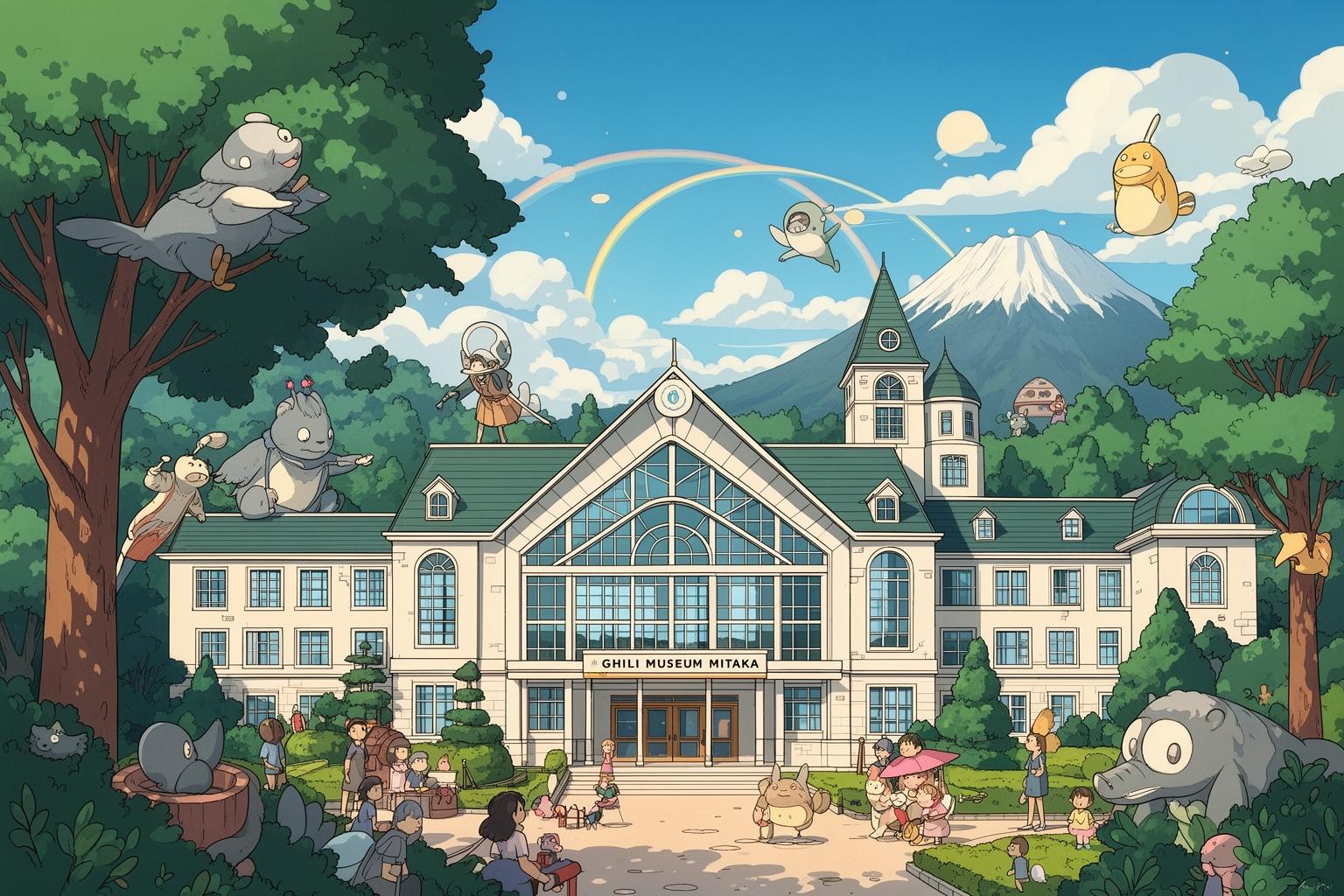
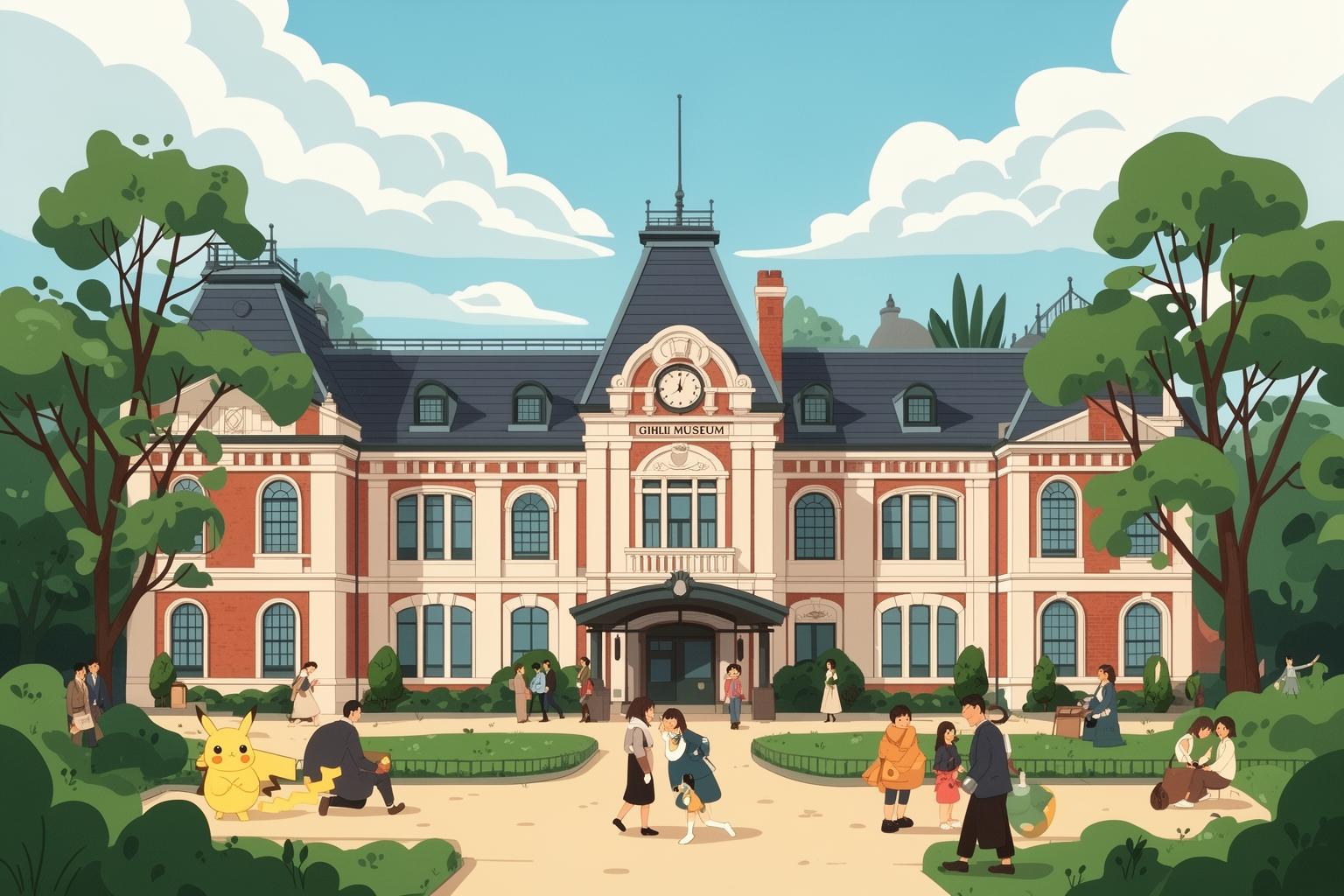
The moment you arrive, it becomes clear that the Ghibli Museum itself is the main attraction. The building feels alive, blending storybook European architecture, whimsical Art Nouveau curves, and a hint of industrial steampunk. Draped in ivy that shifts with the seasons, its pastel-stucco walls, rounded windows, and intricate ironwork seem as if Miyazaki himself sketched them into being. And in fact, he did. The museum’s design originated from his own concept drawings, ensuring that every corner, hidden passage, and stained-glass window carries the Ghibli spirit. The idea of getting lost is woven into the very architecture. There’s no set path, no map handed out at the entrance. Visitors are invited to wander, retrace their steps, peek through tiny doors, and climb spiral staircases that appear to lead nowhere and everywhere all at once. This freedom is deliberate. It encourages slowing down, observing, and uncovering the museum’s secrets at your own pace—just as a child would explore a mysterious new home. It’s a gentle rebellion against the structured, often passive nature of traditional museums, turning your visit into a personal journey. The warm, earthy tones inside, the cool, worn wood beneath your fingertips, and the way light streams through vibrant stained-glass windows—featuring characters like Totoro, Kiki, and the Catbus—create an atmosphere of deep warmth and nostalgia. It feels less like an institution and more like a home, a living tribute to the power of handcrafted art and the joy of creation.
Inside the House of Imagination: Unveiling the Exhibits
Though the building itself is a masterpiece, it’s the treasures inside that truly bring the world of Ghibli to life. The museum is a multi-story marvel of interconnected rooms and balconies, each offering a unique glimpse into the studio’s soul. It’s a place that rewards curiosity, with every glance revealing new details you might have missed before. The central hall—a soaring, open space with a glass dome, wooden bridges, and a dizzying spiral staircase—serves as the museum’s heart, linking the various exhibits and filling the space with light and the excited buzz of fellow explorers.
The Permanent Collection: Where the Magic is Born
One of the most captivating permanent exhibits is a series of five rooms on the first floor titled “Where a Film is Born.” This isn’t a sterile, behind-the-scenes look at filmmaking; it’s a gloriously chaotic and immersive recreation of a Ghibli animator’s workspace. The rooms are a treasure trove of inspiration, cluttered from floor to ceiling with books on art, history, aviation, and botany. Pigments and paintbrushes scatter across desks, while walls are covered with pinned-up concept sketches, character designs, and breathtaking watercolor storyboards. It feels as if the artists have just stepped out for a cup of tea. You can almost smell the pencil shavings and hear the rustle of paper. This space demystifies the animation process not through interactive screens or dry explanations but by surrounding you with the very essence of creativity. It reveals the passion, the research, and the sheer volume of physical effort behind every single frame of a Ghibli film. You see how an idea evolves from a simple pencil sketch into a vibrant, moving image. Further in, incredible mechanical displays illuminate the principles of animation. The highlight for many is a stunning three-dimensional zoetrope featuring characters from My Neighbor Totoro. As strobe lights flash and the platform spins, static models of Mei, Satsuki, and Totoro spring to life—running, jumping, and flying in a breathtaking, magical dance. It’s a moment of pure, unfiltered joy that elicits gasps from visitors of all ages, perfectly capturing the illusion and wonder at animation’s heart.
A Seat at the Saturn Theater: Exclusive Short Films
Your museum ticket is not just a piece of paper. It’s a unique strip of 35mm film, holding three frames from one of the studio’s feature-length movies. Holding it up to the light marks the first of many small, delightful rituals. This special ticket grants you admission to the Saturn Theater, a cozy eighty-seat cinema on the ground floor. There, the museum screens original animated short films produced exclusively for its visitors—films unseen anywhere else in the world. The lineup rotates, so each visit may bring a new story. These shorts are pure Ghibli, distilled into charming, poignant narratives that often require no dialogue, telling their tales through beautiful visuals and music. The experience is intimate and deeply special. The blue sky painted on the ceiling, the charming projector whirring to life, and the collective hush that falls over the audience create a shared sense of anticipation. Whether watching a story about a water spider falling in love or the adventures of a new group of radishes, leaving the Saturn Theater feels like you’ve just been let in on a wonderful secret.
Ascending to the Rooftop: A Guardian in the Sky
After exploring the vibrant, stimulating world inside, a spiral staircase near the Catbus Room—a plush, life-sized Catbus exclusively for children to play in—leads you to the rooftop garden. The transition is striking. You emerge from the cozy, enclosed museum spaces into open air, where the mood shifts to peaceful reflection. The garden is a lush, green oasis, a welcome patch of nature that feels like a scene from Laputa: Castle in the Sky. Standing tall against the Tokyo sky is the reason many make this pilgrimage: a five-meter-tall, weathered bronze statue of a Robot Soldier from Laputa. He’s not presented as a fearsome weapon but as a serene, gentle guardian of the museum. With his head slightly bowed and moss creeping up his metallic legs, he seems both ancient and timeless. There’s a powerful sense of melancholy and peace as you stand beside him, gazing out over the treetops of Inokashira Park. This is one of the few museum spots where photography is allowed—a moment to capture not just an image, but the feeling of standing in the presence of an icon. Behind the robot, a path leads to a stone cube bearing an inscription from Castle in the Sky, a final, poignant touch connecting this peaceful rooftop to the epic, imaginative world it represents.
Beyond the Exhibits: Savoring the Ghibli Atmosphere
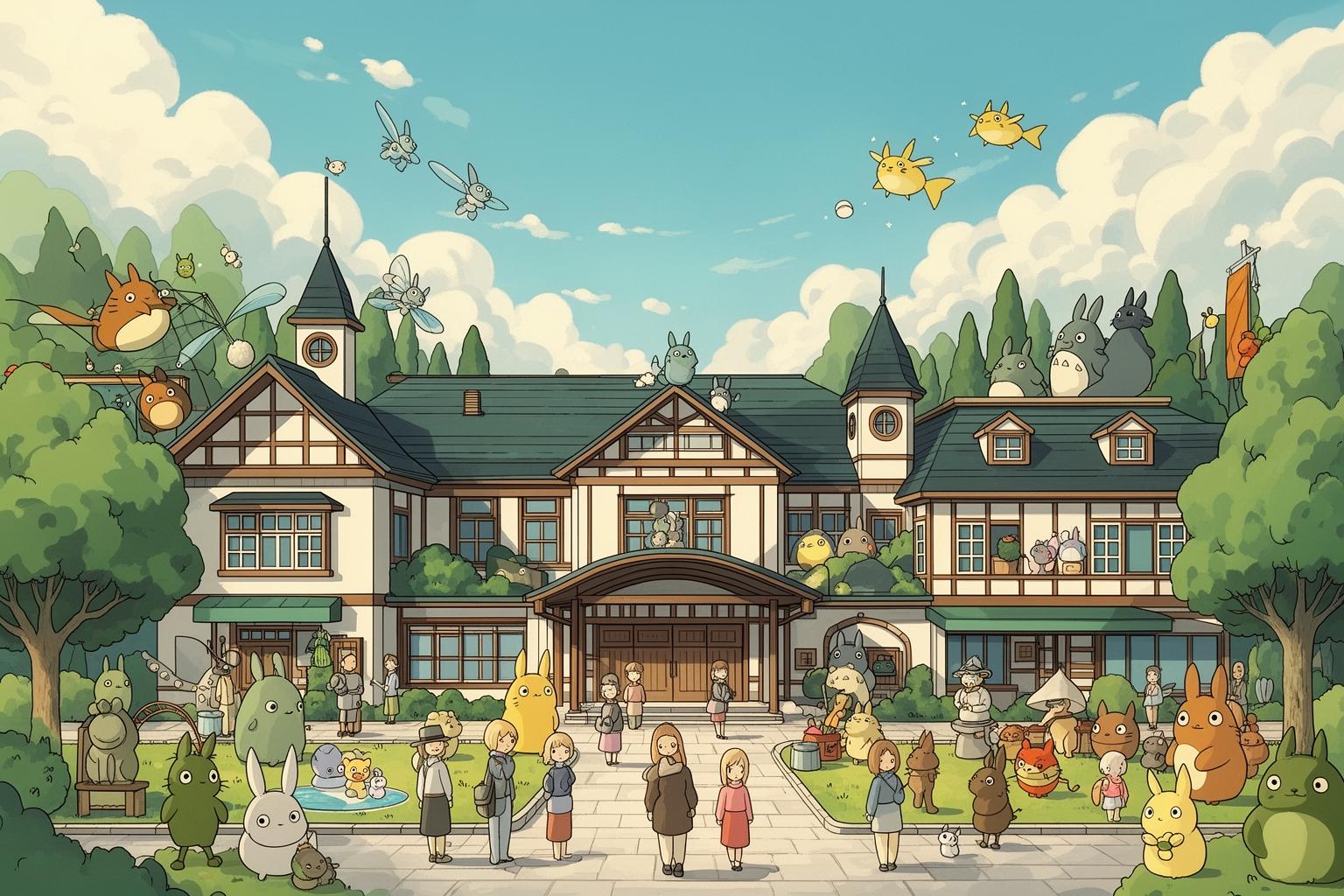
A visit to the Ghibli Museum is a sensory journey that includes taste and touch. The creators recognized that a genuinely immersive world requires spaces for relaxation, reflection, and, naturally, some shopping. These areas are crafted with the same care and precision as the exhibits, ensuring the magic remains alive.
The Straw Hat Café: A Ghibli Culinary Experience
Located on the main floor with a charming outdoor deck, the Straw Hat Café offers a unique treat. If you’ve ever felt hungry while watching a Ghibli character savor a hearty meal, this is your chance to experience it firsthand. The café’s philosophy aligns with the films’: simple, genuine, and made with care. The menu is straightforward, featuring wholesome dishes like pork cutlet sandwiches, comforting soups, fluffy cakes, and creamy ice cream. The food delights both the palate and the eyes, but what truly enhances the visit is the ambiance. From custom Ghibli-themed tableware to the rustic, sunlit interior, every detail feels purposeful and inviting. The café’s name pays homage to Mei’s straw hat from Totoro, embodying a simple, rustic charm throughout the space. It’s an ideal spot to sit, rest your feet, and reflect on the magic you’ve just experienced. Although waiting for a table can take some time, the wait is worthwhile. For a quicker option, a nearby take-out stand offers hot dogs and Ghibli-branded ice cream to enjoy amid the museum’s park-like grounds.
Mamma Aiuto!: A Haven for Souvenirs
The museum’s gift shop, named after the lively sky pirates from Porco Rosso, is an attraction in its own right. “Mamma Aiuto!” means “Mama, help me!” perfectly capturing the feeling of being overwhelmed by the abundance of amazing items you’ll want to bring home. This is no ordinary souvenir shop filled with mass-produced goods. Almost all merchandise is exclusive to the museum, making it a true treasure chest for fans. You’ll discover exquisite art books, original cel art reproductions, elegant stationery, hand towels embroidered with subtle character designs, and unique models and figures. The stained-glass window-inspired postcards stand out as a beautiful and affordable keepsake. It’s the perfect place to find a meaningful memento or a special gift for a fellow Ghibli enthusiast. Be ready to leave with something, as it’s nearly impossible not to. The shop is small and can get crowded, so a little patience goes a long way in enjoying the hunt for your ideal treasure.
The Practical Magic: Planning Your Ghibli Pilgrimage
Though the Ghibli Museum is undeniably magical, visiting it requires thorough practical planning. The museum emphasizes a comfortable, uncrowded experience for its guests, which means visitor numbers are strictly limited. This excellent policy, however, makes obtaining a ticket the most difficult part of the whole adventure. Yet, with some knowledge and preparation, you can navigate the process and turn your dream visit into reality.
The Quest for the Golden Ticket: How to Book
First and foremost: tickets cannot be purchased at the museum entrance. They must be bought in advance, and they sell out almost instantly. For international visitors, the official method is through an online ticket lottery system operated by Lawson. Tickets for a specific month go on sale at 10:00 AM Japan Standard Time on the 10th of the preceding month. For instance, tickets for any day in August become available on July 10th. This process is highly competitive. You need to be on the website the moment tickets go live, with your passport details and credit card ready. It’s advisable to create an account on the ticketing site beforehand to save time. Being flexible with your dates and entry times, offering several options, will boost your chances. Tickets are valid for a particular date and entry time, and you must show your passport at the entrance for identity verification. While some third-party tour operators sell tickets, they often charge a significant markup. The official Lawson website remains the most direct and economical way. Success demands persistence and a bit of luck, but the reward is well worth the effort.
The Journey to Mitaka: Access and Arrival
Once you secure your precious ticket, traveling to the museum is a delightful experience itself. The Ghibli Museum is situated in Mitaka, a city in the western part of Tokyo Metropolis. The most common way is to take the JR Chuo Line from major stations like Shinjuku or Tokyo Station to Mitaka Station. The trip from Shinjuku takes about 20 minutes. From the South Exit of Mitaka Station, you have two main choices for the final leg of your journey. The first option is the charming community bus, painted in bright Ghibli yellow and decorated with characters. It is a fun and convenient choice that drops you right near the museum entrance. The second, and highly recommended, option is to walk. A clearly marked path called the “Tamagawa Josui” (Tamagawa Aqueduct), running alongside a historic canal, leads directly to the museum in about 15-20 minutes. This scenic walk offers the perfect way to unwind from the bustle of central Tokyo and transition into the peaceful, natural setting that often inspires the studio’s films.
A Stroll Through Inokashira Park
The walk to the museum takes you along the edge of the splendid Inokashira Park, one of Tokyo’s most cherished green spaces. Spending time exploring the park before or after your museum visit is essential to completing the experience. The park is expansive and beautiful, centered around a large pond where swan-shaped paddle boats are available for rent. It is a place where local life unfolds: families picnic on the grass, artists sketch the scenery, and musicians perform near the Benzaiten Shrine. In spring, the park becomes a breathtaking sea of cherry blossoms, while in autumn it bursts into fiery reds and golds. Walking from Mitaka Station through this tranquil landscape feels like a prelude to the museum itself, a gradual immersion into a world where nature and imagination blend. It provides the perfect setting to reflect on your visit, allowing the magic of the museum to gently settle as you stroll beneath the canopy of ancient trees.
A Parting Whisper: Carrying the Magic Home
Leaving the Ghibli Museum feels like emerging from a beautiful dream. You step outside its whimsical walls and return to the real world, yet something within you has changed. You begin to notice the way sunlight filters through the leaves, the intricate designs on an iron gate, the quiet wonder in a child’s eyes. The museum’s greatest gift is not merely the opportunity to look behind the scenes of your favorite films, but the reminder that the magic, creativity, and attention to detail celebrated inside can be found all around us, if we simply take the time to see it. It’s a place that doesn’t just display art; it inspires you to discover the artist within yourself. You leave with more than just photographs and souvenirs—you carry a renewed sense of wonder and a heart filled with the gentle, profound, and lasting spirit of Studio Ghibli. It’s a pilgrimage every dreamer should make at least once in their life.