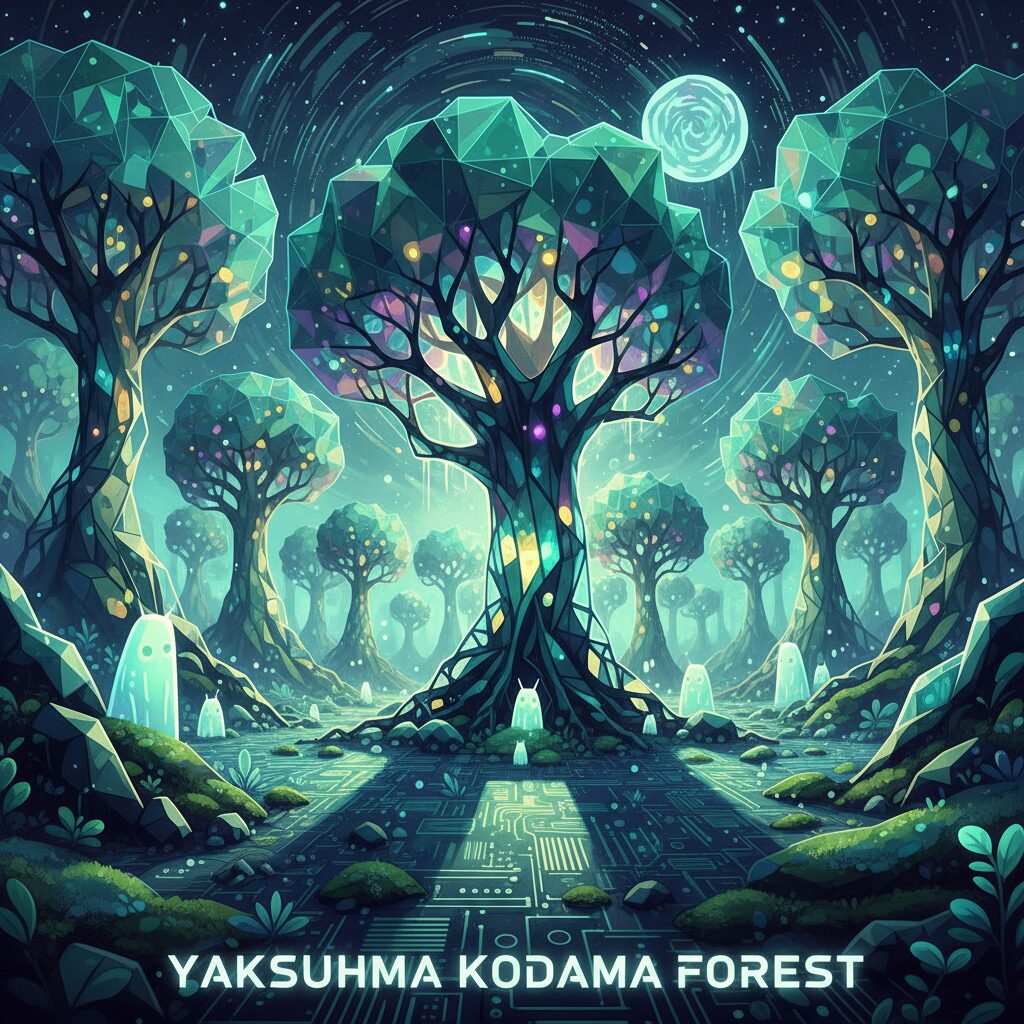
There are places on this earth that feel older than time, where the air itself seems to hum with a forgotten frequency. Yakushima Island is one such place. It’s a tear-shaped speck of land south of Kyushu, a realm of granite mountains cloaked in a perpetual green haze, where rain is not an event but a state of being. For many, this island is a sanctuary, a UNESCO World Heritage site revered for its primeval forests and ancient cedar trees, some of which have stood silent witness for millennia. But for a generation of dreamers, artists, and wanderers, Yakushima is something more. It is the living, breathing soul of one of the most powerful animated films ever created: Studio Ghibli’s Princess Mononoke. This is not merely a filming location; it is the spiritual bedrock, the very essence from which director Hayao Miyazaki sculpted his epic tale of the struggle between humanity and nature. To walk here is to step through the screen, to feel the damp moss beneath your fingers and hear the rustle of the Kodama, the tree spirits, in the canopy above. It’s a journey into a world both fiercely wild and profoundly serene, a pilgrimage to the heart of a story that continues to resonate deep within our collective spirit. This is a guide to that pilgrimage, a map for those who wish to find the forest of the Deer God and listen to its timeless whispers.
For travelers enchanted by nature’s timeless allure, discovering Ghibli coastal magic along Japan’s evocative shoreline offers a captivating extension of this enchanted pilgrimage.
The Call of the Ancient Forest
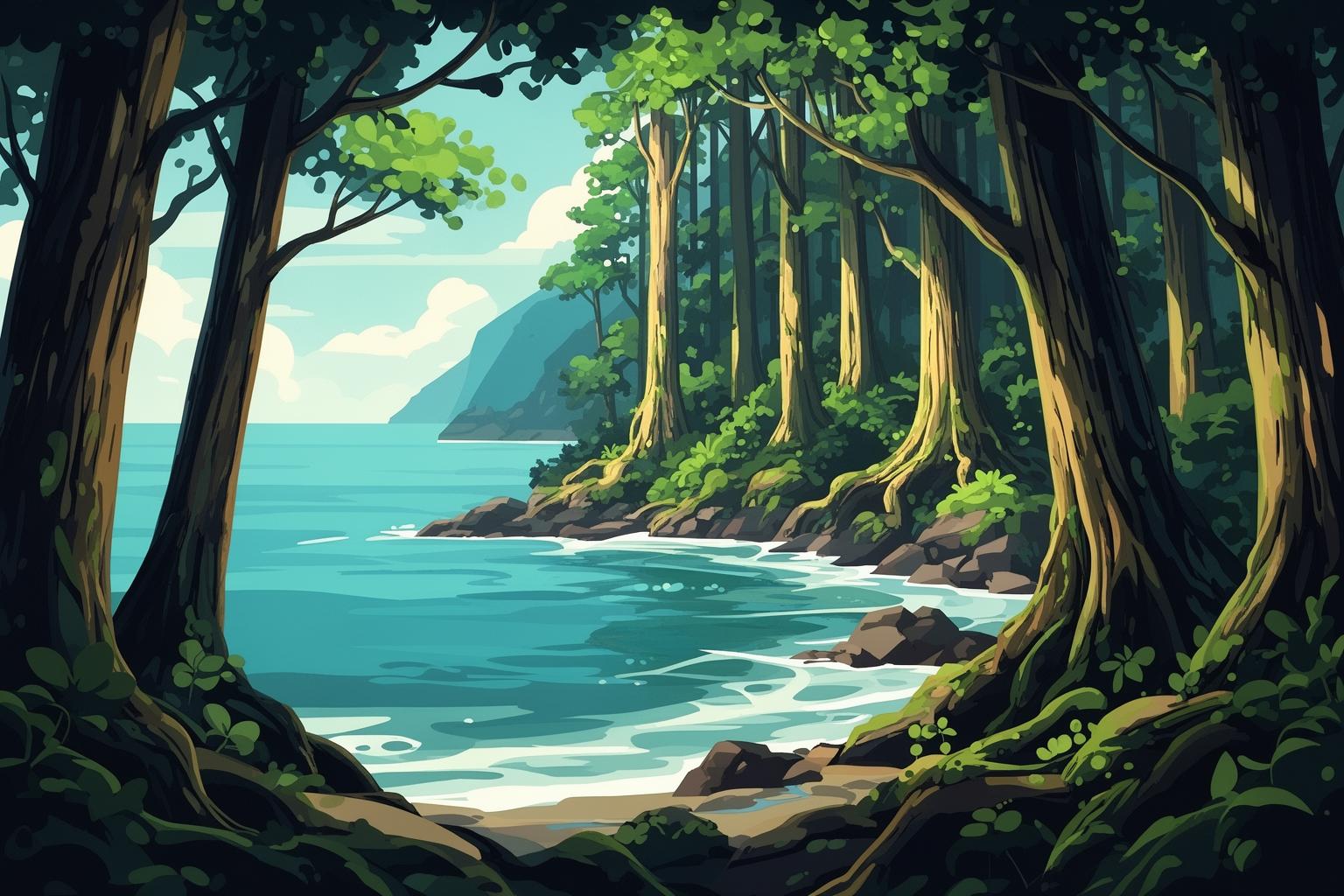
The moment you step onto a trail in Yakushima, the world you left behind fades away. It’s a sensory immersion unlike any other. The first thing that catches your attention is the sound—or rather, the profound absence of it. The dense, verdant canopy of ancient trees and ferns absorbs the noise, leaving only the soft rhythm of dripping water, the whisper of wind through thousand-year-old branches, and the distant murmur of a hidden stream. The air is heavy, cool, and pure, infused with the scent of damp earth, decaying wood, and the sweet, resinous fragrance of Yakusugi cedars. This is the atmosphere Miyazaki so brilliantly captured in animation. You instinctively slow your pace, your breath, even your thoughts. Every surface feels alive, covered in a tapestry of moss so vibrant and varied it defies description. There are shades of green you never knew existed, from deep emerald to electric lime, clinging to fallen logs, winding up twisted trunks, and blanketing entire clearings in a soft, surreal glow. It’s easy to imagine the little white Kodama, with their rattling heads, peeking out from behind a mossy stone. This is their realm. You can sense the presence of the Shishigami, the Forest Spirit, in the beams of light that pierce the gloom, spotlighting a cluster of ferns like a divine radiance. The forest feels aware, watchful. It’s a humbling experience, a powerful reminder of nature’s timeless majesty and the delicate balance of life that inspired the central conflict of Princess Mononoke. This isn’t just a beautiful hike; it’s a dialogue with an ancient world, a place that demands reverence and offers a deep sense of peace in return.
Charting Your Path: Trails for Dreamers and Trekkers
Yakushima presents a network of trails suited to every level of ambition, from a leisurely walk through an enchanting landscape to a strenuous hike to encounter an ancient giant. Each route provides a unique glimpse into the island’s essence, and selecting your path is the first step in creating your own personal pilgrimage. The important thing to remember is that the journey itself—the act of placing one foot in front of the other on this sacred land—is the true destination.
Shiratani Unsuikyo Ravine: The Moss-Covered Core
If there is one spot on Yakushima that embodies the world of Princess Mononoke, it is Shiratani Unsuikyo. This ravine serves as the film’s visual and spiritual heart. It was here that the movie’s artists spent hours sketching, soaking in the atmosphere that would become the realm of the wolf goddess Moro and the sacred forest of the Shishigami. From the moment you enter, you are enveloped in iconic scenery. Twisted, gnarled roots of ancient cedars cross the path like slumbering dragons, while every rock and branch is blanketed in a thick velvet of moss. The main trail leads through an area aptly named Kokemusu-no-mori, or the “Moss Forest.” The sight is breathtaking, almost overwhelming. The green is so complete, so immersive, that it feels like walking beneath a jade sea. The air is cool and misty, with the constant, meditative sound of a nearby river as your soundtrack. Trails here are well-kept, with wooden walkways and clear signs, making them accessible to most visitors. You can select shorter loops that take one or two hours, or take on the longer trek to Taikoiwa Rock. This climb is more demanding but rewards you with one of the island’s most spectacular views—a panoramic vista of granite peaks and deep valleys, giving the impression of standing atop the world’s green ceiling. For first-time visitors, Shiratani Unsuikyo is the perfect introduction to Yakushima’s enchantment. It’s concentrated, powerful, and utterly unforgettable. Be sure to wear sturdy, waterproof hiking shoes, as paths and rocks are endlessly slick with moisture.
Jomon Sugi: A Pilgrimage to the Ancient Cedar
While Shiratani Unsuikyo captures the film’s atmosphere, the hike to Jomon Sugi is a journey to meet its oldest living character. Jomon Sugi is a colossal Yakusugi cedar, with an age the subject of legendary debate, ranging from 2,000 to over 7,200 years. Reaching it is no casual endeavor. The trek is a full-day, ten- to twelve-hour round trip that requires an early start, physical endurance, and mental strength. The journey begins in the pre-dawn darkness, with the first few hours spent walking along a disused logging railway known as the Arakawa Trail. This flat, gentle section helps you find your rhythm as the sun gradually rises, casting a magical glow over the surrounding forest. After the railway portion, the real climb begins. The trail becomes steep, rugged, and challenging, forcing you to navigate a tangle of roots and rocks. Yet with each step, you feel yourself moving deeper into a primeval world. Along the way, you pass other giant cedars, like Wilson’s Stump—a massive hollow stump you can walk inside—and the majestic Daio-sugi. These ancient sentinels seem to guard your progress along this sacred path. The final approach to Jomon Sugi is filled with palpable anticipation. When you finally reach the viewing platform, the sight is awe-inspiring. The tree is immense, its bark gnarled and weathered like the face of the earth itself, its branches reaching skyward with unyielding vitality. You cannot touch it—it is protected for preservation—but its presence is overwhelming. Standing before something that has endured countless centuries of human history is profoundly moving and humbling. It is the ultimate pilgrimage on the island, a physical and spiritual quest connecting you to the deep, enduring spirit that Princess Mononoke beautifully honors.
Yakusugi Land: A Gentle Introduction
For those lacking the time or physical readiness for the demanding Jomon Sugi trek but still wishing to experience the majesty of ancient cedars, Yakusugi Land offers an excellent and highly accessible alternative. The name might be slightly misleading; this is not a theme park but a beautifully preserved natural area featuring well-maintained, easy-to-navigate wooden boardwalks and paved trails. It allows visitors of all ages and fitness levels to wander among towering Yakusugi trees, some over a thousand years old. The park offers several routes, from a brief thirty-minute walk to a more immersive two-and-a-half-hour hike. Even on the shortest path, you’ll be surrounded by classic Yakushima scenery: lush moss, crystal-clear streams, and magnificent cedars like the Buddhasugi. Due to its accessibility, it tends to be busier than other areas but provides a wonderful, low-impact way to connect with the island’s ancient giants. It’s an ideal choice for families, visitors with limited time, or for days when you want the forest’s restorative power without an exhausting challenge. It demonstrates that on Yakushima, a profound bond with nature doesn’t always require a strenuous expedition.
Beyond the Trees: The Island’s Other Rhythms
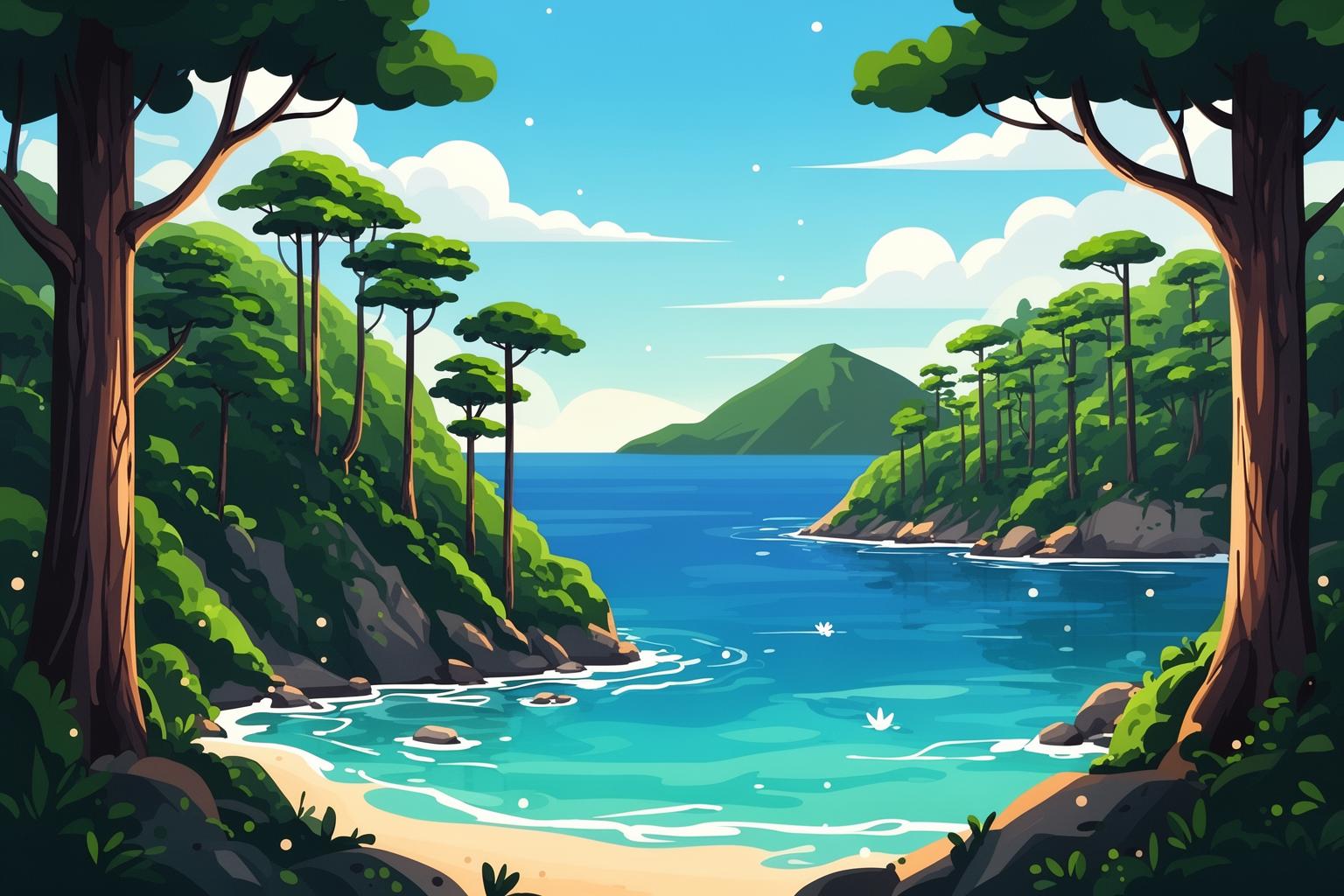
While the ancient forests lie at the heart of Yakushima’s charm, the island’s essence also embraces its dramatic coastline, thunderous waterfalls, and warm, welcoming communities. To truly grasp Yakushima, you must immerse yourself in the full harmony of its elements, where the deep green mountains meet the brilliant blue ocean.
The Whispering Coastline
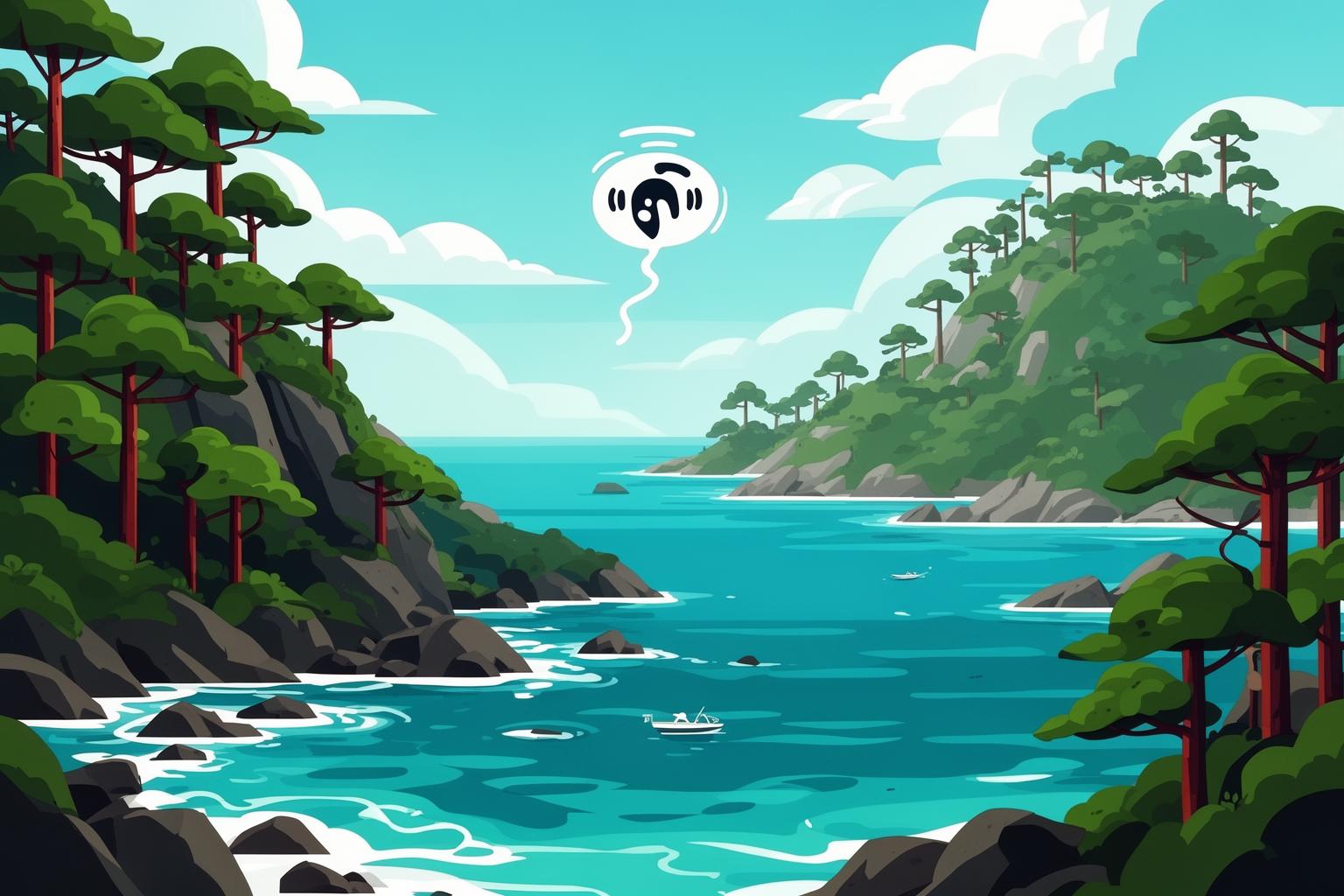
The island is surrounded by a coastline of breathtaking variety. On the northwest side, Nagata Inakahama Beach stretches out as a broad expanse of golden sand, renowned as one of the most vital nesting sites for loggerhead and green sea turtles in the North Pacific. From May through August, visiting this beach at night (accompanied by a licensed guide to protect the turtles) is a truly enchanting experience. Watching a mother turtle painstakingly dig her nest and lay her eggs beneath the stars is witnessing a ritual as timeless as the island itself. Elsewhere, the coast features rugged granite boulders and dramatic cliffs where the relentless waves of the Pacific Ocean crash with unyielding force. Driving the winding coastal road reveals a series of breathtaking vistas, offering a fresh perspective on the island’s wild beauty.
Waterfalls and River Pools
Yakushima is an island defined by water. It is said to rain “35 days a month,” and this plentiful rainfall nourishes a network of pristine rivers and spectacular waterfalls. Oko-no-taki, located in the southwest, ranks among Japan’s most magnificent falls, plunging 88 meters down a vast granite cliff. Visitors can approach its base and feel the thunderous power and cool mist on their faces. Senpiro-no-taki is another giant—a cascading torrent that has carved through an immense granite monolith. Beyond these famous giants, the island is dotted with smaller waterfalls and hidden river pools. In the warm summer months, few pleasures compare to finding a secluded spot along a river, such as at Shiratani Unsuikyo, and dipping your feet—or even your entire body—into the crystal-clear, refreshingly cold water. It is the purest water imaginable, a lifeblood flowing from the mountain peaks to the sea.
The Warmth of Local Life
The small towns scattered along the coastline—chiefly Miyanoura in the north and Anbo in the east—are the hubs of island life. These unpretentious, friendly communities move at a slower, more measured pace. Here, cozy guesthouses, family-run restaurants, and shops selling local crafts abound. Don’t miss the chance to savor the local cuisine. Yakushima is famed for its tobiuo (flying fish), often served fried to a perfect crisp, fins and all. You can also taste unique products made from local tankan and ponkan citrus fruits. For a genuine island experience, try the local shochu, a distilled spirit frequently made from sweet potatoes and diluted with the island’s famously pure water. Spending time wandering these towns, enjoying meals, and chatting with locals provides a grounded counterpoint to the ethereal forest experience, reminding you that this mythical island is also a real, living home.
An Explorer’s Guide: Practical Magic for Your Yakushima Journey
Exploring a wild and remote destination like Yakushima requires some planning, but a carefully prepared trip will let you fully immerse yourself in its magic without worrying about the logistics. Consider these practical steps not as tasks, but as the first means of tuning into the island’s distinctive rhythm.
Reaching the Enchanted Isle
Traveling to Yakushima is an adventure in itself. Your trip will most likely start in Kagoshima, the southernmost major city on Japan’s main island of Kyushu. From there, you have two main choices. The fastest and most popular option is the high-speed jetfoil ferry, which crosses the water in about two to three hours and docks at either Miyanoura or Anbo Port. It’s an efficient and comfortable ride, though it can be somewhat rough when seas are choppy. For a slower, more budget-friendly, and scenic experience, the car ferry takes around four hours, letting you stand on deck and watch the island gradually appear on the horizon. The other primary choice is to fly. Yakushima has a small airport with daily flights from Kagoshima, as well as direct connections from Fukuoka and Osaka. Flying is the quickest way to arrive, but you’ll miss the beautiful maritime approach the ferry offers. Especially during peak times like Golden Week in May or Obon in August, booking your transport well ahead is essential.
Navigating the Island’s Embrace
Once there, getting around requires some foresight. Although Yakushima is a small island, its attractions are spread out, and public transportation is infrequent. The best way to explore with freedom and flexibility is to rent a car. Having your own vehicle allows you to travel at your own pace, stop at scenic viewpoints whenever you want, and reach trailheads early before the tour buses arrive. Several rental agencies are located near the ports and airport, but booking in advance is important since car availability is limited. If renting a car isn’t feasible, the island’s bus system is a viable alternative. Buses circle the island and link the main towns to popular trailheads like Shiratani Unsuikyo. However, these services are infrequent—some routes have only a few buses per day. Be sure to get a bus timetable as soon as you arrive and plan your itinerary carefully around the schedule. Multi-day bus passes are offered and can be economical for those relying on public transit.
When the Forest Calls: Choosing Your Season
Yakushima welcomes visitors in every season, each with its own character. Spring (March to May) is a season of renewal, when mountain cherry blossoms bloom and mosses show their brightest greens. The weather is usually pleasant, making it a favored time for hiking. Summer (June to August) is hot, humid, and very wet, with the rainy season peaking in June. During this period, the forests are incredibly lush and vibrant, and it’s peak season for sea turtle nesting. However, be ready for heavy rains and possible typhoons. Autumn (September to November) brings cooler temperatures and more stable weather, arguably making it the best season for long hikes. The forest canopy shows subtle autumn hues, and the air is crisp and clear. Winter (December to February) offers a very different experience. Crowds vanish, and the island is enveloped in quiet serenity. Mountain peaks often wear a dusting of snow, presenting a stunning contrast with the evergreen forests below. Hiking in the highlands requires appropriate cold- and snow-gear, but the peaceful solitude is well worth it.
A Photographer’s Note: Capturing the Light
From a photographer’s perspective, Yakushima is both a dream and a challenge. The low light and high humidity call for a particular approach. A sturdy tripod is essential for capturing the forest’s beauty, allowing long exposures that smooth flowing streams and gather the faint canopy light. A circular polarizing filter is invaluable; it reduces glare on wet leaves and moss, deepening greens and enhancing color saturation. Protecting your equipment is critical. Rain can begin at any time, so a good rain cover for your camera bag and a lens cloth to clear condensation are must-haves. Don’t be discouraged by overcast or foggy days—in fact, these are when the forest is most atmospheric. Mist simplifies chaotic scenes, isolates subjects, and creates soft, ethereal light ideal for capturing the mystical mood that inspired Princess Mononoke. Embrace the wet, embrace the green, and focus on conveying the feeling of the place, not just the view.
The Spirit of Yakushima: A Parting Thought
Leaving Yakushima feels like awakening from a vivid dream. The journey back to the mainland, whether by sea or air, is a gradual shift returning you to a world of concrete and schedules—a world that feels impossibly far from the island’s ancient rhythms. Yet, the forest remains with you. You carry the scent of damp earth and cedar, the memory of countless shades of green, and the humbling presence of trees that have endured for centuries. A trip to Yakushima is more than a vacation or a visit to a film’s inspiration; it is a pilgrimage reconnecting you to something primal and profound. It resonates with the very themes of Princess Mononoke—nature’s resilience, the fragile and often tense relationship between humanity and the wild, and the notion that some things in this world are truly worth protecting. The island does not preach; it simply exists, offering a quiet, powerful testament to the enduring magic of the natural world. It invites you not just to see, but to listen—to stand within the heart of the moss-covered forest and hear the whispers of a world that was, is, and will continue long after we are gone.