

There’s a feeling that lingers long after the credits roll on Makoto Shinkai’s masterpiece, Your Name (Kimi no Na wa). It’s a phantom ache of nostalgia for a memory not quite your own, a longing for a person you’ve never met, a place you’ve only seen in dreams. This emotional resonance is the magic of Shinkai’s storytelling, where every frame is saturated with a breathtaking, almost painful beauty. The film swept the globe not just for its heart-wrenching story of two souls swapped across time and distance, but for its stunningly realistic portrayal of Japan. The sleepy, tradition-bound town of Itomori might be a beautiful fiction, but the vibrant, sprawling world of Taki Tachibana is very, very real. It’s Tokyo. And for fans around the world, the city has become a destination not just for its culture or cuisine, but for the chance to walk into the world of the film itself.
This journey is known in Japan as seichi junrei, or a holy site pilgrimage. It’s a beautiful tradition where fans visit the real-world locations that inspired their favorite anime, manga, or games. It’s a way of blurring the line between fiction and reality, of paying homage to a story that moved you, and of experiencing a place through a unique, deeply personal lens. For pilgrims of Your Name, Tokyo transforms. A simple set of stairs becomes a stage for a fated encounter. A bustling train station becomes a symbol of a million divergent paths. A chic café becomes the backdrop for budding romance and personal anxieties. You are no longer just a tourist; you are an explorer, tracing the invisible threads of a story that captured the hearts of millions. This guide is your map, your compass to navigating Taki’s Tokyo, to finding the tangible touchstones of an animated dream. Prepare to step through the screen and discover the magic woven into the very streets of this incredible metropolis.
For those seeking an even deeper connection with Tokyo’s cinematic spirit, exploring Ghibli museum secrets presents a charming complement to this animated pilgrimage.
The Red Steps of Fate: Suga Shrine in Yotsuya

Every pilgrimage has its sacred heart, its definitive destination. For Your Name, that place is undeniably the iconic red-railed staircase leading to Suga Shrine. This is the setting for the film’s intense, cathartic climax—the location featured on the poster, the image that has come to symbolize the entire story. It’s where two worlds, two timelines, and two souls ultimately, breathtakingly, converge. Finding this spot feels less like tourism and more like fulfilling a narrative destiny.
The Ascent to a Cinematic Climax
Your journey to the steps begins not with fanfare, but with a quiet walk. Arriving at either Yotsuya or Shinanomachi Station, you leave behind the metropolitan buzz and enter a peaceful, almost sleepy residential neighborhood. The streets are narrow, bordered by modest apartments and private homes. There are no flashy signs or tourist attractions here, and that is exactly the point. The power of this location lies in its ordinary nature. It feels genuine, lived-in. As you navigate gentle slopes and quiet corners, a sense of anticipation grows. You follow your map, turn a corner, and there it is. The view is immediate and uncanny. The steep incline of the stairs, the vibrant red handrail on one side and the weathered grey stone on the other, the valley of buildings rising opposite—it’s a perfect recreation. Standing at the bottom looking up, or at the top looking down, you feel an overwhelming sense of déjà vu. You have been here before, guided by Shinkai’s masterful direction. It’s a strangely emotional experience, standing in a place that feels so familiar yet new, a tangible piece of a story that exists in the realm of animation.
The Atmosphere of a Sacred Space
The air around the Suga Shrine steps carries a quiet reverence—not only from visiting fans. This is a neighborhood where people live their everyday lives. You might see a resident carrying groceries, children walking home from school, or leaves gently rustling in the breeze. This tranquility provides a striking and beautiful contrast to the soaring emotions of the film’s scene set here. That moment is filled with frantic searching, desperate hope, and a swelling orchestral score. Here, the soundtrack is the soft murmur of the city. This contrast is what makes the pilgrimage so profound. It reminds you that these grand, fated moments of connection can happen anywhere—even on an unassuming street corner on a quiet Tuesday afternoon. The space invites reflection. You find yourself replaying the scene in your mind, the desperate calls of “What’s your name?” echoing softly within. It’s a place to pause, breathe, and appreciate the artistry that transformed this simple staircase into a global symbol of hope and connection.
Practical Pilgrim’s Notes: Visiting the Steps
The most direct routes here are from Yotsuya Station on the JR Chuo-Sobu Line and Tokyo Metro Marunouchi and Namboku Lines, or Shinanomachi Station on the JR Chuo-Sobu Line. From either station, it’s about a 10 to 15-minute walk. Though the steps are accessible at any time, the true magic occurs late in the afternoon. This is when you can experience tasogare-doki, or the twilight magic hour, a concept central to the film. The setting sun casts long shadows and bathes the scene in warm, golden light, perfectly capturing the ethereal glow of the movie’s pivotal moments. When taking photos, patience is key. This is a popular spot, and you’ll likely share it with other fans. The classic shot is from the bottom looking up, capturing the entire staircase, or a side-profile shot mimicking Taki and Mitsuha’s passing. Most importantly, remember this is a residential area. Keep your voice low, avoid blocking paths for locals, and treat the space with the respect it deserves. Be a pilgrim, not merely a tourist.
Beyond the Stairs: The Shrine Itself
After your cinematic moment, don’t forget to complete the journey. Climb the stairs and visit the actual Suga Shrine at the top. This Shinto shrine, with a history spanning centuries, serves as a spiritual anchor for the local community. It is a peaceful, welcoming space, featuring traditional wooden buildings, stone lanterns, and a purification fountain. Stepping onto the shrine grounds feels like a fitting conclusion to the emotional ascent. Here, you can offer a prayer, purchase an omamori (a protective amulet), or simply enjoy the serene atmosphere. It’s an opportunity to connect not only with the world of the film, in which shrines play a vital spiritual role in Mitsuha’s life, but also with the authentic culture and traditions of Japan. Visiting the shrine itself adds depth to your pilgrimage, grounding the fictional climax in a place of real-world history and faith.
Taki’s Urban Playground: The Electric Heartbeat of the City
If the steps of Suga Shrine symbolize the story’s destined, emotional core, then the expansive, vibrant districts of Shinjuku and Roppongi embody Taki’s reality. This is his world: a concrete and glass jungle alive with energy, opportunity, and the beautiful anonymity of city life. Following in his footsteps leads you through some of Tokyo’s most dynamic and visually stunning areas, offering a distinctly different yet equally essential pilgrimage experience.
A Skyline Imprinted in Memory: The National Art Center, Roppongi
One of the film’s most unforgettable scenes is Taki’s date with his stylish coworker, Okudera-senpai. Their elegant outing takes place at a truly spectacular site: The National Art Center in Roppongi. The building itself is a modern architectural masterpiece, designed by the legendary Kisho Kurokawa. Its flowing glass facade creates a continual interplay of light and shadow, a forest of light that feels simultaneously futuristic and organic. Inside, the scale is awe-inspiring. The vast, open atrium soars skyward, and perched atop one of the massive concrete cones you will find the Salon de Thé Rond. This is the very café where Taki and Okudera share a meal. Sitting in this stylish, circular space, surrounded by stunning architecture and gazing over the exhibition areas below, offers a surreal experience. You can order coffee and cake and feel as if you’re a character within the film, enjoying a quiet, reflective moment amid the grandeur of the city’s art scene. To reach it, take the Tokyo Metro Chiyoda Line to Nogizaka Station, which provides direct access. It’s a must-visit for any fan—a perfect blend of cinematic pilgrimage and authentic cultural exploration.
The Italian Job: Taki’s Part-Time Work
Do you recall the bustling, upscale Italian restaurant where Taki worked part-time? It’s a real location, equally charming in person. The restaurant that inspired the film’s setting is Cafe La Bohème Shinjuku Gyoen. Situated a short walk from Shinjuku Gyoen National Garden, entering feels like stepping into another world. The interior is grand and theatrical, featuring soaring ceilings, dramatic chandeliers, a sweeping staircase, and an expansive open kitchen. It perfectly captures the lively, slightly chaotic atmosphere depicted in the film. This is where Taki managed demanding customers and nurtured his crush on Okudera-senpai. Securing a table and ordering a pasta dish lets you fully immerse yourself in the ambiance. You can easily imagine the scenes unfolding around you. It’s best to visit during weekday lunchtime or late dinner hours to avoid peak crowds, giving you more space to savor the surroundings. It’s a delicious and deeply immersive stop on your pilgrimage—a place where fiction feels wonderfully tangible and close.
Navigating the Concrete Jungle
Taki’s daily life unfolds across a patchwork of urban landscapes, and Shinkai skillfully uses real locations to create this world. One of the most visually striking is the pedestrian bridge near the Shinjuku Police Station. This isn’t a single bridge but a network of interconnected walkways forming a unique circular intersection. In the film, it appears in a powerful shot that highlights the vastness of the city and the intricate, overlapping paths of its inhabitants. Discovering this spot, just west of the main Shinjuku Station area, and observing the ceaseless traffic flow beneath feels like uncovering a secret vantage point into the city’s soul. Another familiar element in Taki’s world is Shinjuku Station itself. As the busiest railway station on the planet, it’s an astonishing labyrinth of platforms, passageways, and people. It embodies the constant motion of Taki’s life. While you may not recognize every exact frame, simply navigating the station’s southern exit or strolling along the Koshu Kaido road offers an authentic sensory experience—the chorus of train announcements, the stream of commuters, the towering buildings framing the skyline. It is in these transient moments that you feel most deeply the pulse of Taki’s Tokyo.
Crossroads of a Million Stories
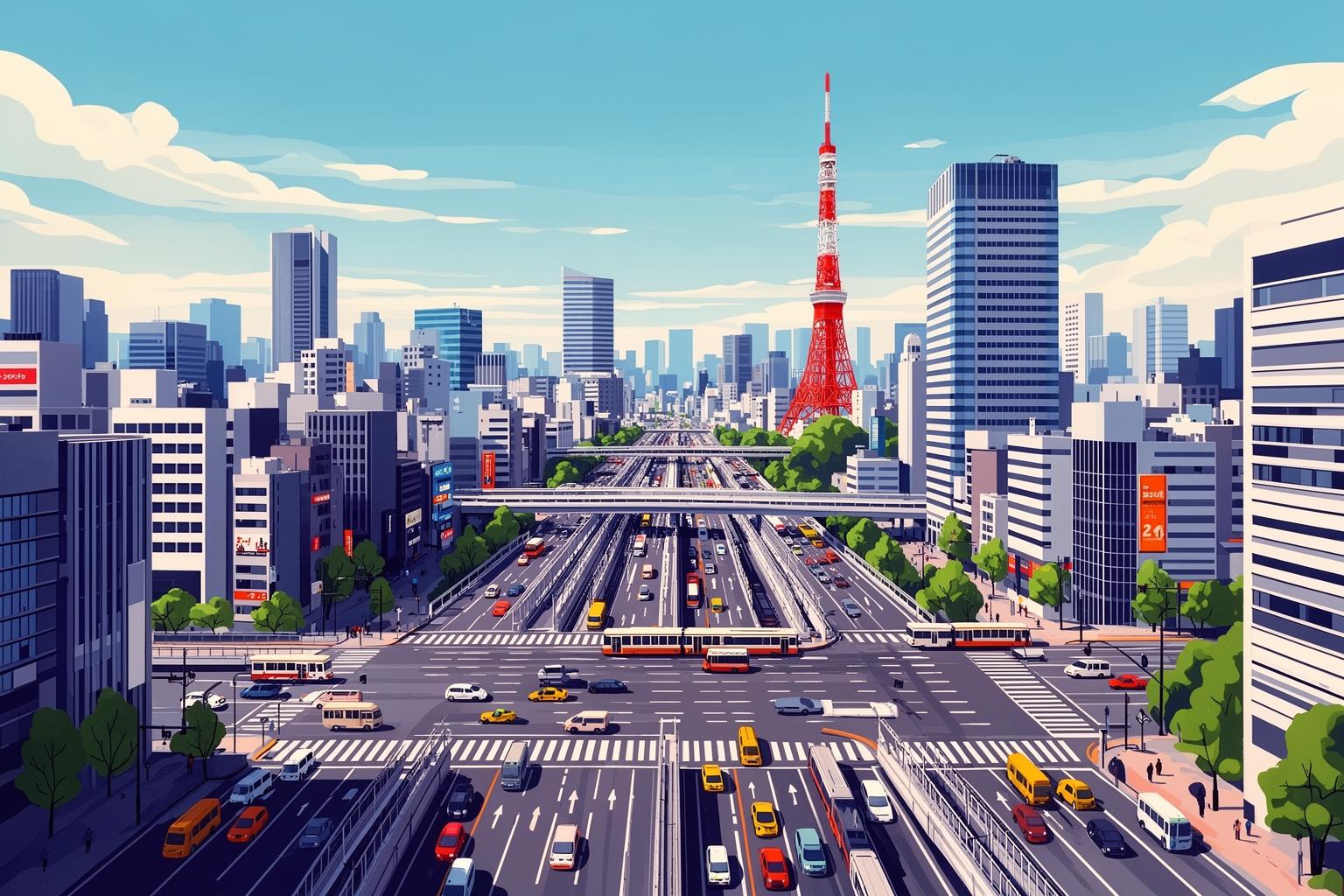
The story of Your Name revolves around the crossing of paths, both literally and metaphorically. Tokyo, a city with over 13 million residents, serves as the ultimate backdrop for these near-misses and chance encounters. The film highlights some of the city’s most iconic intersections to emphasize the theme of anonymous yet interconnected lives.
The Scramble of Anonymous Connection
No image captures the immense scale of Tokyo quite like the Shibuya Scramble Crossing. This world-renowned intersection appears early in the film’s montages, showcasing a flurry of legs, umbrellas, and neon lights. It serves as a perfect visual metaphor for the sea of humanity separating Taki and Mitsuha. Experiencing it means being swept up in an exquisitely organized chaos. When the pedestrian lights turn green, a tidal wave of people floods the intersection from all directions, weaving past one another with an instinctive, unspoken grace. For the best view, go to the second floor of the Starbucks in the Tsutaya building, which offers large windows overlooking the entire scene. From this vantage point, you can observe the spectacle unfold, witnessing thousands of individual stories intersecting for a fleeting moment. It’s a captivating sight that invites reflection on your own small place within a vast, sprawling world—a feeling Taki surely experienced daily.
The View from Taki’s Commute
Makoto Shinkai skillfully incorporates subtle, realistic details into his cityscapes. One recurring landmark visible from Taki’s train window and various viewpoints around Shinjuku is the NTT Docomo Yoyogi Building. Though not a destination to visit, its distinctive, tapered clock tower stands out as a constant feature on the Shinjuku skyline, resembling a mountain peak. Spotting it while riding the JR Yamanote or Chuo-Sobu lines adds an extra touch of authenticity to your journey. It becomes a game of recognition—a small nod from the director to those familiar with the city. This landmark functions as a visual anchor, firmly rooting the animated world in Tokyo’s real geography and reinforcing the idea that Taki’s world is simply a different perspective layered over our own.
Your Pilgrimage Blueprint: Navigating Tokyo Like a Local
Embarking on a seichi junrei for Your Name is a journey full of adventure. With some careful planning, you can ensure the experience is smooth, fulfilling, and deeply personal. The key is to savor the journey itself, rather than rushing from one photo spot to another.
The Art of Transit
Tokyo’s public transportation system is a marvel of efficiency and the best way to get around the city. Before setting out, be sure to purchase a Suica or Pasmo IC card. These rechargeable cards work on nearly all trains and buses, sparing you the trouble of buying individual tickets for each trip. The main train line for this pilgrimage is the JR Chuo-Sobu Line, which conveniently links Shinjuku, Shinanomachi, and Yotsuya. For visits to places like Roppongi and Shibuya, the Tokyo Metro and JR Yamanote lines will be your close companions. Use a navigation app like Google Maps; its public transit directions are remarkably accurate and will smoothly guide you from one sacred site to the next. Embrace the train rides. Look out the window. This is Taki’s daily routine, and it is an essential part of the pilgrimage.
Chasing the Magic Hour
A key thematic and visual element in Your Name is tasogare-doki, or twilight. This is the time of day when the boundary between worlds grows thin, and miracles seem possible. To truly capture the film’s spirit, try to time your visit to a key location during this magic hour. Plan your day so you arrive at the Suga Shrine steps as the sun begins to set. Watching the sky flush with orange and purple, bathing the iconic scene in a warm, ethereal glow, is an unforgettable experience. Alternatively, visit a high vantage point, such as the free observation decks of the Tokyo Metropolitan Government Building in Shinjuku, during this time. Seeing the vast cityscape transition from day to night, with millions of lights flickering like a fallen constellation, will deepen your connection to the film’s aesthetic. This isn’t merely about replicating a shot; it’s about feeling the movie’s emotional heart.
The Pilgrim’s Code
A pilgrimage carries a certain responsibility. Though these locations gained fame through the film, they remain part of a living, breathing city. The Suga Shrine steps are nestled in a quiet residential neighborhood. The shrine itself is an active place of worship. The nearby cafes and restaurants serve local patrons. When you visit, do so with the utmost respect. Keep your voices low, especially in residential and sacred areas. Avoid blocking pathways or lingering too long if it’s crowded. Never leave any litter behind. When taking photos, be discreet and avoid including residents who haven’t given their consent. The goal is to be a gracious guest, a humble observer who values the chance to visit these special sites without disturbing the lives of those who live there. By respecting these places, you honor both the story you cherish and the city that brought it to life.
Finding Your Own Musubi in the Metropolis
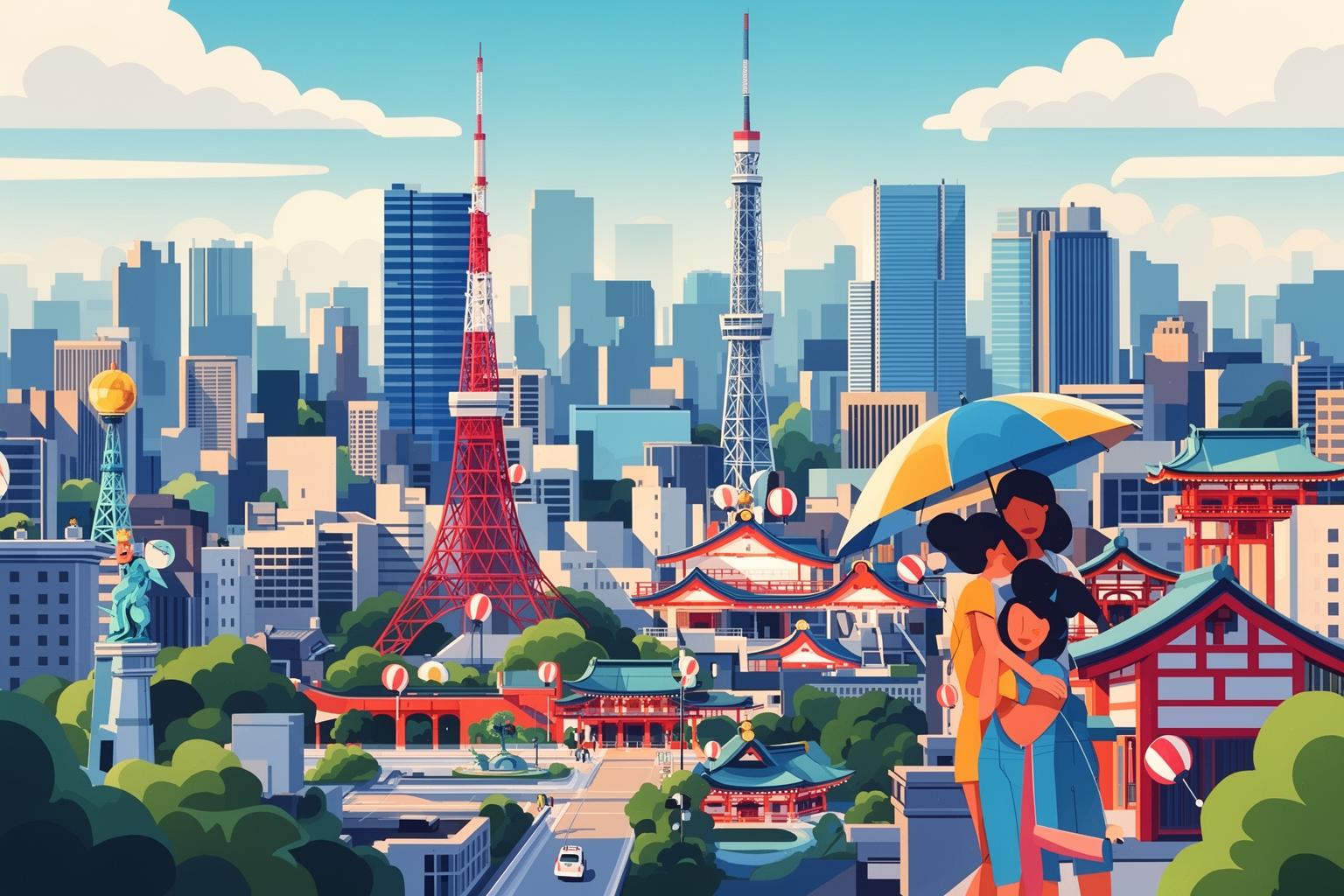
To explore the Tokyo of Your Name is to engage with the story’s core theme: musubi. It’s the Shinto idea of connection, the unseen threads linking people, places, and time. As you walk these streets, you weave your own thread alongside those of Taki and Mitsuha, and the countless fans worldwide who have embarked on this journey. This pilgrimage is more than a list of photo spots; it’s an act of connection. It’s the shiver that runs down your spine upon seeing the Suga Shrine steps for the first time. It’s the flavor of the coffee at the Salon de Thé Rond. It’s the mesmerizing rhythm of the Shibuya Scramble. It’s the experience of understanding a city not as a tourist, but through the eyes of a character you’ve grown to know and love. As you follow their path, you’ll inevitably forge your own, uncovering quiet alleys, quaint shops, and personal moments unique to your journey. You arrived chasing a comet, tracing a story that came alive on a screen, but you will depart with something more lasting: a memory of Tokyo forever intertwined with your own.








