In the vibrant, sprawling metropolis of Tokyo, a city where ancient tradition and futuristic technology dance in a dazzling ballet, there are pockets of pure, unadulterated magic. Hidden away from the neon glow of Shinjuku and the bustling scramble of Shibuya, nestled within the serene embrace of a lush suburban park, lies a portal to another world. This isn’t a place of grand monuments or towering skyscrapers. Instead, it’s a whimsical, ivy-clad building that looks as though it sprang directly from a dream—a dream painted in the soft watercolors and imaginative strokes of Hayao Miyazaki. Welcome to the Ghibli Museum in Mitaka, a destination that is less a museum and more a heartfelt invitation into the soul of Studio Ghibli. For anime lovers, art enthusiasts, and dreamers of all ages, this is not just a stop on a travel itinerary; it is a pilgrimage. It’s a journey to the heart of stories that have captivated the world, a chance to walk through the very air that characters like Totoro, Kiki, and Chihiro seem to breathe. The museum is famously, and wonderfully, elusive. Its tickets are a golden key, sought after by fans across the globe, making a successful visit feel like a true accomplishment, a secret shared. It’s a place built on the philosophy, “Let’s get lost, together,” promising an adventure of personal discovery, where every corner turned reveals a new wonder, a hidden detail, a spark of childlike joy. Prepare to leave the ordinary world behind, because today, we’re stepping into the extraordinary.
For those inspired by the museum’s enchantment, curious travelers can also explore this insightful guide to discover Tokyo’s real-life cinematic settings.
The Art of Getting Lost: A Philosophy Built in Plaster and Stained Glass
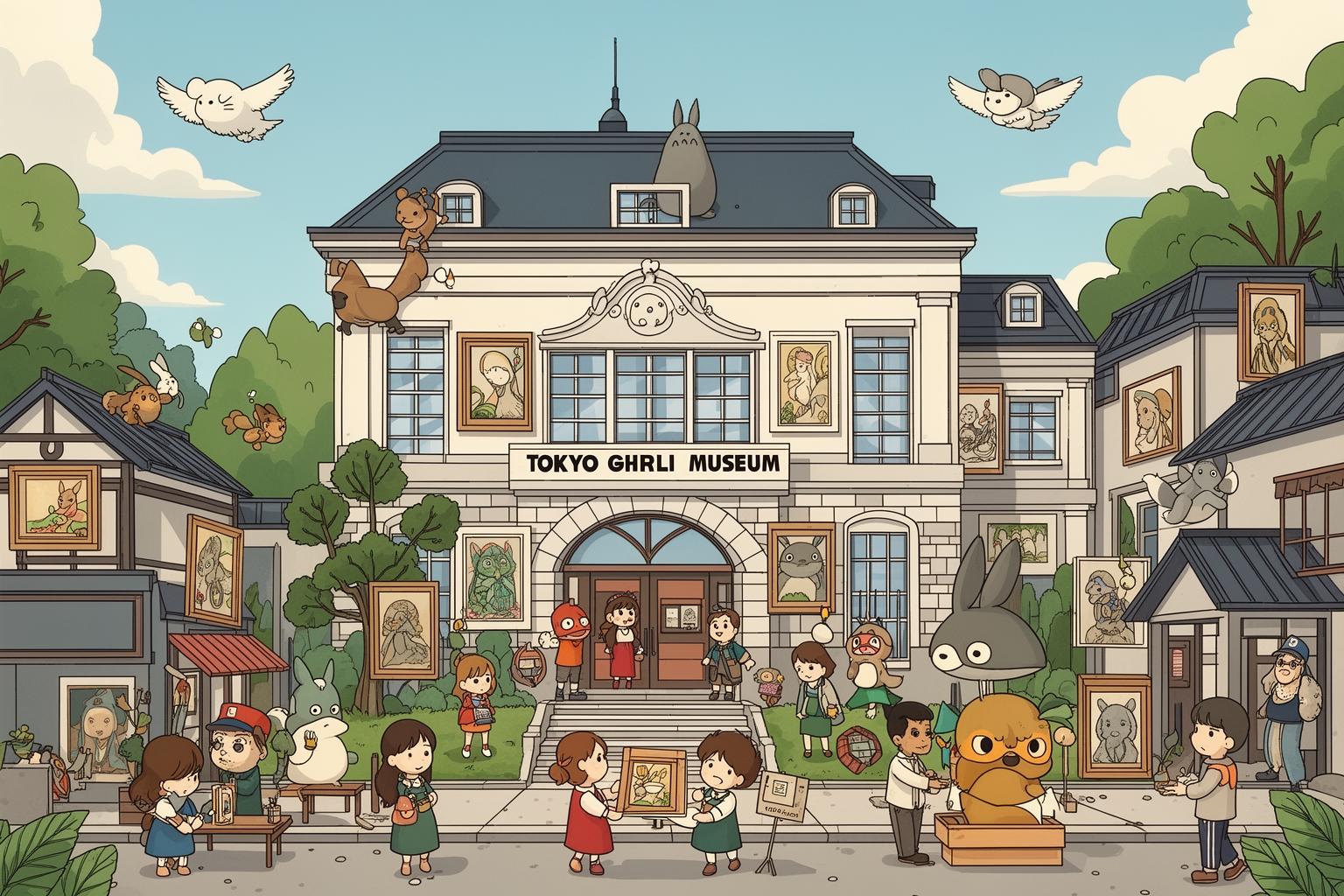
The Ghibli Museum experience begins the instant you see its exterior. It doesn’t showcase the solemn grandeur typical of a traditional museum. Instead, it welcomes you with a playful, organic charm. The building itself is an imaginative architectural masterpiece—a colorful, multi-layered structure that feels both rustic and fantastical. Wrought-iron details twist into intricate patterns, featuring Ghibli motifs for those with a sharp eye. Cheerful, rounded windows peek out from pastel stucco walls, while a thick ivy blanket lovingly climbs its sides, blurring the line between the man-made and the natural. This design is purposeful, embodying the museum’s core philosophy: “Maigo ni narou yo, issho ni,” or “Let’s get lost, together.” There are no fixed routes or arrows marking your path. You are invited to wander, explore, and let your curiosity lead you. A narrow, winding spiral staircase might take you from a sunlit hall to a shadowy chamber. A small, almost hidden doorway could reveal an expansive, breathtaking exhibit. This intentional lack of direction feels liberating. It removes the pressure to see everything in a set order and instead encourages personal discovery. It’s a space that trusts visitors to find their own magic. The central hall feels like the heart of this enchanted maze—a soaring, open space with a glass dome ceiling that floods the interior with natural light. Bridges and balconies crisscross the upper levels, and a charming, old-fashioned elevator, complete with a clanging gate and ornate brass dials, slowly moves up and down, offering tantalizing glimpses into the different floors. The entire building is a treasure trove of details. The stained-glass windows, for example, are not merely decorative panes of color; they serve as portals into the Ghibli universe. When the sunlight filters through them, they cast luminous images of Totoro, the Catbus, and Kiki onto the wooden floors, creating fleeting moments of beauty that feel like a personal secret.
More Than a Museum: What Awaits Inside
Calling the Ghibli Museum merely a collection of artifacts would be a significant understatement. It is a vibrant, living tribute to the creative process, an interactive playground that reveals the meticulous artistry behind the beloved films. Each room and floor presents a unique aspect of the Studio Ghibli universe, designed to captivate your senses and rekindle your imagination.
The Permanent Exhibition: “Where a Film is Born”
On the first floor, you’ll find the permanent exhibition, a five-room suite that acts as the museum’s creative heart. Here, the magic of animation is lovingly unpacked—not in a dry, academic manner, but as a chaotic, passionate, and deeply personal adventure. The rooms are styled to resemble the enchanting art studios of animators and directors themselves. Imagine stepping into a space where creative energy flows palpably. Walls lined with floor-to-ceiling bookshelves overflow with art books, classic literature, and photo collections from across the globe—the very seeds of inspiration for Ghibli’s iconic worlds. Desks are charmingly cluttered with sketches, storyboards, and character designs, some unfinished, as if the artist just stepped out for a moment. You’ll notice jars of vivid pigments, pencils worn down to the nub, and intriguing curiosities gathered from travels, each object silently testifying to the search for inspiration. The feeling is incredibly intimate, like being granted a rare view into Miyazaki’s own mind. The exhibit brilliantly showcases the entire animation process, demonstrating how a simple idea matures into a complex storyboard, how characters come to life through thousands of hand-drawn cels, and how layers of color and sound build a fully immersive world. Among the most enchanting displays are the pre-cinema animation devices—intricate, three-dimensional zoetropes that spin under strobe lights, creating illusions of endless motion. A miniature Totoro bounces, Mei runs, and the Catbus dashes on numerous legs, their movement possessing a tangible, physical magic that digital animation can’t replicate. This serves as a powerful reminder that, at its core, animation is about breathing life into the still, a theme echoed throughout the museum.
A Seat at the Saturn Theater
One of the most sought-after experiences in the museum is a visit to the Saturn Theater. Nestled on the ground floor, this cozy cinema is the sole place worldwide to view original short animated films produced exclusively by Studio Ghibli. Your entry ticket—a charming strip of real 35mm film featuring three frames from a Ghibli movie—also serves as admission to a single screening. The theater itself is delightful. Look up to see a beautifully painted blue sky on the ceiling, complete with a smiling sun and moon. When the lights dim, the theater’s windows close with a charming mechanical whir, and the show begins. The films rotate throughout the year, so every visit may bring a new story. These shorts are quintessential Ghibli—full of heart, humor, and stunning artistry, often telling sweet, simple stories without dialogue, making them accessible to all. From a romantic water spider to sumo-wrestling mice, each film is a polished gem, a concentrated burst of the studio’s unique creative soul. It’s a special moment, sharing collective gasps and laughter with a small audience, knowing you’re part of a one-of-a-kind cinematic experience.
The Catbus Room and the Rooftop Guardian
For many, the Ghibli experience is deeply tied to its most iconic and beloved characters, and the museum offers unforgettable encounters. On the second floor, pure joy awaits in the Catbus Room. Here, a life-sized, incredibly plush replica of the Catbus from My Neighbor Totoro invites delight. Its fur is soft, its grin wide, and its destination sign proudly reads “Mitaka.” It’s an interactive dream come true, but with one important rule: only children of elementary school age and younger may climb aboard and play inside. While this might disappoint some adults, witnessing the sheer delight on children’s faces as they tumble into the furry vehicle and peer out its windows is magical in itself. For adults, another icon awaits nearby. From the Catbus Room, a delicate wrought-iron spiral staircase ascends into a tower that feels straight out of a fairy tale. Climbing higher, you emerge onto the museum’s rooftop garden. The bustling sounds of the museum fade away, replaced by the gentle rustle of leaves from the surrounding park. There, standing silent and tall amid the greenery, is the museum’s guardian: a five-meter-tall Robot Soldier from Castle in the Sky. Its design conveys both strength and melancholy, blending nature with forgotten technology. It doesn’t feel like a mere statue but rather a protector, quietly watching over the museum and the park beyond. This is one of the few areas where photography is allowed, and it’s become the museum’s most iconic photo spot. Behind the robot, a path leads to a mysterious black cube—the keystone from Laputa, adorned with the film’s enigmatic script. It’s a powerful, peaceful space, offering a quiet moment of reflection that connects you directly to one of Ghibli’s grandest tales.
The All-Important Ticket: Your Golden Key to Ghibli
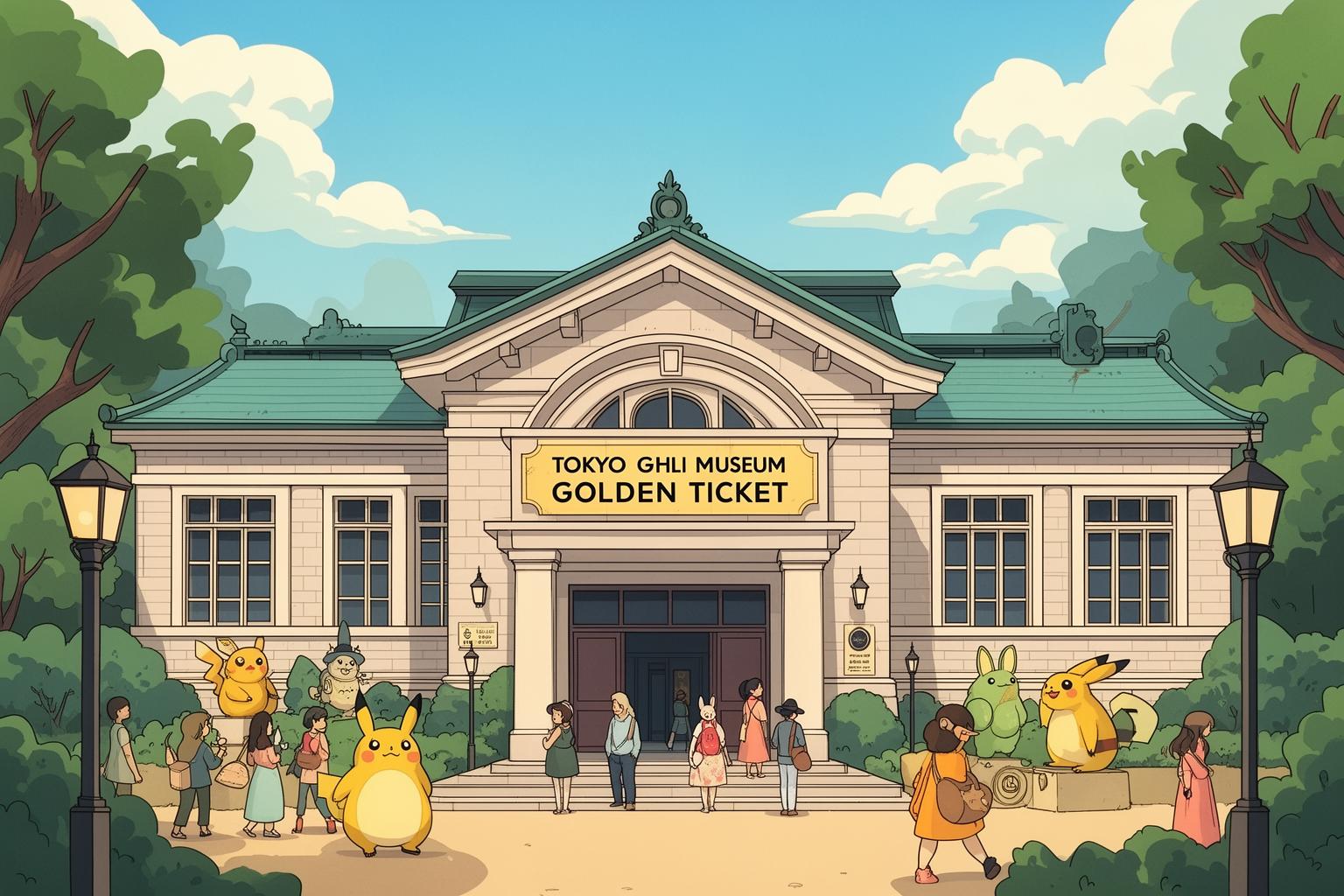
Now for the most crucial practical advice—the one that distinguishes hopeful dreamers from actual visitors: securing a ticket. The Ghibli Museum is extremely popular, and to maintain its cozy, uncrowded ambiance, visitor numbers are tightly controlled. You absolutely cannot purchase tickets at the museum entrance. They must be bought in advance, a process that demands planning, persistence, and a bit of luck. Generally, there are two ways to buy tickets. For those living in Japan, tickets become available online through Lawson’s ticketing website on the 10th of each month for the following month’s admission. This is a highly competitive process, often described as a digital race, with tickets for popular dates and times selling out within minutes. It requires a Japanese address and phone number, making it difficult for most international travelers. For international visitors, the process has changed over the years. Traditionally, tickets were sold through select travel agencies like JTB in various countries, usually three months in advance. However, this system can change, especially in the post-pandemic era. The most reliable and current information is always found on the official Ghibli Museum website. They provide the latest details on how and when international tickets are sold. Whichever method you choose, the key is to plan well in advance. Check the official website months before your intended visit, mark the ticket sale dates on your calendar, and be ready to book as soon as they become available. When purchasing your ticket, you must register the lead visitor’s name, which will be printed on the ticket. Upon entry, you will need to show photo identification—your passport—that matches the name on the ticket. The staff are very strict about this rule, so double-check your details. This is not a place where you can simply show up and hope for the best; the golden ticket is absolutely essential.
A Journey to Mitaka: Navigating to the Dream Factory
Reaching the Ghibli Museum is a delightful journey in itself, providing a smooth transition from the bustling energy of central Tokyo to the serene greenery of Mitaka. The trip is simple and part of the overall experience. The most common departure point is Shinjuku Station, one of Tokyo’s main transportation hubs. From there, you’ll board the JR Chuo Line, a rapid train that quickly carries you away from the city center. In approximately 20 minutes, you’ll arrive at Mitaka Station. After exiting through the station’s South Exit, you have two fantastic options to complete the final leg of your visit. The first, and most direct, is the special community bus, which is hard to miss due to its bright yellow paint and charming illustrations of characters and scenes from the Ghibli world. Tickets for the bus can be bought from a vending machine located right at the bus stop. The ride itself lasts only about five minutes but heightens anticipation as you travel through quiet residential streets, catching your first view of the lush Inokashira Park. The second option, ideal for those with extra time who prefer a more scenic route, is to walk. It’s a leisurely 15 to 20-minute stroll along the Tamagawa Josui, a historic aqueduct shaded by trees. This path is peaceful and picturesque, offering a charming glimpse of local life. Along the way, you’ll notice unique Ghibli-themed signposts that reassure you’re headed the right way, counting down the meters until you reach your destination. Opting to walk makes the museum feel less like a tourist spot and more like a hidden treasure you’ve uncovered on your own.
Savoring the Moment: The Straw Hat Café and Mamma Aiuto!
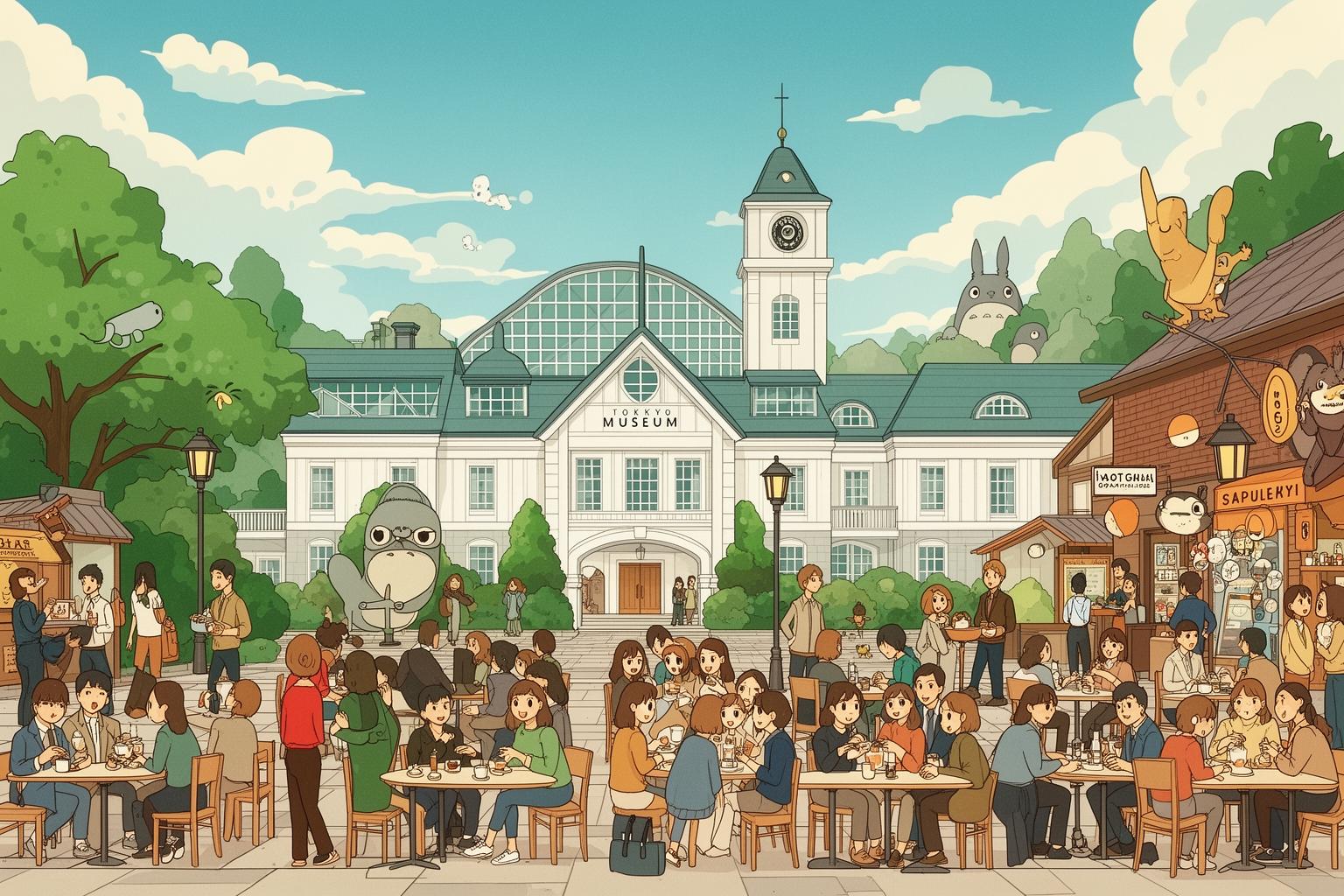
No Ghibli experience would be complete without savoring some delightful food and finding the perfect keepsake to remember your visit. The museum fulfills both desires with its uniquely themed café and gift shop, each imbued with the studio’s distinctive charm.
A Taste of Whimsy at the Straw Hat Café
After spending a few hours exploring and immersing yourself in the museum’s wonders, the Straw Hat Café provides a welcome break. This quaint eatery, named after Mei’s iconic hat in My Neighbor Totoro, is housed in a separate building connected by a charming patio. The café’s ethos is to serve simple, honest, and hearty meals—the kind of comforting fare you can imagine a Ghibli character enjoying. The menu includes a variety of hot and cold dishes, from a satisfying pork cutlet sandwich to nourishing soups and fresh salads. For those craving something sweet, their selection of cakes and pastries is simply exquisite. One standout item is the original “Kaze no Tani” (Valley of the Wind) beer, a delightful tribute to Nausicaä. The ambiance is rustic and cozy, with warm wooden furnishings and large windows that look out onto the surrounding greenery. Even the small details are carefully considered, with some dishes served on custom Ghibli-themed plates. Be advised, the café is as popular as the museum itself, and long lines often form, especially during lunchtime. A good tactic is to visit either early or later in the afternoon to avoid the busiest times. The wait is well worth it to recharge in such a charming environment.
Treasures from Mamma Aiuto!
For most visitors, the final stop is the museum gift shop, Mamma Aiuto! Named after the lively gang of sky pirates from Porco Rosso, the shop is a treasure trove of exclusive Ghibli merchandise found nowhere else in the world. The name, which means “Mama, help me!” in Italian, playfully reflects how overwhelming the incredible variety of goods can be. This is not your ordinary gift shop stocked with generic souvenirs. Every item is thoughtfully designed and beautifully crafted. Here you can discover exquisite art books filled with concept sketches and storyboards, elegant postcards resembling stained glass, and of course, adorable plush toys of all your favorite characters. Among the most unique souvenirs are bookmarks made from the same 35mm film strips used for the entrance tickets, allowing you to take home a tiny, tangible piece of a Ghibli film. From model kits of the robot soldier to refined stationery and accessories, Mamma Aiuto! offers the perfect opportunity to bring a bit of the museum’s magic home with you.
Beyond the Museum Walls: Exploring Kichijoji and Inokashira Park
Your visit to the Ghibli Museum doesn’t have to conclude the moment you step outside its doors. The museum sits on the edge of the stunning Inokashira Park, one of Tokyo’s most cherished and picturesque public spaces, and it’s well worth spending extra time exploring it. Inokashira Park is a vast natural oasis, centered around a large, tranquil pond where you can rent swan-shaped paddle boats and drift across the water. The park also houses a small shrine dedicated to Benzaiten, the goddess of love and fortune, as well as a small zoo. It’s an ideal spot for a leisurely walk, a picnic, or simply sitting on a bench watching the world go by. The park’s appearance shifts dramatically with the seasons. In spring, it becomes one of Tokyo’s most breathtaking cherry blossom viewing areas, with hundreds of sakura trees bursting into a canopy of pink and white flowers above the pond. In autumn, the maple and ginkgo trees paint the landscape with vibrant reds, oranges, and yellows. Just beyond the park lies the lively neighborhood of Kichijoji. Frequently ranked as one of Tokyo’s most desirable places to live, Kichijoji exudes a cool, relaxed atmosphere with a great mix of department stores, quirky independent shops, vintage clothing stores, and cozy cafes. For an authentic local experience, explore the narrow, lantern-lit alleyways of Harmonica Yokocho, a post-war black market turned maze of tiny, atmospheric bars and eateries offering everything from yakitori to ramen. Combining your Ghibli visit with an afternoon in Inokashira Park and an evening in Kichijoji transforms a simple museum trip into a full-day adventure, providing a wonderful glimpse of Tokyo life beyond the main tourist spots.
Practical Magic: Tips for a Flawless Visit
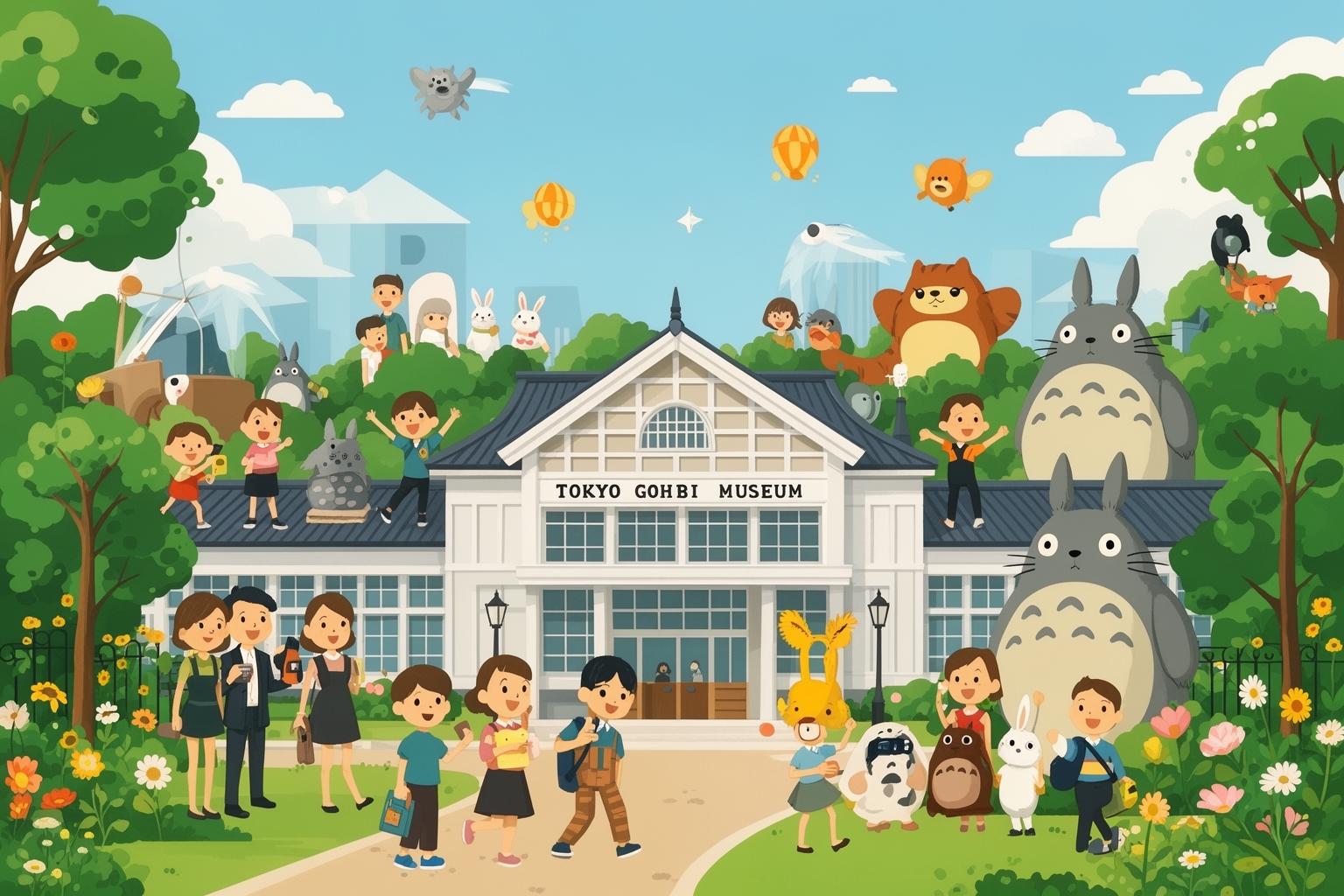
To fully enjoy your pilgrimage, a few final tips can help ensure a smooth and enchanting experience. First and foremost, let’s discuss photography. The museum enforces a strict no-photography and no-videography policy inside the building. This rule isn’t meant to be limiting but is an essential part of the experience. The museum encourages you to be fully present, to observe things with your own eyes rather than through a lens, and to help preserve the sense of wonder for future visitors. It also helps maintain the quiet, intimate atmosphere that makes the place so unique. However, you are welcome to take as many photos as you like outside, on the rooftop garden with the robot soldier, and around the exterior of the building. Secondly, please be mindful of your ticket’s entry time. You are assigned a specific entry time and have a 30-minute window to arrive. Once inside, though, you can stay as long as you want until the museum closes. It’s wise to arrive at Mitaka Station a little early to give yourself ample time to enjoy the bus ride or walk without feeling rushed. Lastly, come prepared. Wear comfortable shoes since you’ll be walking and standing a lot. Bring your passport for the mandatory ID check. And most importantly, bring an open heart and a curious mind. The Ghibli Museum rewards those who take their time, observe carefully, and are willing to get a little lost.
A Farewell to Wonder
Leaving the Ghibli Museum feels like emerging from a beautiful dream. As you stroll back toward the station, with the whimsical building fading behind the trees of Inokashira Park, you carry a fragment of its magic with you. It’s more than just the memory of viewing stunning art or a beloved character. It’s the sensation the museum conveys—a renewed sense of wonder, a deeper appreciation for the craft of storytelling, and a gentle reminder of the power of imagination. The Ghibli Museum stands as a testament to Hayao Miyazaki’s belief that the world is filled with beauty, mystery, and kindness, if only we pause to observe. It’s a place that doesn’t just show you magic; it helps you experience it. And that feeling, that spark of childlike joy and limitless creativity, is a keepsake that lingers long after you’ve returned home, inspiring you to discover the extraordinary in your everyday life.