There are places on this earth that seem to hum with a frequency just beyond our own, corners of the world where the veil between the real and the imagined feels impossibly thin. For millions, that imagined world was given form and breath by Hayao Miyazaki’s masterpiece, Spirited Away. It’s a realm of mischievous spirits, grumpy boilermen, and a gargantuan, lantern-lit bathhouse, Aburaya, that serves as the vibrant heart of the story. While Miyazaki himself has often been coy about direct inspirations, preferring to speak of a collage of memories and feelings, pilgrims of the imagination have long sought the real-world threads from which he wove his fantasy. One of the most powerful of these threads leads not to a bustling spirit metropolis, but to a quiet, mist-shrouded valley deep in the mountains of Gunma Prefecture. It leads to Shima Onsen, a place where time itself seems to soak in the restorative waters, and where a certain red bridge and a historic inn whisper tales that feel uncannily familiar. This isn’t merely a film location tour; it is a pilgrimage to the very atmosphere that fuels such brilliant creation. It’s a journey to a place that feels, in every gust of steam and every creak of ancient wood, like coming home to a memory you never knew you had. Here, the cinematic magic of Studio Ghibli merges with centuries of tangible Japanese history, creating an experience that is at once deeply personal and universally enchanting.
For those captivated by the interplay of history and fantasy, a visit to the Ghibli Museum tour offers another dimension to the creative spirit that shaped such legendary landscapes.
The Crimson Gateway to Another Realm
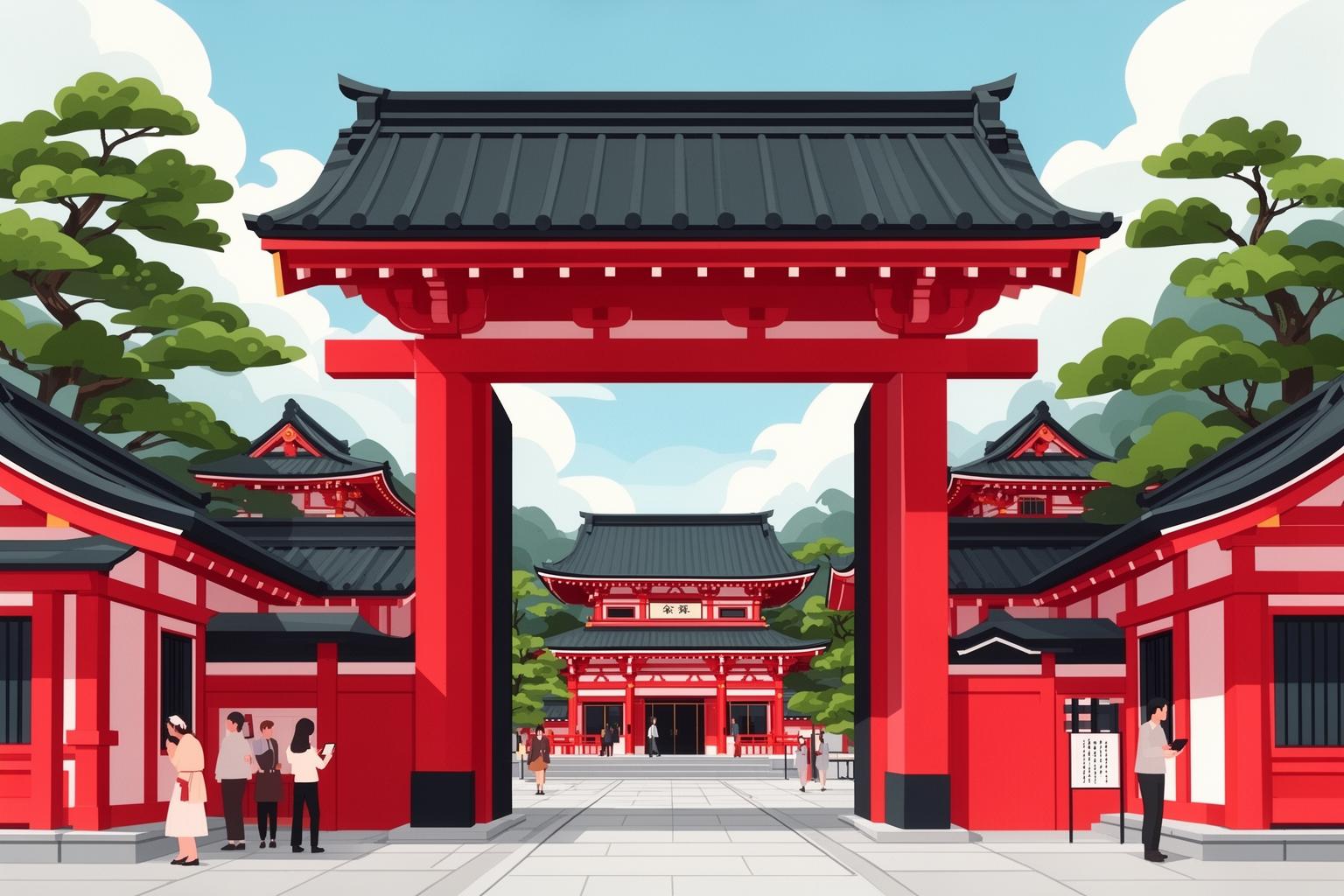
The journey into the spirit world, as Chihiro found, starts by holding your breath and crossing a bridge. In Shima Onsen, that moment of transition feels strikingly tangible. Approaching Sekizenkan Ryokan, the town’s oldest and most renowned inn, you are welcomed by the Keiun-bashi, a vivid red bridge gracefully arching over the gentle flow of the Shima River. The resemblance to the bridge leading to Aburaya is immediate and striking. The vermilion lacquer, a color in Japan symbolizing protection from evil and the marking of sacred space, contrasts beautifully against the deep greens of the surrounding forest and the dark, weathered wood of the inn itself. Standing on its planks, with the scent of sulfur and damp earth lingering, you feel it—the unmistakable sensation of leaving one realm and preparing to enter another. It’s a moment of pause, a threshold. The noises of the modern world fade away, replaced by the soft murmur of water below and the anticipation of what lies ahead. This is not merely a piece of architecture; it’s a tangible narrative device, the opening line of a story you are about to enter. Here, the pilgrimage truly begins, one step from the ordinary into the extraordinary, a path thousands of visitors have followed, each perhaps holding their breath just slightly.
Sekizenkan: A Labyrinth of Living History
Once you cross the bridge, Sekizenkan reveals itself not as a single structure but as an expansive, multi-level complex that appears to have grown naturally from the mountainside over centuries. This intricate, maze-like character is what firmly links it to the bathhouse in Spirited Away. The inn features cascading sloped roofs, interconnected hallways, and staggered floors, creating an environment where losing your way feels less like an error and more like an intended part of the experience. It consists of three main sections, each originating from a different period, forming a tangible timeline of Japanese architecture and culture.
The Main Hall: A Portal to the Edo Period
At the core of the complex is the Honkan, or Main Hall. Built in 1691, it is recognized as the oldest surviving wooden onsen hotel in Japan and has been designated an Important Cultural Property. Entering it transports you back to the samurai era. The air is rich with the fragrance of aged cypress and tatami mats. The wooden floors, worn smooth by centuries of stockinged footsteps, creak softly with quiet respect. The rooms embody minimalist elegance: woven tatami mats cover the floors, sliding fusuma and shoji screens divide spaces with a gentle rustling, and low wooden tables invite guests to sit on zabuton cushions and enjoy green tea. There are no grand lobbies or modern amenities here; the luxury lies in authenticity. It is the sensation of sleeping in a room where generations of travelers have sought solace and healing, with moonlight filtering through the delicate paper of the shoji screens just as it did three hundred years ago. This is where the resemblance to Aburaya’s staff quarters takes root—a maze of simple, functional rooms linked by shadowy corridors, worlds apart from the lavish baths for the gods.
The Roman Bath and the Secret Tunnel
One of the most unexpected and charming features inside Sekizenkan is a historical anomaly: the Genroku no Yu. Constructed during the Taisho period (1912-1926), an era marked by strong Western influence in Japan, this bathhouse exemplifies “Taisho Roman” architecture. Rather than rustic wood and stone, you encounter a grand hall with tall, arched windows, a white tiled floor, and several small, sunken bathing pools. Steam lingers thickly in the air, catching light and creating an ethereal, dreamlike ambiance. This is a piece of European elegance hidden within a deeply traditional Japanese inn. Though it is not the grand wooden bath of Yubaba, it embodies the eclectic and majestic spirit that defined the film’s bathhouse. Then there is the tunnel. To travel between the ryokan’s sections, you pass through a long, mysterious tunnel lined with tiles that cuts through the hillside. Dimly lit and echoing with footsteps, it feels like a secret passage, a hidden conduit linking different worlds and eras. It is here, more than anywhere else, that you experience the disorienting, enchanting layout of Aburaya—an expansive, intricate place far larger and more complex than it seems at first glance.
Soaking in the Waters of Legend
Naturally, Sekizenkan’s very existence is centered on its waters. The name Shima Onsen means “forty-thousand hot springs,” poetically reflecting its legendary reputation for curing forty-thousand ailments. The spring is a gentle sodium and calcium sulfate source, softening the skin and believed to aid conditions ranging from digestive problems to rheumatism. Bathing here, known as toji or therapeutic bathing, is a slow, meditative ritual. In the historic Honkan, the baths are small, intimate, and co-ed, preserving the original onsen culture. For those desiring more contemporary conveniences, the newer wings offer larger, gender-separated baths with breathtaking views of the river and mountains. Immersing yourself in the steaming water, letting the burdens of the world—and centuries—melt away, is to grasp the very soul of this place. You are not just a visitor; you are taking part in a healing and rejuvenation ritual that has shaped this valley for longer than memory can reach. It is a connection not merely to a film but to a foundational element of Japanese culture.
The Nostalgic Embrace of Shima Onsen Town
While the Sekizenkan Ryokan is undeniably the crown jewel, the town of Shima Onsen itself is an integral part of the experience. It is not a bustling resort filled with souvenir shops and trendy cafes. Instead, it feels wonderfully and peacefully frozen in time. A walk along its single main street is like stepping back into the Showa era (1926–1989), a time of post-war optimism and flourishing domestic tourism. You’ll encounter retro pinball parlors and shooting galleries, their paint slightly faded but their charm fully preserved. Small, family-run shops offer local treats like yakimanju, sweet red bean paste-filled buns grilled over charcoal, and traditional wooden kokeshi dolls. The atmosphere exudes profound tranquility and gentle nostalgia. It’s a town designed for strolling aimlessly, for simply being present.
Following the Shima Blue
A constant companion on your walk is the Shima River, the valley’s lifeblood. The water here is renowned for a unique, almost impossibly vivid shade of blue, called “Shima Blue.” This captivating color is not caused by pollution but by natural mineral deposits, specifically microscopic allophane particles in the water that reflect blue light. The intensity of the blue shifts with the weather and light, varying from soft turquoise to deep cobalt. Following the river upstream takes you to small waterfalls, tranquil pools, and ultimately to the Okushimako Lake, a reservoir where the Shima Blue is displayed in its full, breathtaking glory. Walking paths trace the river’s edge, offering peaceful moments of reflection alongside the sound of rushing water and birdsong. It serves as a reminder that before this place became a Ghibli pilgrimage site, it was a sanctuary of natural beauty—and that beauty is as powerful as ever.
Seasonal Whispers in the Valley
Shima Onsen dons each season like a new costume, offering fresh experiences with every visit. In spring, wild cherry blossoms bloom in clouds of pale pink along the mountainsides, their petals drifting onto the river. Summer brings a vibrant, almost electric green, a symphony of life with cicadas providing the soundtrack. It’s a perfect time to escape city heat and savor the cool mountain air. Autumn is perhaps the most breathtaking season, as the valley bursts into fiery reds, oranges, and golds—a spectacle known as koyo. The reflection of the autumn leaves on the Shima Blue water is a scene of painterly perfection. In winter, a hush descends over the valley, blanketed in snow. The world shifts to a monochrome palette, and steam from the onsen drifts in the icy air like a ghostly breath. There is no greater pleasure than soaking in an outdoor bath, a rotenburo, with snowflakes melting on your shoulders—a truly magical experience that feels a world away from everyday life.
A Practical Guide for the Spirited Traveler
Embarking on this pilgrimage requires some planning, but the journey itself adds to the charm. Shima Onsen’s relative seclusion plays a crucial role in preserving its unique atmosphere, making it feel like a true discovery rather than just another stop on a busy tourist route.
Charting Your Course from Tokyo
The usual route starts at Tokyo Station. From there, you’ll board the Joetsu Shinkansen (bullet train) to Takasaki Station, which takes about an hour. At Takasaki, transfer to the local JR Agatsuma Line, a beautifully scenic ride that meanders through river valleys and small mountain towns, leading to Nakanojo Station. This segment lasts just under an hour. Outside Nakanojo Station, a Kan-etsu Kotsu bus awaits to take you on the final 40-minute journey up the winding mountain road directly to Shima Onsen. The entire trip takes around three hours, providing a perfect opportunity to unwind from Tokyo’s urban bustle and prepare for the mountains’ tranquility.
Timing Your Visit and Securing Your Stay
As noted, each season brings its own special appeal, so the “best” time to visit depends largely on personal preference. Autumn is the most popular season due to its stunning fall colors, so booking accommodations well in advance is advisable. Winter is quieter and offers the quintessential snow-and-onsen experience. Spring and summer are lush, green, and less crowded. When reserving a room at the Sekizenkan Ryokan, note that the historic Honkan rooms are highly sought after and feature shared bathroom facilities in keeping with their traditional style. For those who prefer modern amenities, the newer Sanso and Kashotei wings provide more contemporary rooms with private baths, while still granting access to all the historic hot springs. Booking early, no matter the season, is always the best approach.
A Word on Onsen Etiquette
For many first-time visitors to Japan, the onsen experience can cause some anxiety. However, the rules are straightforward and centered on respect and hygiene. Before entering the bath, you must thoroughly wash your body at the designated washing stations. A small towel is provided, which you may use for modesty while moving around, but it should never go into the bath water itself; most people place it on their head or beside the bath. Onsen are meant for quiet soaking and reflection, not for swimming or splashing. Tattoos remain a sensitive issue at some traditional inns, though many have become more accommodating, especially toward international visitors. It’s always wise to check the ryokan’s policy in advance. Following these simple customs will ensure a smooth experience and deepen your appreciation for this treasured cultural tradition.
The Enduring Magic of a Spirited Place
A journey to Shima Onsen is a beautiful paradox. You arrive seeking the elusive landscapes of a cherished film, an animated realm of wonder and spirits. What you discover, however, is something deeply real—a place rich in Japan’s tangible history, in healing rituals, and in the quiet, enduring power of nature. The magic of Sekizenkan and the Shima valley lies not in being an exact replica of Aburaya, but in perfectly capturing the feeling of Miyazaki’s creation: a sense of timelessness, hidden depths, and beauty in the old and imperfect. Crossing the red bridge, you come not just as a fan, but as a traveler, leaving as part of a story far older than yourself. Whether you glimpse No-Face’s face in a dark window or hear Lin’s voice in the river’s rush is beside the point. The spirit of this place is unique, and by visiting, you allow it to become a small, indelible piece of your own story. It reminds us that sometimes, the most magical worlds aren’t imagined—they’re simply waiting to be discovered and felt. And in the heart of the Gunma mountains, that feeling is everywhere.