
The wind carries a certain sound through the trees, a low hum that feels ancient and alive. It’s a sound many of us know, not from memory, but from a dream. It’s the rustle of a colossal camphor tree, the whisper of a Catbus passing unseen, the deep, rumbling breath of a forest spirit sleeping just beyond our world. For millions, this sound is the soul of Hayao Miyazaki’s masterpiece, My Neighbor Totoro. It speaks of summer days, of childhood innocence, of the quiet magic that thrives in the pockets of the world left wild and untouched. What if I told you that this place, this feeling, is real? It exists, not in a storybook, but nestled on the very edge of the world’s largest metropolis. Welcome to the Sayama Hills, the breathing, green heart that gave life to Totoro’s world.
Stretching across the border of Tokyo and Saitama Prefecture, the Sayama Hills, or Sayama Kyūryō, are a sprawling tapestry of woodlands, reservoirs, and traditional farmland. It’s a place where the concrete expanse of the city finally gives way, exhaling into a landscape that feels preserved in time. This isn’t a theme park or a movie set; it is something far more profound. It’s a living monument to the very landscape that Miyazaki explored as a child and later fought to protect. It’s here, walking among the towering trees and sun-dappled paths, that you stop looking for Totoro and start feeling his presence everywhere. This is not just a pilgrimage for anime fans; it’s a journey for anyone seeking to reconnect with the quiet, powerful magic of the natural world. Before we step onto the trail, take a moment to see where this pocket of wilderness lies, a green island in a sea of city lights.
For those drawn to nature’s subtle magic, embarking on a spirit journey can lead you to hidden realms that echo the enchanted landscapes seen in Miyazaki’s world.
The Forest Breathes: Discovering Totoro’s Woods
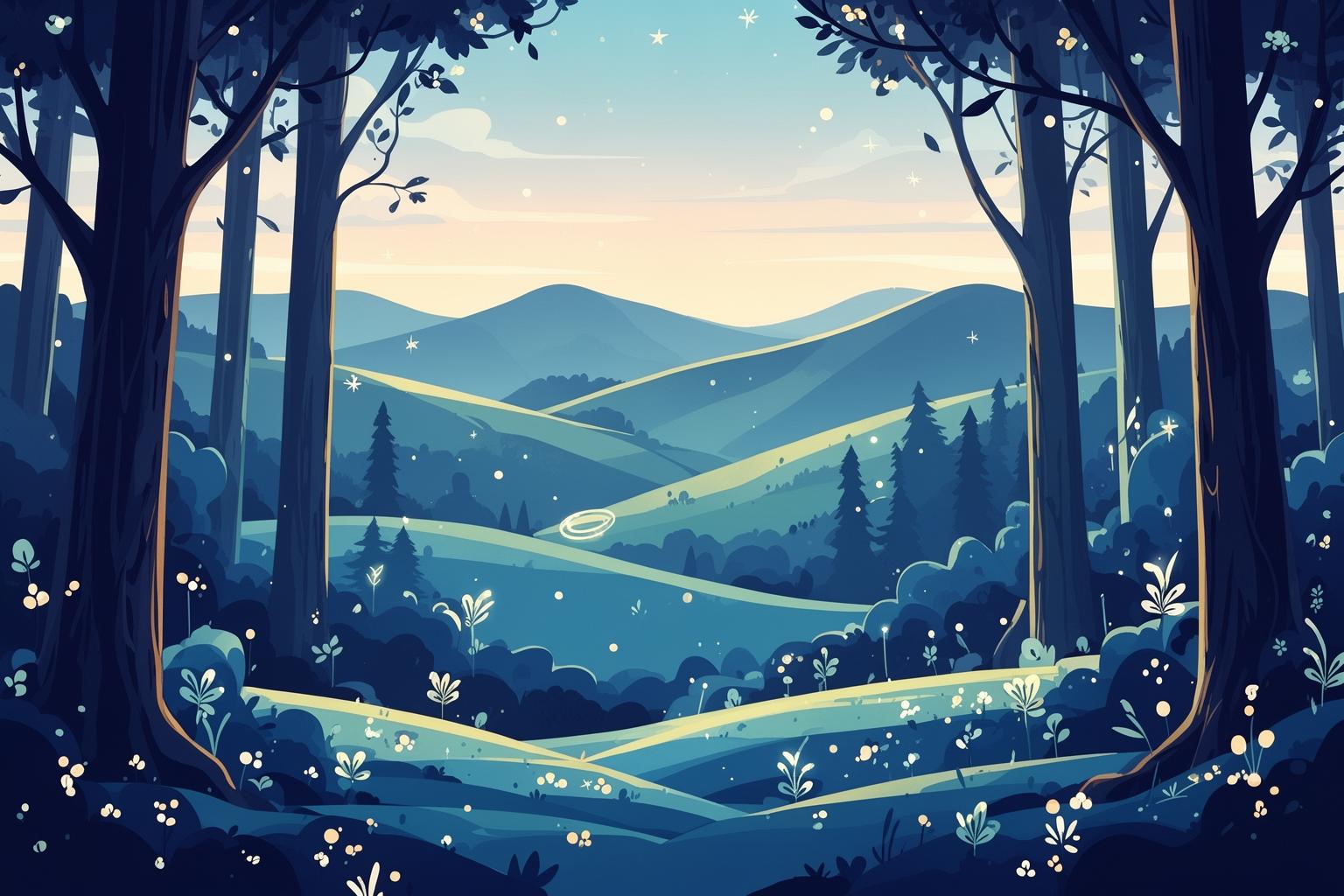
The moment you step off the train at a station like Seibu-Kyūjō-mae and head toward the woods, the air shifts. The city’s buzz fades, replaced by birdsong and the summer drone of cicadas. The smell of asphalt yields to the earthy aroma of damp soil and decaying leaves. This is where the real adventure begins. The Sayama Hills aren’t a single park with a defined entrance and exit; rather, they are a network of protected forests known as “Totoro no Mori” or “Totoro’s Forest,” linked together by a web of walking trails. These woodland patches were purchased and preserved by the Totoro no Furusato Foundation, a movement that began in the 1990s with Miyazaki’s own contributions and drawings aimed at saving the area from urban development. Knowing this adds a meaningful layer to every step. You’re not just hiking; you’re walking through a forest saved by the very spirit it inspired.
My camera often feels insufficient here. How can one capture the feeling of light filtering through countless shades of green, casting shifting patterns on the forest floor? The paths, mostly unpaved, wind gently over rolling hills. Some are wide and well-used, while others are mere dirt tracks fading into the undergrowth. It’s this sense of gentle wilderness that feels so true to the film. You can easily picture Satsuki and Mei, breathless with excitement, running down these very trails, chasing a small, white forest spirit. There are no signs pointing to “Totoro’s Tree” or “The Bus Stop.” The magic lies in the discovery. You turn a corner and find a gnarled, ancient tree with roots like strong knuckles gripping the earth, and you just know. You stumble upon a small, moss-covered shrine hidden in the shadows, a silent tribute to the long-held belief that spirits dwell in these woods. The forest invites you to slow down, look closer, listen deeper. It’s in these quiet moments, standing still and simply breathing with the woods, that you feel the profound peace of the place. It’s a photographer’s paradise, not for grand vistas, but for the infinite, intimate details that tell a story of resilience and wonder.
Footprints of the Past: Kurosuke’s House and Rural Echoes
While the forest itself embodies the soul of the experience, there is one place that stands as its heart: a carefully preserved Showa-era farmhouse called Kurosuke no Ie, or “The House of Black Soot Sprites.” Discovering it is an adventure in its own right, just a short walk from the main woodland trails into a quiet, small neighborhood. The moment you glimpse its dark wooden walls and traditional tiled roof, you’re instantly transported. This isn’t a replica; it’s a genuine piece of history, the kind of home that once dotted the entire region. It’s the house from the movie, brought to life. Stepping inside is like stepping into a memory. The air is cool, redolent with the scent of old wood and tatami. Light filters through the paper-screened windows, illuminating dust motes dancing in the air—you can almost imagine the susuwatari scurrying into shadowy corners.
Volunteers welcome you with warm smiles, enhancing the feeling that you’ve truly been invited into a real home. And then you notice him. Seated in the main room, large and wonderfully familiar, is a giant Totoro statue. It’s a charming, almost overwhelming sight. Both children and adults break into broad smiles, their sense of wonder awakened. You can sit on the polished wooden porch, the engawa, and gaze out at the garden, just as Satsuki and Mei did. Here, the line between film and reality feels most delicate. The house also functions as a visitor center for the Totoro no Furusato Foundation, filled with information about the local ecosystem and ongoing conservation efforts. It’s a place of joy, yet also a place with purpose. It reminds you that the beautiful nostalgia captured in the film is grounded in a real way of life, one that depended on harmonious coexistence with nature. Kurosuke’s House is an essential anchor for any pilgrimage here, a spot to connect with the human story before venturing back into the wild, spiritual domain of the forest.
Beyond the house, the landscape continues to speak. The hills are renowned for Sayama tea, with neat rows of tea plantations neatly lining the slopes. Small vegetable plots, carefully tended by local farmers, nestle into sunny clearings. This patchwork of farmland and woodland perfectly embodies the satoyama landscape that Miyazaki so beautifully portrayed—a borderland where human life and nature coexist and support each other. It’s a vision of a simpler, more sustainable past, and walking through it feels both soothing and deeply reflective. It serves as a reminder that the world of Totoro wasn’t pure fantasy; it was an idealized depiction of a Japan that once was, and in small enclaves like this, still is.
A Photographer’s Canvas: Capturing the Seasons of Sayama
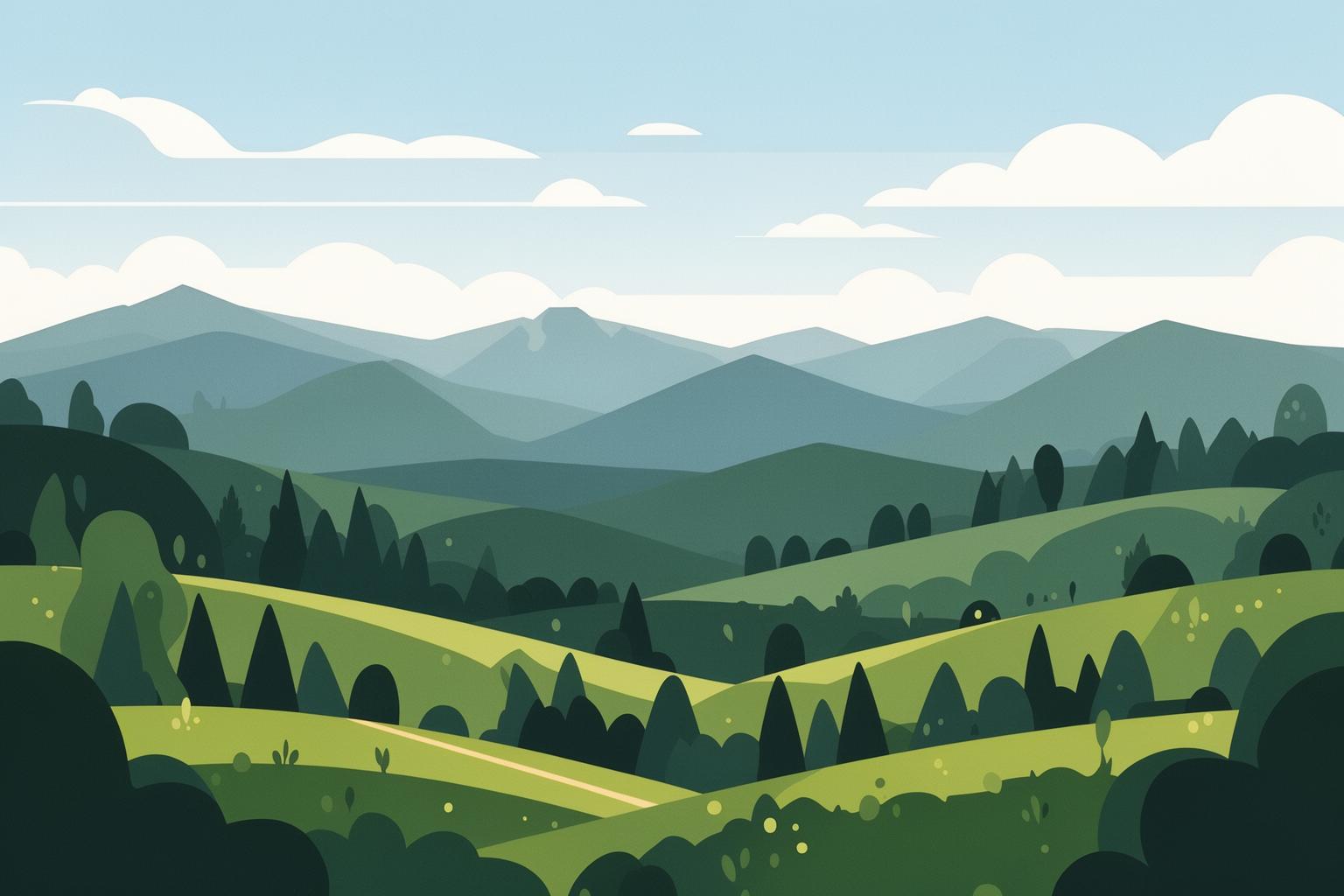
As someone who expresses through images, I find the Sayama Hills to be an endlessly generous subject. Each season colors the landscape with a fresh palette, presenting a completely different mood and experience. To truly grasp this place, you must envision it through the cycle of the year, with each chapter unveiling another facet of its magic.
Spring’s Gentle Awakening
Spring arrives in a soft flush of color. The cherry and plum blossoms are not clustered in grand parks but scattered along the trails and in nearby hamlets, creating delicate, fleeting scenes. The true spectacle, however, is the green. After the barrenness of winter, the trees burst forth in a vibrant, almost electric shade of new growth. The air is cool and crisp, ideal for long walks. This season embodies new life, where the forest floor is blanketed with wildflowers and the energy is one of gentle, hopeful beginnings. From a photographic perspective, the soft light and fresh colors evoke a sense of pure optimism, reflecting the hope the Kusakabe family feels upon arriving at their new home.
The Deep Green of Summer
Summer is the season of Totoro. This is when the hills feel most alive, most like the film. The green deepens into a lush, heavy canopy that offers a welcome refuge from the sun. The air is thick with humidity and resonates with the deafening chorus of cicadas—the quintessential soundtrack of a Japanese summer. The light becomes dramatic, piercing through the dense leaves in sharp, defined rays. This is a time of intense growth and energy. Storms can sweep in suddenly, drenching the forest and leaving behind the scent of rain on warm earth. It’s a primal, powerful season. For visitors, it’s vital to be prepared for the heat and humidity, but the reward is witnessing the landscape in its most iconic form. This is the world where a giant, furry creature would surely choose to nap in the dappled shade of a camphor tree.
Autumn’s Fiery Hues
As summer’s humidity fades, autumn sweeps through the hills with a brush of gold, crimson, and amber. Japanese maples and ginkgo trees set the forest ablaze with color. The air turns clear and the sky shines a brilliant blue, offering a new kind of clarity. The sun’s lower angle casts long, dramatic shadows, creating a sense of depth and nostalgia. The crunch of fallen leaves underfoot offers a satisfying rhythm to any hike. This season feels quieter, more reflective. It’s a time for contemplation, for cherishing the beauty of change. The warm, golden light is a photographer’s dream, imparting a gentle, melancholic charm to every scene. It’s the perfect time for a long, unhurried walk, perhaps accompanied by a warm drink from a thermos.
Winter’s Quiet Contemplation
Winter strips the forest down to its bare essentials. The deciduous trees become stark, elegant silhouettes against the pale sky, revealing the true contours of the land. The trails grow quiet, almost deserted, providing a profound sense of solitude. The air is cold and clean. On frosty mornings, the landscape is dusted with a delicate white sheen, sparkling in the low sunlight. Though it lacks the vibrant life of other seasons, winter holds a unique, monastic beauty. It’s a time to appreciate the structure of the trees, the texture of the bark, and the quiet resilience of the forest as it rests. A winter visit offers the chance to see the bones of the landscape, to feel its deep, resting pulse, and to experience a solitude that is both peaceful and powerful.
Practical Pathways: Navigating Your Totoro Adventure
Embarking on a journey to the Sayama Hills is less about following a strict map and more about embracing a gentle spirit of wandering. However, a bit of practical know-how can make the trip smoother, allowing you to focus on the magic rather than the logistics. This is a vast natural area, not a contained attraction, so thinking like a hiker is essential.
Getting There and Getting Around
The most common access point to the heart of the hills is Seibu-Kyūjō-mae Station, conveniently located right next to the MetLife Dome baseball stadium. The contrast between this massive modern structure and the quiet forest entrance just a brief walk away is striking. From the station, several trails lead into the woods. Maps are posted at major junctions, but they are in Japanese. It’s wise to have a navigation app on your phone, though be prepared for spotty service in the denser parts of the forest. The charm here is in getting slightly lost, so don’t stress about following a rigid route. Kurosuke’s House is a bit of a hike from the main forest area, so planning your route to include it is advisable. Be sure to check its opening days and hours online beforehand, as it’s usually open only on Tuesdays, Wednesdays, and Saturdays.
Gearing Up for the Woods
Think of this as a day hike, not a city stroll. Sturdy, comfortable walking shoes are essential. The paths can be uneven, muddy after rain, and feature gentle inclines. I always find it helpful to carry a full water bottle and some snacks, as there are no shops or vending machines once you venture deep into the trails. In summer, insect repellent is a must, and a small towel or tenugui is invaluable for wiping away sweat. A portable phone battery is also a smart addition, especially if you’re using your phone for photos and navigation. Lastly, bring a small bag for your trash. The trails remain impeccably clean, and it’s part of visitors’ responsibility to keep them that way, following the “leave no trace” principle.
Finding Your Rhythm
Don’t try to see everything in one visit. The Sayama Hills are meant to be savored. I recommend setting aside at least half a day, if not longer. Early mornings are magical, with soft light and fewer people. Late afternoons, especially in autumn, can be breathtaking as the sun dips low, casting a golden glow over the landscape. The key is to walk at a relaxed pace. Stop often. Sit on a fallen log and simply listen. Watch how the light shifts. The goal isn’t to cover a set distance but to immerse yourself in the atmosphere. Let your curiosity lead you down a smaller path. Allow the forest to set your pace.
Beyond the Forest: Exploring the Surrounding Charm
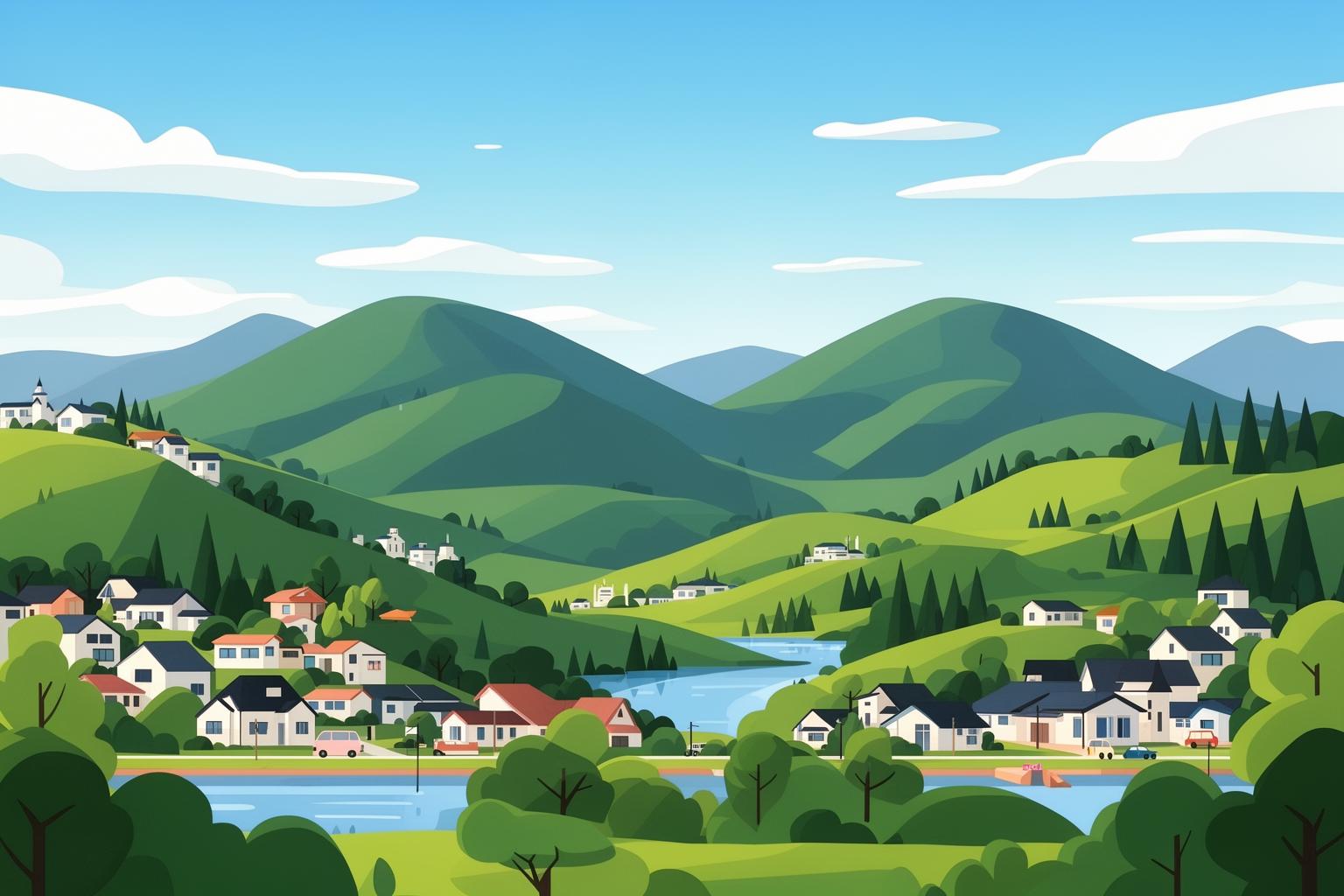
While the Totoro woods are the primary attraction, the surrounding area has its own subtle charms that can make for an ideal day trip from Tokyo. The hills are flanked by two large, man-made reservoirs: Lake Sayama (Sayama-ko) and Lake Tama (Tama-ko). These expansive bodies of water provide a striking contrast to the enclosed forest trails. The views over the lakes, especially on a clear day when Mount Fuji might be visible in the distance, are breathtaking. The wide, paved paths encircling the lakes are popular with local cyclists, joggers, and families enjoying a leisurely walk. The sunsets here are often stunning, making it an excellent spot to conclude your day of exploration.
For a change of pace, the area features some distinctive cultural and recreational attractions. The nearby Tokorozawa Aviation Museum is an intriguing destination for history and technology enthusiasts. For those looking for a different kind of excitement, the Seibu Amusement Park offers classic rides and entertainment. A visit to the Sayama Hills pairs well with these other sites. My personal recommendation, though, is to find a local restaurant for lunch. Discovering a small, family-run soba or udon noodle shop in one of the nearby towns provides the perfect opportunity to recharge. Savoring a simple, delicious meal surrounded by the peaceful ambiance of rural Saitama completes the experience of having truly escaped the city and entered a gentler, more relaxed rhythm of life.
An Echo in the Heart
Leaving the Sayama Hills always feels like awakening from a pleasant dream. As the train pulls away, taking you back to the endless city, the forest’s quiet still lingers in your ears. You don’t leave this place with just photographs; you carry away a feeling. It’s a feeling of connection to something timeless and authentic. The pilgrimage to Totoro’s Forest isn’t about finding a cartoon character. It’s about discovering the profound, quiet magic that inspired his creation—a magic that exists in the real world, in nature’s resilience, in the dedication of a community that fought to protect it, and in the universal childhood memory of a sunlit summer afternoon spent exploring the woods.
The spirit of Totoro isn’t found in a single tree or a specific house. It’s an echo. It’s in the soft hum of the wind, the deep shade of an ancient tree, the rustle of unseen creatures in the undergrowth. It’s a reminder that even on the edge of the busiest city on Earth, wonder still has a place to grow. It’s a quiet promise that if you listen closely enough, the forest will always have a story to share. And it’s a story that will remain with you, a gentle whisper in your heart, long after you’ve returned home.