

There are stories that feel like dreams, lingering long after the credits roll. They weave themselves into the fabric of our memory, blurring the lines between fiction and the world we inhabit. Makoto Shinkai’s masterpiece, “Your Name.” (Kimi no Na wa.), is one such story—a breathtaking tapestry of time, connection, and stunningly realistic landscapes. For countless fans across the globe, the film wasn’t just a viewing experience; it was an invitation. An invitation to step into the worlds of Taki Tachibana and Mitsuha Miyamizu, to walk the same streets, and to feel the magic of their intertwined destinies. This is more than just a tour of filming locations; it’s a pilgrimage to the heart of the story, a journey that connects the vibrant, electric pulse of Tokyo with the serene, timeless soul of rural Gifu. It’s an exploration of ‘musubi’—the invisible threads of fate and connection that the film so beautifully illustrates—and a chance to find them in the real world, waiting for us on a quiet shrine staircase or by the shores of a caldera lake. Prepare to have your reality and the animated world merge into one unforgettable experience, where every street corner and countryside vista holds a whisper of cinematic magic. This guide is your thread, leading you through the very places that gave life to a modern classic.
Deepen your exploration by visiting the real-life locations that brought the film’s enchanted world into focus.
Tokyo’s Urban Heartbeat: Following Taki’s Footsteps
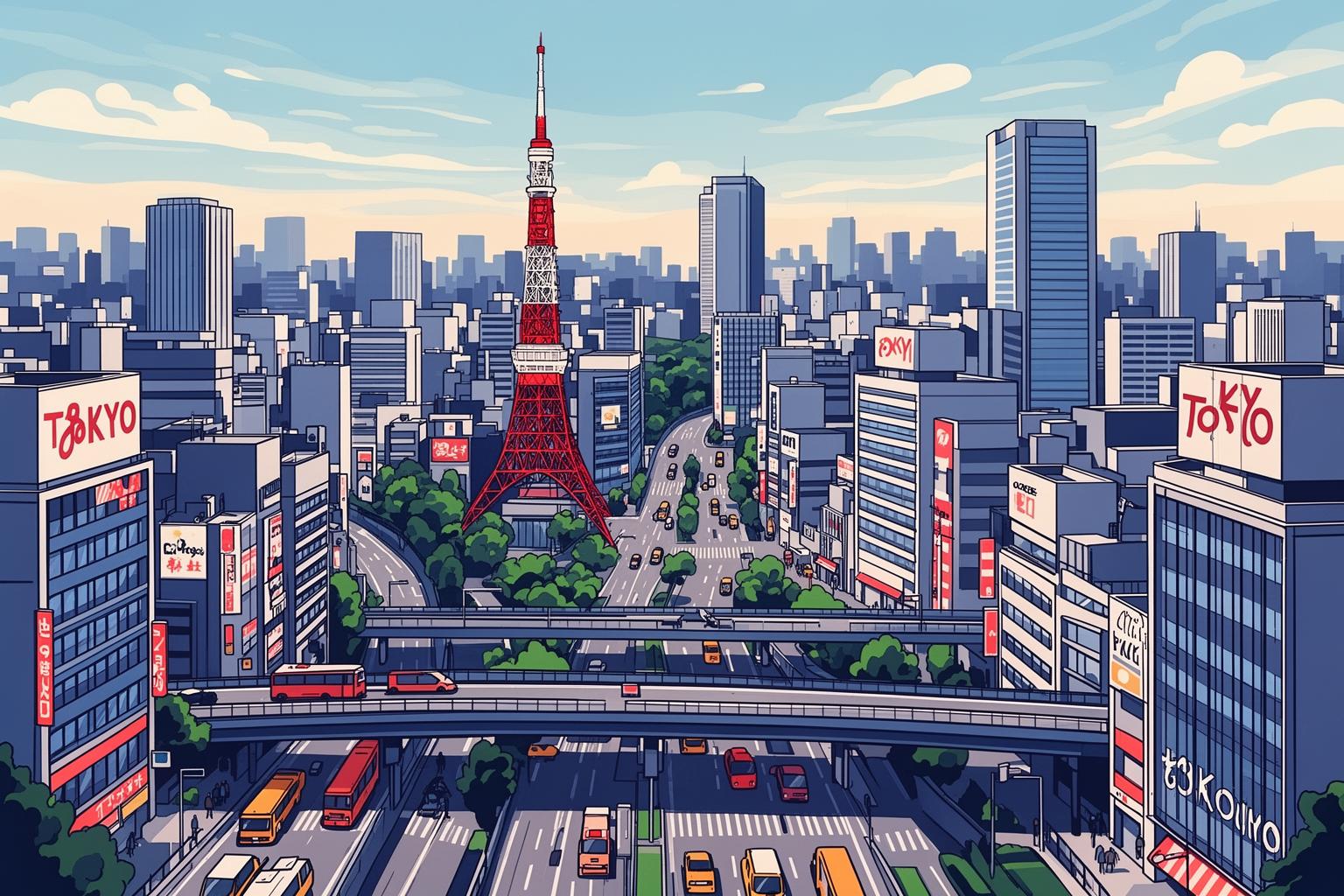
The story of “Your Name.” unfolds as a tale of two halves, perfectly capturing the duality between city life and the countryside. Our journey starts in Tokyo, the home of Taki Tachibana. Shinkai portrays this city with hyper-realistic precision, showcasing not just its iconic skyline but also its quiet, everyday moments. Strolling through these places, you sense the rhythm of Taki’s life—a symphony of train announcements, busy crosswalks, and peaceful moments of reflection amidst the urban expanse. This segment of the journey is about embracing the vibrant energy of the metropolis, a world full of endless opportunities and serendipitous encounters.
The Iconic Red Steps of Suga Shrine
No image is more emblematic of “Your Name.” than the final, heart-rending, yet hopeful reunion atop the red-railed stairs. This emotional peak marks the convergence of two timelines and two souls. The stairs belong to Suga Shrine, nestled in a tranquil residential area of Yotsuya, Shinjuku. Discovering this place feels like uncovering a hidden gem, a piece of cinematic history tucked away in plain sight.
The Atmosphere of Anticipation
Visiting the Suga Shrine stairs is an almost surreal experience. Turning a corner from an unremarkable street, they emerge exactly as shown in the film. The vibrant red handrails, the gentle curve of stone steps, and the canopy of green foliage instantly evoke recognition. Situated in a quiet neighborhood, the peaceful surroundings make the spot feel deeply personal. You’ll likely encounter other fans, each patiently awaiting their chance to capture the iconic shot. There’s an unspoken camaraderie among visitors—a shared appreciation for the story that brought them here. The air is thick with a sense of possibility, as if you might suddenly turn and meet someone you’ve been searching for. The best time to visit is weekday mornings when crowds are minimal, allowing you to fully absorb the atmosphere. Late afternoon, during the ‘magic hour,’ the light filters through nearby buildings, casting long shadows and bathing the stairs in the warm, golden hues that echo the film’s final scene, making this a particularly moving moment to be there.
Finding Your Way
Getting to Suga Shrine involves a pleasant walk through a less frequented part of Tokyo. The nearest station is Yotsuya Station, served by the JR Chuo-Sobu Line and the Tokyo Metro Marunouchi and Namboku Lines. From there, it’s a 10 to 15-minute stroll. Using a map is advisable since the shrine lies within a maze of small streets. The walk itself enriches the experience, passing by local shops, residences, and glimpses of everyday Tokyo life, far removed from Shinjuku’s neon buzz. This build-up heightens the reward when you finally lay eyes on the stairs.
Curator’s Note: Beyond the Photo
While the stairs draw the most attention, take a moment to climb to the top and visit the Suga Shrine itself. It’s a small but charming local shrine nestled in serene surroundings. Paying your respects here feels like a fitting homage to the film’s themes of destiny and spiritual connection. Notice the delicate wooden ’ema’ plaques where visitors write their wishes, and appreciate the quiet dignity of the space. It adds a cultural depth to your pilgrimage, linking this pop-culture landmark to its traditional roots.
A Taste of Elegance: Taki’s Part-Time Job at Cafe La Bohéme
Taki’s life as a Tokyo high schooler is enriched by his part-time job at a chic Italian restaurant, the backdrop for his growing relationship with his coworker, Okudera-senpai. The inspiration for this restaurant is Cafe La Bohéme Shinjuku Gyoen, a stunning, high-ceilinged venue exuding classic European charm. Stepping inside feels like entering the film’s set.
A Cinematic Dining Experience
The resemblance is striking. The dramatic central chandelier, ornate balconies, dark wood details, and spacious open floor plan are all meticulously recreated from the anime. The restaurant embraces its cinematic connections, and you might spot subtle nods to the film inside. The atmosphere is elegant yet inviting, making it an ideal spot for lunch or a late dinner. Here, you can imagine Taki bustling about with plates of pasta. The menu offers a variety of Italian dishes, from pizzas to risottos. For the full experience, request a table overlooking the main dining hall to fully appreciate the architecture Shinkai’s team painstakingly brought to life.
Practical Details for Your Visit
Cafe La Bohéme is just a short walk from Shinjuku-Gyoenmae Station on the Tokyo Metro Marunouchi Line, located on the edge of the renowned Shinjuku Gyoen National Garden. This makes it a perfect stop to combine with a visit to the park. Reservations are strongly advised, especially on weekends, as it’s a popular spot for locals and anime fans alike. A weekday late lunch often provides a quieter, more relaxed experience. It’s a wonderful chance to recharge and immerse yourself in another side of Taki’s world—one that blends glamour with everyday reality.
Modern Art and First Dates: The National Art Center, Tokyo
Taki’s slightly awkward but endearing date with Okudera-senpai takes place at the striking National Art Center in Roppongi. This choice reflects Taki’s interest in art and architecture. The building itself, designed by the renowned Kisho Kurokawa, is a masterpiece with an undulating glass facade.
The Vibe of Contemporary Cool
The film scene is set in the museum’s cafe, the Salon de Thé Rond on the second floor, which rests atop a massive concrete cone. This café is one of Tokyo’s most architecturally dramatic settings. Sitting here, you can perfectly recreate the movie’s shot, gazing through expansive glass walls at the greenery beyond. The museum is spacious, airy, and bathed in natural light. Rather than a permanent collection, it hosts rotating special exhibitions, so every visit offers a fresh artistic encounter. The atmosphere is one of quiet contemplation and modern elegance—a sharp contrast to Roppongi’s lively streets. It serves as a cultural sanctuary, a place to reflect and connect, just as Taki and Okudera did.
Planning Your Artistic Interlude
The National Art Center is directly connected to Nogizaka Station on the Tokyo Metro Chiyoda Line and is a short walk from Roppongi Station on the Hibiya and Oedo Lines. Check the museum’s official website before going for information on current exhibitions and hours, as they can vary. While there is an entrance fee for exhibitions, access to the lobby, cafés, and gift shop is free. Even without seeing an exhibition, visiting the cafe for coffee and cake is a pilgrimage in itself, letting you sit in the very spot where the characters did and see Tokyo through their eyes. This stop highlights Taki’s ambitions and adds a personal dimension to the real-world tour.
Into the Timeless Countryside: In Search of Mitsuha’s Itomori
After immersing ourselves in Taki’s urban world, the pilgrimage undergoes a dramatic transformation, reflecting the characters’ body-swapping experience. We leave behind Tokyo’s concrete and steel, venturing into the heart of Japan’s mountainous Gifu Prefecture, the region that inspired Mitsuha’s fictional hometown of Itomori. This journey leads us into a realm of ancient traditions, breathtaking natural beauty, and a slower, more intentional pace of life. Here, the film’s mystical elements feel most palpable, with tradition and nature standing as powerful, living forces.
Hida-Furukawa: The Real-World Itomori
Although Itomori itself is fictional, its essence is deeply rooted in the charming town of Hida-Furukawa. Taki visits here with his friends, piecing together clues from his memories of Mitsuha’s life. Strolling through Hida-Furukawa is an incredibly moving experience for fans of the film, as numerous familiar sights appear one after another. The town boasts a beautifully preserved historical district, featuring white-walled storehouses and a scenic canal teeming with carp.
The Atmosphere of Nostalgia and Discovery
Hida-Furukawa feels like stepping back in time. The town is quiet, serene, and radiates a strong sense of community and history. The Seto River, filled with hundreds of colorful koi fish swimming in the clear water, is a defining feature. The air is fresh, the surrounding mountains loom nearby, and the rhythm of life is gentle. It’s easy to imagine Mitsuha living here, both comforted by its beauty and constrained by its small-town nature. The local community warmly embraces the connection to Your Name., offering subtle tributes to the film that gracefully preserve the town’s authentic character. It feels less like a tourist spot and more like a shared secret between the town and the film’s admirers. Autumn is especially beautiful, when the fall foliage of the surrounding mountains creates a stunning backdrop of reds and golds.
Key Locations in Hida-Furukawa
Hida-Furukawa Station: This is Taki’s arrival point and one of the most faithful real-world locations. Standing on the pedestrian overpass, you can see the exact view from the film, looking down at the tracks and the waiting train. The station even features a model of the Hida-gyu (Hida beef) mascot, which makes a humorous appearance in the movie. The sense of arrival here is vivid.
Hida City Library: A crucial spot where Taki finally uncovers the truth about Itomori. The library is a modern, welcoming public space, and fans are kindly allowed to visit and take photos, provided they respect other patrons. Seeing the distinctive wooden interior and rows of books is a powerful experience that directly connects you to Taki’s desperate search. The staff are friendly and maintain a guestbook for visitors to sign, reflecting the global community the film has inspired.
Ajidokoro Furukawa & Local Tastes: While searching, Taki and his friends stop for ramen and goheimochi (grilled rice cakes with a sweet miso glaze). Although the exact restaurant is a composite, these local specialties can be found throughout Hida-Furukawa. Sampling goheimochi from a local stall is a must. It’s a simple, rustic, and delicious snack that offers a literal taste of the region.
Getting to Hida-Furukawa
The journey to Hida-Furukawa is part of the adventure. The most scenic route is via the JR Limited Express Wide View Hida train, which runs from Nagoya or Toyama. The train ride itself is spectacular, winding through mountain valleys and along stunning river gorges, echoing the beautiful scenery shown in the film. From Tokyo, you typically take the Shinkansen (bullet train) to Nagoya and then transfer to the Wide View Hida line. The entire trip takes several hours, so planning an overnight stay is ideal to fully appreciate the area.
The Mystical Waters of Lake Suwa
The most breathtaking natural feature of Itomori is its crater lake, around which the entire town is built. This iconic, bowl-shaped lake was modeled after Lake Suwa in neighboring Nagano Prefecture. While Hida-Furukawa inspired the town’s layout, Lake Suwa provides its stunning geographic heart.
A Panoramic View of Itomori
To capture the classic sweeping view of the lake seen in the film, head to Tateishi Park observation deck. From this vantage point, looking down at the city of Suwa spread around the shimmering lake, the resemblance to Itomori is unmistakable. The vista is beautiful at any time of day but becomes truly magical during twilight, the kataware-doki hour so significant in the film. As the sun sets, the sky and water are painted in shades of orange, purple, and deep blue, while city lights begin to twinkle below. It’s an evocative and emotional sight where the film’s mystical energy feels almost tangible. This moment invites quiet reflection on themes of time, memory, and cosmic events explored in the story.
Reaching the Viewpoint
Lake Suwa is accessible via the JR Chuo Line, with Kami-Suwa Station as the main hub. From the station, Tateishi Park is a bit of a trek—a steep uphill walk of about 30-45 minutes—or you can take a local bus or a short taxi ride. The effort to reach it is well rewarded by the spectacular panoramic view. It’s wise to check the bus schedule in advance, as services can be infrequent. For those wishing to linger, the area around Lake Suwa is famed for its hot springs (onsen), offering a perfect way to unwind after your pilgrimage.
A Pilgrim’s Practical Guide

Embarking on a journey from the heart of Tokyo to the mountains of Gifu requires some planning. Here are a few tips to help make your “Your Name.” pilgrimage as smooth and rewarding as possible.
Timing Your Journey
This pilgrimage can be undertaken year-round, but certain seasons provide a more atmospheric experience. Spring (late March to April) brings cherry blossoms, adding a delicate beauty to both the Tokyo and Gifu locations. Autumn (October to November) is perhaps the best season. The crisp air and vivid fall colors in Hida-Furukawa and around Lake Suwa create a scenic backdrop that perfectly complements the film’s nostalgic and slightly melancholic mood.
Transportation and Passes
For traveling through multiple regions, the Japan Rail Pass is an extremely cost-effective choice, especially for international visitors. It covers the Shinkansen from Tokyo to Nagoya and the JR lines to Hida-Furukawa and Lake Suwa. Within Tokyo, a Suica or Pasmo IC card is essential for easily navigating the extensive train and subway networks. When planning, use a reliable train schedule app to coordinate transfers, especially for the less frequent services to Hida-Furukawa.
A Curator’s Final Thoughts on Etiquette
As you explore these locations, keep in mind they are not film sets but real, living communities. The Suga Shrine is situated in a residential area, the Hida City Library serves the local population, and Hida-Furukawa is a town where many people live. Be a considerate pilgrim. Speak quietly in peaceful spots, observe photography rules (especially inside the library), and support local businesses by purchasing a snack or souvenir. The warmth and hospitality you experience in these places come directly from the respect shown by fans before you. By being a thoughtful visitor, you help preserve the magic of these locations for those who come after you. This journey is more than just sightseeing; it’s about connecting with a story that has touched millions, and in doing so, writing your own chapter within it. It’s about discovering the ‘musubi’ not only between Taki and Mitsuha but also between a beloved work of art and the beautiful, tangible world that inspired it.








