
Some stories feel more than just watched; they feel lived. They leave an indelible echo in your soul, a faint string of connection that tugs at you long after the credits roll. Makoto Shinkai’s masterpiece, Your Name. (Kimi no Na wa.), is one such story. It’s a breathtaking tapestry of body-swapping teenagers, a celestial catastrophe, and a love that transcends time, space, and memory itself. The film captured the hearts of millions around the globe not just for its emotional depth, but for its stunningly realistic portrayal of Japan. The bustling, electric veins of Tokyo and the serene, tradition-steeped mountains of the countryside are as much characters in the film as Taki and Mitsuha. This realism has sparked a modern-day pilgrimage, a phenomenon known in Japan as seichi junrei, where fans journey to the real-world settings of their favorite anime. It’s a quest to bridge the gap between fiction and reality, to stand in the very spot where a beloved scene unfolded and feel the story come alive around you. This guide is your map, your compass for that very journey. We will trace the intertwined destinies of Taki and Mitsuha, from the heart of the world’s largest metropolis to a quiet town nestled in the Japanese Alps. It’s a journey about finding not just the locations from a film, but the feelings they were meant to evoke—of longing, of connection, and of the magical, invisible threads that bind us all.
Fans captivated by the film’s immersive realism may find that exploring spiritual inspirations deepens the connection between these iconic locations and their cinematic allure.
The Tokyo Chapter: In Search of Taki’s World
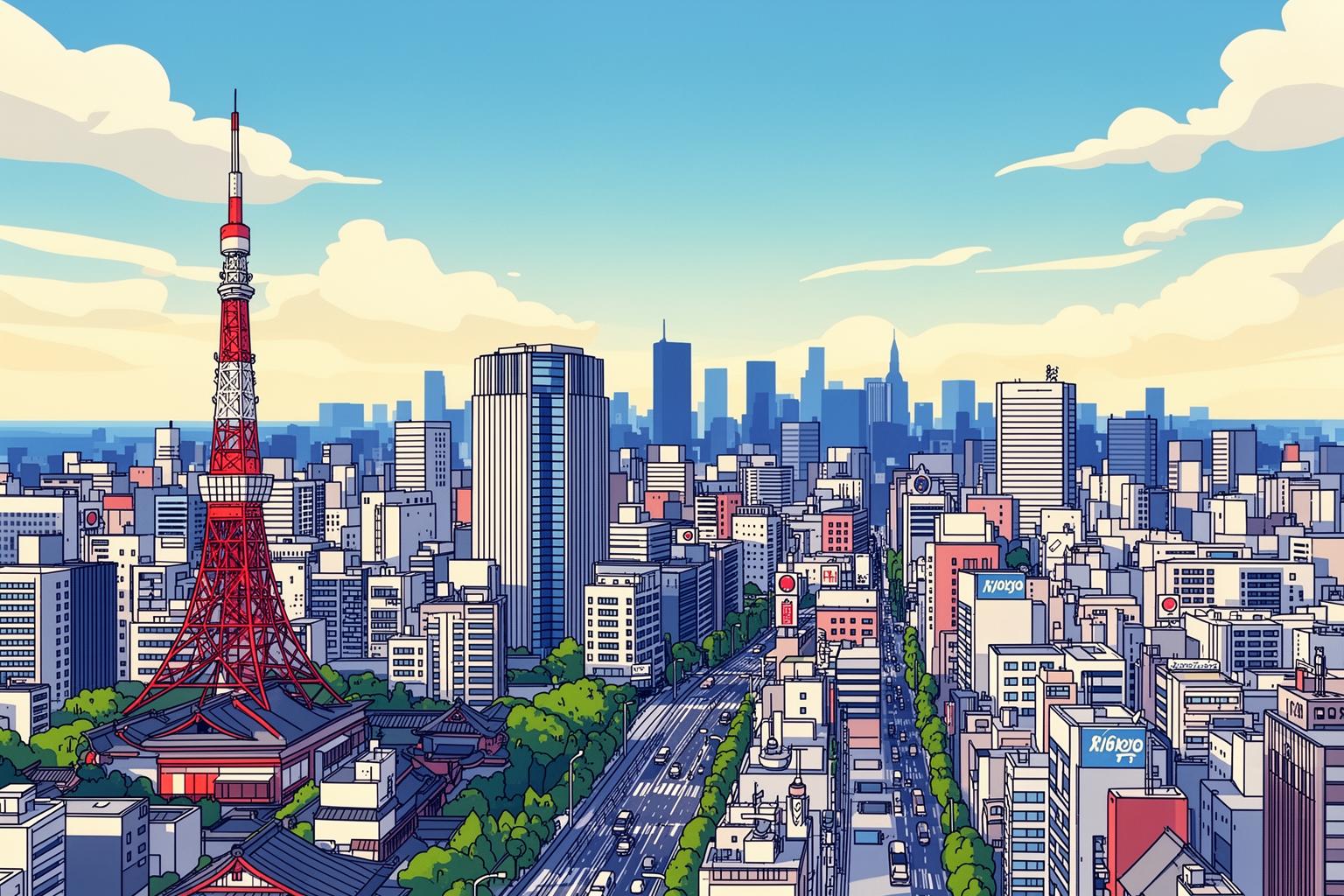
Tokyo is a city filled with a million stories unfolding simultaneously. It’s a symphony of footsteps on pavement, the melodic chimes of train stations, and the neon glow illuminating the night sky. This is Taki Tachibana’s world—a realm of exhilarating speed, limitless possibilities, and a subtle loneliness that exists only within a crowd. Our journey begins here, amidst the concrete canyons and vibrant neighborhoods that served as the backdrop to his daily routine, his part-time job, and his growing feelings for a girl he’d never met.
The Suga Shrine Steps: A Fated Finale in Yotsuya
No location is more sacred to a Your Name. pilgrim than this. The iconic red-railed staircase of Suga Shrine forms the setting for the film’s heart-stopping, tear-jerking climax. It’s where two paths, stretched and tangled through years and dimensions, finally meet. To stand here is to feel the full emotional impact of the film wash over you. Finding the steps is an adventure in itself, a quiet stroll through the residential neighborhood of Yotsuya. As you round the corner, they appear—modest yet instantly recognizable. The world seems to fade away, and you can almost hear the frantic beating of two hearts and the desperate question lingering in the air: “Haven’t we met before?” The atmosphere combines urban tranquility with cinematic reverence. You’ll encounter fellow fans speaking softly, framing perfect photos, each person immersed in their own moment of connection to the story. The best time to visit is on a clear weekday afternoon when sunlight filters through the trees, casting long shadows just as in the film. Take your time. Climb one side, as Taki did, and descend the other, as Mitsuha did. Pause where their paths cross—a palpable knot of cinematic energy. Look out at the city skyline peeking through the buildings. It’s more than a staircase; it’s a monument to hope and reunion. A small tip for visitors: although this is a popular spot, it’s located in a quiet residential area and leads to a sacred shrine. Please keep your volume down and be respectful of the locals who call this place home. Don’t miss visiting Suga Shrine at the top; it’s a peaceful Shinto shrine, perfect for a moment of quiet reflection after the emotional experience of the stairs.
Shinjuku’s Concrete Symphony: The Pulse of the City
Shinjuku is the vibrant heart of Taki’s Tokyo. It’s a dazzling landscape of towering skyscrapers, sprawling department stores, and a train station so immense it feels like a city within a city. Many of the film’s most evocative urban scenes are inspired by this area. A key location is the pedestrian bridge near the Shinjuku Police Station, with its distinctive circular design, featured in several montages symbolizing the intertwined paths of the city’s inhabitants. Standing there, watching the endless flow of traffic below and the sea of people on the sidewalks, you feel exactly as Taki must have: a single light in a vast, interconnected constellation. You sense the city’s energy, its constant movement, and grasp the scale of the world he maneuvers daily. For that iconic panoramic view Taki often glimpses, head to the Tokyo Metropolitan Government Building. Its free observation decks offer a breathtaking vista closely mirroring the animated scenery, especially at dusk when the city begins to sparkle. It provides a god’s-eye view, putting the entire urban expanse into perspective. Navigating Shinjuku Station for the first time can be daunting, a labyrinth of lines and exits. A useful tip is to know your exact exit number beforehand; it makes a big difference. But don’t hesitate to get a little lost. Exploring the Shinjuku Gyoen area, where Taki’s school is believed to be, provides a peaceful contrast to the station’s chaos, its manicured lawns and tranquil ponds offering a refreshing break.
A Sophisticated Interlude: The National Art Center, Tokyo
The site of Taki’s eagerly awaited date with his coworker, Okudera-senpai, is the strikingly modern National Art Center in Roppongi. Its undulating glass facade is unmistakable—a wave of light and steel as much a masterpiece as the exhibits it houses. Inside, you’re struck by the vastness and openness of the atrium, highlighted by its iconic concrete cones. The space feels both grand and intimate. The film beautifully captures the natural light flooding the interior, creating a serene and refined ambiance. You can easily imagine Taki and Okudera-senpai wandering through an exhibition, their voices echoing softly in the expansive space. Although the exhibition shown in the film is fictional, the Center offers a rotating schedule of world-class art shows. Visiting is a fantastic way to immerse yourself in both the film’s world and Japan’s vibrant contemporary art scene. Find a seat at one of the cafes inside the atrium, perhaps on an upper level, and watch the people below. It’s a moment of calm—a perfect recreation of the quiet interludes from the date. This location reveals another side of Taki’s life—his aspirations, budding maturity, and his appreciation for beauty. It’s a wonderful, cultured stop for any Tokyo itinerary, pilgrimage or not.
An Italian Meal and a Fateful Job: Cafe La Bohème
Remember the stylish Italian restaurant “Il Giardino delle Parole” (The Garden of Words, a nod to another Shinkai film) where Taki worked part-time? Its real-life inspiration is Cafe La Bohème Shinjuku Gyoen. Situated near the picturesque Shinjuku Gyoen National Garden, stepping into this restaurant feels like entering an animated scene. The grand, theatrical interior—with its high ceilings, chandeliers, and elegant decor—matches perfectly. The atmosphere is warm and lively, a blend of romantic dinners and cheerful gatherings. You can almost picture Taki rushing between tables, carrying plates of pasta and handling demanding customers. The staff are well aware of the restaurant’s fame and warmly welcome fans. You can request a seat with a view of the main dining area to fully soak in the ambiance Shinkai and his team lovingly recreated. The food is delicious, featuring a solid menu of pasta, pizza, and other Italian classics. It’s the ideal spot for lunch after a morning stroll through the park or a memorable dinner to end a day of exploring Tokyo. Sitting here, you don’t just feel like an observer of a film location; you feel part of Taki’s everyday life, sharing a meal in the very place that shaped his pre-Mitsuha world. It’s a delicious and deeply immersive stop on the pilgrimage.
The Hida Chapter: Hearing Mitsuha’s Voice
Leaving behind the electric hum of Tokyo, our journey heads westward toward the heart of the Japan Alps. The bullet train gives way to a local line that meanders through breathtaking river valleys and lush green mountains. This region inspired Itomori, Mitsuha Miyamizu’s fictional hometown. Although Itomori isn’t marked on any map, its spirit lives in the Hida region of Gifu Prefecture. Here, time seems to slow, ancient traditions are woven into everyday life, and the echoes of Mitsuha’s hopes and fears linger in the crisp mountain air.
The Gateway to Itomori: Hida-Furukawa Station
The moment you step off the train at Hida-Furukawa Station, you know you’ve arrived. This small, charming station is where Taki and his friends descend on their quest to find Mitsuha. The resemblance is uncanny. The wooden benches, platform layout, and even the iconic Hida-gyu cow mascot statue—all are just as depicted. From the pedestrian overpass, you can look down at the tracks, perfectly framing the scene of the Wide View Hida express train pulling away as shown in the film. The air here feels different—crisp, fresh, and scented with cedar. The pace is unhurried. Locals go about their day, a stark contrast to the rush of Shinjuku. The town of Hida-Furukawa embraces its film connection with warmth and hospitality. Local taxi drivers might even recall key spots from memory. This station is more than a transit point; it serves as a portal—the first real-world link to Mitsuha’s world, where Taki’s desperate search takes shape. Take a moment to stand on the platform, close your eyes, and listen to the countryside’s sounds. You might almost catch Mitsuha’s voice carried by the wind.
A Library of Memories: Hida City Library
One of the most poignant and pivotal scenes in Taki’s search unfolds in a beautiful, inviting library where he finally uncovers the truth about Itomori. That library exists—it is the Hida City Library. Just a short and pleasant walk from the station, this public library is an architectural gem, filled with light and featuring the exquisite woodwork the Hida region is renowned for. Inside, it looks exactly as you recall: the gentle curves of the desks, the precise arrangement of the shelves, and the peaceful, studious atmosphere. The library staff are gracious about their newfound recognition, having created a small designated photo spot for visitors to capture their memories without disturbing other patrons—a thoughtful gesture reflecting their respect for both fans of the film and their local community. Sitting in this library, you feel the weight of Taki’s discovery. Surrounded by books, history, and the collective memory of a region, here the story’s timelines intersect, and the romantic comedy gives way to a frantic race against time. The library stands as a tribute to the power of knowledge and the significance of preserving history, central themes of the film. Please remember this is a working library—be quiet, respectful, and take a moment to browse the books and appreciate the calm atmosphere of this special place.
Whispers of the Shrine Maidens: Keta Wakamiya Shrine and Hida-Sannogu Hie Shrine
Mitsuha’s life is deeply tied to her family’s shrine. The rituals, traditions, and spiritual weight of her role as a miko—or shrine maiden—are fundamental to her identity. While the Miyamizu Shrine is fictional, its spirit blends elements from several shrines in the Hida area. The most significant inspiration is the Keta Wakamiya Shrine in Hida-Furukawa. The long stone staircase ascending the shrine through a forest of tall trees will feel immediately familiar. As you climb, the sounds of the town fade, replaced by the rustling leaves and birdcalls. The atmosphere is ancient and tranquil. You can sense the centuries of devotion embedded in the stones themselves. This is where Mitsuha and her sister, Yotsuha, would have fulfilled their duties. Another important inspiration, located in nearby Takayama, is the Hida-Sannogu Hie Shrine. Its distinctive architecture and position atop a large flight of steps also heavily influenced the film’s design. Visiting these shrines is a profound experience, connecting you to the deep spiritual currents of the film—themes of fate, tradition, and the sacredness of place (musubi). Standing before the main hall, whether offering a small prayer or simply absorbing the serene surroundings, you gain a deeper appreciation of Mitsuha’s world and the traditions she yearned to escape yet ultimately embraced to save her home.
A Practical Guide for the Intrepid Pilgrim

Embarking on the Your Name. pilgrimage is a once-in-a-lifetime journey, and a bit of preparation can greatly enhance the experience, making it smooth and unforgettable. Bridging the distance between Tokyo and the Hida region requires some logistical insight.
Navigating Between Worlds
The trip from Tokyo to the Hida region is a scenic adventure on its own. The fastest and most convenient route is via the Tokaido Shinkansen (bullet train) from Tokyo to Nagoya. This segment is quick and comfortable. From Nagoya, you switch to the JR Takayama Main Line and board the Limited Express Wide View Hida. This part of the journey is where the enchantment truly begins. The train lives up to its name with large windows that showcase stunning views as it winds along the Kiso River valley and into the mountains. The whole trip takes around four to five hours. For international visitors, the Japan Rail Pass is an excellent resource for this route, covering the entire journey and providing considerable savings. Upon reaching the Hida region, Takayama is an ideal base. It is larger than Hida-Furukawa, offering more lodging and dining choices, and is only a short 15-minute train ride away. While the towns themselves are very walkable, renting a bicycle in Hida-Furukawa is a delightful way to explore at a gentle pace.
Timing Your Connection
Though beautiful throughout the year, certain seasons capture the film’s atmosphere more vividly. Autumn, from late October through November, is arguably the most magical time to visit. The Hida mountains burst into a dazzling display of red, orange, and yellow foliage, reflecting the vibrant hues seen in the film’s most poignant scenes. The crisp, cool air is ideal for walking and sightseeing. Spring, with its cherry blossoms, offers a different but equally captivating charm. Summer brings lush greenery and the chorus of cicadas, adding an authentic auditory layer, though it can be hot and humid. Winter cloaks the region in deep snow, creating a serene, breathtaking landscape, but visitors should be prepared for the cold. Tokyo’s seasons are less visually striking but still influence the experience, with spring and autumn providing the most comfortable weather for the extensive walking involved in your pilgrimage.
A Pilgrim’s Etiquette
As you begin your seichi junrei, it’s important to remember that these are not merely film locations—they are real places where people live, work, and worship. Being a courteous pilgrim helps keep these sites welcoming for fans for years to come. At shrines like Suga Shrine and Keta Wakamiya Shrine, maintain quiet and consideration. Stay on the paths and avoid disturbing any ceremonies or worshippers. Photography is generally allowed, but avoid using flash or being intrusive. At the Hida City Library, complete silence is essential. Only take photos in designated areas and never photograph patrons. In residential neighborhoods such as Yotsuya, keep your voice down, especially early in the morning or late at night. The goal is to move like a phantom—observe and appreciate without leaving a disruptive mark. A little respect goes a long way and shows sincere appreciation for both the story and the communities that inspired it.