
There are stories that feel like a dream you once had, a faint, beautiful ache that resonates long after the credits roll. Makoto Shinkai’s masterpiece, Your Name. (Kimi no Na wa), is one such story. It’s a celestial romance that swept the globe, a tale of two souls—Taki in bustling Tokyo and Mitsuha in the serene countryside—who find themselves impossibly, intimately connected. The film’s emotional power isn’t just in its breathtaking animation or its heart-wrenching plot; it’s grounded in a profound sense of place. The world Taki and Mitsuha inhabit feels real because, in so many ways, it is. From the dizzying urban canyons of Shinjuku to the tranquil, tradition-steeped mountains of Gifu, the soul of Your Name. lives and breathes in tangible locations scattered across Japan. This is the magic of seichi junrei, the sacred pilgrimage to the real-world settings that inspire our favorite anime. It’s a journey that transforms you from a passive viewer into an active participant in the narrative, walking the same streets, breathing the same air, and feeling the same currents of connection that bind the characters together. This isn’t just about finding the perfect photo op; it’s about discovering the quiet magic woven into the fabric of everyday Japan, the magic that Shinkai so brilliantly captured. It’s a quest to find the intersection of fiction and reality, a search for your own musubi—the invisible threads that tie people, places, and time together.
Experience the magic of Japan’s real locations even further by exploring this anime pilgrimage guide.
Tokyo’s Urban Heartbeat: Taki’s World
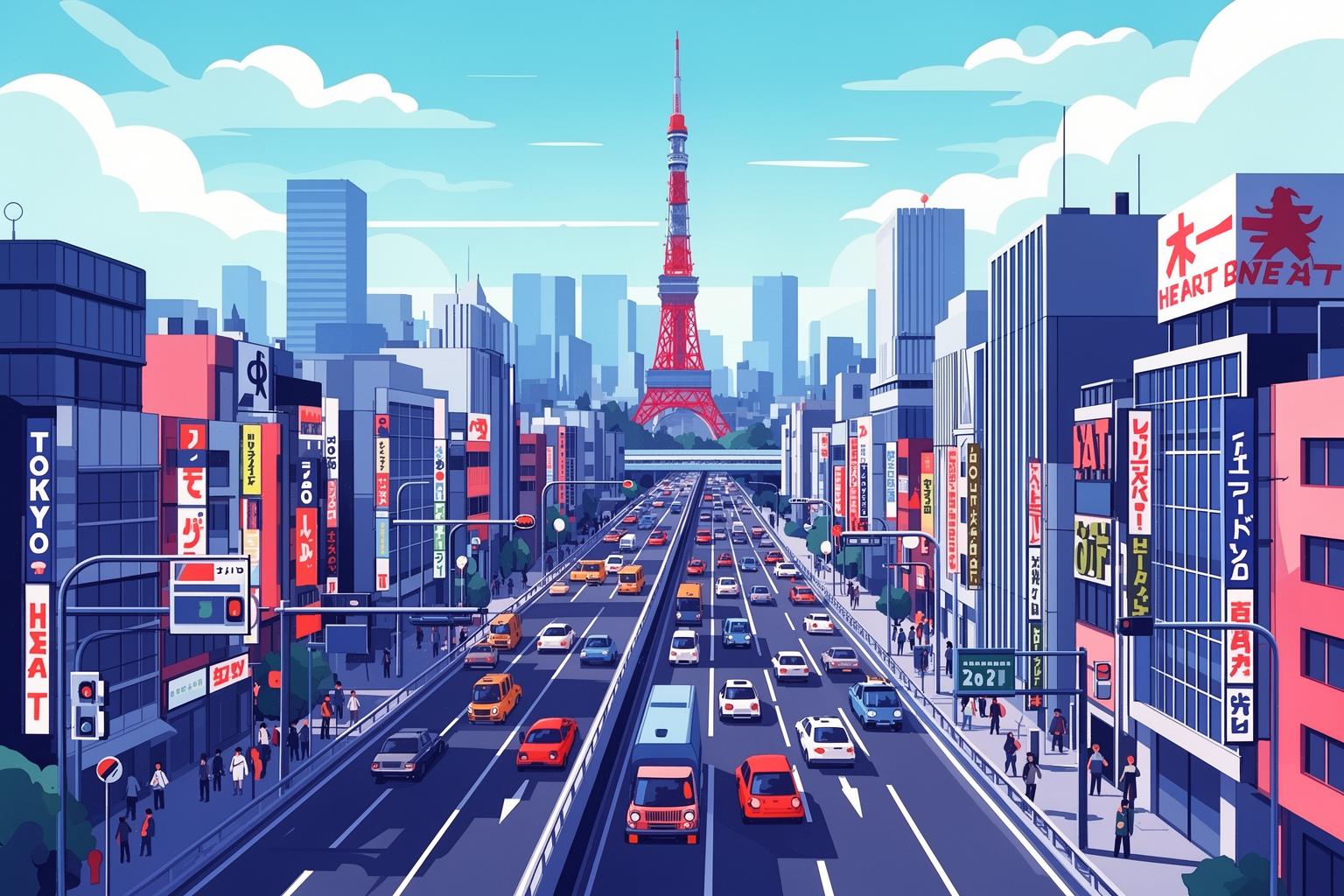
Tokyo is a city of immense scale, a vast electric dreamscape where millions of individual stories intersect every second. This is Taki Tachibana’s reality. His world is one of speeding trains, towering skyscrapers, and the constant, vibrant hum of a metropolis that never truly sleeps. To walk through his Tokyo is to feel the heartbeat of modern Japan, to witness how moments of deep personal connection can be found amid the beautiful chaos. The journey begins here, in the concrete core of the nation, where the first threads of fate were woven.
The Iconic Red Staircase: Suga Shrine, Yotsuya
There is perhaps no single image more emblematic of Your Name. than the final, heart-stopping scene on a charming staircase. This is where memory and reality finally converge, where two searching souls discover their destiny. These are the steps of Suga Shrine, nestled in an unexpectedly peaceful residential neighborhood of Yotsuya, just a short walk from the station. The journey to find them is an experience itself. You leave behind the main streets, winding through quiet lanes where the only sounds are the distant city hum and the rustle of leaves. Then, you turn a corner and catch your breath. It’s real. The vibrant red handrail, the steep incline, the canopy of green trees framing the sky above—it’s a flawless recreation. Standing at the top or bottom, you feel an almost tangible sense of anticipation, as if waiting for someone you can’t quite recall. The atmosphere is serene, a sharp contrast to the emotional intensity it holds in the film. Early morning is the ideal time to visit, when the soft golden light filters through the leaves and the neighborhood is just waking up. You’ll have the space to yourself, to stand, to reflect, to feel the weight of the story. Remember, this is a residential area. The magic of the place lies in its quiet normalcy, so be a respectful visitor. Keep your voice down and be mindful of the locals who live on this street. The Suga Shrine itself, located at the top of the stairs, is a charming local shrine worth visiting. Pay your respects, and perhaps offer a small prayer for your own connections, before continuing your journey.
Crossroads of Fate: Shinjuku and Yotsuya Stations
Japanese train stations are more than transit hubs; they are vibrant ecosystems, cities within cities where countless lives intersect. Shinjuku Station, the world’s busiest, perfectly embodies Taki’s Tokyo. It’s a maze of platforms, passages, and people—a flood of humanity that carries you along. It’s here that Taki navigates his daily routine, a single drop in an ocean of commuters. Locating the exact spots from the film within this beautiful chaos is a rewarding challenge. The pedestrian bridge near the South Exit, with its distinctive circular design, offers sweeping views of surrounding skyscrapers and train lines—a scene Taki witnessed countless times. Meanwhile, Yotsuya Station holds a different meaning. It’s a much quieter station and the place where Taki and his graceful coworker, Okudera-senpai, meet before their date. Standing on that platform, watching the green trains of the JR Chuo Line pull in and out, it’s easy to imagine their conversation, the nervous energy, the unspoken feelings. Navigating Shinjuku demands patience. Don’t fight the flow. Instead, look up at the signs, follow the color-coded lines, and give yourself ample time. The experience isn’t about rushing from point to point but about immersing yourself in the city’s rhythm, feeling the energy Taki sensed every day.
The View from Above: Cityscapes and Cafes
The soaring cityscapes of Your Name. serve as a character in their own right. The film frequently frames Taki against sweeping urban vistas, highlighting both the grandeur and loneliness of city life. One of the most prominent landmarks in his world is the NTT Docomo Yoyogi Building, with its graceful, clock-tower-like spire. While you can’t enter it, its presence remains a constant anchor as you explore Shinjuku, just as it was for Taki. To experience the views he saw, visit the Tokyo Metropolitan Government Building. Its observation decks are free to the public, offering stunning panoramas of the city stretching all the way to Mount Fuji on a clear day. From here, you can truly grasp the scale of Taki’s world. For a more personal experience, visit the cafe that inspired Taki’s part-time job, Cafe La Bohéme Shinjuku Gyoen. Located near the park, this elegant restaurant with high ceilings, grand chandeliers, and a romantic atmosphere closely resembles the film’s “Il Giardino delle Parole.” Sitting by large windows with a plate of pasta, you can easily picture Taki rushing between tables, balancing school life, work, and a mysterious connection to a girl he’s never met. It’s a wonderful way to step directly into a scene, to taste and feel the film’s world in a tangible way. The restaurant is popular, so consider reserving a table, especially for dinner.
A Moment of Peace: Shinjuku Gyoen National Garden
Amid the relentless energy of Shinjuku lies an oasis of perfect tranquility: Shinjuku Gyoen. This expansive park, combining Japanese, English, and French garden styles, is where Taki and Okudera-senpai go on their date. It’s a place of quiet beauty, where the city’s roar softens to a gentle whisper. Walking winding paths, crossing ornate bridges, and resting in the shade of ancient trees, you understand why this location was chosen. It’s a space for conversation, reflection, and quiet intimacy to bloom. The park transforms with the seasons, offering unique beauty all year round. In spring, it’s a dream of cherry and plum blossoms. In autumn, maples blaze with crimson and gold, mirroring the film’s vivid color palette. In summer, it becomes a lush, green retreat from the heat. There is a small entrance fee, and the park observes specific opening and closing hours, so check ahead before you visit. It’s a place to slow down, put away the map, and simply be in the moment, much like the characters did. It serves as a reminder that even in the largest cities, you can always find pockets of peace.
Into the Mystical Countryside: Mitsuha’s Itomori
If Tokyo represents the film’s frenetic mind, then the countryside embodies its dreaming heart. Mitsuha Miyamizu’s fictional town of Itomori feels worlds apart from Taki’s concrete jungle. It is a place rich in ancient traditions, encircled by majestic mountains, and defined by the profound, mystical bond between its inhabitants and the land. Though Itomori doesn’t appear on any map, its spirit was inspired by the Hida region in Gifu Prefecture, a mountainous area in central Japan renowned for its pristine nature, skilled artisans, and beautifully preserved towns. Traveling here from Tokyo means following in Taki’s footsteps, watching the urban sprawl fade into a scenery of rolling hills, dense forests, and crystal-clear rivers. It is a pilgrimage into the heart of Japan.
The Real Itomori: Hida City, Gifu Prefecture
The town that primarily inspired Itomori is Hida-Furukawa, a charming, tranquil town nestled in a valley. Stepping off the train here feels like stepping into the anime. The air is fresh and clean, carrying hints of cedar and flowing water. Life moves at a slower, more deliberate pace. The Seto River, teeming with thousands of colorful carp, winds through canals beside streets lined with traditional wooden storehouses. This is a town that cherishes its history and crafts. Hida is celebrated for its master woodworkers, whose artistry is evident in the intricate latticework of its buildings, and for its premium sake, brewed with pure mountain water. The atmosphere exudes profound peace. It is a place where you can hear your own thoughts and feel the weight of centuries of tradition. As you explore, you’ll notice the town embraces its connection to Your Name. with gentle pride. Small nods to the film appear throughout, but never in a commercialized way. The spirit of Itomori lives here—in the kindness of the locals and the timeless beauty of the landscape.
Echoes of the Film in Hida-Furukawa
From the moment you arrive at Hida-Furukawa Station, a sense of familiarity strikes you. The platform, footbridge, and waiting area are all meticulously recreated in the film. This is the very station where Taki and his friends first arrive on their desperate search for Mitsuha, and you can almost sense their uncertainty and hope. A short walk away is the Hida City Library, another location transferred directly from screen to reality. This stunning piece of modern architecture, constructed with local wood, is where Taki researches Itomori’s history. The interior is warm and welcoming, with sunlight streaming through large windows onto rows of books. The library staff greet visitors warmly and maintain a small section dedicated to the film. Photography is allowed with permission at the front desk, provided visitors respect other patrons. Sitting in the same chairs as Taki, surrounded by the quiet ambiance of a community library, creates a deeply immersive experience. As you wander the town, you’ll encounter other familiar sights—the bus stop where Taki asks for directions, the distinctive shapes of the bridge railings, and even the local restaurant, Ajidokoro Furukawa, believed to have inspired the place where the characters stop to enjoy goheimochi, a local specialty of grilled rice cakes on a stick, glazed with a sweet and savory miso sauce.
The Spirit of Miyamizu Shrine: Hie Shrine in Takayama
Though the Miyamizu family shrine in Itomori is fictional, its spiritual essence is reflected in several real shrines throughout the Hida region. One of the closest parallels is Hie Shrine, located on the outskirts of nearby Takayama. Reaching it requires ascending a long, steep flight of stone steps flanked by towering, ancient cedar trees. As you climb, the air grows cooler and quieter, the city sounds replaced by birdsong and the rustle of wind through the canopy. The atmosphere is ancient and profoundly spiritual. You can feel history in the moss-covered stone lanterns and the weathered wood of the shrine buildings. It’s easy to envision Mitsuha and her sister performing their sacred duties here—a place removed from the modern world, bridging to something older and more profound. This location captures the reverence and mysticism tied to Mitsuha’s heritage. A visit here pairs well with exploring Takayama’s beautifully preserved old town, with its sake breweries and morning markets, enriching your experience of Gifu.
The Ritual of Kuchikamizake
One of the film’s most memorable and culturally significant elements is the ritual in which Mitsuha creates kuchikamizake, an ancient form of sake made by chewing rice and allowing natural enzymes to initiate fermentation. This is more than a charming plot point; it’s a deep exploration of the roots of Shintoism and Japanese culture. Rice has long been sacred in Japan, a divine gift, and sake is its spiritual essence. The ritual symbolizes a pure, unblemished offering to the shrine’s deity. It also directly connects to the film’s central theme of musubi. By making the offering, Mitsuha literally binds a part of herself—her very spirit—to the god, and by extension, to the history and destiny of her town. When Taki drinks the sake years later, he consumes that piece of her, creating a tangible and spiritual link across time and space that enables him to save her. Understanding this background transforms the pilgrimage from a simple sightseeing trip into a profound cultural journey. The Hida region is known for its sake, and visiting a local brewery provides an opportunity to engage with this tradition in a modern, tangible way.
The Journey Itself: Practical Planning for Your Pilgrimage

A pilgrimage for Your Name. is a story of two destinations, involving a journey that reflects the film’s progression: a shift from the ultra-modern city to the timeless countryside. Planning this transition adds to the adventure, offering a chance to witness Japan’s diverse and stunning landscapes unfold before you.
Bridging Two Worlds: Travel Between Tokyo and Hida
The most convenient way to travel from Tokyo to the Hida region is by train, providing a classic Japanese rail experience. You’ll begin on the Tokaido Shinkansen, one of the renowned bullet trains, traveling from Tokyo to Nagoya with remarkable speed and efficiency. In Nagoya, you’ll switch to the JR Hida Wide View Express, where the journey truly captivates. This train lives up to its name with expansive panoramic windows that reveal breathtaking vistas as it winds through river valleys and deep into Gifu’s mountainous terrain. The contrast is striking; you witness the urban surroundings giving way to pristine nature. For many travelers in Japan, the Japan Rail Pass offers an economical option covering this entire route. Alternatively, overnight highway buses present a more budget-friendly (though longer) travel choice between these points. Whichever mode you select, the journey itself is a vital part of the experience, a physical bridge between the worlds of Taki and Mitsuha.
Navigating Hida: Getting Around Itomori’s Inspiration
Upon arriving in the Hida region, getting around is fairly simple. The main town of Hida-Furukawa is small and very walkable, ideal for leisurely exploration on foot throughout the day. To venture further, renting a bicycle from a shop near the station is an excellent option, letting you ride alongside rivers and through surrounding rice paddies. For more distant spots, such as shrines tucked deeper in the mountains or vantage points that may have inspired the lake scenes, a rental car offers the greatest flexibility. Local buses and taxis are also available. Tourist information centers near the main stations in both Hida-Furukawa and Takayama are invaluable, staffed by friendly and knowledgeable personnel equipped with maps and pamphlets—often featuring Your Name. locations. Don’t hesitate to ask for their recommendations or assistance with bus timetables.
When to Visit: Seasons of Connection
Much like the film itself, the Hida region is enchanting in every season, each providing a distinct atmosphere for your pilgrimage. Spring, from late March to May, offers mild weather and famous cherry blossoms, turning towns and mountainsides into soft hues of pink and white. Summer brings lush greenery and warmth, though it may be hot and humid, alongside vibrant local festivals that present a lively cultural experience. Autumn, from October to November, is perhaps the most cinematic time, with crisp air and mountains ablaze in vivid red, orange, and gold foliage, perfectly matching the warm, nostalgic palette of the film. Winter covers the area in deep, tranquil snow, transforming the landscape into a serene, monochromatic scene. While travel conditions may be more challenging, the snow-covered traditional houses and silent forests hold a magical beauty. There’s no wrong time to visit; it depends on which aspect of Itomori’s spirit you want to embrace.
Living the Film: Immersive Experiences and Etiquette
A seichi junrei is more than just a list of places to visit; it offers a chance to form a deeper connection with a location. It involves being a respectful guest and an active participant, rather than merely a tourist. By honoring local customs and fully engaging with the culture, you pay tribute to the very essence that makes these sites so meaningful.
More Than Just a Photo: Engaging with the Culture
When you explore the real-world settings of Your Name., you enter communities where people live and work. The key to your pilgrimage is to remain considerate and respectful. In residential neighborhoods like the area around Suga Shrine, keep your voice down and avoid blocking walkways. At active worship sites such as Hie Shrine, behave with reverence. Familiarize yourself with basic shrine etiquette: bow once before passing through the torii gate, cleanse your hands and mouth at the chozuya water pavilion, and if you pray at the main hall, follow the customary two bows, two claps, and final bow. At Hida City Library, remember it serves the local community as a functioning library. Always ask permission before taking photos, and move quietly and unobtrusively. These small gestures of respect help keep these places welcoming not only to future pilgrims but, more importantly, to the residents themselves.
Tasting the Connection: Food from the Film
Food offers a powerful way to connect with both culture and story. The film features numerous scenes centered on meals, and seeking out these dishes can be a delightful aspect of your pilgrimage. In Tokyo, discover countless ramen shops like those Taki visits or enjoy an elegant dessert at a cafe similar to his date spot. In the Hida region, the cuisine links directly to the land. You must try goheimochi, the grilled rice cake Taki enjoys—each vendor offers a unique family recipe for the sauce, making multiple tastings worthwhile. The area also boasts incredibly tender, marbled Hida beef, available as steak, skewered, or in hot pot. Don’t miss Takayama’s distinctive mitarashi dango, savory and coated with soy sauce rather than a sweet glaze. And sampling local sake from one of the many historic breweries lets you savor the very essence of the mountains and pristine water defining the region. Every bite and sip serves as a sensory connection to the world of the film.
The Concept of Musubi
At its core, a Your Name. pilgrimage is an exploration of musubi, the beautiful and complex concept Mitsuha’s grandmother describes: the spiritual force that binds everything together. It is the tying of a braided cord, the flow of time, the connection between people. Traveling from Taki’s world to Mitsuha’s means you actively embody this idea. You create your own thread, linking yourself to the film’s creators, the animators who meticulously studied these locations, the characters who lived there, and the countless fans worldwide who share this journey. To make this concept even more tangible, you can join a kumihimo (braided cord) workshop in the Hida area. The braided cords, central to the film’s story, are a traditional craft of the region. Sitting down to weave these colorful threads together is a meditative and deeply meaningful experience. It is a physical act of connection—a perfect keepsake that captures the full spirit of your pilgrimage.
Final Reflections on the Path of Memory

Completing a pilgrimage to the settings of Your Name. changes forever how you perceive the film. It transforms from merely a story on a screen into a collection of your own memories, sounds, and emotions. The animated cityscapes of Shinjuku become intertwined with the memory of the wind you felt on the observation deck of the Metropolitan Government Building. The image of Miyamizu Shrine carries the scent of damp earth and ancient cedar trees from your walk up to Hie Shrine. And the final, breathtaking scene on the staircase is no longer just a perfect composition, but a place where you personally stood, sensing the quiet anticipation of that Tokyo neighborhood and the weight of a story that feels both epic and deeply personal. The journey reminds you that the magic Makoto Shinkai captured wasn’t solely of his own creation; he discovered it in the real world, in the contrast between a bustling city and a tranquil town, in the deep-rooted traditions of a spiritual people, and in the universal human quest for connection. Standing on those steps at Suga Shrine, you understand that the quest was never simply about finding someone else. It was about discovering a piece of the story within yourself and, in doing so, forging a bond with a place and a narrative that will now be a part of you forever. This is the beautiful, undeniable truth of musubi.