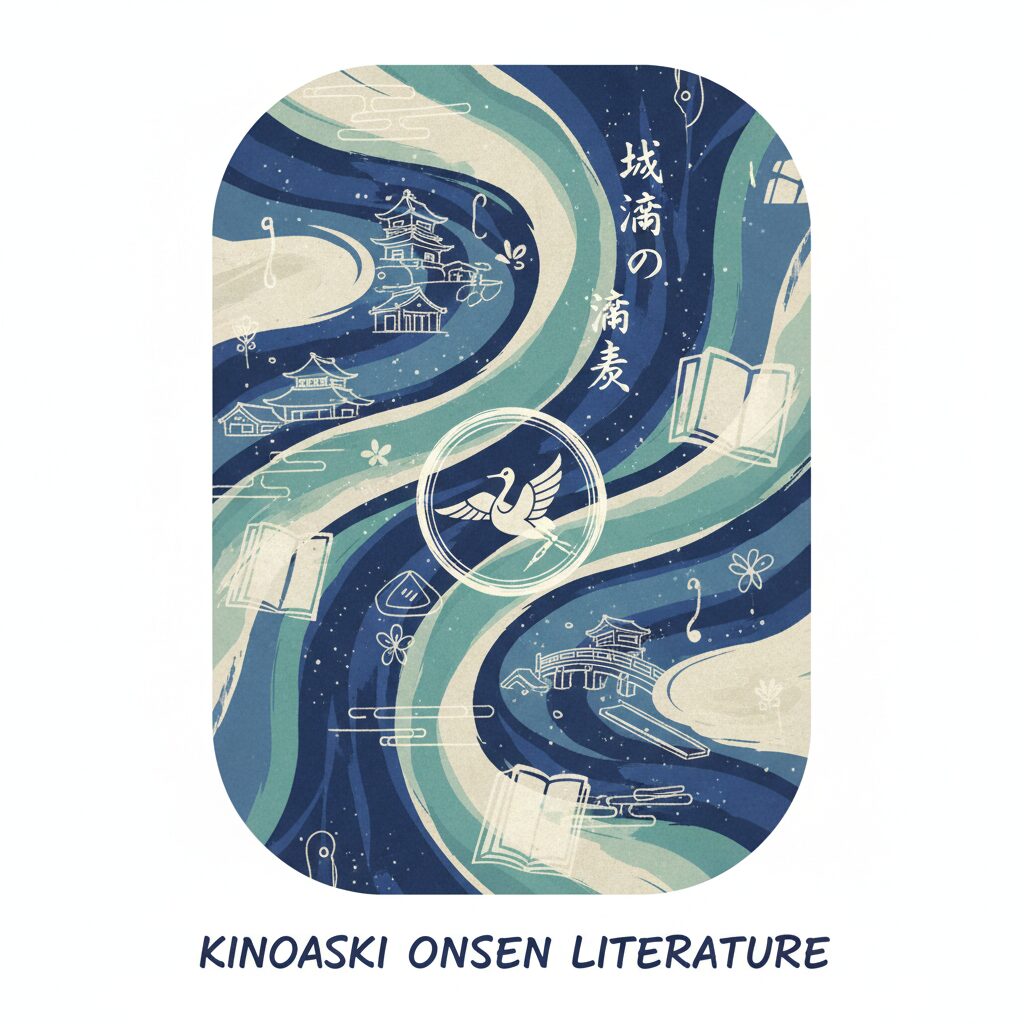
There are places on this earth that feel like whispers from another time, towns where the very air seems saturated with stories. Kinosaki Onsen is not just one of these places; it is a living, breathing narrative, a book you can walk into. Tucked away in a valley in northern Hyogo Prefecture, this ancient hot spring town is a destination where culture is not something you observe from a distance, but something you wear. Here, the streets are the hallways, the inns are the rooms, and the uniform of choice is the yukata, a simple cotton robe that erases the boundaries between visitor and local, past and present. The gentle clip-clop of geta, traditional wooden clogs, on stone bridges over the Otani River is the town’s heartbeat, a rhythmic percussion that has echoed for over a millennium. But Kinosaki’s soul is most deeply etched in the pages of literature. It was here that Shiga Naoya, one of Japan’s most celebrated modern writers, found solace and profound inspiration after a brush with death. His seminal short story, “At Kinosaki,” transformed this therapeutic haven into a site of literary pilgrimage, a place where the quiet observation of life’s fragile dance becomes the main attraction. To visit Kinosaki is to follow in his footsteps, to soak in the same healing waters, and to feel the potent connection between nature, self-reflection, and the timeless art of storytelling. It’s an invitation to slow down, to listen to the river, and to find your own story in the rising steam.
For travelers eager to extend their exploration of Japan’s literary landscapes, discovering the mystical trails of Kamikochi offers an inspiring pathway that mirrors the timeless allure of Kinosaki Onsen.
The Soul of Kinosaki: A Town Dressed in Yukata
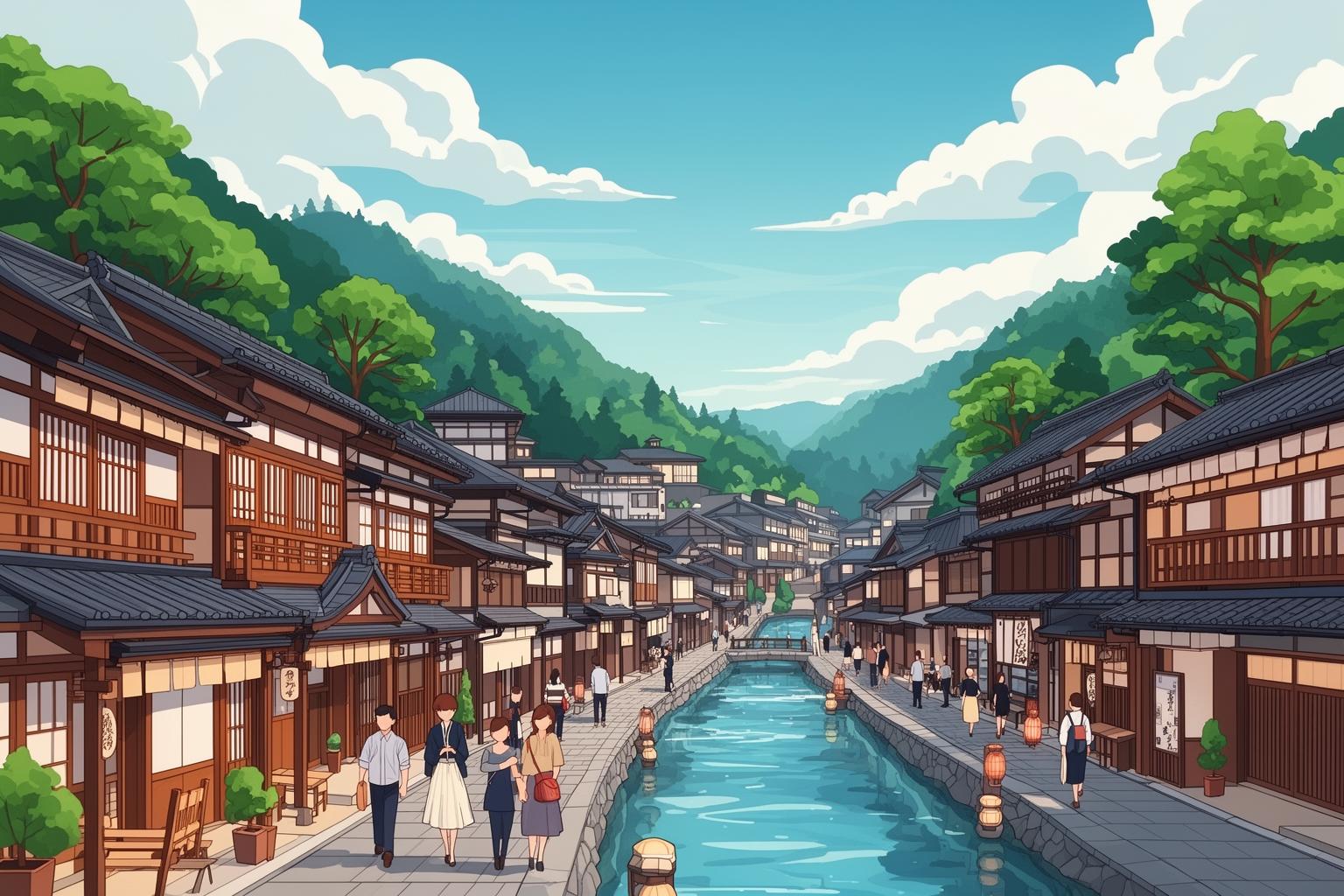
The experience of Kinosaki Onsen begins the moment you check into your ryokan, a traditional Japanese inn. Here, you shed the trappings of the outside world—your street clothes, worries, and sense of urgency—and slip into the simple comfort of a yukata. This garment is more than just a bathrobe for visits to the hot springs; it is the town’s official attire. From early morning until late at night, the streets flow with people wearing these elegant robes, their colorful patterns providing a striking and beautiful contrast to the traditional wooden architecture and weeping willows. Putting on the yukata is a transformative act, a great equalizer. In Kinosaki, you cannot distinguish a CEO from a student, a local shopkeeper from a foreign traveler. Everyone is simply a bather, a stroller, a part of the town’s peaceful and communal tapestry. This shared experience fosters a profound sense of intimacy and belonging. You are not a mere tourist observing a quaint custom; you become an active participant in a living tradition. The sound of hundreds of pairs of geta clacking on the pavement creates the town’s unique soundscape. The wooden clogs provided by your inn produce a distinctive rhythm that is both meditative and cheerful. It’s a sound that slows your pace, encouraging you to walk with intention and notice the carp swimming in the canal, the steam rising from vents, and the flickering lantern light as evening falls. This philosophy lies at the heart of Kinosaki: the entire town is regarded as one large ryokan. The station serves as the entrance hall, the streets as corridors, the inns as guest rooms, and the seven public hot springs as communal baths. This simple yet profound concept creates a seamless flow between public and private spaces, inviting exploration and connection in a way few other destinations can.
A Literary Pilgrimage: In the Footsteps of Shiga Naoya
Though the healing waters of Kinosaki have attracted visitors for centuries, its contemporary renown is deeply tied to one man’s recovery. Shiga Naoya (1883-1971), celebrated in Japan as the “God of the Short Story,” was a master of the introspective “I-Novel” genre. His minimalist writing and profound psychological insight have secured his place in the Japanese literary canon. His trip to Kinosaki was not for pleasure, but out of necessity—a search for healing after a traumatic incident that would influence his worldview and inspire one of his most significant works.
The Man, The Accident, The Story
In 1913, Shiga was hit by a train on Tokyo’s Yamanote Line. The accident was serious, leaving him with injuries that required a lengthy and difficult recovery. Seeking a calm and restorative environment, he journeyed to Kinosaki Onsen. During his three-week stay, he found not only physical healing in the mineral-rich waters but also a space for profound existential reflection. This experience became the foundation for his short story, “At Kinosaki” (Kinosaki nite), published in 1917. The story appears simple at first glance. It is a quiet, reflective narration of the protagonist’s observations of the natural world around him. He watches a dead bee, a struggling rat, and a silent water lizard. Through these seemingly ordinary encounters with the lives and deaths of small creatures, he confronts his own mortality and the delicate, almost arbitrary boundary between existence and oblivion. The story is a masterpiece of subtle power, echoing Buddhist and Taoist views of accepting the natural cycle of life and death—a perspective that resonates widely in East Asian thought. Kinosaki is more than just the story’s setting; it stands as its central character. The town’s peaceful ambiance serves as the backdrop against which Shiga expresses his profound meditations.
Tracing the Narrative Through Town
To stroll through Kinosaki today is to step into the very scenes Shiga depicted a century ago. The town has carefully preserved its literary legacy with a gentle and respectful touch. You can stand on the same bridges he once stood on, gaze into the same canal where he observed the creatures inspiring his philosophical reflections. A small stone monument marks the spot where he would have seen the water lizard, a tribute to the power of quiet observation. Visiting the Kinosaki Bungeikan, the town’s literary museum, offers a richer connection to this history. There, exhibits dedicated to Shiga Naoya and other writers of the influential Shirakaba (White Birch) school highlight Kinosaki’s literary allure. The museum provides valuable context, displaying manuscripts and personal items that bring these literary figures to life. Yet the true literary journey is an unguided one. It involves finding a quiet riverbank bench, perhaps near the arching Taiko Bridge, and letting the town’s rhythm wash over you. In these moments, watching the willows sway and hearing the clack of geta, you can sense the same contemplative spirit that Shiga so eloquently conveyed. His story was not shaped by dramatic occurrences, but by internal transformations provoked by the surrounding environment. By immersing yourself in Kinosaki, you are not merely seeing a story’s setting; you are invited to experience its underlying feeling.
The Seven Public Onsen: A Tour of Myth and Water
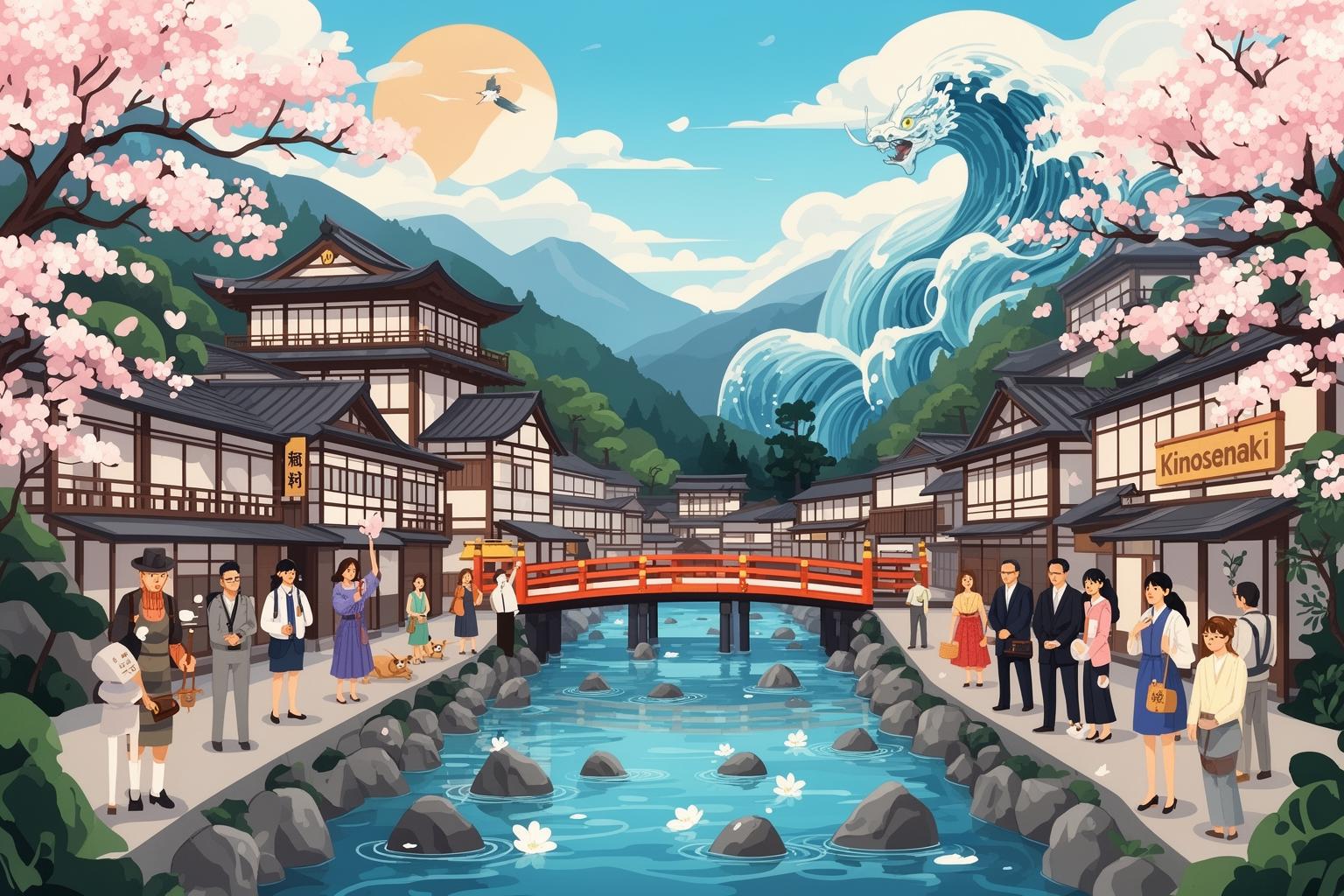
The centerpiece of the Kinosaki experience is the sotoyu meguri, a pilgrimage to the seven public bathhouses scattered across the town. Each bathhouse boasts its own distinct history, architectural style, and legend. When guests check into a ryokan, they usually receive a “Yumepa,” a digital pass that allows unlimited access to all seven baths during their stay. The aim is to visit as many as possible, collecting stamps at each one as a keepsake of the journey. This ritual offers a delightful way to explore the town, as the baths are strategically positioned along charming side streets and picturesque bridges.
Kouno-yu: The Bath of the Stork
Believed to be the oldest hot spring in Kinosaki, Kouno-yu’s history stretches back nearly 1,400 years. According to legend, the spring was discovered when an Oriental White Stork was seen healing its injured leg in the marshy waters. Set back from the main street, Kouno-yu offers a serene and secluded ambiance. Its highlight is a beautiful outdoor stone bath surrounded by lush greenery, where you can soak in healing waters while feeling connected to the nature and myth that began it all.
Mandara-yu: The Bath of Enlightenment
Named after the Buddhist concept of Mandara, representing a spiritual and ritual universe, this bathhouse is said to have appeared after the holy priest Dochi Shonin prayed for 1,000 days to bring relief to the suffering. The building’s facade features a striking Chinese-style roof, and inside, the main attraction is a unique outdoor barrel bath, where you can soak beneath the open sky. The waters here are believed to bring prosperity in business and agriculture.
Goshono-yu: The Bath of Imperial Waters
Also called the “Bath of Beauty,” Goshono-yu is perhaps the most architecturally impressive. It was constructed in the style of the Kyoto Imperial Palace, with a grand cypress-wood structure and intricately decorated panels. The bathhouse features a stunning outdoor waterfall bath, where cascading water provides a soothing soundtrack to your soak. The high, open-air ceiling creates a sense of spaciousness and grandeur, and the waters are said to enhance beauty and aid in finding a good romantic partner.
Ichino-yu: The Bath of Fortune
Centrally located and distinguished by its Kabuki-za theater-like facade, Ichino-yu is one of the most popular baths. Its name, meaning “Number One Bath,” was bestowed by a respected 19th-century doctor who praised the effectiveness of its waters. The signature feature is a semi-outdoor bath set within a natural rock cave. Soaking in this grotto-like setting feels primal and deeply relaxing. It is believed to bring good fortune and success to bathers.
Yanagi-yu: The Bath of the Willow
Named for the willow trees lining the Otani River just outside its doors, Yanagi-yu is the smallest and most traditional of the seven bathhouses. Its classic wooden interior evokes a wonderful nostalgia. The water here is known for being particularly hot, providing a quick, invigorating experience. Due to its potent heat and reputed benefits for fertility and safe childbirth, it is a favorite among locals and those seeking a truly authentic onsen experience.
Jizou-yu: The Bath of the Guardian
Located in a bustling area of town, Jizou-yu is popular with local families. Its modern, lantern-inspired hexagonal windows make it stand out. The bathhouse is named after a Jizo (a guardian deity of children) statue from which the spring water is said to have originated. The interior is simple and spacious, designed for community and relaxation. Its waters are believed to bring safety and prosperity to families.
Satono-yu: The Bath of the Hometown
Situated right next to the train station, Satono-yu is often the first or last onsen visitors experience. It is the largest of the seven and offers a variety of bathing options. Its standout feature is a panoramic outdoor bath on the third floor, providing sweeping views of the surrounding mountains and town. Unique amenities include a sauna infused with aromatic herbs, making it an ideal place to unwind after a long journey or before catching your train home.
Beyond the Baths: Savoring Kinosaki’s Rhythms
While the onsen are the primary attraction, the true charm of Kinosaki reveals itself in the moments spent between soaks. This town invites you to slow your pace and relish simple joys, from its exceptional cuisine to its breathtaking natural scenery. Life here moves in rhythm with the river’s flow and the changing seasons, providing a refreshing escape from the hectic tempo of modern living.
A Culinary Journey: From Sea to Mountain
Situated between mountains and the Sea of Japan, Kinosaki is blessed with an abundant array of fresh ingredients. The area is particularly renowned for Tajima beef, the esteemed breed that gives rise to the world-famous Kobe beef. In Kinosaki, you can savor this exquisitely marbled, tender beef in many forms, from sizzling steaks at specialized restaurants to delicate slices in traditional sukiyaki or shabu-shabu hot pots at your ryokan. During winter, the town transforms into a seafood lover’s haven. The highlight is the Matsuba-gani, or adult male snow crab, caught from nearby waters. These crabs are a prized delicacy, cherished for their sweet, succulent meat. Indulging in a full crab course—including sashimi, grilled legs, and a rich crab hot pot—is a memorable winter treat. For a more interactive experience, try making your own onsen tamago. Vending stalls near the hot spring sources sell small mesh bags of fresh eggs that you simply submerge into the steaming, geothermally heated water and wait. The result is a perfectly creamy, soft-cooked egg, lightly seasoned with salt—a simple, delicious, and iconic Kinosaki snack. To complement your meals, be sure to sample the local drinks. Kinosaki Beer offers a selection of craft brews, while the area’s many sake breweries produce crisp, clean sake that pairs wonderfully with the regional dishes.
Exploring the Periphery: Nature and Culture
For a scenic change, take the Kinosaki Ropeway up Mt. Daishi. The seven-minute ride provides stunning views of the town nestled in the valley and the Maruyama River winding toward the sea. At the peak, you’ll find Onsenji Temple, a historic site dedicated to the Buddhist priest who, according to legend, founded Kinosaki Onsen. This sacred temple has protected the hot springs for centuries, and visitors traditionally came here to pray for the water’s blessings before beginning their onsen journey. A short distance from the town center lies Genbudo Park, a designated National Natural Monument. Here, you can marvel at the striking columnar jointing in basalt caves, formed 1.6 million years ago by volcanic activity. The perfectly hexagonal rock formations are a geological wonder and helped inspire the discovery of reverse geomagnetism. Further afield, but well worth the trip, is the Hyogo Park of the Oriental White Stork. This sanctuary played a crucial role in the successful reintroduction of the Oriental White Stork to the wild in Japan after it became extinct in the 1970s. Watching these majestic birds soar freely symbolizes the region’s dedication to living harmoniously with nature and stands as a testament to the power of committed conservation efforts.
Practical Guidance for the Modern Pilgrim
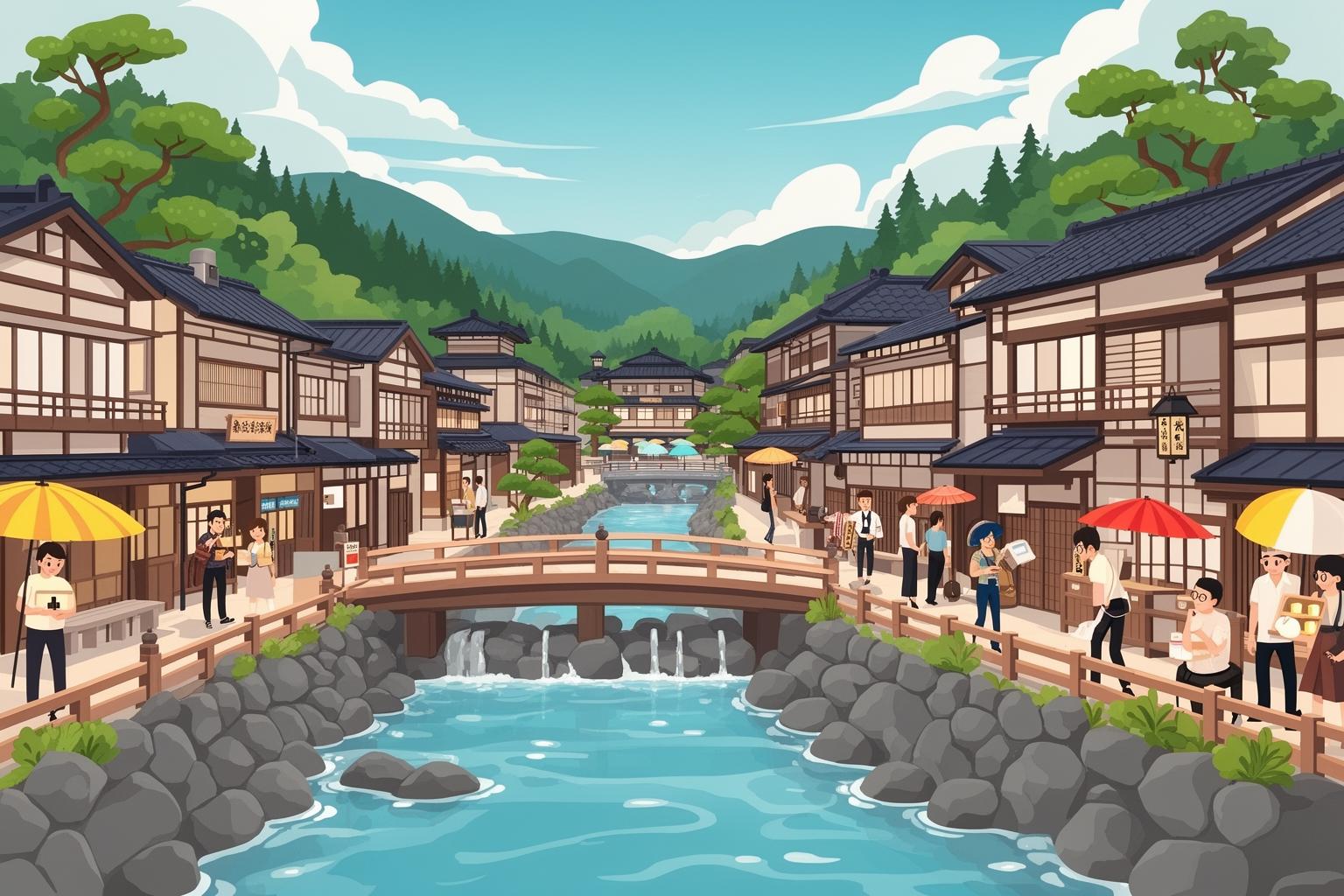
Planning a trip to Kinosaki is easy, as the town is well-prepared to welcome international visitors while maintaining its authentic charm. A bit of preparation will ensure your journey is as smooth and relaxing as the town’s renowned waters.
Getting to this Literary Haven
Kinosaki Onsen is conveniently reachable by train from major cities in western Japan. From Kyoto or Osaka, the most direct option is the Limited Express Kounotori or Hamakaze train, which takes about 2.5 to 3 hours and arrives directly at Kinosaki Onsen Station. The route itself is scenic, passing through mountains and along river valleys. For travelers coming from Tokyo, the quickest way is to take the Tokaido Shinkansen (bullet train) to Kyoto or Shin-Osaka and then transfer to one of the mentioned Limited Express trains. Holders of the Japan Rail Pass can use it for the entire journey, making this a very convenient and cost-effective side trip off the main tourist path.
When to Visit: A Town for All Seasons
Kinosaki offers a special charm in every season. In spring, cherry blossoms bloom along the Otani River, painting a picturesque scene of pink and white petals drifting over the water. The mild weather is ideal for strolls. Summer brings lush greenery and lively local festivals, including spectacular fireworks displays. Warm evenings make onsen hopping especially enjoyable. Autumn dazzles with vibrant foliage as the surrounding mountains ignite in reds, oranges, and golds. The crisp air energizes visitors, making it a great time for hiking and exploring the ropeway. However, many consider winter the quintessential season for Kinosaki. The town is often covered in a soft, white blanket of snow, turning it into a magical winter wonderland. Soaking in a steaming outdoor onsen while snowflakes gently fall is an experience of pure bliss. This season also marks the peak for delicious snow crab, making it an ideal time for an indulgent getaway.
Tips for the First-Time Visitor
To truly experience Kinosaki, staying at a traditional ryokan is highly recommended. This includes not only a place to sleep but also intricate multi-course kaiseki dinners, hearty Japanese breakfasts, and the warm hospitality that Japanese inns are known for. If you’re new to onsen etiquette, the rules are simple. Be sure to wash and rinse your body thoroughly at the washing stations before entering the bath. Swimsuits are not worn; you enter the water nude. Small towels can be used for modesty while walking around but should never be placed in the bathwater. Although tattoos have historically been linked to the yakuza in Japan, Kinosaki Onsen is notably tattoo-friendly, welcoming all guests to its seven public baths. The town itself is compact and flat, making it perfect for walking. Leave rental car plans behind; your own two feet (in geta, of course) are all you need to explore the main area. While English is spoken at the tourist information center and many inns, knowing a few basic Japanese phrases like “Arigato” (Thank you) and “Sumimasen” (Excuse me) will be warmly appreciated by the friendly locals.
A Living Narrative
Kinosaki Onsen is more than just a picturesque, historic town. It stands as a testament to the enduring power of story, tradition, and the simple, profound act of healing. Unlike a museum, where culture is kept behind glass, Kinosaki’s heritage is a living, breathing element of everyday life. The clip-clop of geta is not a staged performance for tourists; it is the town’s authentic rhythm. The respect for Shiga Naoya’s work is not merely a historical note; it serves as a spiritual guidepost that shapes the town’s reflective ambiance. Here, you don’t merely learn about the past; you become part of its ongoing story. Visiting means stepping away from the noise and complexity of the modern world to enter a story unfolding for centuries. It’s an opportunity to walk, soak, taste, and reflect. You arrive as a visitor but leave as part of its narrative, having added your own quiet footsteps alongside writers, pilgrims, and generations of bathers who sought solace and found something far deeper. Kinosaki invites you not just to read its story but to write your own silent chapter amid the steam and willows.