
There are stories that feel like a dream you can’t quite shake, long after you’ve woken up. They linger like a melody you can’t place or a name on the tip of your tongue. Makoto Shinkai’s masterpiece, ‘Your Name.’ (Kimi no Na wa.), is one such story. It’s an ethereal tale of two souls, a boy in bustling Tokyo and a girl in a tranquil mountain town, bound together by fate, distance, and the cosmic dance of a wandering comet. The film captured the hearts of millions not just with its breathtaking animation and emotional depth, but with a world so vividly rendered it felt real. Because, in many ways, it is. From the neon-drenched arteries of Shinjuku to the whispering canals of a remote town in the Japan Alps, the world of Taki and Mitsuha exists, waiting to be discovered. This is the heart of ‘seichi junrei,’ the beautiful Japanese tradition of anime pilgrimage, where fans step out of their world and into the frames of their favorite stories. It’s a journey that transcends simple sightseeing; it’s an act of connection, a way to walk the same streets, breathe the same air, and feel the same atmosphere that brought these beloved characters to life. This guide is your thread, your ‘musubi,’ connecting you to the tangible, breathtaking locations that served as the canvas for a story about searching, remembering, and finding what was lost. We will trace the steps of Taki Tachibana through the vibrant, overwhelming heart of Tokyo and follow his quest to find Mitsuha Miyamizu in the serene, timeless landscapes of Gifu Prefecture’s Hida region. Prepare to see the world through their eyes, to stand in the very spots where their lives intertwined, and to feel the powerful magic that happens when fiction and reality beautifully collide.
Embark on a deeper journey by exploring this pilgrimage guide that unveils the real-life settings behind the film’s enchanting narrative.
Tokyo’s Concrete Dreams: In Taki’s Footsteps
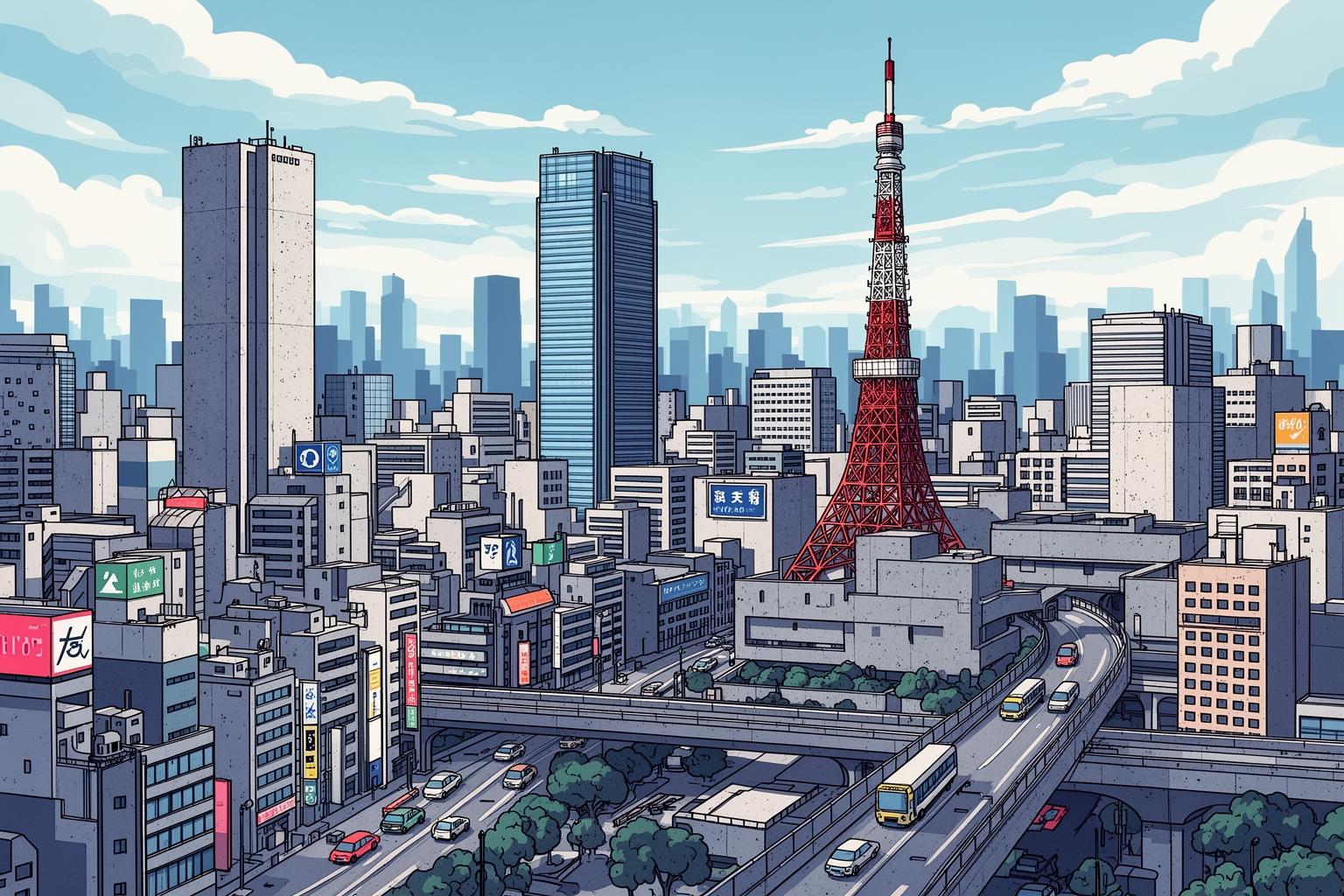
Tokyo, as viewed through Taki’s perspective, is a magnificent paradox. It is a city of vast scale and constant movement, a concrete and glass jungle where millions of lives beat in a synchronized yet chaotic rhythm. Yet, it also offers surprising intimacy and quiet moments, with hidden alleyways and neighborhood shrines tucked between towering skyscrapers. This is the city Taki navigates each day—a sprawling, dynamic world that feels both endlessly thrilling and deeply lonely. Walking through his Tokyo is to experience this duality firsthand: feeling the rush of a crowded train platform one moment and the peaceful solitude of a sunlit street corner the next. Our journey begins here, in the urban heart of the story, piecing together the fragments of Taki’s life scattered across this remarkable metropolis.
The Fated Encounter: The Red Steps of Suga Shrine
No location in the entire film carries more emotional weight than the iconic red-railed staircase where Taki and Mitsuha finally, truly meet. This pivotal moment is the climax, the heart-stopping scene the whole story builds toward. In reality, these steps belong to Suga Shrine, a local Shinto shrine nestled in a quiet residential area of Yotsuya, part of the larger Shinjuku ward. Discovering it feels like uncovering a secret. You leave the main streets, wander through narrow lanes lined with homes and small apartments, and suddenly, there it is. The view from the top—looking down the curved staircase with the city skyline perfectly framed between buildings—is strikingly identical to the anime, sending a shiver down your spine. The atmosphere here is one of peaceful reverence. It isn’t a major tourist spot crowded with visitors; instead, it’s a place of quiet contemplation for locals. In the morning, sunlight filters through the trees, casting long shadows. In the evening, the golden hour bathes the scene in a nostalgic glow, perfectly echoing the film’s bittersweet tone. The closest subway station is Yotsuya-sanchome on the Marunouchi Line. From there, it’s a pleasant ten-minute walk. Remember, this is a residential neighborhood. The magic of the place resides in its everyday tranquility, so be respectful of residents. Speak softly, be patient if others are photographing, and savor the profound feeling of standing where one of anime’s greatest love stories reached its peak.
A Date with Modern Art: The National Art Center, Tokyo
Recall Taki’s slightly awkward yet charming date with his sophisticated coworker, Okudera-senpai? Their lunch took place in one of Tokyo’s most stunning architectural masterpieces, The National Art Center in Roppongi. Designed by the legendary Kisho Kurokawa, the building is a work of art itself, with a sweeping, undulating glass facade that floods the interior with natural light. The moment you step inside, you feel as though you’ve entered the film. The vast, open atrium, the clean lines, and the modern elegance are all perfectly captured. The restaurant where Taki and Okudera dine, Salon de Thé ROND, is real. It sits atop a giant inverted concrete cone on the second floor, offering a unique dining experience with panoramic views of the museum’s interior. While the food may be a bit pricey, simply having coffee and a pastry here is an experience in itself, letting you soak in the atmosphere and recreate the scene. The center hosts a rotating series of world-class art exhibitions, so there’s always something new to discover. Even without entering a specific exhibit, the building’s public spaces, library, and excellent gift shop are free to explore. Access is very convenient, with a dedicated exit directly from Nogizaka Station on the Chiyoda Line. It’s the perfect pilgrimage spot, doubling as a world-class cultural experience that represents the more mature, artistic side of Taki’s urban life.
Weaving Through the Urban Labyrinth: Shinjuku and Yoyogi
Shinjuku is the throbbing heart of Taki’s world. It’s where he navigates the busiest train station on earth, walks beneath towering skyscrapers, and works his part-time job. This district is a microcosm of Tokyo itself: a dazzling, overwhelming, and endlessly fascinating tapestry of sights and sounds.
The City’s Signature Silhouette
Many sweeping cityscape shots in Your Name. showcase a distinctive, almost futuristic skyline dominated by one iconic structure: the NTT Docomo Yoyogi Building. With its clock tower and graceful spire, it’s a landmark Makoto Shinkai often uses as a symbol of Tokyo’s vast scale. While the building isn’t open to the public, the best views are from the southern terraces of Shinjuku Station or nearby bridges and walkways. Another notable sight is the Shinjuku Police Station intersection, famous for its ring-like pedestrian crossing. Standing there amidst the flowing crowds, with the iconic Mode Gakuen Cocoon Tower in the background, you can truly feel the organized chaos defining the city. It’s a spot to pause and observe, sensing the energy of millions of lives intersecting. Navigating Shinjuku Station can be an adventure itself. For first-timers, a useful tip is to know the exact exit number or name (such as the South Exit or New South Gate) rather than just following generic signs, to avoid getting lost in its sprawling underground maze.
An Italian Meal, An Anime Easter Egg
For the dedicated pilgrim, a visit to Cafe La Bohème near Shinjuku Gyoen National Garden is a must. This elegant Italian restaurant served as the direct inspiration for Il Giardino delle Parole, the eatery where Taki works. The name itself cleverly nods to another Shinkai film, The Garden of Words, which is set mainly around Shinjuku Gyoen. The restaurant’s interior, with its high ceilings, grand chandeliers, and classic European decor, is instantly recognizable. The ambiance balances upscale charm with a welcoming feel. You can enjoy a full dinner or simply stop by for a drink or dessert. Reservations are recommended, as it’s a popular spot. It offers a wonderful way to conclude a day of exploring Taki’s Tokyo—a place to relax and fully immerse yourself in the world Shinkai so meticulously crafted.
Echoes of Itomori: Mitsuha’s Heartland in Hida
A journey on the Limited Express Hida train from the bustling city of Nagoya feels like a trip back in time. As the train winds through dramatic gorges beside a sparkling turquoise river, the urban landscape fades into lush forests and traditional farmhouses with heavy, snow-laden roofs. The air shifts. The pace eases. This is the path Taki took, and it serves as your gateway to Mitsuha Miyamizu’s world. Though the town of Itomori is fictional, its spirit and appearance draw heavily from the real city of Hida, particularly the charming town of Hida-Furukawa in Gifu Prefecture. Arriving here feels less like visiting a film set and more like stepping into a forgotten dream. The town is tranquil, filled with the gentle sound of flowing water from its intricate canals and the sight of beautifully preserved wooden structures.
The Gateway to Memory: Hida-Furukawa Station
Stepping off the train at Hida-Furukawa Station marks your arrival. This small, unassuming station is exactly where Taki and his friends disembark in their desperate search for Itomori. The anime meticulously replicates every detail: the wooden benches, signposts, and the pedestrian overpass from which Taki gazes over the train tracks. Fans frequently wait for the same model train, the KiHa 85 series, to arrive and capture the perfect photo. Inside the station, the local tourism association proudly embraces the connection. You’ll find pilgrimage maps, posters, and even a guestbook for fans to sign. Don’t be surprised to spot the town’s mascot, a charming cartoon version of the local Hida-gyu (Hida beef) cattle, making an appearance. It’s a warm and inviting introduction to a town proud of its cinematic heritage but fundamentally unchanged by it.
A Library of Clues: The Hida City Library
Among the most aesthetically striking and important sites in Hida-Furukawa is the Hida City Library. Here, Taki and his friends uncover the heartbreaking truth about Itomori while sifting through historical records. The library is a masterpiece of modern Japanese architecture, featuring warm wood and expansive glass windows that create a bright, serene, and inviting atmosphere. The interior matches the film perfectly, from the arrangement of the shelves to the unique design of the chairs. The library has become an attraction in its own right, but it remains a functioning public library for the local community. Visitors are welcome, but there are pilgrimage rules: you must seek permission at the front desk before taking photos, where you will be given a press pass to wear. Absolute silence and respect for patrons are essential. This mindfulness enhances the experience, making you feel less like a tourist and more like a respectful guest. Sitting in one of the chairs, gazing out the window at the town, you can almost sense Taki’s blend of hope and dread as he searched for answers.
Whispers of Tradition: Exploring the Town’s Soul
The charm of Hida-Furukawa is best experienced on foot. Roaming its streets reveals the soul of Itomori and the traditions that shaped Mitsuha’s life.
The Taste of a Breakthrough
Remember the scene where Taki is eating a local snack when the ramen shop owner finally recognizes his drawing of Itomori? That snack is Goheimochi, a regional specialty. It’s a flattened rice cake, skewered, brushed with a savory-sweet sauce made of miso, sesame, and walnuts, then grilled over an open flame. You can try it at several small shops around town, including Ajidokoro Furukawa, said to be one of the inspirations for the restaurant in the film. Eating Goheimochi here is not just a culinary delight; it’s a sensory connection to a pivotal moment in the story.
The Spiritual Heart
While Mitsuha’s family shrine is a composite of several locations, Ketawakamiya Shrine, situated on the outskirts of Hida-Furukawa, is widely regarded as a primary inspiration. Climbing its long, moss-covered stone staircase beneath ancient cedar trees feels profoundly spiritual. The shrine itself is quiet and unembellished, a place of sincere local worship. It’s easy here to imagine Mitsuha fulfilling her duties as a shrine maiden, performing the ancient rituals passed down through her family. This spot invites reflection on the film’s themes of tradition, memory, and the sacred bonds that connect a community.
The Town of Water and Carp
A stroll along Shirakabe Dozogai, a street lined with traditional white-walled storehouses beside a picturesque canal, is a must. From April to November, the Setogawa Canal hosts over a thousand large, vibrant koi fish. The sight and sound of clear, flowing water and the gracefully swimming carp define the atmosphere of Hida-Furukawa. It’s a scene of pure, timeless Japanese beauty, visually embodying the peaceful, orderly life Mitsuha yearned to escape but that Taki found so enchanting.
The Pilgrim’s Practical Path

Embarking on a ‘Your Name.’ pilgrimage requires some planning, especially to connect the story’s two distinct settings. The journey itself, however, becomes part of the experience, reflecting Taki’s own travels.
Getting From Here to There
Tokyo is conveniently accessible via its two international airports, Narita (NRT) and Haneda (HND). Once in the city, its world-class subway and train network, mainly operated by JR East and Tokyo Metro, makes traveling between pilgrimage spots such as Shinjuku, Yotsuya, and Roppongi easy. To reach Hida-Furukawa from Tokyo, the most efficient option is the bullet train. Take the Tokaido Shinkansen from Tokyo Station to Nagoya, a trip of around 1 hour and 40 minutes. At Nagoya, transfer to the JR Limited Express Wide View Hida, which will take you directly to Hida-Furukawa in approximately 2.5 hours. For international visitors planning to explore more of Japan, the Japan Rail Pass can provide substantial savings on this long-distance travel. The Wide View Hida train journey itself is a highlight, offering breathtaking views as it winds through the mountains and river valleys of Gifu.
Choosing Your Season
The time of year you visit can beautifully influence your experience of these locations. Tokyo in spring is enchanting, with cherry blossoms framing scenes like the Suga Shrine steps, reminiscent of the film’s final hopeful moments. Autumn brings pleasant weather and stunning fall colors in the city’s parks. Hida is arguably at its most striking in autumn, when the surrounding mountains blaze with fiery reds, oranges, and yellows. Winter covers the town in pristine white snow, creating a peaceful, quiet atmosphere, though it demands preparation for cold weather. Spring and summer showcase the region in its lushest, greenest state, with koi swimming happily in the canals.
A Place to Rest Your Head
In Tokyo, staying in or near Shinjuku is very convenient, placing you at the heart of Taki’s world with excellent transportation links. The area offers a wide range of accommodations, from luxury hotels to budget-friendly hostels. In the Hida region, for a truly immersive experience, consider staying in a traditional Japanese inn, or ‘ryokan.’ These inns feature tatami-mat rooms, exquisite multi-course ‘kaiseki’ dinners, and often communal baths (‘onsen’ or ‘sento’). While Hida-Furukawa has some options, the nearby larger town of Takayama (just a 15-minute train ride away) offers a broader selection of ryokan and hotels and serves as an ideal base for exploring the entire region.
Beyond the Screen: Deepening the Connection
A ‘seichi junrei’ is more than just a list of photo spots. It offers a chance to engage deeply with the local culture that enriches the story with depth and authenticity. It’s about discovering the film’s central theme of ‘musubi’—the intertwining of threads, time, and fate—in the real world.
The Art of Musubi and Kumihimo
The braided cords, or ‘kumihimo,’ that Mitsuha crafts serve as a powerful symbol of connection throughout the film. In Hida, you can experience the living tradition of this craft. Local stores feature beautifully detailed kumihimo items, from keychains to bracelets, making meaningful souvenirs. Some venues even offer workshops where you can braid your own cord. Engaging in this craft offers a tangible way to connect with one of the story’s key motifs, allowing you to create your own physical symbol of the threads linking people and places.
Savoring the Local Flavors
Food is a gateway to culture. In Hida, beyond Goheimochi, be sure to treat yourself to the region’s other specialties. Hida is renowned for its exquisite Hida-gyu beef, celebrated for its remarkable marbling and melt-in-your-mouth tenderness. It can be enjoyed in a variety of ways, from steaks to skewers to steamed buns. The mountainous area also yields abundant ‘sansai’ (wild mountain vegetables) and fresh river fish. Hida is further known for its excellent sake, with several historic breweries in both Hida-Furukawa and Takayama offering tastings. Sharing a meal of local cuisine allows you to partake in the true essence of the region, just as Taki did on his journey.
The Importance of Respectful Pilgrimage
It is a true blessing that these real-world locations are so accessible to fans. With that blessing comes responsibility. These are not tourist sets; they are sacred shrines, public libraries, and residential neighborhoods where people live their everyday lives. Always show respect and mindfulness. Keep your voice low in quiet areas, especially around Suga Shrine and inside the Hida City Library. Never leave behind trash. Always ask permission before photographing inside private businesses. By being a polite and considerate pilgrim, you honor both the story and the real-life communities that inspired it, helping to ensure that this beautiful connection between fiction and reality can be enjoyed by fans for many years to come.
You might start this journey hoping to find traces of Taki and Mitsuha, aiming to capture the perfect photo that mirrors a scene from the film. But along the way, something special happens. The pursuit of fiction leads you to a deeper appreciation of reality. You discover the vibrant energy of Tokyo, the tranquil charm of a mountain town, and the extraordinary warmth of its people. The pilgrimage becomes your own story, your own link between two contrasting worlds. You arrive in search of characters from a dream, but you leave having found a genuine, unforgettable piece of Japan, forever connected to you by the invisible, unbreakable threads of a beautiful story.